
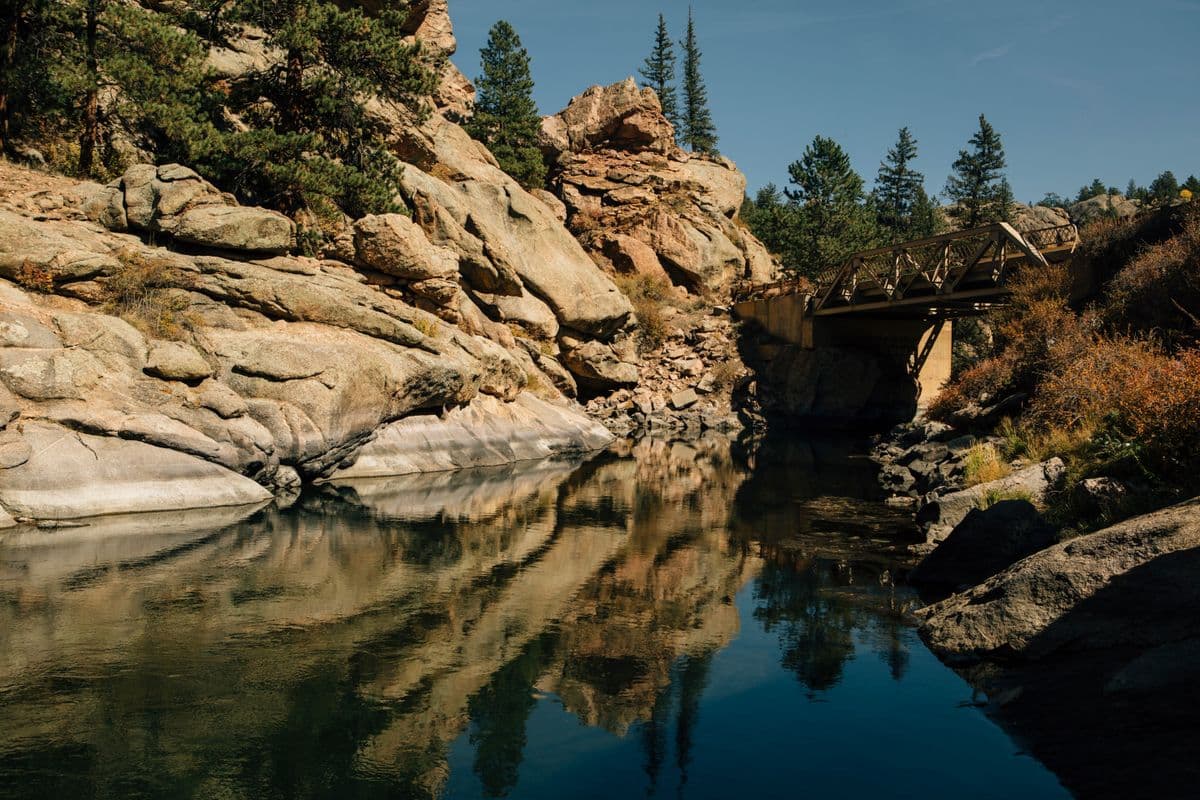
How to Fish Denver, Colorado: A Beginner's Guide to Gold Medal Tailwaters, Trophy Pike, and the South Platte System
Everything a first-timer needs to fish near Denver — Cheesman Canyon's educated trout, Eleven Mile Canyon's nymphing water, Waterton Canyon's accessible tailwater, trophy pike at Spinney Mountain, walleye at Chatfield, and the Dream Stream's migrating giants.
Denver has more Gold Medal trout water within day-trip range than any other major US city. Within 90 minutes of downtown, you can reach half a dozen tailwater fisheries holding wild brown and rainbow trout at densities exceeding 3,000 fish per mile. Add reservoirs with 20-pound northern pike, walleye in suburban lakes, and the Dream Stream's trophy trout migrations, and Denver becomes one of the most underrated fishing cities in the West.
The South Platte River system is the backbone. From its headwaters in South Park down through a chain of dams and canyons to the urban stretches flowing through Denver itself, the South Platte offers fishing that ranges from world-class technical fly fishing to kid-friendly stocked ponds — all connected by the same river. For a broader destination overview, see our Denver fishing guide. This guide covers the practical how-to for each fishery.
Cheesman Canyon: The Crown Jewel
Cheesman Canyon is three miles of the South Platte River below Cheesman Dam, about an hour southwest of Denver. Colorado Parks and Wildlife designates it as Gold Medal water — over 60 pounds of trout per acre, with a significant percentage of fish over 14 inches. The canyon is catch-and-release, flies and lures only, and the trout have seen every pattern in every fly box.
The fish here are large for a river this size — 14 to 20 inches, with occasional fish over 22 — and they feed on prolific hatches of midges, Blue Winged Olives, caddis, and Pale Morning Duns. The fishing is technical: long leaders (9 to 12 feet), fine tippet (6X or 7X fluorocarbon), and small flies (#20 to #26). You're reading the water, spotting fish, and making one clean cast to a feeding trout. Sloppy presentations get ignored.
Best hatches: Midges year-round (sizes 20 to 26 — the bread and butter). Blue Winged Olives in March/April and September/October. Caddis in June. Pale Morning Duns in July.
Essential flies: Mercury Pheasant Tail (#18-22), Top Secret Midge (#22-26), RS2 (#20-24), Barr's BWO Emerger (#20-22), Juju Baetis (#20-22), Black Beauty (#22-26), Sparkle Dun in BWO and PMD colors (#18-22).
Gear: A 9-foot 4-weight fly rod (Orvis Clearwater $300 or Sage Foundation $500) with a 9- to 12-foot leader tapered to 6X or 7X. Rio Technical Trout line ($55) helps with the delicate presentations Cheesman demands. This is not a place for 5-weight power — the 4-weight gives you the finesse these fish require.
Access: The hike in is steep — about a mile down a rocky trail from the parking area off County Road 126. Not wheelchair accessible. Bring wading boots with good ankle support.
What to expect: Cheesman Canyon is humbling. These are the most educated trout in Colorado — they've been catch-and-release for decades, they see hundreds of anglers per month, and they've learned to distinguish between a natural midge and a size 24 imitation drifted on 7X. You will spend more time watching and less time casting than on any other water. That's the point. The canyon teaches you to read water, identify feeding lanes, match emerging insects, and present flies with zero drag. If you can catch fish at Cheesman, you can catch fish anywhere in the West.
Winter fishing: Cheesman fishes year-round as a tailwater. Winter (December through March) is actually some of the best dry-fly fishing — tiny midges (#24 to #28) hatch on calm, cold days, and the trout rise steadily in the slow pools. Fewer anglers brave the cold, so you get the canyon to yourself. Dress in layers, bring fingerless gloves, and prepare for the most technical dry-fly fishing of the year.
Beginner's Guide to Fly Fishing Cheesman Canyon — Lower Middle Section, 4KEleven Mile Canyon: The Learning Water
Below Eleven Mile Dam, the South Platte runs through a narrow canyon with over 3,500 trout per mile in the catch-and-release section. The water is smaller and more intimate than Cheesman — pocket water, plunge pools, and short runs between boulders. Rainbow and brown trout dominate, and the fish are smaller on average but more willing to eat.
Why beginners should start here: Eleven Mile Canyon is more forgiving than Cheesman. The fish are still wild and wary, but they haven't been educated by decades of 6X tippet presentations the way Cheesman's trout have. You can get away with a slightly heavier tippet (5X) and slightly larger flies (#18 instead of #24). The pocket water also means shorter drifts — you don't need a perfect 40-foot drag-free drift to catch fish. A 10-foot drift through a plunge pool is plenty.
Technique: Indicator nymphing is the standard. A small yarn or foam indicator, two nymphs (a heavier attractor like a Copper John #16 on top, a smaller midge or Pheasant Tail #20 on the bottom), and enough split shot to get the flies down in the current. Cast upstream, mend, and watch the indicator. Any hesitation or movement = set the hook.
Gear: Same 4- or 5-weight fly rod as Cheesman. For spin fishing, a 6- to 7-foot ultralight with a 1000-size reel and 4-pound mono works — cast small spinners (Panther Martin #2, Blue Fox Vibrax #1) or tiny Rapala Countdown minnows through the pools.
Access: Eleven Mile Canyon is accessed from Lake George off Highway 24, about 1.5 hours southwest of Denver. There are multiple pullouts along the canyon road with trail access to the river. The special regulation (catch-and-release, artificials only) section is clearly marked. Some sections of the canyon road have been under construction — check CPW or local fly shop reports before driving out.
Waterton Canyon: The Afterwork Fishery
Waterton Canyon is the closest tailwater to Denver — 20 miles southwest of downtown, between Strontia Springs Dam and Chatfield Reservoir. The canyon offers several miles of walk-and-wade trout stream with brown and rainbow trout, accessible from a paved trail that follows the river.
Why it matters for beginners: You can fish Waterton Canyon after work. Drive from downtown Denver, be on the water in 30 minutes, fish for two hours, and be home for dinner. The trout are catch-and-release (barbless hooks), and while they're not as large as Cheesman's, they're plentiful and responsive to standard nymphing techniques.
Best approach: Walk the trail upstream, picking pocket water and runs as you go. Indicator nymph with the same rigs you'd use at Eleven Mile. The water is typically clear and low, so light tippet (5X to 6X) helps. Summer evenings bring caddis hatches that produce reliable dry-fly fishing — an Elk Hair Caddis (#14-16) drifted through the riffles is hard for these trout to refuse.
The Dream Stream: Trophy Migrations
The Dream Stream — officially the Charlie Meyers State Wildlife Area — is a few-mile stretch of the South Platte between Spinney Mountain Reservoir and Eleven Mile Reservoir in South Park, about two hours southwest of Denver. It's famous for trophy trout that migrate out of the reservoirs into the river to spawn.
Spring (March through May): Large rainbow trout (3 to 8 pounds, some over 10) push upstream from Eleven Mile Reservoir. The fishing is sight-casting to big fish in shallow, clear water — one of the most exciting visual fly fishing experiences in Colorado.
Fall (September through November): Brown trout from Spinney Mountain move into the Dream Stream to spawn. Fish average 3 to 6 pounds, with occasional fish over 8. Streamer fishing with Woolly Buggers and sculpin patterns produces the biggest browns.
Between migrations: The Dream Stream is a technical nymphing and dry-fly fishery with resident trout. Tricos, midges, and BWOs hatch reliably from summer into fall. Small flies, long leaders, stealth.
What makes the Dream Stream special: The combination of trophy-sized fish in a small stream is rare. During peak migration, you're sight-casting to 5-pound rainbows in two feet of water — fish that are visible, feeding actively, and catchable if your approach is right. The meadow setting in South Park at 8,500 feet elevation adds a dramatic backdrop — snow-capped peaks, wide-open grassland, and elk herds grazing within view of the river. It's a drive to get there (two hours from Denver), but the quality of the experience justifies the trip.
Access: Multiple well-marked parking areas along County Road 59 with established angler trails following the riverbanks. No special permits beyond the standard Colorado fishing license. The area can get crowded during peak migration weeks — arrive early on weekends.
Gear for the Dream Stream: Same fly rod you'd use at Cheesman (4- or 5-weight). During spring rainbow migration, bring streamers — Woolly Buggers in olive and black (#6-10), Slumpbusters, and egg patterns. During fall brown migration, larger streamers — Autumn Splendor, Sculpzilla, articulated patterns on a 6-weight. Between migrations, the same small midge and BWO patterns that work on the tailwaters.
Beginner's Guide to Colorado's Dream Stream — Colorado's Poor Man's AlaskaReservoirs: Pike, Walleye, and More
Denver's reservoirs offer completely different fishing from the tailwaters — warmwater and coldwater species, boat access, and techniques that don't require a fly rod.
Spinney Mountain Reservoir
Spinney Mountain (two hours southwest) is Colorado's premier trophy pike fishery. Northern pike over 40 inches are caught every season, and the reservoir record exceeds 30 pounds. Pike cruise the weed beds and shallow flats from May through October, ambushing trout and suckers.
How: Cast or troll large swimbaits, spinnerbaits, and spoons along the weed edges. A 7-foot medium-heavy casting rod with a baitcasting reel and 30-pound braid handles the toothy predators. For fly fishing, an 8- or 9-weight rod with large streamer patterns (Deceiver, Game Changer) stripped through the shallows produces explosive strikes.
Spinney also holds excellent trout — rainbows and browns that grow large on the reservoir's rich food chain. These are the fish that migrate into the Dream Stream to spawn.
Pike Fishing at Spinney Mountain Reservoir, Colorado Locating and Catching Giant Northern Pike at Spinney MountainChatfield Reservoir
Chatfield State Park (30 minutes south of Denver) holds walleye, largemouth bass, smallmouth bass, yellow perch, and channel catfish in a large, accessible reservoir surrounded by parkland.
Walleye: Chatfield's walleye population has grown significantly. Fish hold in the deeper channels (20 to 35 feet) and along the dam face. Jig and minnow (1/4-ounce Northland Fire-Ball tipped with a fathead) or trolling crankbaits (Rapala Shad Rap in crawdad or shad colors) along the channel edges produces consistently. Spring (April through May) and fall (October through November) are peak.
Bass: Largemouth hold in the coves and weed beds; smallmouth cruise the rocky points. Standard bass tactics — Senkos, crankbaits, topwater — work here. The fishing isn't as pressured as you'd expect for a metro-area reservoir.
Access: Chatfield State Park requires a Colorado Parks pass ($10 daily or $90 annual). Boat rentals are available at the marina. Bank fishing is accessible from multiple shoreline points around the reservoir. The park is well-maintained with restrooms, picnic areas, and a swim beach — making it a great option for families who want to combine fishing with a day at the lake.
Clear Creek: The Urban Option
Clear Creek runs through Golden, about 20 minutes west of Denver, and holds stocked rainbow trout and some wild browns in an accessible canyon setting. It's not Gold Medal water — the fish are smaller and less numerous than the South Platte tailwaters — but it's close, it's easy, and it's a legitimate place to learn.
For beginners: Clear Creek is where Denver-area anglers take their kids. The access is walk-in from multiple points along Highway 6 through Clear Creek Canyon. A simple spinning setup with Panther Martin spinners or PowerBait under a bobber catches stocked rainbows. Fly anglers nymph through the pocket water with standard attractor patterns — Prince Nymphs, Hare's Ears, and small Woolly Buggers.
Best times: Spring stocking (April through June) brings the most fish. Summer weekends are crowded with tubers and hikers — fish early morning or late evening. Fall is the sweet spot — fewer crowds, active fish, and beautiful canyon color.
Walleye Fishing Chatfield State Park in Colorado Fishing Chatfield Reservoir in Colorado — Walleye Catch and CookGear for Beginners
Fly fishing (tailwaters): Orvis Clearwater Fly Rod Outfit 9' 4wt ($300) or Echo Base Kit 9' 5wt ($180). Rio Technical Trout line ($55). 6X and 7X fluorocarbon tippet. Simms Freestone wading boots ($160) or Redington Crosswater waders ($130).
Spin fishing (reservoirs): Ugly Stik GX2 Spinning Combo 7-foot Medium ($50) for bass and walleye. For pike: Shimano SLX Baitcasting Combo ($170) with 30-pound braid.
Terminal tackle: Mercury Pheasant Tail #18-22, Top Secret Midge #22-26, RS2 #20-24, Elk Hair Caddis #14-16, Woolly Bugger #6-10 (olive and black), Northland Fire-Ball jigs 1/4oz, Rapala Shad Rap in crawdad.
Fishing License
Colorado requires a fishing license for anyone 16 or older. Residents pay $37.25 annually; non-residents pay $98.49 annually or $18.83 for a one-day license. Buy online at cpw.state.co.us or at any Walmart, King Soopers, or sporting goods store. No additional stamps are needed — the standard license covers all species including trout.
Spinney Mountain Reservoir Is BuzzingRecommended Gear
Orvis Clearwater Fly Rod Outfit 9' 4wt
Mid-tier — the Denver tailwater standard ($300)
Echo Base Fly Rod Kit 9' 5wt
Entry level — good starter for Eleven Mile and Waterton ($180)
Sage Foundation Outfit 4wt
Premium — Cheesman Canyon precision ($500)
Rio Technical Trout Line
Fine-diameter taper for spooky tailwater trout ($55)
Scientific Anglers 6X Fluorocarbon Tippet
Clear water demands invisible tippet ($7)
Simms Freestone Wading Boots
Mid-tier — grip on South Platte cobble ($160)
Ugly Stik GX2 Spinning Combo 7-foot
Entry level — Chatfield walleye and bass ($50)
Shimano SLX Baitcasting Combo
Mid-tier — Spinney Mountain pike ($170)
Northland Fire-Ball Jig 1/4oz
Chatfield walleye with minnow tip ($4)
Top Fishing Guides in Denver
Denver has more Gold Medal trout water within day-trip range than any other major US city. Whether you want to sight-fish to rising trout on Cheesman Canyon, nymph through Eleven Mile's pocket water, chase trophy pike at Spinney Mountain, or jig walleye at Chatfield, a Denver guide knows the water and the seasons — and can teach you the technical skills these fisheries demand.
Fish Lake Norman
Denver, NC, US
5.0 (238 reviews)
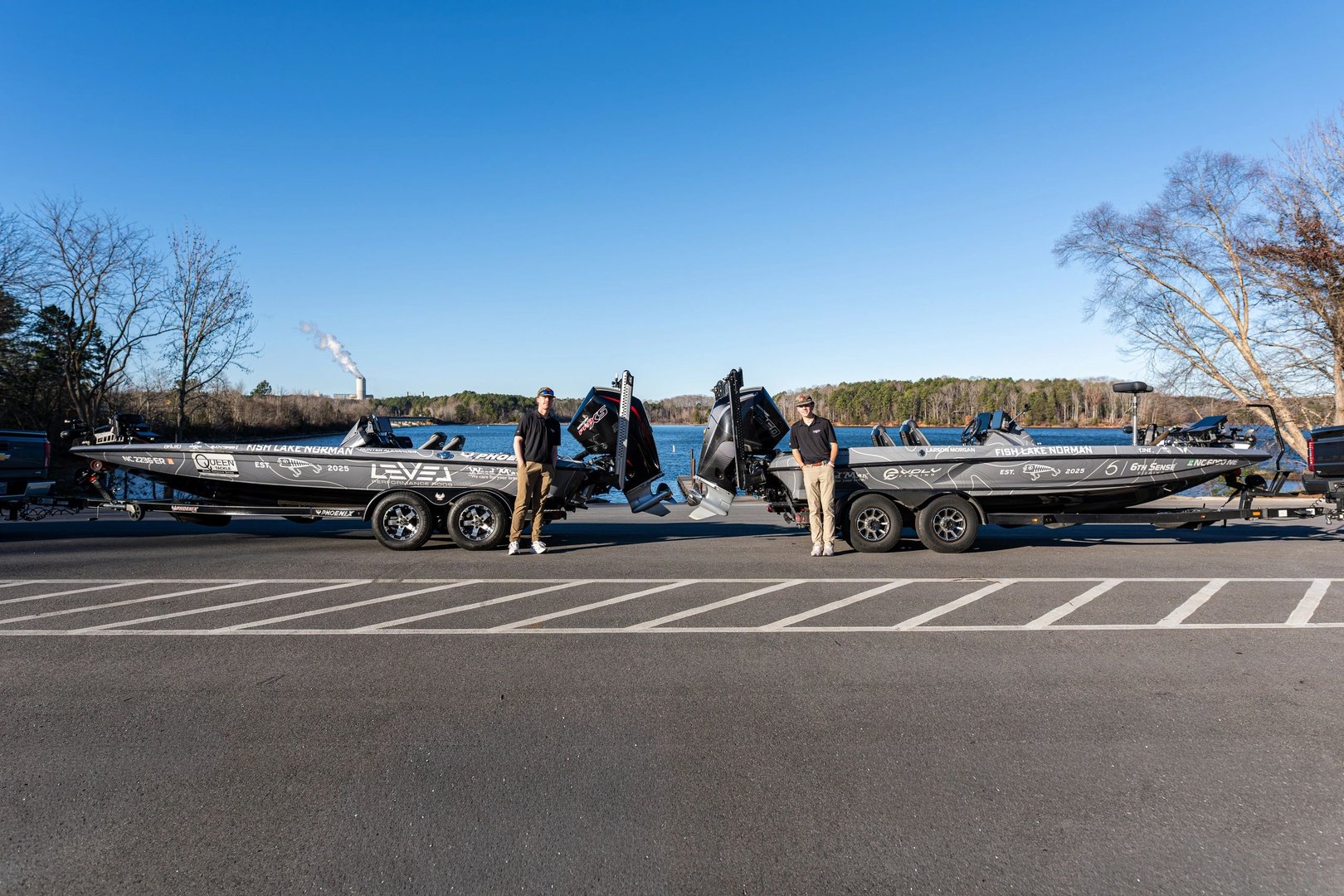
Fish Lake Norman offers premier fishing charters on North Carolina's largest lake, specializing in Largemouth and Spotted Bass. Led by experienced guides Larson Morgan and Hunter Alexander—both with extensive tournament backgrounds—the operation delivers tailored fishing experiences for anglers of all skill levels. Their deep local knowledge ensures clients make the most of every outing. The team provides flexible trip options, from half-day to full-day excursions, with all necessary equipment and refreshments included. Whether you're a seasoned angler or picking up a rod for the first time, Fish Lake Norman creates a welcoming atmosphere focused on great fishing and an unforgettable day on the water.

Mile High Angler
Denver, CO, US
5.0 (58 reviews)
Mile High Angler Mile High Angler specializes in guided fly fishing on Colorado's South Platte River, offering access to premium stretches including the Middle Fork, Dream Stream, and Elevenmile Canyon. Their experienced guides work with anglers of all skill levels to pursue brown trout, rainbow trout, and Kokanee salmon while emphasizing ethical, sustainable fishing practices. The operation provides flexibility through both private and public water trips, allowing clients to choose the experience that best suits their needs and preferences. Whether planning an intimate outing or a group adventure, guests can expect knowledgeable instruction, personalized attention, and the opportunity to explore some of Colorado's most scenic and productive waters.

Finesse Angler
Denver, CO, US
4.9 (18 reviews)
Finesse Angler Finesse Angler brings three decades of expertise to Colorado's premier bass fishing scene. Led by seasoned guide Shawn Rogers, this Denver-based service specializes in personalized instruction for anglers of all levels, from beginners taking their first cast to competitive tournament fishermen seeking to sharpen their skills. Whether targeting Rainbow Trout, Smallmouth Bass, or Largemouth Bass, Shawn combines deep local knowledge with top-tier equipment—including premium Shimano and G-Loomis gear—to maximize success on the water. Recognizing that every angler's needs differ, Finesse Angler offers flexible trip durations tailored to individual schedules and goals. Each outing is designed to be both educational and enjoyable, ensuring clients leave with improved technique and lasting memories of Colorado's outstanding fishery.

Ken's Anglers
Denver, CO, US
4.9 (18 reviews)
Ken's Anglers is a premier fly fishing guide service conveniently located within an hour of Denver, Colorado. The team specializes in Colorado's most productive waters—the South Platte, Blue, and Clear Creek rivers, as well as South Park—with deep knowledge of each river's unique character and seasonal patterns. Their experienced, approachable guides welcome anglers of all skill levels, from those picking up a fly rod for the first time to accomplished fishermen seeking to refine their technique. Ken's Anglers offers flexible trip formats, including half-day and full-day outings, with all necessary equipment provided. For those seeking adventure beyond Colorado's borders, the service also organizes destination trips to premier fly fishing locations in Argentina and Ecuador. Whether exploring local waters or traveling abroad, clients can expect professional guidance and genuine passion for the sport.

Galvin Guiding
Denver, CO, US
Galvin Guiding offers expert fly fishing experiences across Colorado's most prized waters, including the South Platte River, Clear Creek, and Bear Creek. Specializing in trout—browns, rainbows, cutbows, and cutthroats—the operation welcomes anglers of all skill levels with personalized trips tailored to individual goals and interests. The guides bring years of regional expertise to every outing, combining technical knowledge with a deep appreciation for Colorado's natural beauty. Whether clients seek trophy-sized catches or a tranquil day on the water, Galvin Guiding delivers memorable experiences backed by exclusive access to premier fishing locations throughout the region.
Lowry Outdoor Adventures
Denver, CO, US
Lowry Outdoor Adventures Lowry Outdoor Adventures brings years of fishing expertise to Colorado's premier reservoirs, led by guide Ron's genuine passion for the sport. Operating out of Denver, the service specializes in creating accessible, personalized fishing experiences for families and small groups. A commitment to education sets this operation apart—Ron focuses on building guests' skills and confidence, transforming each outing into both an exciting adventure and a valuable learning opportunity. The service welcomes families with open arms, offering complimentary fishing for children 18 and younger. By keeping groups small, Lowry Outdoor Adventures ensures every angler receives attentive guidance and a truly memorable day on the water. Whether introducing newcomers to fishing or refining experienced anglers' techniques, Ron's enthusiasm and local knowledge make Colorado's waters accessible to all skill levels.
Frequently Asked Questions
What fish can I catch near Denver?
Tailwater trout: brown and rainbow trout (14-22 inches) at Cheesman Canyon, Eleven Mile Canyon, and Waterton Canyon — all Gold Medal water. Dream Stream: migrating trophy trout (3-10+ lbs) from the reservoirs. Spinney Mountain: northern pike (to 40+ inches). Chatfield: walleye, largemouth bass, smallmouth bass, perch. Clear Creek: stocked and wild trout.
Where should a beginner fly fish near Denver?
Start at Eleven Mile Canyon (1.5 hours SW) — more forgiving than Cheesman, fish are willing, pocket water means shorter drifts. Waterton Canyon (30 min S) is the afterwork option — accessible, catch-and-release, standard nymphing works. Save Cheesman Canyon for after you've built your skills — it's the most technical water on the Front Range.
How much does a guided fly fishing trip cost near Denver?
Full-day guided wade trips: $450-$600 for one to two anglers, including flies, leaders, and instruction. Half-day: $300-$400. Float trips on the Colorado or Arkansas Rivers: $500-$700 full day. Reservoir guide trips (pike, walleye): $400-$500. Tips of $100-$150 for a full day are standard.
Do I need a fishing license in Colorado?
Yes — anyone 16 or older needs a Colorado fishing license. Non-residents: $98.49/year or $18.83 for a single day. No additional trout stamp needed — the standard license covers everything. Buy online at cpw.state.co.us or at Walmart, King Soopers, or sporting goods stores.
When is the best time to fish near Denver?
Year-round — tailwaters fish well every month. Best windows: February-March for winter midge hatches at Cheesman. March-May for Dream Stream rainbow migration. June-September for dry-fly fishing everywhere. September-November for Dream Stream brown trout and fall BWO hatches. May-September for reservoir pike and bass.
Related Articles
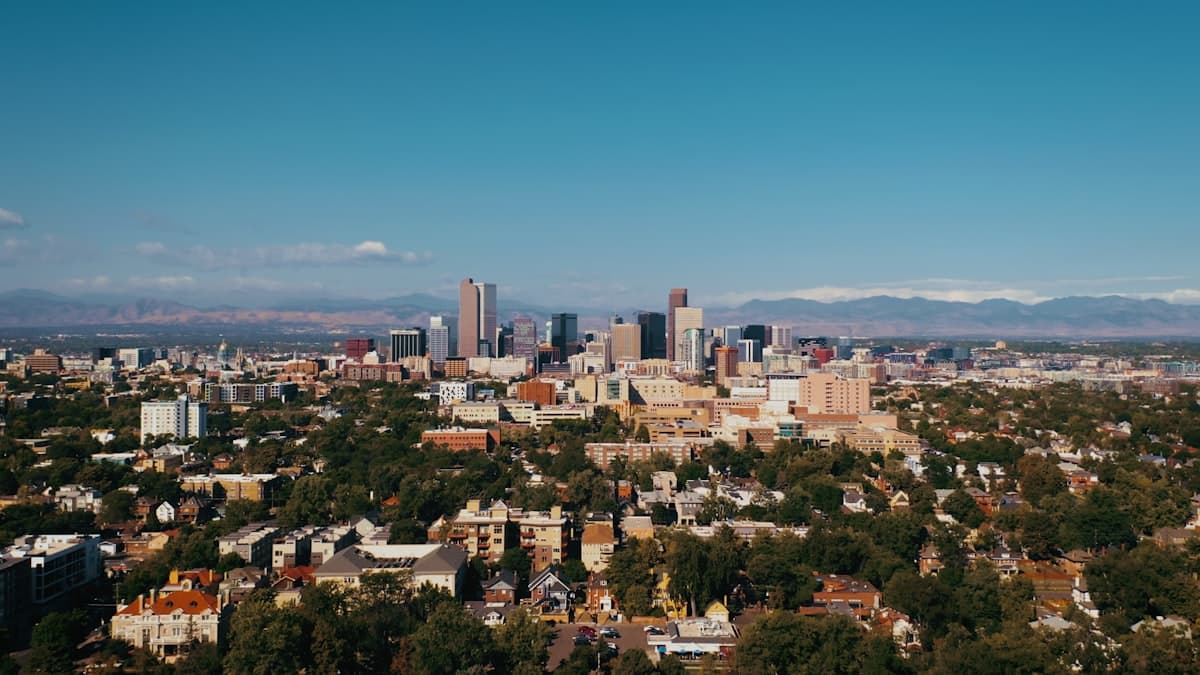
Denver Fishing: Tailwaters, Freestone, and Gold Medal Trout Within an Hour
Wednesday, March 18, 2026
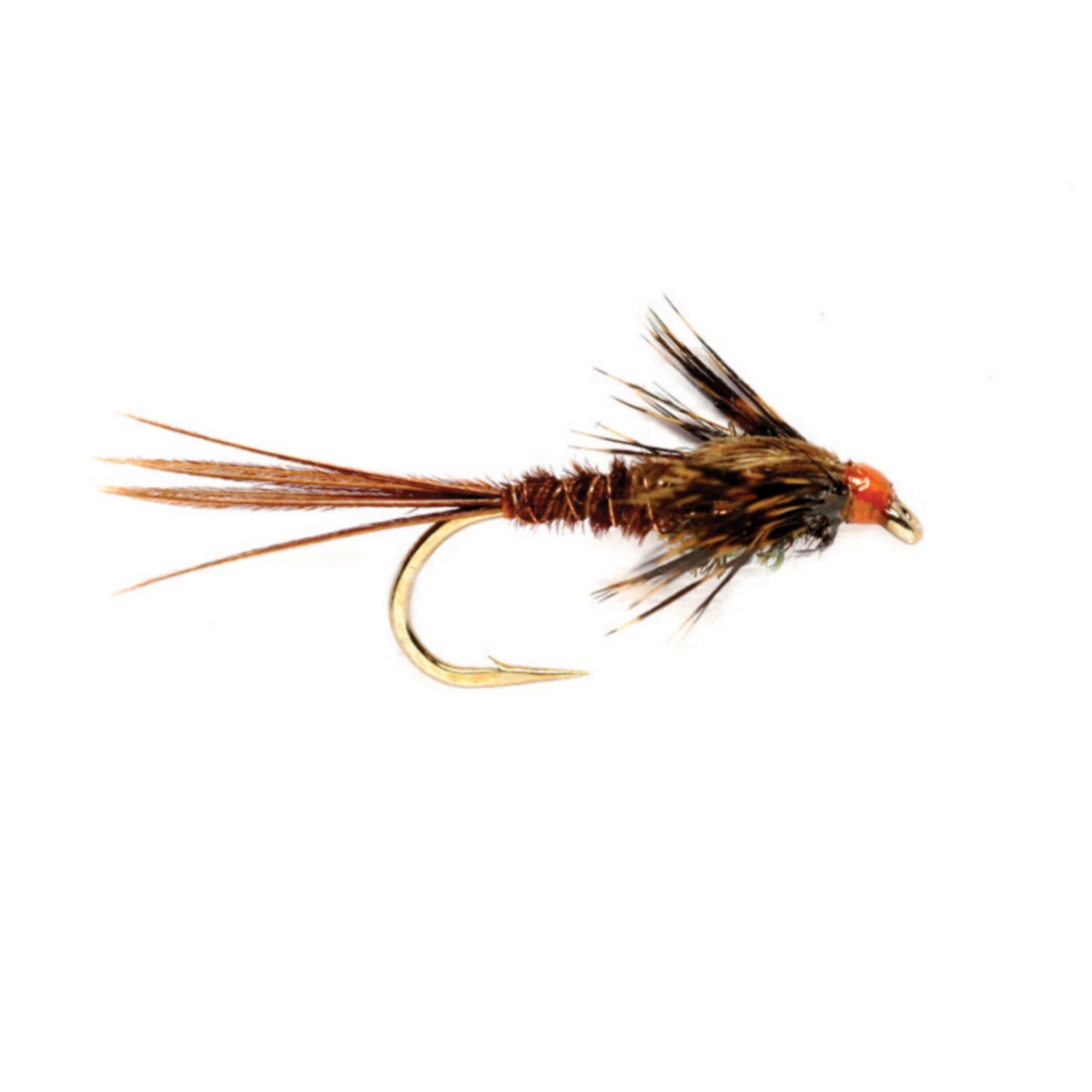
The Pheasant Tail Nymph: Two Materials, No Thread, and the Subsurface Fly That Changed Everything
Thursday, April 9, 2026
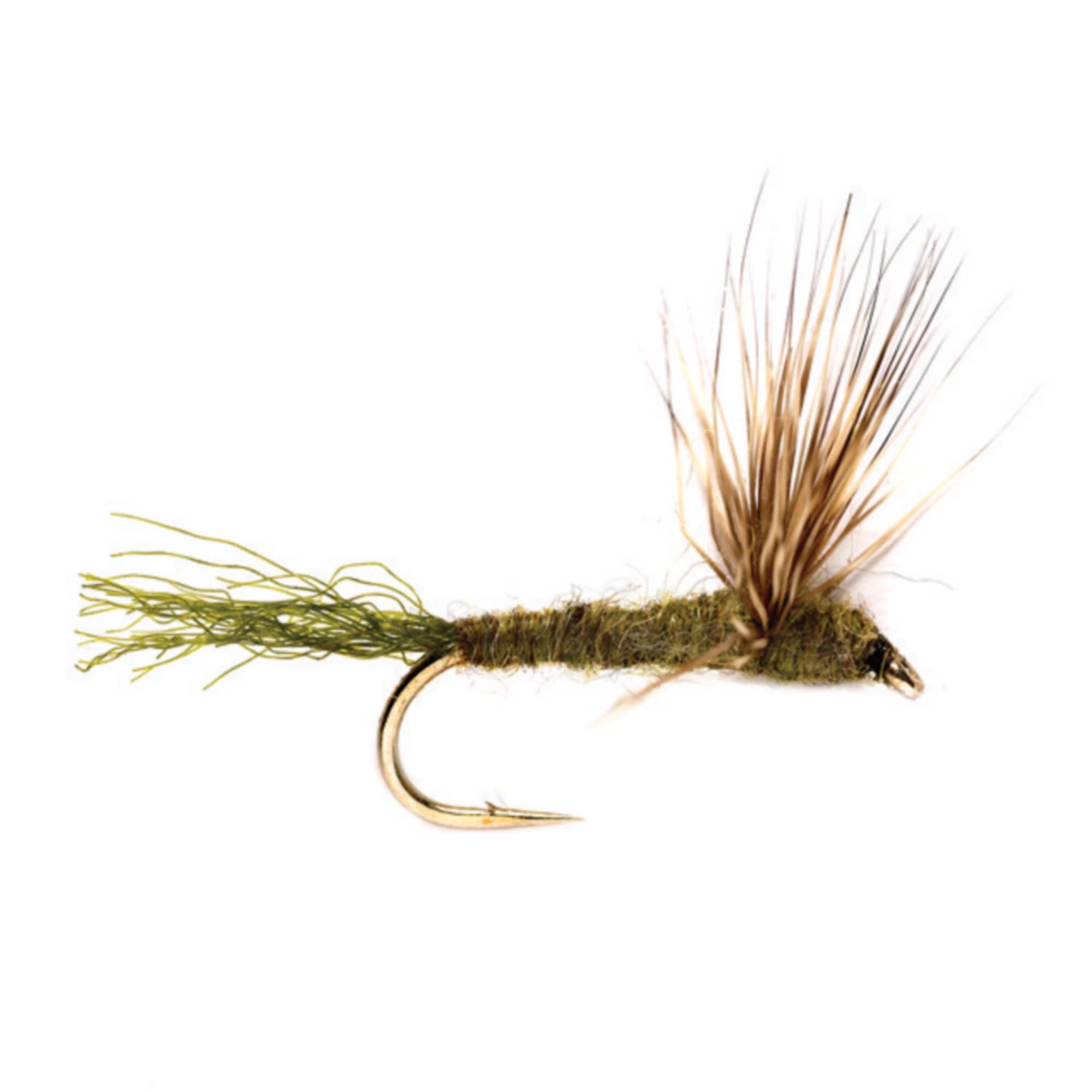
The Comparadun and Sparkle Dun: The No-Hackle Revolution and the Flies That Fool the Smartest Trout
Monday, March 2, 2026
 ™
™