
How to Fish Long Beach & Ilwaco, Washington: A Beginner's Guide to Razor Clams, Salmon, Sturgeon, and the Columbia River Mouth
Everything a first-timer needs for the Long Beach Peninsula — razor clam digging on the beach, jetty fishing at Cape Disappointment, Buoy 10 salmon, Columbia River sturgeon, surf perch, offshore albacore, and practical details for visiting anglers.
The Long Beach Peninsula is a 28-mile strip of sand on Washington's southwest coast, bordered by the Pacific Ocean on the west and Willapa Bay on the east, with the Columbia River's massive mouth at the southern tip. The town of Ilwaco sits at that tip, right where the river meets the ocean, and it's been a commercial and sport fishing port for over a century. This is where the legendary Buoy 10 salmon fishery happens every August, where sturgeon grow to prehistoric proportions in the Columbia's estuary, where razor clams draw thousands of diggers to the beach on approved weekends, and where the North Jetty at Cape Disappointment puts lingcod and rockfish within casting range of anyone willing to scramble over the rocks.
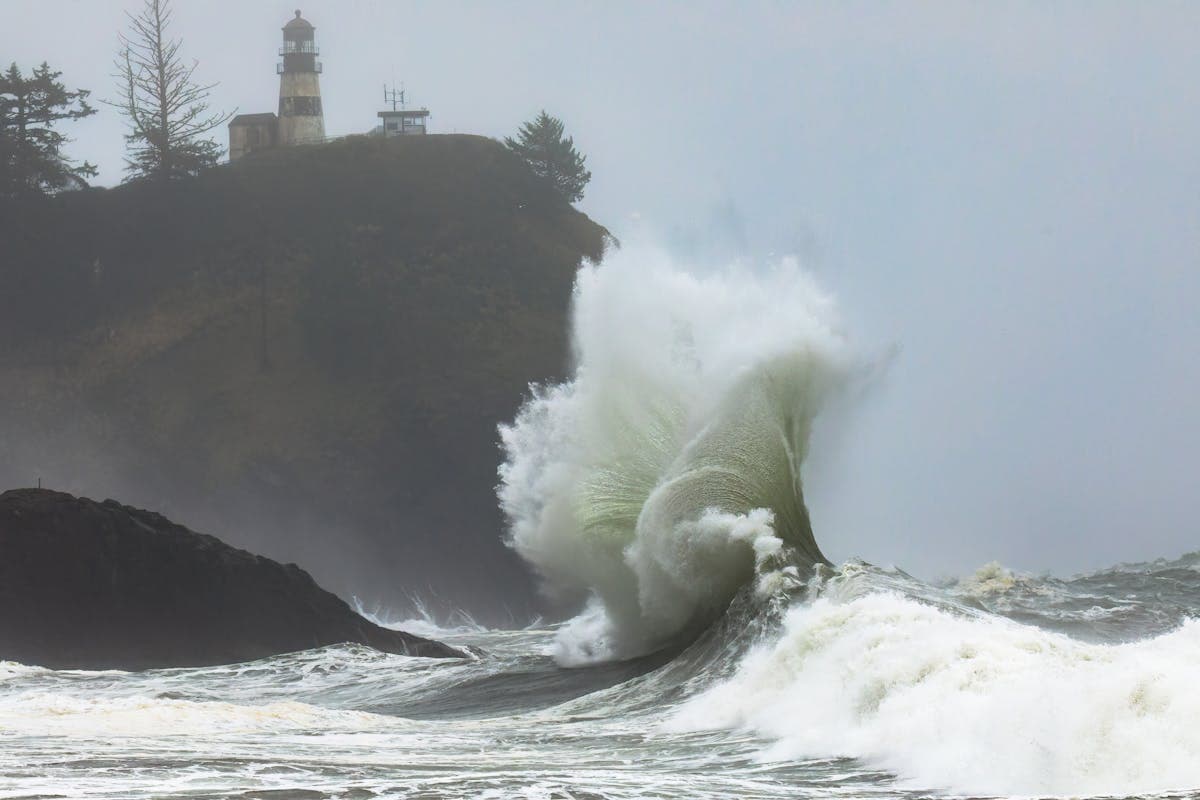
The fishing and clamming here are inseparable from the landscape — miles of flat, hard-packed beach, crashing Pacific surf, fog rolling through the jetty rocks, and the constant presence of the Columbia River bar, one of the most dangerous stretches of water on the West Coast. The bar is why you hire a charter captain instead of running your own boat.
Razor Clam Digging: The Peninsula's Signature Activity
Razor clam digging is not fishing, but it's the single most popular outdoor activity on the Long Beach Peninsula and the reason most people make the drive. These fast-burrowing bivalves live in the wet sand of the surf zone, and digging them is a hands-and-knees, race-against-the-tide experience that's equal parts treasure hunt and comedy.
When
The Washington Department of Fish and Wildlife (WDFW) approves specific digging dates — typically fall through spring (October through May), with dates announced a few weeks in advance based on marine toxin testing. Summer digs are rare. Check wdfw.wa.gov for approved dates before you go — digging on unapproved dates is illegal.
How
You need a razor clam license ($15.70 for non-residents for a 3-day combination license that includes clamming). The daily limit is 15 clams per person, and you must keep the first 15 you dig regardless of size.
The technique: Walk the beach at low tide in the surf zone, looking for "shows" — small dimples or holes in the wet sand that indicate a clam just below the surface. When you spot a show, quickly push your clam gun (a cylindrical tube with a handle) or clam shovel straight down next to it, pull up a core of sand, and grab the clam before it burrows deeper. Razor clams can dig fast — hesitation costs you the clam. The whole thing happens in seconds.
Gear: A razor clam gun ($15 to $30 at any Long Beach sporting goods store) or a narrow-blade clam shovel. A mesh bag to hold your catch. Headlamps for early morning or evening digs. Rubber boots or waders — the surf zone is cold and wet. Gloves help with grip.
Where on the peninsula: The entire ocean beach from the North Head lighthouse south to the Columbia River mouth is productive. The stretch near the town of Long Beach and the access at Sid Snyder Beach are the most popular and accessible.
What to expect: Razor clam digging is a social event on the Long Beach Peninsula. On approved dig days, thousands of people descend on the beach — families, kids, experienced diggers, and total beginners, all spread out across the surf zone with headlamps and clam guns. The atmosphere is festive. Veteran diggers work fast and fill their limit in 30 minutes; beginners might take two hours and lose half their clams to the sand. That's normal — you get faster with practice. The digging typically starts an hour before low tide and continues until the tide turns. Night digs (starting at sunset) are particularly popular — the headlamps on the beach look like a constellation spread across the sand.
Cleaning and cooking: Razor clams need to be cleaned within a few hours of digging. There are cleaning stations at many beach access points. The cleaning process involves a quick dunk in boiling water to open the shell, then removing the viscera and rinsing the meat. Razor clam chowder is the peninsula's signature dish, but they're also outstanding breaded and fried — the local restaurants do it best.
Pacific Razor Clamming in Long Beach, Washington Surf Perch Beach Fishing and Razor Clam DiggingJetty Fishing: Cape Disappointment and the North Jetty
The North Jetty at Cape Disappointment State Park extends into the Columbia River mouth and is one of the most productive jetty fishing spots on the Pacific Coast. It's also one of the most dangerous — the rocks are slippery with algae, the waves can be unpredictable, and people have been swept off the jetty. Wear cleats or studded boots, fish with a buddy, never turn your back on the ocean, and stay off the jetty in rough weather.
What You'll Catch
Lingcod are the jetty's prize species. These aggressive, toothy bottom predators hold in the rock crevices and surge channels along the jetty, ambushing baitfish and crabs. Lingcod season typically opens in May and runs through October (check WDFW regulations — dates change annually). Fish average 5 to 15 pounds, with the occasional 20-pounder from the jetty.
Rockfish (multiple species — black, blue, copper, quillback) inhabit the same structure as lingcod. They're caught year-round on jigs, bait, and swimbaits fished along the bottom near the rocks. The daily limit varies by species — some are catch-and-release only.
Greenling and cabezon round out the jetty catch. Both are caught on the same tackle as lingcod and are excellent eating.
Technique
A stout 8- to 10-foot spinning rod with a 4000- to 5000-size reel and 30-pound braided line handles the jetty. Tie a 1- to 2-ounce leadhead jig with a white, green, or motor-oil brown 4-inch swimbait (Berkley Gulp Grub or Z-Man Swim CrawZ) and cast it out along the rocks. Let it sink, then jig it back with sharp hops, keeping it near the bottom. The key is working the jig through the surge channels and rock crevices without getting snagged — you will lose tackle on the jetty, so bring extras.
Alternative: A sliding float rig with a live or dead herring, anchovy, or sand shrimp, fished 10 to 15 feet deep along the jetty rocks, catches lingcod and rockfish when jigs aren't producing. Set the float stopper at the right depth, let the bait drift in the current near the rocks, and wait for the float to go down.
How to Rig Up to Catch Salmon Off the North Jetty in IlwacoSurf Perch: The Beach Fishery
The Long Beach Peninsula's ocean beach holds redtail surf perch year-round, with the best fishing from March through June during the spawning run when large, gravid females move into the surf zone. Surf perch average 1 to 2 pounds — not big fish, but they fight well on light tackle, they're fun to catch in the surf, and they taste good.
Where: Anywhere on the beach where you see structure — troughs between sandbars, areas where waves break at different distances, and depressions in the sand. Walk the beach at low tide and note where the structure is, then fish those spots on the incoming tide.
How: A 9- to 10-foot medium-light surf rod with a 3000-size reel and 15-pound braid. Rig a two-hook setup with size 4 to 6 hooks on 12-inch dropper loops, 1- to 2-ounce pyramid sinker on the bottom. Bait with sand shrimp, Berkley Gulp Sandworm, or small pieces of razor clam (from your clamming catch). Cast into the trough between the first and second sandbars and let it sit. Surf perch feed by rooting in the sand — the bite is a series of light taps followed by a steady pull.
Buoy 10 Salmon: The August Spectacle
Every August, the Buoy 10 fishery at the mouth of the Columbia River is one of the largest and most intense salmon fisheries in North America. Over a million fall chinook and coho salmon funnel through the river mouth on their way upstream to spawn, and hundreds of boats crowd the estuary between Ilwaco and Astoria to intercept them.
What to expect: Charter boats depart from the Port of Ilwaco starting at dawn. The fishing is trolling — herring or spinners behind flashers at slow speeds in the estuary. When a salmon hits, the rod bends, the reel screams, and the mate coaches you through the fight. Chinook average 15 to 25 pounds; coho average 8 to 12 pounds. Limits are set annually by WDFW and can change mid-season — your captain tracks the regulations daily.
Charter cost: $200 to $350 per person for a Buoy 10 trip out of Ilwaco. All tackle and bait included. Tips are standard. Book well in advance — August weekends sell out months ahead.
The experience: Buoy 10 is not a quiet day on the water. It's boats jockeying for position, rods bending, nets flashing, and the constant background roar of the Columbia Bar. It's an event — loud, physical, and genuinely exciting. First-timers are welcome; the crew handles everything.
Ocean Salmon Fishing on the Salt Patrol — Ilwaco, WA Ilwaco Chinook and Coho SalmonColumbia River Sturgeon
White sturgeon in the lower Columbia River grow to enormous sizes — fish over 8 feet are caught and released regularly. The estuary near Ilwaco holds sturgeon year-round, feeding on sand shrimp, smelt, and anchovies on the tidal flats.
Sturgeon fishing is mostly catch-and-release — limited harvest windows are announced by WDFW when populations allow, typically for fish in the 38- to 54-inch "keeper" window. The catch-and-release fishery is open most of the year.
How: Anchor in the estuary channels in 20 to 40 feet and fish the bottom with heavy tackle. A 7- to 8-foot heavy rod with a large conventional reel and 65- to 80-pound braid. Rig a sliding sinker (8 to 16 ounces — the Columbia's current is strong), 3 feet of 80-pound leader to a single barbless circle hook (10/0 to 14/0). Bait with a whole sand shrimp, smelt, or anchovy. Drop to the bottom and wait. Sturgeon bites start as gentle taps — the rod tip bounces subtly. Let the fish commit before reeling tight.
What to expect: When a sturgeon eats, the rod tip starts bouncing — subtle at first, then more insistent as the fish mouths the bait. Let it load. When the rod bends and stays down, reel tight and the circle hook sets in the corner of the jaw. The fight with a big sturgeon is pure power — they hug the bottom, use the Columbia's current, and make surging runs that test your arms and your gear. A 6-foot fish (common in the lower Columbia) can take 20 to 45 minutes to bring alongside the boat. For catch-and-release, the captain will measure the fish, snap a quick photo, and revive it before release. These are ancient fish — some are 50 to 100 years old — and handling them carefully matters.
Charter: $250 to $400 per person. The captain handles the anchoring and the heavy gear. A big sturgeon fight can last 30 to 60 minutes. Sturgeon trips are some of the most memorable fishing experiences on the West Coast — the combination of the fish's size, the Columbia's power, and the prehistoric appearance of a sturgeon alongside the boat is hard to forget.
Offshore: Albacore Tuna and Halibut
When warm currents push close to shore (typically July through September), Ilwaco charter boats run offshore for albacore tuna — 20 to 40 miles out into the Pacific. Albacore average 15 to 25 pounds and travel in fast-moving schools. The trips are long (10 to 14 hours), weather-dependent, and not available every year — some seasons the tuna stay too far out. But when they're within range, the action is nonstop.
Pacific halibut seasons are set annually by the International Pacific Halibut Commission and are typically a handful of open days scattered through the summer. When halibut is open, Ilwaco boats run to the halibut grounds 15 to 30 miles offshore. Fish average 20 to 50 pounds, with occasional barn doors over 100.
Ilwaco Washington Albacore Tuna and Salmon Bonus with TipsCrabbing
Dungeness crabbing in Willapa Bay (the bay on the east side of the peninsula) is excellent from summer through fall. Recreational crabbers can use ring nets or pots dropped from docks, boats, or the public pier in Nahcotta. The daily limit is typically 5 male crabs with a minimum 6.25-inch carapace width. Crabbing requires a separate shellfish license.
Gear for Beginners
Jetty/surf: Penn Battle III 4000 Combo ($130) or Penn Pursuit IV 4000 ($70) with 20- to 30-pound braid. Bring extra jigs — you'll lose them on the rocks.
Clam digging: Razor clam gun ($20), mesh bag, headlamp, rubber boots. No fishing rod needed.
Salmon/sturgeon: Charter provides everything. Just bring layers, rain gear, Dramamine, and cash for the tip.
Terminal tackle: 1-2oz leadhead jigs with white and green swimbaits (jetty), pyramid sinkers 1-3oz (surf perch), size 4-6 hooks (surf perch), Berkley Gulp Grub 4-inch, Berkley Gulp Sandworm, sand shrimp (buy at bait shops in Ilwaco or Long Beach).
Fishing License
Washington requires a fishing license for anyone 15 or older. Non-residents pay $84.50 annually or $20.20 for a 3-day temporary. A combination license that includes shellfish (razor clams, crab) costs more — $15.70 for a 3-day non-resident shellfish license. Buy online at fishhunt.dfw.wa.gov or at local sporting goods stores. Charter boats include your license in some cases — confirm when booking.
Washington Ocean Salmon — Northwest Fishing TVRecommended Gear
Penn Battle III 4000 Combo
Mid-tier — jetty lingcod and surf perch ($130)
Penn Pursuit IV 4000 Combo
Entry level — jetty and beach ($70)
Penn Slammer IV 4500
Premium — handles big lingcod and jetty current ($300)
Berkley Gulp Grub 4-inch White
Jetty jig trailer — lingcod and rockfish love it ($8)
Berkley Gulp Sandworm
Surf perch bait — lasts longer than real worms ($8)
Razor Clam Gun
Essential for clam digging — tube-style, stainless ($25)
Shimano Butterfly Flat-Fall Jig 2oz
Jetty lingcod — drops fast in the surge ($18)
Top Fishing Guides in Long Beach
The Long Beach Peninsula sits at the mouth of the Columbia River with Buoy 10 salmon, Columbia River sturgeon, jetty fishing at Cape Disappointment, razor clam digging, and offshore albacore — all from a 28-mile strip of beach. Whether you want to charter for August kings, dig your limit of razor clams on a moonlit beach, jig lingcod off the North Jetty, or fight a 6-foot sturgeon in the estuary, an Ilwaco captain knows this water.
Nemo Charters
Long Beach, CA, US
5.0 (67 reviews)
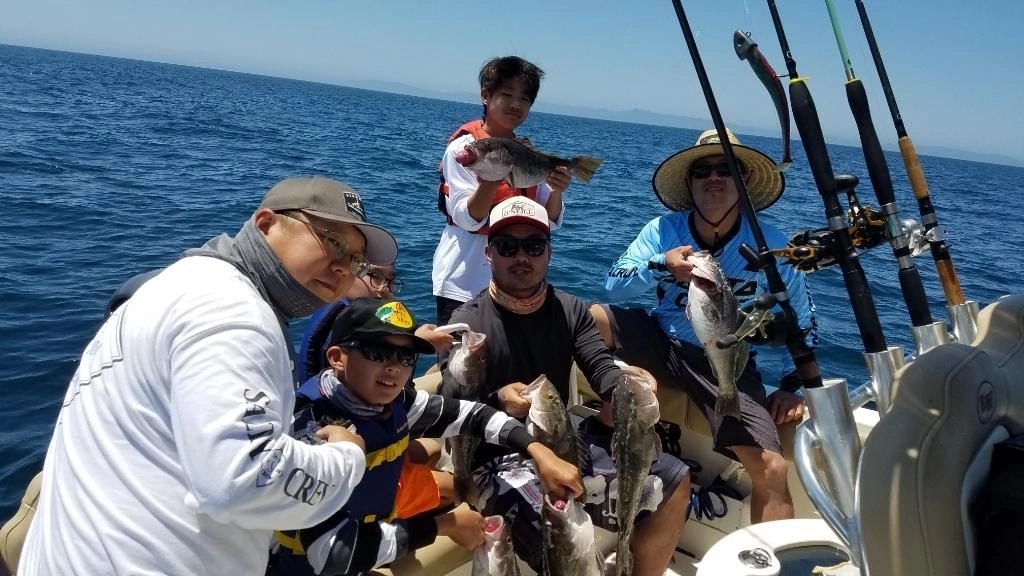
Nemo Charters operates a fleet of three well-equipped vessels out of Long Beach, California, serving the greater Southern California coast including Huntington Beach and Newport Beach. Their experienced captains specialize in deep-sea fishing, targeting premium species such as tuna, white sea bass, and rockfish while accommodating anglers of all skill levels. The charter keeps groups intentionally small to ensure personalized attention and a relaxed, crowd-free atmosphere. Beyond traditional fishing trips, Nemo Charters offers educational excursions and whale watching experiences, making each outing an opportunity to connect with the ocean and marine wildlife. Whether you're a seasoned angler or picking up a rod for the first time, their knowledgeable team is committed to crafting memorable adventures for guests of all ages.

Coastal Fly
Long Beach, WA, US
5.0 (31 reviews)
Coastal Fly specializes in fly fishing adventures throughout the pristine rivers of Southwest Washington. The guide service focuses on premier species including Salmon, Rainbow Trout, Coastal Cutthroat, Coho, and Steelhead, offering expertly crafted experiences for anglers of all skill levels—from those just beginning their fly fishing journey to accomplished veterans. Coastal Fly provides both half-day and full-day river excursions tailored to each angler's goals and experience. The guide's deep knowledge of local waters and commitment to personalized service ensures every trip is thoughtfully matched to client preferences, creating meaningful time on Southwest Washington's exceptional rivers.
Fishing Charters 365
Long Beach, CA, US
5.0 (12 reviews)
Fishing Charters 365 Fishing Charters 365 brings anglers of all skill levels to the premier fishing grounds of Southern California, from San Diego to Long Beach. Specializing in bluefin tuna, the operation offers diverse trip styles including offshore expeditions, island adventures, and coastal excursions tailored to match each angler's experience and ambitions. Every outing is led by USCG licensed captains commanding a fully equipped modern fleet. Whether chasing trophy catches or enjoying a relaxing day on the water, guests benefit from experienced crew, professional-grade tackle, and intimate knowledge of local waters. Fishing Charters 365 welcomes beginners and seasoned fishermen alike to pursue world-class fishing opportunities in Southern California's most productive marine habitat.
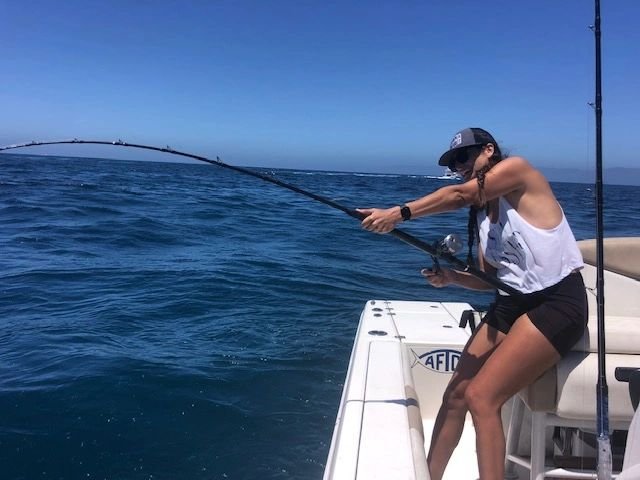
All Harbors Charter
Long Beach, CA, US
4.9 (207 reviews)
All Harbors Charter, led by Captain Gerry Mahieu, offers guided fishing trips along the Southern California Coast and Offshore Islands. With a lifetime of fishing experience and a Master 100 Ton Maritime credential, Captain Mahieu is dedicated to providing an exceptional experience for anglers of all skill levels. The charter operates a high-powered vessel outfitted with premium Daiwa tackle and modern equipment designed to maximize time on the water. Specializing in private charters, All Harbors Charter prioritizes personalized service and a proven track record of connecting anglers with fish. Whether exploring coastal waters or venturing to offshore islands, clients can expect professional seamanship paired with genuine dedication to their success.
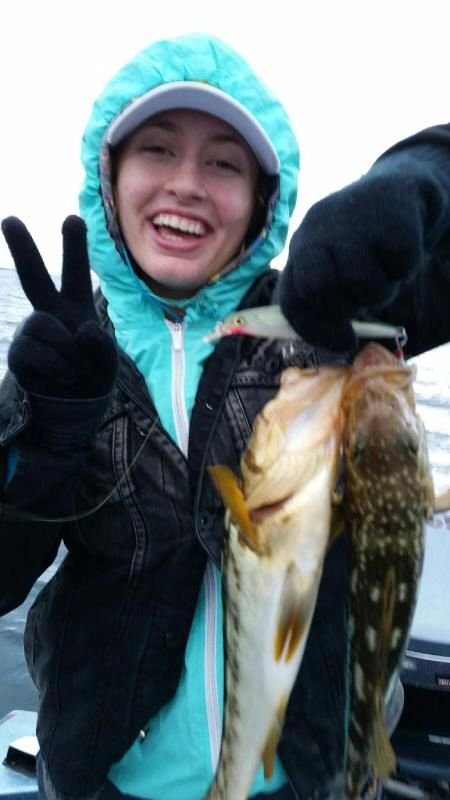
Break Wall Fishing
Long Beach, CA, US
4.9 (207 reviews)
Break Wall Fishing Break Wall Fishing offers premier deep sea fishing and lobster hooping charters departing from Long Beach, California. Operating year-round aboard a well-equipped 22' Cobia, the service welcomes groups of up to six anglers for customized trips ranging from two to eight hours. Whether targeting trophy species or enjoying a casual day on the water, guests benefit from experienced captains who cater to all skill levels. The charter handles all gear and logistics, allowing anglers to focus on the experience itself. Break Wall Fishing's commitment to personalized service and comprehensive equipment ensures both novice and seasoned fishermen can make the most of their time on the Pacific.
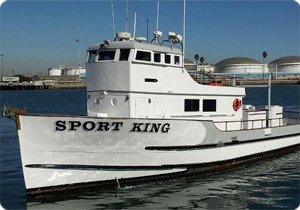
LA Harbor Sport Fishing
Long Beach, CA, US
4.8 (44 reviews)
La Harbor Sport Fishing LA Harbor Sport Fishing operates premier sport fishing charters from San Pedro, California, welcoming anglers of all experience levels. Their fleet of state-of-the-art vessels ventures into productive waters in search of California halibut, calico bass, yellowtail, and tuna throughout the year. With years of expertise and a knowledgeable crew committed to safety and enjoyment, LA Harbor Sport Fishing creates memorable deep-sea experiences for both seasoned anglers and first-time visitors. They offer flexible scheduling with half-day and full-day charter options to accommodate any angler's needs.
Frequently Asked Questions
When is razor clam season on Long Beach?
WDFW approves specific digging dates — typically October through May, with dates announced a few weeks ahead based on marine toxin testing. Summer digs are rare. Check wdfw.wa.gov before driving to the coast. The daily limit is 15 clams per person. You need a shellfish license ($15.70 for non-resident 3-day).
What fish can I catch at Long Beach and Ilwaco?
Chinook and coho salmon (August Buoy 10 fishery), white sturgeon (year-round catch-and-release), lingcod and rockfish (North Jetty, May-October), surf perch (year-round, peak March-June), albacore tuna (July-September offshore), Pacific halibut (limited days). Plus razor clams and Dungeness crab.
How much does a Buoy 10 salmon charter cost?
Buoy 10 charters from Ilwaco: $200-$350 per person, all tackle and bait included. Sturgeon charters: $250-$400 per person. Albacore tuna offshore trips: $300-$450 per person (10-14 hour days). Book August Buoy 10 trips months in advance — they sell out.
Is jetty fishing at Cape Disappointment safe?
The North Jetty is productive but dangerous — slippery rocks, unpredictable waves, and people have been swept off. Wear studded boots or cleats, fish with a buddy, never turn your back on the ocean, and stay off the jetty in rough weather or high surf. Check the marine forecast before going.
Do I need a fishing license at Long Beach?
Yes — Washington requires a license for anyone 15+. Non-residents: $84.50/year or $20.20 for 3 days. Razor clams and crab require a separate shellfish license ($15.70 for non-resident 3-day). Buy online at fishhunt.dfw.wa.gov. Some charters include your license — confirm when booking.
 ™
™