
How to Fish Virginia Beach: A Beginner's Guide to Red Drum, Cobia, Flounder, and the Chesapeake Bay Bridge-Tunnel
Everything a first-timer needs to fish Virginia Beach — red drum and cobia at the CBBT, flounder in Rudee Inlet, speckled trout in Lynnhaven, surf fishing for pompano and drum, charter options, and practical details for visiting anglers.
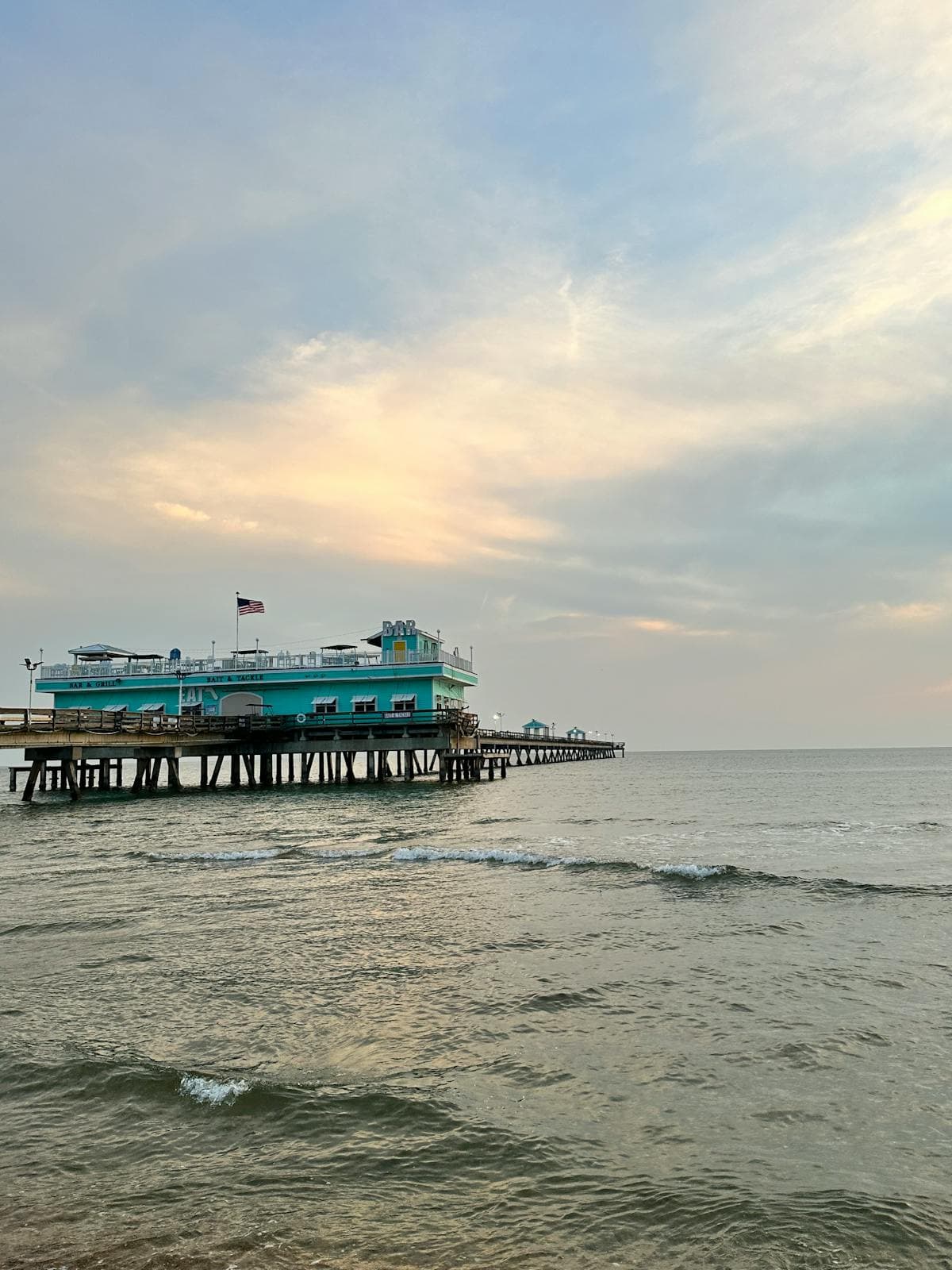
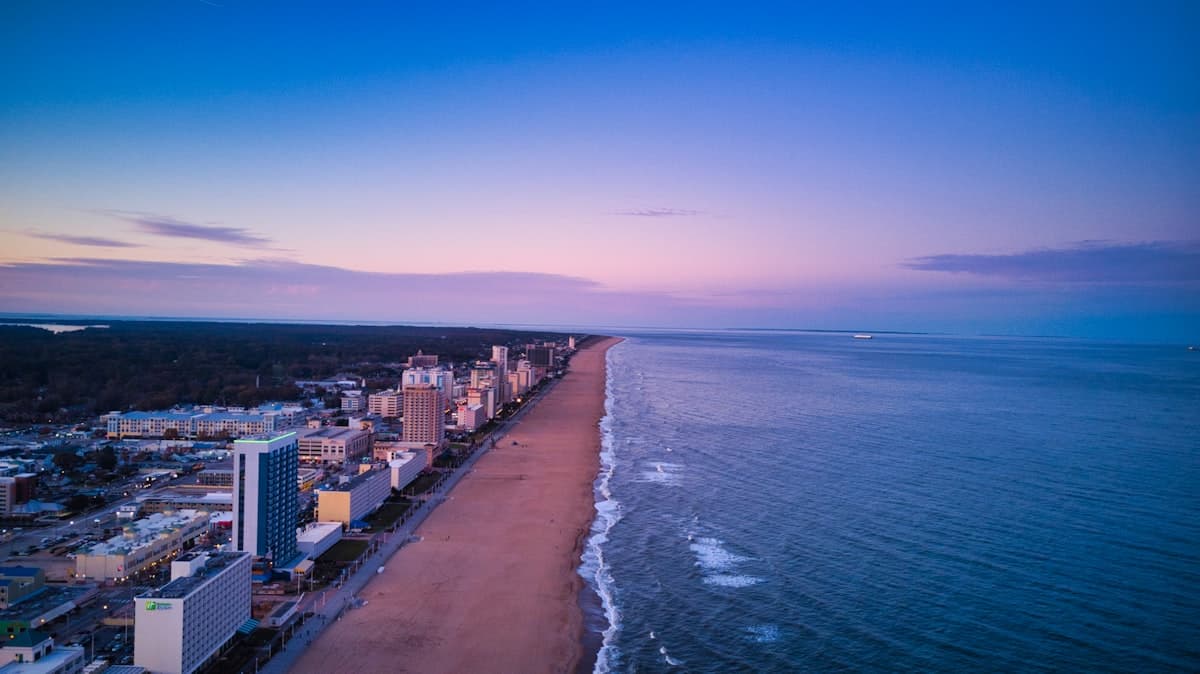
Virginia Beach sits where the Chesapeake Bay meets the Atlantic Ocean, and that collision of warm Gulf Stream water, cold bay currents, and tidal flow through the world's largest bridge-tunnel complex creates one of the most diverse fisheries on the East Coast. The Chesapeake Bay Bridge-Tunnel — 17 miles of bridge, tunnel, and artificial island spanning the bay's mouth — is a fish magnet unlike anything else in mid-Atlantic fishing. Rudee Inlet cuts through the resort strip and holds flounder, speckled trout, and redfish within walking distance of the boardwalk. Lynnhaven Inlet spreads into miles of marshland that produces speckled trout year-round. And the surf along Sandbridge and the resort beaches puts red drum, pompano, and bluefish within casting range of anyone with a rod and a beach buggy permit.
For a broader destination overview, see our Virginia Beach fishing guide. This guide covers the practical how-to — what gear to rig, what bait to use, and how to actually catch fish at each of Virginia Beach's distinct fishing zones.
The Chesapeake Bay Bridge-Tunnel: The Main Event
The CBBT is Virginia Beach's signature fishery. The four artificial islands, the tunnel tubes rising from the bay floor, and the miles of riprap and concrete structure create an underwater ecosystem that holds baitfish, which draws everything that eats them — red drum, cobia, flounder, sheepshead, spadefish, tautog, and striped bass depending on the season.
Red Drum at the Islands
Bull red drum — fish from 30 to 50 inches, 20 to 50 pounds — stage around the CBBT islands from late April through November. They hold in the current breaks created by the island riprap, feeding on blue crabs, menhaden, and cut bait that washes past in the tidal flow.
From a boat: Anchor up-current of the island and drift live spot, blue crab, or cut menhaden on a fish-finder rig — 3- to 6-ounce sliding sinker above a barrel swivel, 3 feet of 40-pound fluorocarbon leader to a 7/0 Gamakatsu Octopus circle hook. Let the bait sit on the bottom in the current seam behind the island. When a bull red eats, the rod loads slowly and steadily — no sharp strike, just heavy weight and a head shake. Let the circle hook do the work.
Jigging: A 4- to 6-ounce white bucktail jig tipped with a Berkley Gulp Swimming Mullet strip, bounced along the bottom near the pilings, catches red drum, flounder, and tautog. The current at the CBBT runs hard — you need heavy jigs to stay near the bottom.
Gear: A 7-foot medium-heavy spinning rod with a 5000-size reel (Penn Battle III 5000 or Shimano Saragosa 5000) loaded with 30-pound braid and a 40-pound fluorocarbon leader. Bull reds run hard and the current adds resistance — light tackle won't cut it.
Fishing the Chesapeake Bay CBBT for Huge Redfish and Big FlounderCobia: Sight-Casting Season
Cobia arrive in the lower Chesapeake Bay in late May and stay through September, with peak fishing from June through July. These are big, copper-brown fish — 30 to 60 pounds, with fish over 80 caught every season — and they cruise the surface near rays, buoys, and channel markers. Sight-casting to cobia is one of the most exciting visual fisheries on the East Coast.
How: Run the boat along the CBBT, the bay side of Fisherman Island, and the ocean-side buoy lines, scanning the surface for cobia swimming near the top. When you spot one, cast a 2-ounce white bucktail jig or a live eel 10 to 15 feet ahead of the fish's path. Retrieve with a slow, steady hop. Cobia are curious — they'll follow the jig, inspect it, and either eat or turn away. The eat is a sudden stop and weight.
Live eels are the premium bait. Rig a live eel on a 7/0 circle hook through the lips, free-lined with no weight. Cast it ahead of a cruising cobia and let the eel swim. This is the highest-percentage approach for big cobia.
Gear: A 7-foot medium-heavy spinning rod with a 5000-size reel and 20- to 30-pound braid. Cobia fight hard — long runs, head shakes, and dogged resistance near the boat. A Shimano Saragosa SW 5000 or Penn Slammer IV 4500 handles the fight.
Sight Fishing Cobia in Virginia Beach — 4K How to Catch Cobia and Bull Red Drum in Chesapeake BayRudee Inlet: The Resort Strip Fishery
Rudee Inlet is Virginia Beach's most accessible fishing spot — a narrow inlet cutting through the oceanfront resort area, connecting the back bay to the Atlantic. Charter boats dock here, and the inlet itself holds flounder, speckled trout, puppy drum, sheepshead, and bluefish. You can fish Rudee from the jetties, the inlet bridges, or a small boat.
Flounder
Summer flounder (fluke) are Rudee Inlet's bread-and-butter species from May through September. They lie flat on the sandy bottom near the channel edges, dock shadows, and bridge pilings, ambushing bait that drifts past in the current.
The rig: A bucktail jig (1/2- to 1-ounce Spro Prime Bucktail in white or chartreuse) tipped with a Berkley Gulp Swimming Mullet strip in white or nuclear chicken. Drift or slowly retrieve along the channel edges, keeping the jig on or just off the bottom. Flounder hit by inhaling the jig — you'll feel a subtle weight, not a sharp strike. Wait a beat, then set the hook with a firm sweep.
Alternative: A Carolina rig with a 1-ounce egg sinker, 18 inches of 15-pound fluorocarbon leader, and a 2/0 Gamakatsu Kahle hook baited with a live mud minnow or strip of squid. Drag it slowly along the bottom.
Gear: A 7-foot medium-power spinning rod with a 3000-size reel and 15-pound braid. Flounder don't require heavy tackle — the fun is in feeling the bite on light gear.
Red Drum and Flounder Fishing for Inshore Giants in Rudee InletSpeckled Trout and Puppy Drum
Rudee Inlet and the back bay behind it hold speckled trout and puppy drum (juvenile red drum, 14 to 26 inches) year-round, with the best fishing from September through November. These fish hold around oyster bars, dock pilings, and grass edges in the back bay.
How: A MirrOlure MirrOdine suspending jerkbait in bone/silver or a DOA CAL Shad in glow/chartreuse on a 1/4-ounce jighead, cast to structure and retrieved with a slow twitch-pause cadence. Under a Cajun Thunder popping cork with a 3-inch Berkley Gulp Shrimp in New Penny is the alternative when jerkbaits aren't producing.
Lynnhaven Inlet: Trout and Drum Country
Lynnhaven Inlet opens into a sprawling marsh system on the bay side of Virginia Beach — miles of oyster bars, grass flats, and tidal creeks that hold speckled trout, puppy drum, and flounder. This is Virginia Beach's version of Lowcountry inshore fishing, and it fishes well from kayaks, small boats, and wade fishing.
Speckled trout are the primary target. Lynnhaven's trout population is strong enough that a dedicated community of anglers fishes nothing else. The standard approach: a popping cork with a 3-foot leader and a Berkley Gulp Shrimp or live shrimp, cast to oyster bars and grass edges on the moving tide. Fall (October through December) is peak — trout school up in the deeper channels and hit aggressively before winter. Winter trout fishing in the deeper Lynnhaven channels produces the biggest fish of the year — slow-rolling a MirrOlure Catch 2000 along the bottom in 8 to 12 feet of water catches trout when the water temperature drops below 50 degrees and most anglers have stopped fishing.
Puppy drum cruise the same oyster bars and grass edges as the trout, and they respond to the same lures. A gold Johnson Silver Minnow spoon cast over the oyster bars and retrieved just fast enough to wobble near the surface is the classic Lynnhaven redfish technique — the weedless design slides over the oyster shells without hanging up. September and October are peak months when schools of puppy drum push onto the shallow flats on the flooding tide.
Wade fishing is productive in Lynnhaven during summer and early fall when the water is warm. The flats around the mouth of the inlet and the grass beds along the Long Creek arm are wadeable at low tide. Wear old sneakers or wading boots — the oyster shells are razor-sharp. Cast ahead of your wading path and work the edges where grass meets open sand.
Gear: A 7-foot medium-light spinning rod with a 2500-size reel and 10-pound braid — same setup you'd use on any Southeast inshore fishery. Seaguar Red Label 15-pound fluorocarbon for the leader.
Great Inshore Mixed Bag Fishing in Virginia BeachSurf Fishing: Sandbridge and the Resort Beaches
Virginia Beach has 35 miles of sandy beach, and the surf fishing is productive from spring through fall. Sandbridge — the quieter stretch south of the resort area — is the best surf fishing beach, but the resort oceanfront and First Landing State Park also produce.
Red Drum in the Surf
The fall red drum run — September through November — is the highlight of Virginia Beach surf fishing. Bull reds push into the surf zone to feed on mullet and crabs migrating through the near-shore trough. Fish from 30 to 50 inches are caught from the beach.
The rig: A fish-finder rig with a 4- to 6-ounce pyramid sinker, 40-pound mono shock leader, 3 feet of 40-pound fluorocarbon to a 7/0 circle hook. Bait with a chunk of fresh cut mullet, a half blue crab, or a Fishbites E-Z Crab strip. Cast past the first sandbar (80 to 120 yards) and let it sit. Set the rod in a sand spike and watch the tip.
Gear: A 10- to 12-foot surf rod (Penn Prevail II Surf or Daiwa Emcast Surf) with a 6000- to 8000-size spinning reel (Penn Slammer IV 6500 or Shimano Saragosa 8000) and 30-pound braid with a 50-pound mono shock leader for casting distance.
Pompano, Whiting, and Bluefish
Pompano arrive in May and stay through September, feeding on sand fleas and small crabs in the wash zone. A two-hook pompano rig (size 2 kahle hooks, bright colored beads, 2-ounce pyramid sinker) baited with Fishbites E-Z Shrimp or fresh sand fleas, cast just past the breakers, catches pompano, whiting, croaker, and kingfish all summer. Pompano fight surprisingly hard for their size and taste outstanding — the flaky white meat is among the best eating on the East Coast.
Bluefish show up in schools from April through November, blitzing baitfish in the surf zone. When you see birds diving and water boiling, cast a 1-ounce Kastmaster spoon or a Gotcha plug into the commotion and retrieve fast. Bluefish are aggressive, toothy, and strong — use a short wire leader (6 inches of 30-pound wire) or they'll slice through fluorocarbon. They're the most exciting surf species for beginners because they eat everything and fight hard.
Beach Access
Sandbridge requires a beach driving permit from the City of Virginia Beach ($150 for non-residents, valid April through October) to access the best drum fishing spots by vehicle. Without a permit, you can still fish from the public beach access points — the walk is farther but the fish are the same. The resort oceanfront beaches are walk-on accessible everywhere. First Landing State Park charges a parking fee ($7 for a vehicle) and has shoreline access to the bay side — different species (trout, croaker, spot) from the surf beaches.
Top 5 Hotspots in Virginia Beach — Shore and Boat FishingCharter Fishing
Virginia Beach has a large charter fleet operating from Rudee Inlet and Lynnhaven Marina.
Inshore charters (CBBT, Rudee, Lynnhaven): Half-day (4 hours): $500 to $675 for up to 6 anglers. Three-quarter day (6 hours): $750 to $975. Full-day (8 hours): $1,000 to $1,300. Targets: red drum, cobia, flounder, speckled trout, sheepshead.
Offshore charters (deep drop, wrecks, canyons): Half-day: $800 to $1,200. Full-day (10+ hours to the canyons): $1,800 to $2,500. Targets: yellowfin tuna, bluefin tuna, mahi mahi, wahoo, white marlin, tilefish.
Head boats (party boats): $50 to $80 per person for bottom fishing (sea bass, tautog, croaker). Great for beginners — no experience needed.
Gear for Beginners
One rod covers most Virginia Beach inshore fishing: a 7-foot medium-power spinning rod with a 4000-size reel. The Penn Battle III 4000 combo ($130) or Daiwa BG 4000 combo ($150) handle flounder, trout, puppy drum, and pier species. Spool with 20-pound Power Pro braid and carry 20-pound Seaguar fluorocarbon for leaders.
For surf fishing, you need a dedicated setup: a 10- to 12-foot surf rod (Penn Prevail II Surf $120) with a 6000-size reel and 30-pound braid. This is a separate purchase — your inshore rod can't cast the heavy sinkers needed for the surf.
Terminal tackle to pack: Spro Prime Bucktail jigs in 1/2oz and 1oz white, Berkley Gulp Swimming Mullet in white and nuclear chicken, Gamakatsu Octopus circle hooks (5/0 and 7/0), Fishbites E-Z Crab and E-Z Shrimp strips, egg sinkers (1oz and 3oz), pyramid sinkers (4oz and 6oz), Cajun Thunder popping corks, and Berkley Gulp Shrimp 3-inch in New Penny.
Fishing License
Virginia requires a saltwater fishing license for anyone 16 or older fishing from shore, a boat, or a kayak. Non-residents pay $30.50 annually or $10 for a 5-day temporary license. No license is needed on licensed charter boats or fishing piers. Buy online at gooutdoorsvirginia.com or at any bait shop. A free Saltwater Recreational Fishing Registry is also required — sign up at the same site.
Insane Sight Casting on Light Tackle — Red Drum and Cobia FishingRecommended Gear
Penn Battle III 4000 Combo
Mid-tier — handles CBBT drum, Rudee flounder, Lynnhaven trout ($130)
Shimano Saragosa SW 5000
Premium — sealed for salt, fights bull reds and cobia ($280)
Penn Pursuit IV 4000 Combo
Entry level — pier, inlet, and light inshore ($70)
Penn Prevail II Surf Rod 10-foot
Mid-tier — Sandbridge red drum surf casting ($120)
Penn Slammer IV 6500
Premium — surf reel for bull reds, sealed drag ($300)
Spro Prime Bucktail 1oz White
The CBBT flounder and drum jig ($8)
Berkley Gulp Swimming Mullet 4-inch
Tipped on a bucktail — flounder can't resist ($8)
Fishbites E-Z Crab
Surf fishing for red drum — stays on in the wash ($6)
Cajun Thunder Popping Cork
Lynnhaven trout under a cork with shrimp ($5)
Gamakatsu Octopus Circle 7/0
Bull red drum circle hook for cut bait ($5)
Top Fishing Guides in Virginia Beach
Virginia Beach sits at the mouth of the Chesapeake Bay with the CBBT, Rudee Inlet, Lynnhaven marsh, and 35 miles of surf — one of the most diverse fisheries on the East Coast. Whether you want to sight-cast to cobia at the Bridge-Tunnel, drift for flounder in Rudee Inlet, chase speckled trout in Lynnhaven, or surf fish for bull reds on Sandbridge, a Virginia Beach captain knows the water and the tides.
E-fishinsea
Virginia Beach, VA, US
5.0 (119 reviews)
E-fishinsea is a premier fishing charter service operating from Rudee Inlet in Virginia Beach. Led by a USCG-licensed captain with extensive experience, the outfit specializes in both offshore and inshore fishing adventures targeting Tuna, Marlin, Mahi Mahi, Wahoo, Cobia, and King Mackerel throughout Atlantic waters. Anglers fish aboard a well-appointed 35-foot Carolina Classic equipped with state-of-the-art tackle and gear. E-fishinsea prioritizes comfort and safety on every outing, complemented by attentive service that includes complimentary fish cleaning and bagging. Whether pursuing trophy pelagics or productive nearshore species, clients can expect a knowledgeable, professional experience tailored to make each trip memorable.
Oceans East Sport Fishing Charters
Virginia Beach, VA, US
5.0 (119 reviews)
Oceans East Sport Fishing Charters Oceans East Sport Fishing Charters operates from Lynnhaven Inlet in Virginia Beach, offering premier inshore and offshore fishing experiences. With a well-maintained fleet featuring a 48-foot Custom Carolina Sport Fishing Boat and a 25-foot Sea Hunt, the operation accommodates diverse skill levels and group sizes while delivering the comfort and capability needed for serious fishing. The charter specializes in pursuing flounder, cobia, blue marlin, and bluefin tuna—species that reflect the richness of Virginia's coastal waters. Their knowledgeable crew brings years of expertise to each trip, customizing itineraries to match anglers' goals, experience levels, and preferences. Whether targeting inshore staples or venturing offshore for premium game fish, clients can expect professional guidance and a genuine passion for the water.
Top Notch Charter Fishing
Virginia Beach, VA, US
5.0 (10 reviews)
Top Notch Charter Fishing Top Notch Charter Fishing operates from Rudee Inlet in Virginia Beach, offering comprehensive fishing adventures across inshore, nearshore, and offshore waters. Their experienced crew specializes in pursuing premium game fish including Bluefin and Yellowfin Tuna, Dolphin, White Marlin, Sailfish, and Blue Marlin, with extended trips that venture into the productive Gulfstream. The operation features a spacious, fast 50+ foot vessel designed for both comfort and performance, enabling anglers to spend extended days on the water—sometimes exceeding 12 hours—in pursuit of trophy-caliber catches. Whether targeting hard-fighting pelagics or exploring diverse inshore species, Top Notch Charter Fishing combines professional expertise with well-maintained equipment to deliver memorable fishing experiences for anglers of all skill levels.

Knot Tuggin Sportfishing
Virginia Beach, VA, US
5.0 (10 reviews)
Knot Tuggin Sportfishing, based in Virginia Beach, offers versatile fishing charters led by Captain Zach Castro aboard a well-equipped 35' Carolina Classic. Whether targeting offshore pelagics or bottom-dwelling species, the captain brings years of experience and genuine passion for the water to every outing. The operation welcomes all skill levels with half-day and full-day trip options designed to suit different schedules and goals. Beyond traditional fishing, Captain Zach also offers whale watching and sunset cruises, creating memorable experiences for families and individual anglers alike. Each trip is tailored to deliver an authentic day on the water.

Va Beach Charter Fishing
Virginia Beach, VA, US
5.0 (9 reviews)
Virginia Beach Charter Fishing offers exceptional inshore and offshore fishing experiences departing from Rudee Inlet. Whether pursuing hard-fighting Cobia and Red Drum in shallow waters or chasing pelagic giants like Yellowfin Tuna and Marlin in the deep blue, their seasoned guides match anglers with the perfect adventure. The operation welcomes both novice and experienced fishermen, providing flexible trip styles suited to diverse preferences and skill levels. With years of expertise and a genuine commitment to creating memorable days on the water, Virginia Beach Charter Fishing delivers the local knowledge and professional guidance that transforms a fishing outing into an unforgettable experience.
Bay Bound Charters
Virginia Beach, VA, US
5.0 (8 reviews)
Bay Bound Charters Led by Captain Trey Dunavant, Bay Bound Charters specializes in inshore fishing throughout the Chesapeake Bay and Virginia Beach. The operation focuses on high-intent species including Cobia, Bull Red Drum, and Trophy Striped Bass, with trips strategically timed around seasonal migrations to maximize fishing success. Captain Dunavant tailors each outing to match clients' skill levels and goals, combining expert guidance with premium equipment to ensure a rewarding experience. Whether you're a seasoned angler refining your technique or a beginner ready to learn, Bay Bound Charters delivers an engaging day on the water with a strong focus on both catching fish and building fishing knowledge.
Frequently Asked Questions
What fish can I catch in Virginia Beach?
Red drum (bull reds 30-50 inches at the CBBT and in the fall surf), cobia (30-60+ lbs, sight-cast June-July), flounder (May-September in Rudee Inlet and the CBBT), speckled trout (year-round in Lynnhaven Inlet), striped bass (fall and winter), sheepshead, spadefish, tautog, and bluefish. Offshore: yellowfin tuna, bluefin tuna, mahi mahi, white marlin.
How much does a Virginia Beach fishing charter cost?
Inshore charters (CBBT, Rudee, Lynnhaven): $500-$675 half-day, $750-$975 three-quarter day, $1,000-$1,300 full-day for up to 6 anglers. Offshore: $800-$2,500 depending on distance and duration. Head boats: $50-$80 per person. Charters depart from Rudee Inlet and Lynnhaven Marina.
When is the best time to fish Virginia Beach?
June-July for cobia sight-casting (the most exciting fishing of the year). September-November for the fall red drum run in the surf and at the CBBT. May-September for flounder. October-December for speckled trout. Year-round for something — the CBBT holds fish every month. Striped bass peak November-December.
Do I need a fishing license in Virginia Beach?
Yes for shore, boat, and kayak fishing — non-residents pay $30.50/year or $10 for 5 days. No license needed on charter boats or fishing piers. A free Saltwater Recreational Fishing Registry is also required. Buy online at gooutdoorsvirginia.com.
Can I fish from shore in Virginia Beach?
Yes — Virginia Beach has excellent shore access. Surf fishing on Sandbridge and the resort beaches (red drum, pompano, whiting). Rudee Inlet jetties (flounder, bluefish, sheepshead). Lynnhaven Fishing Pier. First Landing State Park shoreline. The fall red drum surf run (September-November) is one of the best shore fisheries on the East Coast.
 ™
™