
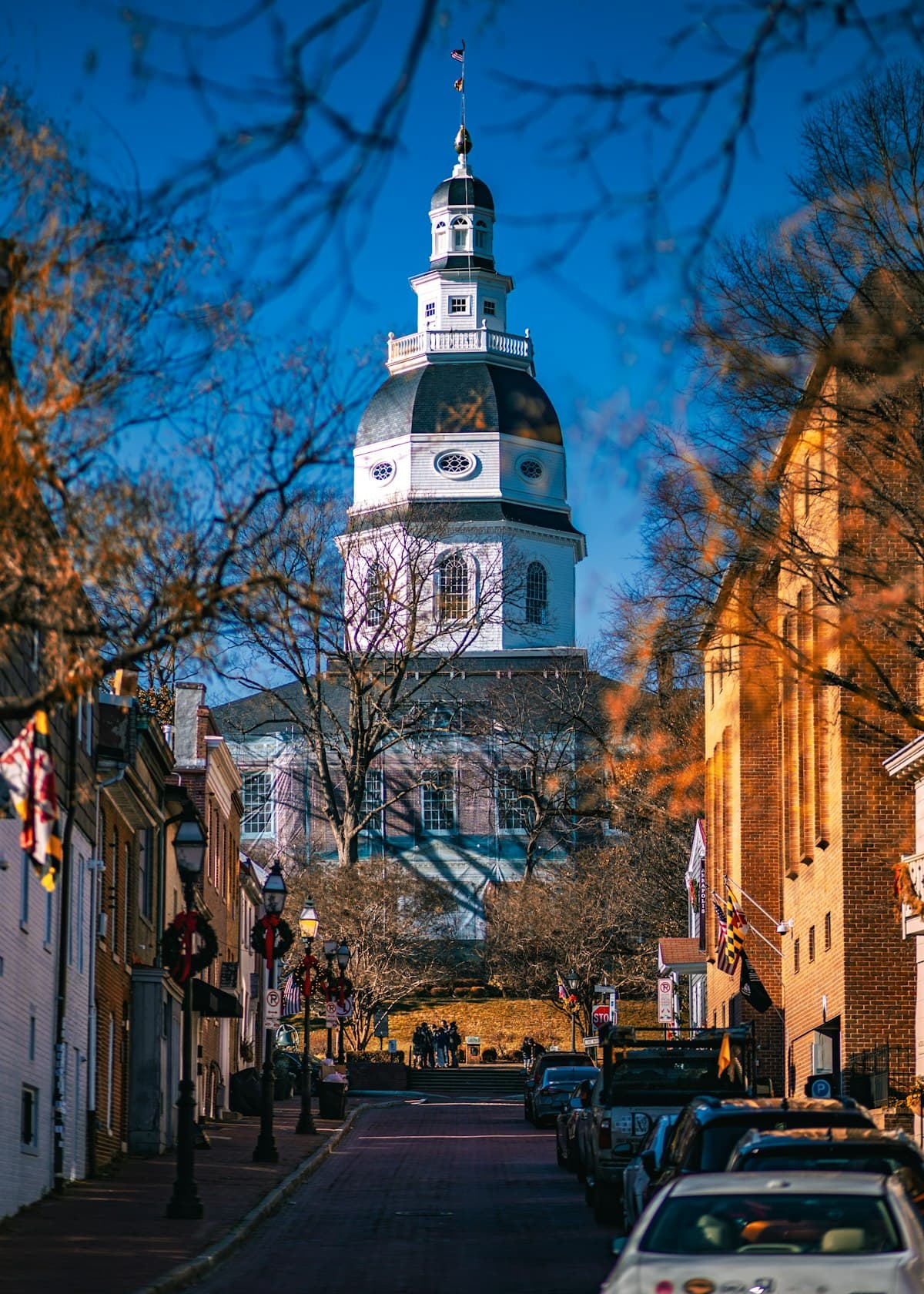
Annapolis Fishing: Rockfish, Bridge Pilings, and the Chesapeake Bay Playbook
Annapolis sits where the Severn River meets the Chesapeake Bay — the largest estuary in the country. The fishing revolves around structure: bridges, channel edges, oyster bars, and the Bay Bridge.

Annapolis is the sailing capital of the United States, but the fishing is what keeps the working boats running. The city sits where the Severn River empties into the Chesapeake Bay — the largest estuary in the country, stretching 200 miles from the Susquehanna River to the Atlantic Ocean. The Bay is shallow, averaging just 21 feet deep, and that shallow water over a complex bottom of channels, oyster bars, and bridge structure creates a fishery that rewards anglers who understand where the fish hold.
In Maryland, striped bass are called rockfish — and they're the species that defines the Chesapeake. But the Bay holds far more than rockfish, and the fishing calendar rotates through species as the seasons change.
The Bay Bridge — The Big Structure
The Chesapeake Bay Bridge is a 4.3-mile twin-span crossing just north of Annapolis, and it's the most productive fishing structure in the Bay. The bridge pilings create an artificial reef system that holds baitfish, which holds predators.
Rockfish (striped bass) relate to the pilings year-round. Trolling around the bridge in 25 to 50 feet of water — pulling umbrella rigs, parachutes, and bucktails near the pilings — produces trophy-class rockfish from spring through early winter. Fish over 40 inches are caught at the bridge every season, and the structure holds so many fish that the bridge area alone supports a significant charter fleet.
Bluefish stack around the bridge from July through November, slashing through schools of baitfish in the rip lines created by the pilings. They hit everything — lures, bait, trolling spreads — and their aggressive, toothy strikes make for fast action.
Light-tackle jigging around the pilings targets both species in a more hands-on style — dropping metal jigs or soft plastics to the bottom and working them up through the water column. When the fish are on the bridge, the jigging bite can be nonstop.
The Severn River and Local Structure
The Severn River flows right through Annapolis, and its channel edges, docks, and bridge pilings hold rockfish, white perch, and catfish. Fishing the Severn is a kayak or small-boat game — you're working the shoreline structure, casting to docks and fallen trees, and targeting fish that live in the river year-round.
White perch are the Chesapeake's underrated species — they school heavily, eat aggressively, and taste excellent. They're catchable year-round in the Severn and South Rivers, especially in the deeper holes during winter.
The Route 50 bridge pilings in the Severn hold rockfish that local anglers know about but visitors don't. Light-tackle casting to the pilings at dawn and dusk produces fish without the crowds of the Bay Bridge.
The Open Bay — Trolling and Live-Lining
Beyond the bridge, the open Chesapeake holds rockfish, bluefish, and Spanish mackerel on the Bay's shoals, lumps, and channel edges. Trolling is the primary technique for covering water — pulling spreads of lures behind the boat at 3 to 6 knots to locate schools of fish.
Live-lining is the Chesapeake specialty. You catch live spot, croaker, or eels, hook them through the nose or lip, and drift them behind the boat along structure or over known rockfish holding areas. The technique takes patience — you're waiting for a rockfish to find the bait and eat — but the hookups are real, and the fish tend to be larger than what trolling produces.
Cobia are the summer bonus. They migrate into the lower Chesapeake Bay from June through September, cruising near buoys, channel markers, and rays. Sight-casting to a 40-pound cobia cruising the surface — spotting the brown shape, making the cast, watching the fish turn and eat — is the most exciting fishing in the Bay.
The Oyster Bars — Winter Rockfish
Maryland's oyster bars are underwater reefs of shell that hold rockfish through the winter months. When the water cools in November, rockfish that have been roaming the open Bay settle onto the oyster bars, where the structure provides food and current breaks.
Winter rockfish fishing over the bars is a light-tackle jigging game — anchoring over a known bar, dropping soft plastics or bucktails to the bottom, and working them slowly. The fish are sluggish in cold water but still eat, and the winter bite produces some of the biggest rockfish of the year.
When to Go
- April–May: Spring trophy rockfish season, big migratory fish returning to the Bay
- June–August: Cobia sight-fishing, bluefish, Spanish mackerel, consistent rockfish
- September–November: Fall rockfish — the fastest bite of the year, bluefish stacking at the bridge
- December–February: Winter jigging on the oyster bars — cold but rewarding for trophy rockfish
Looking for a guide in Annapolis?
We don't have specific guides listed in Annapolisyet, but we're growing fast.
Browse All GuidesFrequently Asked Questions
What is a rockfish in Chesapeake Bay?
Rockfish is the local name for striped bass in Maryland. They're the signature species of the Chesapeake Bay, found around bridges, channel edges, and oyster bars year-round. Trophy rockfish over 40 inches are caught every season, especially at the Bay Bridge.
When is the best rockfish fishing near Annapolis?
Spring (April–May) brings trophy migratory rockfish returning to the Bay. Fall (September–November) offers the fastest bite as fish feed aggressively. Winter jigging on oyster bars produces some of the biggest fish of the year. Rockfish are available year-round in the Chesapeake.
What is live-lining in the Chesapeake Bay?
Live-lining means catching live baitfish — spot, croaker, or eels — and drifting them behind the boat along structure. It's the Chesapeake specialty for targeting larger rockfish. The technique requires patience but produces bigger fish than trolling on average.
Can you catch cobia in the Chesapeake Bay?
Yes — cobia migrate into the lower and middle Chesapeake from June through September. They cruise near buoys, channel markers, and rays, and sight-casting to them is the most exciting fishing in the Bay. Fish commonly reach 30 to 50 pounds.
Is the Chesapeake Bay Bridge good for fishing?
The 4.3-mile Bay Bridge is the most productive fishing structure in the Chesapeake. The pilings hold rockfish, bluefish, and baitfish year-round. Trolling and light-tackle jigging around the bridge produces trophy stripers and fast bluefish action.

 ™
™