
Fishing Cape Breton Island, Nova Scotia: Atlantic Salmon, Brook Trout, and Giant Bluefin Tuna
Cape Breton Island sits at the northern tip of Nova Scotia where the Margaree River holds Atlantic salmon, the highlands streams run with wild brook trout, and the offshore waters hold the largest concentration of giant bluefin tuna in the world.

Cape Breton Island is where three completely different fisheries converge on a single island. The Margaree River — one of the most celebrated Atlantic salmon rivers in Canada — winds through the western highlands and produces salmon from June through October. The Cape Breton Highlands, rising 500 metres above the Gulf of St. Lawrence, are threaded with cold streams that hold wild brook trout in water that has not changed since the last ice age. And offshore, the warm Gulf Stream current collides with cold Labrador water to create feeding grounds that attract the largest concentration of giant bluefin tuna on the planet — fish that exceed 1,000 pounds.
No other island in Canada offers this combination. You can fly fish for Atlantic salmon in the morning, drive 30 minutes to a highland stream for brook trout in the afternoon, and watch a 900-pound bluefin tuna being weighed at the dock in the evening. The scale of the diversity — from 8-inch brook trout to half-ton tuna — is staggering.
Cape Breton is also one of the most beautiful places in eastern Canada. The Cabot Trail — a 300-kilometre highway that loops around the northern highlands — passes through the Cape Breton Highlands National Park, along dramatic coastal cliffs, through Acadian fishing villages, and past the Margaree River valley. The drive alone is worth the trip. The fishing makes it unforgettable.
The Margaree River
The Margaree is the premier Atlantic salmon river on Cape Breton and one of the most famous salmon rivers in Canada. It is fly-fishing-only water with a season running June 1 through October 31.
The river: The Margaree flows 120 kilometres from its source in the Cape Breton Highlands to the Gulf of St. Lawrence at Margaree Harbour. The fishable salmon water runs approximately 50 kilometres from the forks (where the Northeast and Southwest Margaree join) downstream to the tidal zone. The river passes through a pastoral valley — farms, covered bridges, and forest — that has been the setting for Atlantic salmon fishing since the 1800s.
The fish: Atlantic salmon enter the Margaree from June through October in two distinct runs. The early run (June-August) brings grilse (3-7 pounds) and some large salmon. The fall run (September-October) brings the big fish — multi-sea-winter salmon averaging 10 to 15 pounds with fish over 20 pounds possible. The fall run, when the maples are turning and the river is low and clear, is the Margaree at its finest.
Guided fishing: Local guides offer walk-and-wade trips on the Margaree for CAD $300 to $500 per day. The river is publicly accessible along much of its length — DIY fishing is entirely viable with an NS fishing licence. Several small lodges and B&Bs in the Margaree Valley cater specifically to salmon anglers.
Comparison to the Miramichi: The Margaree is smaller, more intimate, and less pressured than the Miramichi. The salmon runs are smaller (thousands, not hundreds of thousands), but the fish-per-angler ratio can be comparable because there are fewer rods on the water. The Margaree is a wade-fishing river — no canoes — which makes it more accessible for solo anglers.
Wondrous Margaree River — Cape Breton Nova ScotiaBrook Trout
Cape Breton's highland streams hold wild eastern brook trout in pristine habitat. The Cape Breton Highlands National Park protects many of these streams, and the fish are native, unstocked, and beautiful.
Where to fish: The rivers and streams draining the Cape Breton Highlands — Chéticamp River, North Aspy River, and numerous smaller creeks accessible from the Cabot Trail and park trail system. The Middle River and River Denys in central Cape Breton hold some of the largest brook trout on the island — fish over 2 pounds.
Technique: Small spinners (Mepps #0-1), dry flies (Royal Wulff, Adams, Elk Hair Caddis sizes 12-16), and nymphs on light tackle. Cape Breton brook trout are not large (8 to 14 inches typical, with fish over 16 inches in the best streams), but they are wild, colourful, and rise eagerly to dry flies.
Season: Mid-April through September 30. The best brook trout fishing is in May and June (cold water, fish in the shallows) and September (pre-spawn, fall colours, no bugs).
National Park regulations: Fishing in Cape Breton Highlands National Park requires a National Park fishing permit (CAD $10/day or $35/year) in addition to the NS fishing licence. Some park waters have catch-and-release regulations. Check Parks Canada regulations before fishing.
Trout Fishing Cape Breton IslandGiant Bluefin Tuna
The waters off northern Cape Breton hold the largest concentration of Atlantic bluefin tuna in the world. These are the same fish that sell for hundreds of thousands of dollars at Tokyo's Tsukiji market — and you can catch them on rod and reel from a charter boat out of North Sydney, Ingonish, or Neil's Harbour.
The fish: Giant bluefin tuna in Cape Breton waters range from 400 to over 1,000 pounds. The average fish is 600 to 800 pounds. These are apex ocean predators — torpedo-shaped, incredibly powerful, and capable of fighting for 2 to 6 hours on heavy tackle. Landing a giant bluefin is the most physically demanding achievement in sport fishing.
Season: August through November. The tuna follow herring and mackerel schools into the Gulf of St. Lawrence and around the northern tip of Cape Breton. Peak season is September and October.
Charter fishing: Full-day tuna charters run CAD $2,500 to $5,000 for a group of 4 to 6 anglers. The captain and mate provide all tackle — stand-up rods with 130-pound line, fighting harnesses, and the boat. You troll or drift with live mackerel bait until a tuna hits, then one angler fights the fish while the others watch, assist, and take turns if the fight runs long.
Catch-and-release vs retention: Canada's bluefin tuna fishery is quota-managed. Recreational anglers can catch-and-release, or the charter may hold a retention tag that allows keeping one fish for sale (the revenue often offsets the charter cost). The regulations are strict and change annually — check DFO rules.
Spey Fishing for Salmon at Margaree River's Rock Pile — Nova ScotiaWhen to Plan Your Trip
May and June (Spring): Brook trout season opens. Early Atlantic salmon arrive on the Margaree. The highlands are green and the blackflies are fierce. Good fishing, empty roads, and affordable accommodation.
July and August (Summer): Peak tourist season on Cape Breton. The Cabot Trail is busy. Salmon fishing continues on the Margaree. Brook trout move deeper in warm weather. Tuna season begins in August. The best month for combining activities — fish in the morning, drive the Cabot Trail in the afternoon.
September and October (Fall): The sweet spot. Fall salmon run on the Margaree (the largest fish of the year). Brook trout pre-spawn in spectacular colours. Tuna fishing peaks. Fall foliage along the Cabot Trail is world-famous. Fewer tourists than summer. Cooler weather (10-18°C / 50-64°F daytime). This is when Cape Breton is at its absolute best.
Getting There
By air: J.A. Douglas McCurdy Sydney Airport (YQY) has scheduled service from Halifax, Toronto, and Montreal. Car rental at the airport.
By car from Halifax: 4.5 hours via the Trans-Canada Highway across the Canso Causeway to Cape Breton.
By car from the Miramichi: 5 hours via Highway 11 and Highway 104. A natural pairing for an eastern Canada salmon trip — fish the Miramichi for a few days, then drive to Cape Breton for the Margaree.
On the island: A car is essential. Cape Breton is 110 km wide and 170 km long. The fishing locations are spread across the island, from the Margaree Valley in the west to the tuna ports in the north and east.
Accommodation
Cape Breton has a mix of lodges, B&Bs, cottages, and campgrounds. The Margaree Valley has fishing-focused accommodation (Normaway Inn, Big Intervale Fishing Lodge). The Cabot Trail corridor has resorts, motels, and vacation rentals. Baddeck — the central town on the island — has the widest selection. Book September and October early — fall foliage season fills the island.
The Cabot Trail and Beyond
The Cabot Trail is the 300-kilometre highway loop around northern Cape Breton that passes through some of the most dramatic coastal scenery in North America. For a fishing-focused trip, the Trail connects every fishery on the island — you drive through the Margaree Valley, along the highland coast (brook trout streams draining into the ocean), past the tuna ports (Ingonish, Neil's Harbour), and through the Acadian villages of the western shore.
Combining fisheries: A one-week Cape Breton trip could look like: Days 1-3 on the Margaree River for salmon. Day 4 exploring highland brook trout streams near the Cabot Trail. Day 5 on a bluefin tuna charter out of Ingonish. Days 6-7 back on the Margaree for the evening rise. No other destination in Canada packs this much variety into a single week.
The Margaree Salmon Museum: In North East Margaree, a small museum dedicated to the history of Atlantic salmon fishing on the Margaree. Antique rods, flies tied by legendary local tyers, and photographs of salmon fishing going back to the 1800s. Worth an hour between fishing sessions.
Chéticamp: An Acadian fishing village on the western shore of the Cabot Trail. Known for hooked rugs, Acadian cuisine (fricot, meat pies, and fresh seafood), and the western entrance to Cape Breton Highlands National Park. The Chéticamp River holds an unusual early spring salmon run — fish arrive as early as late May.
Baddeck: The central hub of Cape Breton, located on the Bras d'Or Lakes. Alexander Graham Bell's estate (Beinn Bhreagh) overlooks the town. Good restaurants, shops, and accommodation. A logical base for a multi-fishery trip because it is within driving distance of the Margaree (45 min), the highland streams (1 hour), and the tuna ports (1.5 hours).
Weather and What to Bring
Weather: Cape Breton is Maritime weather — changeable, cool, and often wet. Summer temperatures range from 15 to 25°C (59 to 77°F). Fall temperatures drop to 5 to 15°C (41 to 59°F). Fog is common on the coast. Rain can arrive without warning. Pack layers, rain gear, and a warm fleece regardless of the season.
For salmon fishing: Waders, wading boots (felt soles), rain jacket, fly rod (8-weight), fly selection (local shops in the Margaree Valley stock river-specific patterns), polarized sunglasses.
For brook trout: Light hiking boots or wading sandals (many highland streams are small enough to fish in wet-wading shoes), ultralight spinning rod or 4-weight fly rod, small spinners and dry flies, bug spray (blackflies in June, mosquitoes in July-August).
For tuna: Sunscreen, motion sickness medication (the ocean can be rough), warm layers (the Atlantic is cold even in summer), and comfortable shoes with non-slip soles. The charter provides all fishing tackle. Bring a camera — a 800-pound bluefin alongside the boat is a photo you will keep forever.
Local fly shops: The Margaree has several small fly shops and outfitters that sell river-specific patterns, provide fishing reports, and arrange guides. Stop in before fishing — the staff know which pools are producing and what flies are working.
Fishing Licence
Nova Scotia fishing licence required. Non-residents: approximately CAD $50 for a 7-day licence. Atlantic salmon tag additional. National Park fishing permit (CAD $10/day) for Cape Breton Highlands National Park waters. All licences available online.
Summer Fishing Beautiful Margaree River — One Hour Documentary Margaree River Fishing — Cape BretonTop Fishing Guides in Cape Breton
Cape Breton's fishing spans three completely different worlds — Atlantic salmon on the Margaree, highland brook trout, and giant bluefin tuna offshore. A local guide knows which Margaree pools are holding salmon today, which highland streams are fishing well, and whether the tuna have moved into the inshore grounds. That range of knowledge is unique to Cape Breton and invaluable for visiting anglers.
Cabot Shores
Cape Breton, NS, CA
Cabot Shores welcomes anglers of all skill levels to experience world-class mackerel fishing on Cape Breton Island, Nova Scotia. Operating from premier locations including St. Ann's Bay and Bras d'Or Lake, the guide offers flexible fishing options tailored to each guest's preferences—whether from shore, pier, or kayak. What truly sets Cabot Shores apart is its immersive approach to the angling experience. Beyond simply catching fish, guests are invited to prepare and enjoy their fresh mackerel in the stunning wilderness setting that defines this region. This emphasis on connecting with nature and savoring the complete fishing experience creates memorable days on the water, backed by extensive local knowledge and a deep appreciation for Cape Breton's pristine waters.
Early Riser Guiding
Cape Breton, NS, CA
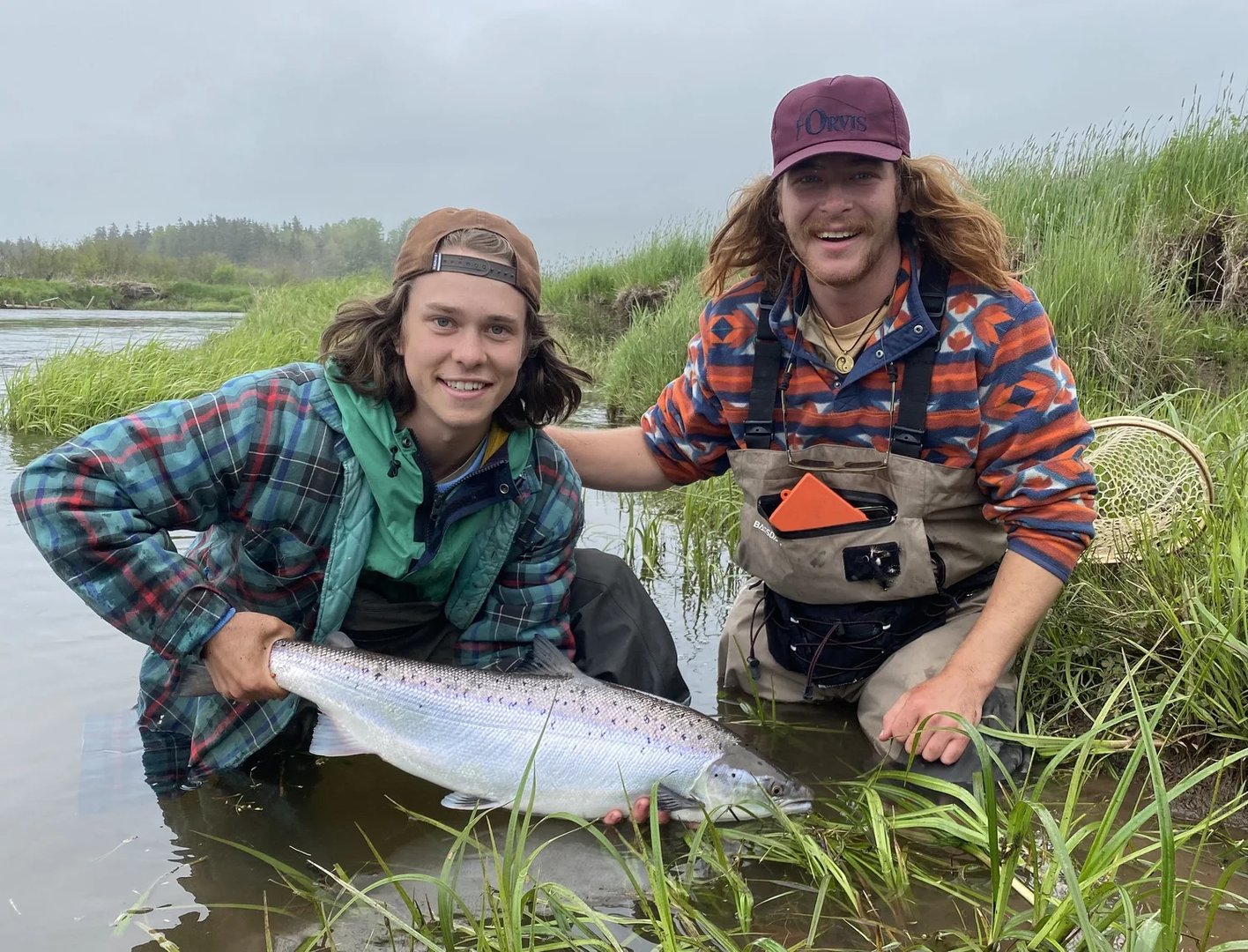
Early Riser Guiding Early Riser Guiding brings expert fly fishing to the renowned Margaree River in Cape Breton, Nova Scotia. Specializing in Atlantic salmon and trout, the guides leverage deep knowledge of the river's seasonal rhythms and proven techniques to help anglers connect with these prized fish from June through October. With years of hands-on experience on the water, Early Riser Guiding tailors each trip to match anglers' skill levels and goals—whether you're refining advanced techniques or taking your first cast on a fly rod. Every guided experience is personalized, ensuring both seasoned veterans and newcomers enjoy a rewarding day on one of Atlantic Canada's most celebrated salmon rivers.

Cape Breton Northern Tip Charters
Cape Breton, NS, CA
Cape Breton Northern Tip Charters Cape Breton Northern Tip Charters invites anglers and adventure seekers to experience the rugged beauty of Canada's northern coastline. Captained by Skipper Scott Burton, a seasoned local fisherman with over 25 years on the water, these charters showcase the island's pristine fishing grounds and dramatic scenery. The 41-foot refurbished fishing vessel, the Charles B, is thoughtfully equipped with modern amenities including a spacious working deck, jumping platform, and comprehensive safety gear. Whether targeting local species or simply soaking in the maritime landscape, guests benefit from Skipper Scott's deep knowledge of the region and commitment to creating a memorable nautical experience for all abilities.
Recommended Gear
Sage R8 Core 9' 8wt Fly Rod
Margaree Atlantic salmon — single-hand fly fishing on a wade river
Lamson Guru S HD 7+
Salmon reel — sealed drag for Atlantic salmon runs
Shimano Convergence 6'6" UL Spinning Rod
Highland brook trout — ultralight for small streams
Mepps Aglia Spinner #1 Silver
Brook trout in highland streams — the universal small-stream spinner
Shimano Tiagra 130 Stand-Up Rod & Reel Combo
Giant bluefin tuna — heavy stand-up tackle for 600+ lb fish
Umpqua Atlantic Salmon Fly Selection
Margaree patterns: Green Machine, Blue Charm, Bomber, Cosseboom
Simms Tributary Stockingfoot Waders
Margaree wade fishing — breathable waders for Atlantic water
Simms Tributary Wading Boots (Felt)
Felt soles for the Margaree's slippery river rocks
Smith Guide's Choice Polarized Sunglasses
Sight fishing on the clear Margaree — spot salmon holding in pools
Grundéns Tourney Full-Zip Rain Jacket
Maritime weather — rain is always possible on Cape Breton
Frequently Asked Questions
What fish can I catch on Cape Breton?
Atlantic salmon on the Margaree River (3-20+ lbs, June-October), wild brook trout in highland streams (8-16 inches, April-September), and giant bluefin tuna offshore (400-1,000+ lbs, August-November). No other island in Canada offers this diversity.
When is the best time to fish Cape Breton?
September-October for the full experience: fall salmon run on the Margaree, brook trout pre-spawn, peak tuna season, and world-famous fall foliage. July-August for salmon + tuna. May-June for brook trout + early salmon.
How much does a bluefin tuna charter cost on Cape Breton?
CAD $2,500-5,000 for a full day (4-6 anglers). All tackle provided. Tuna can fight for 2-6 hours. Season runs August-November, peaking September-October. Catch-and-release or retention depending on the charter's quota allocation.
Is the Margaree River fly fishing only?
Yes — fly fishing only for Atlantic salmon. Single barbless hook required. Season runs June 1 - October 31. The fall run (September-October) produces the largest fish. Walk-and-wade access along much of the river. Guided trips CAD $300-500/day.
How do I get to Cape Breton?
Fly to Sydney (YQY) from Halifax, Toronto, or Montreal. Or drive from Halifax (4.5 hours) via the Canso Causeway. From the Miramichi River in New Brunswick, it's 5 hours — a natural combination for an eastern Canada fishing trip. A car is essential on the island.
Related Articles
Fishing the Miramichi River, New Brunswick: The Atlantic Salmon Capital of the World
Wednesday, May 6, 2026
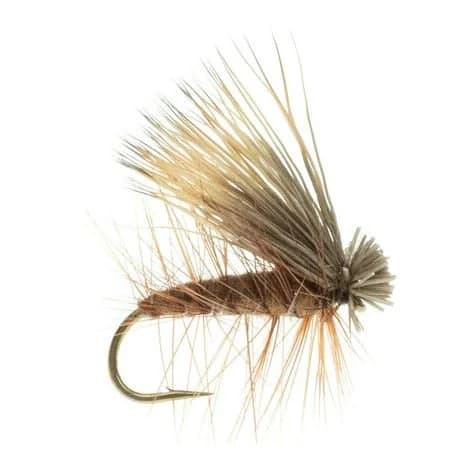
The Elk Hair Caddis: How to Tie the Fly That Works Everywhere, All Season, on Everything
Tuesday, April 21, 2026
Fly Fishing the Skeena River: Spey Casting for Wild Steelhead in Northern British Columbia
Saturday, June 20, 2026
 ™
™