
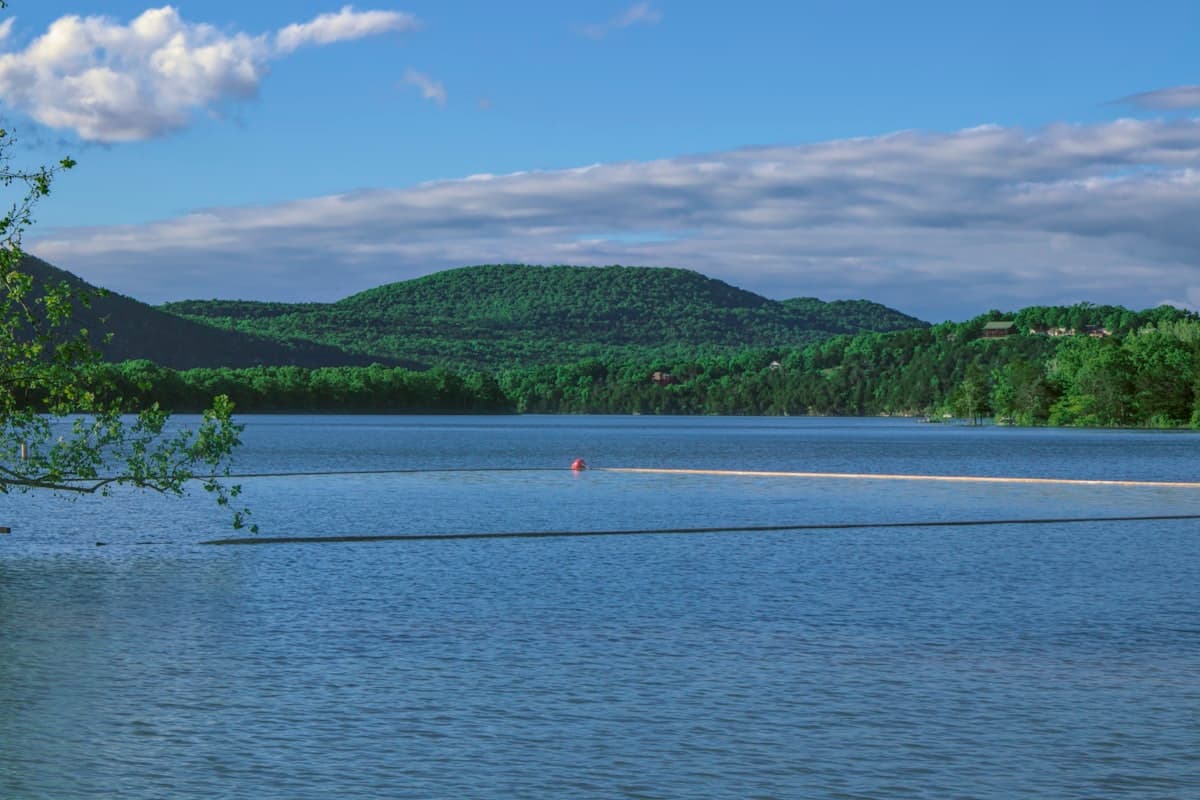
Lake of the Ozarks Fishing: 54,000 Acres, 1,150 Miles of Shoreline, and a Bass in Every Cove
Lake of the Ozarks is one of the largest reservoirs in the Midwest — 54,000 acres of coves, points, creek arms, and brush piles that hold largemouth bass, crappie, and catfish in numbers that match the size.

Lake of the Ozarks is a massive reservoir in central Missouri, impounded by Bagnell Dam on the Osage River. The numbers tell the story: 54,000 acres of water, 1,150 miles of shoreline (more than the coast of California), and a main channel that stretches 92 miles from the dam to the headwaters. It's one of the largest and most popular fishing lakes in the Midwest, and the fishery matches the scale.
The lake's shape — a long, serpentine main channel with dozens of creek arms branching off on both sides — creates an enormous amount of structure. Every cove has points, every point has brush piles, every channel bend has a depth change, and all of it holds fish. The trick is narrowing down 54,000 acres to the stretch that's producing today.
Largemouth Bass — The Headline Species
Largemouth bass are what most anglers come to Lake of the Ozarks for, and the lake delivers. The Missouri Department of Conservation rates the bass fishery as very good, with a solid representation of three- to five-pound fish and the realistic possibility of a fish over seven pounds on any given day.
The Niangua Arm and the Grand Glaize Arm are the two most productive bass areas. Both are creek arms with extensive structure — points, brush piles, docks, and channel swings — that hold bass year-round. The upper arms have more stained water (which bass generally prefer) and more natural cover.
Spring (March through May) is the best bass season. Fish move shallow for the spawn, holding on gravel banks, laydown logs, and brush in two to six feet of water. Flipping jigs and soft plastics into shallow cover is the bread-and-butter technique. As the spawn progresses, the fish spread out along secondary points and channel ledges.
Summer pushes bass to the deeper structure — brush piles on points in 15 to 25 feet, main-lake ledges, and the deeper docks. Topwater in the low-light hours (dawn, dusk, and cloudy days) produces explosive strikes. Crankbaits and jerkbaits worked along the points and channel edges cover water in the heat.
Fall pulls bass shallow again as shad move into the creek arms. Following the shad is the fall game — find the bait, find the bass. Spinnerbaits, swimbaits, and crankbaits that imitate shad produce well.
Crappie — The Numbers Game
Crappie are Lake of the Ozarks' second pillar, and the fishing is outstanding. The lake holds both white and black crappie, with whites being more common. Fish average 10 to 12 inches, with slabs over 14 inches caught regularly.
Spring (April through May) is crappie season. The fish move shallow into the brush-filled coves and along the creek channels to spawn, and they stack in numbers that make limit catches routine. Small jigs (1/32 to 1/8 ounce) and minnows fished around submerged brush piles and standing timber are the go-to technique.
Summer pushes crappie deeper — trolling small, deep-diving crankbaits over the mid-lake brush piles produces fish when the shallow bite fades. Fall brings another concentration as crappie follow shad into the creek arms.
The brush-pile network on Lake of the Ozarks is extensive — the Missouri Department of Conservation and private landowners have deployed thousands of brush structures, and local guides know the GPS coordinates of the productive piles.
Catfish — The Blue Cat Boom
Blue catfish have become a major part of the Lake of the Ozarks fishery. The population has grown significantly, and fish of 20 to 50 pounds are caught regularly, with occasional blues over 60.
The technique is drifting or anchoring over the deeper flats and channel breaks, fishing live or cut shad on heavy tackle. The mouths of coves, deep flats adjacent to the channel, and the river channel itself are prime areas. Blue catfish also respond to fresh-cut skipjack herring and live sunfish.
Channel catfish are more shore-oriented — fish near the bank with stink baits, liver, or cut bait on a bottom rig.
White Bass — The Spring Run
Every spring, white bass run up the tributaries and the main channel to spawn. The run peaks in April and May, and the fishing is fast — cast a small crankbait, rooster tail, or white jig into the current and catch fish after fish. White bass school heavily, and when you find a school, the action is nonstop.
When to Go
- March–May: Best bass season, crappie spawn, white bass run — the most diverse window
- June–August: Summer bass on brush piles and docks, crappie deep, catfish feeding
- September–November: Fall bass following shad, crappie in the arms, catfish still active
- December–February: Winter bass on jerkbaits, deep crappie, catfish in the channels
Top Fishing Guides in Lake Of The Ozarks
54,000 acres and 1,150 miles of shoreline make Lake of the Ozarks Missouri's bass fishing epicenter. Largemouth hold on brush piles and docks in the arms, crappie school deep in winter, and blue catfish patrol the main channel.
Mike's Guide Service
Lake of the Ozarks, MO, US
5.0 (38 reviews)
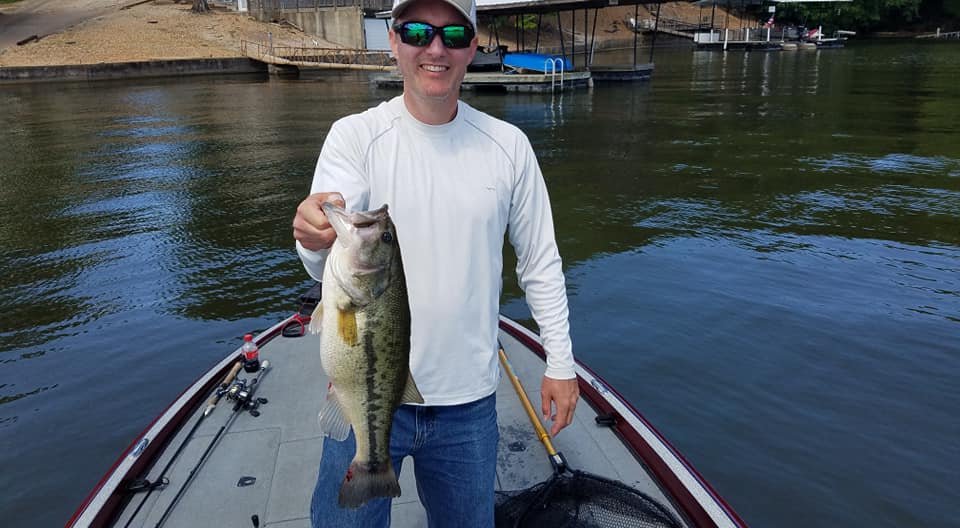
Mike's Guide Service specializes in guided fishing adventures on the beautiful Lake of the Ozarks, where bass and crappie fishing opportunities abound. Captain Mike welcomes anglers of all skill levels—from those casting a line for the first time to seasoned fishermen seeking to refine their techniques. Each trip is conducted aboard a premium 21PHX Phoenix bass boat equipped with professional-grade tackle and rods, eliminating the need for guests to bring their own gear. With trips accommodating up to three anglers and flexible scheduling options, Mike's Guide Service makes it accessible for everyone to experience quality time on the water. Whether planning a half-day outing or a longer expedition, guests can expect personalized attention and the local expertise that comes from years of navigating these productive waters.

Big Ed's Guide Service
Lake of the Ozarks, MO, US
5.0 (20 reviews)
Big Ed's Guide Service Big Ed brings years of expertise to bass fishing on the Lake of the Ozarks and the Osage River. His catch-and-release philosophy allows anglers to experience the thrill of the fight while supporting conservation efforts. Beyond largemouth and smallmouth bass, Big Ed also pursues crappie during early spring months, making spring trips particularly rewarding for anglers seeking variety. Guests fish from either a modern jet boat or a Phoenix, both equipped for comfort and efficiency on the water. Big Ed accommodates flexible schedules with morning, afternoon, and full-day options, welcoming solo anglers and small groups alike. His approach combines technical skill with a genuine passion for the water and the fish that swim there.
All Out Guide Service
Lake of the Ozarks, MO, US
4.9 (45 reviews)
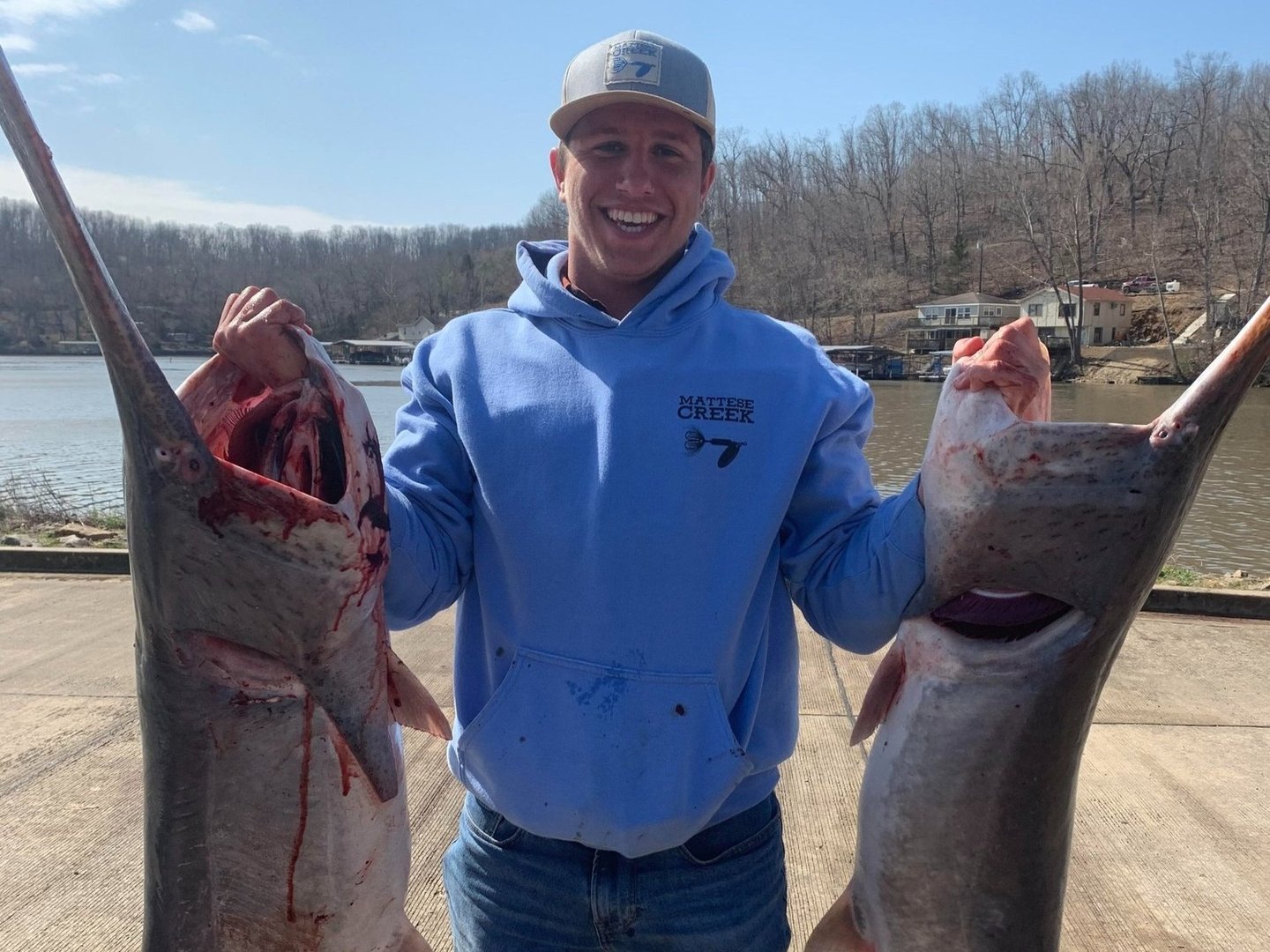
All Out Guide Service specializes in catfish and paddlefish fishing on two of the region's premier destinations: the scenic Lake of the Ozarks and Truman Lake. Led by experienced captains like Jeremy Ransom, the service is dedicated to creating unforgettable experiences for anglers of all skill levels, from first-time fishermen to seasoned veterans. The team combines deep knowledge of these productive waters with a strong commitment to sensible conservation practices. This approach ensures clients can fully enjoy their time on the water while helping preserve the natural beauty of these lakes for future generations. All Out Guide Service offers flexible trip options designed to accommodate groups of various sizes, making it accessible for anyone seeking a rewarding fishing adventure.
Frequently Asked Questions
How big is Lake of the Ozarks?
54,000 acres with 1,150 miles of shoreline — more than the coast of California. The main channel stretches 92 miles from Bagnell Dam to the headwaters. It's one of the largest reservoirs in the Midwest.
What is the best fishing at Lake of the Ozarks?
Largemouth bass are the headline — the lake holds excellent numbers of three- to five-pounders with seven-pound fish realistic. Crappie on brush piles are the numbers game. Blue catfish have become a major fishery with fish over 50 pounds. The Niangua and Grand Glaize Arms are the most productive.
When is crappie season at Lake of the Ozarks?
April and May during the spring spawn — crappie move shallow into brush-filled coves and stack in numbers that make limit catches routine. Small jigs and minnows around submerged brush piles are the go-to technique. Summer pushes them deeper, and fall brings another concentration.
What are brush piles and why do they matter?
Brush piles are submerged tree and branch structures deployed on the lake bottom to create fish habitat. Lake of the Ozarks has thousands of them — deployed by the MDC and private landowners — and they concentrate crappie, bass, and catfish. Local guides know the GPS coordinates of the productive piles.
Can you catch big catfish at Lake of the Ozarks?
Yes — blue catfish of 20 to 50 pounds are caught regularly, with fish over 60 pounds landed every season. The population has grown significantly. Drift or anchor over deep flats and channel breaks with live or cut shad on heavy tackle.

 ™
™