
How to Fish Blacksburg, Virginia: The Guide That Didn't Exist — Trout in the Mountains, Smallmouth on the New River, and a Hidden Pond in the National Forest
We went to Blacksburg and couldn't find a single fishing guide for the area. So we wrote one. Stocked trout at Pandapas Pond, world-class smallmouth on the New River, and Claytor Lake — all within 30 minutes of Virginia Tech.
Here is the honest truth about fishing near Blacksburg, Virginia: we went there last winter, saw locals fishing a small lake in the mountains, and could not find a single comprehensive fishing guide for the area. Not on Google. Not on any fishing forum. Not on any tourism site. The information exists in fragments — a paragraph on the Virginia DWR website, an old newspaper article from 1996, a couple of Fishbrain pins, and word of mouth from locals who have been fishing these waters for decades but never thought to write it down.
So we wrote the guide ourselves.
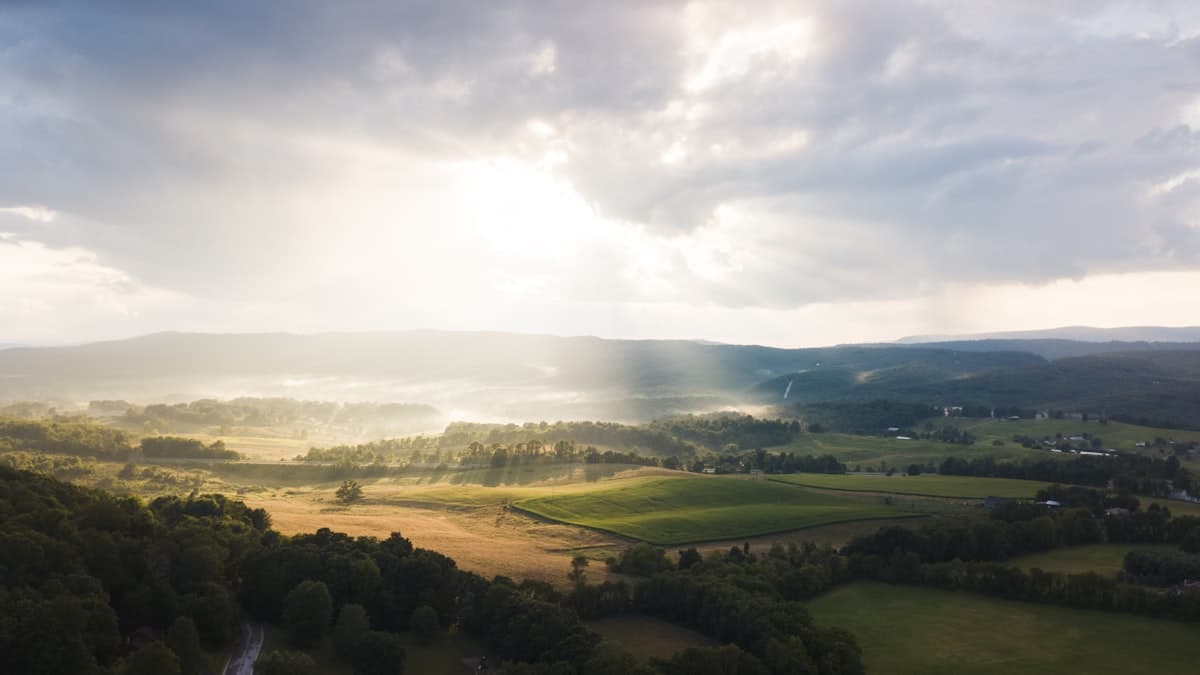
Blacksburg sits in the New River Valley of southwest Virginia, a college town (home of Virginia Tech) surrounded by the Appalachian Mountains, the Jefferson National Forest, and some genuinely excellent fishing that almost nobody talks about. The New River — one of the oldest rivers in the world — runs through the valley and holds state-record-caliber smallmouth bass and muskellunge. Pandapas Pond, an 8-acre mountain lake hidden in the national forest three miles from campus, is stocked with rainbow and brook trout by the state. And Claytor Lake, a 4,500-acre reservoir 20 minutes south, holds largemouth, smallmouth, spotted bass, striped bass, walleye, catfish, and crappie.
None of this is well-known. The fishing pressure is minimal. The access is easy. And the scenery — the Blue Ridge Mountains, the hardwood forests, the quiet of a mountain pond at dawn — makes it worth the trip even on a slow fishing day.
Pandapas Pond: The Mountain Trout Pond
Pandapas Pond is almost certainly the lake you will stumble across if you are driving US-460 west out of Blacksburg. It is an 8-acre pond sitting at 2,200 feet elevation in the Jefferson National Forest, three miles from town. A one-mile paved loop trail circles the pond through Appalachian hardwoods and hemlock. There is a parking lot, picnic tables, and an accessible fishing platform. It is quiet, beautiful, and completely unlike anything you expect to find this close to a university campus.
What Is in the Water
Virginia DWR stocks Pandapas Pond with rainbow trout and brook trout between October and May (Category B stocking — approximately 5 times during the season). The pond also holds bluegill, largemouth bass, and channel catfish year-round, though the trout are the primary target.
The stocking schedule means the best trout fishing is from October through May, when freshly stocked fish are in the pond. By summer, the water warms and the trout become stressed or move to deeper, cooler sections. The resident bass and bluegill provide action through the warm months.
How to Fish It
Trout (October-May): This is PowerBait and spinner water. A 5- to 6-foot ultralight spinning rod with a 1000-size reel, 4-pound monofilament, and a simple bottom rig — split shot, 18-inch leader, size 12 bait hook with Berkley PowerBait in chartreuse or rainbow. Cast it out, set your rod in a forked stick, and wait. The stocked rainbows cruise the pond and find it. A 1/8-ounce Panther Martin or Rooster Tail in gold or silver, cast and retrieved slowly, also produces.
Fly fishing: A 4- or 5-weight fly rod with a floating line. Woolly Buggers (olive, size 10), Zebra Midges (size 18-20), and small nymphs drifted under an indicator. The pond is small enough to cover with a fly rod from the bank. On calm mornings when trout are rising, small dry flies (Adams, Elk Hair Caddis in size 14-16) can produce surface takes.
Bass and bluegill (year-round): Small soft plastics, Beetle Spins, or live worms fished around the fallen timber and lily pad edges. The bass are not large (1 to 2 pounds) but they are willing.
Access and Rules
Parking: Free, at the Pandapas Pond Day Use Area off US-460. Look for the Forest Service sign on FR 808.
Licence: Virginia fishing licence required for anyone 16 and older. A trout licence ($23, same price for residents and non-residents) is required from October 1 through June 15 when fishing designated stocked trout waters. From June 16 through September 30, no trout licence is needed.
National Forest stamp: Not required for fishing at Pandapas Pond (it is a free day-use area).
Regulations: Standard Virginia trout regulations. Daily limit 6 trout. Check Virginia DWR for current stocking dates — they publish a daily trout stocking schedule online.
New River Smallmouth Bass Fishing — SpringThe New River: World-Class Smallmouth in Your Backyard
The New River is one of the great smallmouth bass rivers in the Eastern United States, and it flows through the New River Valley less than 20 minutes from Blacksburg. Virginia's state records for both smallmouth bass and muskellunge were caught in the New River. The river holds smallmouth bass, spotted bass, rock bass, largemouth bass, flathead catfish, channel catfish, walleye (in the upper sections), and muskellunge — a species roster that rivals any river in the Mid-Atlantic.
The New River is ancient — geologists believe it is one of the oldest rivers in the world, predating the Appalachian Mountains themselves. The river flows north (one of the few rivers in North America that does), cutting through the mountains from North Carolina through Virginia and into West Virginia. The Virginia section, from Claytor Dam downstream through Radford, Pembroke, and Pearisburg, offers the best fishing access near Blacksburg.
Smallmouth Bass
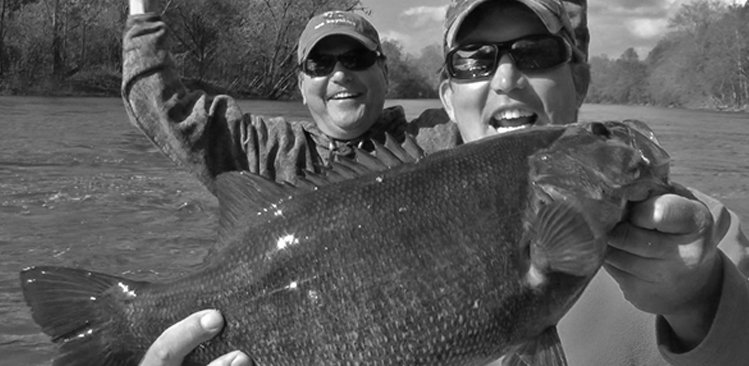
Smallmouth are the star. The New River produces fish averaging 12 to 16 inches, with 18- to 20-inch fish common and the occasional 4- to 5-pounder that reminds you why this river holds the state record. The fish live in classic smallmouth habitat: rocky shoals, ledge pools, boulder gardens, and the deep runs between rapids.
Wading: The best way to fish the New River for smallmouth. Wade into a riffle, cast downstream into the pool below, and work the current seams and eddies. Felt-soled wading boots are essential — the river rocks are slick.
Floating: Canoes and kayaks are the traditional way to cover water. Several outfitters in the area (Tangent Outfitters in Pembroke, New River Junction in Radford) rent canoes and kayaks and provide shuttle service. A full-day float covers 5 to 10 miles of river with dozens of productive pools.
Lures: Tube jigs (3-inch, green pumpkin or smoke, on a 1/4-ounce jighead) hopped along the bottom are the New River standard. Ned rigs (Z-Man TRD on a 1/5-ounce mushroom head) in the slower pools. Topwater — Rebel Pop-R or Heddon Tiny Torpedo — during low-light periods for explosive surface strikes. Crankbaits (Rapala DT-4 or Rebel Wee Crawfish) bounced along rocky banks.
Live bait: Hellgrammites (the larval form of the dobsonfly, found under rocks in the river) are the traditional New River smallmouth bait. Also crayfish, creek minnows, and nightcrawlers. Hook a hellgrammite through the collar on a size 4 hook with a split shot, drift it through a pool, and hold on.
Access Points Near Blacksburg
Whitethorne (McCoy Falls): Off Route 114, south of Blacksburg. Walk-in wading access. Good smallmouth water with shoals and pools. The closest New River access to town.
Radford (Bisset Park): In the city of Radford, 15 minutes from Blacksburg. City park with river access, walking trails, and free parking. Good wading upstream and downstream of the park.
Peppers Ferry Bridge (Route 114): Bridge crossing with walk-in access on both sides. Catfish below the bridge, smallmouth in the shoals upstream.
Big Falls (Pembroke): 30 minutes from Blacksburg. A major rapid with deep pools above and below. Walk-in access from Route 623. Excellent smallmouth water but requires some hiking.
Giant Smallmouth While Canoeing the New River in Pembroke, Virginia Virginia's Best Smallmouth River? New River Fishing ReportClaytor Lake: The Big Water Option
Claytor Lake is a 4,500-acre reservoir on the New River, created by Claytor Dam in 1939. It sits 20 minutes south of Blacksburg off I-81 and holds a remarkable diversity of species: largemouth bass, smallmouth bass, spotted bass, Alabama bass, striped bass, hybrid striped bass, walleye, channel catfish, flathead catfish, crappie, bluegill, and yellow perch.
What to Target
Largemouth bass: Hold in the creek arms, around docks, and in submerged timber. Average 2 to 4 pounds. Texas-rigged soft plastics and spinnerbaits around structure. Best in spring (March-May) when bass move shallow to spawn.
Striped bass and hybrids: Schooling fish that chase shad in open water. Trolling umbrella rigs, casting topwater when they surface, or live-bait fishing with gizzard shad near the dam. Fish average 3 to 8 pounds with occasional 15- to 20-pound stripers.
Catfish: Blue and flathead catfish in the river channel near the dam and at the mouths of major creeks. Cut bait (shad, skipjack) on the bottom at night. The lake produces flatheads over 30 pounds.
Walleye: Present but not abundant. Best caught below Claytor Dam during the winter and spring, jigging with minnow-tipped jigs in the tailrace current.
Crappie: Spring (March-April) in the creek arms around standing timber and brush piles. Minnows or small jigs at 8 to 15 feet.
Access
Claytor Lake State Park: Full-service state park with boat ramp, marina, beach, cabins, and camping. Daily parking fee ($10 on weekdays, $20 on weekends in season). Boat rentals available (pontoon, fishing boat, kayak).
Claytor Dam boat ramp: Free public boat ramp near the dam. Access to the main lake and the deeper water near the dam face. Also provides walk-in access to the tailrace area below the dam for catfish and walleye.
Other Waters Worth Knowing
Little River: Enters Claytor Lake from the south. The upper sections near Pilot hold stocked trout (Category B water). Walk-in access at several road crossings. A quiet alternative to the New River with smaller water and less pressure.
Poverty Creek: A small freestone stream accessible from the Poverty Creek Trail system at Pandapas Pond. Native brook trout in the upper reaches for those willing to hike. Catch-and-release, single-hook artificial only.
Tom's Creek: Flows through Blacksburg itself. Stocked with trout (urban waters category). Walk-in access at several points in town. The most convenient fishing in Blacksburg — you can walk from campus.
Fishing Licence and Regulations
Virginia requires a fishing licence for anyone 16 and older.
| Licence Type | Cost |
|---|---|
| Resident annual | $23 |
| Nonresident annual | $60 |
| Nonresident 5-day trip | $20 |
| Nonresident 1-day | $7 |
| Trout licence (Oct 1 - Jun 15) | $23 (resident and nonresident same price) |
| National Forest stamp | $4 (required for some NF waters, not Pandapas Pond) |
Trout regulations: Daily limit 6 in stocked waters. Pandapas Pond follows standard stocked trout rules. Check Virginia DWR for specific water regulations — some streams in the area have special regulations (catch-and-release, single-hook artificial only).
Smallmouth bass: No closed season on the New River. Daily limit 5, minimum 12 inches. Muskellunge: minimum 42 inches, 1 per day (catch-and-release strongly encouraged).
When to Come
October-May (Trout Season): Pandapas Pond is freshly stocked. Tom's Creek and Little River have trout. The best dedicated trout fishing period. Cool weather, beautiful fall colours (October-November) and quiet spring mornings (March-May).
April-June (Spring): New River smallmouth come alive as the water warms past 55 degrees. Pre-spawn and spawn fishing produces the biggest bass of the year. Claytor Lake bass move shallow. Crappie spawn in the creek arms. The best all-around fishing period.
July-August (Summer): New River wading is at its best — warm weather, low water, easy access. Topwater smallmouth at dawn and dusk. Claytor Lake is busy with recreational boaters — fish early morning or late evening. Pandapas Pond trout fishing is slow (warm water).
September-October (Fall): New River smallmouth feed aggressively before winter. Claytor Lake stripers school on the surface chasing shad. Fall trout stocking begins at Pandapas Pond in October. The scenery alone is worth the trip — the New River Valley in autumn is spectacular.
November-March (Winter): Cold but fishable. Winter trout at Pandapas Pond and Tom's Creek. Catfish and walleye below Claytor Dam. The New River fishes well on warm winter afternoons when water temperatures bump up a few degrees. Fewer crowds than any other season.
Practical Details
Getting there: Blacksburg is in southwest Virginia, 4 hours west of Richmond, 3.5 hours southwest of Washington DC, and 1.5 hours west of Roanoke. Roanoke-Blacksburg Regional Airport (ROA) is 45 minutes east. Most visitors drive.
Who this is for: Virginia Tech students and faculty who want to fish but don't know where to start. Parents visiting for a football game who want to squeeze in a morning of fishing. Anglers passing through on I-81 who have a couple hours. And anyone who has ever Googled "fishing near Blacksburg VA" and found nothing useful — this article is for you.
What to bring: An ultralight spinning rod handles Pandapas Pond trout and New River wading. If you only bring one setup, a 7-foot medium-light spinning rod with a 2500-size reel covers both. Wading boots for the New River (felt soles recommended). PowerBait and a small tackle box for Pandapas. Tube jigs and Ned rig plastics for smallmouth.
Where to stay: Blacksburg has hotels, motels, and Airbnbs oriented toward Virginia Tech visitors. Claytor Lake State Park has cabins and camping for a more outdoorsy stay. Downtown Blacksburg has good restaurants and a college-town atmosphere.
Giant Smallmouth While Canoeing the New River in Pembroke, VirginiaRecommended Gear
Fenwick Eagle 7' ML Spinning Rod
Versatile — trout at Pandapas, smallmouth on the New River
Pflueger President 2500 Spinning Reel
Smooth, reliable, handles both trout and smallmouth
Berkley PowerBait Trout Dough Chartreuse
Pandapas Pond staple — bottom rig, wait, catch stocked trout
Panther Martin 1/8 oz Gold
Trout spinner — cast and retrieve at Pandapas and Tom's Creek
Z-Man TRD 2.75" Green Pumpkin
New River Ned rig — smallmouth in the pools and eddies
Strike King Bitsy Tube 2.5" Smoke
New River tube jig — hop along rocky bottom for smallmouth
Simms Tributary Felt-Sole Wading Boot
New River wading — felt grips the slick river rocks
Top Fishing Guides in Blacksburg
Fishing guides in the New River Valley are rare — most anglers here are locals who have fished these waters their whole lives and never bothered to advertise. A guide who knows the New River's wade-in access points, which pools are holding smallmouth this week, and the current Pandapas Pond stocking schedule can turn a blind exploration into a productive day. The local knowledge here is not widely shared online, which is exactly why it is valuable.
Frequently Asked Questions
Where can I fish near Blacksburg, Virginia?
Pandapas Pond (stocked trout, 8 acres, 3 miles from town in Jefferson National Forest), the New River (world-class smallmouth bass, 15-20 minutes from campus), Claytor Lake (4,500-acre reservoir with bass, stripers, catfish, walleye, 20 minutes south), Tom's Creek (stocked trout in town), and Poverty Creek (native brook trout, hike-in).
What fish can I catch in Blacksburg?
Rainbow and brook trout (stocked at Pandapas Pond Oct-May), smallmouth bass (New River — state record water), largemouth/spotted/striped bass (Claytor Lake), flathead and channel catfish (New River and Claytor), walleye (Claytor Dam tailrace), muskellunge (New River), crappie and bluegill (Claytor Lake).
Do I need a trout licence for Pandapas Pond?
Yes — a Virginia trout licence ($23, same price for residents and nonresidents) is required from October 1 through June 15 when fishing designated stocked trout waters like Pandapas Pond. From June 16 through September 30, no trout licence is needed. A standard Virginia fishing licence is always required for anyone 16+.
How do I access the New River near Blacksburg?
Whitethorne/McCoy Falls (off Route 114, closest to Blacksburg), Bisset Park in Radford (15 min, city park with river access), Peppers Ferry Bridge (Route 114), and Big Falls near Pembroke (30 min, excellent smallmouth). Canoe/kayak outfitters in Radford and Pembroke offer rentals and shuttle service for float trips.
Is there good fishing at Claytor Lake?
Yes — 4,500-acre reservoir with largemouth, smallmouth, spotted, and striped bass, walleye, catfish (flathead and channel), crappie, and bluegill. Access via Claytor Lake State Park (boat ramp, rentals, $10-20 parking) or the free public ramp at Claytor Dam. Spring (March-May) is best for bass and crappie. Stripers school on the surface chasing shad in fall.
Related Articles
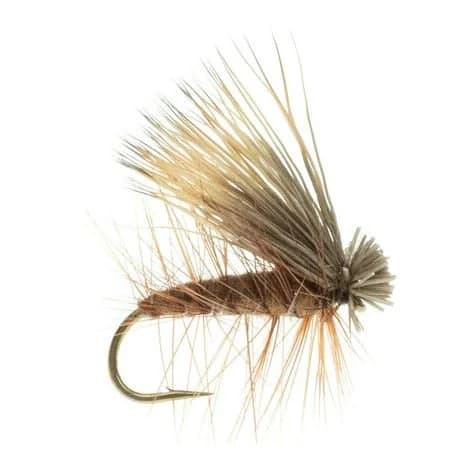
The Elk Hair Caddis: How to Tie the Fly That Works Everywhere, All Season, on Everything
Tuesday, April 21, 2026
How to Fish Destin, Florida: A First-Timer's Guide to Gear, Rigs, and Technique
Saturday, May 30, 2026
How to Fish Key West: A Beginner's Guide to the Southernmost Fishery
Tuesday, May 26, 2026
 ™
™