
How to Fish Gulf Shores, Alabama: A Beginner's Guide to Pier, Surf, and Bay
Gulf Shores puts one of the longest piers on the Gulf Coast, miles of white sand surf, the fish-packed currents of Perdido Pass, and the sheltered back bays of Wolf Bay all within a few minutes of your beach rental. Here's everything a first-timer needs to know.
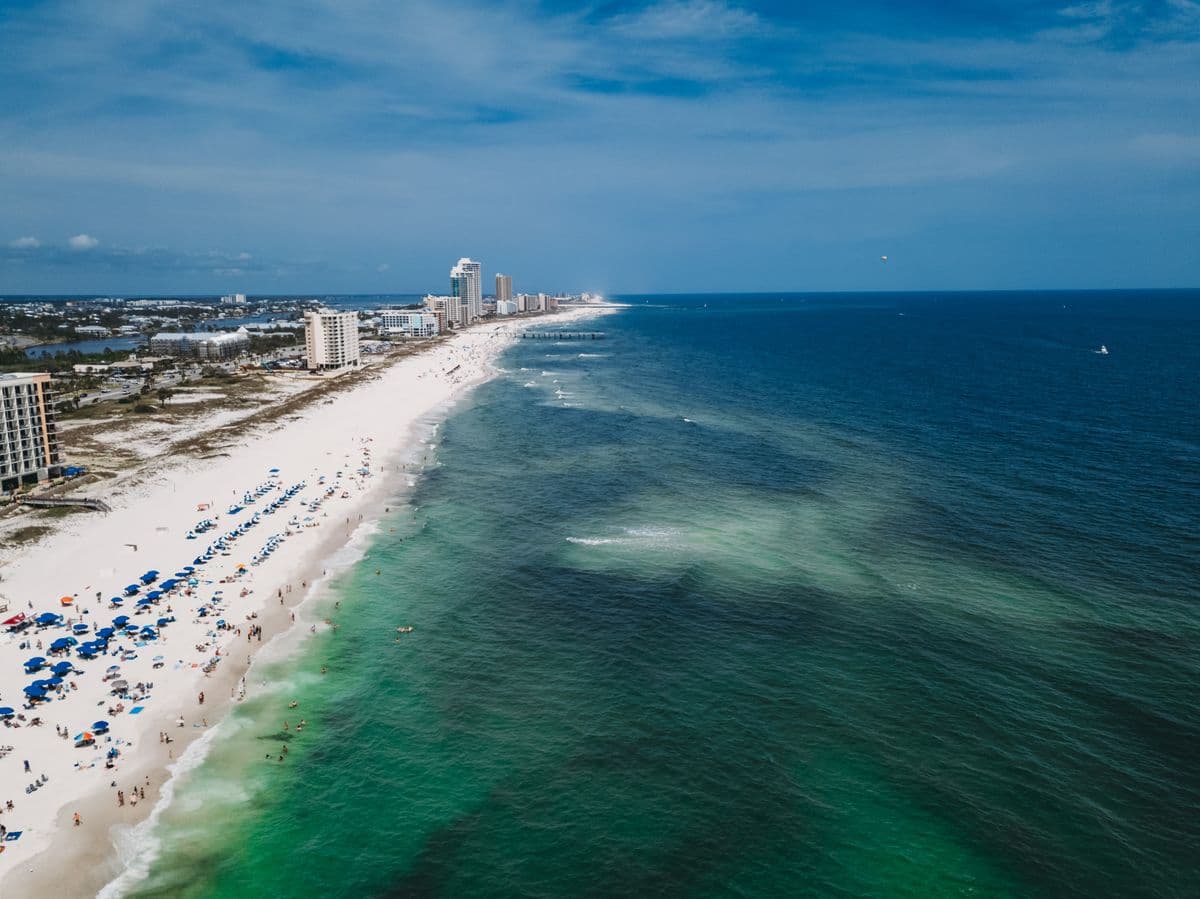
Gulf Shores sits on a narrow strip of Alabama's Gulf Coast, where sugar-white sand beaches stretch from Fort Morgan to the Florida state line and a network of bays, passes, and bayous opens up behind them. It is one of the most popular family vacation destinations on the northern Gulf — and one of the most underrated fishing towns in the Southeast.
What makes Gulf Shores different from other Gulf Coast fishing destinations is the accessibility. You do not need a boat to catch serious fish here. The Gulf State Park Pier extends over 1,500 feet into the Gulf of Mexico and puts you over water that holds everything from whiting to king mackerel. Perdido Pass — where the Gulf meets the back bays — funnels baitfish and gamefish through a narrow cut that you can fish from the jetty rocks for free. The surf along Gulf State Park Beach produces pompano, whiting, and redfish within a short cast of the sand. And if you want sheltered water, Wolf Bay and Perdido Bay hold redfish, speckled trout, and flounder in water calm enough to fish from a kayak.
This guide covers the practical side: what gear to bring, how to rig it, what bait works where, and how to fish each of Gulf Shores' four main environments. For a full overview of the fishery — the species calendar, the charter fleet, and broader trip planning — read our complete Gulf Shores fishing guide.
The Gulf State Park Pier: Where Beginners Start
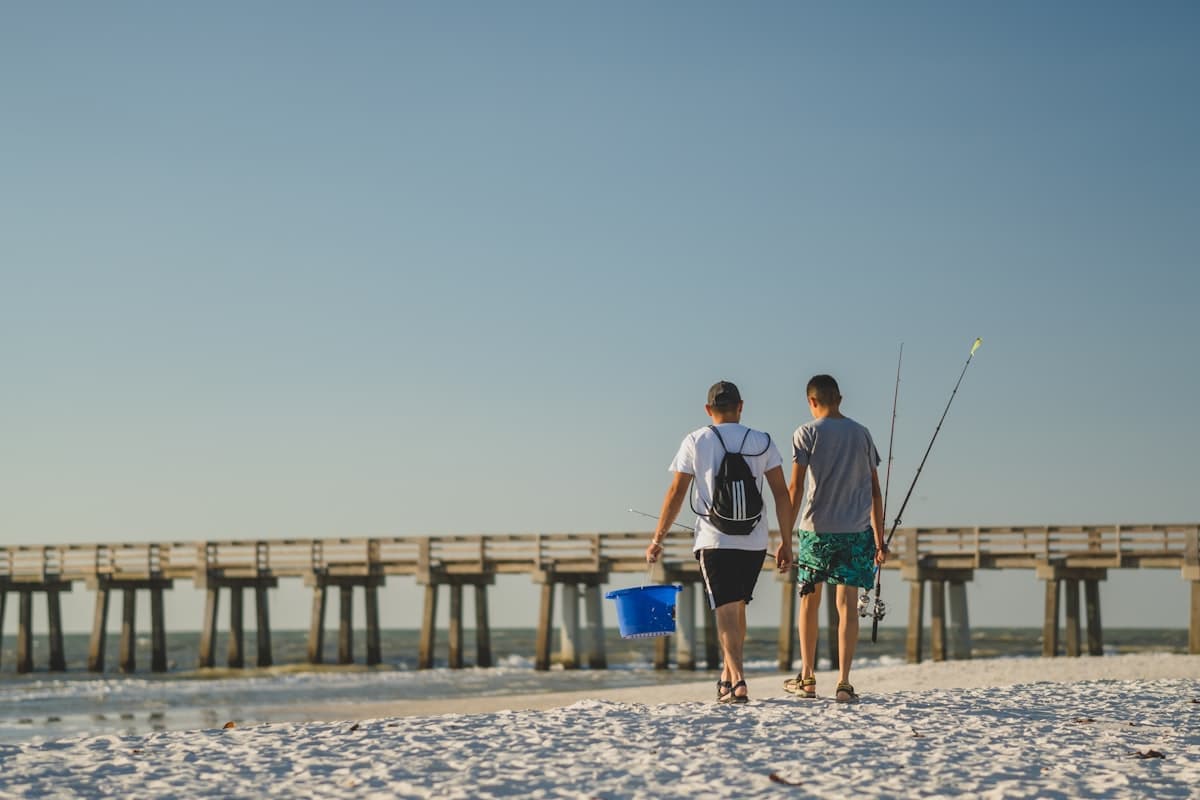
The Gulf State Park Fishing and Education Pier is the center of gravity for fishing in Gulf Shores. At over 1,500 feet long, it is one of the longest public fishing piers on the Gulf Coast, and it was built with beginners in mind. The pier has wide railings, covered shelters at the midpoint, restrooms, wheelchair-accessible fishing stations, and an on-site tackle shop that sells bait, terminal tackle, and fishing licenses. Staff are helpful and accustomed to answering first-timer questions.
This is where you go if you have never held a rod before. You can walk out, rent a setup, buy some live shrimp, drop a line over the railing, and catch fish. It is that straightforward.
What You Will Catch
The pier holds different species depending on the season, but year-round residents include whiting (the most common catch — small, plentiful, and good eating), croakers, hardhead catfish, and gafftopsail catfish. In spring and fall, Spanish mackerel cruise past the pier in schools, pompano feed along the bottom, and sheepshead cluster around the pilings. Summer brings king mackerel within range of the T-end, and winter produces good sheepshead and black drum fishing around the pier structure.
Pier Fishing Gear
If you are bringing your own gear, here is what works:
- Rod: A 7-foot medium-action spinning rod paired with a 3000-size reel. A Penn Battle III 3000 combo or Daiwa BG 3000 combo handles everything you will encounter on the pier and costs under $120.
- Line: 15- to 20-pound braided line with a 2-foot leader of 20-pound fluorocarbon tied on with a double uni knot.
- For bottom fishing (whiting, croaker, pompano, sheepshead): A simple two-hook bottom rig with a 1- to 2-ounce pyramid sinker. Use #1 or #2 circle hooks baited with a piece of peeled shrimp. Drop it to the bottom, set the rod in a holder, and wait. Whiting and croaker will find it within minutes.
- For Spanish mackerel: Tie on a 1-ounce silver Gotcha plug or a gold Kastmaster spoon and cast it out past the end of the pier. Retrieve it fast — mackerel want speed. When they are running, you will see them slashing through baitfish on the surface.
- For sheepshead: Switch to a smaller #4 circle hook baited with a fiddler crab or a piece of fresh shrimp. Drop it tight against the pier pilings where the barnacles grow. Sheepshead have a delicate bite — watch your rod tip for small taps, then set the hook when you feel weight.
Pier Practical Details
- Cost: $10 per person per day for fishing, included with the $10 daily parking fee. Rod rentals are $10 for four hours.
- Hours: Open 24 hours, seven days a week. Night fishing under the pier lights produces excellent action for speckled trout, bull redfish, and flounder that move in to hunt the baitfish attracted by the lights.
- License: You need an Alabama saltwater fishing license to fish the pier. Buy one at the pier's tackle shop or in advance at OutdoorAlabama.com.
Surf Fishing: Pompano, Whiting, and Redfish from the Sand
The beach in Gulf Shores is not just for sunbathing. The sugar-white sand and clear green water make for some of the best surf fishing on the northern Gulf Coast, and you can do it right in front of your condo. The two-mile stretch of beach inside Gulf State Park is a local favorite, but any beach access point from Fort Morgan to Orange Beach holds fish.
What Lives in the Surf
Florida pompano are the prize. They feed in the troughs between sandbars, rooting in the sand for crustaceans, and they run through Gulf Shores from March through May and again in October and November. Pompano are beautiful, fight hard for their size, and are one of the best-eating fish in the Gulf.
Whiting (Gulf kingfish) are the bread-and-butter species of the surf. They are always there, always hungry, and they eat the same bait as pompano. A good day of whiting fishing produces a cooler full of mild, flaky fillets.
Redfish — especially big bull reds in the 30- to 40-pound range — cruise the surf zone in fall and winter, often visible in the wave troughs just beyond the first sandbar.
Surf Fishing Gear
- Rod: A 9- to 10-foot medium-heavy spinning rod with a 5000- or 6000-size reel. The extra length is necessary to cast past the breakers and reach the first sandbar. A Penn Spinfisher VI 6500 on a 10-foot Penn Prevail II surf rod is a proven combination.
- Line: 20- to 30-pound braid with a 30-pound fluorocarbon leader.
- The pompano rig: This is the essential Gulf Shores surf rig. It is a two-hook dropper rig with small floats or beads on each dropper — usually orange, yellow, or pink — that mimic sand flea egg sacs and attract pompano visually. Use #1 or 1/0 circle hooks and a 2- to 3-ounce pyramid sinker at the bottom to hold in the current. Bait with fresh sand fleas (the undisputed best pompano bait) or pieces of peeled shrimp.
- Sand spike: A PVC rod holder that you push into the sand. Essential for surf fishing — it keeps your rod upright and the line tight while you wait for a bite. The Sand Flea Surf Rod Holder is the standard.
Surf Fishing Technique
Cast past the first sandbar — you will see the line of breaking waves that marks it — and set your rod in the sand spike. The trough between the first and second sandbars is where pompano and whiting feed, because the wave action stirs up sand fleas and ghost shrimp from the bottom.
Fish multiple rods at different distances to find where the school is feeding. Pompano move through in waves — you might wait twenty minutes with nothing, then catch three in quick succession. When you hook one, note the distance and get your other rods to that same zone.
Finding sand fleas: These small crustaceans burrow in the wet sand at the waterline. Watch for their V-shaped antennae poking above the sand as a wave recedes. Scoop them with a sand flea rake (available at every tackle shop in Gulf Shores for around $15). Fresh sand fleas dramatically outperform frozen or store-bought ones. Hook them through the shell from bottom to top.
5 Pompano Fishing Tips in Gulf Shores, Alabama Surf Fishing the Alabama Gulf Coast: Catch, Clean, and Cook WhitingPerdido Pass: Free Fishing Where the Gulf Meets the Bay
Perdido Pass is the narrow cut between Gulf Shores and Orange Beach where the Gulf of Mexico connects to the back bay system. Every tide pushes massive volumes of water — and the baitfish and gamefish that ride it — through this bottleneck. The result is some of the most concentrated fishing on the Alabama coast, and you can access it for free from the rocks on either side.
The Perdido Pass Seawall Park on the west side of the Perdido Pass Bridge in Orange Beach provides the easiest access. You can park, walk to the seawall, and fish the pass without climbing rocks or paying a fee. The east side of the pass, accessible from the Flora-Bama area, also has fishable jetty rocks.
What You Will Catch at the Pass
The species depend on the season and the tide, but Perdido Pass is famous for:
- Bull redfish — Big reds in the 30- to 50-pound class move through the pass from September through December, often in schools. Dawn, dusk, and nighttime under the bridge lights are prime times. They eat live croakers, pinfish, half a blue crab, or chunks of fresh mullet on a heavy bottom rig.
- Mangrove snapper — Present year-round around the rocks. Chumming with cut bait brings them up, and they eat small pieces of shrimp or cut bait on a #1 or #2 circle hook with a light fluorocarbon leader.
- Spanish mackerel — Summer and fall, when schools chase baitfish through the pass. Cast silver spoons or Gotcha plugs into the current.
- Flounder — Spring and fall on the edges of the pass. Jig a Berkley Gulp Shrimp on a 1/4-ounce jighead slowly along the bottom near the rocks. Flounder ambush from below, so a slow, dragging retrieve is critical.
- Sheepshead — Winter and early spring around the barnacle-crusted rocks. Fiddler crabs on a small hook dropped tight to the structure.
Perdido Pass Gear and Technique
For general pass fishing, use the same 7-foot medium spinning setup described for pier fishing. For bull redfish specifically, step up to a heavier outfit — a 7-foot medium-heavy rod with a 4000- to 5000-size reel spooled with 30-pound braid and 40-pound fluorocarbon leader. Use a 5/0 circle hook and enough weight (1 to 3 ounces depending on current) to hold bottom in the pass current.
Tide matters here more than anywhere else in Gulf Shores. Fish the pass on a moving tide — either incoming or outgoing — when current pushes bait through the cut. Slack tide is usually dead. If you can only pick one window, the first two hours of an outgoing tide after a high are consistently productive.
How to Catch Multiple Species from the Jetties at Perdido PassBack Bay Fishing: Wolf Bay, Perdido Bay, and the Alabama Inshore Slam
Behind the beaches and condos, a network of bays, bayous, and tidal creeks holds the fish that Gulf Shores locals chase year-round. This is where you go for the Alabama Inshore Slam — catching a redfish, a speckled trout, and a flounder on a single trip. It is the coastal fishing accomplishment on this stretch of coast, and these back bays are where it happens.
The Key Spots
Wolf Bay — A large, sheltered bay accessible from the public boat ramp at the end of AL-59 in Orange Beach. Wolf Bay has grass flats, oyster bars, and marshy shorelines that hold redfish and speckled trout year-round. The eastern shoreline near Cotton Bayou and the flats around Ingram Bayou are particularly productive.
Perdido Bay — Larger and shared with Florida, Perdido Bay has more than 30 inshore artificial reefs at depths between 11 and 25 feet where locals fish for trout, redfish, and flounder. Bayou St. John Reef, nestled between Terry Cove and Ono Island, is one of the most popular.
Bon Secour Bay and Little Lagoon — Bon Secour Bay sits north of Fort Morgan and has excellent redfish flats. Little Lagoon, a narrow body of water behind the beach in Gulf Shores, connects to the Gulf through a small pass and holds speckled trout and flounder, especially in fall.
Inshore Gear: The Popping Cork Setup
The popping cork rig is the workhorse of Alabama inshore fishing. It is simple to rig, easy to fish, and incredibly effective on speckled trout and redfish in the back bays.
- Rod: The same 7-foot medium-action spinning rod and 3000-size reel. A Penn Battle III 3000 or Daiwa BG 3000 with 15-pound braid and 20-pound fluorocarbon leader.
- Cork: A weighted popping cork — the Cajun Thunder in 2/0 size is the standard on the Alabama coast. Thread your mainline through the cork.
- Below the cork: Tie 3 feet of 20-pound fluorocarbon leader to a 1/0 circle hook or a 1/8-ounce jighead.
- Bait: A live shrimp hooked under the horn, or a Berkley Gulp Shrimp in New Penny color threaded onto the jighead.
Cast the cork near grass flat edges, oyster bar drop-offs, or dock pilings. Pop the cork with a sharp snap of your rod tip — the clacking sound mimics feeding fish and draws speckled trout and redfish to investigate. Let it sit for five seconds, pop again. When the cork disappears underwater, set the hook.
Targeting Each Slam Species
Redfish: Work the oyster bars and grass flat edges on moving tides. Redfish have a downward-facing mouth and feed on the bottom — look for "tailing" fish with their copper-bronze tails poking above the surface in shallow water. A live shrimp under a popping cork is the easiest approach, but a gold Johnson Silver Minnow spoon (1/4 ounce) cast and retrieved slowly over grass flats is deadly when reds are actively feeding.
Speckled trout: Target the sandy potholes within grass flats and the transition edges where grass meets sand. Trout hold in these ambush points and attack bait that drifts over them. A Gulp shrimp under a popping cork is the classic approach. Trout have paper-thin mouths — set the hook gently and keep steady pressure. Do not horse them.
Flounder: These flat ambush predators lie on the bottom near structure, waiting to attack anything that passes over them. Jig a live bull minnow or a Gulp shrimp on a 1/4-ounce jighead with a painfully slow retrieve along the bottom near dock pilings, bridge pilings, or the edges of channels. The retrieve should be slow enough that you feel the jig bumping the bottom every few seconds. Flounder season in Alabama typically runs from early September through November — check current regulations before you go.
Offshore: The Red Snapper Fleet
Gulf Shores and Orange Beach run one of the largest charter fleets on the Gulf Coast, and the main draw is red snapper. Alabama's federally managed red snapper season typically opens in late May or early June, and the state has consistently won some of the longest seasons on the Gulf. During the 2026 season, both private and for-hire vessels have extended access windows.
As a beginner, book a charter. The captains provide all gear, bait, tackle, and licenses. Your job is to show up, listen to the mate's instructions, and hold on. A half-day bottom fishing trip runs roughly $150 to $200 per person on a party boat (shared trip with other anglers) or $800 to $1,200 for a private charter for up to six people. The boats run from Zeke's Marina, Hudson Marina, and several docks along the Orange Beach Waterfront.
Red snapper fishing is straightforward bottom fishing — the captain positions over reef structure or artificial reefs in 60 to 120 feet of water, you drop a baited rig to the bottom, and the snapper are usually aggressive. The challenge is reeling them up before they dive back into the reef and break you off. Crank hard and do not give them slack.
Practical Details
Fishing license: Alabama requires a saltwater fishing license for anyone 16 and older. Non-resident options: 7-day trip license $35.65, annual non-resident $64.90. A Gulf Reef Fish Endorsement ($10) is required if you target reef species like red snapper or triggerfish. Buy at OutdoorAlabama.com or any local tackle shop. Charters cover all passengers.
Gear summary: A Penn Battle III 3000 combo ($100) with 15-lb braid, 20-lb fluorocarbon leader, Cajun Thunder popping corks, 1/0 circle hooks, 1/8-oz jigheads, and Berkley Gulp Shrimp covers pier, pass, and bay fishing. Add a 10-foot surf rod with a 5000-size reel, pompano rigs, pyramid sinkers, and a sand flea rake for surf fishing. Total investment under $350 for both setups.
When to fish: Spring (March-May) and fall (September-November) are peak. Spring brings pompano runs and mackerel. Fall delivers bull redfish at Perdido Pass and flounder in the bays. Summer adds offshore snapper. Winter is prime for sheepshead and black drum.
Sun protection: Wide-brimmed hat, polarized sunglasses, SPF 50+ sunscreen reapplied every two hours, moisture-wicking long-sleeve shirt. The Alabama Gulf sun reflecting off white sand is brutal.
If you are planning a broader Gulf Coast trip, Destin is three hours east with a massive charter fleet and its own legendary pier.
Top Fishing Guides Nearby
Gulf Shores guides fish the back bays, passes, and nearshore wrecks that make this stretch of Alabama coast a sleeper destination for inshore anglers. They know when the speckled trout push into the ICW, where the flounder hold in Perdido Pass, and how to find bull redfish on the beach.
Nautifishco
Gulf Shores, AL, US
5.0 (8 reviews)
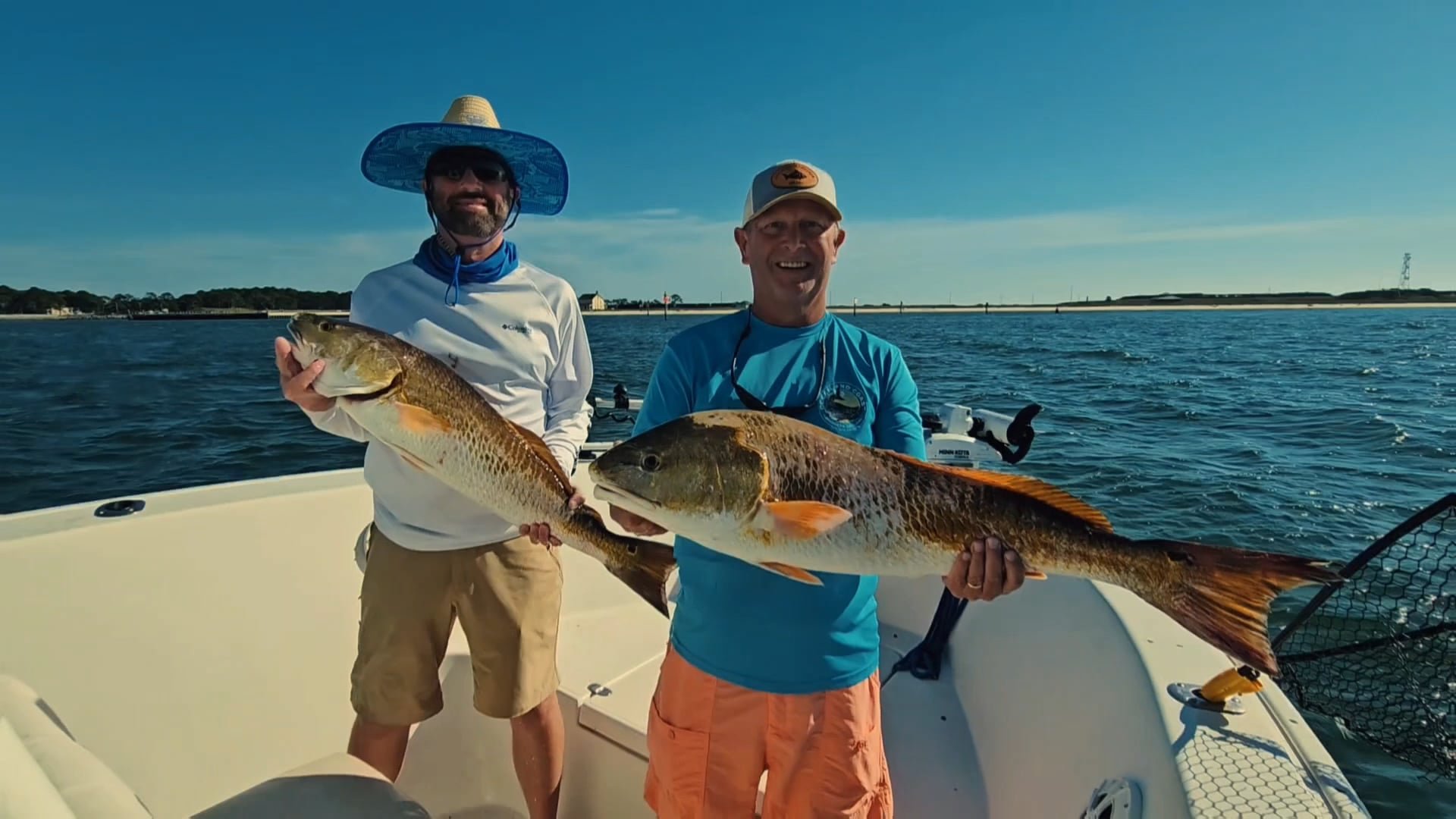
Nautifishco brings extensive expertise to the Gulf Shores and Orange Beach fishing scene, offering comprehensive charter experiences across inshore, nearshore, and offshore waters. Their knowledgeable guides specialize in helping anglers of all skill levels successfully target a diverse range of species, with red snapper among their most sought-after catches. The operation distinguishes itself through well-maintained, properly equipped boats and a genuine commitment to creating memorable days on the water. Whether anglers are seeking a leisurely inshore outing or an ambitious offshore adventure, Nautifishco tailors each trip to match individual preferences and experience levels, ensuring every angler leaves with a rewarding experience.

Red Eye Charters
Gulf Shores, AL, US
4.8 (45 reviews)
Red Eye Charters Red Eye Charters has been a cornerstone of Gulf Shores fishing since 1997, operating out of Fort Morgan Marina with over 25 years of proven expertise. Their fleet specializes in offshore, inshore, and deep sea expeditions, pursuing premium species including snapper, grouper, tuna, and marlin across Alabama's Gulf waters. The operation distinguishes itself through seasoned captains who prioritize action and results for anglers of every experience level. Whether targeting trophy fish or enjoying a family-friendly adventure, Red Eye Charters focuses on maximizing time on the water and delivering memorable fishing experiences that keep both locals and visitors returning.
Black Flag Company
Gulf Shores, AL, US
4.9 (71 reviews)
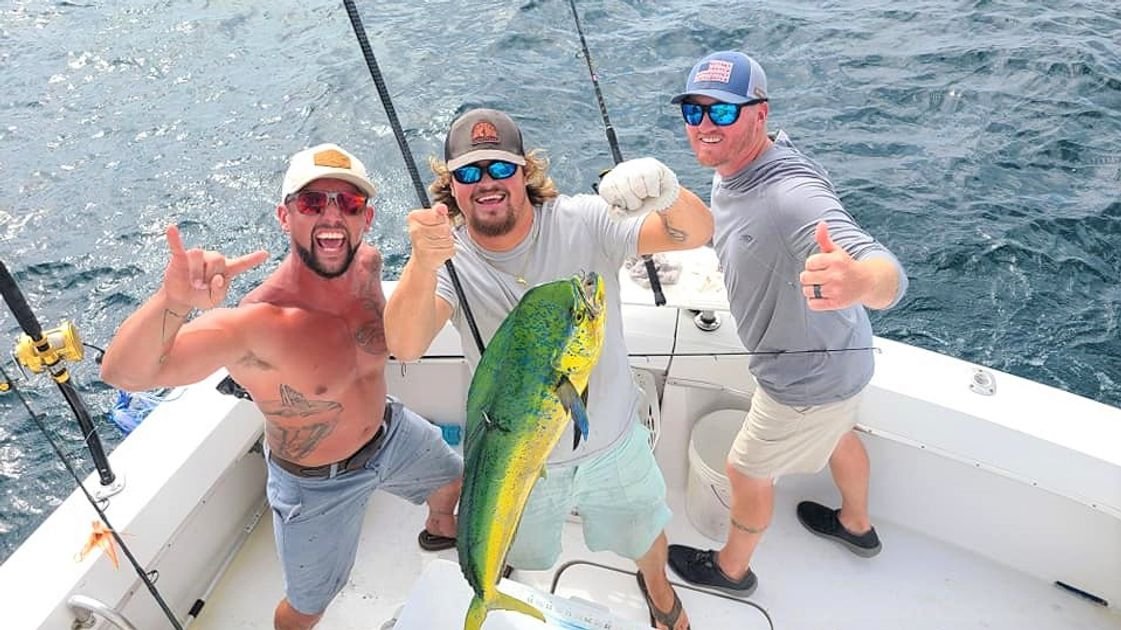
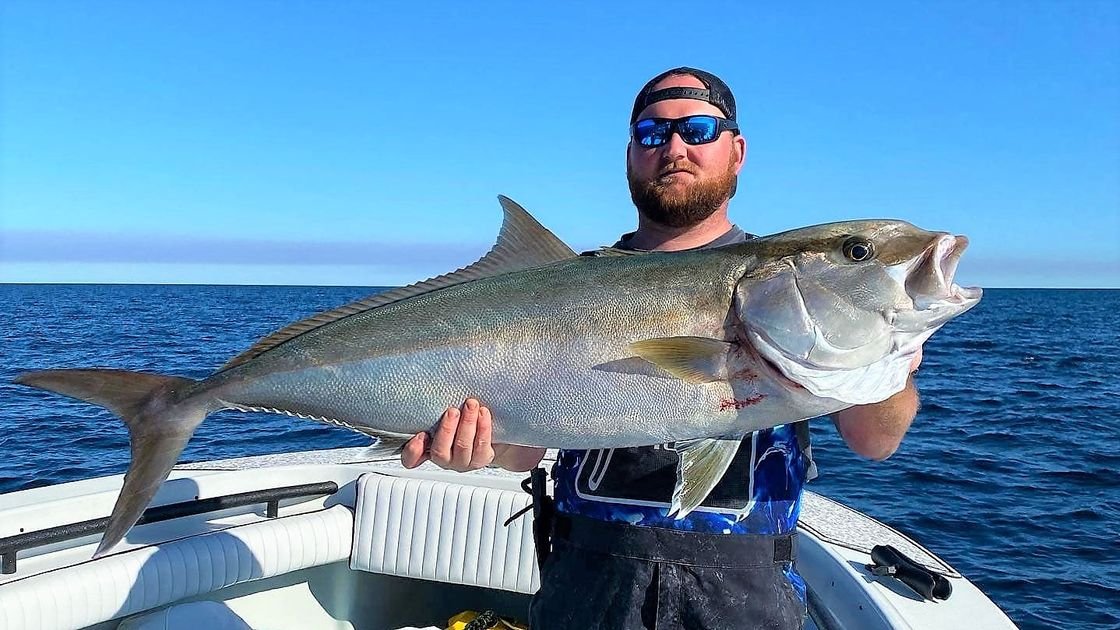
Black Flag Company offers premium fishing charters from Gulf Shores and Orange Beach, Alabama, under the leadership of Captain Stephen Crews. With extensive experience guiding anglers of all skill levels, the team specializes in personalized trips designed around each guest's preferences and goals. Their modern vessels feature advanced fishing technology that enhances both efficiency and comfort on the water. Black Flag Company targets a diverse range of species including Red Snapper, Amberjack, Triggerfish, and Mahi Mahi. Whether anglers are seasoned or casting a line for the first time, they receive hands-on guidance and top-tier service throughout their outing. Every charter is crafted to create memorable experiences on Alabama's productive waters.
In Too Deep Charters
Gulf Shores, AL, US
5.0 (6 reviews)
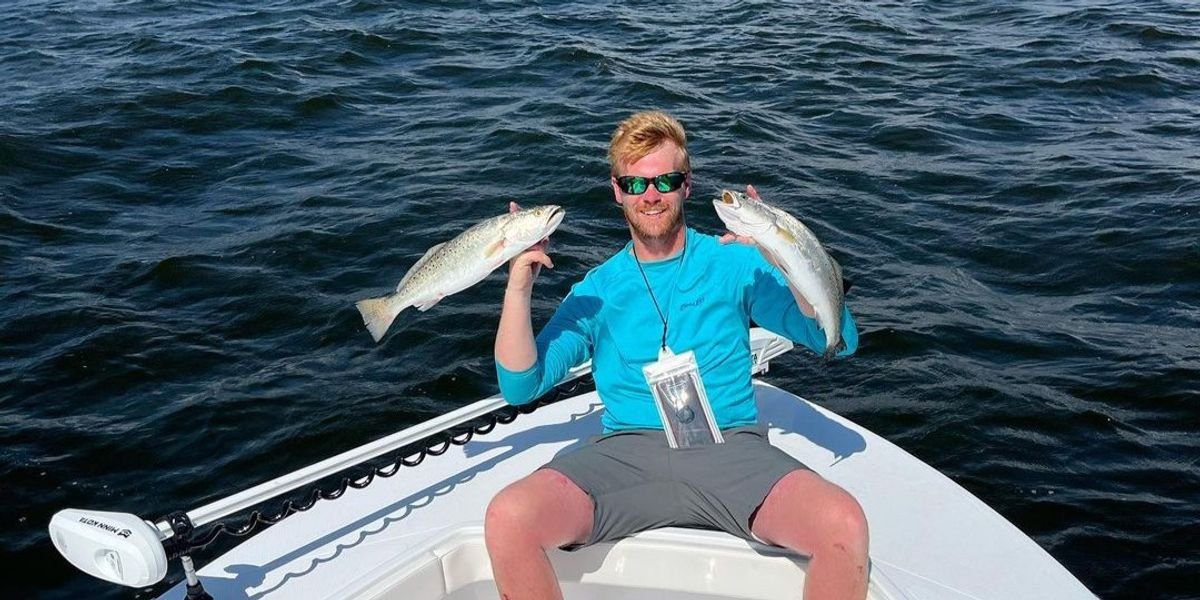
In Too Deep Charters brings decades of expertise to the waters off Gulf Shores, Alabama, under the skilled leadership of Captain Tony Hogan. The charter specializes in both inshore and offshore fishing, targeting trophy species including red snapper, amberjack, cobia, and redfish. Whether anglers are seeking a quick two-hour outing or a full-day deep-sea adventure, In Too Deep Charters accommodates all experience levels with flexibility and professionalism. What sets this operation apart is its unwavering commitment to quality. Clients enjoy top-notch equipment paired with expert guidance that transforms a fishing trip into a truly memorable experience. From novice anglers to seasoned veterans, every guest receives personalized attention and the knowledge needed to maximize their time on the Gulf.
Triple Threat Fishing LLC
Gulf Shores, AL, US
4.9 (32 reviews)
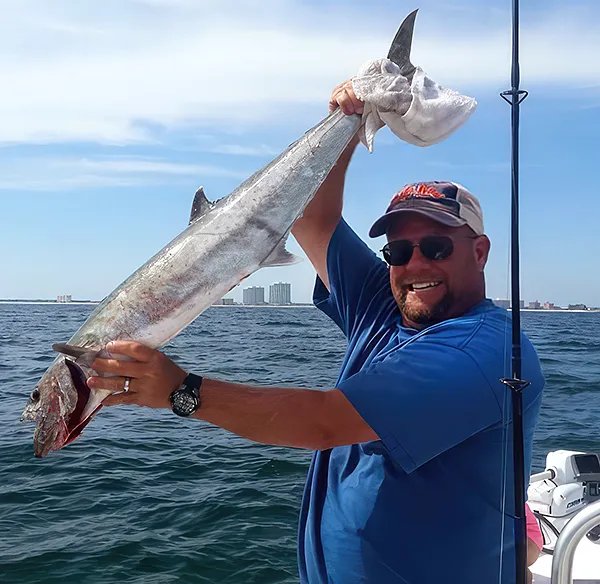
Triple Threat Fishing LLC specializes in inshore fishing charters throughout Gulf Shores, Alabama, offering expert guidance for anglers of all experience levels. Their seasoned crew possesses deep knowledge of local waters and the seasonal patterns of King Mackerel, Redfish, Spanish Mackerel, and Flounder—species that provide both exciting action and rewarding catches. The operation caters especially well to families and first-time anglers, with flexible trip lengths ranging from 4 to 8 hours. Whether guests are pursuing trophy-sized fish or simply seeking a memorable day on the water, Triple Threat Fishing LLC combines local expertise with a welcoming approach to create comfortable, engaging fishing experiences for everyone on board.
Fishing Made Ezy
Gulf Shores, AL, US
5.0 (12 reviews)
Fishing Made Ezy Captain Brent W. Spears brings over 30 years of Gulf Coast expertise to Fishing Made Ezy, offering backbay, inshore, and nearshore charters throughout Gulf Shores and Orange Beach, Alabama. With deep knowledge of the northern Gulf's best fishing grounds, Captain Brent specializes in redfish, speckled trout, mangrove snapper, and flounder—providing anglers with genuine opportunities to land quality catches while experiencing the region's natural beauty. Whether seeking a peaceful inshore adventure or a more ambitious nearshore excursion, Fishing Made Ezy tailors each trip to match the angler's skill level and preferences. The operation is known for its approachable guidance, affordable rates, and commitment to making every outing enjoyable and successful. Shrimping trips are also available for those interested in exploring different aspects of Alabama's coastal waters.
Frequently Asked Questions
How much does it cost to fish the Gulf State Park Pier?
The Gulf State Park Pier charges $10 per person per day for fishing, included with the $10 daily parking fee. Rod rentals are available for $10 for four hours at the on-site tackle shop, and live bait and terminal tackle are sold there as well. The pier is open 24 hours a day, seven days a week.
Do I need a fishing license to fish in Gulf Shores, Alabama?
Yes. Alabama requires a saltwater fishing license for anyone 16 and older to fish the surf, piers, or from a private boat. Non-residents can buy a 7-day trip license for $35.65 at local tackle shops or online at OutdoorAlabama.com. If you book a charter, the captain's license covers everyone on board. A Gulf Reef Fish Endorsement ($10) is required for reef species like red snapper.
What is the best bait for beginners fishing Gulf Shores?
Live shrimp is the most versatile bait on the Alabama coast — it catches redfish, speckled trout, flounder, sheepshead, whiting, and most pier species. For surf fishing pompano specifically, fresh sand fleas are the top bait. For artificials, a Berkley Gulp Shrimp in New Penny color on a jighead is the go-to for inshore fishing.
What is the Alabama Inshore Slam and how do I catch one?
The Alabama Inshore Slam is catching a redfish, a speckled trout, and a flounder all in a single trip. Wolf Bay, Perdido Bay, and the back bays around Orange Beach are the best places to attempt it. Spring and fall offer the best odds when all three species are actively feeding in the bays.
When is the best time of year for beginners to fish Gulf Shores?
Spring (March through May) and fall (September through November) offer the best combination of comfortable weather, active fish, and manageable crowds. Spring brings the pompano run in the surf and Spanish mackerel to the pier. Fall delivers bull redfish to Perdido Pass and flounder to the bays.
 ™
™