
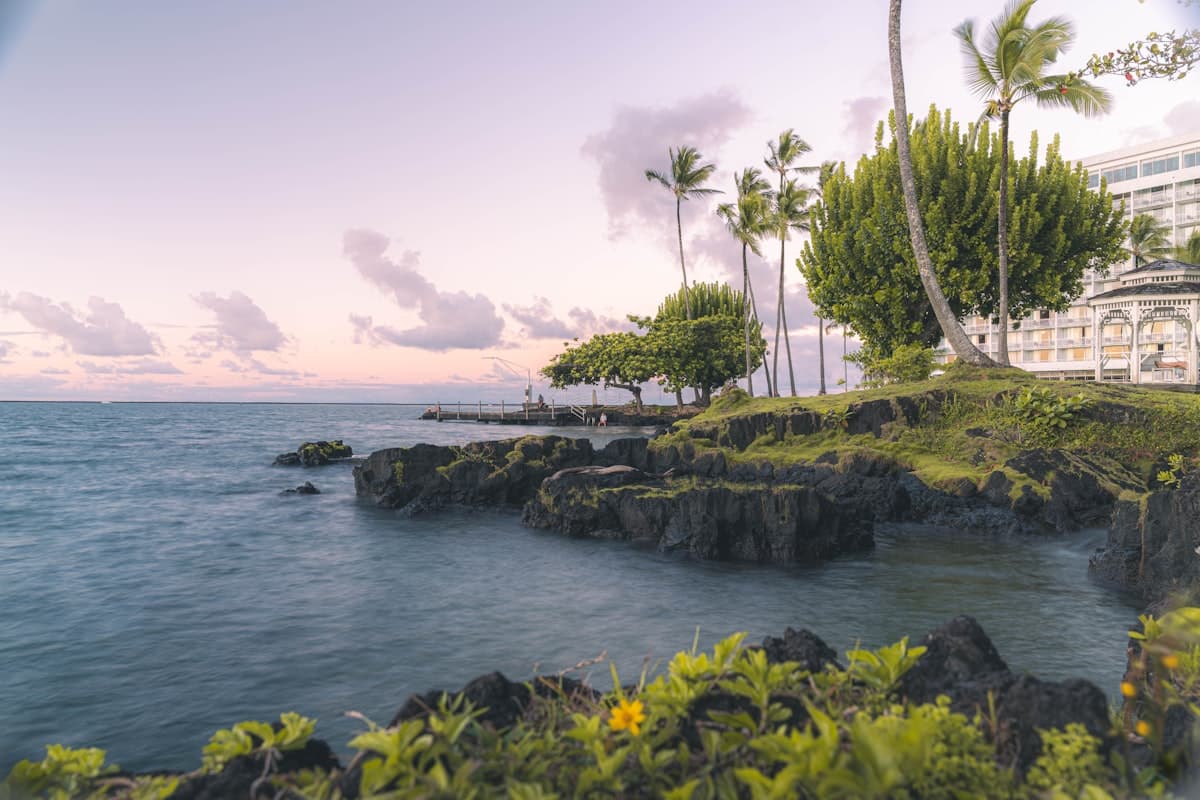
How to Fish Hilo, Hawaii: A First-Timer's Guide to Shore Fishing and Offshore on the Big Island
What a beginner needs to fish Hilo on the Big Island — the (free) Hawaii saltwater rules, how to shore-fish for ulua, papio, oio, and reef fish, the legendary night ulua scene, offshore charters for marlin, ahi, mahi, and ono, freshwater peacock bass, and the gear and techniques that work in the islands.
Hilo sits on the lush, rainy windward side of Hawaii's Big Island, fronting a broad bay where rivers meet the Pacific. It's a different fishing experience from the resort coasts — more local, more shore-based, and wonderfully accessible. You can whip for papio off the bayfront, dunk a bait for a giant ulua off a rocky point at night, sight-fish bonefish (oio) on the flats, troll the blue water for marlin and ahi, and even chase peacock bass in a freshwater reservoir, all from one town. For a first-timer, Hilo is friendly, varied, and often free to fish. This guide covers it all.
For the bigger picture — the species, the spots, and the charter scene — read our complete Hilo fishing guide.
First: The (Refreshingly Simple) License Rules
Here's the good news: Hawaii does not require a recreational saltwater fishing license — for residents or visitors. You can walk down to the shore and fish the ocean for free. (There are some specific regulated areas, marine reserves, and species rules — sizes, seasons, and gear restrictions in certain spots — so check the Hawaii Division of Aquatic Resources rules for where you're fishing.) Freshwater fishing is different: it does require a license (inexpensive short-term tourist options are available), so if you fish a reservoir for peacock bass, get the freshwater license first.
Shore Fishing: The Heart of Hilo
Shore fishing is the soul of Hilo angling, and most of it you can do for free with simple gear. A few styles cover it:
Whipping is casting and retrieving a lure (a small jig, a swimbait, or a casting lure like a Nomad Madscad) for papio — juvenile giant trevally (ulua) — along the shoreline, rocks, and bayfront. Papio are aggressive, fast, and a blast on light spinning gear. Dunking (slide-baiting) is the legendary Hilo night game for big ulua: you cast a heavy lead and a whole or cut bait off a rocky point, set the rod in a sand spike with the bait soaking on the bottom, and wait — sometimes all night — for a trophy ulua to pick it up. This is heavy gear (a long, powerful rod and a big spinning reel like a Penn Spinfisher VI 8500 with heavy line) and a patient, social, after-dark tradition.
There's much more from shore: oio (bonefish) cruise the flats and sandy areas and take a shrimp or a Berkley Gulp on light tackle (or a fly for the fly crowd); moi (threadfin), akule, needlefish, and a rainbow of reef fish — blacktail snapper (toau), triggerfish, hawkfish — take fresh squid or shrimp on simple bottom rigs. Hilo Bayfront Beach Park and Wailoa River State Park are easy, family-friendly spots with calm water, perfect for a beginner or kids to soak bait and catch a mix of reef fish.
Hawaii Shore Fishing for BeginnersOffshore: Marlin, Ahi, Mahi, and Ono
The blue water off the Big Island holds the Pacific's glamour species, and Hilo has charters that run for them. Blue marlin are the marquee fish (the Big Island, especially the calmer Kona side, is world-famous for them), peaking June through September; ahi (yellowfin tuna) run roughly May–September; mahi-mahi (dorado) peak in the cooler months (November–May); and ono (wahoo) are strong April–September. Offshore fishing here is trolling — pulling lures and rigged baits at speed over the deep water and the FADs (fish-aggregating buoys) — on heavy stand-up or chair gear the charter provides. One note for planning: Hilo is the windward (wetter, often choppier) side, while the leeward Kona coast offers the calmer, deeper water that makes it the Big Island's big-game capital — many anglers serious about marlin fish out of Kona, but Hilo charters absolutely catch blue-water fish too.
What makes Hawaii offshore fishing unusual is how quickly it gets deep — the bottom drops to thousands of feet close to shore, so blue water and big fish are a short run out. Captains troll a spread of skirted lures and rigged baits, often working the FADs (state-anchored fish-aggregating buoys) and current lines and bird piles where bait and predators gather. Your job on a trolling charter is simple: when a reel screams, get to the rod the mate points you to, settle into the chair or the harness, and reel under the captain's direction — a marlin or a big ahi will test you. Some charters also do deep-drop bottom fishing, sending baits hundreds of feet down for prized deep-water snappers like onaga and opakapaka — superb eating and a fun, less weather-dependent option. If you're prone to seasickness, take medication ahead of time, because the windward water can be bouncy.
Big Island Marlin Offshore FishingFreshwater: Peacock Bass and More
Hilo offers something most ocean towns can't — a legitimate freshwater fishery. The Wailoa River and the Big Island's reservoirs hold introduced peacock bass (tucunaré), tilapia, smallmouth and largemouth bass, and catfish. Peacock bass are aggressive, beautiful, and hit lures hard — throw a Rapala or a jig along structure. Remember this requires a Hawaii freshwater fishing license (the tourist option is cheap), unlike the free saltwater fishing. It's a fun change of pace and a kid-friendly option on a rainy Hilo afternoon. Tilapia are everywhere and willing (great for getting a kid bit), and the reservoirs and the Wailoa system fish much like a warm-water bass pond on the mainland — work the shoreline cover, the inflows, and any visible structure with small lures or bait. Because Hilo is the rainiest city in the U.S., the freshwater option is a genuinely useful backup when a squall blows out the shore or the offshore plans, and it's all close to town.
Reading the Shore: Tides, Surf, and the Moon
Shore fishing in Hilo rewards paying attention to a few conditions. The tide moves bait and triggers feeding, so the hours around a tide change generally beat slack water — fish the moving water. Low light is prime: dawn, dusk, and night consistently out-produce the bright middle of the day, which is a big part of why ulua dunking is a night game and why papio whipping is best early and late. The moon matters too — many local ulua anglers swear by the nights around the full and new moons. And always respect the surf and the rocks: Hilo's windward coast can throw big, unexpected waves onto the lava points where ulua anglers fish, so never turn your back on the ocean, wear sturdy footwear with grip, and don't fish exposed rocks in heavy surf. Tabis (the Japanese reef-walking shoes locals wear) or cleated boots are the right footwear on slick lava.
More on Ulua Dunking
The ulua "dunking" tradition is worth understanding because it's central to Big Island shore culture. It's slow, social, and patient: anglers set up on a rocky point in the evening, cast heavy lead and a big bait (a whole or cut fish, squid, or eel) far out, prop the rods in spikes or holders wedged in the rocks, set the clickers, and then wait — often through the night, talking story around a lantern — for the unmistakable scream of a reel when a big ulua takes the slide bait. It demands heavy gear because ulua are powerful and the bottom is rough: a long, stout rod, a big spinning or conventional reel with heavy braid and a heavy mono or fluoro leader, and enough lead to hold in the surge. It also demands respect for the spots and the regulars — these points have a strong local etiquette, so a visitor should be courteous, ask before crowding in, and follow the lead of the people who fish there nightly. A guide or a local tackle shop can point a first-timer to a safe, welcoming spot and the right rig.
Whipping for Papio and Working the Flats
If dunking is the patient night game, whipping is the active daytime one, and it's the most fun way for a beginner to get bit. You walk the shoreline, the bayfront, and the rocky edges casting and quickly retrieving a small lure — a casting jig, a swimbait, or a hard lure — for papio (juvenile ulua) and other reef predators. Cover water, vary your retrieve speed, and target structure, current edges, and the white water near rocks where predators ambush bait. Papio are fast, hard-hitting, and a thrill on light spinning tackle. The same light setup works for oio (bonefish), which cruise the sand and reef flats — sight-fish them in skinny water with a shrimp, a small jig, or a fly, lead the fish, and let it find the bait. Bonefish are spooky and pull surprisingly hard for their size, making them a favorite light-tackle and fly target. Both papio and oio fishing put you on the water for free with minimal gear — the essence of Hilo angling.
A Note on Respect and Conservation
Fishing in Hawaii comes with a strong culture of respect — for the ocean, the fish, the spots, and the people. Take only what you'll eat, observe the size and bag rules and the marine reserves and regulated areas (the Hawaii Division of Aquatic Resources publishes these), and release what you don't need, especially undersized fish and big breeding ulua. On the reef, avoid trampling coral, and use reef-safe sunscreen. Many shore spots are cherished local fishing grounds, so a visitor who fishes respectfully, cleans up, and follows local etiquette is always welcome. Fishing pono (the Hawaiian value of doing right) keeps these waters productive for everyone.
Gear: What to Bring
The charter supplies everything for offshore. For shore fishing on your own:
- Whipping (papio/reef): a 7-to-9-foot medium spinning rod, a 4000-5000 reel, 20-30 lb braid, and a handful of casting lures (a Nomad Madscad), jigs, and Berkley Gulp.
- Dunking (ulua): a long, heavy shore-casting rod, a big spinning reel (a Penn Spinfisher VI 8500), heavy line and leader, lead sinkers, a sand spike, and fresh bait — plus patience and a headlamp for night.
- Reef/bait: a medium rod, simple bottom rigs, and fresh squid or shrimp.
- Freshwater: a light bass setup, Rapala lures and jigs, and a Hawaii freshwater license. Bring rain gear (Hilo is the wet side), reef-safe sun protection, and sturdy footwear for the rocks.
When to Go
- Year-round shore fishing: Papio, ulua, oio, and reef fish are catchable all year; bonefish flats fish year-round, and night ulua is a year-round tradition.
- June–September: Peak blue marlin and ahi offshore.
- April–September: Strong ono (wahoo).
- November–May: Mahi-mahi peak in the cooler months.
A First-Timer's Plan
The beauty of Hilo is how easy it is to start: walk down to Hilo Bayfront or Wailoa River State Park with a simple rod and some squid or shrimp and catch reef fish for free, no license required — perfect for a family. Ready for more? Whip a lure along the rocks for papio, or join the local night scene dunking for a trophy ulua (a guide or a local tackle shop's advice helps a lot here). Want the blue-water experience? Book an offshore charter for marlin, ahi, or mahi (and consider the calmer Kona side for serious marlin). If it's raining, grab a freshwater license and chase peacock bass. Check the Hawaii DAR rules for any regulated areas, and you're set.
Recommended Gear
Penn Spinfisher VI 8500
Heavy shore reel for night dunking (slide-baiting) for ulua
Nomad Madscad
Casting lure for whipping up papio along the bayfront and rocks
Daiwa BG 4000
All-around whipping reel for papio and reef fish
Berkley Gulp Shrimp
On a light jighead for oio (bonefish) on the flats
Sand Spike Rod Holder
Holds the heavy rod while a dunked bait soaks for ulua
Rapala X-Rap
Freshwater peacock bass in the Wailoa River and reservoirs
Top Fishing Guides in Hilo
Hilo's guides and captains know which points are producing ulua, where the papio and oio are feeding along the bay, and how the blue-water bite is shaping up offshore. They bring the gear and the local knowledge so a first-timer can tap the Big Island's friendly, varied fishing.
Hilo Ocean Adventures
Hilo, HI, US
4.7 (840 reviews)
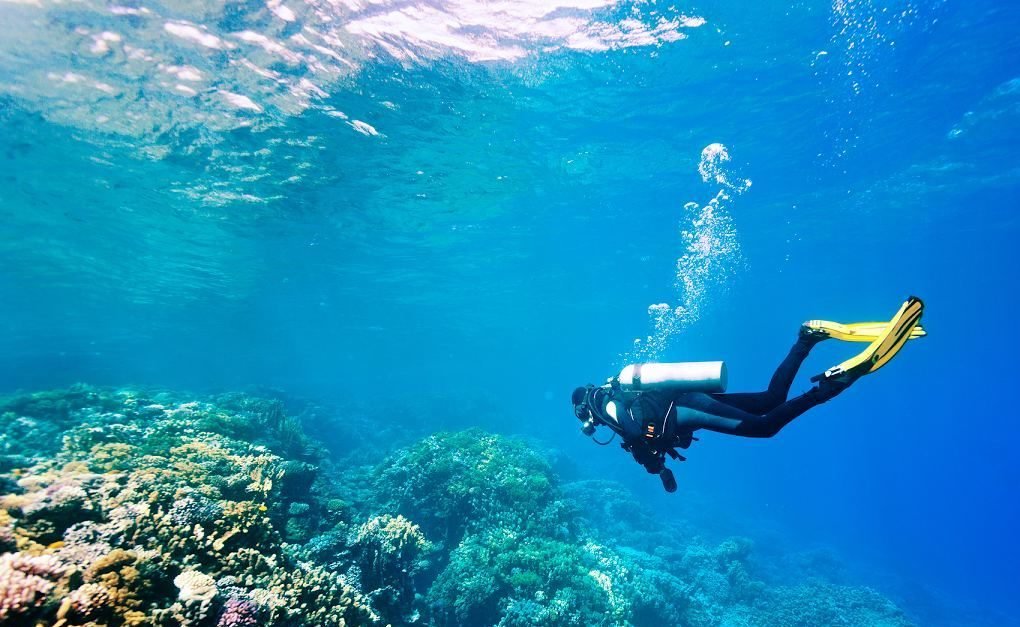
Hilo Ocean Adventures Hilo Ocean Adventures specializes in deep sea fishing charters in the rich, productive waters off the Big Island of Hawai'i. With experienced guides dedicated to big game fishing, they pursue large pelagic species in the open Pacific, offering anglers an authentic offshore adventure. The operation provides flexible private charters in 4, 6, or 8-hour formats, complete with all necessary fishing gear and tackle. Guides offer hands-on coaching suited to both novice and experienced anglers, and clients have the opportunity to keep their catch. Whether seeking an introduction to deep sea fishing or pursuing trophy-sized game, Hilo Ocean Adventures delivers a personalized and memorable experience on the water.
Hilo Fishing Charters
Hilo, HI, US
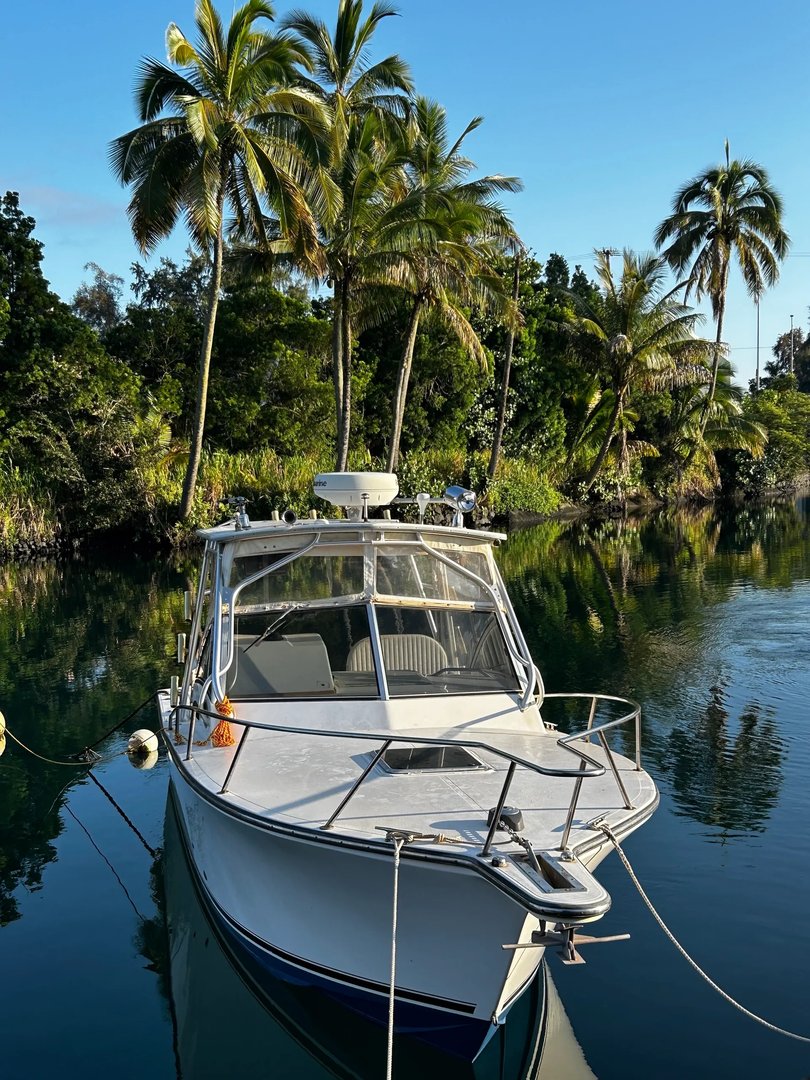
Hilo Fishing Charters specializes in world-class deep sea fishing adventures along Hawaii's Kona Coast. Whether you're a seasoned angler or casting a line for the first time, the team welcomes anglers of all skill levels aboard for unforgettable offshore experiences. The charter focuses on pursuing premium game fish including marlin, mahi-mahi, and tuna in the rich, deep waters surrounding Hilo. Each trip is designed to balance exciting action with personalized attention, ensuring anglers leave with lasting memories and the thrill of a successful day on the water.
For the full seasonal calendar and the charter rundown, see our complete Hilo fishing guide. Fishing more of Hawaii? We also have first-timer guides for Kona and Maui.
Frequently Asked Questions
What fish can you catch in Hilo, Hawaii?
From shore: papio and ulua (giant trevally), oio (bonefish), moi (threadfin), akule, and reef fish like blacktail snapper and triggerfish. Offshore: blue marlin, ahi (yellowfin tuna), mahi-mahi, and ono (wahoo). In freshwater: peacock bass, tilapia, and bass.
Do I need a fishing license in Hilo?
Not for saltwater — Hawaii requires no recreational saltwater license for residents or visitors, so you can fish the ocean for free (mind regulated areas and species rules). Freshwater fishing does require a license, with inexpensive short-term tourist options available.
What is the best way for a beginner to fish Hilo from shore?
Soak fresh squid or shrimp on a simple bottom rig at Hilo Bayfront Beach Park or Wailoa River State Park for reef fish — calm, family-friendly, and free. To step up, whip (cast and retrieve) a small lure along the rocks for aggressive papio.
What is ulua fishing in Hilo?
Ulua (large giant trevally) are the prized shore quarry, caught by 'dunking' or slide-baiting — casting a heavy lead and bait off a rocky point, setting the rod in a spike, and soaking the bait on the bottom, often overnight. It's a heavy-gear, patient, after-dark Hilo tradition.
When is the best time to fish Hilo?
Shore fishing for papio, ulua, oio, and reef fish is good year-round. Offshore, blue marlin and ahi peak June–September, ono runs April–September, and mahi-mahi peak in the cooler months (November–May).
Related Articles
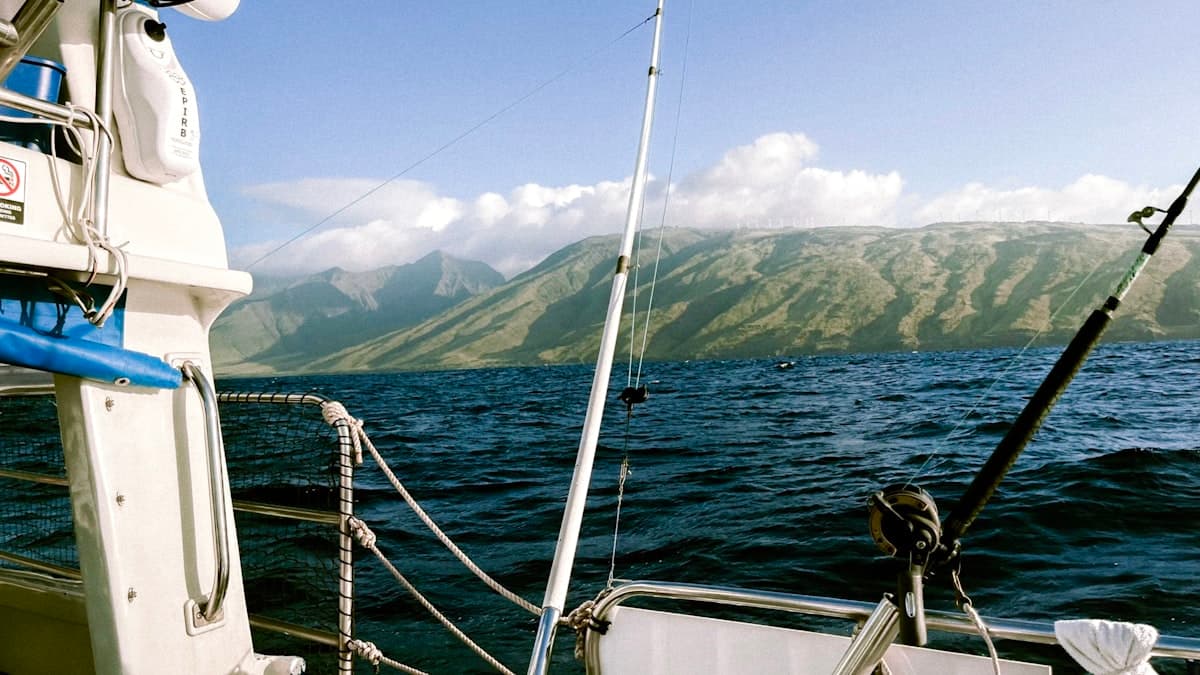
How to Fish Maui: A Beginner's Guide to Shore Fishing, Reef Species, and Pacific Blue Water
Monday, March 9, 2026
How to Fish Kona, Hawaii: A Beginner's Guide to Blue Marlin, Yellowfin Tuna, and the Big Island's Deep-Water Fishery
Sunday, January 25, 2026
Oahu Fishing: Four Coasts, Four Fisheries, and Deep Water From Every Harbor
Saturday, February 7, 2026
Maui Fishing: The Au'au Channel, Two Harbors, and the Water Between the Islands
Monday, February 9, 2026
Kauai Fishing: Deep Water Close to Shore, Light Crowds, and the Na Pali Coast Below
Tuesday, February 3, 2026
How to Fish Key West: A Beginner's Guide to the Southernmost Fishery
Tuesday, May 26, 2026