
The Beginner's Guide to Fishing Hilton Head's Lowcountry Creeks and Marshes
Hilton Head Island's massive tidal creeks, oyster-studded marshes, and rich Lowcountry waters make it one of the best beginner fishing destinations on the East Coast. Learn how to read the tides, pick the right gear, and catch redfish, flounder, and spotted seatrout in South Carolina's barrier island paradise.

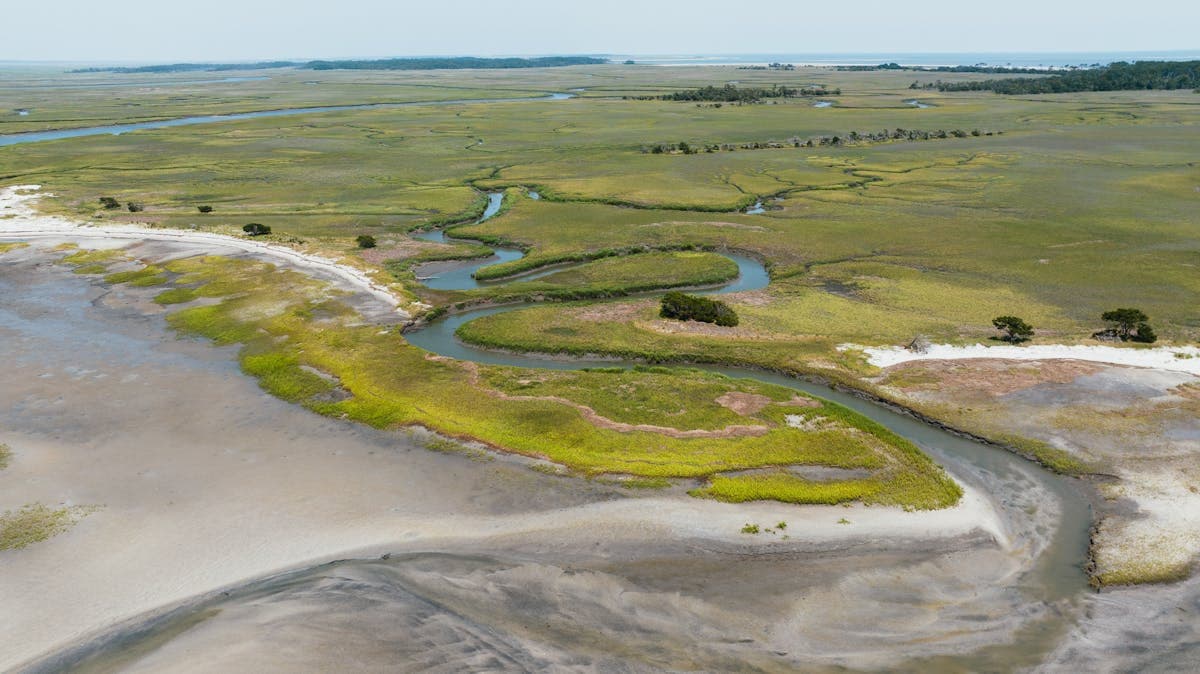
Hilton Head Island sits at the southern tip of South Carolina's Lowcountry, where the Broad Creek, Calibogue Sound, and Port Royal Sound converge into a maze of tidal creeks, oyster beds, and salt marshes that hold some of the best inshore fishing on the Atlantic coast. If you have fished Florida flats or Texas bays, forget what you know. This is a different animal entirely.
The Lowcountry runs on tides. Not gentle, barely-noticeable tides like you get in the Gulf of Mexico. Hilton Head sees 6 to 8 feet of tidal swing twice a day, and that massive water movement dictates everything: where the fish are, what they are eating, whether you can even reach the spot you want to fish. Understanding that rhythm is what separates a frustrating day on the water from an unforgettable one.
This guide is built for the beginner who is visiting Hilton Head on vacation and wants to actually catch fish, not just drown bait. We will cover the species you are most likely to encounter, the gear that works in these waters, specific spots you can reach without a boat, and honest advice on when to book a charter versus going it alone. For a broader overview of everything the island offers anglers, check out our complete Hilton Head fishing guide.
The Tidal Engine: Why Hilton Head Fishes Like Nowhere Else
Before we talk about species or gear, you need to understand the tides, because nothing else matters until you do.
Hilton Head's 6-to-8-foot tidal range creates an entire ecosystem that appears and disappears every six hours. At high tide, water floods the spartina grass marshes, the oyster rakes, and the mud flats. Baitfish, shrimp, and crabs push up into these flooded areas to feed, and gamefish follow them in. At low tide, all that water drains back out through the creeks and channels, concentrating fish in predictable spots: creek mouths, deeper bends, and the edges of exposed oyster bars.
The moving water between those two extremes is when the fishing is best. An incoming tide pushing water up into a feeder creek will stack redfish and trout at the creek mouth. An outgoing tide draining a marsh flat will funnel flounder into ambush positions at channel edges. Slack tide, when the water stops moving entirely, is usually the slowest period.
The practical takeaway: Download a tide chart app (I like the NOAA Tides and Currents app) and plan your fishing around the two hours before and after each tide change. That moving water is your best friend.
The other thing the tidal range does is expose hazards. At low tide, oyster beds that were under three feet of water become razor-sharp reefs sitting in open air. If you are wading, wear proper wading boots, not sandals. Oyster shells will cut through bare feet faster than you can say "emergency room." If you are in a boat, pay attention to your depth finder and the tide clock, or you will be sitting on a mud flat until the water comes back.
The Lowcountry Starting Five: Species You Will Actually Catch
Hilton Head holds dozens of species, but five dominate the inshore creeks and marshes. As a beginner, these are the fish you should target.
Redfish (Red Drum)
Redfish are the signature gamefish of the Lowcountry, and for good reason. They are everywhere. They fight hard. They are not particularly picky eaters. And in the clear, shallow creeks around Hilton Head, you can often see them before you cast, their copper-bronze backs and distinctive black tail spots visible against the sandy bottom.
Locals call smaller redfish (under about 10 pounds) "puppy drum," and these are your primary targets as a beginner. They school up in the creeks and feed aggressively on shrimp, crabs, and small baitfish. Look for them along oyster bar edges, in the back of feeder creeks on a rising tide, and on mud flats where you can spot their tails poking above the surface as they root for food (this is called "tailing," and seeing it for the first time will ruin you for all other types of fishing).
Bull redfish, the 15-to-30-pound bruisers, show up in the sounds and along the sandbars in September through November. They are a blast to catch but require heavier gear and more experience. Save them for a charter trip with a local captain.
Best baits: Live shrimp under a popping cork is the most reliable setup for beginners. For artificial lures, a Z-Man TRD MinnowZ on a 1/4-ounce jighead in the "new penny" color is deadly in the creeks. DOA Shrimp in natural colors and Berkley Gulp! Shrimp in 3-inch size are also proven producers.
Spotted Seatrout (Speckled Trout)
Speckled trout are the other marquee Lowcountry inshore species, and they live in many of the same areas as redfish. You will find them over grass flats, along creek edges, and around oyster bars, especially where current funnels bait through a narrow area.
Trout have softer mouths than redfish, so you need a more delicate touch when setting the hook. They also tend to feed higher in the water column, which is why a live shrimp suspended under a popping cork is so effective. When a trout hits a topwater lure at dawn, the explosive surface strike is one of the most exciting things in inshore fishing.
Fall is the best season for big trout on Hilton Head. The water cools, the fish feed aggressively, and 4-to-6-pound specimens become realistic targets, even for beginners fishing from shore.
Best baits: Live shrimp on a Bomber Paradise Popper cork rig. For artificials, a Z-Man DieZel MinnowZ in the "opening night" color pattern on a 1/8-ounce jighead works beautifully over grass flats. Topwater plugs like a Rapala Skitter Walk in bone or chrome are irresistible during early morning and late evening.
Flounder
Flounder are ambush predators that lie flat on the bottom, camouflaged against the mud and sand, waiting to inhale anything that drifts past. They favor mud-bottomed tidal creeks, channel edges, and the transitions between sand and mud where current creates a natural funnel.
The technique for flounder is simple: fish slow and low. Drag a soft plastic or live bait along the bottom with a slow, steady retrieve, pausing occasionally. Flounder are not going to chase your lure across the creek. You need to put it in front of their face.
Hilton Head's creek system is excellent flounder habitat, and the lagoon systems at Palmetto Dunes and Sea Pines also hold solid populations. The fall "flounder run" in October and November, when fish migrate offshore to spawn, concentrates them in creek mouths and passes, making them easier to target.
Best baits: Live finger mullet or mud minnows on a Carolina rig. For artificials, a Berkley Gulp! Swimming Mullet in 4-inch size, fished on a 1/4-ounce jighead bounced slowly along the bottom, is the go-to. Z-Man Scented Jerk ShadZ in white or pearl also produce well.
Sheepshead
Sheepshead are the barnacle-crushing, structure-hugging specialists of the Lowcountry, and Hilton Head's abundance of docks, pilings, bridges, and oyster beds makes it prime sheepshead territory. These fish have human-like teeth (seriously, look it up) that they use to crush barnacles, crabs, and oysters right off the structure.
Sheepshead fishing is a technique game. You need to drop your bait right next to a piling, within inches, not feet. The bite is subtle: a slight tick or a feeling of heaviness rather than a dramatic strike. Patience and sensitivity are everything.
A local favorite trick that works incredibly well: scrape barnacles off dock pilings with a knife or screwdriver to create a chum slick. The freshly dislodged shellfish fragments drift down and attract sheepshead to your area. Then drop your baited hook into the cloud of debris. This technique is devastatingly effective, especially during the late winter and early spring spawn (February through April) when sheepshead stack up around structure.
Best baits: Live fiddler crabs on a small Owner Mosquito Hook (size 1 or 1/0) with a split shot are the gold standard. Thread the hook through the corner of the crab's shell. Fresh shrimp pieces and oyster bits also work. Artificials are generally less effective for sheepshead because these fish rely heavily on scent and feel.
Black Drum
Black drum are the redfish's bigger, uglier cousin, and Hilton Head's creeks hold them year-round. Smaller ones (under 15 pounds, called "puppy drum") are excellent eating and eager biters. Larger specimens can exceed 50 pounds and will test your tackle.
You will find black drum in many of the same areas as redfish: oyster beds, creek channels, and around dock pilings. They feed on crustaceans and mollusks, so crab and shrimp baits are most effective. The fight is more of a bulldogging pull than a redfish's dramatic runs, but on light tackle, a big black drum is a serious handful.
Best baits: Fresh cut blue crab on a bottom rig, or live shrimp on a Carolina rig near oyster beds.
Inshore Fishing for Redfish - My First Charter Experience on Hilton Head IslandGear for the Lowcountry: What to Bring and What to Buy
You do not need a truckload of tackle to fish Hilton Head's creeks. One well-chosen rod and reel combo, a handful of terminal tackle, and a small selection of lures will cover 90% of the situations you encounter.
The One-Rod Setup
If you are bringing one rod for a Hilton Head vacation, make it a medium-power, fast-action spinning rod in the 7-foot range. A St. Croix Mojo Inshore (7-foot, medium) paired with a Shimano Stradic FL 2500 is a combination that will handle everything from puppy drum in the creeks to trout on the flats to flounder in the channels. It is not cheap, but it will last for years.
For a budget-friendly alternative, a Penn Battle III 2500 on a Penn Squadron III Inshore 7-foot rod delivers excellent performance for about a third of the price.
Line: Spool up with 10-pound braided line (PowerPro Super Slick V2 or Sufix 832) and tie on a 2-to-3-foot leader of 15-to-20-pound fluorocarbon (Seaguar Red Label is a great value). The braid gives you sensitivity and casting distance; the fluorocarbon leader gives you abrasion resistance against oyster shells and near-invisibility in clear water. Connect them with a double uni knot or an FG knot.
Terminal Tackle Essentials
Pack these items and you are ready for anything the creeks throw at you:
- Jigheads: 1/8-ounce and 1/4-ounce in sizes 1/0 and 2/0 (the Z-Man Trout Eye Jighead is purpose-built for Lowcountry fishing)
- Popping corks: A couple of Bomber Paradise Poppers in the 3-inch weighted version. These suspend your bait at a set depth and create a popping, chugging sound that attracts trout and reds
- Circle hooks: Sizes 1/0 and 2/0 for live bait fishing (Owner SSW Circle Hooks are the standard)
- Split shots and egg sinkers: Assorted sizes for Carolina rigs and bottom fishing
- Swivels: Size 7 barrel swivels for Carolina rigs
The Lure Box
You could fill a tackle shop, but these five lures will catch every species on the list above:
- Z-Man TRD MinnowZ (new penny, electric chicken) — the Lowcountry redfish killer
- DOA Shrimp (natural, root beer) — skip it under docks, twitch it over grass
- Berkley Gulp! Shrimp 3-inch (new penny, nuclear chicken) — the scent trail is unfair
- Z-Man Scented Jerk ShadZ (pearl, opening night) — flounder and trout magnet
- Heddon Zara Spook Jr. (bone) — for topwater strikes at dawn and dusk that will make you forget your own name
Where to Fish Without a Boat
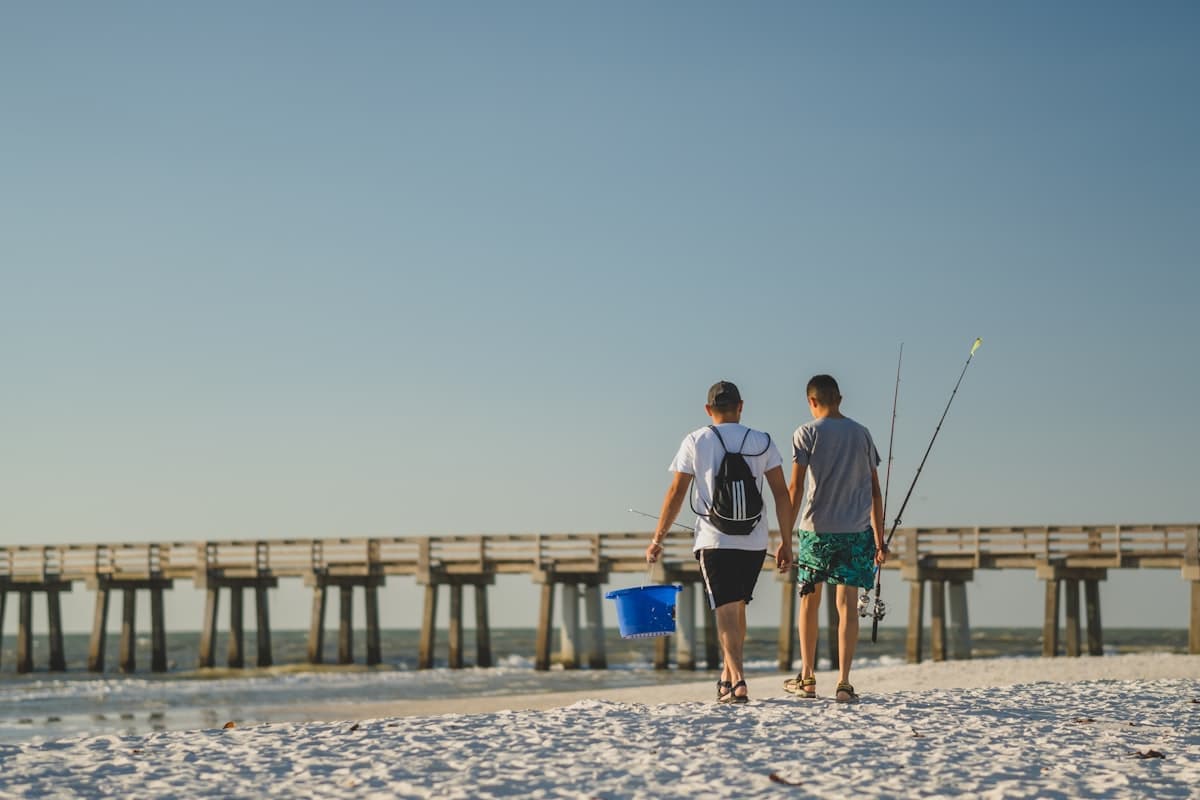
You absolutely do not need a boat to catch fish on Hilton Head. The island has more accessible shoreline fishing than most visitors realize.
Charles C. Haigh Jr. Fishing Pier
This pier sits on the Intracoastal Waterway at the entrance to Hilton Head (SC Highway 278 near Pinckney Island) and is free to fish year-round. The deep water flowing past the pilings holds sheepshead, black drum, flounder, and seasonal runs of Spanish mackerel and bluefish. Fish fiddler crabs tight to the pilings for sheepshead, or drop a live shrimp on a Carolina rig to the bottom for flounder. This is the single best free fishing spot on the island for beginners.
Jarvis Creek Park
Located off William Hilton Parkway, this 53-acre park has a dedicated fishing dock on a freshwater pond stocked with largemouth bass. It is family-friendly, has restrooms and parking, and is a perfect spot to bring young kids for their first fishing experience without worrying about tides, currents, or saltwater tackle.
Resort Lagoon Systems
Both Palmetto Dunes and Sea Pines Resort have extensive lagoon systems that are connected to the tidal creeks and hold impressive populations of redfish, spotted seatrout, flounder, and even tarpon. If you are staying at either resort, the lagoon fishing is an easy walk-out-your-door option. A simple live shrimp under a cork along the lagoon edges at dawn or dusk will produce.
Surf Fishing
Every public beach access on Hilton Head puts you in range of whiting, pompano, bluefish, and sharks. The best surf fishing is early morning and late evening on an incoming tide. Use fresh shrimp or sand fleas on a Fishfinder rig (a sliding egg sinker above a swivel with an 18-inch fluorocarbon leader and a circle hook). A heavier rod is helpful here: something in the 9-to-10-foot range with the backbone to punch a cast through the wind.
Shelter Cove and Skull Creek Access Points
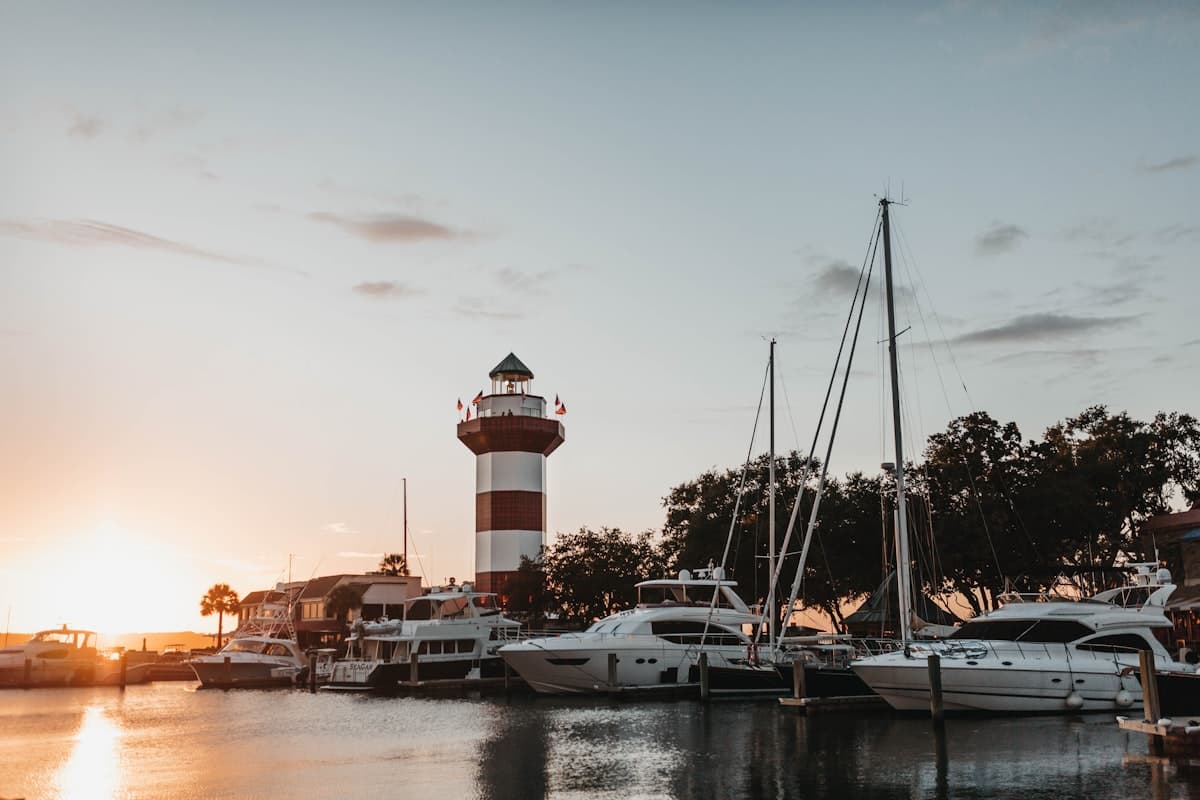
The public areas around Shelter Cove Harbour and the Skull Creek shoreline give bank anglers access to deeper tidal water where redfish, trout, and sheepshead feed along the edges. Bring a cast net to catch your own live shrimp or mullet, and fish the last two hours of an outgoing tide when fish stack up in the deeper pockets.
Catch and Cook Surf Fishing on Hilton Head IslandWhen to Book a Charter (And What to Expect)
As much as I believe in shore fishing and doing it yourself, a half-day inshore charter on Hilton Head is one of the best investments a beginner angler can make. A good captain knows the creeks like the back of their hand, understands how the tides are fishing on any given day, and puts you on fish you simply would not find on your own.
What Charters Cost
Inshore charters on Hilton Head typically run:
- 3-hour trip: $350 to $450 for up to 2 anglers
- Half-day (4 hours): $500 to $650 for up to 4 anglers
- Full-day offshore: $1,200 to $1,800 for up to 6 anglers
Most charters include all tackle, bait, and fishing licenses, so you do not need to bring anything except sunscreen, polarized sunglasses, and appropriate footwear. Charters depart from Shelter Cove Harbour, South Beach Marina in Sea Pines, Skull Creek Marina, and Broad Creek Marina.
When a Charter Makes Sense
Book a charter if any of these apply to you:
- You have never fished saltwater before and want to learn the basics without spending a day untangling line
- You are visiting during peak season (May through September) and want to maximize limited vacation fishing time
- You want to target bull redfish, cobia, or offshore species that require specialized knowledge and gear
- You are fishing with kids under 10 and want a patient captain who will keep them engaged
Inshore vs. Offshore
For beginners, always choose inshore. The calm, protected creeks around Hilton Head are comfortable even for people prone to seasickness, the action is usually consistent, and you will learn techniques you can apply anywhere on the coast. Offshore trips are exciting, but the long boat rides, rougher conditions, and possibility of slow fishing make them better suited for more experienced anglers.
If the Lowcountry bug bites and you want to explore further, Charleston's fishing scene is just two hours up the coast and offers its own incredible inshore fishery in the harbor and surrounding creeks.
Kayak Fishing at Hilton Head Island for RedfishA Season-by-Season Game Plan
Spring (March through May)
Spring is when Hilton Head's fishing truly comes alive. Water temperatures climb into the upper 60s and 70s, and fish that were sluggish through winter become aggressive feeders. Sheepshead are spawning around structure through April, making them easy targets on fiddler crabs. Redfish and trout are feeding hard in the creeks. Flounder start appearing on the flats. By late April, cobia arrive in Calibogue Sound and Port Royal Sound, cruising the surface where you can sight-cast to them.
Best bet: Fish the oyster bars and creek mouths on a moving tide with live shrimp or Z-Man soft plastics.
Summer (June through August)
Peak season brings warm water, long days, and the widest variety of species. Tarpon show up in the sounds. Spanish mackerel and jack crevalle slash through bait schools. Redfish and trout are plentiful but tend to feed early and late, retreating to deeper, cooler water during the midday heat. Dawn and dusk are your windows.
Best bet: Hit the water before 8 AM with topwater lures for explosive trout and redfish strikes. Switch to live bait in the shade of docks and bridges through the afternoon.
Fall (September through November)
This is it. The best fishing of the year. The fall bull redfish run in Port Royal Sound and Calibogue Sound is legendary, with schools of 15-to-30-pound fish stacking up on sandbars and creek mouths. Trout fishing peaks. Flounder run through the passes on their way offshore to spawn. The weather is comfortable, the tourist crowds thin, and the fishing is as good as it gets anywhere on the East Coast.
Best bet: Target the sandbars and sound edges on outgoing tides with cut mullet or large paddle-tail soft plastics for bull reds. Fish the creek mouths at dawn for trout. Bounce Gulp baits along channel edges for flounder.
Winter (December through February)
Fishing slows but never stops. Sheepshead stack up around docks and pilings. Redfish retreat to deeper creek bends but will still eat a well-presented bait. Trout concentrate in deeper holes where the water temperature is slightly more stable. Winter fishing rewards the patient and the persistent.
Best bet: Fish the warmest part of the day (10 AM to 2 PM) with live shrimp on bottom rigs near structure. Target sheepshead around docks with fiddler crabs.
Big Flounder Caught in the Lagoon on a Simple Technique - Hilton Head IslandFishing License and Regulations
South Carolina requires a saltwater fishing license for anyone 16 or older. Nonresidents can purchase licenses online through Go Outdoors South Carolina or at local tackle shops:
- 1-day license: $10
- 7-day license: $35
- Annual license: $75
Important exemptions: You do not need a license if you are fishing from a licensed public saltwater pier (like the Haigh Pier) or aboard a licensed charter boat. Your captain's license covers you.
Slot limits to know: Redfish must be between 15 and 23 inches, with a 3-fish daily limit. Spotted seatrout have a 14-inch minimum and 10-fish daily limit. Flounder have a 16-inch minimum and 5-fish daily limit. These regulations change periodically, so check the current SCDNR rules before you fish.
Practice catch-and-release when possible, especially with redfish. The Lowcountry fishery is healthy because local anglers and guides have worked hard to keep it that way.
Five Tips That Will Save Your First Trip
-
Check the tides, not just the weather. A beautiful sunny day on a dead slack tide will fish worse than a cloudy day with strong tidal movement. Plan around the tides first, weather second.
-
Bring polarized sunglasses. Not optional. In the clear Lowcountry creeks, polarized lenses let you see fish, structure, and oyster bars below the surface. They are the single most important piece of gear after your rod and reel. Costa Del Mar 580G lenses in copper or green mirror are the Lowcountry standard, but any quality polarized sunglasses will work.
-
Wear proper footwear. Oyster shells are everywhere and they are brutally sharp. If you are wading or launching a kayak, wear closed-toe wading boots or water shoes with thick soles. Flip-flops will end your trip at the urgent care.
-
Bring a cast net. Nothing catches fish like live bait you just caught yourself. A 6-foot cast net from Betts or Ahi is easy to learn and lets you net live shrimp and mullet along the creek edges. Fifteen minutes of cast netting in the morning can supply your bait for the entire day.
-
Apply sunscreen before bug spray. The Lowcountry marsh is gorgeous, but the no-see-ums and mosquitoes are savage, especially at dawn and dusk near the spartina grass. Slather on reef-safe sunscreen first, then apply bug spray on top. Your skin will thank you.
Start Here, Get Hooked Forever
There is something about fishing Hilton Head's Lowcountry creeks that gets into your blood. Maybe it is the way the marsh turns gold at sunset while a redfish tail waves at you from twenty feet away. Maybe it is the way a spotted seatrout explodes on a topwater plug in the glass-calm water of a creek at dawn. Maybe it is just the quiet of a salt marsh at low tide, the smell of pluff mud, and the feeling that you have found a place the modern world forgot.
Whatever it is, you will not find it in a swimming pool or on a golf course. Grab a rod, check the tide chart, and go find it for yourself.
Looking for a guide in Hilton Head?
We don't have specific guides listed in Hilton Headyet, but we're growing fast.
Browse All GuidesFrequently Asked Questions
Do I need a fishing license to fish on Hilton Head Island?
Yes, anyone 16 or older needs a South Carolina saltwater fishing license. Nonresidents can purchase a 1-day license for $10 or a 7-day license for $35 online through Go Outdoors South Carolina. Exceptions apply if you're fishing from a licensed public pier or aboard a licensed charter boat.
What is the best time of year to fish on Hilton Head Island?
Spring (March through May) and fall (September through November) offer the best overall fishing. Spring brings active redfish, flounder, and sheepshead, while fall delivers the legendary bull redfish run and aggressive spotted seatrout. Summer is also productive, especially at dawn and dusk.
Can I fish on Hilton Head without a boat?
Absolutely. The Charles C. Haigh Jr. Fishing Pier on the Intracoastal Waterway is free to use year-round. Jarvis Creek Park has a fishing dock stocked with bass. The resort lagoon systems at Palmetto Dunes and Sea Pines hold redfish, trout, and flounder. You can also surf fish from any public beach access.
How much do fishing charters cost on Hilton Head Island?
Inshore charters typically start around $350 to $400 for a 3-hour trip for up to two anglers. Half-day trips run $500 to $650, and full-day offshore charters range from $1,200 to $1,800. Most charters provide all tackle, bait, and licenses.
Why do the tides matter so much for fishing on Hilton Head?
Hilton Head has a tidal range of 6 to 8 feet, dramatically larger than most coastal destinations. This massive water movement floods the marsh grass and oyster beds at high tide and drains them at low tide, concentrating fish in deeper channels. Learning to fish around the tidal cycle is the most important skill for Lowcountry fishing.
 ™
™