
How to Fish Lake Tahoe: A Beginner's Guide to Mackinaw, Kokanee, and Trophy Trout
Everything a first-timer needs to fish Lake Tahoe — trolling and jigging for mackinaw (lake trout) in deep water, kokanee salmon in summer, rainbow and brown trout from shore and boat, charter costs, licensing across two states, and what gear to bring.
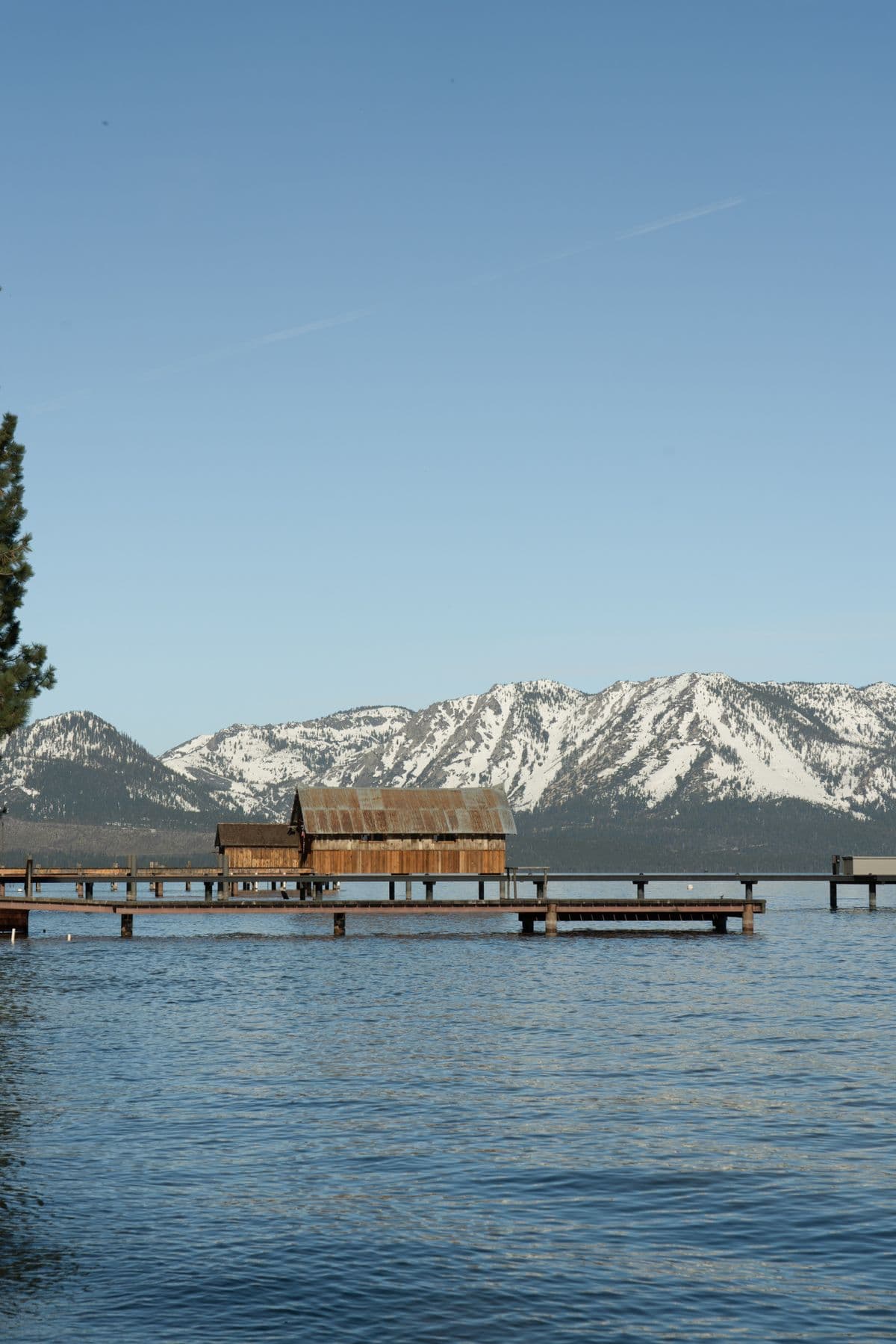
Lake Tahoe is one of the most beautiful lakes in the world — 22 miles long, 12 miles wide, and over 1,600 feet deep, with water so clear you can see 70 feet down on a calm day. It sits at 6,225 feet in the Sierra Nevada, straddling the California-Nevada border. The fishing matches the scenery: mackinaw (lake trout) up to 30 pounds cruise the deep structure, kokanee salmon school in the thermocline from July through October, and rainbow and brown trout patrol the rocky shorelines. It is a world-class fishery in a world-class setting.
For beginners, Lake Tahoe presents a specific challenge: the lake is enormous, the fish are mostly deep, and 99% of the fish caught here come from boats. You can fish from shore — and we'll cover how — but if you want the full Tahoe experience, a charter is the way to go. The good news is that Tahoe's charter fleet is experienced, beginner-friendly, and not as expensive as you might expect.
This guide covers the practical how-to for each species and method. For the full destination overview — seasonal calendars, the charter fleet, and trip planning — read our complete Lake Tahoe fishing guide.
Mackinaw (Lake Trout): The Main Target
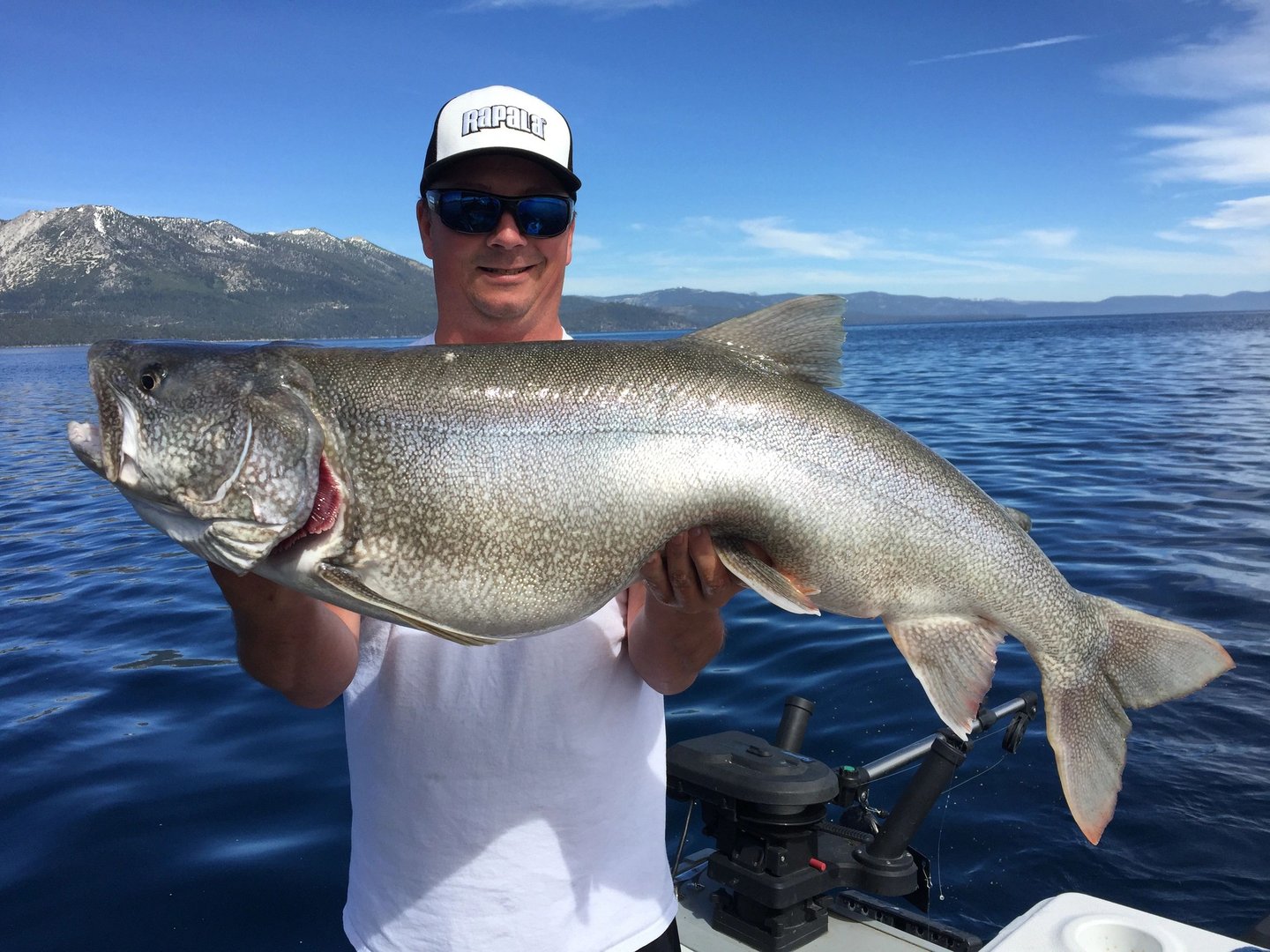
Mackinaw — also called lake trout — are the signature fish of Lake Tahoe. They're big, they fight hard in deep water, and they taste excellent. Fish in the 3- to 10-pound range are common; 15- to 20-pounders are caught regularly; and fish over 25 pounds are the trophies that Tahoe is known for. Mackinaw are found year-round, making them the most reliable target regardless of when you visit.
How Mackinaw Fishing Works
Mackinaw live deep. In summer, they're typically between 100 and 300 feet down. In spring and fall, they move shallower — sometimes as shallow as 40 to 80 feet — which is why March through June is considered the best trophy season.
There are two primary techniques: jigging and trolling with downriggers. Both are done from a boat.
Jigging is the hands-on method. You drop a heavy jig — a Rapala Jigging Rap ($8 at Bass Pro), Swedish Pimple ($6), or a large tube jig tipped with a piece of nightcrawler — straight down to the bottom in 70 to 200 feet of water. Then you work it: sharp upward rod flick, let it flutter back down. Mackinaw see the flash and movement on their sonar (their lateral line) and come to investigate. The bite feels like a heavy thud followed by head shakes. Set the hook gently — mackinaw have notoriously soft mouths, and a hard hookset will rip the hook out.
How to Catch Lake Tahoe MackinawTrolling with downriggers is the more relaxed method. The captain runs the boat slowly — 1.5 to 2.5 mph — while lures are deployed at specific depths using weighted downrigger cables. When a mackinaw hits, the line releases from the downrigger clip and you fight the fish on a free rod. Trolling covers more water and is often more productive for numbers, while jigging tends to produce bigger individual fish.
What You'll Use
On a charter, the captain provides everything. If you're fishing from your own boat, here's the setup:
Jigging: A medium-heavy 6- to 7-foot rod with a conventional reel (baitcaster) spooled with 20- to 30-pound braided line. Braid is essential for jigging deep — it has no stretch, so you can feel the bottom and detect bites at 150+ feet. Tie on a 3-foot leader of 10- to 15-pound fluorocarbon. Jigs: Rapala Jigging Rap in silver or glow (1/2 to 1 ounce), Swedish Pimple in silver or gold, or a 4-inch white tube jig on a 1/2-ounce leadhead. Tip the jig with a piece of nightcrawler or a minnow for extra scent.
Trolling: Heavy trolling rods with line-counter reels (so you know how much line is out). Downrigger balls (10 to 15 pounds). Lures: Rapala Original Floater in rainbow trout pattern ($9 at Bass Pro), Speedy Shiner ($7), or dodger-and-flasher setups with a trailing nightcrawler harness. The captain handles all of this on a charter.
Fighting a Mackinaw
Mackinaw don't jump — they fight by diving and bulldogging deep. A 10-pounder at 150 feet feels like you're winching up a cinder block that fights back. The key is steady pressure: keep the rod tip up, reel on the downstroke, and don't rush. Mackinaw have soft mouths, so if you horse them, the hook pulls. Let the drag do the work. The fight from deep water takes several minutes, and the fish will make runs back toward the bottom. A good net man is essential — mackinaw thrash at the surface and can throw the hook at the last second.
Kokanee Salmon: Summer's Best Action
Kokanee are landlocked sockeye salmon — smaller (typically 1 to 3 pounds) but incredibly fun to catch on light tackle. They're also some of the best eating fish in the lake — bright orange flesh with a rich, salmon flavor. Kokanee season runs from roughly July through October, peaking in August and September when they school up in the thermocline (the layer of water where temperature drops rapidly, usually 40 to 80 feet deep).
How to Catch Kokanee
Kokanee are caught almost exclusively by trolling with small dodger-and-lure setups at precise depths. The captain uses electronics to find the schools (kokanee travel in dense groups that show up clearly on sonar) and then deploys lines at the exact depth using downriggers or leadcore line.
Trolling 100 Feet Deep for Salmon — Lake Tahoe Kokanee FishingLures: Small hoochies (plastic squid skirts) in pink, orange, or UV colors behind a small dodger or flasher. The dodger creates a side-to-side swimming action and flash that attracts kokanee from a distance. The hoochie trails 12 to 18 inches behind the dodger on a short leader. Some captains use small wedding ring spinners or kokanee-specific lures like Mack's Lure Wedding Ring ($4) or Rocky Mountain Tackle Signature Squids ($5).
Pro tip: Kokanee have very soft mouths — even softer than mackinaw. Use a light drag and a slow, steady retrieve. Many kokanee are lost at the boat because anglers get excited and crank too hard. Let the fish tire itself out.
From shore: It's possible but rare. The best shot is during the fall spawning run at Taylor Creek (south shore) in October, where kokanee turn bright red and run up the creek from the lake. You can watch them from the viewing platform — it's a spectacular natural event — but fishing is not allowed in the creek itself. For shore-based kokanee fishing on the lake, try jigging small pink or orange jigs in 40 to 60 feet of water from a steep-drop shoreline.
How to Catch Kokanee Salmon from ShoreRainbow and Brown Trout: The Shore Fishing Option
If you don't have a boat or don't want to book a charter, rainbow and brown trout are your best targets. Both species are found along the rocky shorelines, around creek mouths, and in the shallower bays — accessible from shore on foot.
Where to Fish from Shore
Tahoe City Dam — the outlet of the Truckee River from Lake Tahoe. The dam creates a natural holding area for trout. Cast upstream and drift your bait or lure back toward the dam. This is one of the most accessible and productive shore spots on the lake.
Sand Harbor (east shore, Nevada side) — a popular beach with rocky structure that holds trout. Fish early morning or late evening when the crowds thin out. The rocks extend into deeper water and create ambush points for brown trout.
Emerald Bay — the most scenic spot on the lake. The bay is shallower than the main lake and holds rainbow trout, brown trout, and occasionally mackinaw. Fish from the rocks along the bay edges.
Cave Rock (east shore) — a boat launch area with deep water close to shore. Good for casting lures or bait fishing from the rocks.
Shore Fishing Gear
A 7-foot medium-action spinning rod with a 2500 to 3000 reel spooled with 6- to 8-pound monofilament (Berkley Trilene XL, $7 at Bass Pro) is the standard Tahoe shore setup. The water is extremely clear, so light line and natural presentations are important — these trout are not easy.
Lures: Kastmaster spoons in 1/4- to 1/2-ounce chrome or gold ($5 at Bass Pro) are the classic Tahoe shore lure. Cast out, let it sink for a count of 5 to 10 (depending on depth), and retrieve with a steady medium-speed wobble. Rapala Original Floater in rainbow trout pattern ($9) worked along rocky shorelines at dawn and dusk. Berkley PowerBait ($5) in rainbow or chartreuse on a sliding sinker rig for planted rainbow trout (stocked in spring at several access points).
Bait fishing: A sliding sinker rig — 1/4- to 1/2-ounce egg sinker sliding on the mainline above a small barrel swivel, 18 inches of 4- to 6-pound fluorocarbon leader to a size 8 to 10 hook. Bait with a nightcrawler, salmon egg, or PowerBait. Cast out, set the rod in a holder, and wait. This is the simplest shore setup and catches both stocked rainbows and wild browns.
Salmon Fishing Lake Tahoe — Season UpdateCharter Fishing: The Best Way for Beginners
Tahoe's charter fleet has been operating for decades — Tahoe Sportfishing has been running since 1953. Charters are the most reliable way to catch fish, especially mackinaw and kokanee, because the captains know where the fish are, have the electronics to find them, and provide all gear, bait, and tackle.
What to Expect
Half-day trips (4 to 5 hours): $125 to $200 per person on a shared boat, or $500 to $700 for a private charter (up to 6 anglers). The captain picks you up at a marina, runs to the fishing grounds, sets up the gear, and puts you on fish. Everything is provided — rods, reels, lures, bait, and your fishing license is usually included or available for purchase on the boat.
Full-day trips (6 to 8 hours): $200 to $350 per person shared, $700 to $1,200 private. Full days allow the captain to fish multiple species and locations — mackinaw in the morning, kokanee in the afternoon, or shore trolling for rainbows and browns.
What to bring: Layers — Tahoe mornings are cold even in July (40s to 50s at 6,200 feet). Sunscreen (the altitude sun is intense), polarized sunglasses, a hat, snacks, and water. Non-marking shoes for the boat. No bananas.
Seasons
Spring (March through June): Best for trophy mackinaw. Fish move shallower and feed aggressively after winter. This is when the biggest mackinaw of the year are caught.
Summer (July through September): Kokanee season. Also good for mackinaw (deeper now, 100 to 300 feet) and rainbow trout along the shorelines. The most popular time to visit — book charters early.
Fall (October through November): Kokanee spawning run at Taylor Creek. Brown trout become aggressive as they prepare to spawn. Excellent shore fishing for browns at creek mouths. Mackinaw move shallower again.
Winter (December through February): Mackinaw fishing remains productive — the lake doesn't freeze. Cold, quiet, and uncrowded. Charter availability is limited but the fishing can be outstanding.
Two States, One Lake: Licensing
Lake Tahoe straddles California and Nevada, but you only need ONE license — either state's license is valid anywhere on the lake. Pick whichever is cheaper for your situation.
California: Non-resident 1-day license $17.02, 2-day $26.49, 10-day $52.66, annual $111.85. Buy online at wildlife.ca.gov or at any sporting goods store.
Nevada: Non-resident 1-day $9, each additional consecutive day $3. Annual $81. Buy online at ndow.org or at local shops.
Limits: 5 trout per day (combined species), with a sub-limit of 2 mackinaw. Kokanee: 5 per day. Check current regulations for any seasonal changes — some tributaries have special rules.
Practical Details
Getting There: Reno-Tahoe International Airport (RNO) is 45 minutes from the north shore. Sacramento International (SMF) is about 2 hours from the south shore. From the Bay Area, it's a 3.5- to 4-hour drive.
Where to Stay: South Lake Tahoe has the most lodging options and is close to several marinas. Tahoe City and Kings Beach on the north shore are quieter and closer to some of the best mackinaw structure. Many charter operations run from Ski Run Marina (south) or Tahoe City Marina (north).
Boat Inspections: If you're bringing your own boat, Tahoe requires a mandatory watercraft inspection before launch to prevent invasive species (quagga and zebra mussels). Inspections are free but can take 15 to 30 minutes. Plan ahead — inspection stations have limited hours, especially in spring and fall.
Altitude: Lake Tahoe is at 6,225 feet. If you're coming from sea level, drink extra water and take it easy the first day. The sun is significantly stronger at altitude — SPF 50+ sunscreen and a hat are non-negotiable.
What to Wear: Layers year-round. Mornings on the water start cold (40s to 50s even in summer) and warm up fast by midday. A windbreaker, warm fleece, and a hat cover most conditions. Polarized sunglasses cut the glare and let you see structure and fish in the clear water.
Top Fishing Guides in Lake Tahoe
Lake Tahoe's charter captains have spent years learning the ledges, drop-offs, and structure where mackinaw hold. Whether you want to jig for a trophy lake trout, troll for kokanee, or put your kids on their first fish, a Tahoe charter captain makes the difference between a boat ride and a fishing trip.
Tahoe Top Liners
Lake Tahoe, CA, US
5.0 (5 reviews)
Tahoe Top Liners has been a cornerstone of Lake Tahoe sportfishing since 1996, led by Tahoe native Mike Nielsen. With nearly three decades of local expertise, the service specializes in pursuing German Browns, Rainbow trout, Kokanee Salmon, and Mackinaw using light tackle techniques including trolling and jigging. Mike's deep knowledge of the lake has consistently produced exceptional results, including multiple lake record brown trout catches for his clients. The guide service offers flexible trip options to suit different schedules and preferences, with both morning and afternoon charters available alongside private excursions. Whether anglers are seeking their first trophy or returning for another adventure, Tahoe Top Liners delivers a professional, memorable experience on one of the West's most iconic waters.
Fishing In Tahoe
Lake Tahoe, CA, US
4.9 (1565 reviews)
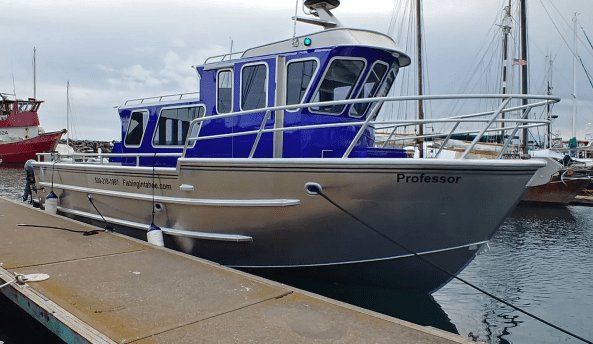
Fishing In Tahoe delivers exceptional fishing experiences on one of the West's most pristine alpine waters. Led by seasoned captains Andrew Lubrano and Tim, the operation specializes in pursuing trophy Mackinaw, Rainbow Trout, and Kokanee Salmon. Whether you're a dedicated angler or casting a line for the first time, their knowledgeable guides tailor each outing to skill level and goals. The team operates modern, well-equipped fishing vessels designed for both comfort and success on the water. Beyond technique, Fishing In Tahoe prioritizes sustainable fishing practices that respect Lake Tahoe's ecosystem. Every trip combines expert instruction, quality gear, and the natural beauty of the Sierra Nevada—creating the foundation for memorable days on the lake.
Ruby Jean Charters
Lake Tahoe, CA, US
4.6 (231 reviews)
Ruby Jean Charters Ruby Jean Charters is a family-owned fishing operation offering guided trips across Lake Tahoe's pristine waters and nearby lakes. With Captain Jason's extensive West Coast fishing expertise, the team welcomes anglers of all skill levels—from beginners to seasoned fishermen—to pursue lake trout, rainbow trout, and kokanee salmon against some of the region's most stunning mountain backdrops. The company tailors each outing to match guests' preferences and schedules, with half-day, full-day, and custom trip options available. Whether fishing with family, friends, or solo, anglers benefit from knowledgeable guidance and a genuine commitment to creating memorable days on the water. Ruby Jean Charters combines accessible instruction with the natural beauty of alpine lakes for fishing experiences that leave lasting impressions.
Frequently Asked Questions
What fish can I catch in Lake Tahoe?
Mackinaw (lake trout) are the primary target — 3 to 30+ pounds, year-round. Kokanee salmon (landlocked sockeye, 1-3 lbs) from July through October. Rainbow trout and brown trout along the shorelines year-round. Mackinaw live deep (100-300 feet in summer) and are caught by trolling or jigging from boats.
How much does a Lake Tahoe fishing charter cost?
Half-day shared charters run $125-$200 per person. Private charters (up to 6 anglers) are $500-$700 for a half day, $700-$1,200 for a full day. Everything is provided — rods, reels, tackle, bait, and usually your fishing license. Book early for summer (July-September) as the popular captains fill up.
Do I need a California or Nevada fishing license for Lake Tahoe?
Either one works — the lake straddles both states and both licenses are valid anywhere on it. Nevada is cheaper: $9 for a 1-day non-resident license ($3 each additional day). California: $17.02 for a 1-day non-resident. Buy online or at local shops. Most charter boats include or sell licenses on board.
Can I fish Lake Tahoe from shore?
Yes — rainbow and brown trout are caught from shore at Tahoe City Dam, Sand Harbor, Emerald Bay, and Cave Rock. Use a 7ft medium spinning rod with 6-8lb mono. Kastmaster spoons in chrome or gold, Rapala minnows, or PowerBait on a sliding sinker rig. Fish early morning or late evening. Most mackinaw and kokanee require a boat.
When is the best time to fish Lake Tahoe?
Spring (March-June) for trophy mackinaw — they move shallower and the biggest fish of the year are caught. Summer (July-September) for kokanee salmon and the best weather. Fall (October-November) for brown trout at creek mouths and the kokanee spawning run at Taylor Creek. Winter for uncrowded mackinaw fishing — the lake doesn't freeze.
Related Articles
Fly Fishing Rocky Mountain National Park: Greenback Cutthroat, Alpine Lakes, and Colorado's State Fish Coming Home
Sunday, August 24, 2025
How to Fish Destin, Florida: A First-Timer's Guide to Gear, Rigs, and Technique
Saturday, May 30, 2026
How to Fish Key West: A Beginner's Guide to the Southernmost Fishery
Tuesday, May 26, 2026
 ™
™