

Urban Fishing in New York City: Stripers Under the Skyline, Bass in Central Park, and 520 Miles of Fishable Shoreline
New York City has over 520 miles of shoreline, dozens of fishable park ponds, and striped bass running the Hudson and East Rivers every spring and fall. You do not need a boat. You do not need to leave the five boroughs.

New York City has 520 miles of shoreline. Read that again. Five hundred and twenty miles of fishable waterfront across five boroughs — rivers, bays, harbors, estuaries, and ocean beach — plus dozens of park ponds and lakes stocked with bass, bluegill, catfish, and carp. Eight million people live here and almost none of them know that you can catch striped bass with the Statue of Liberty in the background, hook largemouth bass in Central Park, cast for fluke in Jamaica Bay, or pull channel catfish out of the Harlem Meer while joggers pass ten feet away.
This is not a "drive two hours north to the Catskills" guide. This is fishing inside the five boroughs, accessible by subway, bus, bike, or on foot. No boat. No car. Just a rod, a MetroCard, and the knowledge of where to go.
The Hudson River: Stripers Running Through Manhattan
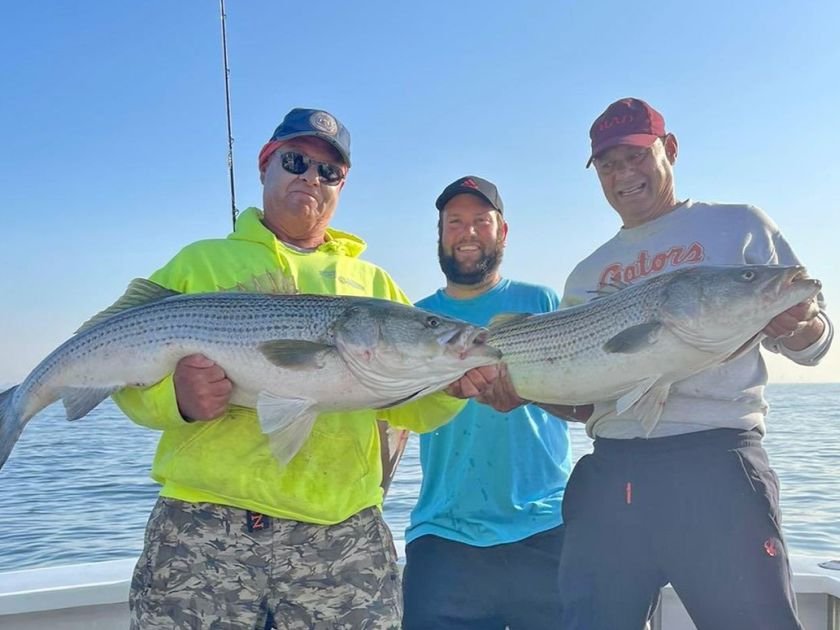
The Hudson River forms Manhattan's entire western border and is the best urban striper fishery in America. Every spring (April through June) and fall (September through November), striped bass migrate through the Hudson — some spawning in the upper river, others feeding on the massive baitfish schools that congregate around the piers, jetties, and seawalls of Manhattan, the Bronx, and Hoboken.
Fish range from schoolies (18 to 24 inches) to slot-size keepers (28 to 35 inches) to occasional cows over 40 inches. The spring run peaks in late April and May when the water temperature hits 55 to 60 degrees. The fall run, from late September through November, often produces the biggest fish of the year.
Where on the Hudson
Hudson River Park (Manhattan, West Side): Walk-on access along the greenway from Battery Park to 59th Street. The piers at Christopher Street, Pier 25 (Tribeca), and Pier 84 (Midtown) all produce stripers. Fish the outgoing tide — baitfish flush out from between the piers and stripers ambush them along the seawall edges. Best at dawn before the park fills with runners and tourists.
Fort Washington Park / George Washington Bridge: The rocky shoreline and deep channel under the GW Bridge hold stripers from April through November. Walk-in access from the park. The bridge pilings create structure that concentrates bait and predators. Less crowded than the Midtown piers.
Riverside Park (72nd to 158th Street): Several walk-down access points to the river's edge. Rocky shoreline with good structure. The 79th Street Boat Basin area is productive.
Inwood Hill Park: The northernmost tip of Manhattan where the Harlem River Ship Canal meets the Hudson. Tidal currents create rips that hold stripers, bluefish, and sometimes blue crabs. Walk-in access, subway accessible (A train to 207th Street).
Bronx shoreline (Roberto Clemente State Park, Barretto Point Park): Less fished than the Manhattan side. Good striper and bluefish action on the East River / Long Island Sound side.
Striper Techniques (No Boat Required)
From piers and seawalls: A 7- to 8-foot medium-heavy spinning rod with a 4000-size reel, 20-pound braid, 30-pound fluorocarbon leader. Cast SP Minnow or Yo-Zuri Crystal Minnow plugs parallel to the seawall on the outgoing tide. Work them with a slow, steady retrieve. At night, black or dark-colored soft plastics (Hogy Original 7-inch or Albie Snax) on a 1-ounce jighead, slow-hopped along the wall.
From rocky shoreline: Bucktail jigs (white or chartreuse, 1 to 2 ounce) bounced along the bottom in current. Or chunk bait — cut bunker (menhaden) on a fish-finder rig with a 3-ounce pyramid sinker and 7/0 circle hook. Cast it out, set the rod in a holder, and wait. Circle hooks are mandatory for stripers in New York.
Eels at night: The trophy striper technique. A live eel on a 5/0 circle hook with no weight, free-lined along structure at night. This is how the biggest Hudson River stripers are caught. Eels are available at tackle shops in Manhattan and the Bronx.
Striped Bass Fishing with a New York City View Fishing the Hudson River Striper Run 2024Central Park and Park Ponds: Bass, Bluegill, and Carp
Every borough has park ponds and lakes that hold fish. All freshwater fishing in NYC parks is catch and release only — no keeping fish. A New York State freshwater fishing licence is required for anyone 16 and older.
Central Park (Manhattan)
The Lake (mid-park, 72nd to 79th Street): Largemouth bass, bluegill, pumpkinseed, carp, and channel catfish. Fish from the shoreline along the Ramble. Wacky-rigged Senko worms (5-inch, green pumpkin) cast to lily pads and fallen timber. Or a small Beetle Spin or inline spinner retrieved slowly. The carp in Central Park Lake are large (10 to 20 pounds) and catchable on corn, bread, or packbait fished on the bottom.
Harlem Meer (north end, 106th to 110th Street): NYC Parks runs a catch-and-release fishing program here with loaner rods and free bait (spring through fall). Bluegill, largemouth bass, chain pickerel, and channel catfish. The Dana Discovery Center on the north shore is the hub. The most accessible fishing in Manhattan — no gear required.
Other Borough Ponds
Prospect Park Lake (Brooklyn): Largemouth bass, bluegill, carp, catfish. Fish from the shoreline near the Boathouse or along the south shore. Walk-in from the Prospect Park subway stations (B/Q/S trains).
Van Cortlandt Lake (Bronx): Largemouth bass, carp, catfish, and bluegill in an 18-acre lake inside Van Cortlandt Park. Walk-in access from the 242nd Street subway station (1 train). Less crowded than Central Park.
Kissena Lake (Queens): 8.4 acres of carp, sunfish, and brown bullheads. Walk-in from Kissena Park, accessible by bus or the 7 train to Flushing then a short walk.
Clove Lake (Staten Island): Largemouth bass, catfish, carp, and bluegill in a quiet park setting. Accessible by Staten Island Bus from the ferry terminal.
Park Pond Gear
An ultralight or light spinning combo — 5'6" to 6'6" rod, 1000- to 2500-size reel, 6-pound monofilament. This is the setup that fits on a subway without getting weird looks. A small tackle box with Beetle Spins, Senko worms, a few hooks, split shot, and a bobber covers everything in the park ponds. For carp, add a pack of corn and a size 6 bait hook.
Striped Bass Fishing Hudson RiverJamaica Bay: Saltwater Without Leaving the City
Jamaica Bay is a 16,000-acre estuary in southern Brooklyn and Queens — and it holds a surprising list of saltwater species. Fluke (summer flounder), striped bass, bluefish, weakfish, winter flounder, tautog (blackfish), porgy, and even the occasional false albacore and bonito in the fall. The bay is surrounded by Gateway National Recreation Area, with walk-on access from several points.
Where in the Bay
Floyd Bennett Field (Brooklyn): Former airfield turned national park. Walk-on access to the bay shore. Fish from the bulkheads along the Dead Horse Bay side for fluke, stripers, and bluefish. Free parking, no entry fee.
Canarsie Pier (Brooklyn): A fishing pier on the bay with walk-on access. Flounder, bluefish, stripers, and porgy. Subway accessible (L train to Canarsie, then a short walk).
Fort Tilden and Breezy Point (Queens/Rockaway): Ocean-side access to the Rockaway Inlet where the bay meets the Atlantic. Stripers, bluefish, and fluke in the inlet current. Walk or bike from the Rockaway subway stations (A/S trains).
Cross Bay Bridge: Walk-on fishing from the bridge sidewalk (when permitted). Tautog, porgy, and flounder around the bridge pilings.
Jamaica Bay Techniques
Fluke: A bucktail jig (white or chartreuse, 1/2 to 1 ounce) tipped with a Gulp! Swimming Mullet strip, cast and dragged slowly along the sandy bottom. Or a high-low rig with squid strip and minnow. Fluke hold on sandy bottom near channel edges and drop-offs.
Tautog: Small green crabs or Asian shore crabs on a size 4 hook with a 1-ounce sinker, fished tight to the bridge pilings, bulkheads, or rocky structure. Tautog season is fall through spring.
Bluefish: Metal lures (Kastmaster 1 ounce, Hopkins Shorty) cast into feeding blitzes. When blues are busting on the surface in Jamaica Bay, the action is nonstop.
The Rockaways and South Shore: Surf Fishing in the City
The Rockaway Peninsula — technically part of Queens — has miles of ocean beach where you can surf fish for striped bass, bluefish, and fluke without leaving NYC. Rockaway Beach is accessible by subway (A train to Beach 67th-116th Street stations).
Technique: A 9- to 10-foot surf rod, 5000-size reel, 20-pound braid. Cast chunk bunker or clam on a fish-finder rig beyond the breakers for stripers. Or plug with SP Minnows and Bomber Long-A in the dawn hours. The fall mullet run (September-October) brings stripers and bluefish within casting range of the beach.
Breezy Point Jetty: Walk-on jetty at the western tip of the Rockaway Peninsula. Stripers, bluefish, fluke, and tautog. Strong currents — use enough weight to hold bottom. One of the best shore-fishing spots in the entire city.
Fishing for Striped Bass Along the Hudson River — 2023 Spawn RunFishing Licence and Regulations
Freshwater (park ponds): New York State freshwater fishing licence required for anyone 16+. Resident annual $25, nonresident annual $50. All NYC park freshwater fishing is catch and release only.
Saltwater (Hudson, East River, Jamaica Bay, ocean): No saltwater licence required, but you must register for the free New York State Recreational Marine Fishing Registry at dec.ny.gov. This is mandatory.
Striped bass: 1 per day, 28- to 35-inch slot limit. Circle hooks required when using bait. Catch-and-release only December 1 through March 31.
Bluefish: 3 per day (as of 2026 — check current NYSDEC regulations).
Freshwater species in tidal water: The Hudson River has special regulations for species caught in the tidal section (below Troy Dam). American shad, sturgeon, and herring have their own rules.
Important: Some NYC fish have consumption advisories due to water quality. The NYSDEC publishes health advisories — generally, eat sparingly from the Hudson and East Rivers, and don't eat anything from the Gowanus Canal (ever).
When to Fish
April-June (Spring): The striper run. The best fishing of the year in the rivers. Park ponds warm up and bass start biting. Shad run in the Hudson.
July-August (Summer): Park ponds peak. Jamaica Bay fluke and bluefish. Carp fishing in Central Park. Early morning before the heat and crowds.
September-November (Fall): Fall striper run — the biggest fish. Mullet run on the Rockaways. Tautog season starts. Jamaica Bay bluefish blitzes. The best all-around urban fishing season.
December-March (Winter): Tautog in Jamaica Bay. Winter flounder (when seasons are open). Park ponds mostly dormant. Hardy anglers fish the Hudson for stripers on warm days.
Practical Details
Getting there: Subway. Bus. Bike. Walk. Every spot in this guide is accessible by public transit. The A train reaches the Rockaways, the 1 train reaches Inwood, the L train reaches Canarsie. A folding rod or two-piece rod in a rod tube travels easily on the subway. Nobody will look twice — this is New York.
Gear that travels: A two-piece 7-foot spinning rod, a 3000-size reel, and a small tackle bag. That is everything you need for Hudson River stripers, park pond bass, and Jamaica Bay fluke. A telescoping rod (like the Daiwa Megaforce Tele) collapses to backpack size.
Tackle shops: Urban Angler (Manhattan), Tackle Direct ships to the city, and there are bait-and-tackle shops scattered through the boroughs — Billy's Bait and Tackle (Sheepshead Bay, Brooklyn), Causeway Bait and Tackle (Broad Channel, Queens).
Safety: Fish during daylight or in groups at night. Some waterfront areas are isolated after dark. Wear a headlamp if fishing piers at night. Watch the tides — some access points flood at high tide. And never fish the Gowanus Canal.
Striped Bass Fishing Basics on the Hudson RiverTop Fishing Guides in New York City
NYC fishing guides specialize in the urban experience — they know which pier is producing stripers this week, where the bluefish are blitzing in Jamaica Bay, and which park pond has the biggest bass. An urban fishing guide handles the logistics that make city fishing different: where to park, how to carry gear on the subway, and which spots are safe and productive at dawn. The best NYC guides turn the chaos of the city into a fishing trip you will not forget.
Recommended Gear
Daiwa Megaforce Tele 7' M Spinning Rod
Telescoping rod — collapses to backpack size for subway travel
Shimano Sienna 3000 Spinning Reel
Budget all-rounder — stripers, park bass, Jamaica Bay fluke
Penn Pursuit IV 4000 Combo 7' MH
Hudson River stripers — handles big fish from piers and seawalls
Yo-Zuri Crystal Minnow 4.5" Holographic Silver
Striper plug — cast parallel to seawalls on the outgoing tide
Hogy Original 7" Black
Night striper soft plastic — 1oz jighead, slow-hop along structure
Yamamoto Senko 5" Green Pumpkin
Central Park bass — wacky rig, cast to pads and timber
Kastmaster 1 oz Chrome
Bluefish and stripers — cast into surface blitzes in Jamaica Bay
Frequently Asked Questions
Can you actually fish in New York City?
Yes — NYC has over 520 miles of fishable shoreline across five boroughs. Striped bass run the Hudson and East Rivers (spring and fall), park ponds hold largemouth bass, bluegill, and carp (catch-and-release only), Jamaica Bay has fluke, bluefish, and tautog, and the Rockaways offer ocean surf fishing. No boat required.
Do I need a fishing licence in NYC?
For freshwater (park ponds): yes, a NYS freshwater licence ($25 resident, $50 nonresident). For saltwater (rivers, bay, ocean): no licence, but you must register (free) for the NYS Recreational Marine Fishing Registry at dec.ny.gov. All freshwater fishing in NYC parks is catch-and-release only.
Where is the best fishing in NYC without a boat?
Hudson River Park piers (Manhattan west side) for striped bass. Harlem Meer in Central Park for bass and bluegill with free loaner rods. Canarsie Pier and Floyd Bennett Field for Jamaica Bay saltwater species. Breezy Point Jetty (Rockaways) for stripers and bluefish. All accessible by subway.
When is the best time to fish in NYC?
April-May for the spring striper run on the Hudson. September-November for the fall run (biggest stripers), mullet run on the Rockaways, and tautog season in Jamaica Bay. Summer for park pond bass and Jamaica Bay fluke. Every season has something biting.
Can I eat fish caught in NYC waters?
Freshwater park ponds are catch-and-release only. For saltwater fish: some species from the Hudson and East Rivers have consumption advisories — check NYSDEC health guidelines. Jamaica Bay and ocean fish are generally safer to eat. Never eat anything from the Gowanus Canal.
Related Articles
Urban Fishing in Los Angeles: Carp in the LA River, Trout in City Parks, and Pier Fishing Without Leaving the 405
Friday, June 5, 2026
Urban Fishing in Chicago: Salmon Off the Skyline, Smallmouth Under the Bridges, and 22 Miles of Lakefront You Can Walk To
Tuesday, June 2, 2026

Urban Fishing in Houston: Alligator Gar in Buffalo Bayou, Bass Under the Freeway Overpasses, and 13 Bayous You Can Walk To
Friday, May 29, 2026
 ™
™