
Fishing Algonquin Park, Ontario: Brook Trout and Lake Trout by Canoe in Canada's Most Iconic Wilderness
Algonquin Provincial Park holds the highest concentration of brook trout lakes in the world — hundreds of canoe-access-only lakes where native speckled trout have been thriving since the glaciers retreated.
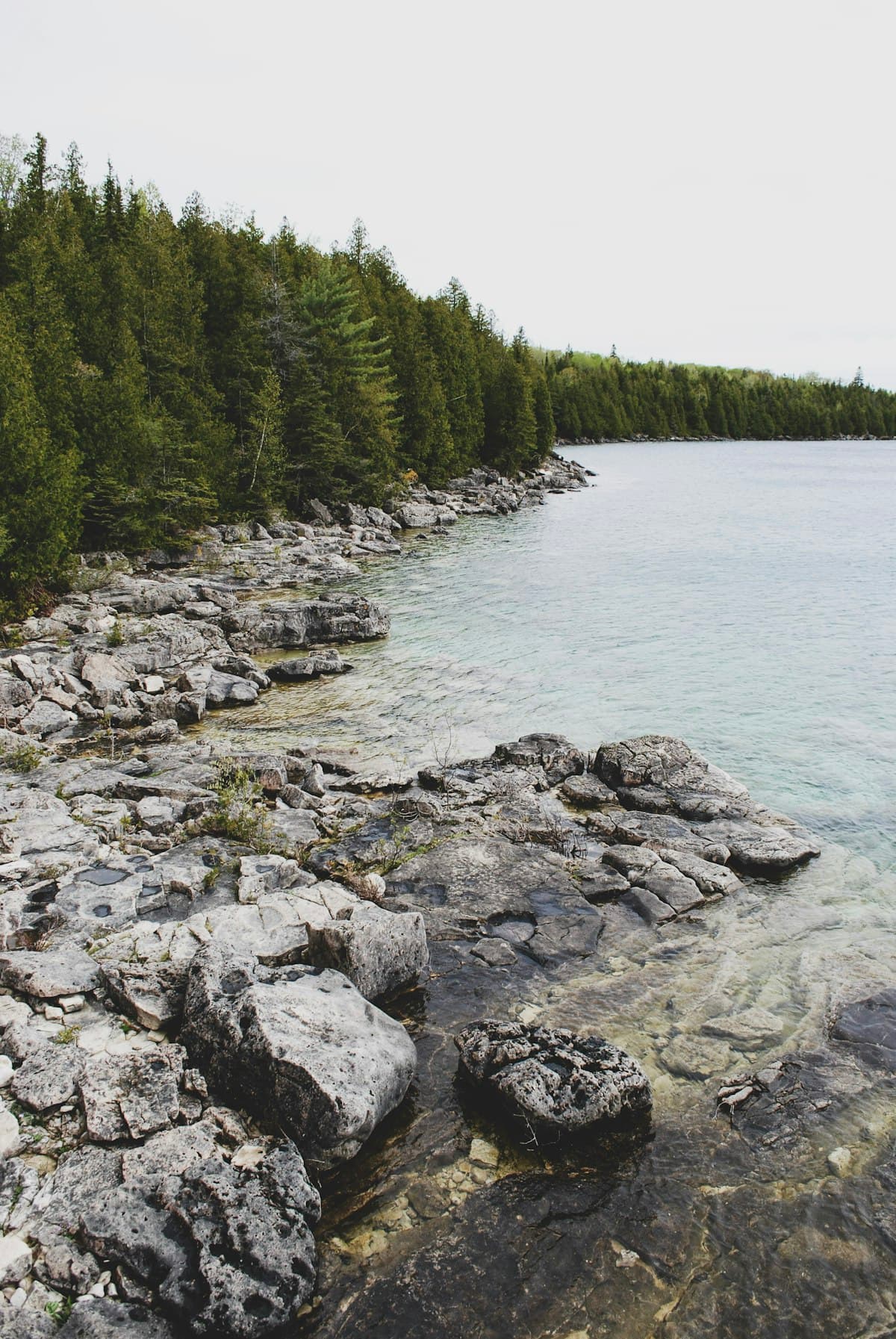
Algonquin Provincial Park is 7,653 square kilometres of boreal forest, granite lakes, and rivers in central Ontario — a wilderness park that has been protected since 1893. It holds more brook trout lakes than any comparable area in the world. The park's interior is accessible only by canoe, and the best fishing is in lakes that require portaging — carrying your canoe and gear over land trails between waterways. The more portages you do, the fewer people you see, and the better the fishing gets.
This is not drive-up, dock-your-boat fishing. Algonquin is a backcountry experience where the fishing is inseparable from the paddling, the portaging, the camping, and the wilderness. You paddle to the lake, set up camp on a designated backcountry campsite, and fish for brook trout and lake trout in water that has not been stocked, developed, or altered by human activity. The fish are native. The experience is authentic in a way that resort-based fisheries cannot replicate.
Brook trout — called "speckled trout" or "speckles" in Ontario — are the star. Native Algonquin brook trout average 8 to 12 inches, with fish over 14 inches in the less-accessible lakes and fish over 2 pounds a genuine possibility in the best waters. They are stunningly beautiful — dark green backs, vermiculated markings, red spots with blue halos, and in fall, crimson bellies. Catching a native brook trout on a fly rod in a lake surrounded by old-growth white pine is the quintessential Ontario fishing experience.
Lake trout inhabit the deeper, larger lakes and provide a different kind of fishing — trolling or jigging in 30 to 80 feet for fish that average 2 to 5 pounds with trophies over 10 pounds available.
If you fished the Bow River or the Skeena and want something completely different — a self-guided wilderness canoe trip where the fishing is the reward for the paddling — Algonquin is the destination.
The Backcountry
Algonquin's interior has over 2,400 lakes and 1,200 kilometres of canoe routes. The park is divided into zones, each with its own character.
West side (Canoe Lake, Smoke Lake access): The most popular entry points. Well-maintained portage trails. More campers, especially in July and August. Brook trout in the smaller, more remote lakes off the main canoe routes. Lake trout in the larger lakes (Opeongo, Lavielle). Good for first-time Algonquin visitors because the portages are shorter and better marked.
East side (Achray, Brent access): Less trafficked than the west. Longer portages, more remote lakes. Better fishing because of lower pressure. The Barron River canyon area is spectacular scenery. Brook trout lakes here see fewer anglers per season than west-side lakes see in a week.
North side (Kiosk, Brent access): The least visited section. Long paddle-ins required. Some of the best brook trout fishing in the park. The Nipissing River system holds wild brook trout that see almost no angling pressure. This is multi-day expedition territory.
Highway 60 corridor: The only road through the park. Drive-up access to a handful of lakes (Canoe Lake, Smoke Lake, Lake of Two Rivers). These lakes are heavily pressured and the fishing reflects it — smaller fish, more competition. The highway corridor is best for day trips and families who want to try Algonquin without a full backcountry commitment.
Giant Ontario Brook Trout Fishing in Algonquin Park — Canoe TripWhat You Are Fishing For
Brook trout (speckled trout) are the native species and the primary target. Algonquin's brook trout are wild, naturally reproducing populations that have never been supplemented by stocking (in most interior lakes). They average 8 to 12 inches, with fish over 14 inches in lakes that require 2+ portages to reach. A 2-pound brook trout from an Algonquin backcountry lake is a genuine trophy — and it is achievable.
Brook trout feed on insects (mayflies, caddis, midges), crustaceans (freshwater shrimp/scuds), and small minnows. They are surface feeders — dry fly fishing and small spinners are the most productive and most fun techniques. In spring, when the water is cold and the fish are near the surface, brook trout will eat a dry fly with reckless abandon.
Lake trout inhabit the larger, deeper lakes — Opeongo, Lavielle, Big Trout, and others with basins over 60 feet deep. Lake trout average 2 to 5 pounds with fish over 10 pounds in the biggest lakes. They require different techniques — trolling or deep jigging — and are a secondary target for most Algonquin canoe trippers. In May and June, lake trout are shallow enough (15 to 30 feet) to catch on casting gear.
Smallmouth bass are present in some of the larger, warmer lakes along the Highway 60 corridor and in the southern sections of the park. They are not the primary target but provide fast action in summer.
Walleye are in a handful of the larger lakes and river systems. Not commonly targeted by backcountry canoe trippers but available for anglers who know the specific lakes.
5 Days in Algonquin — Paddling and Portaging for Brook TroutWhen to Go
Late April through May (Spring): The best brook trout fishing of the year. The water is cold (4-10°C / 39-50°F) and the fish are in the shallows — surface feeding, aggressive, and concentrated. Lake trout are also shallow and catchable on casting gear. Bugs (blackflies) are bad. Weather is cold and unpredictable. Backcountry campsites are empty. The trade-off — miserable conditions, incredible fishing.
June (Early Summer): Brook trout are still near the surface. Blackflies diminish by late June. Mosquitoes emerge. The fishing remains excellent as water temperatures rise slowly. This is the sweet spot — good fishing and tolerable bugs.
July and August (Peak Summer): Brook trout move deeper as surface water warms above their comfort zone (above 18°C / 65°F). The fishing gets harder — you need to fish deeper or target spring-fed inflows where cold water enters the lake. Lake trout are deep. Bugs are less intense but still present. Campsites are at peak occupancy. The paddling and scenery are beautiful but the trout fishing is the weakest of the season.
September (Fall): Brook trout move back to the shallows as the lake turns over and surface temperatures drop. Pre-spawn brook trout are in their most spectacular colours — crimson bellies, vivid spots. The fishing improves dramatically. Bugs are gone. Fall colours peak in late September. Backcountry campsites are nearly empty. September is the best month if you want quality fishing, no bugs, and fall foliage.
Season closes September 30 for trout in most of Algonquin. No fishing October through late April.
Algonquin Park Brook Trout Fishing — 3 Day Solo Canoe TripPlanning a Backcountry Trip
Canoe routes: Purchase an Algonquin Park canoe route map (Jeff's Map is the standard). The map shows portage distances, lake depths, fish species in each lake, and backcountry campsite locations. Plan your route around the brook trout lakes you want to fish — cross-reference the species data on the map with portage difficulty to find the best fishing-to-effort ratio.
Backcountry permits: Required for all interior camping. Book online through Ontario Parks — popular routes and campsites book up months in advance for July and August. Spring and September are easier to book. You need a permit for each night and each campsite.
Outfitters: Full-service outfitters on the park periphery (Algonquin Outfitters, Portage Store, Opeongo Outfitters) rent canoes, provide complete gear packages (tent, sleeping bag, cooking gear, food barrel), and offer route advice. Complete outfitting packages for a 3-day trip run CAD $100 to $200 per person per day. This is the easiest way for first-timers — they provide everything and shuttle you to your access point.
Guided trips: Some outfitters offer guided fishing trips with a backcountry guide who paddles with you, handles camp setup, and knows which lakes are producing. CAD $300 to $500 per person per day for guided backcountry fishing. Worth it for anglers who want to maximize fishing time without the learning curve of route-finding and camp craft.
What to bring: Canoe, paddles, PFDs, tent, sleeping bag, camp stove, food in a bear barrel (required in Algonquin), water filter, rain gear, bug protection (head net, long sleeves, DEET), and fishing tackle. The portages are the hardest part — pack light. Every extra pound you carry over 2 km of portage trail is a pound you wish you left at home.
Portaging 101
Portaging — carrying your canoe and gear overland between lakes — is the defining skill of Algonquin travel. The portage is what separates the pressured highway lakes from the productive interior.
How it works: At the end of one lake, a marked trail leads overland to the next lake. The trail may be 200 metres or 2 kilometres. You carry the canoe on your shoulders (using the yoke built into the center thwart) and your gear in packs. Most people do two carries per portage — canoe first, then go back for packs. This is called "double-portaging" and it means you walk every portage trail three times.
Fitness level: You do not need to be an athlete, but you need to be capable of carrying 40 to 60 pounds for 1 to 2 kilometres on an uneven trail. If you can hike with a heavy backpack, you can portage. Start with routes that have short portages (under 500 metres) and work up.
Why it matters for fishing: Every portage you do reduces the number of anglers who fish that lake. A lake with zero portages (drive-up access) might see 100 anglers per week. A lake with one 500-metre portage might see 20. A lake with two portages over 1 kilometre might see 5. The brook trout notice the difference — less pressure means larger, less educated fish.
Fishing from a Canoe
Fishing from a canoe is different from fishing from a motorboat. The canoe is silent, which is an advantage — you can glide over a shallow brook trout lake without spooking fish. But it is also tippy, which limits your casting and makes landing big fish an adventure.
Casting position: Fish from the bow or stern seat, not the middle. Have your partner stabilize the canoe while you cast. Short casts (15 to 30 feet) are standard — the canoe limits your range, and on small brook trout lakes, long casts are unnecessary.
Trolling from a canoe: Paddle slowly along the shoreline with a spinner or small spoon trailing 50 feet behind the canoe. This is the most productive and most relaxing way to fish an Algonquin lake — you cover water at a natural pace, explore the shoreline, and the lure does the work. The strike usually comes when you are looking at a loon, not your rod.
Landing fish: Net the fish with a small trout net while your partner holds the canoe steady. For brook trout, a quick lift over the gunwale works. For lake trout (which can be 5+ pounds), a net is essential — trying to lip-grip a laker from a tippy canoe is how people end up swimming.
Anchor or drift: In calm conditions, anchor the canoe over deeper structure (a shoal, a spring-fed inflow) and cast to it repeatedly. In wind, drift across the lake casting as you go. Wind drift covers water efficiently — and the canoe moves slowly enough that you can work each cast thoroughly.
The Bugs
Algonquin's bugs are infamous. They are a genuine factor in trip planning.
Blackflies (May through mid-June): Relentless, aggressive, and capable of ruining a trip for the unprepared. They bite exposed skin and draw blood. Peak blackfly season coincides with the best brook trout fishing, which is either poetic or cruel depending on your tolerance. Head nets, long sleeves, and DEET are mandatory.
Mosquitoes (June through August): Less painful than blackflies but more persistent. Worst at dusk and dawn and in sheltered, calm areas. A smudge fire at camp helps. Bug jackets and head nets provide the best protection.
September: The bugs are gone. This alone makes September the most pleasant month for an Algonquin canoe trip.
Fishing Licence
Ontario Outdoors Card + fishing licence required. Non-residents: CAD $75 (conservation) or $150 (sport) for 8 days. Algonquin has specific regulations — brook trout limits vary by lake and zone. Many interior lakes are catch-and-release only or have reduced limits (1 or 2 fish per day). Check the Algonquin Park fishing regulations for your specific route lakes.
Bait restrictions: Many Algonquin brook trout lakes prohibit live bait to protect the native populations from invasive species introduction. Artificial lures and flies only on most interior lakes. This is strictly enforced.
Algonquin Park Brook Trout Fishing — Cedar Lake Access, June 2024 Backcountry Lake Loaded with Brook Trout — Algonquin ParkTop Fishing Guides in Algonquin Park
An Algonquin Park fishing guide knows which backcountry lakes are holding brook trout right now, which portage routes are in good condition, and where to set up camp for the best morning fishing. They handle the route planning, camp logistics, and backcountry cooking so you can focus on the brook trout rising in the lake in front of your campsite.

Recommended Gear
Echo Base Fly Rod 9' 4wt
Packable fly rod for canoe trips — handles brook trout dries and small streamers
Lamson Liquid Fly Reel
Simple, sealed drag — brook trout don't need heavy equipment
Shimano Convergence 6'6" UL Spinning Rod
Ultralight spinning rod for brook trout — packs in the canoe, casts small spinners
Shimano Sedona 1000 Spinning Reel
Tiny reel for ultralight brook trout — 4 lb line, smooth drag
Mepps Aglia Spinner #1 Silver
The brook trout standard — small silver spinner catches speckles everywhere
Blue Fox Vibrax #1 Gold
Another brook trout confidence spinner — gold works on overcast days
Scientific Anglers Amplitude Smooth Creek Line
Short-cast floating fly line — most Algonquin casts are 20-30 feet from a canoe
Umpqua Brook Trout Fly Selection
Adams, Royal Wulff, Elk Hair Caddis, Woolly Bugger — covers Algonquin hatches
Jeff's Algonquin Park Canoe Route Map
The essential planning tool — shows species, portages, campsites, and depths
BearVault BV500 Food Canister
Bear-proof food storage — required in Algonquin backcountry
Frequently Asked Questions
What fish are in Algonquin Park?
Native brook trout (8-14+ inches, the primary target) in hundreds of canoe-access-only lakes. Lake trout (2-10+ lbs) in deeper lakes like Opeongo. Smallmouth bass in some warmer lakes. Walleye in select larger lakes. Algonquin holds the highest concentration of brook trout lakes in the world.
When is the best time to fish Algonquin Park?
Late April-May for the best brook trout fishing (cold water, fish near surface, aggressive). June for good fishing with fewer bugs. September for fall colours, pre-spawn trout, no bugs, and empty campsites. July-August is peak summer but the hardest time to catch trout.
Do I need a canoe to fish Algonquin Park?
For the best fishing, yes — the interior brook trout lakes are canoe-access only, requiring portaging. Highway 60 corridor lakes offer drive-up access but are heavily pressured with smaller fish. Outfitters rent complete canoe and camping packages for CAD $100-200/person/day.
How much does an Algonquin fishing trip cost?
DIY with rental gear: CAD $100-200/person/day from an outfitter (canoe, tent, food barrel, camping gear). Guided backcountry fishing: CAD $300-500/person/day. Plus Ontario fishing licence (CAD $75-150) and backcountry camping permits. Bring your own food or add meal planning to the outfitter package.
Are there brook trout regulations in Algonquin Park?
Yes — many interior lakes are catch-and-release only or have reduced limits (1-2 fish/day). Live bait is prohibited on most interior brook trout lakes to prevent invasive species. Artificial lures and flies only. Check Algonquin Park fishing regulations for your specific route lakes. Season closes September 30.
Related Articles
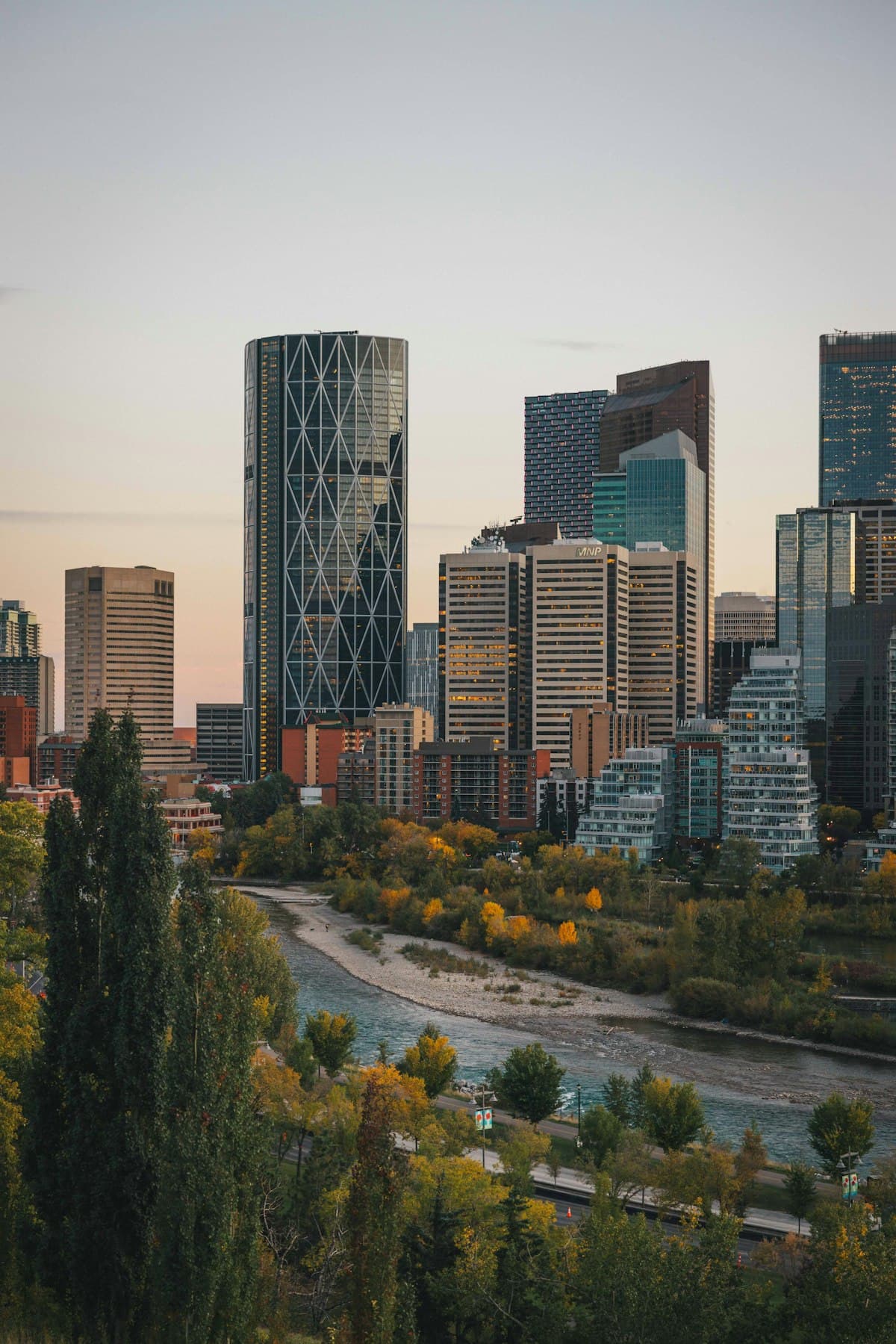
Fishing the Bow River in Calgary: World-Class Trout Water Running Through a Major City
Saturday, May 30, 2026
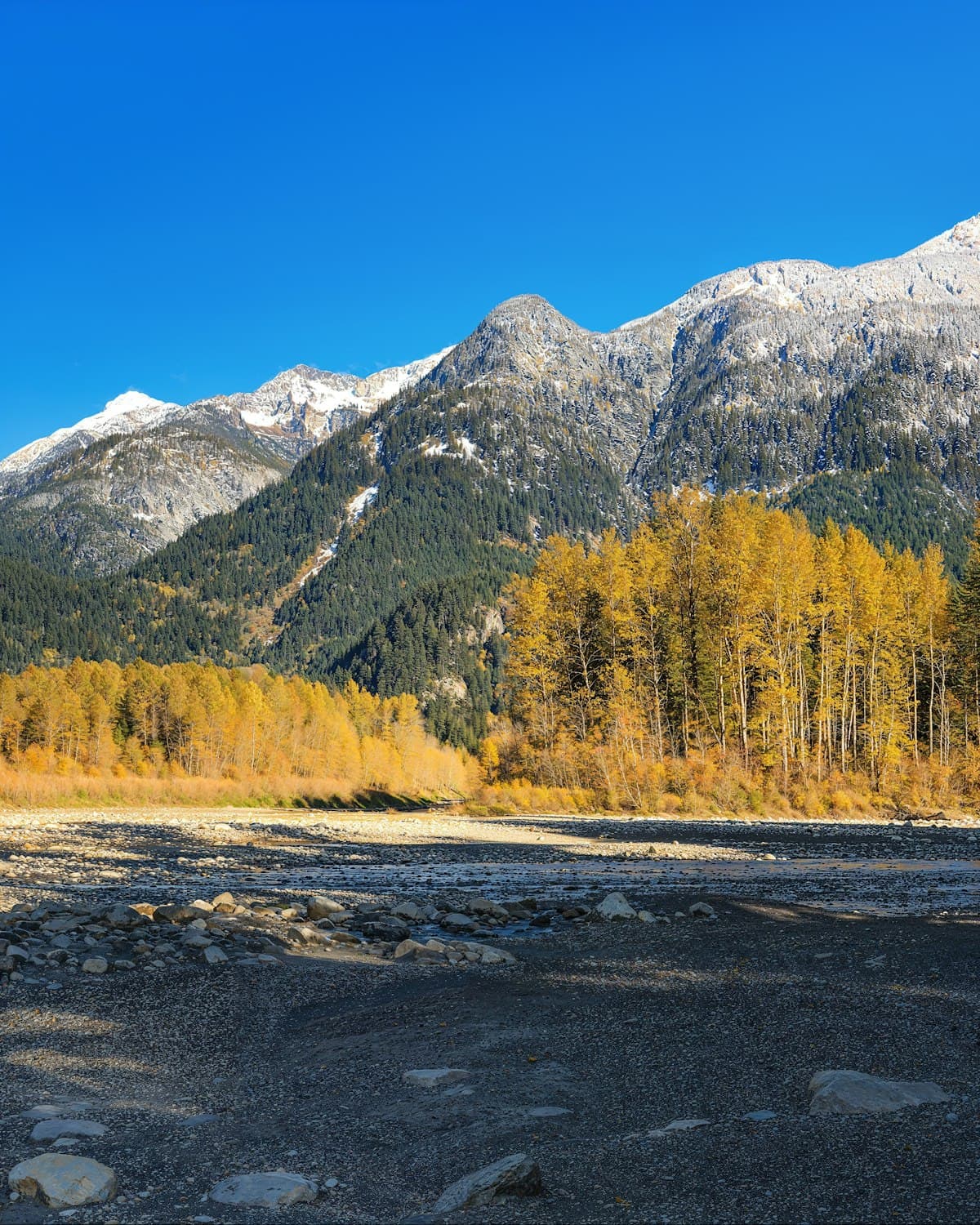
Fishing the Skeena River: Terrace, BC and the Last Great Steelhead Watershed
Monday, June 8, 2026
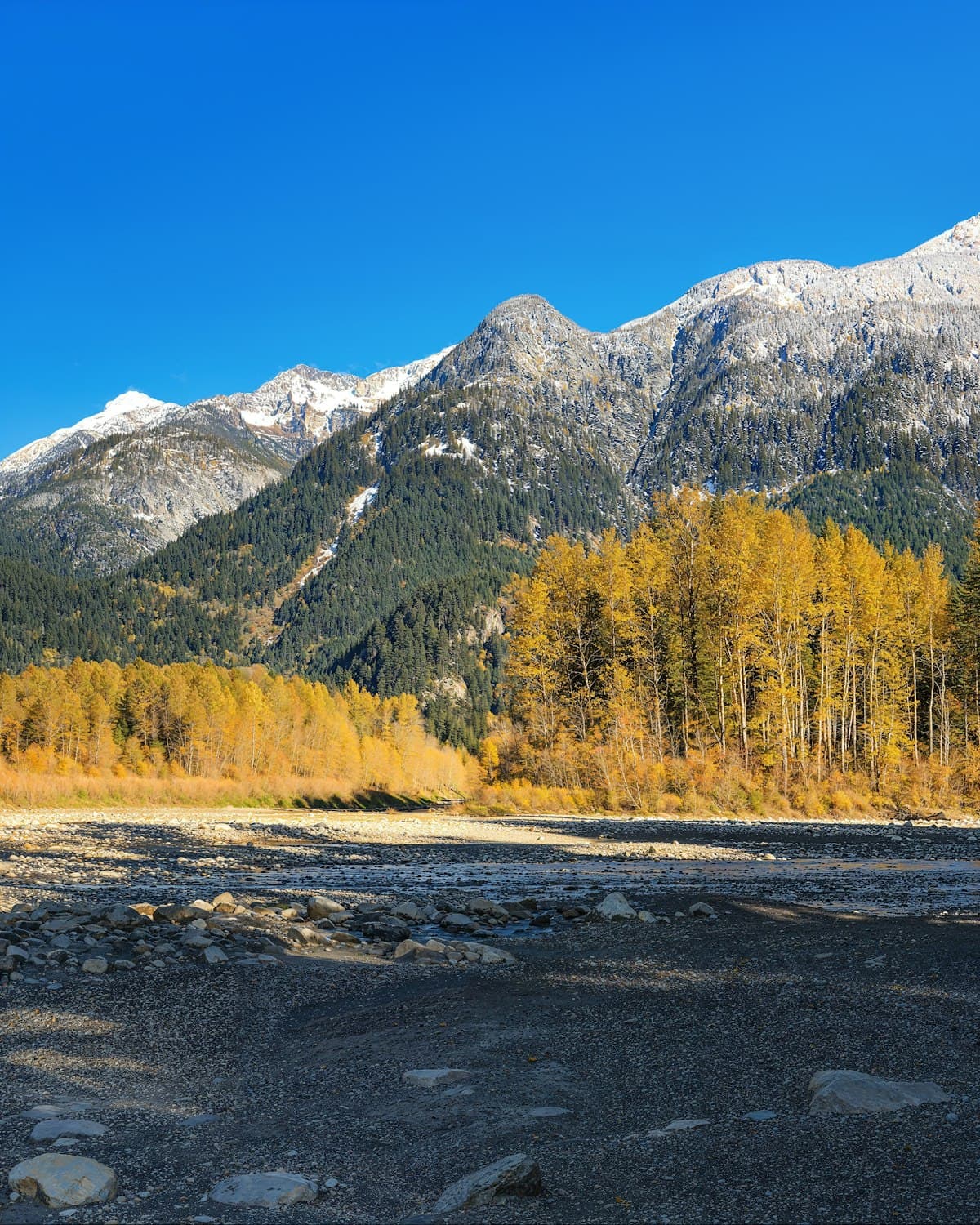
Fly Fishing the Skeena River: Spey Casting for Wild Steelhead in Northern British Columbia
Saturday, June 20, 2026
 ™
™