

Fishing the Bow River in Calgary: World-Class Trout Water Running Through a Major City
The Bow River flows through the heart of Calgary, Alberta with an estimated 3,000 trout per mile — brown and rainbow trout averaging 18 to 20 inches in a river you can reach by city bus.

Most world-class trout rivers require a bush plane, a long gravel road, or a week at a remote lodge. The Bow River runs through a city of 1.4 million people. You can land at Calgary International Airport, drive 20 minutes to a boat launch, and be fishing over brown trout that average 18 to 20 inches — in a river that consistently ranks among the top five trout fisheries in North America.
The numbers are genuinely remarkable. Electrofishing surveys have measured 3,000 or more trout per mile in the urban sections of the Bow. Brown trout and rainbow trout grow large here because the river has everything they need: cold, clean water flowing from the Rocky Mountain headwaters at Banff, consistent flows managed by upstream dams, abundant insect life fuelled by nutrient-rich urban runoff, and catch-and-release regulations that protect the fish through their prime growing years.
The Bow is not a wilderness experience. You will fish within sight of downtown skyscrapers, under highway bridges, and past riverside parks where people walk their dogs. The juxtaposition is part of what makes it extraordinary — a 24-inch brown trout eating a dry fly with the Calgary Tower in the background is a scene that exists almost nowhere else in the world.
If you have fished the great trout rivers of Montana — the Madison, the Missouri, the Bighorn — the Bow is their Canadian counterpart. Same calibre of fish, same drift-boat-and-fly-rod culture, and a fraction of the angling pressure.
The River
The fishable Bow River runs roughly 60 kilometres from the Bearspaw Dam northwest of Calgary downstream through the city and into the prairies southeast of town. The character changes dramatically along this stretch.
Above Calgary (Bearspaw Dam to Crowchild Trail): Tailwater section — cold, consistent flows from the dam create ideal trout habitat year-round. This is the most productive stretch, with the highest trout densities. The water is clear, the banks are lined with cottonwood forest and parkland, and the wading access is good. Most guided float trips launch from Bearspaw and drift through this section.
Urban Calgary (Crowchild Trail to Carseland Weir): The river flows through the city centre, past the Calgary Zoo, under multiple bridges, and through Inglewood and Fish Creek Provincial Park. Still productive — the fish don't care about the skyline — but access is more limited and the river widens. The confluence with the Elbow River at Fort Calgary adds flow and occasionally muddies the water after rain.
Below Calgary (Carseland Weir to Bassano Dam): The river opens into wider, slower prairie water. Rainbow trout become more common relative to browns. The fishing is less pressured than the urban sections, and the scenery shifts from city to open grassland. McKinnon Flats and the Siksika sections are popular with wade fishers and float boats.
Incredible Bow River Trout FishingWhat You Are Fishing For
Brown trout are the prestige species. The Bow's browns are large, wild, and difficult — the kind of fish that make you earn every take. They average 16 to 20 inches, with fish over 24 inches caught regularly and the occasional fish exceeding 28 inches. Browns hold in the deeper runs, undercut banks, and structure — log jams, bridge pilings, boulder gardens — and they feed selectively during hatches. They are most active in the spring (March-May) and fall (September-November), with the fall pre-spawn period producing the largest fish of the year.
Rainbow trout share the river with browns and provide a different fight — more acrobatic, more willing to eat a nymph or dry fly, and more forgiving of imperfect presentations. Rainbows average 14 to 18 inches, with fish over 20 inches common. They dominate the faster, shallower runs and riffles, while browns hold in the deeper, slower water. In the sections below Calgary, rainbows become the primary species.
Mountain whitefish are abundant throughout the Bow. They are not the glamour species but they fight well on light tackle, eat nymphs readily, and fill in the gaps between trout. In winter, when trout are sluggish, whitefish provide consistent action on small flies.
Bull trout are present in the Bow but protected — catch-and-release only, must be released immediately, and you cannot target them with bait. If you hook one accidentally while trout fishing, handle it carefully and release it quickly.
For detailed fly patterns, nymph rigs, and dry fly techniques, see our Fly Fishing the Bow River guide.
EPIC March Brown Trout Float — Fly Fishing Bow River CalgaryWhen to Plan Your Trip
March and April (Early Season): Blue-winged olive and midge hatches begin. The tailwater section below Bearspaw fishes well while freestone rivers are still frozen or blown out with snowmelt. Browns are active after the winter lull. Water temperatures are cold (2-8°C / 36-46°F) and the air is crisp, but the fishing can be excellent for dedicated nymph fishers. Fewer anglers than summer.
May and June (Spring Peak): The Bow comes alive. Stonefly hatches (golden stones and salmon flies in late May) bring big trout to the surface. The famous Mother's Day caddis hatch blankets the river in May. Baetis (BWO) hatches continue. This is when the dry fly fishing gets serious — 20-inch browns eating size 8 stonefly dries off the surface. June can be affected by mountain snowmelt runoff, which raises and muddies the river for 2 to 4 weeks. Check conditions before booking.
July and August (Summer): Post-runoff, the river clears and the summer hatches begin — PMDs (pale morning duns), caddis, hoppers, and ants. Hopper-dropper fishing (a foam grasshopper on top with a nymph trailing below) is the go-to technique from July through September. The fish are spread throughout the river and actively feeding. This is peak guide season — book early.
September and October (Fall): The best fishing of the year for large browns. Pre-spawn browns become aggressive, territorial, and willing to eat big streamer flies. Streamer fishing from a drift boat — casting heavy articulated flies against the bank and stripping them back — is the method that produces the largest fish. The cottonwoods turn gold along the riverbank, the crowds thin, and the trout are at their peak weight.
November through February (Winter): The Bow fishes year-round thanks to the tailwater flows from Bearspaw Dam. Winter fishing is nymph-focused — small midges and BWOs under indicators in slow water. The fish are sluggish but present. Dress warm — Calgary winters are serious (-15 to -25°C / 5 to -13°F is normal). Dedicated winter anglers have the river nearly to themselves.
Dry Fly on the Bow River — Fly Fishing CalgaryWhat a Guided Day Looks Like
The Bow River is primarily fished from drift boats — large, flat-bottomed boats that the guide rows downstream while you cast from the bow. This is the same drift boat culture you find on Montana's great rivers, and many Bow River guides trained on those waters.
Full-day float (8-9 hours): CAD $700 to $900 for 1-2 anglers. The guide provides the drift boat, all rods, reels, flies, leaders, and lunch. You launch in the morning, float 10 to 15 kilometres of river, and take out in the afternoon. The guide reads the water, positions the boat, calls the casts, and nets the fish. Expect to fish nymphs in the morning, switch to dries if a hatch starts, and throw streamers if conditions are right.
Half-day float (4-5 hours): CAD $450 to $600. Morning or afternoon. Good for anglers with limited time or families with kids. Covers less water but still productive.
Walk-and-wade trips: Some guides offer wade fishing on specific sections — the Bearspaw tailwater, the Inglewood bird sanctuary, and Fish Creek Provincial Park have good wadeable runs. CAD $400 to $600 for a full day.
DIY fishing: The Bow is publicly accessible along much of its length through Calgary's pathway system. Popular wade access points include Edworthy Park, Harvie Passage, Inglewood, and Fish Creek Provincial Park. No guide is required, and the wade fishing can be excellent — but the drift boat covers dramatically more water and puts you over more fish.
Getting There
By air: Calgary International Airport (YYC) is a major hub with direct flights from most North American cities. The river is 20 to 40 minutes from the airport depending on the section. Car rental available.
By car: Calgary is 3 hours from Edmonton, 10 hours from Vancouver, 14 hours from Seattle. The Trans-Canada Highway (Highway 1) runs through Calgary.
Accommodation: Calgary has full urban infrastructure — every hotel chain, Airbnb options, restaurants, and shops. No need to stay at a fishing lodge — you stay in the city and meet your guide at a boat ramp. Some anglers combine a Bow River fishing trip with a visit to Banff National Park (1.5 hours west), making it a multi-activity vacation.
Tackle Shops
Calgary has an active fly fishing community supported by several specialty shops that serve as hubs for Bow River intelligence.
Fish Tales Fly Shop: The original Calgary fly shop. Located on 4th Street SW, they carry a full range of fly fishing gear and tie flies specifically for the Bow. The staff fish the river regularly and provide honest, current fishing reports. If you need to know what's hatching today, walk in and ask.
Bow River Troutfitters: Downtown Calgary. A full-service fly shop and guide operation. They run their own drift boats and offer guided trips alongside retail. Good source for Bow-specific fly patterns and local knowledge.
Country Pleasures Fly Shop: In the Crowfoot area of NW Calgary. The other long-standing Bow River fly shop. Strong selection of tying materials and a knowledgeable staff that fishes the upper Bow and mountain streams.
What to buy locally: Bow River fly patterns are specific. A handful of locally tied flies — size 8 Chubby Chernobyls, Bow River Buggers, Pat's Rubber Legs, size 16-18 BWOs, and size 14-16 caddis emergers — will cover most situations. The shops know which patterns are working this week and will set you up.
Beyond the Fishing
Banff National Park: 90 minutes west of Calgary. The headwaters of the Bow River — turquoise glacial lakes, the Banff townsite, Lake Louise, and the Icefields Parkway. A day trip or overnight adds a mountain dimension to a fishing trip.
Kananaskis Country: 45 minutes west. Provincial parks with hiking, mountain biking, and smaller mountain streams that hold cutthroat and bull trout. The scenery rivals Banff without the crowds.
Calgary itself: The Calgary Stampede (July) is the world's largest outdoor rodeo. The National Music Centre, Studio Bell, and Calgary Tower are downtown. The restaurant scene is strong — Calgary's beef is as famous as its trout.
Fishing Licence
Alberta fishing licence required. Non-residents: approximately CAD $90 for an annual licence or $30 for a 5-day licence. Purchase online at the Alberta Environment and Protected Areas website or at sporting goods stores in Calgary.
Key regulations: Most of the Bow River through Calgary is catch-and-release for trout with single barbless hooks. Bait is prohibited on most sections. Bull trout must be released immediately. Check the current Alberta Guide to Sportfishing Regulations for specific sections — regulations vary by zone.
Fishing the Bow River in Springtime — What You Need to KnowWhy the Bow River Works
The Bow's productivity is not an accident. Three factors combine to create the fishery:
Tailwater flows: The Bearspaw Dam controls water releases, maintaining cold, consistent flows through the urban corridor. This eliminates the extreme high and low water events that stress fish on unregulated rivers. The dam also traps sediment, keeping the downstream water clear.
Nutrient loading: Calgary's treated wastewater and urban stormwater add nutrients (phosphorus, nitrogen) to the river. This is typically bad for water quality, but in the Bow's case, the cold, well-oxygenated water converts those nutrients into insect biomass — chironomids, caddis, mayflies, stoneflies — that feeds the trout. The same nutrients that would cause algae blooms in a warm river fuel an insect factory in the cold Bow.
Catch-and-release regulations: The Bow has been managed as a catch-and-release fishery for decades. Trout grow to trophy sizes because they survive to maturity. A 5-year-old brown trout on the Bow is 20+ inches and has been caught and released multiple times. The regulations create a fishery where the average fish is significantly larger than on comparable harvest rivers.
The result: A river where you can catch 20 to 40 trout in a day, with an average size that would be a personal best on most waters, in a city where you can have sushi for dinner and sleep in a real bed. It is the most accessible world-class trout fishery in North America.
Bow River, Canada — Fly Fishing in Search of Interesting TroutTop Fishing Guides in Calgary
The Bow River changes character every week — water levels shift, hatches rotate, and the fish move between runs. A Calgary guide fishes this river 150 days a year and knows exactly where the browns are holding today, which hatch is about to start, and whether to throw dries, nymphs, or streamers. That daily intelligence is the difference between a good day and an extraordinary one.
Bow River Fly Fishing Adventures
Calgary, AB, CA
5.0 (185 reviews)
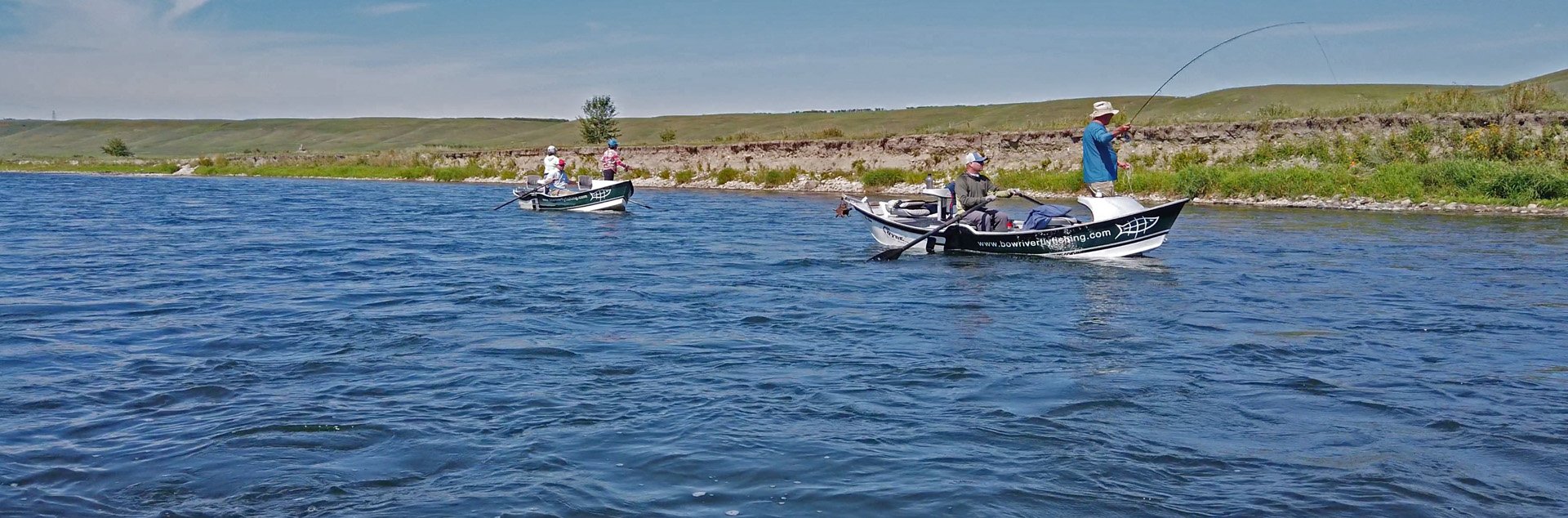
Bow River Fly Fishing Adventures specializes in guided fly fishing experiences on Alberta's premier Bow River, serving anglers from both Calgary and Banff. With over 15 years of expertise, the operation welcomes everyone from beginners to seasoned fly casters, tailoring each outing to individual skill levels and preferences. The team offers diverse trip styles—float trips, walk and wade excursions, and lake outings—targeting rainbow trout, brown trout, cutthroat trout, and bull trout throughout the region. Anglers fish against the dramatic backdrop of the Rocky Mountains, experiencing the river's world-class conditions with guides who bring deep local knowledge and a commitment to creating memorable days on the water.
Squatchy Waters Fly Fishing
Calgary, AB, CA
5.0 (8 reviews)
Squatchy Waters Fly Fishing Led by experienced guide Peter Lywood, Squatchy Waters Fly Fishing offers expertly guided fly fishing adventures on Alberta's renowned Bow River. Specializing in Rainbow, Brown, Cutthroat, and Bull Trout, as well as Pike, the operation combines Peter's deep knowledge of the river's most productive waters with a strong commitment to sustainable fishing practices. Clients can choose from flexible trip options, whether seeking an accessible city float or a more remote mountain excursion. Each outing is tailored to deliver both the thrill of quality fishing and the peace of mind that comes from working with a guide dedicated to responsible stewardship of the resource.
Waders On
Calgary, AB, CA
4.8 (183 reviews)
Waders On, based in Peebles, Scottish Borders, specializes in fly fishing for brown trout and grayling along the scenic Tweed. This dedicated angling club welcomes both novice and experienced anglers, offering expertly guided trips tailored to individual skill levels and interests. The operation is rooted in conservation principles, practicing voluntary catch and release to preserve the river's fishing heritage. Knowledgeable guides lead anglers through the region's rich waters, sharing insights into the local ecosystem and fly fishing techniques. Whether exploring the Tweed for the first time or refining advanced skills, visitors experience the Scottish Borders' distinctive character and excellent trout fishing in a welcoming, sustainable environment.

Topwater Fly Fishing
Calgary, AB, CA
Topwater Fly Fishing brings anglers to some of Canada's most pristine waters, operating from Calgary, Alberta with access to thousands of kilometers of rivers and creeks flowing from the Rocky Mountains. The operation specializes in pursuing trophy cutthroat, rainbow, brown trout, and bull trout across stunning backcountry terrain. Led by experienced guides including Brandon Healey, Topwater Fly Fishing crafts custom adventures suited to both beginners discovering fly fishing and seasoned anglers seeking new challenges. The team offers flexible trip formats—from mini excursions and full-day expeditions to overnight adventures—allowing clients to choose the experience that fits their skill level and schedule. Each outing is designed to maximize time on the water while immersing anglers in the wild landscape they're exploring.
Hooked Fly Fishing
Calgary, AB, CA
Hooked Fly Fishing Hooked Fly Fishing specializes in guided fly fishing on Alberta's premier Bow River, home to abundant wild Rainbow and Brown Trout. Led by guide Matthew Kerslake with over 15 years of professional experience, the service delivers personalized adventures tailored to each angler's skill level and objectives. Whether discovering fly fishing for the first time or refining advanced techniques, guests benefit from expert instruction and intimate knowledge of the river's dynamics. Every trip features premium equipment and thoughtful attention to individual preferences, creating memorable days on the water. Matthew's deep familiarity with the Bow River's seasonal patterns and productive sections ensures anglers spend their time where fish are most active. From beginners seeking foundational skills to experienced fly fishers pursuing trophy trout, Hooked Fly Fishing provides the expertise and personalized approach that transforms a good day into an exceptional one.
Ice Fishing Alberta
Calgary, AB, CA
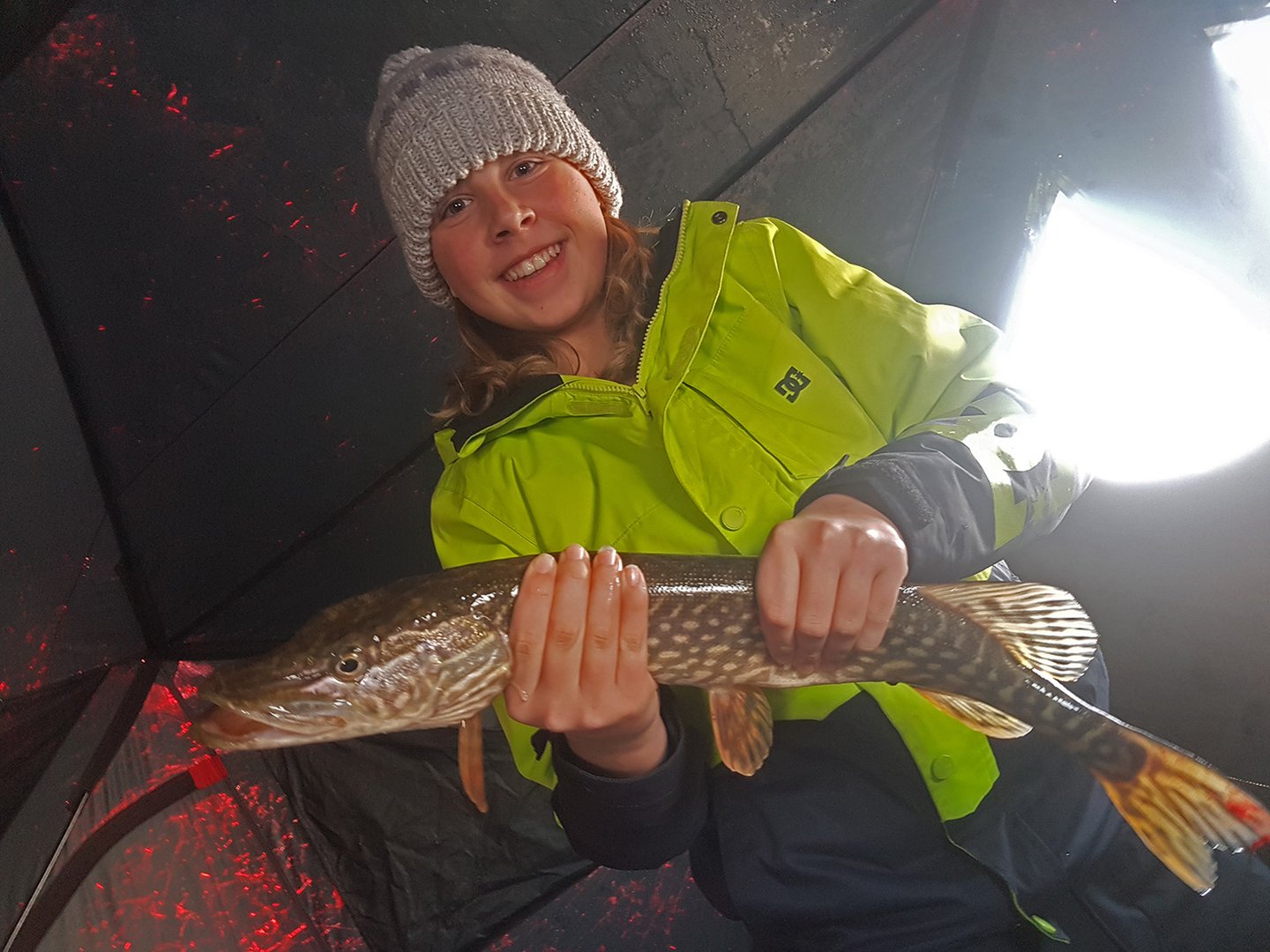
Ice Fishing Alberta specializes in authentic winter fishing experiences across some of Canada's most scenic regions—Calgary, Canmore, and Banff. Their professional guides bring years of expertise to every outing, targeting species including trout, pike, and walleye while accommodating anglers of all skill levels. What sets Ice Fishing Alberta apart is their thoughtful blend of traditional ice fishing methods with modern technology. Heated huts, sonar equipment, and underwater cameras transform each trip into both a comfortable and educational adventure. Whether welcoming families, locals, or visitors seeking a genuine Canadian winter experience, they provide all necessary gear and guidance for a successful day on the ice.
Recommended Gear
Sage R8 Core 9' 5wt Fly Rod
The all-around Bow River rod — handles nymphs, dries, and moderate streamers
Sage Payload 9' 6wt Fly Rod
Streamer rod for fall browns — powers heavy articulated flies into the bank
Lamson Liquid 3-Pack Fly Reel
Sealed drag with spare spools — switch between floating, nymph, and sink-tip lines
Scientific Anglers Amplitude Smooth Trout Line
All-purpose floating line for the Bow — turns over dries, nymphs, and hoppers
RIO InTouch Streamer Tip Line
Sink-tip line for fall streamer fishing — gets articulated flies down fast
Simms G3 Guide Stockingfoot Waders
The Bow is cold year-round — premium waders handle full-day floats in any season
Simms Tributary Wading Boots
Felt or rubber studs — the Bow's cobble and gravel are slippery
Umpqua Bow River Fly Selection
BWOs, PMDs, caddis, stoneflies, hoppers, Pat's Rubber Legs — covers the year
Scientific Anglers Absolute Fluorocarbon Tippet 5X
Clear-water nymphing tippet — the Bow's trout are educated and line-shy
Fishpond Nomad Mid-Length Net
Rubber mesh catch-and-release net — required etiquette on the Bow
Frequently Asked Questions
How big are the trout in the Bow River?
Brown trout average 16-20 inches, with fish over 24 inches caught regularly. Rainbow trout average 14-18 inches with fish over 20 inches common. The Bow holds an estimated 3,000+ trout per mile in the best sections. Fish over 28 inches are caught every season.
When is the best time to fish the Bow River?
September-October for the largest brown trout (pre-spawn streamers). May-June for the best dry fly hatches (stoneflies, caddis). July-August for hopper fishing. The Bow fishes year-round thanks to tailwater flows, but March-April and November-February are cold-weather specialists only.
How much does a guided Bow River trip cost?
Full-day drift boat float: CAD $700-900 for 1-2 anglers (8-9 hours, all gear and lunch included). Half-day: CAD $450-600. Walk-and-wade: CAD $400-600. DIY fishing is free with an Alberta fishing licence (CAD $30 for 5 days, non-resident).
Do I need a drift boat to fish the Bow River?
No — wade fishing access is available throughout Calgary's park system (Edworthy Park, Fish Creek, Inglewood). But a drift boat covers 10-15 km of river per day versus a few hundred metres wading, which means dramatically more water and more fish. Most visiting anglers float with a guide.
Can I keep trout on the Bow River?
Most sections through Calgary are catch-and-release only for trout with single barbless hooks. Bait is prohibited. Bull trout must be released immediately everywhere. Check the current Alberta Guide to Sportfishing Regulations for specific zone rules — some sections below Calgary allow limited harvest.
Related Articles
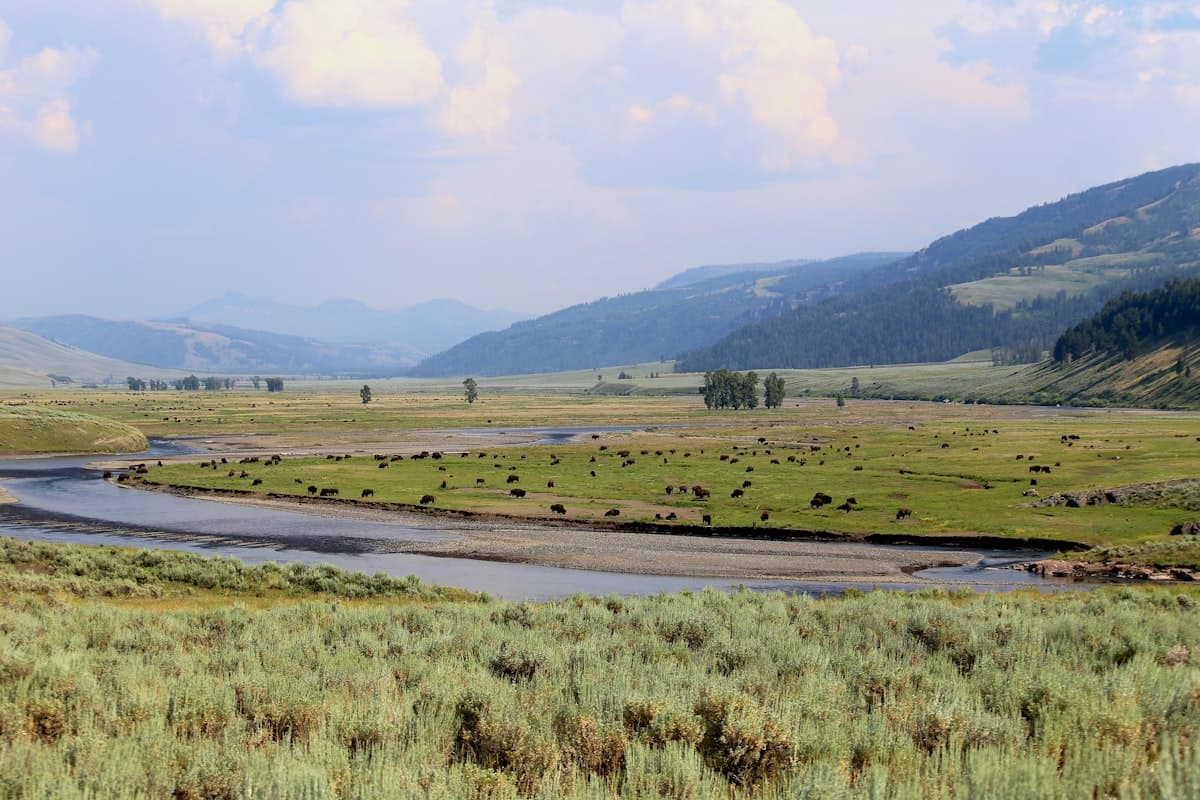
Fly Fishing the Madison River: The 50-Mile Riffle, the Salmonfly Hatch, and the River That Defined Western Fly Fishing
Tuesday, February 24, 2026
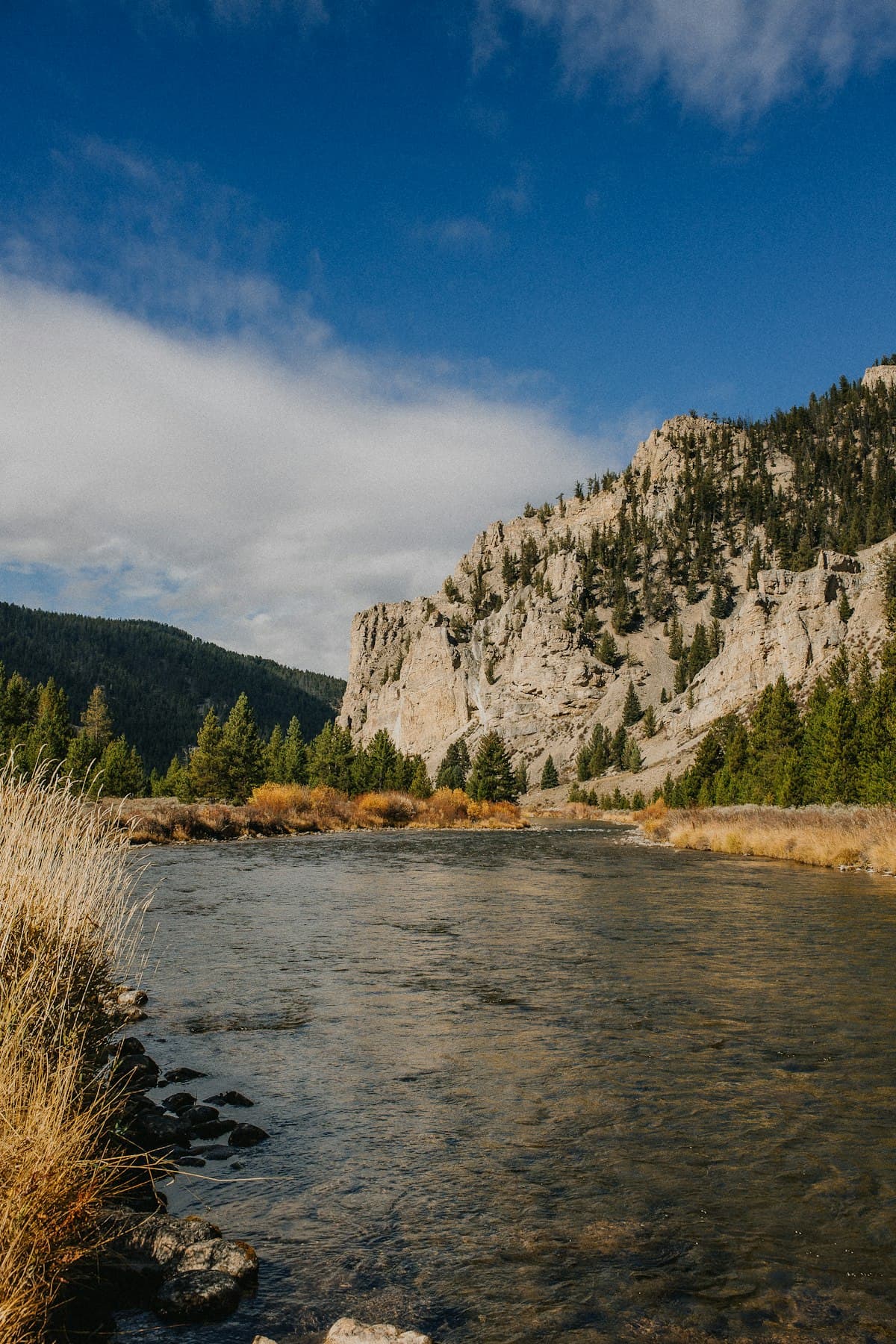
Fly Fishing the Missouri River: The Widest Trout River in Montana, the Longest Hatches, and the Town That Exists Because of Both
Saturday, February 14, 2026
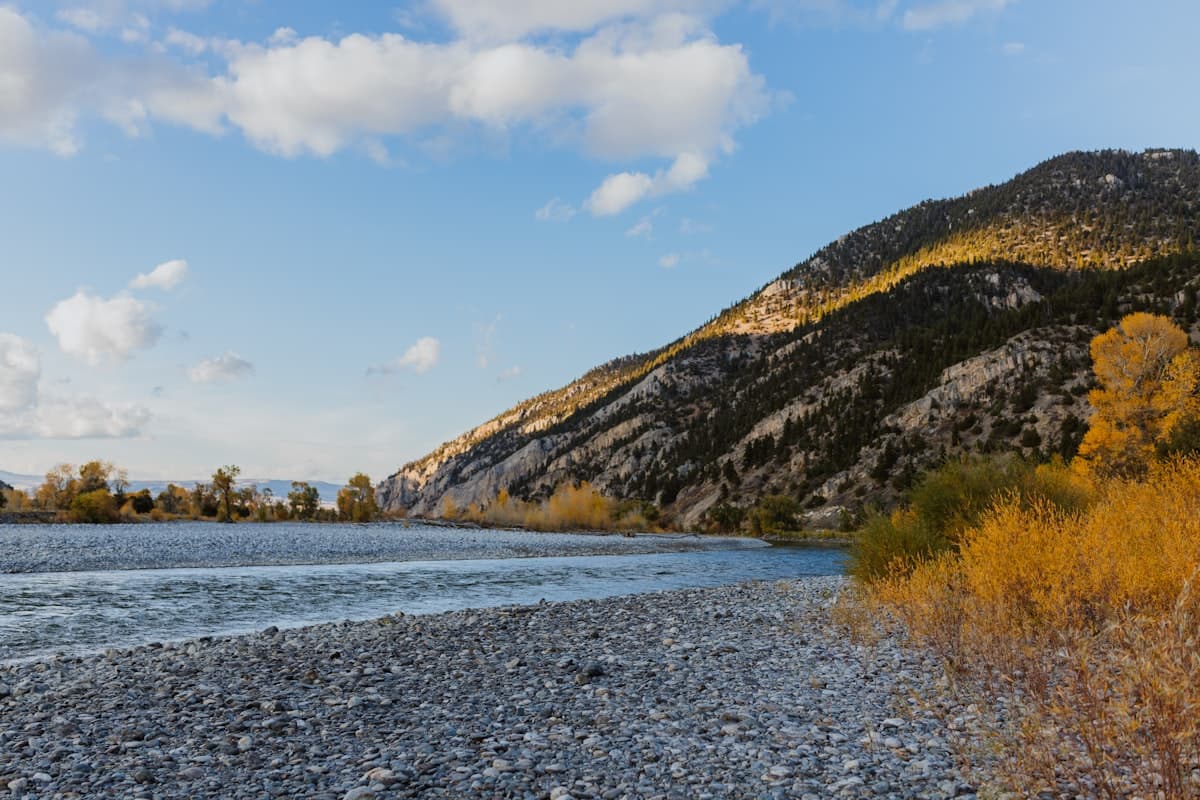
Fly Fishing the Bighorn River: The Technical Tailwater, the Trico Dawn, and the 13 Miles That Reward Patience
Friday, February 20, 2026
 ™
™