
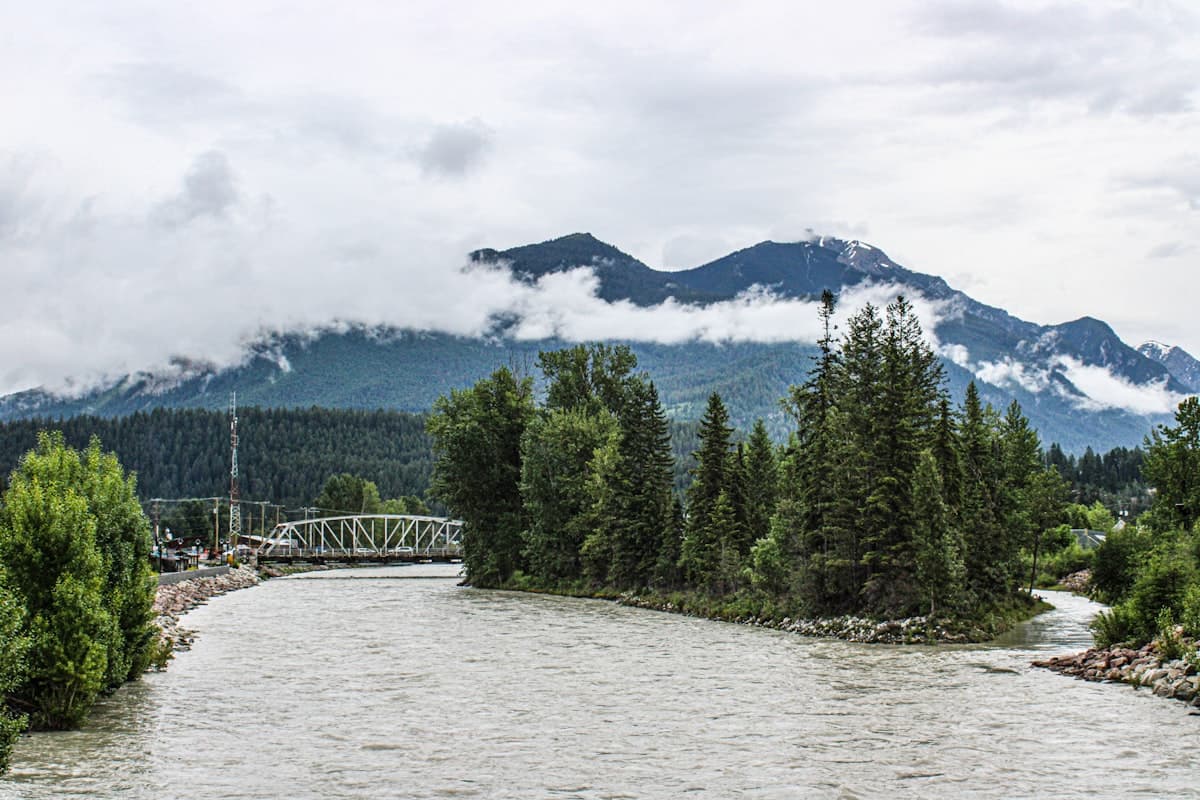
Fishing the Dean River, BC: The Helicopter-Access Steelhead Trip of a Lifetime
The Dean River in central coastal British Columbia is accessible only by helicopter, holds one of the healthiest wild steelhead runs in the province, and delivers the kind of fishing experience that steelhead anglers talk about for the rest of their lives.
There is a short list of rivers that serious steelhead anglers talk about with something approaching reverence. The Dean River is on that list. It flows out of the Coast Mountains in central coastal BC, runs 80 kilometres through canyon and old-growth forest, and empties into Dean Channel near the tiny settlement of Kimsquit. No roads reach it. No towns sit on its banks. The only way in is by helicopter from Bella Coola or by floatplane to the headwaters.
The Dean is not for everyone. It is expensive — lodge packages run USD $6,000 to $7,300 per person for a week. It is remote — if you get hurt, a helicopter extraction is the plan. It is physically demanding — you wade cold, rocky water all day and the terrain between pools involves scrambling over boulders and through thick brush. And it books out a year or more in advance, meaning the decision to fish the Dean requires planning and commitment.
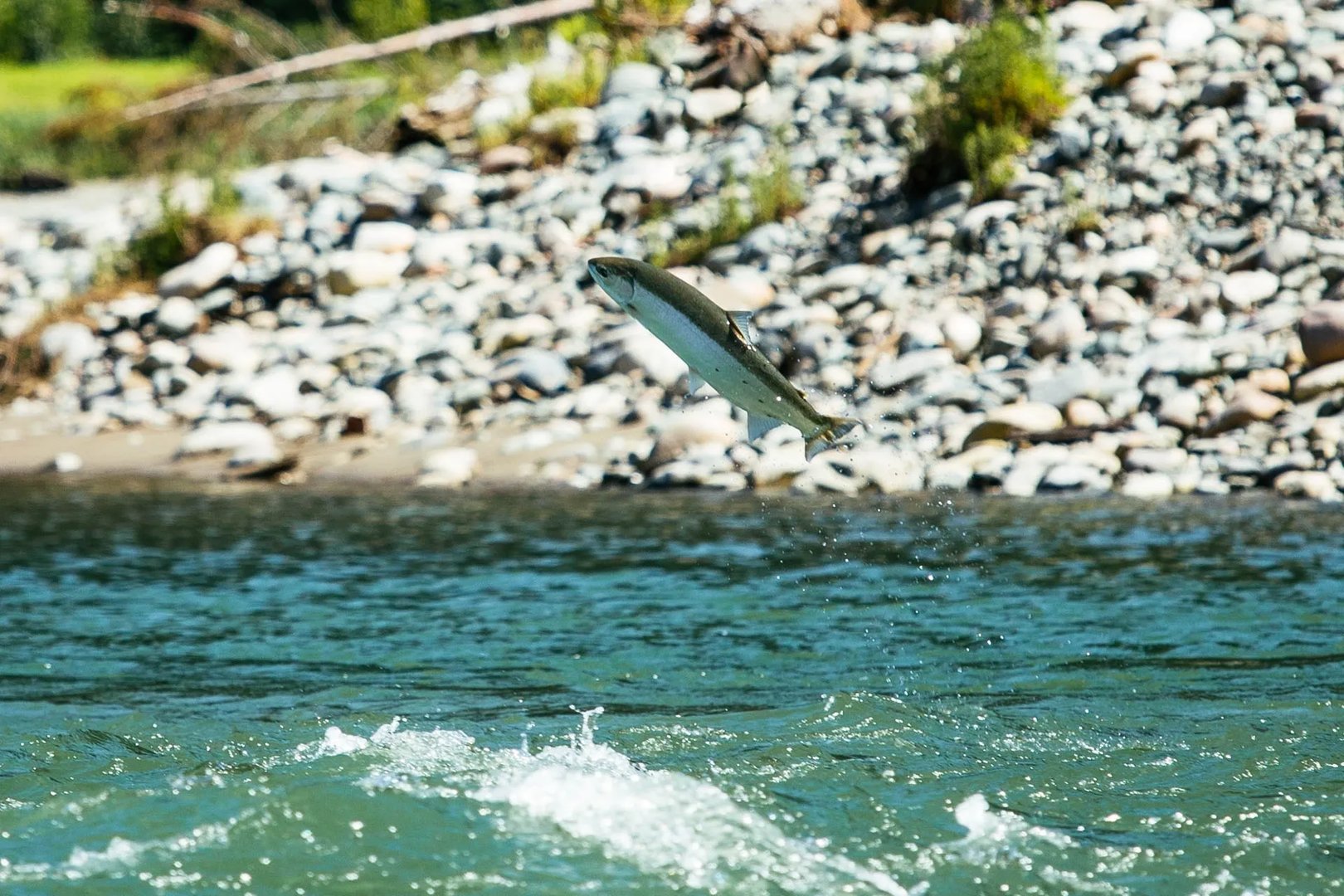
But the steelhead. Chrome-bright fish fresh from the Pacific, averaging 10 to 12 pounds with fish over 20 pounds a realistic possibility, entering the river from late June through September in numbers that would be extraordinary on any other river in British Columbia. The Dean's steelhead are wild — no hatchery supplementation, no stocking, no human intervention beyond catch-and-release regulations that have protected the run for decades. They are the product of intact habitat in a watershed that has never been logged, dammed, or developed.
If you have fished the Skeena system near Terrace and want to go deeper — fewer anglers, more remote water, and a wilderness setting that makes the Skeena tributaries feel suburban — the Dean is the next step. If you have never fished for steelhead and want to start at the top, the Dean is an ambitious but unforgettable introduction.
What Makes the Dean Special
The Dean's quality comes from three things that are increasingly rare in Pacific steelhead rivers: intact habitat, limited access, and a healthy wild run.
Intact habitat: The Dean River watershed has never been commercially logged. The old-growth Sitka spruce, western red cedar, and hemlock that line the banks stabilize the soil, shade the water, and produce the large woody debris that creates the pools and runs where steelhead hold. The spawning gravel is clean. The water quality is exceptional. This is what a Pacific steelhead river looked like before industrial development.
Limited access: The fishing tenures on the Dean are held by a small number of lodges, each with a cap on the number of anglers per week (typically 6 to 10). At any given time during the season, there are roughly 20 anglers on 35 kilometres of fishable water. Compare this to a popular Skeena tributary, where you might share a run with several other anglers, or a Great Lakes steelhead river, where elbow-to-elbow fishing is normal. On the Dean, you can fish a pool alone and not see another angler all day.
The run: Dean River steelhead enter the river from late June through September in consistent numbers. The run is not enormous by Skeena standards, but it is healthy, self-sustaining, and predictable. The lodges that have operated on the Dean for decades report consistent fishing quality year after year — a sign of a run that is in equilibrium with its habitat.
Steelhead on the Dean River in British ColumbiaThe River: Canyon, Flats, and Tidal
The Dean is a medium-sized river — smaller than the Skeena tributaries, larger than a typical trout stream. It is wadeable in most sections during normal flows, which is one of its appeals — you are in the river, not on a boat, and the intimacy of wading and casting to visible holding lies is part of what makes Dean fishing memorable.
The Canyon section: The upper fishable water, where the river cuts through bedrock formations. Deep pools separated by fast chutes and short rapids. The pools are compact and well-defined — you can see where a steelhead should hold (behind the boulder, in the ledge slot, at the tail of the pool) and fish it methodically. Wading is challenging — the rock is slippery and the current is strong in the constrictions — but the pools are small enough that short casts reach all the productive water.
The Flats: Below the canyon, the river opens into broader, longer runs over gravel and cobble. The wading is easier, the pools are larger, and the steelhead are more spread out. This is where long Spey casts and methodical coverage pay off — you swing through 200 yards of water, step by step, and the steelhead could be anywhere in the run.
The Lower River: Near the mouth at Dean Channel. Tidal influence, brackish water, and the freshest fish in the system — steelhead that have been in freshwater for hours, still carrying the explosive energy of the ocean. The lower river also holds chinook and coho salmon seasonally.
The lodge you choose determines your water. BC West accesses the canyon and upper flats. Lower Dean River Lodge and Kimsquit Bay Lodge access the lower river and tidal section. Each lodge holds exclusive tenure on its section.
The Steelhead
Dean River steelhead average 10 to 12 pounds — slightly smaller on average than the largest Skeena fish but in exceptional physical condition because the river is short and the fish are fresh. A 12-pound Dean River steelhead that has been in freshwater for 48 hours is essentially an ocean fish in a river setting. It fights like one — long, fast runs, repeated jumps, and raw power that exceeds what the number on the scale would suggest.
Fish of 15 to 18 pounds are caught regularly throughout the season. Genuine trophies over 20 pounds are caught every year, though they are not common enough to expect one. The largest Dean River steelhead on record approached 30 pounds.
The season runs from late June through September, with most lodges operating 10 to 14 weeks:
Late June through mid-July: The first fish arrive. Numbers build week by week. The early-season fish are often the most aggressive — fresh, hot, and willing to chase a fly. Water temperatures are rising and the long daylight hours provide maximum fishing time.
Late July through August: Peak numbers. The river holds the most steelhead of the season. This is the most reliably productive period and the hardest to book — lodges allocate these weeks first, often to returning clients.
September: Late-season fish. Numbers taper but the remaining fish are large and often aggressive. Weather deteriorates — more rain, cooler temperatures — and some lodges close by mid-September. The anglers who fish September are often the most experienced, drawn by the chance at a late-season trophy in a quieter, wilder setting.
Dean River Steelhead — British ColumbiaThe Lodge Experience
A Dean River trip is structured around the lodge. You fly in, you fish, you eat, you sleep, you fish again. The lodges are comfortable but not luxurious — the focus is entirely on the river.
A typical day: Wake at 6 AM. Breakfast. On the river by 7:30 or 8. Fish the morning session (4-5 hours), guided, one guide per two anglers. Walk back to the lodge for lunch. Rest, tie flies, nap. Afternoon session (3-4 hours). Return to the lodge for appetizers and drinks. Dinner — often featuring fresh-caught salmon or locally sourced food. Tie flies, swap stories, sleep. Repeat.
Guides: Each lodge employs experienced steelhead guides who fish their section of the Dean daily throughout the season. They know every pool, every holding lie, and how each one fishes at different water levels. Your guide positions you, advises on fly and technique, manages the wading, nets your fish, and handles catch-and-release. The guide-to-angler ratio (usually 1:2) means you get intensive, personalised instruction if you want it.
Accommodation: Wood-frame cabins or lodge rooms. Hot running water, comfortable beds, communal dining. Some lodges have a hot tub — a welcome luxury after a day of wading cold water. The setting is spectacular — old-growth forest, the river below, Coast Mountains above, and no artificial light pollution. The stars at night are absurd.
Food: Lodge meals are a highlight. Fresh-baked bread, locally sourced proteins, salads from lodge gardens, wine with dinner. Several Dean River lodges have earned reputations for food quality that would be notable even without the fishing.
Your fish: All steelhead are catch-and-release. If you catch salmon (chinook, coho, pinks in odd years), the lodge can process and pack them for your trip home.
Cost and Booking
Price: USD $5,995 to $7,295 per person for 6 nights / 6 days of guided fishing, depending on the lodge and the week (peak weeks cost more). This is all-inclusive: helicopter transport from Bella Coola, guided fishing, accommodation, all meals, drinks, and fish processing.
What is not included: Flights to Bella Coola (from Vancouver on Pacific Coastal Airlines, approximately CAD $400-600 roundtrip), fishing licence (BC freshwater licence, approximately $80 CAD for 8 days), gratuities for guides and lodge staff (15-20% of the trip cost is standard), and personal gear (waders, boots, flies — though lodges can supply tackle if needed).
Booking: The Dean books out every season. Returning clients get first right of refusal on their preferred weeks, which means new clients often book less popular early or late season weeks — which are still excellent fishing. Inquire at least 12 to 18 months in advance for peak weeks. Cancellations create occasional last-minute openings — ask to be put on a waitlist.
Is it worth the cost? That depends on what you value. If you want the highest catch-rate-per-dollar steelhead fishing in BC, the Skeena tributaries with a day guide are more cost-effective. If you want a complete wilderness fishing experience — remote water, minimal angler pressure, world-class guiding, and a river setting that has not changed in centuries — the Dean delivers something that no amount of day guiding can replicate.
Dean River Chrome — WhereWiseMenFish in British ColumbiaGetting There
Step 1: Fly to Bella Coola. Pacific Coastal Airlines operates scheduled flights from Vancouver South Terminal to Bella Coola (approximately 1.5 hours). Flights are small planes — Beechcraft 1900 or similar — and weather-dependent. Build in a buffer day in case of weather delays.
Step 2: Helicopter to the lodge. The lodge arranges helicopter transport from Bella Coola to the Dean River (15 to 30 minutes depending on the lodge location). Some lodges stage from Bella Coola airport; others have a staging area outside town. You will receive detailed logistics instructions from the lodge before your trip.
Luggage: Helicopter weight limits are strict — typically 30 to 40 kg (66-88 lbs) per person including carry-on. Pack in a soft-sided waterproof duffel (hard suitcases are impractical for helicopter loading). Waders and boots can be heavy — pack efficiently. The lodge will specify exact weight limits.
From the US: Fly to Vancouver, connect to Bella Coola. The total travel day from most US cities is long — plan to overnight in Vancouver or Bella Coola depending on flight connections.
What to Bring
Fishing gear: Most anglers bring their own Spey rod, reel, and flies. Lodges can supply complete tackle, but experienced steelheaders fish better with their own gear. See our Fly Fishing the Dean River guide for detailed tackle recommendations.
Waders and boots: Essential. Bring quality stockingfoot waders and wading boots with felt soles or studded rubber soles. The Dean's canyon rock is slippery and the cobble on the flats is round — traction matters.
Rain gear: A wading jacket or waterproof shell for rain and spray. The Dean valley gets significant rainfall during the season.
Warm layers: Merino wool or fleece mid-layers. Morning temperatures can be cool (5-10°C / 41-50°F) even in summer, and you are standing in cold water all day.
Camera: Waterproof phone case or dedicated action camera. The scenery and the fish are both worth documenting.
Sunglasses: Polarized lenses for reading water and spotting fish.
Bear spray: The Dean valley has both black bears and grizzly bears. The lodges stock bear spray and brief guests on bear awareness, but bringing your own is prudent.
Regulations
All Dean River steelhead are catch-and-release only. Barbless, single hooks mandatory. The Dean is classified water — non-resident anglers must fish with a licensed guide (automatic at the lodges). BC freshwater angling licence required, plus classified waters surcharge. Purchase your licence online before your trip.
Dean River Steelhead Fly SelectionTop Fishing Guides in Dean River
A Dean River guide knows this water the way you know your own neighbourhood — every pool, every boulder, every seam, and how each one changes with a foot of water level. On a river this remote and this productive, the guide is not a luxury — they are the foundation of the experience. Their daily knowledge of which pools hold fresh fish today, which fly to start with, and where to stand to make the right swing is what turns a wilderness trip into the steelhead experience of a lifetime.
Recommended Gear
Echo OHS Spey Rod 12'8" 7wt
Compact Spey rod suited to the Dean's canyon pools and shorter casting distances
Lamson Guru S 7+
Large arbor reel with sealed drag — Dean steelhead make long, powerful runs
RIO InTouch Skagit Max 450 grain
Skagit shooting head — the Dean standard line system
RIO InTouch MOW Tips Kit
Interchangeable sink tips for canyon pools (T-14) through tailouts (T-8)
Simms G3 Guide Stockingfoot Waders
Premium waders — the Dean's canyon rock demands the best waterproofing and durability
Simms G3 Guide Wading Boots (Felt)
Felt soles for maximum grip — the Dean's bedrock and cobble are dangerously slippery
Aqua-Flies Intruder Selection Box
Pre-tied Intruders in Dean River colours — essential if you don't tie your own
Yeti Panga Duffel 75L
Waterproof soft-sided duffel — helicopter-friendly, protects gear from rain and spray
Grundéns Boundary Stockingfoot Waders
Mid-range backup waders — lighter than G3s, good to pack as insurance
Fishpond Thunderhead Submersible Sling
Waterproof sling pack for flies, leaders, and essentials on the river
Frequently Asked Questions
How much does a Dean River fishing trip cost?
USD $5,995-$7,295 per person for 6 nights / 6 days guided fishing, all-inclusive (helicopter transport from Bella Coola, accommodation, meals, guided fishing). Add flights to Bella Coola (CAD $400-600 from Vancouver), fishing licence ($80 CAD), and guide gratuities (15-20%). Total cost is roughly USD $7,000-$9,500.
How do I get to the Dean River?
Fly from Vancouver to Bella Coola on Pacific Coastal Airlines (1.5 hours). The lodge arranges helicopter transport from Bella Coola to the river (15-30 minutes). There are no roads — helicopter or floatplane is the only access. Build in a weather buffer day in case flights are delayed.
When should I book a Dean River trip?
12-18 months in advance for peak weeks (late July-August). Returning clients get priority, so new clients often book early or late season weeks initially. Ask about cancellation waitlists for last-minute openings. The Dean books out fully every season.
What is the fishing like on the Dean River?
Almost entirely Spey fly fishing — swinging wet flies for wild steelhead averaging 10-12 lbs (up to 20+ lbs). You wade the river, guided, fishing 8-9 hours per day in two sessions. Expect 0-5 steelhead per day depending on conditions. All steelhead are catch-and-release. The setting is pristine wilderness with no other anglers in sight.
Do I need Spey casting experience for the Dean?
It is strongly recommended. The Dean is a swing river — Spey rods (12'6"-13'6", 7-weight) are the standard tool. Guides can coach your casting on the water, but arriving with basic Skagit casting competence means you spend more time fishing and less time learning. Take a Spey casting clinic before your trip if you are a beginner.
Related Articles
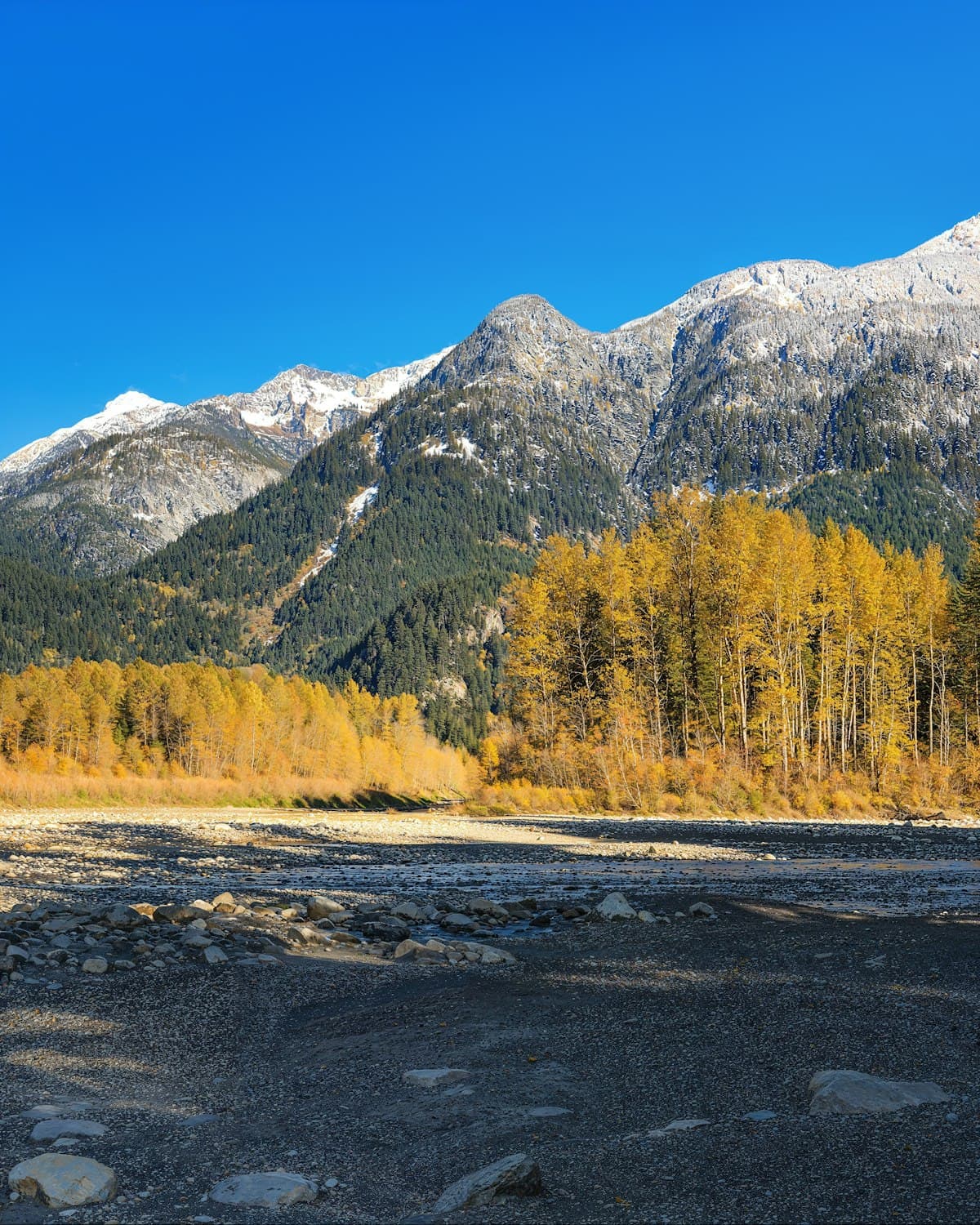
Fishing the Skeena River: Terrace, BC and the Last Great Steelhead Watershed
Monday, June 8, 2026
Fly Fishing the Skeena River: Spey Casting for Wild Steelhead in Northern British Columbia
Saturday, June 20, 2026
Fly Fishing the Dean River, BC: Helicopter-Access Steelhead on One of the World's Great Fly Fishing Rivers
Friday, June 12, 2026
 ™
™