
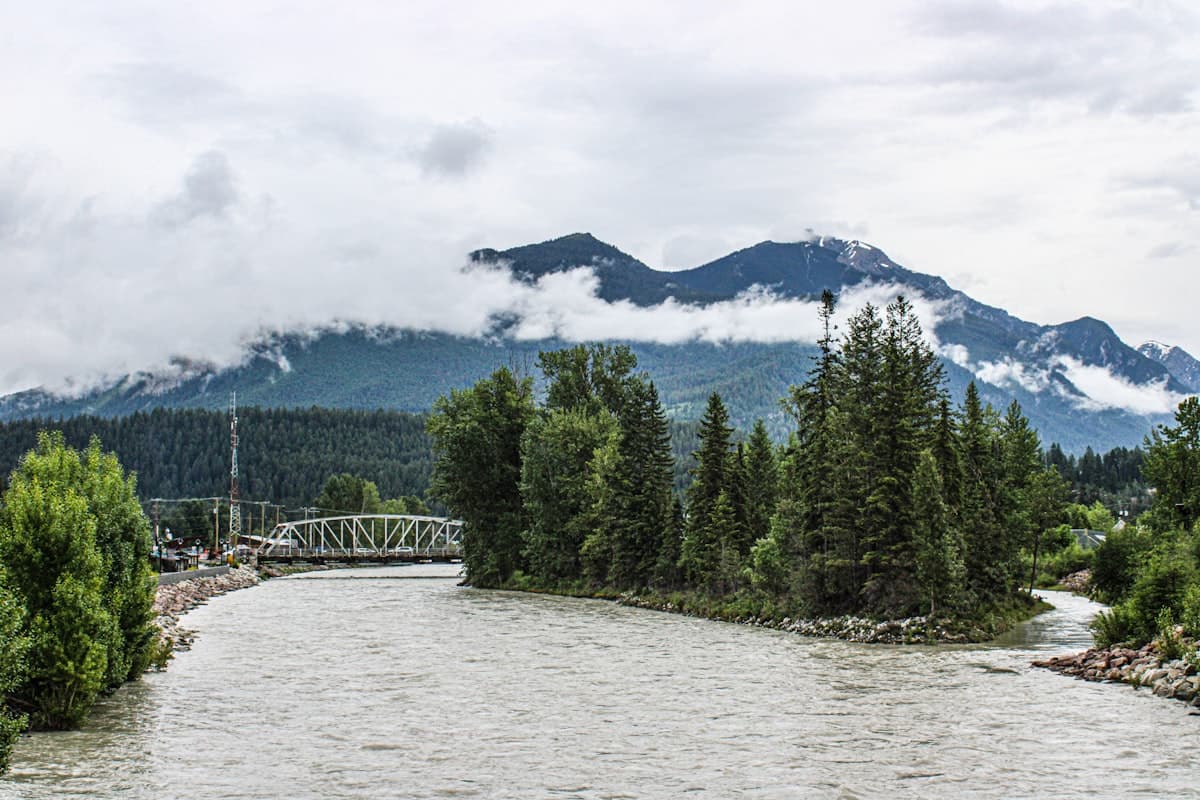
Fly Fishing the Dean River, BC: Helicopter-Access Steelhead on One of the World's Great Fly Fishing Rivers
The Dean River in central coastal British Columbia is accessible only by helicopter or floatplane, holds wild steelhead averaging 10 to 12 pounds with fish to 25 pounds, and is considered one of the greatest steelhead fly fishing rivers on earth.

The Dean River flows out of the Coast Mountains in central British Columbia and empties into Dean Channel near Kimsquit, roughly 100 kilometres south of Bella Coola. There are no roads to the Dean. No bridges cross it. The only way in is by helicopter from Bella Coola or by floatplane to one of the lakes at the headwaters. The lodges that operate on the Dean — BC West, Lower Dean River Lodge, Kimsquit Bay Lodge — fly their clients in by helicopter and fly them out a week later.
The remoteness is not an obstacle to overcome. It is the reason the fishing is what it is. The Dean holds one of the most prolific and healthy wild steelhead runs in British Columbia, sustained by habitat that has never been logged, dammed, or developed. Steelhead enter the Dean from late June through September, pushing 80 kilometres upriver through rapids, canyons, and pools that would be famous on any continent. The fish average 10 to 12 pounds — chrome-bright, ocean-strong, and violently responsive to a swung fly.
This is the bucket-list steelhead river. The one that experienced steelhead anglers talk about in the same breath as the Skeena and the Thompson. The Dean does not have the Skeena's volume of fish, but it has something equally valuable — a compact, wadeable river in a wilderness setting where you can swing through a pool, hook a 15-pound steelhead, and not see another angler all day.
The River
The Dean is approximately 80 kilometres long from its source at Anahim Lake to the salt at Dean Channel. The fishable water — the section where steelhead hold and can be targeted on fly — runs roughly 35 kilometres from the canyon section upstream to the tidal influence downstream.
The Canyon: The upper fishable section. The river narrows through a series of bedrock canyons with deep pools separated by fast chutes and rapids. The pools hold steelhead in defined lies — visible boulders, ledge formations, and current seams that concentrate fish. Wading is challenging but the pools are compact, which means you cover the productive water efficiently. This is the most dramatic section to fish.
The Flats: Below the canyon, the Dean opens up into longer, broader pools and runs over gravel and cobble bottom. The wading is easier, the casting is longer, and the steelhead spread out more. The Flats reward anglers who can cover water with long Spey casts and fish methodically through extended runs.
Lower River (tidal influence): Near the mouth at Dean Channel, the river widens and the tidal influence creates brackish water conditions. Fresh steelhead enter here, and the fish in the lower river are the brightest and most aggressive — they have been in freshwater for hours, not days. The lower river also holds chinook, coho, and pink salmon (odd years).
The lodge you stay at determines which section you fish. BC West (upper river) accesses the canyon and upper flats. Lower Dean River Lodge and Kimsquit Bay Lodge access the lower river and tidal sections. Each section has a different character, and experienced Dean River anglers often try multiple lodges over several trips.
This Is the Dean — Steelhead Fly Fishing in British ColumbiaThe Steelhead
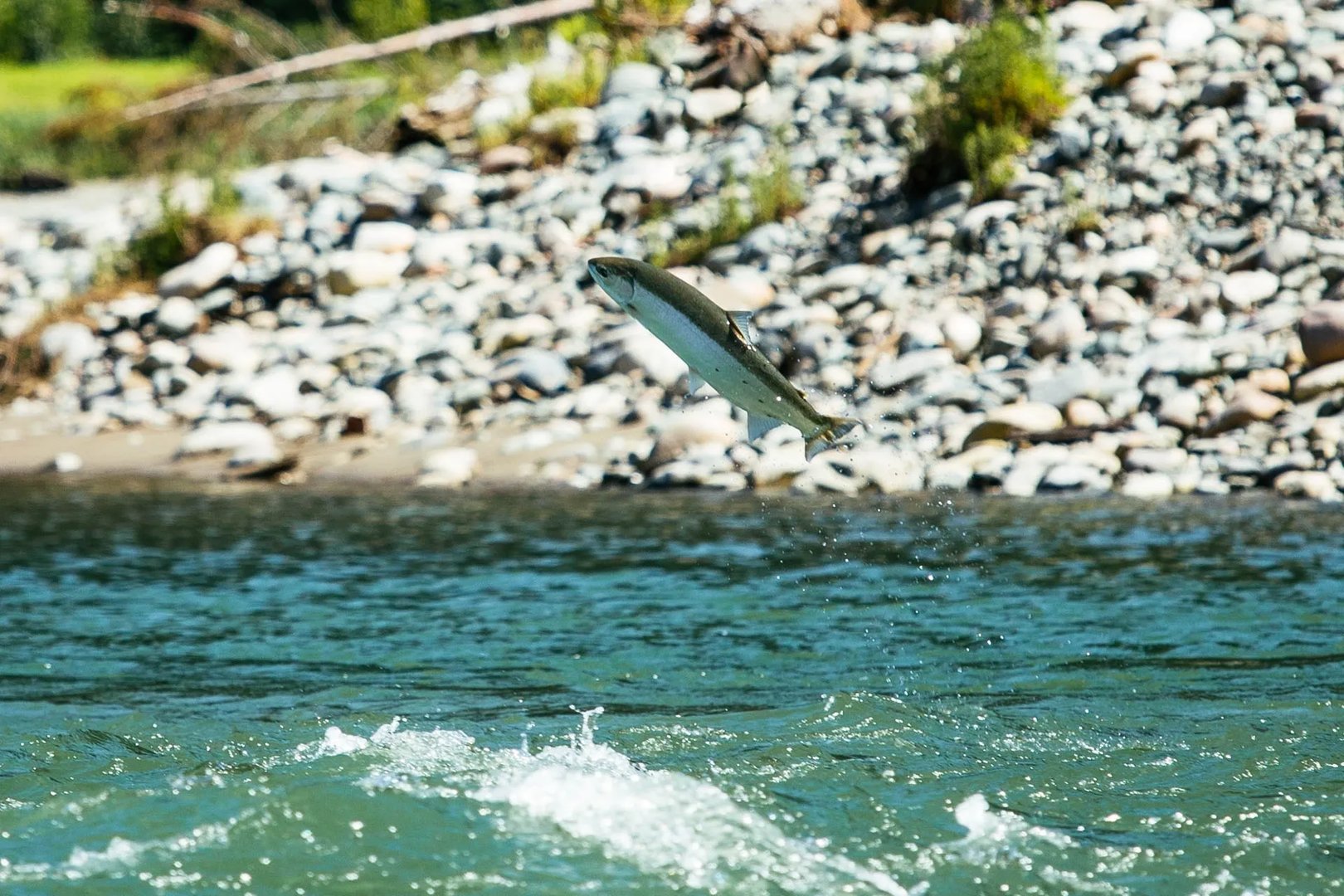
Dean River steelhead are summer-run fish that enter the river from late June through September. They average 10 to 12 pounds, with fish of 15 to 18 pounds caught regularly and occasional fish exceeding 20 pounds. The largest Dean River steelhead on record approached 30 pounds.
What makes Dean River steelhead special is their condition. Because the river is short and the fish enter it fresh from the ocean, they are chrome-bright and at peak fighting strength. A Dean River steelhead that has been in the river for two days is essentially an ocean fish in a river — fast, powerful, and explosive. They jump repeatedly, make blistering runs, and will take you into the backing on light Spey tackle.
The run timing breaks down roughly as follows:
Late June through mid-July: The first fish arrive. Numbers build through the month. The early fish are the most aggressive — they are fresh, the water is warming, and they respond readily to swung flies. This is often the best fishing of the season for sheer aggressiveness, though the total number of fish is still building.
Late July through August: Peak numbers. The river has the most steelhead of the season spread through all sections. The pools that hold fish are well-defined, and your guide will know which ones are loaded. August is the most reliably productive month.
September: Late-season fish. Numbers taper but the fish that are still entering are large and aggressive. The weather starts to deteriorate — rain increases, temperatures drop — but the fishing can be exceptional. Some lodges extend their season into early October.
Techniques
The Dean is a swing river. Almost all steelhead fishing is done with two-handed Spey rods, swinging wet flies across and down the current. The techniques are similar to the Skeena but adapted to the Dean's character — a smaller, more intimate river with shorter pools and more defined holding lies.
Spey Setup
Rod: 12'6" to 13'6", 7-weight. The Dean is narrower than the Skeena tributaries, so the shorter end of the Spey rod spectrum works well. A 12'6" switch rod is adequate for many pools.
Line: Skagit head (400-500 grain) with interchangeable sink tips. T-8 for shallow runs and tailouts, T-11 for standard depth, T-14 for the deepest canyon pools. Scandi heads work in low-water conditions.
Leader: Short and direct — 3 to 4 feet of 12 to 15 pound fluorocarbon, tied directly to the fly. No tippet ring, no tapered leader. The heavy mono turns over large flies and holds in fast current.
The Swing
Cast at 45 degrees across the current. Mend upstream to slow the swing in fast water, or mend downstream to speed it up in slow water. The fly should sweep across the river at a speed that keeps it broadside to the current — not so fast that it skates on the surface, not so slow that it drags on the bottom.
In the canyon: Short casts (40-60 feet), tight swings in compact pools. The fish are holding in defined spots behind boulders and in ledge pools. Fish each pool thoroughly — cast, mend, swing, step down two feet, repeat — then move to the next pool.
On the flats: Longer casts (60-80 feet), broader swings through extended runs. Cover water methodically. The steelhead are more spread out, so you need to fish more water to find them.
The take: A Dean River steelhead taking a swung fly feels like someone grabbed the fly line and sprinted downstream. The rod loads, the reel screams, and the fish is 50 feet away before you fully register what happened. Do not try to set the hook on the take — the swing tension and the fish's turn set the hook. Just hold on.
Flyfishing for Dean River Steelhead — Kimsquit Bay LodgeFlies
Dean River steelhead are not selective in the trout-fishing sense. They are not feeding — they are in the river to spawn, and their fly-taking behaviour is triggered by aggression, curiosity, or territorial response. This means the fly needs to be visible and provocative, not imitative.
Intruders: The standard Dean River fly. Articulated, mobile, 2 to 4 inches long. Black/blue, pink/orange, and purple/black are the proven colour combos. Fish them on T-11 or T-14 tips through the deeper runs and canyon pools.
String Leeches: Simple, effective, and durable. Black, purple, and pink bunny strip or marabou on a long-shank hook. Fished on moderate sink tips through mid-depth runs.
Muddler Minnows and Bombers: Surface or near-surface patterns fished on floating lines. The Bomber (a deer-hair dry fly) skated across the surface of a tailout can produce explosive surface takes from aggressive steelhead. This is the most exciting way to catch a Dean River fish — watching a steelhead rise from the bottom of a pool to smash a fly off the surface.
Egg-Sucking Leech: Black body with hot pink or chartreuse egg head. A confidence pattern that works on every steelhead river in BC, including the Dean.
General Practitioner (Orange): The classic prawn imitation. Effective in low, clear water when subtlety matters. Fished on a floating line or light sink tip.
Fly Selection by Condition
| Condition | Fly Size | Colour | Sink Tip |
|---|---|---|---|
| High / coloured water | 3-4" Intruders | Black, purple, dark | T-14 |
| Normal flows | 2-3" Intruders/Leeches | Pink/orange, blue/black | T-11 |
| Low / clear water | 1.5-2" sparse patterns, GP | Orange, natural, olive | T-8 or floating |
| Warm / aggressive fish | Bomber, Muddler | Natural deer hair | Floating |
Skating Dries: The Dean River Specialty
The Dean River has a particular reputation for dry-fly steelhead fishing — specifically, skating a Bomber or Muddler Minnow on the surface of a tailout and watching a steelhead come up from the bottom to attack it. This does not work on every steelhead river. The Dean's combination of clear water, aggressive fish, and well-defined tailouts makes it one of the best places in the world for this technique.
The Bomber: A cigar-shaped deer-hair dry fly, sizes 2-6, with a hackle collar and deer-hair wing. Tied to float high and leave a visible wake when dragged across the surface. Natural deer hair is the standard colour — do not overthink it.
How to skate: Cast across the tailout on a floating line with a short, heavy leader (6-8 feet of 12-15 lb mono, no tippet). As the line swings, lift the rod tip to keep the Bomber on the surface, skimming and waking across the current. The fly should leave a V-shaped wake but not submerge. The steelhead sees the wake, the silhouette, and the movement from its holding lie below, and when it decides to eat — the rise can be anything from a quiet sip to a full-body explosion that soaks you with spray.
The discipline: Do not set the hook on the rise. Wait until you feel the weight of the fish pulling the line tight. Steelhead often miss a skated dry on the first attempt — they are lunging at a moving target from below. If a fish rises and misses, rest the pool for 60 seconds, change to a smaller Bomber or different colour, and cast to the same spot. Steelhead will often come back for a second attempt if you give them time to settle.
This is the most addictive form of steelhead fishing. Once you have seen a 15-pound fish rise from the bottom of a pool to crush a fly off the surface, you will find it difficult to go back to fishing subsurface.
Other Species on the Dean
While steelhead are the headline, the Dean River holds other species worth noting.
Chinook salmon: Kings enter the lower Dean in July and August. They are large (20-50 pounds) and can be caught on the fly, though they are not the primary target. The lodges occasionally target chinook on heavier tackle when steelhead fishing is between pushes.
Coho salmon: Coho arrive in September, coinciding with late-season steelhead. They are aggressive, jump constantly, and provide fast-paced fly fishing on lighter Spey or single-hand gear. Coho are a welcome bonus in September when the steelhead are thinning.
Pink salmon (odd years): Massive pink runs enter the lower Dean in August of odd years. They are not selective and will hit almost any small fly. Fun on a 5-weight for variety between steelhead sessions.
Dolly Varden and bull trout: Resident char that hold in the deeper pools year-round. They eat steelhead flies incidentally and provide occasional bonus catches while swinging for steelhead.
Dean River Steelhead in British ColumbiaThe Lodge Experience
Dean River fishing is exclusively lodge-based. There is no road access, no campgrounds, no DIY option. The lodges hold fishing tenures (government-issued exclusive rights to guide on specific river sections), which limits the number of anglers on the water at any time.
BC West (Deneki Outdoors): Upper river. Accesses the canyon and upper flats. Helicopter in from Bella Coola. 6 nights / 6 days fishing. USD $5,995 to $7,295 per person depending on the week. 8 anglers maximum per week with 4 guides.
Lower Dean River Lodge: Lower river near the tidal section. Access to the lower pools and fresh-from-the-ocean fish. Helicopter in from Bella Coola. Similar pricing and format.
Kimsquit Bay Lodge: Located at the river mouth on Dean Channel. Accesses the lower river and tidal section. Floatplane access from Bella Coola.
All lodges are all-inclusive — helicopter transport, guided fishing, accommodation, meals, and fish processing. The lodges are comfortable but not luxurious — wood-frame cabins, family-style meals, a common room for tying flies and telling lies. The focus is entirely on the fishing.
Booking: The Dean books fully every season, often a year or more in advance. If you are serious about fishing the Dean, inquire early and be flexible on dates. Cancellations create occasional last-minute openings.
Getting There
Fly from Vancouver to Bella Coola (Pacific Coastal Airlines, approximately 1.5 hours). The lodge arranges helicopter transport from Bella Coola to the river (15-30 minutes depending on the lodge location). You do not need a rental car — the lodge handles all logistics from Bella Coola forward.
What to bring: The lodge provides all fishing tackle if needed, but most Dean River anglers bring their own Spey rod and reel. Pack in a waterproof duffel — soft-sided luggage works best for helicopter transport. Waders, wading boots, rain gear, warm layers, and a camera. Weight limits apply for helicopter transport — check with your lodge.
Regulations
All Dean River steelhead are catch-and-release only. Barbless, single hooks mandatory. The Dean is classified water — non-resident anglers must fish with a licensed guide (which is automatic at the lodges).
BC freshwater angling licence required. Classified waters surcharge applies. The lodges typically remind you to purchase your licence before arrival.
WaterStrider Dean River BC Steelhead ExpeditionTop Fishing Guides in Dean River
Dean River guides hold tenure on specific river sections and fish them daily for the entire season. They know which pools are holding fresh fish today, whether the water level favours the canyon or the flats, and which fly and presentation will work this afternoon — not this week, this afternoon. On a river this remote and this productive, the guide's daily intelligence is the difference between a good trip and the trip of a lifetime.
Recommended Gear
Echo OHS Spey Rod 12'8" 7wt
Shorter Spey rod suits the Dean's more compact canyon pools and runs
Sage Spey R8 13' 7wt
Premium option — smooth full-day casting for the longer flat-water runs
Lamson Guru S 7+
Large arbor reel with bombproof drag — Dean steelhead make long, fast runs
RIO InTouch Skagit Max 450 grain
Skagit head matched to 12'8"-13' rod — the standard Dean River line system
RIO InTouch MOW Tips Kit
Interchangeable sink tips — T-8 for tailouts, T-11 standard, T-14 for the canyon
Simms G3 Guide Stockingfoot Waders
Premium waders — the Dean's cobble and canyon rock demand quality
Simms G3 Guide Wading Boots (Felt)
Felt soles for maximum grip on the Dean's slippery bedrock and cobble
Aqua-Flies Intruder Selection Box
Pre-tied Intruders in Dean River colours — black/blue, pink/orange, purple/black
Yeti Panga Duffel 75L
Waterproof duffel for helicopter transport — soft-sided, fits in the cargo bay
Grundéns Boundary Stockingfoot Waders
Mid-range wader option — breathable, durable, and lighter to pack for the flight in
Frequently Asked Questions
How much does a Dean River fishing trip cost?
All-inclusive lodge packages run USD $5,995-$7,295 per person for 6 nights / 6 days fishing. This includes helicopter transport from Bella Coola, guided fishing, accommodation, all meals, and fish processing. Book a year or more in advance — the Dean fills up every season.
How do I get to the Dean River?
Fly from Vancouver to Bella Coola on Pacific Coastal Airlines (1.5 hours). The lodge arranges helicopter transport from Bella Coola to the river (15-30 minutes). There are no roads to the Dean — helicopter or floatplane is the only access. The lodge handles all logistics from Bella Coola.
What size steelhead are in the Dean River?
Dean River steelhead average 10-12 pounds, with fish of 15-18 pounds caught regularly and occasional fish exceeding 20 pounds. Because the river is short and fish enter fresh from the ocean, they are chrome-bright and at peak fighting strength. The largest Dean steelhead on record approached 30 pounds.
What fly fishing equipment do I need for the Dean?
A 12'6" to 13'6" two-handed Spey rod in 7-weight, Skagit head (400-500 grain), interchangeable sink tips (T-8, T-11, T-14), large arbor reel with 200+ yards backing, and steelhead flies (Intruders, String Leeches, Bombers). Most lodges provide tackle if needed, but experienced anglers bring their own.
When is the best time to fish the Dean River?
Late July through August for peak steelhead numbers. Late June through mid-July for the most aggressive early-season fish. September for large late-season fish with fewer anglers. The lodges operate from late June through September or early October.
Related Articles
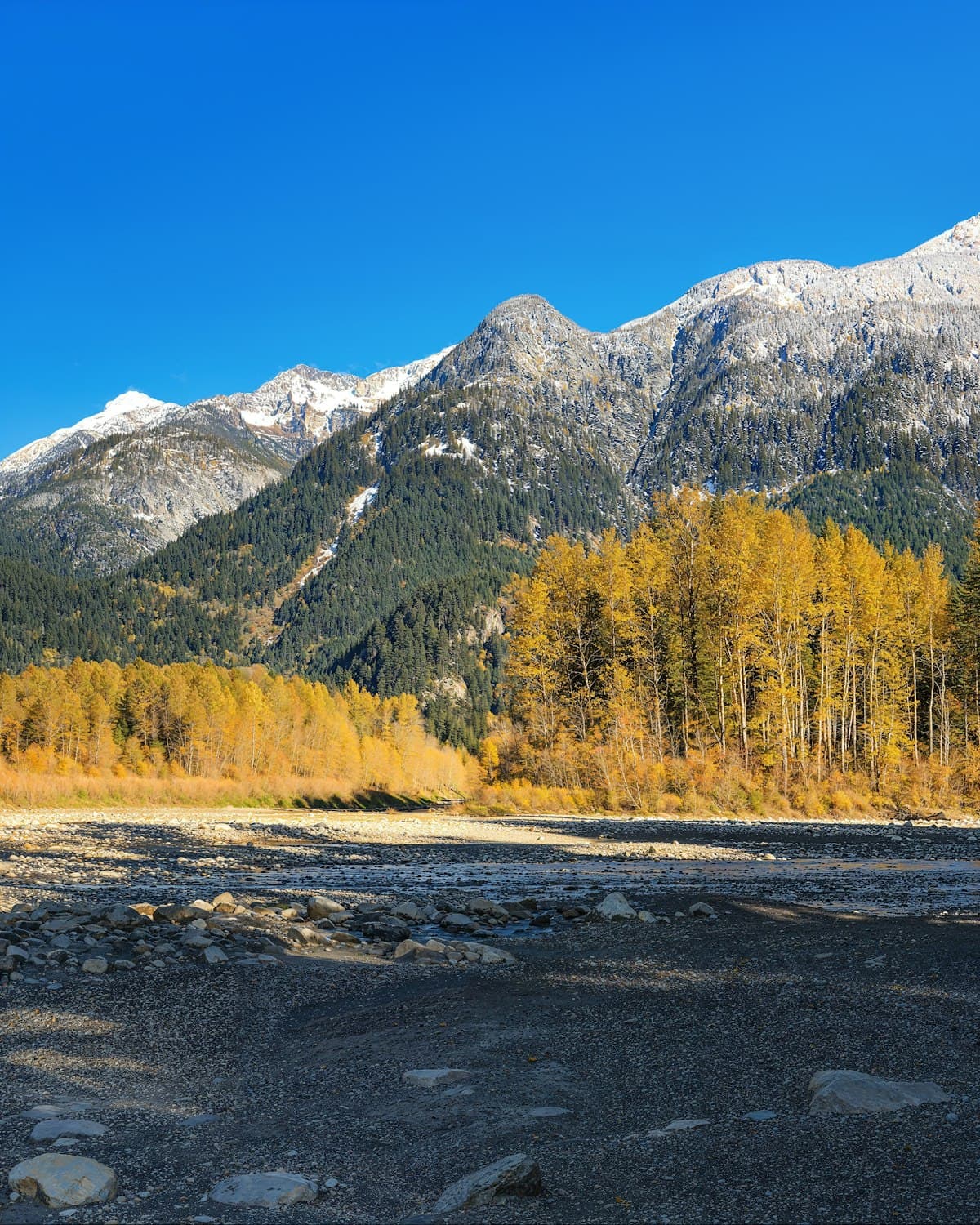
Fly Fishing the Skeena River: Spey Casting for Wild Steelhead in Northern British Columbia
Saturday, June 20, 2026
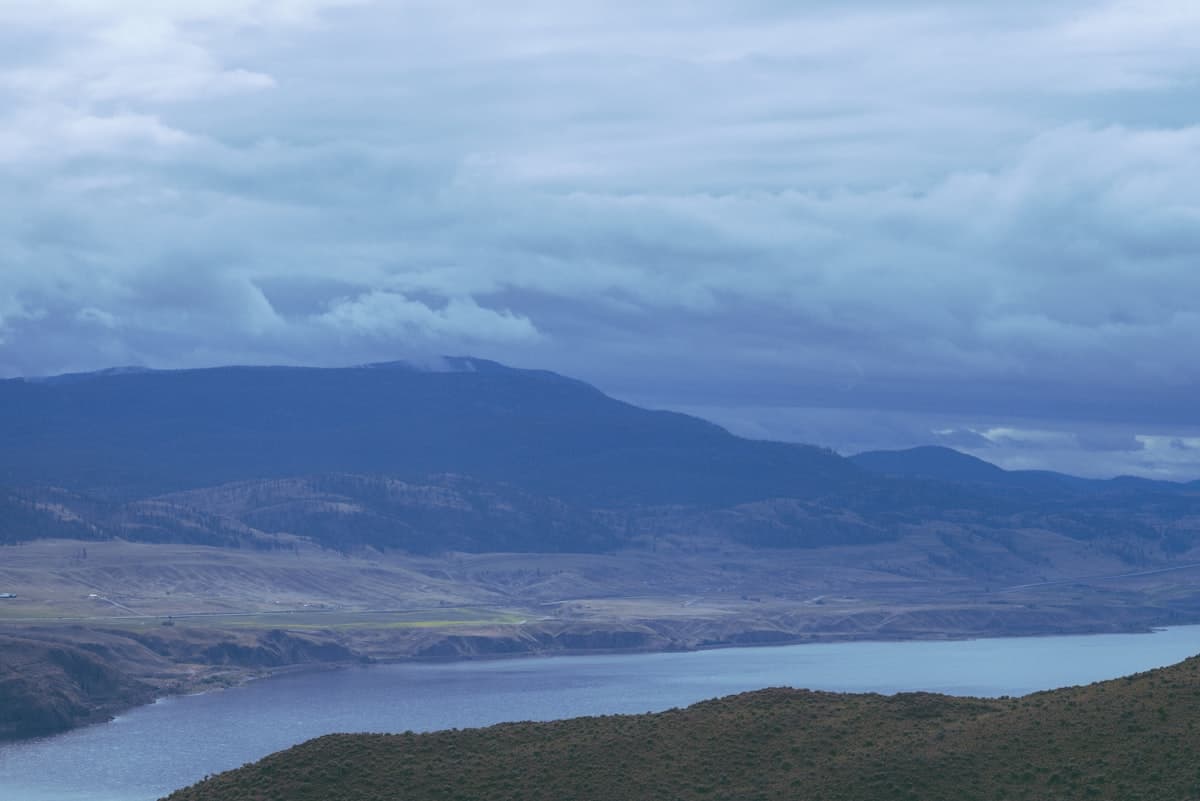
Fly Fishing Kamloops, BC: Chironomids, Leeches, and the Stillwater Techniques That Catch Trophy Rainbow Trout
Tuesday, June 16, 2026
How to Fish Haida Gwaii, British Columbia: Chinook Salmon, Halibut, and Coho at the Edge of the Continental Shelf
Monday, June 15, 2026
 ™
™