
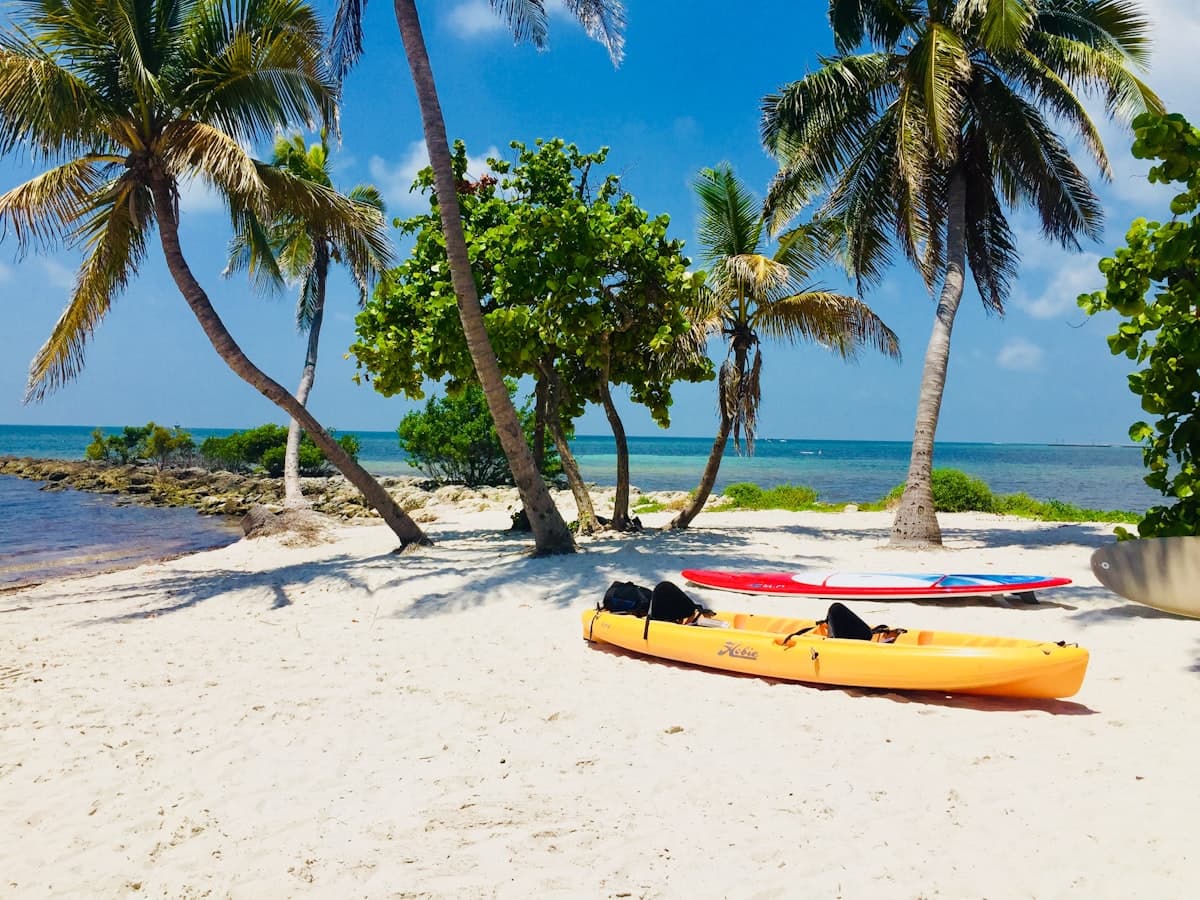
Fly Fishing the Florida Keys: Tarpon, Permit, Bonefish, and the Flats That Invented Saltwater Fly Fishing
The Florida Keys invented saltwater fly fishing in the 1930s. The flats still hold tarpon, permit, and bonefish — the three species that make up the Grand Slam — in water so clear you can see a permit's eye at 60 feet. Here's how to fish it on fly.
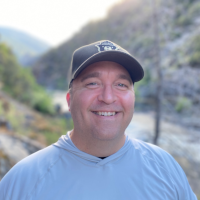
Everything you know about saltwater fly fishing started in the Florida Keys. Before Islamorada guides began poling skiffs across the turtle grass flats in the 1930s, "fly fishing" meant trout streams and salmon rivers. Nobody had thought to sight-cast a fly to a bonefish tailing on a flat, or to present a crab pattern to a permit cruising a white sand edge, or to throw a streamer at a 100-pound tarpon rolling in a channel. Those ideas were born here, refined here, and the Keys remain the proving ground where saltwater fly fishing reaches its highest expression.
The Grand Slam — catching a tarpon, a permit, and a bonefish in a single day — was conceived on these flats, and it remains one of the rarest achievements in all of fly fishing. The tarpon is raw power. The bonefish is speed. The permit is the most difficult fish to catch on fly in shallow water. Putting all three together in one day requires skill, timing, a guide who reads the tide and the light, and a measure of luck that no amount of preparation can guarantee.
Legends were made here. Stu Apte, Lefty Kreh, Steve Huff, Del Brown — the names that shaped modern saltwater fly fishing all sharpened their craft on Keys flats. Del Brown caught over 500 permit on fly from these waters, a record so absurd it may never be approached. The techniques they developed — the strip-strike, the crab presentation, the art of poling a skiff within casting range of a fish that can see your shadow from 80 feet — are the foundation of every saltwater fly-fishing guide from Belize to Christmas Island.
The Three Species — Different Fish, Different Everything
Bonefish — The Gateway
Bonefish are the entry point to saltwater flats fishing. They cruise the turtle grass and sand flats in pods, tailing as they root for shrimp and crabs on the bottom. When conditions are right — calm wind, good light, incoming tide — you can see them at 100 yards: nervous grey shapes pushing wakes across the flat.
The technique is sight-fishing at its purest. Your guide poles the skiff across the flat, standing on the platform, scanning with polarized glasses. "Bonefish, 11 o'clock, 70 feet, moving left." You strip line off the deck, false-cast once, and put the fly three feet ahead of the lead fish. The fly sinks. The bone tips down. The line tightens. And then the fish runs — 100 yards of backing screaming off the reel in a blistering first run that no freshwater trout can match.
Rod: 8-weight, 9-foot, fast action. The 8-weight handles the Keys' wind and throws bonefish-sized flies (#4-6) accurately at 60 feet.
Flies: Gotcha (#6, white/pearl), Crazy Charlie (#6, tan/pink), Merkin Crab (#4, tan), EP Shrimp (#4-6). Lightly weighted for skinny water, medium weight for 1-2 foot depths.
Season: Year-round, with fall (October-November) being prime — the fish feed aggressively and stay on the flats all day.
Permit — The Obsession
Permit are the fish that breaks fly anglers. They're spooky, selective, and unpredictable. They cruise the flats eating crabs and shrimp, but they examine every offering with a skepticism that makes the most educated Henry's Fork trout look gullible. A permit will follow your fly, inspect it, turn on it, and refuse it — then eat a natural crab two feet away. And the angler who just got refused will spend the next five years trying to figure out what went wrong.
The presentation is everything. The fly — almost always a crab pattern — must land softly, ahead of the fish, and sink to the bottom before the permit reaches it. Too close and the fish spooks. Too far and it never sees the fly. Too loud on the landing and the fish bolts. The window is measured in inches and milliseconds.
Del Brown's Merkin — a rug-yarn crab pattern designed to sink hook-point-up to the bottom — revolutionized permit fishing when Brown introduced it in the 1980s. Modern variants like the Strong Arm Merkin and Bauer Crab have refined the design, but the principle remains: a crab that sinks fast, lands soft, and sits on the bottom looking alive.
Rod: 9- or 10-weight, 9-foot, fast action. The heavier rod handles the larger flies and the longer casts that permit demand — these fish rarely let you get closer than 50 feet.
Flies: Strong Arm Merkin (#2-4, tan), Bauer Crab (#2-4), Avalon Shrimp (#4), EP Coyote Shrimp (#2-4). Weighted to sink fast in 1-3 feet of water.
Season: Year-round, with spring (March-May) being the traditional peak. March is often the windiest month, which paradoxically helps — the chop on the water allows closer approaches.
Tarpon — The Silver King
Tarpon are the reason most anglers come to the Keys for the first time. A 100-pound fish that eats a fly, jumps six feet in the air, and fights for an hour — tarpon on fly is the most dramatic experience in saltwater fishing.
The Keys' tarpon fishery peaks from April through June, when migratory fish stack in the channels, passes, and along the oceanside edges in numbers that have to be seen to be believed. On a good day at the right bridge or channel, you can see hundreds of tarpon rolling on the surface — dark backs and silver flanks catching the light.
Tarpon fishing on fly is a different game from bones and permit. You're not sight-casting to individual fish on a flat — you're casting into pods of moving fish in deeper water (3-8 feet), often with current. The fly — a streamer pattern, not a crab — is presented ahead of the school and stripped with short, sharp pulls. The eat is a thump — a heavy pull as the tarpon engulfs the fly. Then you strip-strike (pull the line with your stripping hand, don't raise the rod) to drive the hook into the tarpon's bony mouth. And then the fish jumps.
The first jump of a hooked tarpon — a 100-pound fish launching completely clear of the water, gill plates flared, shaking its head — is the image that sells every Keys fishing trip.
Rod: 11- or 12-weight, 9-foot, fast action. Tarpon rods are heavy — the fish are heavy, the flies are big, and the fights are long. A strong, smooth drag reel with 200+ yards of backing is essential.
Flies: Tarpon Toad (#1/0-2/0, chartreuse/black), Black Death (#1/0-2/0), Cockroach (#1/0-2/0), EP Baitfish (#2/0). Large, heavily dressed streamer patterns that push water and create a profile in the tarpon's field of vision.
Season: April through June is peak migration. Baby tarpon (20-60 pounds) are available year-round in the backcountry channels and basins.
The Grand Slam — All Three in One Day
The Grand Slam requires catching a bonefish, permit, and tarpon in the same day without returning to the dock. It's one of the rarest achievements in fly fishing — most Keys guides go years between Slam days.
The strategy: start with bonefish at dawn (they're the most cooperative), move to permit mid-morning (when the tide and light are right on the permit flats), and finish with tarpon in the afternoon (when the pods are moving through the channels). The guide orchestrates the day around the tides, the wind, and the fish's position, and even with perfect execution, the permit — the hardest of the three — can refuse every fly and end the Slam before it starts.
A Grand Slam on fly in the Keys is a career achievement. Some anglers fish the Keys for decades without one.
The Gear — Saltwater Specific
Saltwater fly fishing demands different equipment than trout fishing — the fish are bigger, the flies are bigger, the wind is constant, and the salt destroys anything that isn't built for it.
Rods: Carry three — an 8-weight for bonefish, a 10-weight for permit, and a 12-weight for tarpon. Each species demands its own rod weight. A Grand Slam attempt requires all three rigged and ready on the bow.
Reels: Large arbor with sealed drags and at least 200 yards of backing. A bonefish's first run takes 100 yards. A tarpon can take 200. Sealed drags resist the salt spray that destroys exposed cork drags. Clean your reels with fresh water after every day on the flats.
Lines: Tropical-rated floating fly lines — standard cold-water lines go limp in the Keys' heat. Weight-forward with aggressive front tapers for punching into the wind.
Leaders: 9-12 feet, 12-16 pound fluorocarbon for bonefish and permit. 80-pound shock tippet for tarpon (their mouths are abrasive and will cut light tippet on the strip-strike).
The wind: The Florida Keys are windy. Not "a little breeze" windy — 15-25 mph trade winds that blow every day from November through May. Casting accurately at 60 feet into a 20-mph wind is the baseline skill for Keys flats fishing. If you can't do it, practice before you go. Your guide can't fish the flies for you.
The Culture — Islamorada, Key West, and the Heritage
The Keys' fly-fishing culture stretches from Islamorada to Key West, with each section holding its own character:
Islamorada is the capital — "Sportfishing Capital of the World" — where saltwater fly fishing was born and where the densest concentration of flats guides in the world operates. The Upper Keys have been home to professional flats guides since the 1940s, and the local knowledge base is unmatched anywhere in the world.
Key West and the Lower Keys offer broader flats, less pressure, and the backcountry water stretching toward the Marquesas — remote flats that hold permit, bonefish, and tarpon with fewer boats. The Key West guide fleet ranges from flats specialists to reef and offshore captains.
The flats guide is a unique figure in fly fishing. On a trout stream, you wade alongside your guide. On a Keys flat, the guide does everything — poles the skiff, spots the fish, calls the shot, coaches the cast, manages the fight — while you stand on the bow and execute. The relationship is a partnership, and the guide's skill (reading the tide, the light, the fish's body language) is the difference between a fishless day and a Slam attempt.
Flats skiffs — low-profile, shallow-draft boats designed to pole silently across 8 inches of water — are the essential tool. A Keys flats skiff draws 6-8 inches and can be poled by the guide standing on the platform in the stern while the angler stands on the casting platform in the bow. The skiff is the defining technology of flats fishing — without it, the sport doesn't exist.
When to Go
- March–May: Permit peak, tarpon arriving, bonefish consistent — the Grand Slam window
- May–June: Peak tarpon migration — the most tarpon, the biggest fish, the main event
- July–September: Summer — hot, humid, afternoon thunderstorms, but good bonefish and baby tarpon
- October–November: Fall bonefish peak — the most aggressive feeding, the best bonefishing of the year
- December–February: Winter permit, baby tarpon in the backcountry, the quietest season
Top Fishing Guides Nearby
Keys guides pole the flats for the grand slam — sight-casting to tailing permit with crab patterns, laying a fly in front of rolling tarpon on the oceanside bridges, and stalking bonefish on white sand where a 60-foot cast with a 9-weight is the baseline, not the exception.
Blue Chip Too
Islamorada, FL, US
4.6 (11 reviews)
Blue Chip Too Captain Skip Bradeen brings over five decades of offshore fishing expertise to Blue Chip Too, a premier sportfishing charter operation based in the Florida Keys. Specializing in reef, wreck, big game, and tournament fishing, Captain Skip has earned recognition as one of the world's finest fishing guides and remains committed to delivering exceptional experiences for anglers of all skill levels. The 50-foot Carolina Sport Fisherman is outfitted with advanced electronic fish-finding systems and air conditioning, combining comfort with cutting-edge technology to maximize success on the water. Whether targeting trophy species or exploring productive offshore wrecks and reefs, Blue Chip Too provides the expertise, equipment, and personalized attention that distinguish a truly premier fishing charter.

Makaira Fish Company
Islamorada, FL, US
4.9 (41 reviews)
Makaira Fish Company Makaira Fish Company operates a premier fishing charter service from the heart of the Florida Keys, where crystal-clear waters meet world-class angling opportunities. Led by Captain Bill Marceau and his experienced team, the company maintains a well-equipped fleet designed to deliver comfortable, productive days on the water for anglers of all skill levels. The operation specializes in customized fishing experiences, whether guests prefer focused half-day trips or immersive full-day adventures. With deep knowledge of local waters and expertise across multiple species, Makaira Fish Company is committed to creating tailored outings that match each angler's goals and interests, backed by a dedication to exceptional service and memorable experiences.

Miss O Sportfishing
Islamorada, FL, US
5.0 (28 reviews)
Miss O Sportfishing specializes in premier backcountry charters throughout the waters surrounding Islamorada, Florida. Under the leadership of Captain Nolan Wilson, the operation explores Florida Bay, Everglades National Park, and the Gulf of Mexico aboard a 24' Xplor Delta boat—a versatile vessel perfectly suited to the shallow, pristine waters of the region. The charter targets a diverse array of species including tarpon, snook, redfish, and trout, welcoming both experienced anglers and those new to the sport. Miss O Sportfishing distinguishes itself through customized trip planning, ensuring each outing is tailored to guests' skill levels and preferences. Whether pursuing world-class saltwater game fish or exploring one of the world's most biodiverse fisheries, anglers can expect a professionally guided experience in truly exceptional waters.

Size Matters Charters
Islamorada, FL, US
5.0 (17 reviews)
Size Matters Charters Captain Regina Teixeira operates Size Matters Charters from Tavernier in the heart of the Florida Keys, offering comprehensive reef and offshore fishing experiences. The charter specializes in pursuing diverse species including mahi, tuna, wahoo, sailfish, snapper, grouper, trigger fish, porgies, and sharks—providing anglers with dynamic opportunities across multiple fishing techniques. Whether visitors are casting a line for the first time or bringing years of experience to the water, Size Matters Charters tailors each trip to match individual skill levels and interests. Captain Teixeira's dedication to creating exceptional fishing experiences ensures that every angler leaves with a memorable day on the Keys' productive waters.
R U Fishing Yet
Islamorada, FL, US
5.0 (44 reviews)
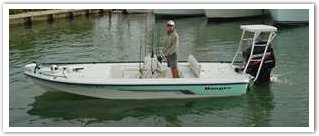
Ru Fishing Yet Captain Richard Burson brings over three decades of fishing expertise to the pristine waters of Key Largo and the Everglades. Specializing in backcountry and fly fishing, Ru Fishing Yet pursues a diverse range of species including Snook, Redfish, Sea Trout, Bonefish, Tarpon, and Permit—offering anglers genuine opportunities for both trophy catches and memorable encounters. Operating a Ranger 191 Flats boat, this charter welcomes anglers of all skill levels in a family-friendly environment. Whether you're an experienced fly angler or picking up a rod for the first time, Captain Burson's extensive knowledge and personalized approach ensure each trip showcases the natural beauty and abundant fishing of South Florida's most celebrated waters.
Bamboo Charters
Islamorada, FL, US
4.7 (110 reviews)
Bamboo Charters Bamboo Charters, led by Captain Matt Bellinger and his experienced team, specializes in fishing and snorkeling adventures throughout the stunning waters of Islamorada, Florida. Their fleet of well-maintained Contender Bay boats accommodates up to six passengers in comfort and safety, making them an excellent choice for family outings and small groups exploring the Florida Keys marine environment. The team targets exciting species including tarpon and shark while also offering sandbar tours and snorkeling excursions among the area's beautiful coral reefs. Whether seeking the thrill of sport fishing or a more leisurely exploration of local waters, guests experience the natural beauty and rich marine life of the Keys under the guidance of skilled, knowledgeable captains.
Frequently Asked Questions
What is a Grand Slam in the Florida Keys?
Catching a tarpon, permit, and bonefish in a single day without returning to the dock. It's one of the rarest achievements in fly fishing — most Keys guides go years between Slam days. The permit is typically the hardest of the three to catch, often ending the attempt.
What rod weights do I need for Keys fly fishing?
Three rods: 8-weight for bonefish, 10-weight for permit, 12-weight for tarpon. Each species demands its own rod weight. A Grand Slam attempt requires all three rigged and ready on the bow simultaneously.
When is tarpon season in the Keys?
Peak tarpon migration runs April through June, with May being the single best month. Migratory fish stack in channels and along the oceanside edges in enormous numbers. Baby tarpon (20-60 pounds) are available year-round in the backcountry.
What is a strip-strike?
In saltwater fly fishing, you set the hook by pulling the line sharply with your stripping hand — NOT by raising the rod like in trout fishing. Raising the rod pulls the fly away from the fish. The strip-strike drives the hook point into the fish's mouth while keeping the fly in the strike zone.
How important is wind casting in the Keys?
Essential. The Keys blow 15-25 mph trade winds most days from November through May. Casting accurately at 60 feet into a 20-mph wind is the baseline skill. If you can't do it, practice before your trip. Your guide cannot fish the flies for you.
Related Articles
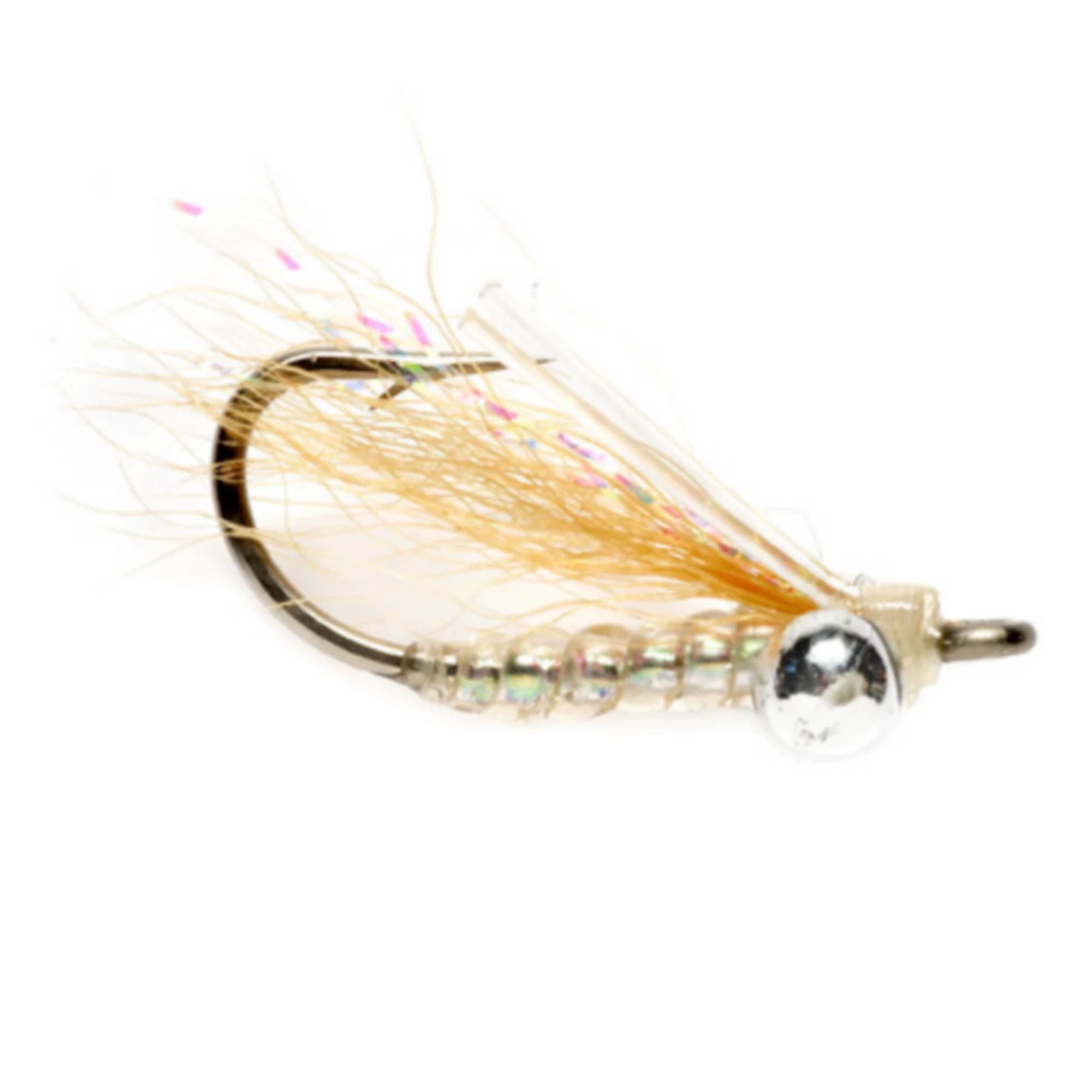
The Crazy Charlie: How to Tie the Fly That Invented Modern Bonefish Fishing and Still Outfishes Most of the Box
Monday, September 29, 2025
Fly Fishing the Henry's Fork: Railroad Ranch, Box Canyon, and the River That Tests Everything You Think You Know
Tuesday, May 12, 2026
Islamorada: The Sportfishing Capital of the World and What That Actually Means
Saturday, April 4, 2026
 ™
™