
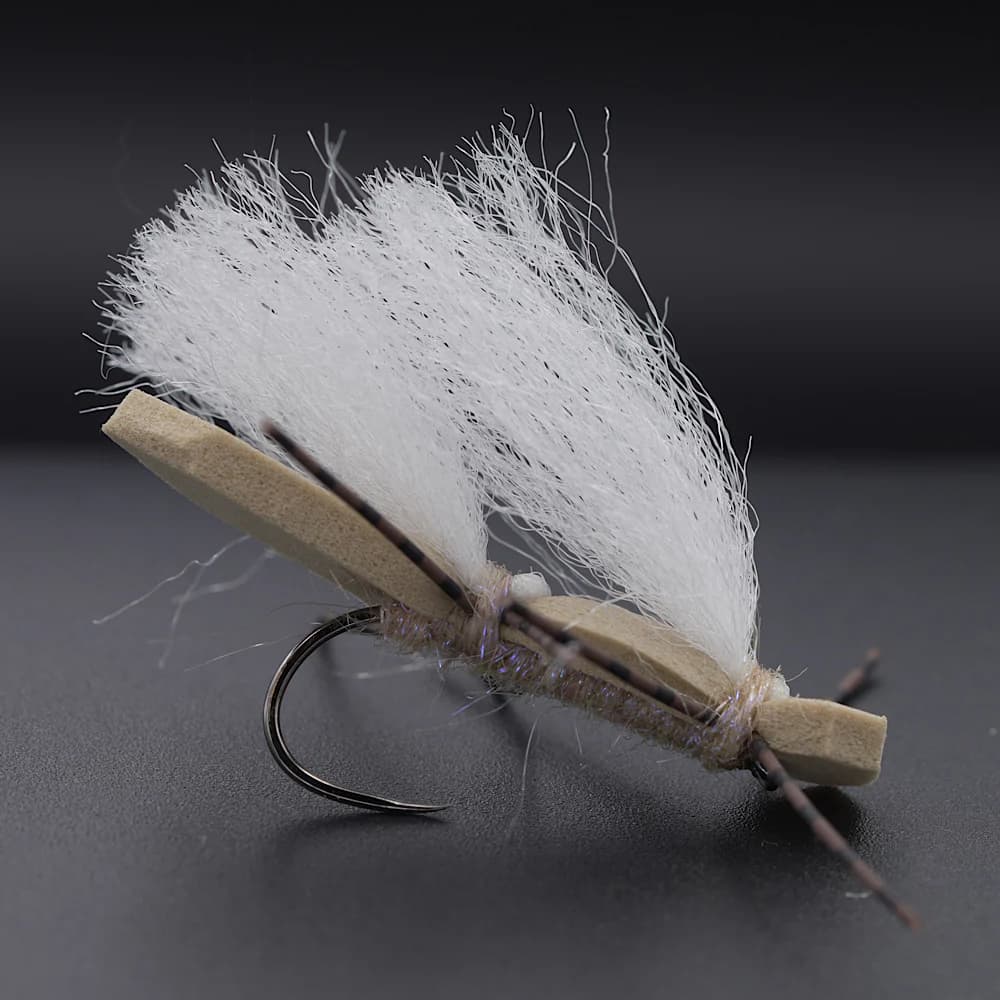
The Chubby Chernobyl: The Foam Fly That Does Two Jobs at Once — Catches Fish and Holds Your Dropper
The Chubby Chernobyl looks ridiculous — oversized foam body, rubber legs, white polypropylene wings. It floats like a cork, supports a heavy nymph dropper, and somehow catches more trout on Western rivers than flies that actually look like insects.

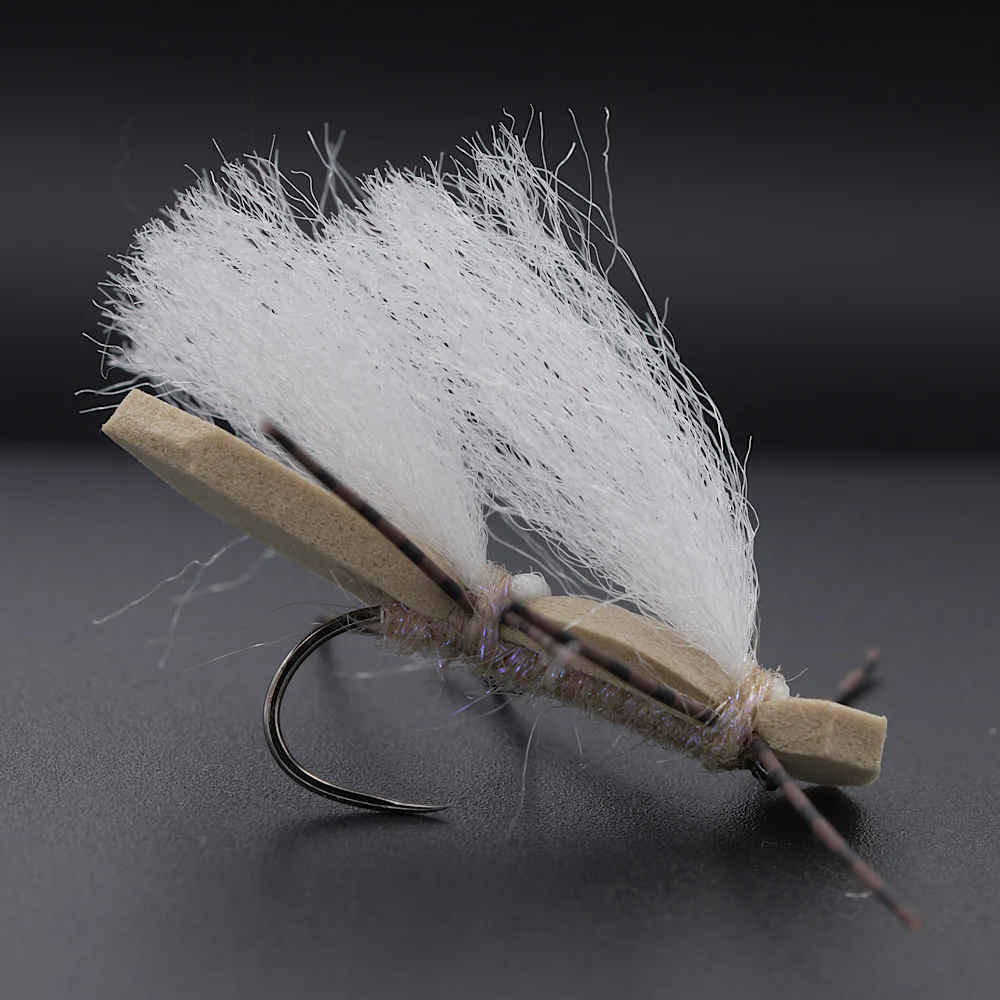 The Chubby Chernobyl — foam body, rubber legs, the ultimate dry-dropper anchor. Photo: Fly Fish Food.
The Chubby Chernobyl shouldn't work. It's too big, too bright, too gaudy, and it doesn't look like any insect that has ever existed in the natural world. The foam body is the size of a small cigar. The rubber legs splay out in every direction. The white polypropylene wings are visible from 50 feet away. It looks like something a child would design if you asked them to draw a fishing fly.
And it is, by some measures, the most popular dry fly in Western fly fishing right now.
The pattern evolved from the Chernobyl Ant — a foam attractor created by Green River guide Mark Forsland in the early 1990s. Forsland tied black foam to a big hook, wrapped an absurd amount of hackle around it, and handed it to a client on the Green River. That client caught 27 fish on it in a single float. The Chernobyl Ant entered the fly-fishing lexicon immediately.
In 2003, Chris Conaty redesigned the pattern with a dubbed body, flash tail, and dual white polypropylene wings — making it more visible, more buoyant, and more versatile. When they were brainstorming a name, someone blurted out "Chubby Chernobyl." It stuck. A Jackson Hole guide further refined the pattern, and by the mid-2000s it had become the guide fly on every Western river from the Yellowstone to the Deschutes.
Why It Works (Despite Looking Like Nothing)
The Chubby Chernobyl works for two reasons, and understanding both explains why guides love it:
Reason 1: It's an attractor. Trout are predators. They respond to stimuli that suggest food — size, movement, color, profile. The Chubby Chernobyl triggers a reaction strike the way a bass hits a buzzbait: not because it looks like a specific prey item, but because it's big, it moves, and the fish's predatory instinct fires before its analytical brain catches up. On a freestone river with fast water, a size 8 Chubby drifting through a riffle looks like a stonefly, a grasshopper, a cicada, or a mouse — depending on how charitable the trout is feeling. The trout doesn't need to decide what it is. It just needs to decide it's worth eating.
Reason 2: It's a suspension device. The Chubby Chernobyl's thick foam body creates enough buoyancy to support a heavy tungsten nymph dropper — a Pheasant Tail, a Zebra Midge, a stonefly nymph — suspended 18 to 24 inches below the surface. This dry-dropper rig (Chubby on top, nymph below) is the most effective general-purpose setup in Western fly fishing. The Chubby acts as both a strike indicator and a fishing fly simultaneously. If a trout eats the Chubby, great. If it eats the nymph, the Chubby disappears (goes underwater) and you set the hook. Two flies, two depths, one rig.
This dual role — fish catcher AND nymph suspension system — is why guides default to the Chubby Chernobyl on rivers from Montana to Oregon. It covers more water, presents more options, and catches more fish per hour than any single-fly approach.
The Recipe — Standard Chubby Chernobyl
| Component | Material |
|---|---|
| Hook | 2XL dry fly, #6-12 (TMC 5212, Umpqua U002) |
| Thread | 6/0 or 140-denier, color to match body |
| Tail | Krystal Flash, 4-6 strands |
| Underbody | Ice Dub or sparkle dubbing (color to match) |
| Overbody | 2mm fly foam, cut to width (~1/4" for #8), folded over in 2-3 segments |
| Wing | White polypropylene yarn (two posts, one at each foam segment) |
| Legs | Barred rubber legs (Sili Legs), 2-3 pairs |
The Variations — Color and Size
The Chubby Chernobyl comes in more color combinations than any other fly pattern. The original colors were red and gold, but the lineup has expanded to include every color a foam-cutting machine can produce:
Tan (#8-10) — The hopper imitator. Tan foam over tan dubbing suggests grasshoppers and general terrestrials. This is the color for August hopper fishing on the Yellowstone near Livingston, the Snake River in Jackson Hole, and every Western freestone during hopper season.
Gold/Yellow (#6-10) — The stonefly imitator. Golden stone hatches on rivers like the Henry's Fork Box Canyon and the Deschutes call for a gold Chubby that matches the natural's color. Also effective as a general bright attractor on overcast days.
Black (#6-10) — The dark attractor. Black foam reads as a cricket, beetle, or dark stonefly. Works well in low light, stained water, and on streams where the trout are used to seeing tan and gold Chubbies and need something different.
Pteronarcys (#4-8) — Named for the giant salmonfly (Pteronarcys californica). Dark brown/rust foam imitating the largest stonefly in Western rivers. Size 4-6 during the salmonfly hatch on rivers like the Madison near Bozeman and the Henry's Fork Box Canyon. This is the version that makes the water erupt.
Purple (#8-10) — The dark horse (again). Purple is an effective attractor color that doesn't match anything natural but triggers strikes. Fish it when tan and gold aren't producing.
Royal (#8-10) — Red body with peacock-green accent and white wings. The flashiest version — pure attractor, no pretense of imitating anything. Works surprisingly well on aggressive fish in fast water.
Where to Fish It
The Chubby Chernobyl is primarily a Western freestone fly — it shines on big, fast rivers with pocket water, riffles, and aggressive trout:
-
The Green River, Utah — The pattern's birthplace. The Chubby in gold or tan (#8-10) with a Zebra Midge dropper is the default dry-dropper rig on all three sections. During the cicada hatch, a tan Chubby doubles as a cicada imitation.
-
Henry's Fork, Idaho — Box Canyon only. A Pteronarcys Chubby (#4-6) during the salmonfly hatch in late May is devastating. NOT for the Railroad Ranch — the Ranch trout will look at a Chubby with the contempt it deserves.
-
Great Smoky Mountains, North Carolina — Tan or gold (#10-12) as the dry fly in a hopper-dropper rig through pocket water. The Smokies trout aren't as picky as Western spring creek fish, and the Chubby's visibility in the rhododendron-shaded creeks is an advantage.
-
The Driftless Area, Wisconsin — Smaller sizes (#10-12) on the wider Driftless streams like the Blue River. The Chubby works well as an indicator for a Pink Squirrel or Pheasant Tail dropper. Not appropriate for the tiniest headwater creeks — it's too big and lands too hard.
How to Tie It — Video Tutorials
The Chubby Chernobyl involves foam work — cutting, folding, and tying down foam segments — which is a different skill set from dubbing and hackle. It's not hard, but it's different.
For beginners: Beginner Friendly Chubby Chernobyl Tutorial — Step-by-step with materials list. Clear foam-folding instruction.
The classic tutorial: SRF Chubby Chernobyl Fly Tying Tutorial — Larry Larsen's version, widely referenced.
Is this the best dry fly ever? Fly Fish Food: Chubby Chernobyl — Makes the case that the Chubby is the most versatile dry fly in Western fishing. Excellent production quality and tying instruction.
Tips From the Vise
Cut foam strips before you start. Pre-cut foam strips to a consistent width (1/4" for size 8, 3/16" for size 10) before you sit down to tie. Cutting foam while it's tied to the hook is messy and inconsistent. A rotary cutter or sharp scissors and a cutting mat make clean strips.
Fold the foam, don't stretch it. When you tie down each foam segment, fold the foam forward over the dubbing — don't pull it tight. Stretched foam loses its buoyancy and creates a thinner profile than intended. The Chubby's whole point is thickness and floatation.
Pick out the wings. After tying in the polypropylene yarn, use a bodkin or dubbing needle to pick out and separate the fibers. Picked-out poly yarn creates a fuller, more visible wing that's easier to see on the water. Unpicked yarn lies flat and disappears.
Legs make the fly. Barred rubber legs are what give the Chubby its lifelike movement on the water. Tie them in at each foam segment, two per side, angled outward and backward. The legs should extend past the hook bend — they create the movement that draws strikes. Don't skip the legs to save time.
Use the right foam thickness. 2mm closed-cell foam is the standard. Thinner foam (1mm) doesn't float heavy nymph droppers. Thicker foam (3mm) is too bulky to tie neatly. Stick with 2mm in sheet form.
Build Your Box
Tie a half-dozen each of tan, gold, and black in sizes 8 and 10. Add a half-dozen Pteronarcys in size 6 for salmonfly season and a half-dozen purple in size 10 as the dark horse. Total: about 40 flies. Chubbies are durable — the foam body survives fish after fish — so you don't need as many as consumable patterns like Zebra Midges. One evening at the vise.
Frequently Asked Questions
Who created the Chubby Chernobyl?
The Chernobyl Ant was created by Green River guide Mark Forsland in the early 1990s. Chris Conaty redesigned it with dual white wings in 2003 and named it the Chubby Chernobyl. A Jackson Hole guide further refined the pattern into its current form.
What is a dry-dropper rig?
A Chubby Chernobyl on the surface with a weighted nymph (Pheasant Tail, Zebra Midge, etc.) tied 18-24 inches below on a tippet dropper. The Chubby acts as both a fishing fly and a strike indicator — if a trout eats the nymph, the Chubby goes underwater and you set the hook.
What color Chubby Chernobyl should I use?
Tan for hopper season and general use, gold/yellow for stonefly hatches, black for low light and stained water, and Pteronarcys (dark brown) for salmonfly hatches. Purple is the dark horse. Carry 3-4 colors in sizes 8-10.
Is the Chubby Chernobyl good for beginners?
It's an intermediate-level tie — foam work (cutting, folding, segmenting) is a different skill than dubbing and hackle. But the pattern is very forgiving — even a sloppy Chubby catches fish because the foam floats and the profile triggers strikes regardless of tying precision.
Can you use the Chubby Chernobyl on spring creeks?
On most spring creeks, no — the fish are too selective for a foam attractor. The Chubby is designed for freestone rivers with fast water and aggressive trout. On technical water like the Henry's Fork Ranch or Livingston's spring creeks, it will be ignored or actively spooked from.
Related Articles
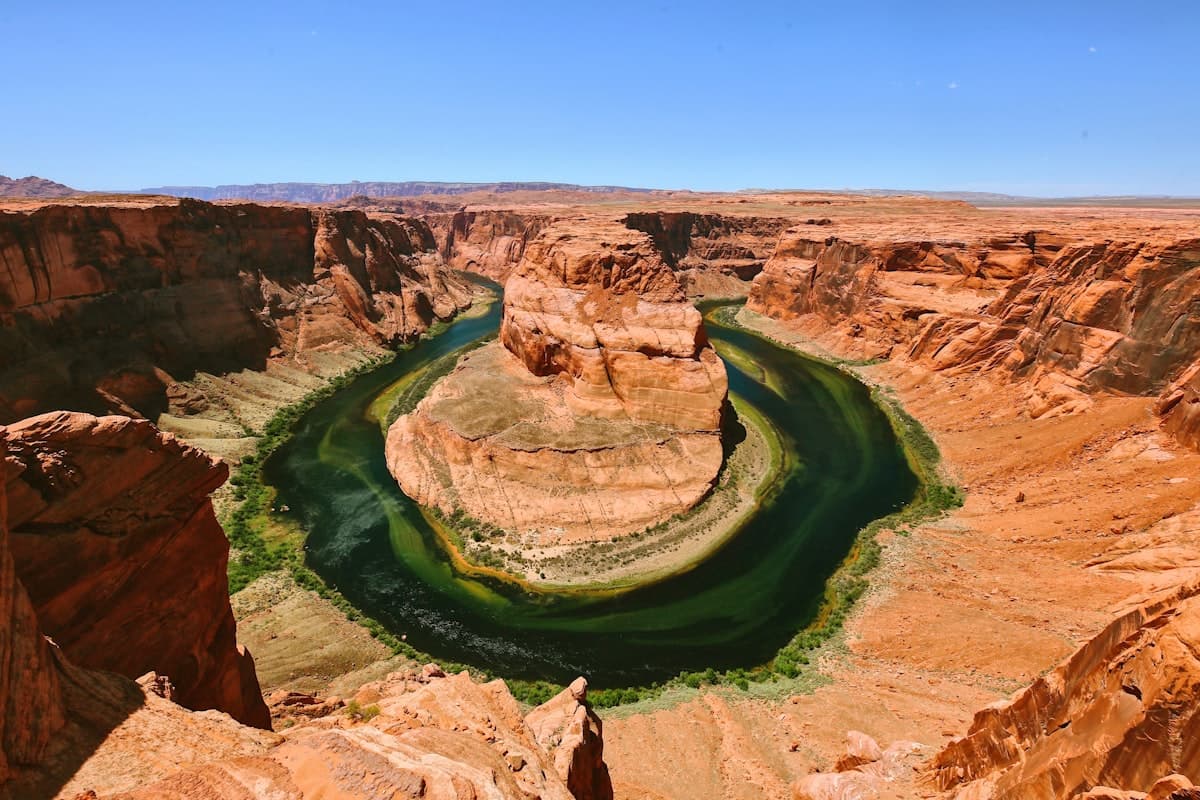
Fly Fishing the Green River: 14,000 Trout Per Mile in a Red-Rock Desert Canyon
Saturday, April 25, 2026

Jackson Hole Fishing: Floating the Snake River Through the Tetons
Wednesday, December 17, 2025
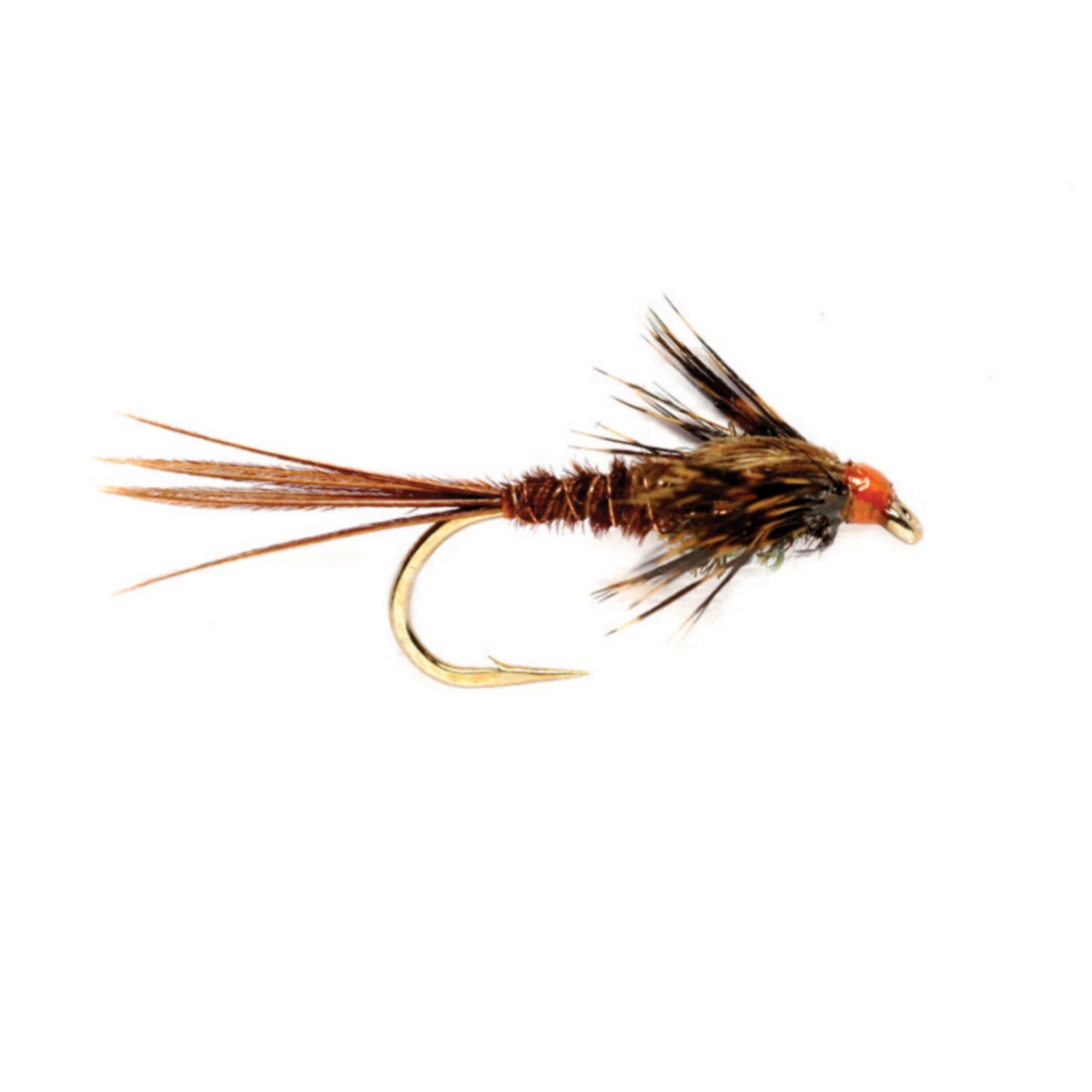
The Pheasant Tail Nymph: Two Materials, No Thread, and the Subsurface Fly That Changed Everything
Thursday, April 9, 2026
 ™
™