
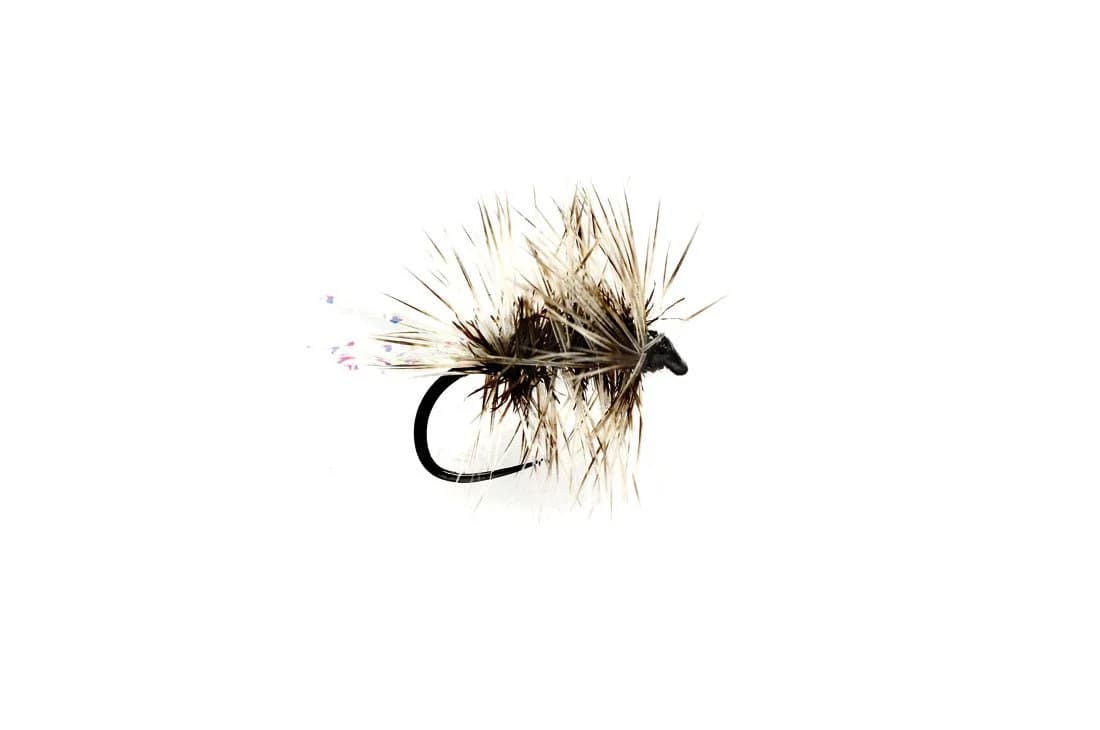
The Griffith's Gnat: Two Materials, a Trout Unlimited Founder, and the Dry Fly That Solves the Midge Problem
The Griffith's Gnat was the favorite fly of George Griffith, one of the founders of Trout Unlimited. It uses peacock herl and grizzly hackle to imitate a midge cluster on the surface — the dry-fly answer to the smallest insects on the water.

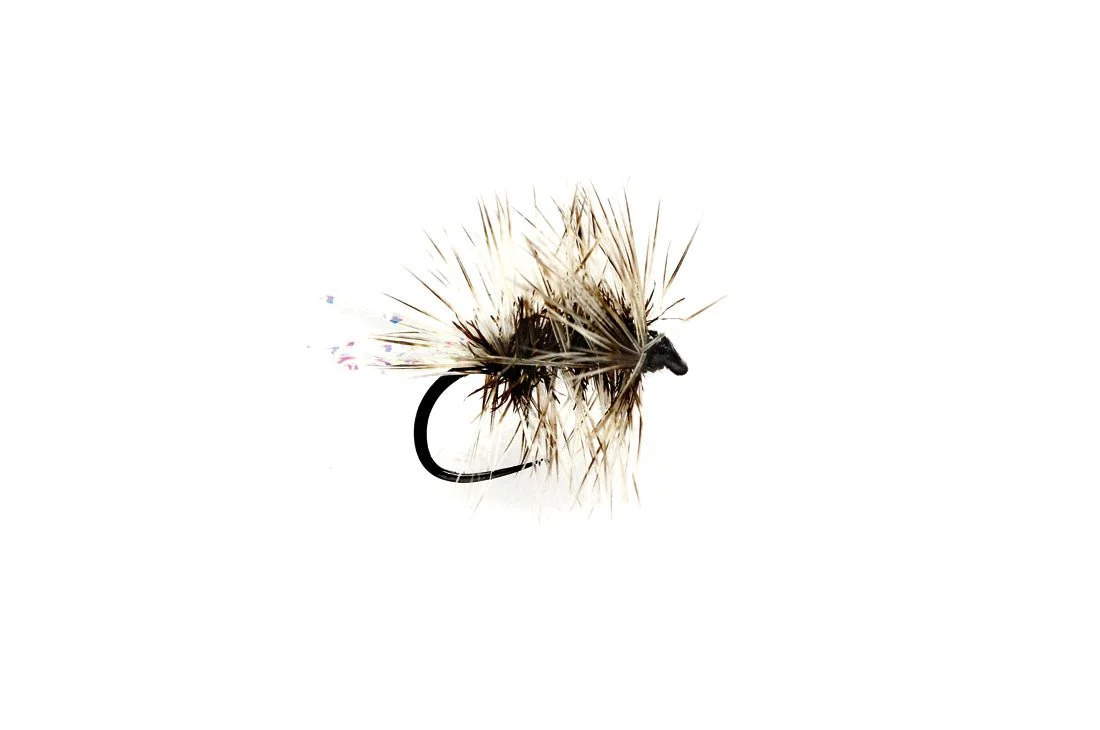 The Griffith's Gnat — peacock herl body, palmered grizzly hackle. Photo: Fly Fish Food.
There's a problem in fly fishing that every angler eventually faces: the trout are rising steadily, eating something tiny on the surface, and nothing in your box matches what they're eating. The rises are subtle — barely a dimple — and when you catch a natural off the water, it's a midge. A single midge, size 24 or smaller. You tie on a size 24 dry fly, and the fish ignore it. You go to 26, and the fish ignore that too. The naturals are too small to imitate individually, and the fish are eating too many of them to be targeted with a single-insect imitation.
The Griffith's Gnat solves this problem by imitating not one midge but a cluster of them — a raft of midges trapped in the surface film, either emerging together or mating on the water. When midges hatch in dense numbers (which they do on every tailwater and spring creek from November through March), they often cluster on the surface in groups of three to ten insects. Trout eat the clusters because they're a bigger target and a more efficient use of energy than chasing individual size 26 insects. The Griffith's Gnat, tied in sizes 16-22, matches these clusters — a single fly that represents multiple insects.
The pattern is attributed to George Griffith — one of the sixteen men who gathered on the banks of Michigan's Au Sable River on July 18, 1959, and founded Trout Unlimited. The exact origins are debated (some credit a friend who showed Griffith the pattern in 1939, others say Griffith co-developed it), but the fly was George Griffith's favorite pattern throughout his life, and it carries his name. That a Trout Unlimited founder's name is on one of the most important conservation-era fly patterns feels right — the Griffith's Gnat is a simple, elegant fly for a simple, elegant insect, and it's been catching trout since before most of us were born.
What It Imitates
The Griffith's Gnat specifically imitates:
- Midge clusters — groups of adult chironomid midges sitting on the surface film together. This is the primary imitation and the reason the fly exists.
- Individual adult midges — in very small sizes (#22-26), it functions as a single midge adult imitation, with the grizzly hackle suggesting legs and wings.
- Mating midges — paired midges on the surface during mating swarms.
- Emerging midges — the fly sits half in, half out of the surface film, which also suggests a midge stuck in its shuck during emergence.
The fly works because of peacock herl. The iridescent green-black shimmer of peacock herl underwater (and in the surface film) is one of the most effective fish-attracting materials in fly tying. Combined with grizzly hackle — which creates a mottled, translucent pattern of light and dark that mimics multiple insects — the two materials produce a fly that looks alive and edible despite being incredibly simple.
The Recipe — Standard Griffith's Gnat
| Component | Material |
|---|---|
| Hook | Standard dry fly, #16-24 (TMC 100, Dai-Riki 300) |
| Thread | 8/0 black (UTC 70 Denier) |
| Body | Peacock herl (one strand for small sizes, 2-3 twisted for larger) |
| Hackle | Grizzly, undersized, palmered over the body from bend to head |
That's it. Two active materials — peacock herl and grizzly hackle — plus thread. The simplicity is the point. Like Frank Sawyer's Pheasant Tail Nymph and Ted Welling's Zebra Midge, the Griffith's Gnat proves that the most effective fly patterns are often the simplest. No dubbing, no wing, no tail. Just herl and hackle.
The Variations
Standard Griffith's Gnat (#18-22) — The original. Peacock herl body, grizzly hackle palmered forward. This is the midge-cluster pattern you fish when trout are rising to "nothing" on Livingston's spring creeks in February, on the Green River Section A in January, or on any tailwater or spring creek during winter midge activity.
Black Griffith's Gnat (#18-24) — Black dubbing body instead of peacock herl, with grizzly hackle. Darker and more visible in the film. Some anglers prefer this in the smallest sizes (#22-24) because the black body is easier to see than peacock herl against the water surface. The second most important variation after the standard.
Olive Griffith's Gnat (#18-22) — Olive dubbing body. Matches olive-colored midge species and blends with BWO hatches when midges and mayflies are both on the water simultaneously.
Cream Griffith's Gnat (#18-22) — Cream dubbing body for imitating pale-colored midge clusters. Effective on spring creeks with lighter-colored midge species.
Biot Body Griffith's Gnat (#18-24) — A goose or turkey biot wound as the body instead of peacock herl. The biot creates a smooth, segmented body that's more precise than the fuzzy herl version. Better for selective fish on technical water like the Henry's Fork Ranch.
Parachute Griffith's Gnat (#18-22) — Standard materials but with a small white poly-yarn post and the hackle wrapped parachute-style around the post. Easier to see on the water than the standard version, and the parachute hackle sits the fly deeper in the film for a more realistic profile. Combines the visibility of a Parachute Adams with the midge-matching profile of the Griffith's Gnat.
Where to Fish It
The Griffith's Gnat is essential anywhere midges hatch — which is everywhere trout live, in every month:
-
Livingston, Montana — The winter staple on DePuy's and Armstrong's spring creeks. When the 52°F water supports midge activity in January and February and the trout are rising to midge clusters in the film, the Griffith's Gnat in #18-22 is the first fly out of the box. Fish it dead-drift in the feeding lanes.
-
The Green River, Utah — January through March on Section A. The Green River's winter midge fishing is built on Zebra Midges subsurface and Griffith's Gnats on top. When trout are rising to midge clusters on the surface, the Griffith's Gnat is the dry-fly answer.
-
Henry's Fork, Idaho — Early season (April-May) before the PMD hatch begins. Midges are the first insects of the year on the Ranch, and the Griffith's Gnat in #20-22 covers the surface activity. Also effective during fall midge activity in September-October.
-
The Driftless Area, Wisconsin — January and February catch-and-release season. The spring creeks don't freeze, the midges hatch, and the Griffith's Gnat is one of the only dry flies that works during the Wisconsin winter. Pair it with a Zebra Midge dropper for the two-fly winter rig.
How to Tie It — Video Tutorials
The Griffith's Gnat is one of the simplest dry flies to tie — just peacock herl and palmered grizzly hackle. It's an excellent second or third pattern for beginners (after the Zebra Midge and Woolly Bugger).
For beginners: Beginner Friendly Griffith's Gnat Tutorial — Step-by-step with materials list. Simple enough for your first session at the vise.
Charlie Craven's version: Griffith's Gnat Fly Tying Instructions — Charlie Craven is one of the best tying instructors in the country, and his Griffith's Gnat tutorial is clean and precise.
Tim Flagler's version: Orvis: Tying the Griffith's Gnat — Flagler's detailed narration and close-up camera work make this the best technical tutorial.
Tips From the Vise
Peacock herl is fragile. On small flies (#20-24), a single strand of peacock herl is all you need for the body, but it will break easily. Reinforce it by twisting the herl around the tying thread before winding — the same technique used on the Pheasant Tail's peacock thorax. On larger sizes (#16-18), use 2-3 strands twisted together.
Undersized hackle is critical. The grizzly hackle should be undersized — barbs about the same length as the hook gap, not 1.5-2x like a standard dry fly. Oversized hackle floats the fly too high above the surface film, and the Griffith's Gnat needs to sit IN the film to imitate a midge cluster, not on top of it.
Palmered hackle, not collar hackle. The hackle is palmered — wound in an open spiral from the bend to the head over the peacock herl body. This distributes the hackle fibers evenly along the fly's length, creating multiple contact points with the water. A collar-style hackle (wound only at the head) creates the wrong profile.
Don't overdress the body. One strand of peacock herl on a size 20 hook is enough. The body should be thin and sparse — the grizzly hackle provides the bulk. An overdressed peacock body makes the fly too heavy to float properly in small sizes.
Carry more than you think. Midge fishing eats Griffith's Gnats — the peacock herl bodies are fragile, the small hooks bend, and the fish's teeth shred the hackle. Carry two dozen in your size range and plan to replace flies frequently during a midge session.
Build Your Box
Tie two dozen in #20 and two dozen in #22 — the core midge-cluster sizes. Add a dozen in #18 for larger midge activity and a dozen in #24 for technical spring creek work. Black and standard (peacock herl) are the two essential colors. Total: about 72 flies — and you'll use them all. Midge fishing is high-consumption tying. Two evenings at the vise.
Frequently Asked Questions
Who was George Griffith?
George Griffith was one of the sixteen founders of Trout Unlimited, established on the Au Sable River in Michigan on July 18, 1959. The Griffith's Gnat was his favorite fly pattern. The exact origin is debated — some credit Griffith directly, others say the pattern was shown to him by a friend in 1939.
What does the Griffith's Gnat imitate?
Clusters of adult midges on the surface — groups of tiny insects sitting together in the film. When midges hatch in dense numbers (common on tailwaters and spring creeks in winter), they cluster on the surface, and trout eat the clusters because they're a bigger target than individual insects.
What size Griffith's Gnat should I use?
Sizes 20 and 22 are the core midge-cluster sizes. Use 18 for larger midge activity or as a visible searching pattern. Use 24 for technical spring creek midge fishing. The pattern works across the full range from #16 to #26.
Is the Griffith's Gnat hard to tie?
No — it's one of the simplest dry flies, using only peacock herl and grizzly hackle. The main challenge is tying it small (#20-24) with delicate materials. It's an excellent early pattern for beginning tiers after the Zebra Midge.
When should I fish a Griffith's Gnat?
Whenever trout are rising to midges on the surface — especially in winter (November through March) on tailwaters and spring creeks. It's the dry-fly complement to the Zebra Midge: fish the Zebra subsurface and the Griffith's Gnat on top during the same midge activity.
Related Articles
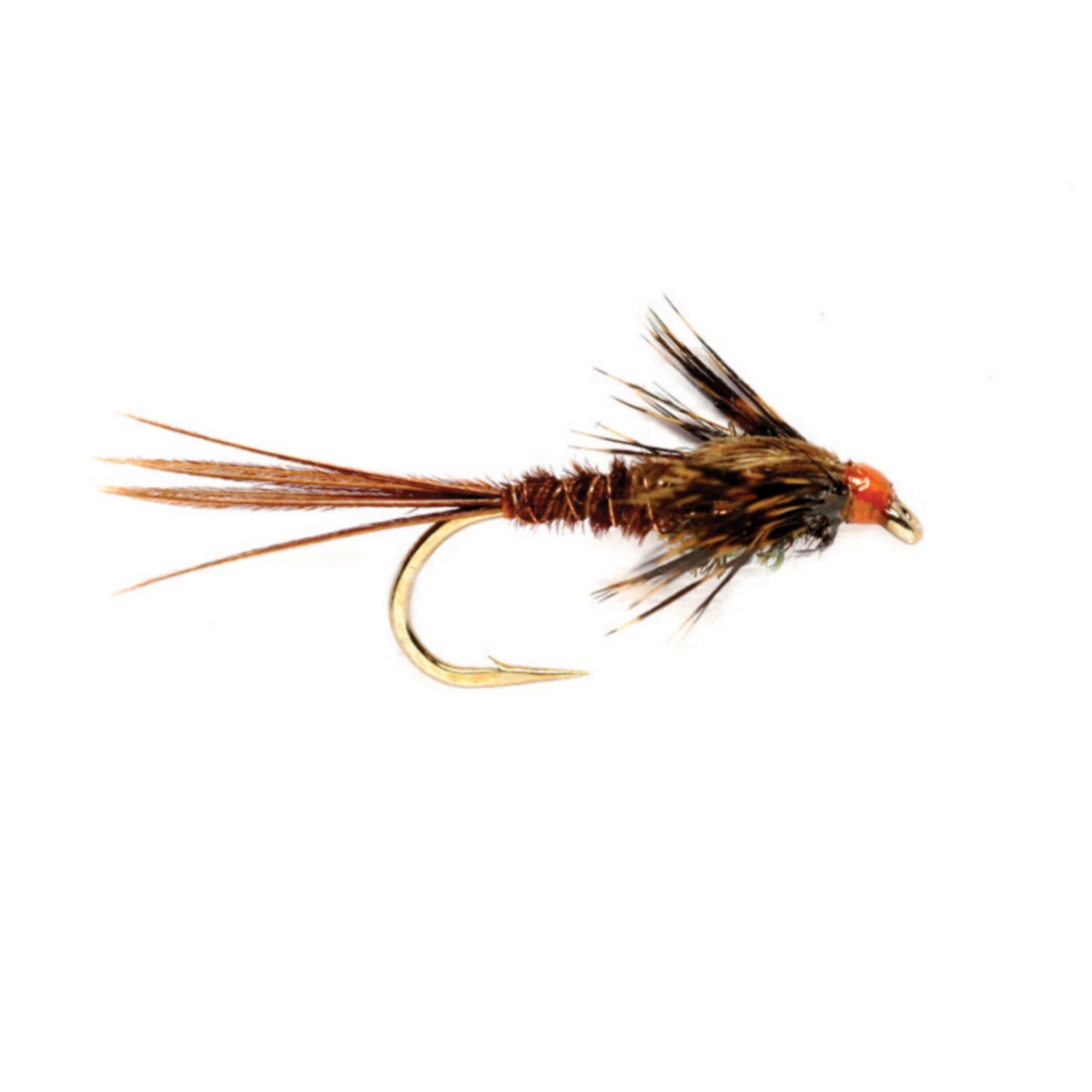
The Pheasant Tail Nymph: Two Materials, No Thread, and the Subsurface Fly That Changed Everything
Thursday, April 9, 2026
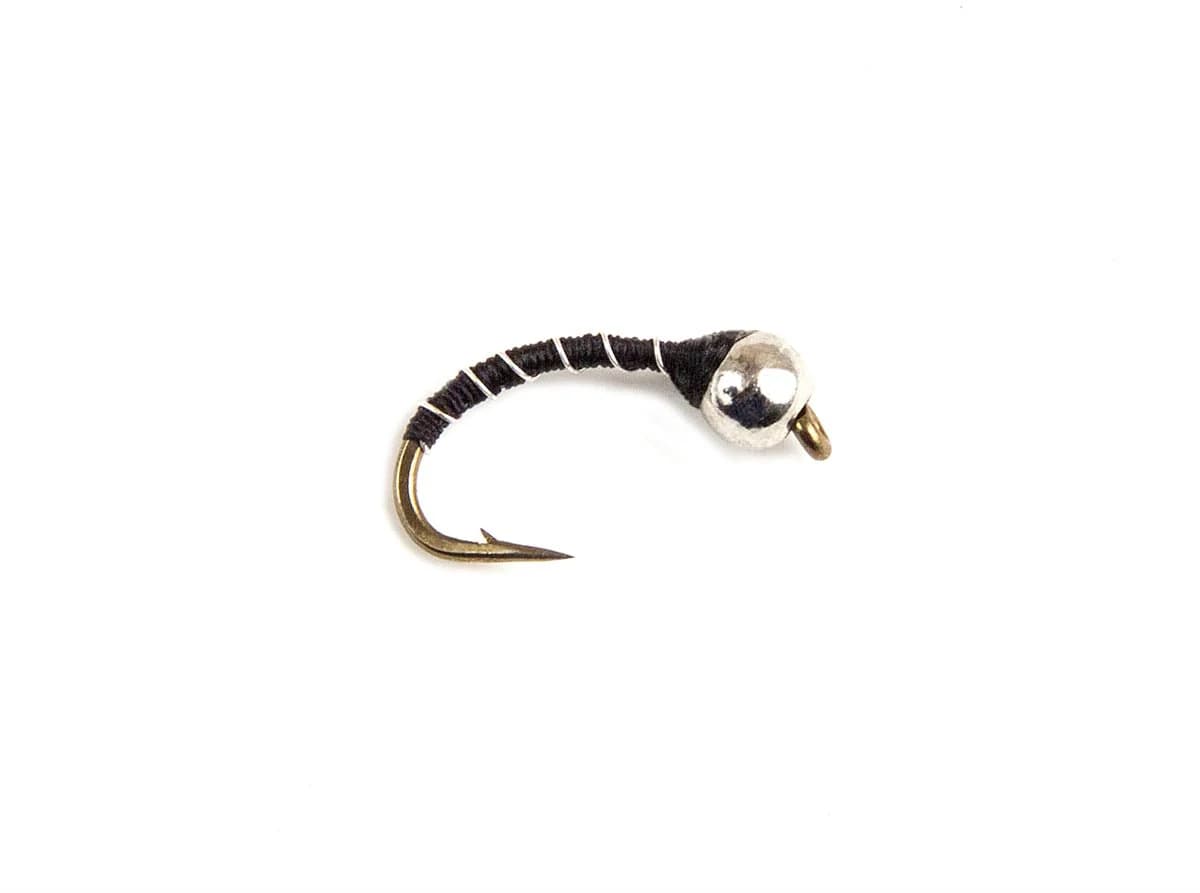
The Zebra Midge: Four Materials, Five Minutes, and the Fly That Saves the Slowest Days
Wednesday, April 1, 2026
Fly Fishing Livingston, Montana: Spring Creeks, the Yellowstone, and the Town That Takes Trout Seriously
Monday, May 18, 2026
 ™
™