
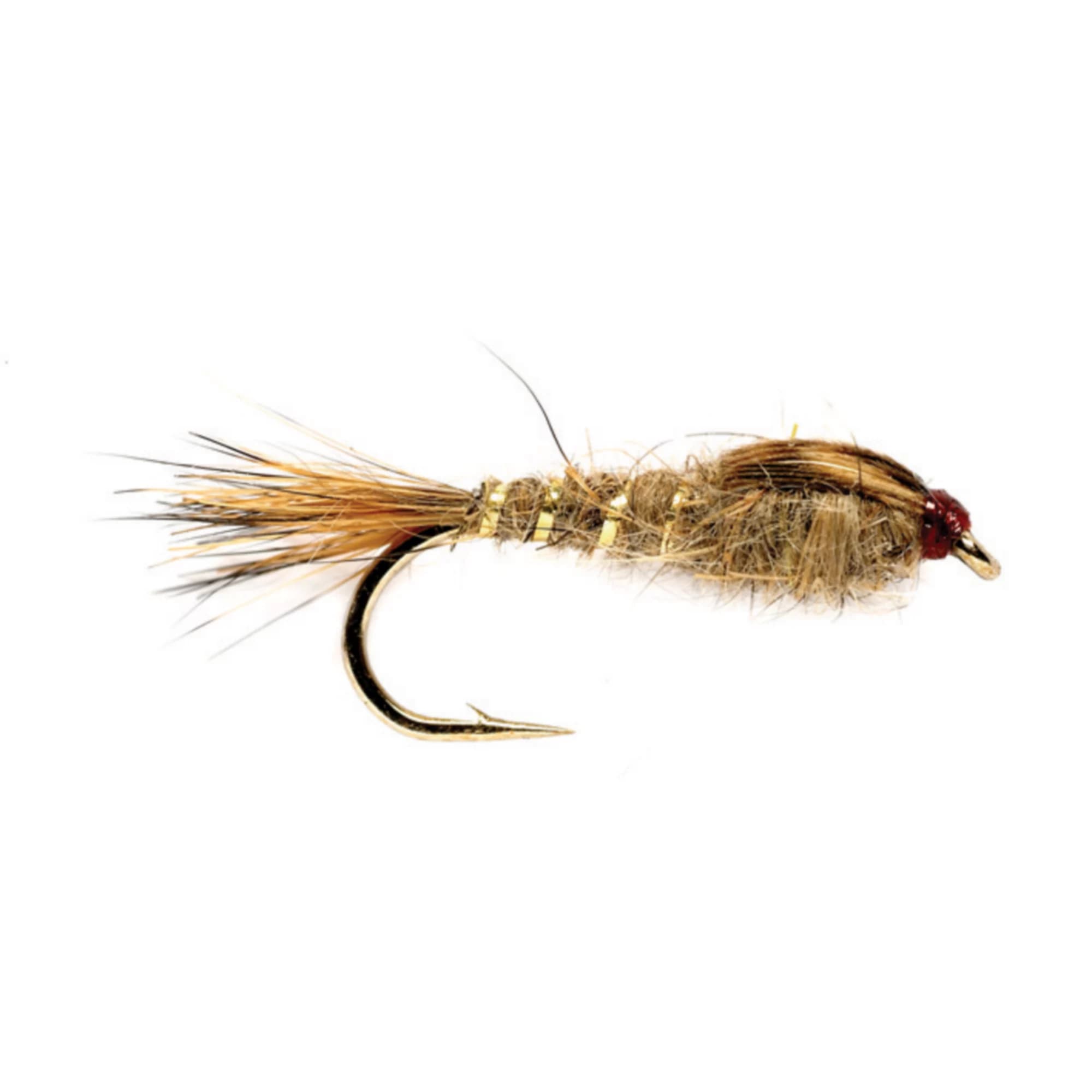
The Hare's Ear Nymph: Six Centuries Old, Still the Best Searching Nymph You Can Tie
The Hare's Ear has been catching trout since the 1400s — first as an English wet fly, then as the Gold-Ribbed Hare's Ear nymph that became the default subsurface searching pattern worldwide. The dubbing does the work. Here's the recipe.

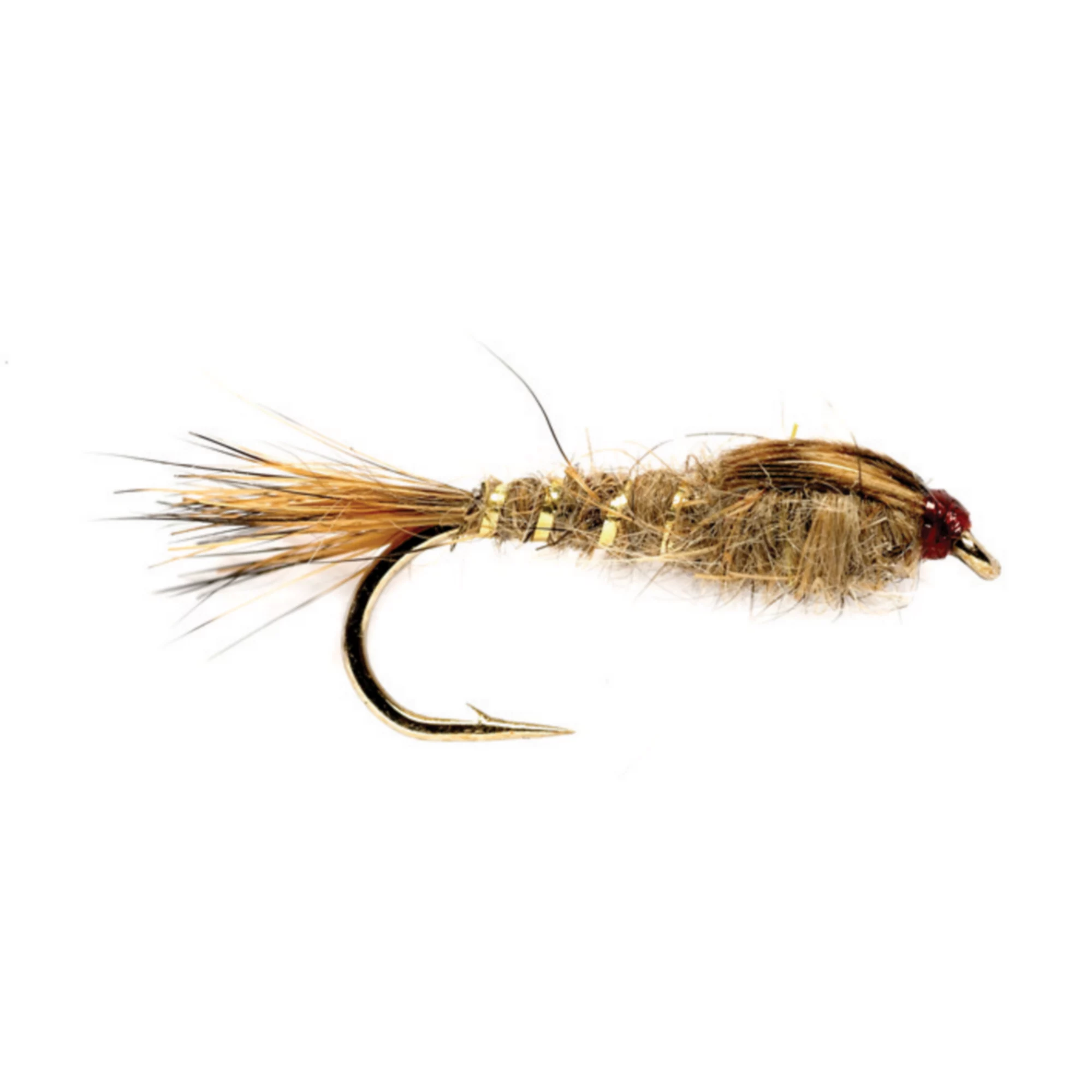 The Hare's Ear Nymph — dubbed hare's ear fur, gold wire rib, wingcase. Photo: Orvis.
The Hare's Ear is the oldest fly pattern still in active, daily use on trout streams. Versions of it appear in English fishing texts as far back as the 15th century — Dame Juliana Berners' A Treatyse of Fysshynge wyth an Angle (1496) describes flies tied with hare's ear fur. By the 1800s, Frederick Halford and James Ogden had refined it into the Gold-Ribbed Hare's Ear — a wet fly and later a nymph that has never gone out of production, never been improved upon in any fundamental way, and never stopped catching trout.
Six centuries is a long time for a fly pattern to remain relevant. The Pheasant Tail is 70 years old. The Elk Hair Caddis is 70 years old. The Woolly Bugger is 60. The Hare's Ear predates all of them by centuries, and it works for the same reason it worked when English chalk-stream anglers were tying it on silk gut: hare's ear fur, when dubbed on a hook and placed underwater, looks alive.
The fur from a hare's ear (specifically the mask — the area between and around the ears of a European hare or domestic rabbit) contains a mix of soft underfur and stiff guard hairs. When dubbed on a hook, the guard hairs stick out at random angles, creating a translucent, buggy profile that imitates the legs, gills, and appendages of a nymph without actually replicating any of them. The gold rib adds segmentation and a subtle flash. The result is a fly that looks like a mayfly nymph, a caddis larva, a scud, a stonefly — depending on the size and how you squint.
That ambiguity is the Hare's Ear's genius, and it's why the fly has survived six centuries of innovation. Every generation of fly tiers invents new patterns, but nobody has created a better general-purpose searching nymph than a handful of rabbit fur wound on a hook with a gold rib.
What It Imitates
The Hare's Ear is the subsurface equivalent of the Parachute Adams — a pattern that suggests everything without committing to anything. Trout eat it as:
- Mayfly nymphs — Ephemerella, Baetis, Heptagenia, and most other medium-sized mayfly nymphs
- Caddis larvae — both cased and uncased varieties
- Scuds — in the olive and natural variations
- Stonefly nymphs — in larger sizes (#8-12) with a darker dubbing blend
- General "something alive and brown on the bottom" — the category that catches the most fish
The Hare's Ear covers the same water as the Pheasant Tail but from a different angle — the PT is slim and precise, the Hare's Ear is fuzzy and impressionistic. On days when the Pheasant Tail is getting refused, the Hare's Ear often picks up the slack because its buggier profile triggers a different feeding response.
The Recipe — Gold-Ribbed Hare's Ear (GRHE)
| Component | Material |
|---|---|
| Hook | Standard nymph hook, #10-18 (TMC 3761, Dai-Riki 060) |
| Bead | Optional — gold tungsten, sized to hook |
| Thread | 8/0 tan or brown (UTC 70 Denier) |
| Tail | Hare's mask guard hairs (stiff fibers from the face area) |
| Rib | Fine gold wire or oval gold tinsel |
| Abdomen | Hare's ear dubbing — natural tan/brown (mix of underfur and guard hairs) |
| Wing case | Turkey tail feather section (or pheasant tail fibers, or pearl tinsel for flashback) |
| Thorax | Hare's ear dubbing — same as abdomen but picked out for a buggier profile |
| Legs | Guard hairs picked out from the thorax dubbing (no separate material needed) |
The Variations
Natural GRHE (#12-16) — The classic. Natural hare's ear dubbing (tan/brown), gold wire rib, turkey tail wing case. This is the 500-year-old version that still works everywhere. The default searching nymph on every river from the Driftless spring creeks to Smokies pocket water. If you're nymphing and you don't know what to tie on, tie on a #14 Hare's Ear.
Bead Head GRHE (#10-18) — The modern standard. A gold tungsten bead adds weight, flash, and a jigging action during the drift. The bead-head version is the most popular nymph in American fly shops after the bead-head Pheasant Tail. Fish it under an indicator, on a tight line, or as a dropper behind a Chubby Chernobyl.
Flashback GRHE (#12-16) — Pearl tinsel over the wing case instead of turkey tail. The flash imitates the gas bubble in a nymph's thorax as it prepares to emerge. Effective during heavy mayfly hatches when trout are keying on emerging nymphs. Works well on the Green River Section A and the Henry's Fork during PMD activity.
Olive Hare's Ear (#12-16) — Olive-dyed hare's ear dubbing. Matches olive-colored caddis larvae and olive mayfly nymphs (Baetis). The olive version is the choice for early spring BWO nymphing on tailwaters and spring creeks — a category the natural tan version doesn't cover as well.
Black Hare's Ear (#12-16) — Black-dyed dubbing for winter fishing. Dark nymphs outperform lighter patterns in cold, dark water, and the black Hare's Ear has long been a winter favorite on English chalk streams and American tailwaters.
Soft Hackle Hare's Ear (#12-16) — A partridge or hen hackle collar replaces the picked-out thorax. The soft hackle fibers wave in the current, imitating legs and creating a pulsing profile. Swung across current at the end of a drift — the classic soft-hackle presentation — the Hare's Ear becomes a wet fly that imitates an emerging insect swimming toward the surface. This variation ties the GRHE back to its English wet-fly origins.
Big Hare's Ear (#8-10) — Oversized for stonefly nymph imitation. Extra lead wraps under the body, a larger gold bead, and a chunkier dubbing profile. Fish it along the bottom in fast pocket water during pre-hatch stonefly activity.
Where to Fish It
The Hare's Ear works everywhere the Pheasant Tail works — which is everywhere — but excels in situations where a buggier, more impressionistic profile outperforms a slim, precise one:
-
The Driftless Area, Wisconsin — The Hare's Ear in #12-16 is the second nymph in the box (after the Pink Squirrel). Dead-drifted through spring creek pools and runs, it covers caddis larvae, scuds, and mayfly nymphs simultaneously. The two-fly rig of Pink Squirrel and Hare's Ear is the Driftless standard.
-
Great Smoky Mountains, North Carolina — #12-16 through pocket water on every park stream. The Hare's Ear is one of the essential Smokies nymphs — its buggy profile works well in the turbulent water where trout make fast feeding decisions.
-
Henry's Fork, Idaho — The flashback version in #14-16 during PMD activity on the Ranch. Also effective in Box Canyon in larger sizes (#10-12) as a general searching nymph.
-
The Green River, Utah — #14-16 on all three sections. The olive version during BWO nymphing, the natural during PMD activity, and the bead-head as a general-purpose dropper.
-
Livingston, Montana — The soft-hackle variation swung through the spring creeks during emergence periods. DePuy's and Armstrong's trout respond well to the wet-fly swing with a Hare's Ear — the same technique their English ancestors ate it on 200 years ago.
How to Tie It — Video Tutorials
For beginners: Beginner Friendly Hare's Ear Tutorial — Step-by-step with materials list. Clear instruction on dubbing technique and picking out the thorax.
The classic nymph pattern: Fly Fish Food: Gold Ribbed Hare's Ear — Excellent production quality. Shows the full build including the critical step of picking out guard hairs to create legs.
Orvis instruction: Gold-Ribbed Hare's Ear Nymph — Tim Flagler's version with detailed narration on proportions and dubbing control.
Tips From the Vise
The dubbing texture is the whole fly. Hare's ear dubbing should be rough, spiky, and loosely applied — not smooth and neat. The guard hairs sticking out at random angles ARE the legs, the gills, and the appendages. If your Hare's Ear looks tidy, it's wrong. The messier the dubbing, the more alive it looks underwater.
Pick out the thorax aggressively. After wrapping the thorax dubbing, use a dubbing needle, velcro, or a piece of hook-side Velcro to pull fibers out from the sides and bottom. This creates the "legs" without tying in any separate hackle material. The picked-out guard hairs should extend roughly to the hook point.
Use real hare's mask if you can. Pre-blended "Hare's Ear dubbing" from a package works, but fur cut directly from a hare's mask and blended on a coffee grinder (or chopped with scissors) has a wider range of fiber lengths and colors that creates a more natural effect. The mask area — between and around the ears — has the best mix of underfur and guard hair.
Don't overdo the wing case. A thin section of turkey tail (or pheasant tail fibers) folded over the thorax is all you need. The wing case should be subtle — a dark strip that covers the top of the thorax and contrasts with the dubbing below. An oversized wing case makes the fly look flat and unnatural.
Build the abdomen thinner than the thorax. The natural proportion of a mayfly nymph is a slim abdomen tapering to a wider thorax. The gold rib over the slim abdomen creates the segmented look. The thorax should be 1.5x the width of the abdomen — chunkier, buggier, with more guard hairs picked out.
Build Your Box
Tie a dozen each of natural and olive bead-head versions in #12, #14, and #16. Add a half-dozen flashback versions in #14-16, a half-dozen soft-hackle in #14, and a half-dozen big stonefly versions in #8-10. Total: about 90 flies. The Hare's Ear is a pattern you'll use in every nymphing session, so keep the box stocked. Three evenings at the vise.
Frequently Asked Questions
How old is the Hare's Ear fly pattern?
The Hare's Ear dates to at least the 15th century in England — flies tied with hare's ear fur appear in texts from the 1400s. The modern Gold-Ribbed Hare's Ear nymph was refined in the 1800s by Frederick Halford and James Ogden. It's the oldest fly pattern still in active daily use.
What's the difference between a Hare's Ear and a Pheasant Tail?
Both are general-purpose nymphs, but they approach the job differently. The Pheasant Tail is slim and precise — a segmented mayfly nymph imitation. The Hare's Ear is fuzzy and impressionistic — the guard hairs create a buggy profile that suggests legs and gills. When one gets refused, try the other.
What size Hare's Ear should I use?
Sizes 12-16 cover most nymphing situations. Use 10-12 for stonefly nymph imitation in fast water. Use 14-16 as the all-purpose searching size. Use 16-18 for smaller mayfly and caddis imitation on technical water.
Why does hare's ear dubbing work so well?
The fur from a hare's mask contains a mix of soft underfur and stiff guard hairs. When dubbed on a hook, the guard hairs stick out at random angles, creating a translucent, buggy profile that imitates the legs, gills, and appendages of a nymph without replicating any specific one.
Should my Hare's Ear look messy?
Yes — the messier the better. The whole point of hare's ear dubbing is the random guard hairs that create a lifelike profile. A neat, tidy Hare's Ear is missing the point. Pick out the thorax aggressively with a dubbing needle to pull guard hairs out as 'legs.'
Related Articles
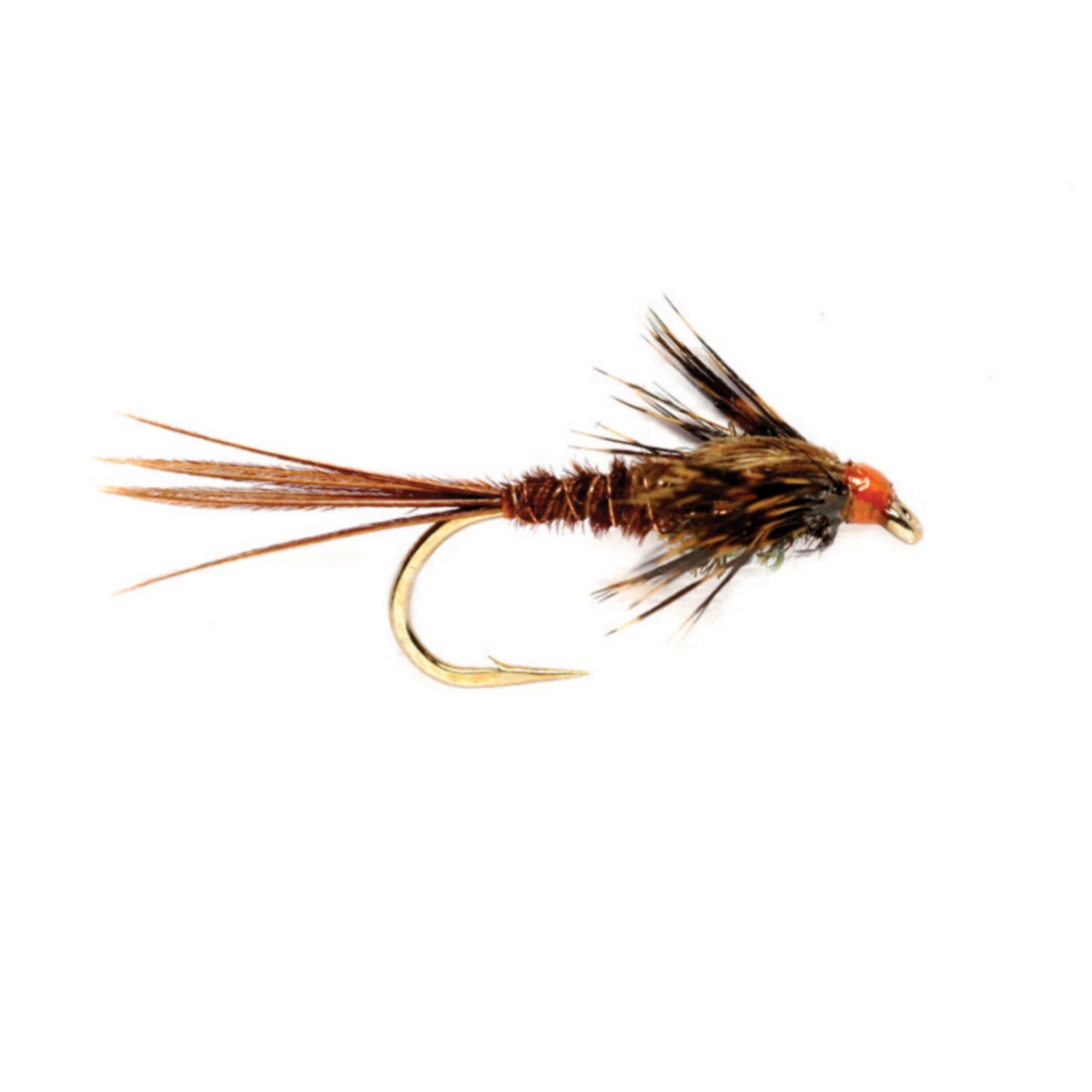
The Pheasant Tail Nymph: Two Materials, No Thread, and the Subsurface Fly That Changed Everything
Thursday, April 9, 2026
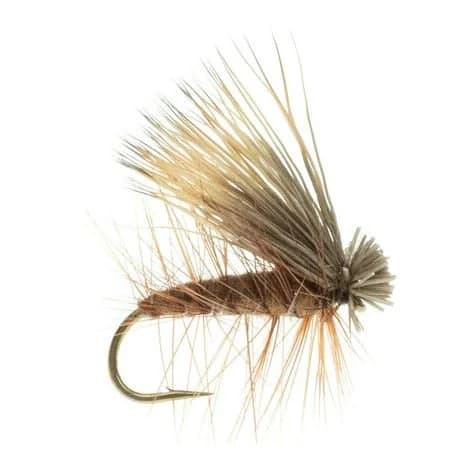
The Elk Hair Caddis: How to Tie the Fly That Works Everywhere, All Season, on Everything
Tuesday, April 21, 2026
The Woolly Bugger: How to Tie the Fly That Catches Everything That Swims
Friday, April 17, 2026
 ™
™