
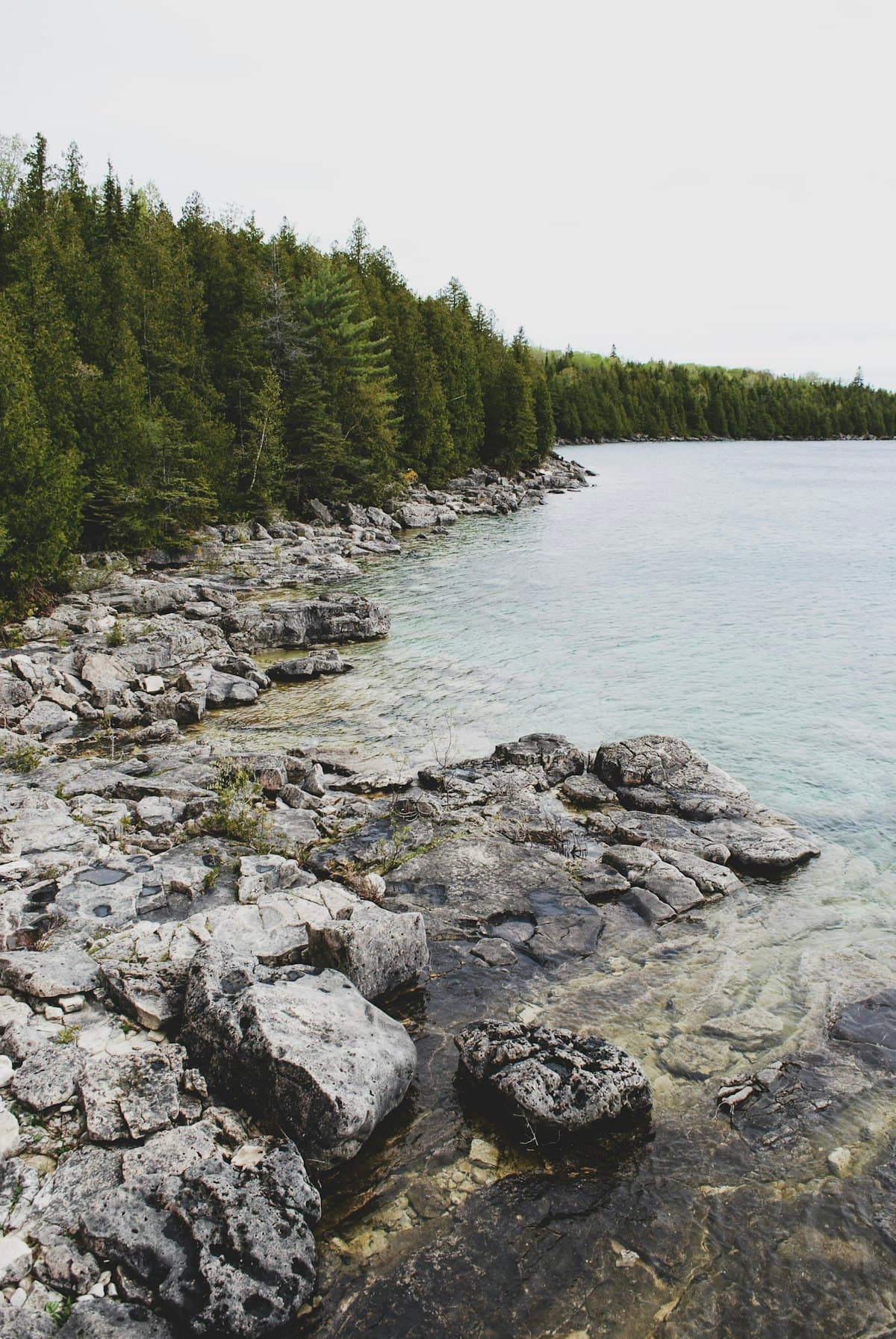
How to Fish Algonquin Park, Ontario: Brook Trout and Lake Trout Techniques from a Canoe
Algonquin Park's backcountry lakes hold native brook trout and lake trout that respond to simple techniques — small spinners, dry flies, and light tackle fished from a canoe in some of the wildest water in Ontario.

Fishing in Algonquin Park is refreshingly simple. The brook trout that inhabit the park's hundreds of interior lakes are not the educated, line-shy fish of a pressured tailwater. They are wild, native trout living in lakes that see a handful of anglers per season. They eat small spinners, dry flies, and nymphs with confidence. The technique that matters most is not the presentation — it is getting to the right lake.
This guide covers the techniques that catch fish in Algonquin's backcountry. For trip planning, route advice, and logistics, see our Algonquin Park destination guide.
Brook Trout: Spin Fishing
Spin fishing is the most practical technique for Algonquin brook trout because it requires minimal gear, works from a canoe without a casting platform, and catches fish consistently.
Spinners
The single most effective brook trout lure in Algonquin. A size 0 to 2 inline spinner (Mepps Aglia, Blue Fox Vibrax, Panther Martin) in silver, gold, or copper, cast along the shoreline and retrieved at moderate speed.
Technique: Paddle the canoe parallel to shore, 30 to 50 feet out. Cast toward the shoreline — into the shadow line where the trees overhang the water, near fallen logs, and alongside rocky points. Retrieve at a speed that keeps the blade spinning but does not rip the lure through the water. Brook trout chase spinners from several feet away — you often see a flash or a boil behind the lure before the strike.
Best spinners for Algonquin: Mepps Aglia #1 in silver (the universal brook trout lure), Blue Fox Vibrax #1 in gold (good on overcast days and in tea-stained water), and Panther Martin #2 in black/gold (larger profile for bigger fish). Bring 4 to 6 spinners — you will lose some to snags.
Small Spoons
Thin casting spoons (Little Cleo 1/8 oz, Krocodile 1/4 oz) in silver or gold. Cast and retrieve with a slow wobble, or troll behind the canoe at paddling speed. Spoons cover more water than spinners and are effective for locating brook trout on unfamiliar lakes.
Trolling from the Canoe
The lowest-effort, highest-reward technique. Tie on a spinner or small spoon, let out 50 to 80 feet of line behind the canoe, and paddle slowly along the shoreline. The lure runs at 1 to 2 feet deep — exactly where brook trout cruise in spring and fall. You explore the lake at a natural pace and the strikes are a surprise — the rod bends, the reel sings, and you stop paddling to fight a fish.
Trolling depth: In spring (May-June) and fall (September), troll shallow — the brook trout are near the surface. In summer (July-August), add a split shot or two to get the lure down to 5 to 10 feet where the water is cooler.
Tackle
An ultralight spinning rod (5'6" to 6'6", ultra-light or light power) with a 1000 to 2000 size reel loaded with 4 to 6 pound monofilament. Light line is important — clear Algonquin water makes heavy line visible. The ultralight rod makes 10-inch brook trout feel like serious fish, which they are on this gear.
4 Day Backcountry Algonquin Park Fishing Trip — Spring Brook TroutBrook Trout: Fly Fishing
Fly fishing for Algonquin brook trout is the purest form of the sport — a light rod, a floating line, and a dry fly on a still lake surrounded by old-growth forest. The trout rise freely and eat confidently.
Dry Flies
Brook trout in Algonquin are surface feeders, especially in spring and fall when water temperatures are cool. A dry fly landed on the surface film, twitched once, and left to sit often produces a rise within seconds.
Patterns: Royal Wulff (the classic brook trout dry, sizes 10-14), Adams (universal mayfly imitation, 12-16), Elk Hair Caddis (14-16), Stimulator (10-12, doubles as an attractor), and Black Gnat (14-16, effective during midge hatches). You do not need a complex fly box for Algonquin — 6 patterns in 2 sizes covers everything.
Technique: Cast to rising fish, shoreline structure (fallen trees, rock edges, inlet streams), and the shadow line where sun meets shade. Let the fly sit for 5 to 10 seconds. If nothing rises, give it one tiny twitch. Brook trout often eat the fly during the pause after the twitch.
Wet Flies and Streamers
When dry flies are not working (midday in summer, cold mornings), switch to subsurface patterns.
Woolly Bugger (black, olive, sizes 8-10): The universal brook trout streamer. Strip it slowly along the shoreline and through deeper sections. Brook trout eat Woolly Buggers year-round.
Soft-hackle wet flies (12-16): Partridge and Orange, Partridge and Green. Swing them across the current at stream inlets where brook trout gather to feed on drifting insects.
Mickey Finn (6-10): A classic streamer in red and yellow. Strip it through deeper water for aggressive takes. Particularly effective in fall when brook trout are pre-spawn and territorial.
Fly Tackle
A 9' 3- or 4-weight fly rod is ideal — light enough to enjoy small brook trout, long enough to cast from a canoe. A 4-weight handles the occasional lake trout that grabs a streamer. Floating line with a 9-foot tapered leader to 5X covers all dry fly and wet fly situations. Pack the rod in a hard tube for portaging — canoes tip over, packs get dropped, and a broken rod ends the trip.
Paddling Algonquin in Search of Brook TroutLake Trout
Lake trout require different techniques than brook trout. They hold deeper (30 to 100+ feet in summer) and eat larger prey.
Spring/Fall Shallow-Water Lakers
In May and early June, and again in October, lake trout are in shallow water (10 to 30 feet) and catchable on casting gear. Cast spoons (Williams Whitefish, Little Cleo 1/2 oz) or large spinners (#3-4 Mepps) to deep drop-offs and rocky points. Retrieve slowly along the bottom. Lake trout hit hard and fight deep — they do not jump like brook trout but they pull stubbornly and use the water depth to their advantage.
Summer Deep-Water Lakers
In July and August, lake trout hold at 40 to 80 feet — below the thermocline where the water is cold. From a canoe (no downrigger), the technique is:
Deep trolling with lead-core line: Spool 2 to 3 colours of lead-core line onto a baitcasting reel, attach a spoon or minnow-imitating lure, and troll at paddling speed over the deep basins. Each colour of lead-core sinks the lure approximately 5 feet deeper. Three colours gets you to 15 feet — not deep enough for midsummer lakers on most lakes.
Vertical jigging: Paddle over deep structure (underwater humps, drop-offs visible on a portable fish finder or known from the canoe route map). Drop a heavy spoon (Swedish Pimple, 1 oz) or a large jig tipped with a piece of fish (brook trout belly strip is traditional and effective) to the bottom. Jig with sweeping rod lifts. This is the most effective canoe-based technique for deep summer lakers.
Lake Trout Tackle
A medium-action spinning or baitcasting rod (6'6" to 7'), 2500 to 3000 reel, 10 to 14 pound braided line. Heavier than the brook trout rig — lake trout over 5 pounds require backbone.
Algonquin Backcountry Lake Trout Fishing from a CanoeWhere to Find Brook Trout on a Lake
Not all parts of a brook trout lake are equally productive. Focus your effort on:
Inlet streams: Where a stream enters the lake, cold, oxygenated water draws brook trout. In summer, this is the single best spot on any brook trout lake — the water is cooler than the main lake and carries food (insects, minnows) with it. Set up the canoe near the inlet and cast into the current plume.
Shoreline structure: Fallen trees, submerged logs, and rocky points provide cover and ambush points. Brook trout hold in the shadow of structure and dart out to grab passing food.
Spring holes: Underwater springs bring cold water to the surface even in midsummer. These are invisible from above but the brook trout know where they are. Look for areas where the water surface is slightly dimpled or where the colour changes from green to darker — those can indicate a spring. Fish those spots thoroughly.
Shallow shoals: Submerged rock piles or sand bars in 4 to 10 feet of water. Brook trout cruise shoals to feed on scuds, caddis larvae, and minnows. Cast to the edges of shoals, not over the top — the fish approach from the deeper side.
Outlet streams: Where the lake drains. Current concentrates food and brook trout hold in the flow. Fish the pool at the head of the outlet and the slack water alongside the current.
Night Fishing
Brook trout feed actively at dusk and after dark, particularly in summer when daytime surface temperatures push them deep. Night fishing from a canoe on a calm Algonquin lake is a unique experience — the loons are calling, the stars are out, and the brook trout are on the surface.
Technique: Cast a dark-coloured dry fly (Black Gnat, size 12-14) or a small black Woolly Bugger on a floating line toward the sound of rising fish. In the dark, you cannot see the fly — you feel the take as a sudden tightness in the line. Set the hook gently. Brook trout that refuse every presentation during the day will eat confidently after dark.
Spinner at dusk: A black or dark copper spinner retrieved slowly through the shallows during the last 30 minutes of light produces aggressive strikes from brook trout that are moving shallow to feed. This is the easiest brook trout fishing of the day — and many anglers miss it because they are back at camp cooking dinner.
Reading the Canoe Route Map
Your canoe route map is your most important fishing tool. Here is how to use it:
Species symbols: Jeff's Map and other Algonquin maps show fish species in each lake with symbols. Look for lakes marked with brook trout (speckled trout) symbols. Not all lakes hold brook trout — many hold only bass, pike, or no game fish at all.
Lake depth: Deeper lakes (over 40 feet) are more likely to hold brook trout through the summer because they maintain cold water below the thermocline. Shallow lakes (under 20 feet) warm up and stress cold-water species. Cross-reference species symbols with depth data to identify the best brook trout lakes.
Portage count: Count the portages between the access point and your target lake. Each portage reduces angling pressure exponentially. A lake that requires 3 portages will fish dramatically better than a lake that requires 1. This is the single most reliable predictor of fishing quality in Algonquin.
Inlet/outlet streams: The map shows streams flowing into and out of each lake. Lakes with visible inlet streams are more likely to hold concentrated brook trout — especially in summer when the inlet provides cold-water refuge. Plan your campsite near a lake with an inlet.
Adjacent lakes: If your primary lake is slow, check the map for small, unnamed ponds or creek-connected lakes nearby. These satellite waters often hold the best brook trout fishing because almost nobody fishes them — anglers paddle through on the main route and never stop.
Catch-and-Release Best Practices
Algonquin brook trout are a finite, native resource. Every fish you release contributes to the fishery that made the trip worth taking.
Barbless hooks: Pinch the barb on spinners and fly hooks. Brook trout have soft mouths and barbless hooks slip out with a gentle twist — no pliers, no tearing, no delay.
Wet hands: Wet your hands before handling a brook trout. Dry hands strip the protective slime coat that protects against infection.
Quick photos: One photo, fish at water level, back in the water in under 10 seconds. Brook trout are fragile — they do not tolerate extended air exposure.
Handle at the water: Unhook and release at the surface without lifting the fish out of the water if possible. A fish that never leaves the water has a near-100% survival rate.
Shore Lunch
The Algonquin shore lunch is simpler than the Lake of the Woods version — you are cooking over a small camp stove on a granite ledge, not a full fire setup. Fillet your brook trout (keep only what your licence allows), bread them in flour or Shore Lunch mix, and fry in a small amount of oil in your camp pan. Eat them immediately with crackers and hot coffee. A 12-inch brook trout produces two perfect fillets — golden, flaky, and indescribably fresh.
Backcountry Brook Trout Fishing in Algonquin Provincial ParkRecommended Gear
Shimano Convergence 6'6" UL Spinning Rod
Brook trout ultralight — packs in the canoe, makes small fish feel big
Shimano Sedona 1000 Spinning Reel
Tiny, light reel for ultralight brook trout on 4 lb mono
Echo Base Fly Rod 9' 4wt
Packable fly rod for canoe trips — dry flies and small streamers
Lamson Liquid Fly Reel
Simple sealed drag — brook trout don't need a $500 reel
Mepps Aglia Spinner #1 Silver
The Algonquin brook trout standard — bring 6, lose 3, catch 30 fish
Little Cleo Spoon 1/8 oz Silver
Casting and trolling spoon for brook trout — slow wobble entices strikes
Williams Whitefish Spoon 1/2 oz
Lake trout trolling and jigging — the Canadian classic for deep water
Umpqua Brook Trout Fly Selection
Royal Wulff, Adams, Elk Hair Caddis, Woolly Bugger — all you need
Jeff's Algonquin Park Canoe Route Map
Shows species in each lake, portage lengths, campsites, and depths
Plano Guide Series Waterproof Tackle Box
Waterproof tackle storage — canoes tip over and packs get wet
Top Fishing Guides in Algonquin Park
An Algonquin guide knows which backcountry lakes are producing brook trout this week, which portage routes are in good condition, and how to read a brook trout lake from a canoe — where the springs are, where the inlets feed, and where the biggest fish hold. They handle the paddling, the portaging, and the camp cooking so you can focus on the fishing.

Frequently Asked Questions
What is the best lure for Algonquin brook trout?
A Mepps Aglia #1 spinner in silver is the most productive single lure. Also effective: Blue Fox Vibrax #1 gold, small spoons (Little Cleo 1/8 oz), and dry flies (Royal Wulff, Adams). Bring 4-6 spinners — you'll lose some to snags. Artificial lures only on most interior lakes (no live bait).
Can I fly fish in Algonquin Park?
Yes — Algonquin brook trout are eager dry fly eaters, especially in spring (May-June) and fall (September). A 9' 3-4 weight rod with a Royal Wulff or Adams in sizes 10-14 is the standard setup. Cast from the canoe to shoreline structure and rising fish. Pack the rod in a hard tube for portaging.
How do I catch lake trout from a canoe?
In spring/fall (May-June, October): cast spoons and large spinners to deep drop-offs at 10-30 feet. In summer: vertical jig with a heavy spoon (Swedish Pimple 1 oz) over deep structure at 40-80 feet. Deep trolling with lead-core line is also effective. Lake trout require heavier tackle than brook trout.
Where are the best brook trout spots on an Algonquin lake?
Inlet streams (cold water draws fish, especially in summer), shoreline structure (fallen trees, rocky points), spring holes (underwater cold water sources), shallow shoals (4-10 feet, scud feeding areas), and outlet streams. Focus on inlets during July-August when main-lake surface water is too warm.
What tackle should I bring to Algonquin?
Brook trout: ultralight spinning rod (5'6"-6'6"), 1000 reel, 4-6 lb mono, small spinners and spoons. Or a 9' 3-4wt fly rod with floating line and dry flies. Lake trout: medium spinning rod, 2500 reel, 10-14 lb braid, heavy spoons. Pack light — every ounce is carried over portages.
Related Articles
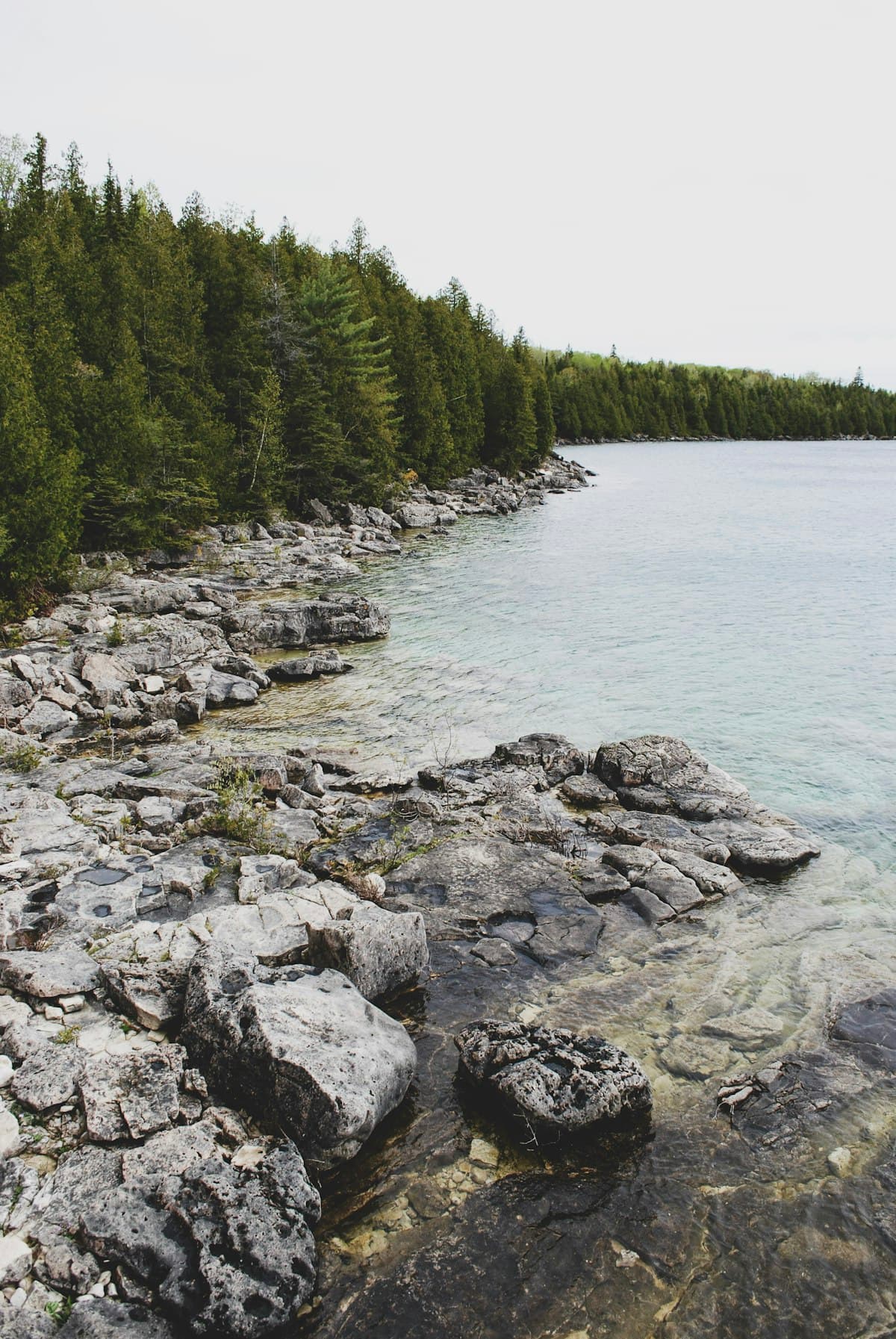
Fishing Algonquin Park, Ontario: Brook Trout and Lake Trout by Canoe in Canada's Most Iconic Wilderness
Monday, May 11, 2026
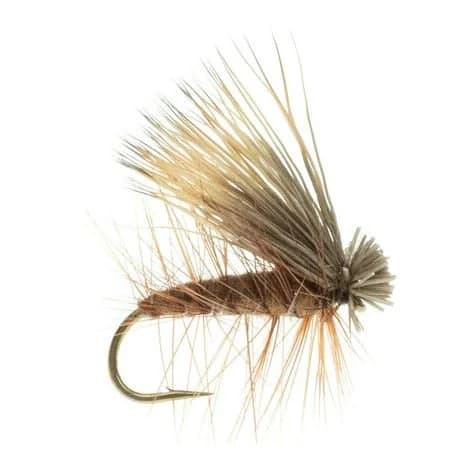
The Elk Hair Caddis: How to Tie the Fly That Works Everywhere, All Season, on Everything
Tuesday, April 21, 2026
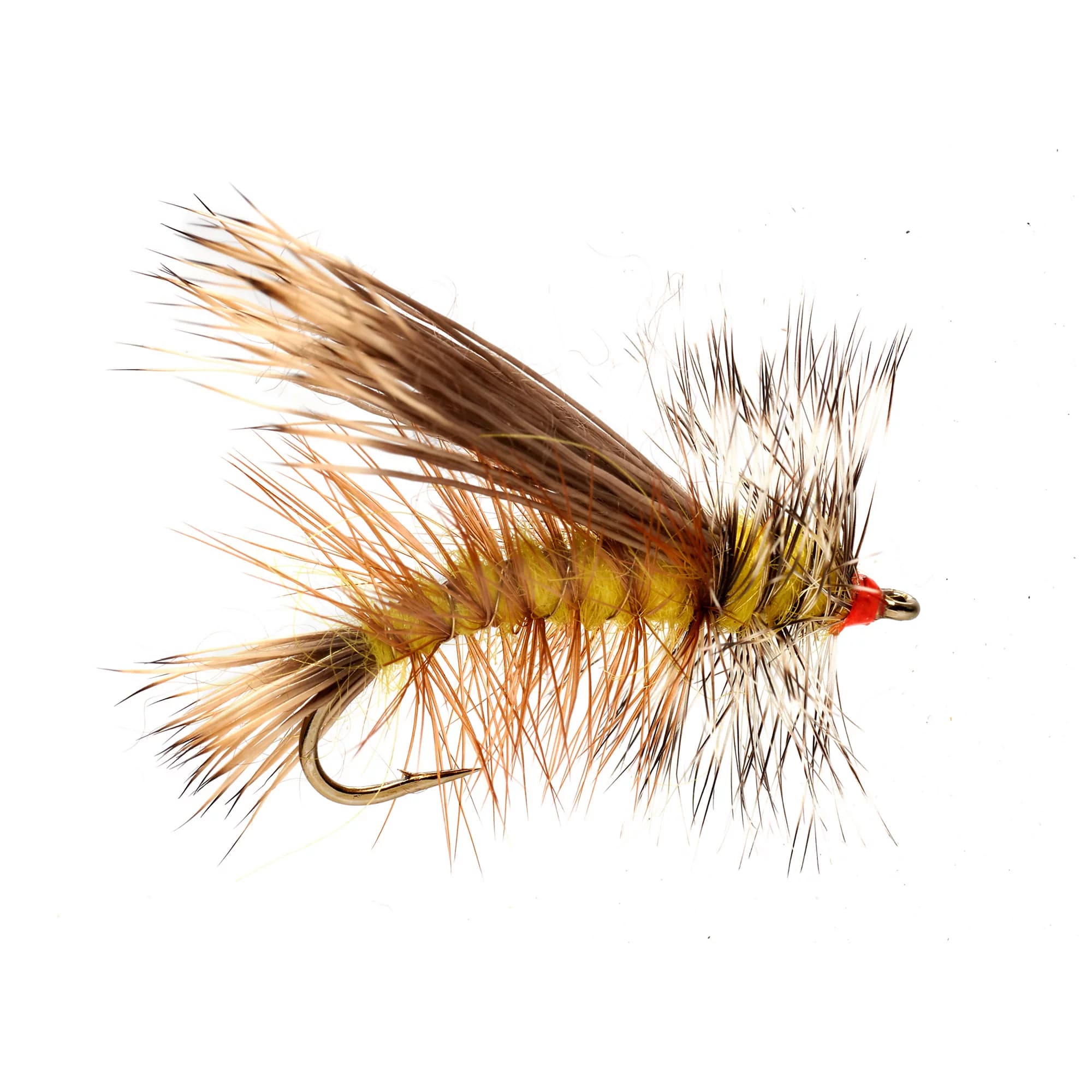
The Stimulator: The Stonefly-Caddis-Hopper-Attractor That Floats Through Anything
Thursday, March 12, 2026
 ™
™