
How to Fish Bend, Oregon: A First-Timer's Guide to Deschutes Trout and the Cascade Lakes
What a beginner needs to fish Bend and Central Oregon — the Oregon license and trout rules, fly and spin fishing the Deschutes River for native redband trout, the Cascade Lakes for trout and kokanee, the Crooked River tailwater, stocked waters for kids, and the gear and flies that work in the high desert.
Bend sits in the high desert on the eastern slope of the Oregon Cascades, with the Deschutes River running right through downtown and a constellation of mountain lakes and rivers within an hour's drive. It's one of the West's great trout towns — native redband rainbows in the rivers, rainbows and browns and brookies in the lakes, kokanee in the deep reservoirs — and while it has a deserved fly-fishing reputation, you absolutely do not need a fly rod to catch fish here. This guide covers both fly and spin, water by water, for a first-timer.
For the full overview — the rivers, the lakes, and the hatch calendar — read our complete Bend fishing guide.
First: License and Trout Rules
Anyone 12 or older needs an Oregon fishing license, plus a Combined Angling Tag if you'll keep salmon, steelhead, sturgeon, or halibut (not needed for trout-only). Buy it online from ODFW; short-term options exist for visitors.
Central Oregon's regulations vary a lot by water, so this is the one thing to check per spot. Some stretches are fly-fishing-only, many are barbless and/or catch-and-release or have artificial-lure-only rules, and bull trout must always be released (they're protected). The Deschutes, Crooked, and Metolius each have their own rules by section and season. Read the ODFW Central Zone regulations for the specific water before you fish — it's worth the two minutes.
The Deschutes River: Native Redband Trout
The Deschutes is the heart of Bend fishing. It runs 130-plus miles from the Cascades through town and into a wild canyon, and it holds redband rainbow trout — a hardy native subspecies with a rosy stripe that grows to 12–24 inches in this river. The water right in and around Bend (the Old Mill stretch, upstream toward the Cascades, and below town) is all fishable.
Fly fishing is the classic approach. Most of the time that means nymphing — drifting a weighted fly along the bottom under a strike indicator, where trout do most of their feeding. A two-fly nymph rig with a Pat's Rubber Legs stonefly and a Pheasant Tail or Zebra Midge dropper, fished under an indicator, is the go-to. When fish are rising to a hatch — blue-winged olives and green drakes in spring, caddis, stoneflies, and pale morning duns through summer — switch to a dry fly like an Elk Hair Caddis and cast to the rises. A 9-foot 5-weight (an Orvis Clearwater 5wt is a perfect first rod) handles the Deschutes well.
Spin fishing works too, where regulations allow it: a 1/8-ounce Rooster Tail or a Panther Martin spinner cast across the current and retrieved just fast enough to turn the blade draws aggressive redbands, and a small spoon covers water. Check whether your stretch allows bait or is restricted to artificials first.
Fly Fishing a Western Trout RiverNote: the lower Deschutes (the canyon, a longer drive from Bend) is a different, bigger fishery famous for its salmonfly hatch and summer steelhead — a bucket-list trip, but the in-town and upper river is where a first-timer should start.
A word on reading the water, because it's the skill that separates a slow day from a great one. Trout in a river sit where they can hold out of the heaviest current while still grabbing food the flow brings them: the seam where fast water meets slow, the soft pocket behind a boulder, the deeper slot along a cut bank, the head and tail of a pool. Cast your nymph rig upstream of those spots and let it drift drag-free back toward you, mending the line (flipping the slack upstream) so the flies tumble naturally at the speed of the current — a fly dragging across the surface unnaturally is the number-one reason beginners don't get bites. Watch your indicator like a hawk; any pause, dip, or twitch means set the hook with a quick, low sweep. On the Deschutes, fishing the closer, slower water carefully beats flailing long casts into the fast stuff.
When you hook a redband, keep the rod tip up and let it run against a light drag — these are strong, wild fish that jump and dig. Bring them in efficiently, keep them wet, pinch the barbless hook out, and let them swim off; the Deschutes stays great because anglers handle these natives with care.
The Metolius and Other Nearby Rivers
If you graduate past the basics, the Metolius River near Sisters (about an hour away) is a famous, spring-fed gem — gin-clear, technical, and beautiful, with redband trout, bull trout, and a year-round flow bubbling out of the ground at its head. It's humbling water that rewards a careful approach and is largely fly-only and catch-and-release, so it's better as a second or third stop than a first. The Fall River is another small, clear spring creek that's a fun, lower-pressure option. Both are reminders that Bend's fishing goes far deeper than the few headline spots — there are dozens of fishable waters within 90 minutes of town, from tiny alpine creeks to big reservoirs, so it's worth picking up a local fly-shop report to see what's fishing best the week you visit.
The Cascade Lakes: Trout and Kokanee
West of town, the Cascade Lakes Highway strings together a series of stunning mountain lakes, most a 30–60 minute drive, and they're more forgiving for beginners than moving water.
- Crane Prairie Reservoir holds a remarkable mix — rainbows, browns, brookies, and its famous fat "Cranebow" rainbows.
- East Lake and Paulina Lake, in the Newberry Crater, hold rainbows, browns, and kokanee salmon in a gorgeous volcanic setting.
- Hosmer Lake is a fly-fishing-only gem with brook trout and landlocked Atlantic salmon.
- Wickiup Reservoir is known for big browns and kokanee; Lava, Sparks, and Elk Lakes round out the easy options.
From a boat, float tube, or the bank, the simplest stillwater approaches catch trout: troll or cast a small spoon or spinner, suspend Berkley PowerBait off the bottom for stocked rainbows, or — for fly anglers — fish a Woolly Bugger or a chironomid under an indicator. A float tube or kayak hugely expands your options on these lakes.
Fishing a stillwater is a different game than a river, and it confuses a lot of beginners, so here's the short version. Trout in a lake roam to find food, so you cover water and target the productive zones: the shallow weedy flats and shoals where insects live (especially early and late in the day), the drop-offs where shallow meets deep, and inlets and springs where cooler, oxygenated water comes in. From the bank, fan-cast a spinner or a slow-sinking Woolly Bugger and retrieve at varying speeds until you find what they want; or set out a PowerBait rig on the bottom with enough weight to hold and a long enough leader to float the bait up into the strike zone. From a float tube or boat, slow-trolling a spinner, a small spoon, or a fly along those same shoals and drop-offs is deadly and lets you cover lots of water. The fly crowd's secret weapon on these lakes is the chironomid (midge pupa) fished under an indicator at the exact depth the fish are feeding — tedious to dial in, but devastating once you do.
Each lake has its own character. Crane Prairie's flooded timber and channels grow fat trout that cruise the flats — sight-fishing the shallows on a calm morning is a thrill. East and Paulina lakes, in the crater, are deep and clear and give up both big browns near the shorelines and kokanee out in the basin. Hosmer is a fly-only, no-motor sanctuary where you slowly stalk brook trout and Atlantic salmon in clear water from a tube or canoe. Pick a lake to match your skill and your craft, and check which are still ice-free early in the season — the higher lakes open later as the snow melts.
Stillwater and River Trout Fishing in the WestThe Crooked River: Easy Tailwater Numbers
About 40 minutes from Bend, the Crooked River below Bowman Dam (from the dam down to Castle Rock) is one of Central Oregon's most productive and beginner-friendly trout streams. The cold tailwater holds huge numbers of redband trout (and mountain whitefish) in an easy-to-wade, roadside canyon. Because the fish key on tiny insects, small flies rule: a Zebra Midge or a small Pheasant Tail under an indicator, with split shot to get down, will get bites all day. It's the spot to go when you want to bend the rod and build confidence — lots of fish, easy access, simple nymphing.
Stocked Waters and Fishing with Kids
For the easiest possible start — or fishing with kids — Central Oregon has many stocked trout ponds and small lakes (ODFW stocks rainbows in dozens of waters around Bend). At a stocked pond, a worm or a dab of Berkley PowerBait on a small hook below a bobber, or fished on the bottom with a sliding sinker, catches planted rainbows with almost no skill required. A simple 6-foot spinning combo, light line, and a bobber is the whole kit. It's a great way to learn to cast and catch before tackling the rivers.
Kokanee: Trolling the Deep Lakes
The deep reservoirs (Wickiup, East Lake, Paulina, Odell) hold kokanee — landlocked sockeye salmon that school deep and are superb eating. They're caught by trolling small, bright lures behind a flasher/dodger: a Mack's Lure Wedding Ring tipped with corn behind a dodger, run on a downrigger or leaded line at the depth the fish-finder marks the school. Kokanee have soft mouths, so a soft-tipped rod and a steady, light drag keep them pinned. It's a fun, productive summer boat fishery and a nice change from trout.
Gear: Fly and Spin
- Fly: a 9-foot 5-weight (Orvis Clearwater 5wt), floating line, 9-foot 5X leaders, strike indicators, split shot, and a box of nymphs (Pat's Rubber Legs, Pheasant Tail, Zebra Midge) and dries (Elk Hair Caddis, parachute Adams).
- Spin: a light 6-to-7-foot rod (an Ugly Stik GX2) with a Shimano Sedona 2500, 6-pound line, Rooster Tail and Panther Martin spinners, small spoons, and Berkley PowerBait for stocked lakes.
- Stillwater: add a float tube or kayak, and a few Woolly Buggers and chironomids.
- Bring layers — the high desert is hot midday and cold at dawn/dusk — and Simms Freestone waders if you'll fish the rivers.
When to Go
- Spring (April–June): The season kicks off — blue-winged olive and green drake hatches, lakes opening as ice melts, and the Crooked River fishing well.
- Summer (July–September): Prime time. Caddis, stonefly, and PMD hatches on the rivers; the Cascade Lakes at their best; kokanee trolling peaks. Fish mornings and evenings in the heat.
- Fall (October): Excellent — browns get aggressive before spawning, fewer crowds, and crisp high-desert days.
- Winter: The Crooked River and tailwaters fish on mild days with midges; most lakes slow or freeze.
A First-Timer's Plan
New to it all? Start at the Crooked River with a simple nymph rig for easy numbers, or fish a stocked pond with PowerBait to learn the basics. Want the full Bend experience? Book a guided fly trip on the Deschutes — the guide supplies rods, flies, and waders and teaches you to read the water — or a Cascade Lakes trip for trout and kokanee from a boat. Buy your Oregon license online first, and double-check the rules for your specific stretch (fly-only, barbless, bull-trout release).
Recommended Gear
Orvis Clearwater 5wt Fly Rod
Ideal first trout rod for the Deschutes and Crooked rivers
Pat's Rubber Legs Stonefly
Anchor nymph on a two-fly indicator rig for redband trout
Zebra Midge
Small tailwater nymph for the Crooked River's many trout
Rooster Tail Spinner 1/8 oz
Spin fishing the Deschutes where lures are allowed
Berkley PowerBait
Bottom-fished for stocked rainbows in the Cascade Lakes and ponds
Mack's Lure Wedding Ring
Trolled behind a dodger for kokanee in the deep reservoirs
Simms Freestone Waders
Wading the cold high-desert rivers
Top Fishing Guides in Bend
Bend's guides know which hatch is coming off the Deschutes this week, which Cascade Lake is on, and how to put a first-timer into native redband trout with a fly or a spinner. They bring the gear and the local knowledge so you can just fish Central Oregon's best water.
Mckenzie River Fly Fishing
Bend, OR, US
5.0 (33 reviews)
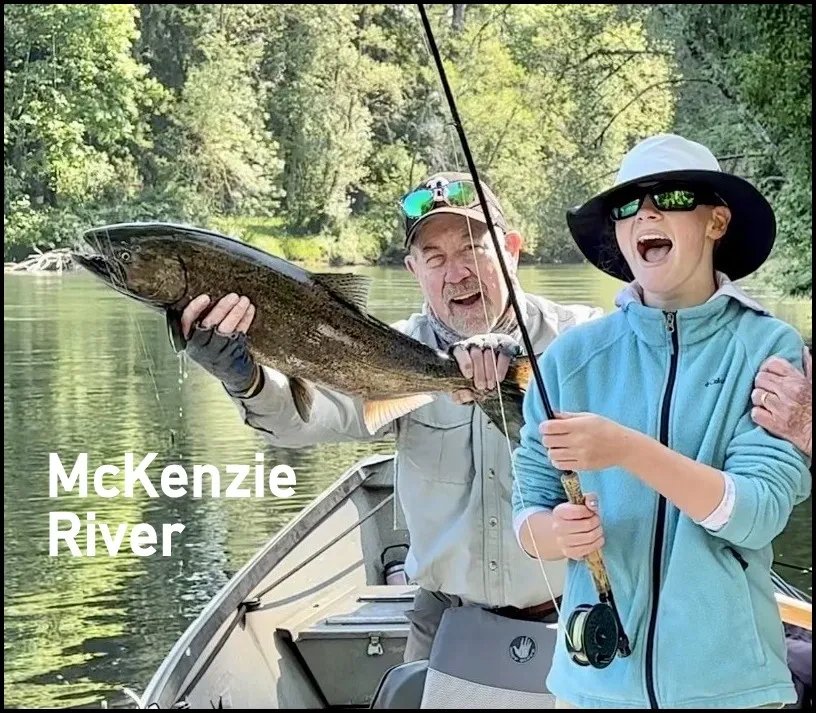
Mckenzie River Fly Fishing Led by veteran guide Michael Gorman, Mckenzie River Fly Fishing specializes in fly fishing the renowned McKenzie River in Oregon. With over 40 years of guiding experience, Michael has mastered the art of pursuing the river's iconic redside rainbows while welcoming anglers of all skill levels. Michael's approach goes beyond casting technique. He combines deep knowledge of the McKenzie's ecology with proven fishing strategies, helping clients understand the aquatic environment while consistently connecting with fish. Full-day drift boat trips include all necessary gear and lunch, providing everything needed for a comfortable and productive day on the water. Whether seeking technical instruction or simply a memorable adventure, anglers will find expert guidance and genuine hospitality on the McKenzie.

Fly And Field
Bend, OR, US
4.9 (190 reviews)
Fly And Field is a premier fly fishing outfitter based in Central Oregon, offering year-round guided experiences on the pristine Fall River and surrounding waters. Their knowledgeable guides specialize in steelhead and trout fishing, bringing extensive expertise to both novice and experienced anglers alike. The outfitter tailors trips to suit every preference and skill level, from intimate walk-and-wade excursions to full-day adventures and group outings. With deep knowledge of Central Oregon's premier fisheries and a commitment to personalized instruction, Fly And Field creates the foundation for truly memorable fly fishing experiences throughout the seasons.

PhD Fly Fishing
Bend, OR, US
4.9 (32 reviews)
PhD Fly Fishing specializes in guided fly fishing adventures on Oregon's Crooked River, a premier Central Oregon trout stream teeming with native redband trout. Located just 45 minutes from Bend, the operation welcomes both beginning and experienced anglers with walk-and-wade trips that combine excellent fishing with unforgettable canyon scenery. The guides bring deep knowledge of the Crooked River's currents and insect hatches, enabling them to craft personalized experiences for each angler. Whether clients choose a half-day or full-day outing, all necessary gear is provided, allowing visitors to focus entirely on the water and the art of fly fishing.
Bend Independent Guide Service
Bend, OR, US
4.9 (15 reviews)
Bigsflyfishing offers premier fly fishing guidance throughout Central Oregon's most celebrated waters. Specializing in the Deschutes and McKenzie rivers, the service provides access to exceptional opportunities for Redband Rainbow Trout, Steelhead, and Brook Trout. With extensive local knowledge and years of experience, the guide delivers personalized instruction suited to anglers of all skill levels. The operation runs year-round, offering both single-day and multi-day adventures that showcase the region's pristine landscapes. Traditional drift boats serve as the platform for these expeditions, combining comfort with strategic positioning on the water. Whether seeking their first fly rod experience or refining advanced techniques, anglers find themselves guided through some of the Pacific Northwest's finest fisheries.
Bend Fly Fishing Guide
Bend, OR, US
4.9 (15 reviews)
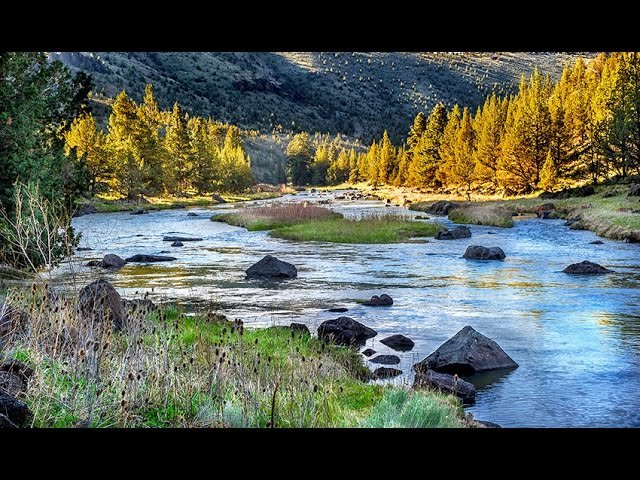
Bend Fly Fishing Guide specializes in personalized fly fishing instruction on Oregon's beautiful Crooked River. Their experienced guides welcome anglers of all skill levels—from children as young as seven to seasoned anglers—and provide comprehensive instruction tailored to each angler's experience and goals. Every trip includes all necessary equipment, eliminating the need for prior investment or specialized gear. With deep knowledge of local fish species and seasonal conditions, the guides craft trips designed for both learning and enjoyment. Half-day outings are ideal for families and groups seeking a memorable introduction to fly fishing or skill refinement in a comfortable setting. Each trip concludes with complimentary photos, capturing the day's highlights on the water.
Grant's Outdoor Adventures
Bend, OR, US
4.7 (15 reviews)
Grant's Outdoor Adventures specializes in salmon, steelhead, and sturgeon fishing throughout Oregon's most celebrated rivers, including the Deschutes, Columbia, and Rogue. Led by expert guide Grant Putnam with 33 years of professional experience, the operation combines deep knowledge of these premier waters with a commitment to personalized service for anglers of all skill levels. Whether pursuing traditional or fly fishing techniques, clients benefit from Grant's seasoned crew and year-round access to pristine, scenic river systems. Each trip is tailored to individual goals and experience, ensuring memorable days on the water in some of the Pacific Northwest's finest fishing destinations.
For the full hatch calendar and the lake-by-lake rundown, see our complete Bend fishing guide. Chasing Western trout elsewhere? We also have first-timer guides for Sun Valley, Idaho and Portland.
Frequently Asked Questions
What fish can you catch in Bend, Oregon?
Native redband rainbow trout in the Deschutes and Crooked rivers; rainbows, browns, and brook trout plus landlocked Atlantic salmon in the Cascade Lakes; kokanee (landlocked sockeye) in the deep reservoirs; and mountain whitefish. Bull trout are present but must always be released.
Do you need a fly rod to fish Bend?
No. Bend has a big fly-fishing scene, but spin fishing with spinners like Rooster Tails and Panther Martins works on the rivers where regulations allow, and PowerBait catches stocked trout in the lakes. Check each water's rules — some stretches are fly-only or artificial-lure-only.
Where should a beginner fish near Bend?
The Crooked River below Bowman Dam is the most beginner-friendly — easy roadside wading and huge numbers of trout on small nymphs. Stocked ponds with PowerBait are the easiest of all, great for kids. The Cascade Lakes are more forgiving than moving water for learning.
Do I need a license to fish in Bend?
Yes — an Oregon fishing license for anyone 12 or older, bought from ODFW. Regulations vary by water (fly-only, barbless, catch-and-release, bull-trout release), so check the ODFW Central Zone rules for your specific stretch first.
When is the best time to fish Bend?
Summer (July–September) is prime — strong hatches on the rivers, the Cascade Lakes at their best, and peak kokanee trolling. Spring brings the first hatches and good Crooked River fishing; fall is excellent for aggressive brown trout with fewer crowds.
Related Articles

How to Fish Portland, Oregon: A Beginner's Guide to Salmon, Steelhead, Sturgeon, and the City's Three Rivers
Tuesday, January 27, 2026
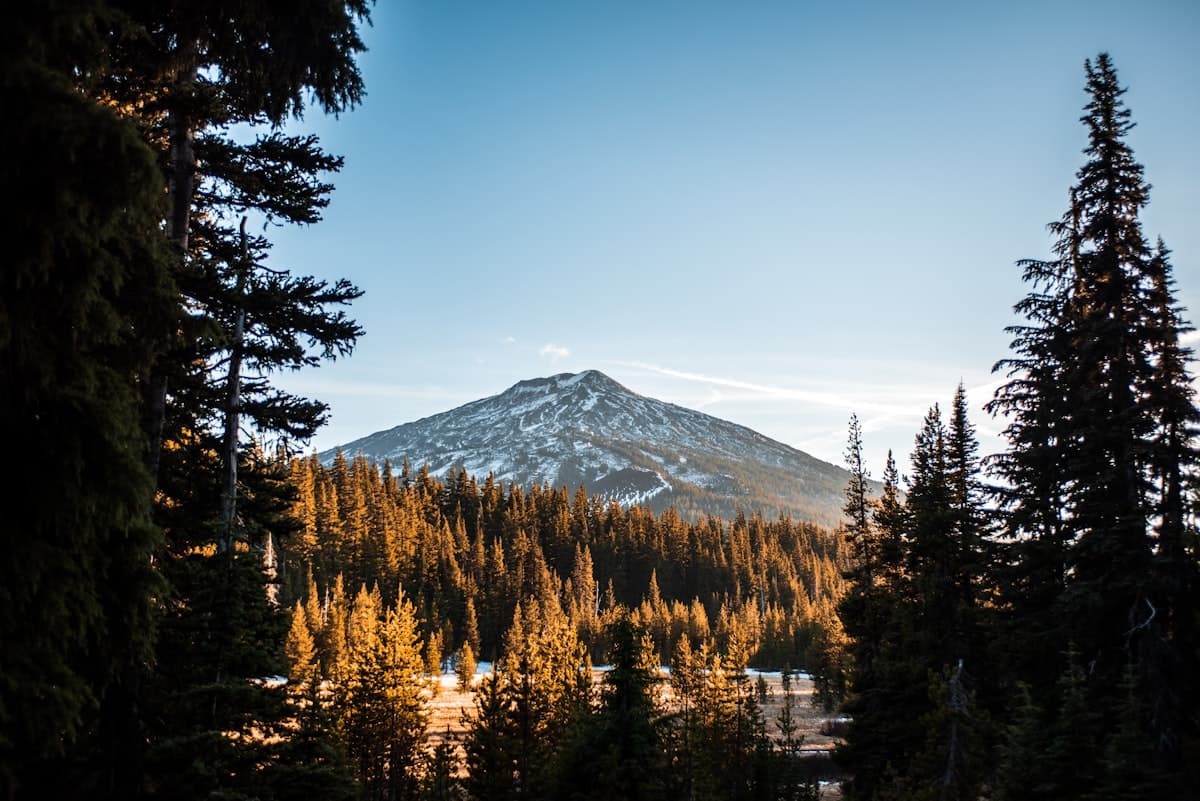
Bend Fishing: 50 Fishable Waters Within 90 Minutes and a River That Runs Through Town
Tuesday, January 6, 2026
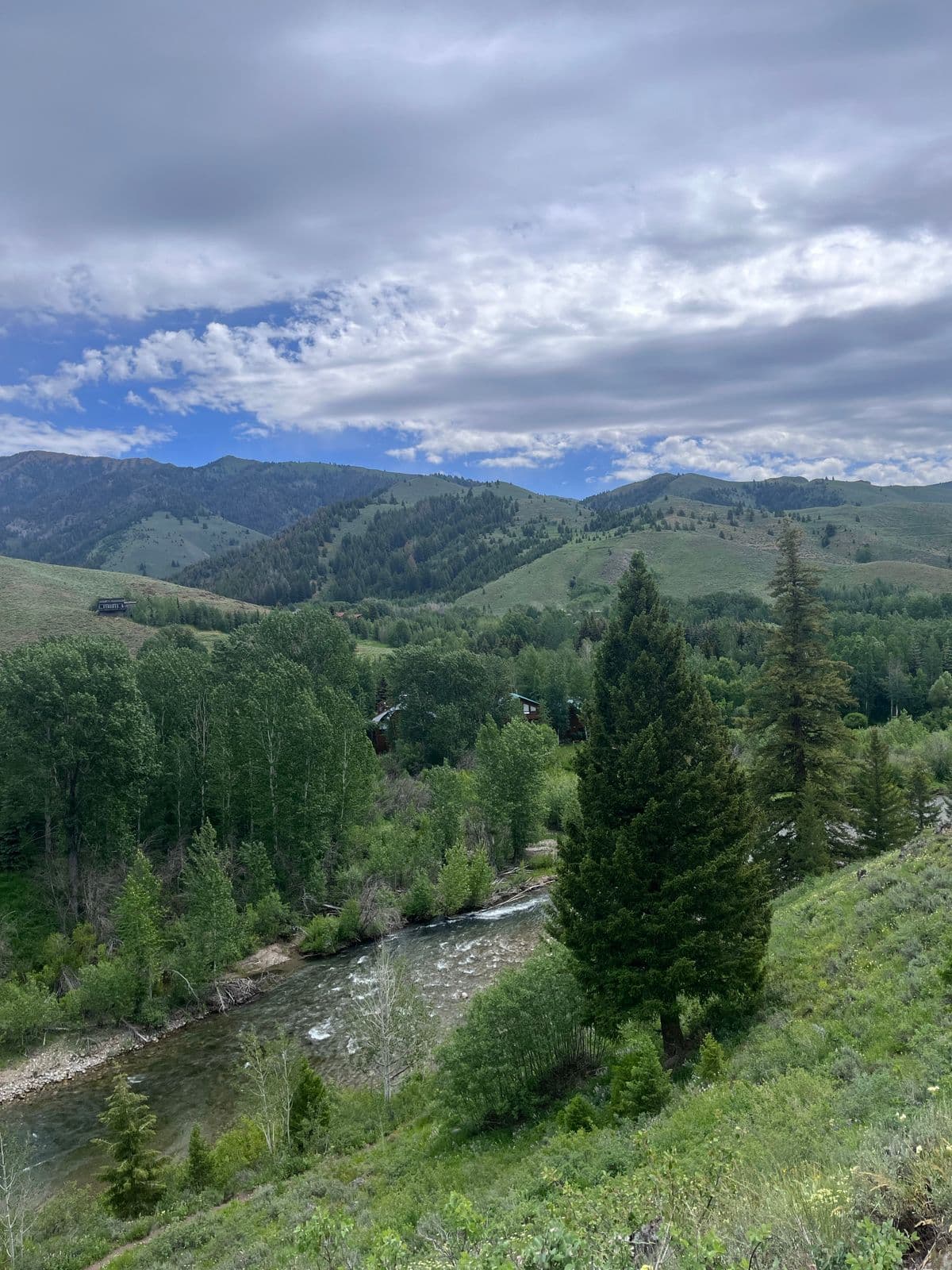
How to Fish Sun Valley, Idaho: A Beginner's Guide to Silver Creek, the Big Wood River, and Idaho's Premier Fly Fishing
Tuesday, January 6, 2026
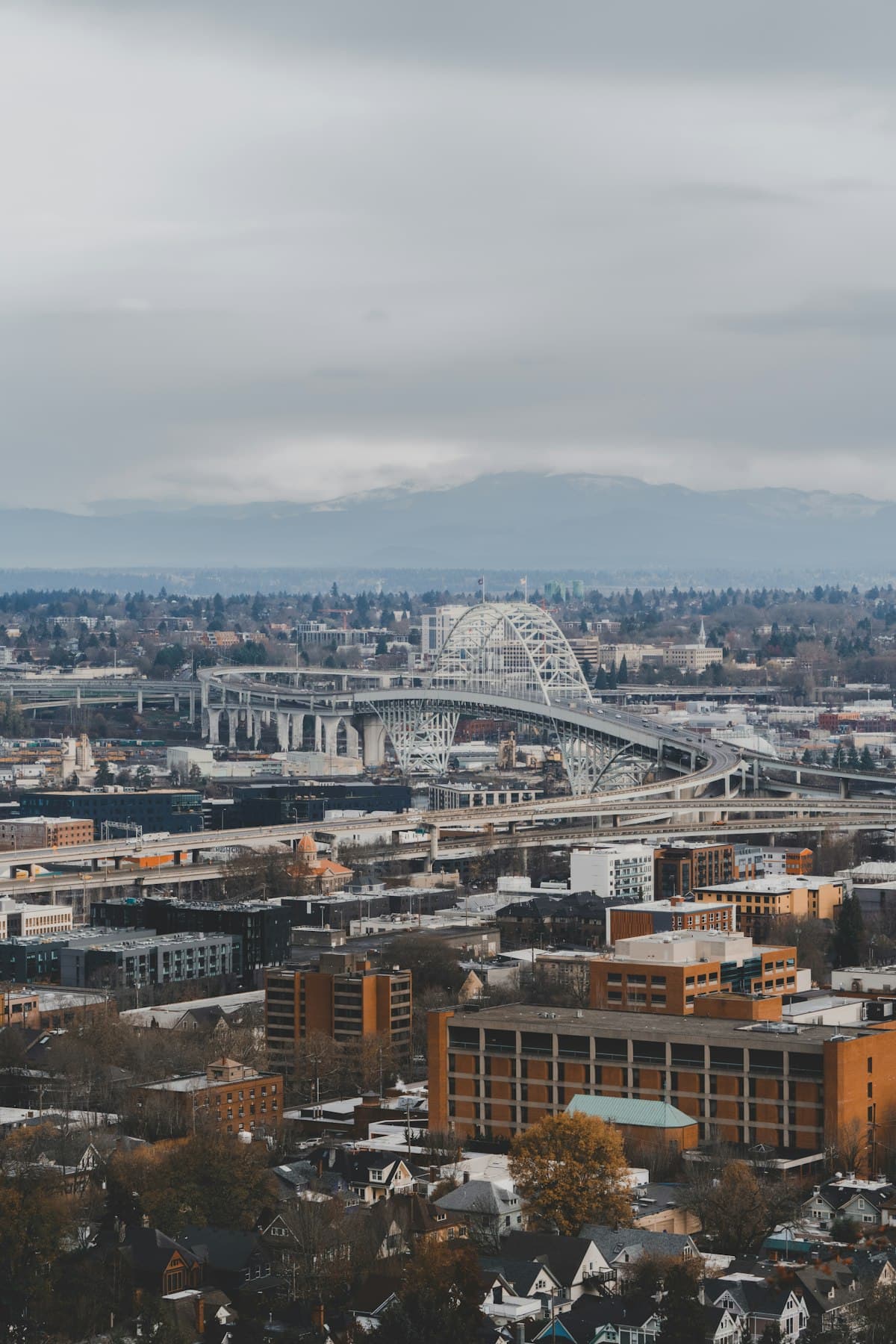
Planning a Fishing Trip to Portland, Oregon? Read This First
Sunday, May 3, 2026
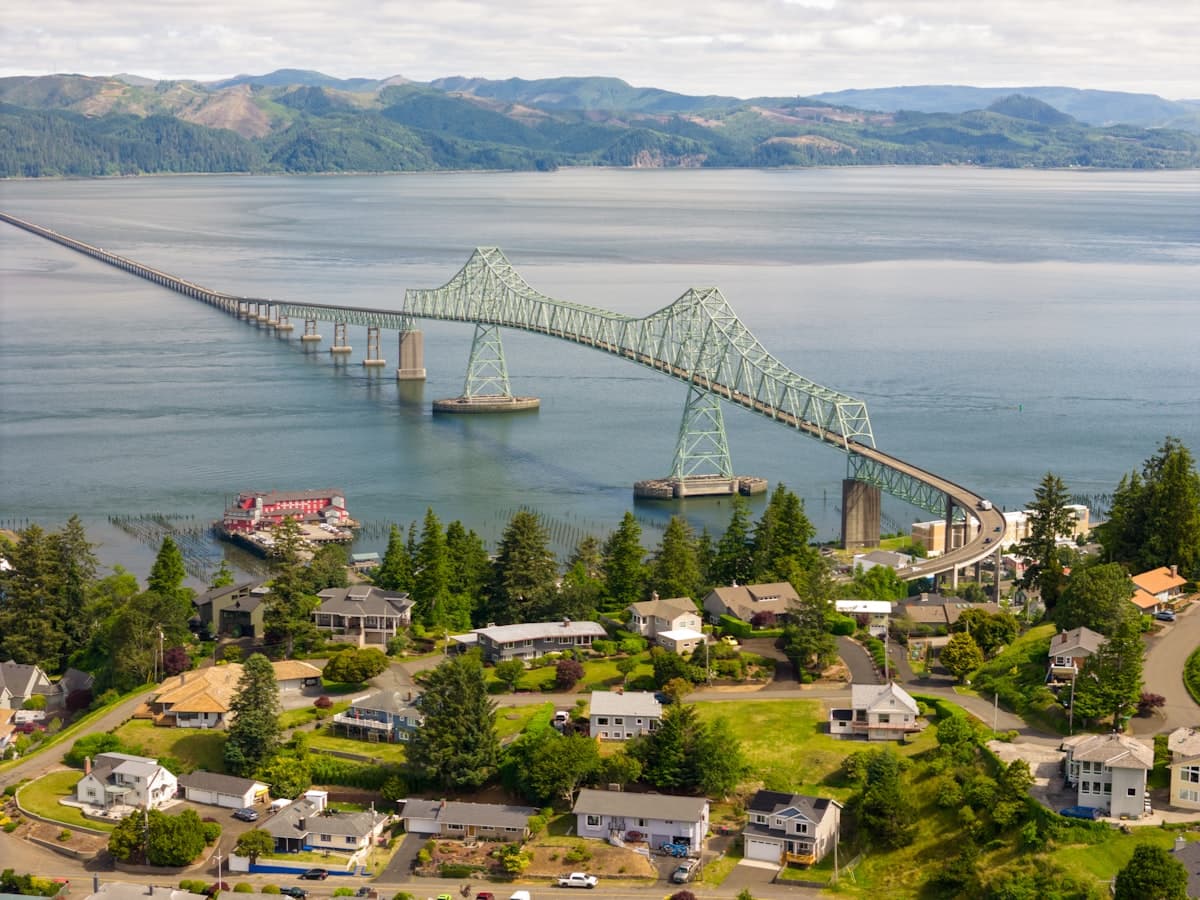
What to Expect Fishing in Astoria, Oregon
Thursday, April 30, 2026
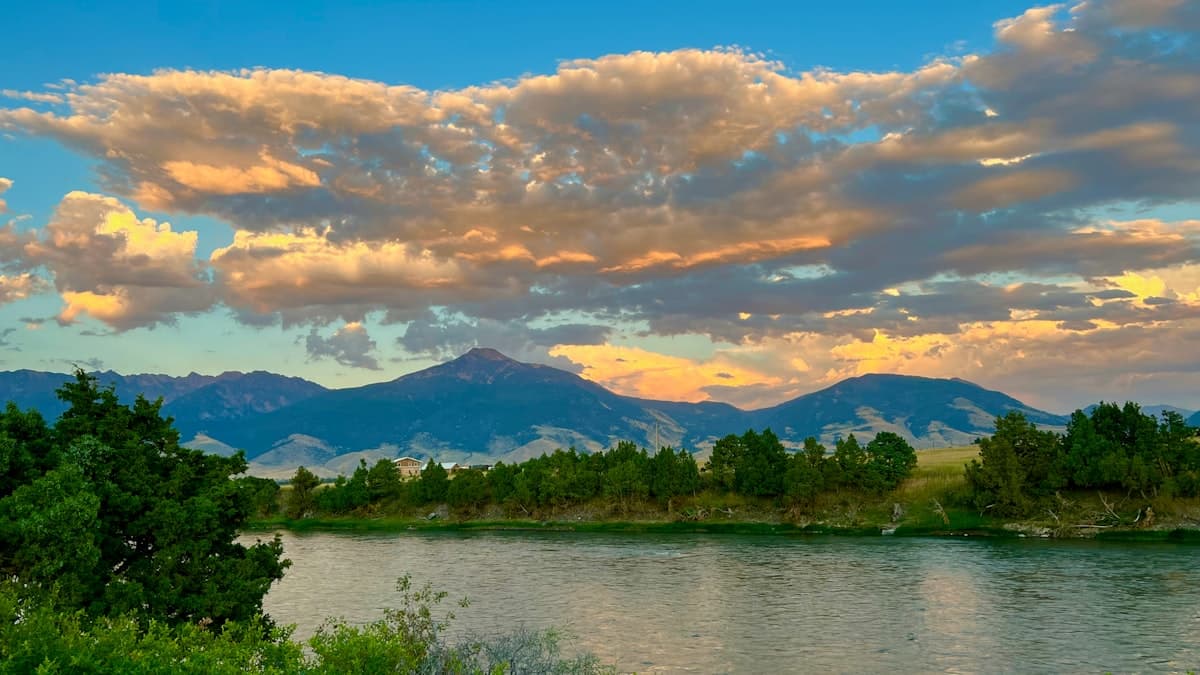
How to Fish Bozeman, Montana: A Beginner's Guide to Fly Fishing Four World-Class Rivers
Friday, April 24, 2026