
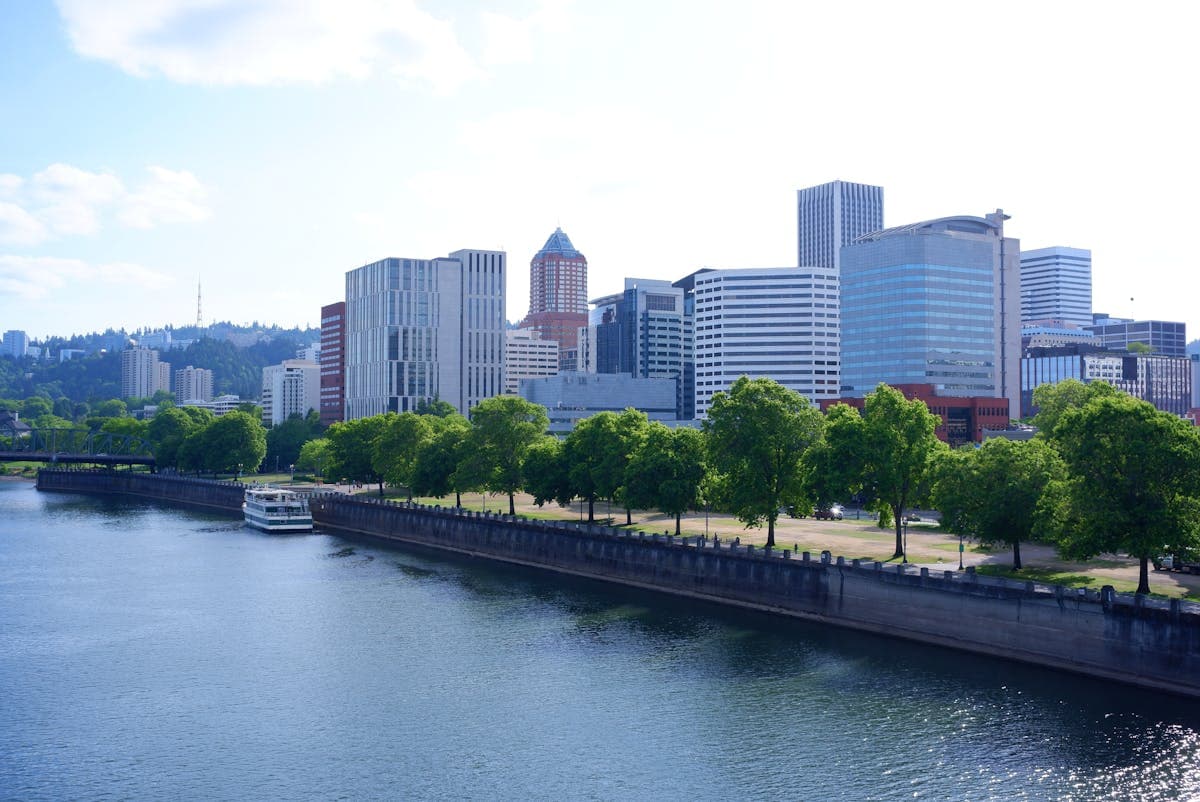
How to Fish Portland, Oregon: A Beginner's Guide to Salmon, Steelhead, Sturgeon, and the City's Three Rivers
Everything a first-timer needs to fish Portland — spring Chinook on the Willamette, fall salmon and sturgeon on the Columbia, steelhead on the Clackamas and Sandy, bank fishing access in the city, gear setups, and practical details for visiting anglers.
Portland is one of the few cities in the world where you can catch salmon and steelhead without leaving the metro area. The Willamette River flows through the center of downtown, joining the Columbia River at the city's northern edge. The Clackamas River enters the Willamette just south of the city in Gladstone. The Sandy River runs through the eastern suburbs past Troutdale and Gresham before joining the Columbia. Together, these four rivers create a fishery that produces spring and fall Chinook salmon, coho salmon, winter and summer steelhead, white sturgeon, smallmouth bass, and walleye — all within a 30-minute drive of Pioneer Courthouse Square.
What makes Portland fishing distinctive is the urban access. The East Bank Esplanade in downtown Portland — a 1.5-mile waterfront walkway — is a legitimate salmon and steelhead fishing spot. Sellwood Riverfront Park, Cathedral Park under the St. Johns Bridge, and Willamette Park in southwest Portland all offer bank fishing for salmon, steelhead, bass, and sturgeon. You don't need a drift boat or a guide to catch fish in Portland, though both help.
This guide covers each river and its fisheries, the techniques that work on each, and where to access the water from the bank.
The Willamette River: Oregon's Top Spring Chinook Producer
The Willamette through Portland is one of Oregon's most productive spring Chinook salmon fisheries. The run enters the lower Columbia and turns south into the Willamette from March through June, with peak fishing from mid-April through May. The river also holds smallmouth bass, white sturgeon (catch-and-release), steelhead, and an overlooked shad run in May and June.
Spring Chinook Salmon
Spring Chinook — called "springers" locally — are the most prized fish in the Pacific Northwest. They average 12 to 25 pounds, with fish over 30 possible, and they're universally regarded as the best-eating salmon because their high fat content from the long river journey makes the flesh rich and buttery.
From a boat: Most Willamette spring Chinook are caught from drift boats and jet sleds. The two primary techniques:
Back-trolling with herring: The guide or angler positions the boat facing upstream in the current, then slowly backs downstream while a cut-plug herring rotates behind a triangle flasher (SilverHorde or Pro-Troll) 30 to 50 feet behind the boat. The herring's spiral action and scent trail draw Chinook from their holding water. When the rod tip dips and stays down, the fish is on.
Back-bouncing eggs: A cluster of cured salmon eggs (tied in a mesh spawn sac or fished as a loose cluster on an egg loop hook) is bounced along the bottom from an anchored or slowly drifting boat. A sand shrimp can be added to the egg cluster for extra scent. The rig is a simple sliding sinker setup — 3- to 6-ounce pencil lead on a dropper, 3 feet of 15-pound fluorocarbon leader to a size 2/0 or 3/0 Gamakatsu Octopus hook tied with an egg loop.
From the bank: Bank anglers target springers at several spots on the lower Willamette. The most popular technique from shore is plunking — casting a heavy sinker rig (6- to 8-ounce pyramid sinker) with a spin-n-glo or Corky and yarn setup, baited with a sand shrimp, into the current and letting it sit on the bottom. Set the rod in a holder and watch the tip. When a springer picks up the bait, the rod tip pumps distinctly — give the fish a few seconds to turn before setting the hook.
Bank access: Meldrum Bar Park near Milwaukie, Clackamette Park at the mouth of the Clackamas, the seawall in downtown Oregon City, and Sellwood Riverfront Park in Portland are the top bank spots for spring Chinook.
Professional Guided Salmon Fishing — Seven Fish Caught in Portland AreaSmallmouth Bass
The Willamette above Oregon City holds a strong smallmouth bass population that doesn't get the attention it deserves. May through September, smallmouth move onto rocky banks, gravel bars, and bridge pilings. A 3-inch Yamamoto Grub in smoke with silver flake on a 1/4-ounce jighead, cast to visible rock structure and retrieved with a slow hop-and-drag, catches bass consistently. A Rebel Crickhopper or Rapala Ultralight Minnow twitched near bridge pilings draws aggressive topwater strikes in the morning.
The Columbia River: Big Water, Big Fish
The Columbia River forms Portland's northern boundary and is one of the most powerful rivers in North America. It holds every Pacific salmon species, steelhead, white sturgeon (some exceeding 10 feet), walleye, and shad. The scale of the Columbia can be intimidating — it's a mile wide in places — but the fishing is concentrated at specific structure: river mouths, channel edges, and the sloughs and backwaters where current breaks create holding water.
Fall Chinook and Coho Salmon
The fall salmon run — Chinook and coho arriving from August through November — is the Columbia's marquee fishery near Portland. Fall Chinook average 15 to 25 pounds; coho average 8 to 12 pounds and are the more acrobatic fighters.
Trolling: The most common Columbia River salmon technique. Boats troll herring or spinners behind flashers at 1.5 to 3 mph along the shipping channel edges and near river mouths. A Pro-Troll ProChip Fin flasher in chartreuse or UV with a cut-plug herring 24 to 36 inches behind is the standard setup. Bright-colored Blue Fox or Mepps spinners (#4 or #5) in pink, orange, or chartreuse are effective alternatives, trolled behind a 360-degree flasher.
Bank fishing: The Kelley Point Park boat ramp area, where the Willamette enters the Columbia, is accessible from shore and produces fall Chinook. Plunking with spin-n-glo rigs or casting Blue Fox spinners into the current from the bank works. The Columbia Slough and the sandy beach areas near Government Island also give bank access.
Columbia River Fall Chinook Salmon Fishing in Portland, OregonWhite Sturgeon
Sturgeon fishing is a Portland bucket-list experience. The Columbia holds white sturgeon that can exceed 10 feet and 500 pounds, though most catch-and-release fish run 4 to 7 feet. Limited retention seasons sometimes allow harvest of fish in the 38- to 54-inch window — check ODFW regulations carefully, as seasons change annually.
Technique: Anchor in the main channel in 20 to 60 feet of water. Rig a heavy bottom setup: 8- to 16-ounce sliding sinker above a barrel swivel, 3 feet of 80-pound braided leader to a single barbless circle hook (10/0 to 14/0 — barbless is required in Oregon). Bait with a whole sand shrimp, smelt, pickled herring, or squid. Drop it to the bottom and wait. Sturgeon bites start as a gentle tap — the rod tip bounces subtly. Let the fish commit and the rod load before reeling tight. The circle hook does the rest.
Gear: Sturgeon gear is heavy. A 7- to 8-foot heavy-action rod (Lamiglas X-11 or Okuma Classic Pro) paired with a large conventional reel (Penn Squall II 40 or Daiwa Sealine) loaded with 65- to 80-pound braided line. This is not catch-and-release-friendly with light tackle — you need the power to control the fish and release it quickly. Most beginners fish sturgeon with a guide — the anchoring, the heavy gear, and the handling of a large fish for catch-and-release all benefit from an experienced captain.
What to expect: Sturgeon fishing involves patience. You might sit for an hour between bites, then suddenly the rod tip starts bouncing like something is tapping it from below — that's a sturgeon mouthing the bait, testing it with the barbels on its snout. The bite builds from tentative taps to a steady pull. When the rod loads and stays down, reel tight. The fight with a big sturgeon — 5 to 8 feet — can last 15 to 45 minutes, with powerful runs along the bottom and head-shaking surges that test both the gear and the angler. For catch-and-release fish, the guide will bring the sturgeon alongside the boat, remove the barbless hook, and you'll get a quick photo before reviving and releasing the fish. It's a genuinely humbling experience — these are prehistoric animals that can live over 100 years.
Salmon and Steelhead Fishing Tutorial — How to Plunk and What You NeedThe Clackamas and Sandy Rivers: Steelhead Water
The Clackamas and Sandy are Portland's steelhead rivers — smaller, wadeable, and accessible from the bank. Both offer winter steelhead (December through March) and summer steelhead (May through October), plus spring Chinook and fall coho.
Winter Steelhead
Winter steelhead average 8 to 12 pounds and fight like freight trains in cold, fast water. They enter the Clackamas and Sandy after fall rains raise the rivers, with the peak run from late December through February.
Drift fishing: The classic Northwest steelhead technique. A drift rig uses a pencil lead sinker (1/4- to 1-ounce) on an 8-inch dropper, 3 feet of 10-pound fluorocarbon leader to a size 1 or 1/0 hook. Bait with a cluster of cured salmon eggs, a sand shrimp, or both (a "cocktail"). Cast upstream at a 45-degree angle and let the rig drift along the bottom through a run or pool. The sinker ticks the rocks while the bait floats naturally downstream. A steelhead take feels like a sudden stop — the drift just halts and the rod loads. Set the hook with a firm sweep.
Float fishing: A fixed or slip float (Raven FM or similar) suspends the bait or jig at a set depth. A 1/4-ounce jig (Maxi Jig or Beau Mac in pink, cerise, or orange, tipped with sand shrimp or a small piece of prawn) under the float, drifted through pools and tailouts, is deadly for winter steelhead. This is one of the most visual techniques — you watch the float drift and when it dips or hesitates, the fish is on. Centerpin reels paired with 11- to 13-foot float rods give the longest, most controlled drifts, but a standard spinning setup works fine for beginners learning the technique.
Summer Steelhead
Summer steelhead enter the Clackamas and Sandy Rivers from May through October, averaging 6 to 10 pounds. They're more aggressive than winter fish and will chase spinners and spoons in warmer water. A Blue Fox Vibrax spinner (#4 or #5 in chrome or orange) cast across the current and retrieved just fast enough to feel the blade vibrate is the simplest summer steelhead technique. The Sandy River from Dodge Park upstream and the Clackamas above Barton are the best summer steelhead reaches.
Spring Chinook on the Clackamas
The Clackamas also gets a strong spring Chinook run — fish start showing in March with the best fishing from late April through June. The techniques mirror the Willamette: back-bouncing eggs from a drift boat or plunking from the bank. Clackamette Park at the mouth and Milo McIver State Park near Estacada are the two anchor spots. The river above McIver is fly-fishing-only in certain stretches — check the ODFW regulations booklet.
Fall Coho on the Sandy
Coho salmon (silvers) enter the Sandy River with the first fall rains, typically September through November. Hatchery coho with clipped adipose fins may be kept; wild fish must be released. Casting spinners (Blue Fox #4 in orange or pink) into deeper pools and runs, or floating jigs through tailouts, catches coho consistently. The Sandy is a beautiful freestone river — clear water over boulders and gravel — and fall coho fishing in the rain with the leaves changing color is one of the iconic Pacific Northwest experiences.
Bank access: Milo McIver State Park on the Clackamas (near Estacada) is the most popular bank steelhead spot — a long gravel bar with easy wading access and excellent drift water. The mouth of Eagle Creek at Bonnie Lure State Park offers bank access downstream. On the Sandy, the upper stretches near Oxbow Regional Park and the Sandy River at Revenue Bridge provide wadeable bank access.
Steelhead Caught on Willamette River — Fishing with David Pyle Oregon and Washington's Best Salmon and Steelhead Fishing Salmon and Steelhead Fishing on the Oregon CoastGear for Beginners
Portland's river fishing calls for longer rods than typical saltwater or lake setups.
Columbia River salmon trolling and spinners: The gold standard is a Lamiglas Kenai Kwik 10-foot rod paired with a Shimano Tekota line-counter reel. The Tekota's line counter lets you repeat productive trolling depths precisely, and the Kenai Kwik has the backbone to handle 30-pound Chinook in heavy Columbia current while still showing the bite. Spool with 25- to 30-pound monofilament.
Steelhead and general bank fishing: A 9- to 10.5-foot medium to medium-heavy spinning rod (Lamiglas LX 96MS or Okuma SST) paired with a 3000- to 4000-size spinning reel (Shimano Stradic or Okuma Epixor) loaded with 20-pound braided line and a 15-pound fluorocarbon leader. This handles steelhead on the Clackamas and bank Chinook on the Willamette.
Bass: A 7-foot medium-power spinning rod with a 2500-size reel and 10-pound braid. Same setup you'd use on any warmwater fishery.
Terminal tackle to pack: Gamakatsu Octopus hooks (sizes 1, 1/0, 2/0, 3/0), pencil lead (1/2-ounce through 4-ounce), egg sinkers and pyramid sinkers, barrel swivels, cured salmon eggs or Pautzke Fire Cure to cure your own, Blue Fox spinners (#3 and #4 in orange and chartreuse), Corky drift bobbers in pink and orange, and a bag of sand shrimp (available at bait shops throughout the metro — Fisherman's Marine in Oregon City or Portland is the best-stocked).
Fishing License
Oregon requires a fishing license for anyone 12 or older. The annual license costs $50 for residents and $138 for non-residents. A 1-day non-resident license is $26.50 — a reasonable option for a short visit. For salmon, steelhead, and sturgeon, you also need a Combined Angling Tag ($89 for non-residents), which covers all four species. A Columbia River Basin Endorsement ($9.75) is required when fishing the Columbia or its tributaries. Buy everything online at myodfw.com or at Fisherman's Marine, Bi-Mart, and Walmart.
Important: Only hatchery fish (marked with a clipped adipose fin) may be kept on most Oregon rivers. Wild fish (intact adipose fin) must be released. Check your fish before keeping it — this is strictly enforced.
Portland Oregon September Chinook Salmon on the ColumbiaTop Fishing Guides in Portland
Portland sits at the meeting point of the Willamette and Columbia Rivers, with steelhead tributaries within a half-hour drive. Whether you want to troll for spring Chinook on the Willamette, battle a six-foot sturgeon on the Columbia, drift-fish for winter steelhead on the Clackamas, or cast spinners for fall coho from the bank, a Portland fishing guide knows the water, the runs, and the tides — and puts you in position to catch fish you'll remember.
Broad Reach Adventures
Portland, ME, US
5.0 (380 reviews)
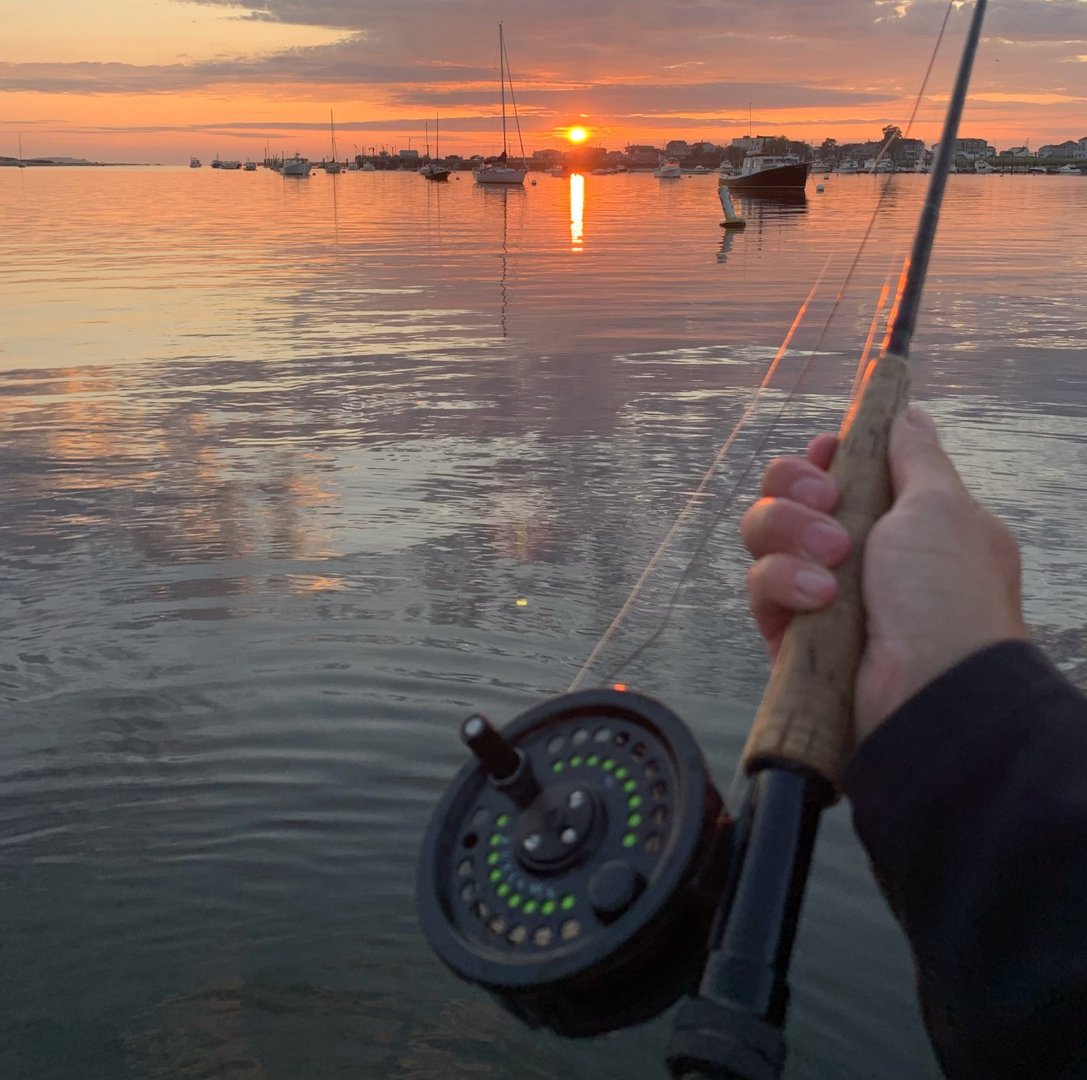
Broad Reach Adventures specializes in private fly fishing experiences on Maine's scenic Saco River, where guests pursue striped bass during the magical hours of sunrise and sunset. Led by captains Shawn and Robin—each bringing over 20 years of expertise to the water—the operation welcomes up to two anglers per trip aboard a purpose-built bass boat, creating an intimate and personalized fishing environment. Whether you're casting a fly for the first time or refining techniques honed over decades, Broad Reach Adventures tailors each outing to match skill level and preferences. Their customizable approach ensures every guest enjoys a memorable adventure on one of Coastal Maine's most rewarding fisheries.
Rock and Sand Charters
Portland, ME, US
5.0 (352 reviews)
Rock and Sand Charters offers premier light tackle and fly fishing experiences in Casco Bay, near Portland, Maine. Specializing in striped bass, the guide service delivers sight-fishing opportunities in shallow waters using custom flies and topwater lures. Each outing emphasizes personalized instruction, covering casting techniques, tackle selection, and fish habitat knowledge. Committed to sustainable fishing practices, Rock and Sand Charters practices catch and release while providing world-class angling adventures. The guide's expertise and thoughtful approach to both the sport and marine environment make this an exceptional choice for anglers of all skill levels exploring Southern Maine's productive waters.

Kristin K Charters
Portland, ME, US
5.0 (142 reviews)
Kristin K Charters Captain Ben brings over two decades of deep sea fishing expertise to Kristin K Charters, offering a range of memorable experiences along the Maine coast. Whether targeting Sea Bass and Cod in inshore waters or pursuing the thrill of shark fishing, the charter accommodates anglers of all skill levels. Family-friendly outings ensure everyone can enjoy a day on the water, while scenic ocean cruises provide an ideal option for those seeking to experience the rugged beauty of the Portland, Maine shoreline. Kristin K Charters is built on a foundation of customer satisfaction and genuine hospitality. With thoughtful attention to each guest's interests and comfort, Captain Ben crafts trips that balance adventure with enjoyment—making every outing something to remember.

Pat Abel Guide Service
Portland, OR, US
5.0 (32 reviews)
Pat Abel Guide Service With over 27 years of guiding experience, Pat Abel has established a reputation for delivering exceptional fishing experiences on the Pacific Northwest's most celebrated waters. Based in Portland, Oregon, the service specializes in the Columbia, Willamette, and Siletz rivers—premier destinations for Spring and Fall Chinook Salmon, Steelhead, and Shad. Pat welcomes both novice and experienced anglers, accommodating groups of up to six people on half-day and full-day trips. Each outing is supported by top-quality tackle and equipment, allowing clients to focus on the water while Pat handles the details. The service includes professional cleaning and care of the catch, rounding out a comprehensive guided fishing experience that reflects decades of local expertise and dedication to angler success.
Fight Club Outdoors
Portland, OR, US
5.0 (29 reviews)
Fight Club Outdoors specializes in fishing charters throughout Northwest Oregon's premier waters, including the Willamette River, Columbia River, and coastal rivers. Their expert guides target Salmon, Steelhead, Sturgeon, and Walleye, welcoming anglers of all skill levels—from beginners to seasoned pros. The operation caters to families, friends, and corporate groups seeking shared outdoor experiences. Every charter departs from a fully equipped 26' Motion Marine open sled, outfitted with quality gear and designed for comfort and safety on the water. Fight Club Outdoors is committed to combining productive fishing with genuine hospitality, ensuring each outing creates lasting angling memories and genuine connection with the region's exceptional fishery.
Double M Outdoors
Portland, OR, US
5.0 (20 reviews)
Double M Outdoors brings two decades of professional expertise to guided fishing adventures throughout the Columbia River system and beyond. Based in Portland, Oregon, this fully licensed and insured service specializes in pursuing salmon, steelhead, sturgeon, and walleye in some of the Pacific Northwest's most productive waters. Matt tailors each outing to match clients' skill levels and interests, whether they're seeking a focused single-day trip or a more immersive multi-day experience. What sets Double M Outdoors apart is the combination of deep local knowledge, established relationships with premier fishing grounds, and a commitment to creating safe, memorable outings. Anglers can expect professional instruction, attention to detail, and the chance to explore the region's stunning natural scenery while pursuing world-class fishing opportunities.
Frequently Asked Questions
What fish can I catch in Portland, Oregon?
Spring Chinook salmon (March-June, the most prized fish in the Pacific Northwest), fall Chinook and coho salmon (August-November), winter steelhead (December-March), summer steelhead (May-October), white sturgeon (year-round, mostly catch-and-release), smallmouth bass (May-September), walleye, and American shad (May-June). The Willamette, Columbia, Clackamas, and Sandy Rivers all flow through or near the city.
How much does a Portland fishing guide cost?
Half-day guided trips (4-5 hours): $275-$510 per person depending on species and group size. Full-day trips (8 hours): $500-$645. Sturgeon trips: $275 per person. Most guides provide all tackle, bait, and gear. Trips depart from marinas on the Willamette (Sellwood, Oregon City) and Columbia (Hayden Bay Marina near Jantzen Beach, about 15 minutes from downtown Portland).
Do I need a fishing license for Portland, Oregon?
Yes — Oregon requires a license for anyone 12 or older. Non-residents pay $138/year or $26.50 for a single day. For salmon, steelhead, and sturgeon, you also need a Combined Angling Tag ($89 non-resident) and a Columbia River Basin Endorsement ($9.75) if fishing the Columbia. Buy online at myodfw.com or at Fisherman's Marine, Bi-Mart, or Walmart.
Can I fish in Portland from the bank without a boat?
Yes — Portland has excellent bank access. Downtown: East Bank Esplanade (1.5-mile walkway, salmon and steelhead), Sellwood Riverfront Park, Cathedral Park (St. Johns Bridge), Willamette Park. South: Meldrum Bar Park (spring Chinook), Oregon City seawall, Clackamette Park. Clackamas River: Milo McIver State Park (steelhead, Chinook). Columbia: Kelley Point Park (fall salmon). All are free public access.
When is the best time to fish in Portland?
Spring (April-May) for the Willamette spring Chinook run — Portland's most famous fishery. Fall (September-November) for fall Chinook and coho on the Columbia. Winter (December-March) for steelhead on the Clackamas and Sandy Rivers. Summer (June-September) for smallmouth bass, summer steelhead, and shad. Sturgeon fishing is year-round. There's something to target every month.
 ™
™