
How to Fish Block Island, Rhode Island: A First-Timer's Guide to Striped Bass and Surfcasting
What a beginner needs to fish Block Island — the Rhode Island license, why it's a striped bass mecca, how to surfcast the legendary beaches and points, fishing the Great Salt Pond, chasing fall false albacore, bottom fishing for fluke and tog, and the gear and tactics that work twelve miles out to sea.
Block Island floats about twelve miles off the Rhode Island coast, a small, windswept island surrounded by some of the richest striped bass water on the entire Atlantic seaboard. It is, simply, a striped bass mecca — anglers travel here specifically to surfcast its beaches and rip lines for trophy "cow" stripers over 40 pounds. But there's far more to it: bluefish, fall false albacore and bonito, fluke and scup in the Great Salt Pond, and tautog and sea bass over the structure. For a first-timer it's a place where the surf, the pond, and the boats all produce — and this guide covers how to fish each.
For the bigger picture — the runs, the spots, and the charter and ferry logistics — read our complete Block Island fishing guide.
First: The Rhode Island License
Anyone 18 or older needs a Rhode Island recreational saltwater fishing license to fish here (it's a low-cost annual, with a short-term option for visitors; some reciprocity exists with neighboring states' licenses — check current rules). If you fish from a licensed charter, you're covered. Striped bass are managed with a strict slot limit (one fish per day within a set length range, currently around 28 to 31 inches) and circle hooks are required when fishing with bait for stripers in Rhode Island. Fluke, tautog, sea bass, and scup all have their own size and season limits that change yearly, so check the current RI Division of Marine Fisheries regulations before you keep anything. Block Island is also a place where releasing the big breeder stripers (the over-slot cows) matters — they're the future of the fishery.
Striped Bass: The Main Event
Stripers arrive off Block Island in mid-to-late May and stay through November, and the island holds them in numbers and sizes that are hard to find anywhere else. The southwest corner of the island and its offshore rip lines — where strong tidal current sweeps over structure — are legendary, holding the biggest fish. There are two ways a first-timer gets on them.
From a boat, you drift or troll the rips and ledges. Live eels or chunk bait drifted through the current on a fish-finder rig with a circle hook, trolled tube-and-worm rigs, or wire-line trolling bucktails over the structure all produce, and a guide who knows how the tide sets up each rip will put you on fish fast. A line-counter or conventional setup is standard for the rips.
From the surf, Block Island is a bucket-list destination. The classic island method for big fish is night fishing with live eels — you cast a live eel into the wash off a rocky point after dark and let it swim, and the takes from a big cow striper in the dark are unforgettable. Plugs also shine: a Super Strike Needlefish, a Daiwa SP Minnow, a darter, or a Gibbs Pencil Popper worked across the current draws explosive strikes, and a bucktail tipped with a pork or plastic trailer covers the rips. Stripers feed hardest at night and around tide changes, and the July full moon is famous for trophy night fishing.
How to Catch Striped Bass — On-Water DemoWhere to Surfcast
Part of Block Island's magic is that you can walk to world-class striper water. The key surf spots ring the island:
- Southwest Point — the famous southwest corner, where the rips come close to shore; the premier (and most fished) spot for big bass.
- Dories Cove and Grace's Cove — productive rocky stretches on the west side.
- Charlestown Beach and the southern beaches — sand and structure for cruising fish.
- Dead Man's Cove and Skipper's Island — around the entrance to the Great Salt Pond, where current concentrates bait.
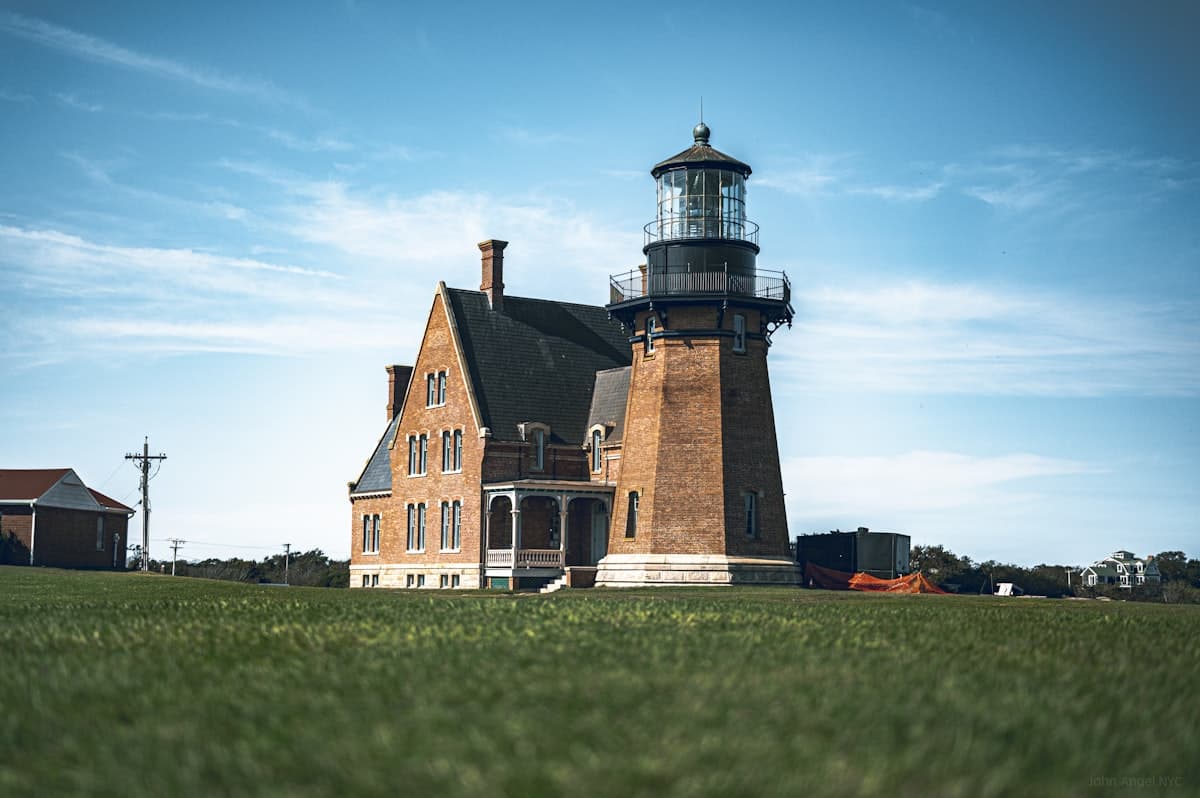
- Sandy Point (the North Light) — the island's northern tip and the North Rip, a current-swept point that's prime on the right tide.
To fish a striper beach, you want a long surf rod for distance — a 10- to 11-foot St. Croix Mojo Surf with a Penn Battle III 6000 and 30- to 40-pound braid. Fish moving water (the hours around a tide change), low light (dawn, dusk, and night), and structure (rips, rocks, points, and the white water of the wash). Watch your footing on the slick rocks, wear a wading belt and cleats, and never turn your back on the surf.
Surfcasting for Striped Bass on a New England PointThe Great Salt Pond
Block Island's large inner harbor, the Great Salt Pond (New Harbor), connects to the ocean through a narrow channel that rips with tidal current — and that current attracts striped bass, bluefish, fluke, and scup right inside the protected pond. It's the calm-weather, beginner-friendly alternative when the open coast is rough. Drift the channel and the pond's edges with a bucktail tipped with Berkley Gulp for fluke, fish small hooks with squid for scup (porgy) off the docks and shoreline, and work the channel mouth on a moving tide for stripers and blues. The pond is also the island's harbor, so it's an easy place to launch a kayak or fish from shore near the marinas.
Fall False Albacore and Bonito
When the water cools in September and October, the speedsters arrive: false albacore (little tunny) and bonito blitz through, especially around the entrance to the Great Salt Pond, the Coast Guard station, and Beane's Point. These are blistering-fast light-tackle fish that crash bait on the surface — you sight-cast a small, heavy metal (a Hogy Epoxy Jig or a Deadly Dick) into the breaking fish and retrieve as fast as you can. They run drag like nothing their size, and hooking one on a light spinning outfit (a Shimano Stradic 4000 on a fast-action rod) is addictive. False albacore leave first as the water cools; bonito follow by mid-October.
Light-Tackle False Albacore and Striped BassBottom Fishing: Fluke, Sea Bass, Scup, and Tog
For steady action and great eating — and the most kid-friendly fishing on the island — drop to the bottom. Fluke (summer flounder) are caught drifting a bucktail-and-Gulp or a squid-and-spearing rig over sandy bottom in the pond and around the island in summer. Black sea bass and scup stack up over rocks, wrecks, and reefs and hammer a simple two-hook hi-lo rig baited with squid or clam. Tautog (tog) are a fall specialty — drop a green crab on a jig or a snafu rig right into the rocks and feel for their subtle "knock," then set fast. These fisheries are forgiving, productive, and a perfect way for a beginner or a family to fill a cooler while the striper crowd waits for nightfall. The water around the island and the wrecks and reefs offshore are loaded with sea bass and scup in summer, and the bottom fishing rarely shuts off the way the striper bite can — if you just want bent rods and dinner, drop a hi-lo rig over structure and you'll stay busy. Tautog fishing tightens up in the fall and is a genuine art (they steal crabs with maddening skill), but it's also some of the best eating in the ocean, so it's worth the patience.
A Note on Conservation
Block Island's status as a striper mecca comes with a responsibility, because the striped bass population has been under real pressure coastwide. Keep only a legal slot fish if you want one for the table, and release the big breeder cows — the 40-pounders the island is famous for are almost all large females carrying the next generation. Use the required circle hooks with bait so fish are hooked in the jaw, not the gut; revive a tired striper in the water before letting go; and handle these fish quickly and gently. The same care applies to oversized tautog and to the false albacore, which aren't even good eating and should simply be released to fight another day. Block Island stays a mecca only because anglers protect what makes it one.
Reading the Rips and the Tides
Block Island's fishing is built on rips — the lines of broken, turbulent water where strong tidal current flows over a ledge, bar, or point and collides with slower water. Bait gets swept into and disoriented by the rip, and big stripers and blues sit on the down-current edge picking it off. Learning to spot and fish a rip is the single most useful skill here. From a boat, you position up-current and drift or cast baits and lures so they sweep naturally into the rip line, just like the bait does. From shore, you fish the white water and the current seams off the points the same way. Either way, the cardinal rule is to fish the moving tide — a rip only forms and fishes when the current is running, so the hours around max current (not slack) are prime, and a good local will time the whole day around the tide and the spots that "turn on" at each stage.
Low light multiplies everything. Stripers especially are night and twilight feeders, so dawn, dusk, and after dark consistently out-produce bright midday — which is why the island's serious surfcasters are out on the rocks at 3 a.m. Combine moving water, low light, and a rip or structure, and you've stacked the odds as far as they'll go.
Getting There and Fishing an Island
Block Island is reached by ferry (from Point Judith, RI primarily, plus seasonal routes), and that shapes how you fish it. You can bring a vehicle on the traditional ferry with a reservation, or come as a foot passenger and get around by bike, moped, taxi, or a rental — many surfcasters simply walk or bike to the nearby points with a rod and a plug bag. Because everything comes over on the boat, pack light and deliberate: one versatile surf rod, a compact plug bag, waders or wading boots with cleats for the slick rocks, a headlamp, and rain gear cover most of it. If you want to fish the rips by boat without bringing your own, book a charter out of the Great Salt Pond — far simpler than trailering a boat onto a ferry. Plan lodging and ferry reservations well ahead in summer; the island is small and popular, and the best striper weeks (the July full moon, the September–October run) book up fast.
Gear: What to Bring
On a charter, gear is provided. Fishing on your own, two setups cover Block Island:
- Surf/striper: a 10- to 11-foot St. Croix Mojo Surf rod, Penn Battle III 6000, 30-40 lb braid, a plug bag with a Super Strike Needlefish, Daiwa SP Minnow, Gibbs Pencil Popper, and bucktails, plus live eels for night fishing.
- Light tackle / bottom: a 7-foot medium rod, a Shimano Stradic 4000, 15-20 lb braid for albies, fluke bucktails, Berkley Gulp, hi-lo rigs, and green crabs for tog. Add cleats or studded boots for the rocks, a headlamp for night fishing, foul-weather gear, and a cooler. Remember everything has to come over on the ferry, so pack efficiently.
When to Go
- Late May–June: Stripers arrive and the season ramps up; school fish first, then bigger bass.
- July: Prime trophy striper time, especially the full-moon nights; fluke and sea bass fishing strong.
- August: Steady stripers and bottom fishing; the first albies/bonito can show late.
- September–October: The fall run — bulking-up stripers, blitzing false albacore and bonito, and excellent tog. Many anglers' favorite stretch.
- November: Late-season stripers on their southward migration before the island quiets for winter.
A First-Timer's Plan
For your first Block Island trip, book a charter out of the Great Salt Pond to drift the rips for stripers — the captain handles the tide, the eels, and the structure, and it's the highest-percentage way onto a big fish. Want to surfcast? Start at the southwest corner around a tide change at dawn or dusk with a plug, and graduate to night eeling once you're comfortable on the rocks. For easy action or fishing with kids, drift the Great Salt Pond for fluke and scup. Buy your RI license online first, use circle hooks with bait, and respect the striper slot.
Recommended Gear
St. Croix Mojo Surf Rod
10-11 ft surf rod for casting plugs and eels to Block Island stripers
Penn Battle III 6000 Spinning Reel
Surfcasting reel with the capacity for big cow stripers
Super Strike Needlefish
Classic striper plug worked across the rips and wash
Daiwa SP Minnow
Versatile swimming plug for surf and boat stripers
Hogy Epoxy Jig
Fast-retrieve metal for fall false albacore and bonito blitzes
Shimano Stradic 4000
Light-tackle reel for albies, fluke, and scup
SPRO Bucktail
Tipped with Gulp for fluke in the Great Salt Pond and stripers in the rips
Top Fishing Guides in Block Island
Block Island's captains know which rip is holding the big cows on tonight's tide, where the albies are blitzing in the fall, and how to put a first-timer onto trophy striped bass. They bring the boat, the eels, and the local knowledge that turns this striper mecca into a great day on the water.
Hula Charters
Block Island, RI, US
5.0 (13 reviews)
Hula Charters Captain Matt King operates Hula Charters around Block Island, widely regarded as the striper capital of the world. From May through October, the charter targets giant striped bass, bluefish, sea bass, fluke, and pelagic species including mahi-mahi and bluefin tuna. Whether you're an experienced angler or picking up a rod for the first time, Hula Charters welcomes all skill levels. The operation distinguishes itself through flexible trip formats, offering everything from quick two-hour sessions to full-day adventures. This variety ensures anglers can choose an experience that fits their schedule and ambitions, creating memorable time on the water in one of the Northeast's premier fishing destinations.
Pale Horse Charters
Block Island, RI, US
2.7 (12 reviews)
Pale Horse Charters brings two decades of expertise to family-friendly fishing adventures off Block Island, Rhode Island. Their specialization in light tackle fishing makes the sport accessible and enjoyable for anglers of all skill levels and ages, creating an ideal environment for families to fish together and bond on the water. With a commitment to personalized service, Pale Horse Charters tailors each outing to match their clients' interests and abilities. Whether guests are seeking their first fishing experience or looking to refine their skills, the guide's extensive knowledge and warm approach ensure memorable days on the water and the kind of experiences families return to year after year.
For the full seasonal calendar and the charter and ferry rundown, see our complete Block Island fishing guide. Fishing more of the Northeast striper coast? We also have first-timer guides for Montauk and Cape Cod.
Frequently Asked Questions
What fish can you catch at Block Island, Rhode Island?
Block Island is famous for striped bass, including 40-pound-plus 'cows', plus bluefish, fall false albacore and bonito, fluke (summer flounder), scup (porgy), black sea bass, and tautog. Offshore there are tuna and sharks.
Why is Block Island good for striped bass?
It sits twelve miles offshore amid strong tidal rips and structure that concentrate huge numbers of striped bass from May to November. The southwest corner and the island's rip lines hold trophy fish, and you can catch them from a boat or by surfcasting the beaches — it's considered a striper mecca.
Do I need a license to fish Block Island?
Yes — a Rhode Island recreational saltwater fishing license for anyone 18 or older (charters cover passengers). Circle hooks are required when bait-fishing for striped bass, and there's a strict striper slot limit plus size/season rules for fluke, tog, sea bass, and scup — check current RI regulations.
Where can you surfcast on Block Island?
The southwest corner (Southwest Point) is the legendary spot, plus Dories and Grace's coves, Charlestown Beach, Dead Man's Cove and Skipper's Island near the Great Salt Pond entrance, and Sandy Point at the North Light. Fish moving tides and low light with plugs or live eels.
When is the best time to fish Block Island?
July is prime for trophy stripers, especially full-moon nights. September and October bring the fall run — bulking-up bass plus blitzing false albacore and bonito and excellent tog. Stripers are catchable from late May through November.
Related Articles
Block Island Fishing: Where the Rips, the Rocks, and the Currents Concentrate Everything
Wednesday, February 18, 2026
How to Fish Cape Cod: A Beginner's Guide to Striped Bass, Bluefish, and the Fall Run
Saturday, February 28, 2026
How to Fish Montauk: A Beginner's Guide to Surf Casting, Party Boats, and the Striper Blitz
Monday, March 30, 2026
How to Fish Ocean City, MD: A Beginner's Guide to the Inlet, Piers, Head Boats, and the Canyons
Wednesday, March 18, 2026
How to Fish San Francisco Bay: A Beginner's Guide to Halibut, Stripers, and Pier Fishing Under the Golden Gate
Monday, February 16, 2026
How to Fish Chesapeake Bay: A Beginner's Guide to Rockfish, Blue Catfish, Crabbing, and the Bay's Best Techniques
Sunday, February 1, 2026