
How to Fish Cape Cod: A Beginner's Guide to Striped Bass, Bluefish, and the Fall Run
Everything a first-timer needs to fish Cape Cod — surfcasting for striped bass on the National Seashore, Canal fishing, flats wading, bluefish, false albacore in the fall, tautog on the rocks, and charter trips. Gear, rigs, tides, and what to bring.

Cape Cod is a 65-mile arm of sand and glacial deposits curling into the Atlantic, and it has been one of America's premier saltwater fishing destinations for over a century. The striper surf-casting culture here runs deep — generations of anglers have stood in the wash at dawn and dusk, casting plugs into the dark for fish they can hear but not see. But Cape Cod fishing is not just striped bass. Bluefish tear through bait schools all summer. False albacore and bonito arrive in September and provide some of the most heart-pounding light-tackle fishing anywhere. Tautog (blackfish) stack up on rock structure in the fall. And the flats — particularly Brewster Flats and Monomoy — offer sight-fishing on foot that rivals tropical destinations.
What makes Cape Cod special for beginners is the variety of accessible, shore-based fishing. You don't need a boat. The Canal, the beaches, the jetties, and the flats are all public and fishable on foot. A beginner with the right gear and basic knowledge of the tides can catch fish on their first trip.
This guide covers the practical how-to for each fishery — surfcasting, Canal fishing, flats wading, and charter options. For the full destination overview, read our complete Cape Cod fishing guide.
Surfcasting for Striped Bass: The Cape Cod Tradition
Surfcasting — standing on the beach and casting into the waves — is the soul of Cape Cod fishing. Striped bass migrate north along the Atlantic coast in spring and south in fall, and Cape Cod sits right in their path. Fish arrive in May, build through June and July, and the fall migration (September through November) brings aggressive, feeding fish close to shore.
Where to Cast
Cape Cod National Seashore — the beaches of Eastham, Wellfleet, Truro, and Provincetown face the open Atlantic. Nauset Beach, Coast Guard Beach, and Race Point are legendary striper spots. These are wide, sandy beaches with sandbars and cuts where stripers hunt baitfish. An ORV (over-sand vehicle) permit lets you drive onto the beach and fish remote stretches, but you can walk in from parking lots too.
Cape Cod Canal — the 7-mile canal connecting Cape Cod Bay to Buzzards Bay funnels massive amounts of baitfish through a narrow channel with strong current. Stripers stack up here, especially during the tide changes. You fish from the service roads along both banks — flat, paved paths that make it the most physically accessible surf fishing anywhere. During the spring and fall runs, the Canal is elbow-to-elbow with anglers at dawn and dusk.
South-side beaches — Falmouth, Hyannis, Dennis, and Chatham face Nantucket Sound. Generally calmer water, smaller fish, but more beginner-friendly conditions. Good for families with kids who want to catch their first striper.
Casting the Cape Cod Canal for StripersGear
Surf rod: A 9- to 10-foot medium-heavy spinning rod paired with a 6000 to 8000 reel. This gives you the casting distance to reach the bars and cuts where stripers feed. A Penn Spinfisher VI 6500 ($170 at Bass Pro) on a Penn Prevail III 10-foot surf rod ($100) is a proven Cape Cod combo. For the Canal specifically, you can get away with a shorter 7- to 8-foot rod since you're not fighting surf — you're casting into current.
Line: 30-pound braid mainline (PowerPro Super Slick V2, $25) with a 40-pound fluorocarbon leader (Seaguar Blue Label, $15) connected by a uni-to-uni knot (3 to 4 feet of leader). The braid casts far and has no stretch for solid hooksets. The fluorocarbon leader is invisible in the water and resists abrasion from rocks and the striper's sandpaper mouth.
For beginners on a budget: A Penn Fierce IV 6000 combo ($80 at Bass Pro) with a 9-foot rod handles Canal and beach fishing and won't break the bank if saltwater corrodes it.
Lures and Bait
Plugs are the traditional Cape Cod striper lure. Swimmers (also called swimming plugs or minnow baits) — large, slow-sinking plugs that wobble through the current mimicking a wounded baitfish. A Daiwa SP Minnow in blue/silver ($12 at Bass Pro) or Bomber Long A in chrome/black back ($9) is the classic Canal and surf swimmer. Cast up-current and retrieve slowly, letting the current add action.
Bucktail jigs — a 1- to 2-ounce white bucktail ($5 at Bass Pro) tipped with a Uncle Josh pork rind trailer ($6) or a Berkley Gulp Grub is deadly in the Canal. Cast up-current, let it sweep through the eddy, and jig it back. The bucktail is the oldest artificial lure in American fishing and still one of the most effective.
Needlefish plugs — slim, pencil-shaped surface plugs that leave a subtle V-wake. Deadly at night. The Hogy Original in bone ($18) or a hand-carved wooden needlefish from local plug makers are Cape Cod icons.
Topwater — when bass are blowing up on bait at dawn or dusk, a pencil popper ($10-15) worked with a walk-the-dog retrieve triggers explosive surface strikes. The strike alone is worth the trip.
Bait fishing: If you'd rather use natural bait, a whole or chunk fresh sea worm (sandworm or bloodworm, $12 to $15 per dozen at bait shops) on a fish-finder rig (sliding sinker on the mainline, swivel, 3-foot leader, 5/0 circle hook) is the traditional bottom rig. Fresh clam also works. Cast out, put the rod in a sand spike, and wait.
Striped Bass Tactics — Catching Stripers from ShoreTides Matter — A Lot
On Cape Cod, the tide schedule determines when you fish. Stripers are ambush predators that use current to their advantage. They position behind rocks, sandbars, and channel edges and wait for baitfish to be swept past.
Canal: Most regulars fish the two hours before and after the tide change (both flood and ebb). The current peaks mid-tide and slows near the change — fish feed aggressively as the current builds and again as it fades. Check the tide chart before you go and plan to be on the banks at least 30 minutes before the change.
Surf beaches: Incoming tide is generally best — stripers follow the rising water onto the sandbars to feed. The last two hours of the incoming through the first hour of the outgoing is the prime window. Dawn and dusk outfish midday by a wide margin.
Flats: Brewster Flats fish best on the incoming tide as water floods the vast expanse of sand and grass.
Night Fishing
Cape Cod's best striper fishing often happens after dark. Big bass are nocturnal feeders — they move into the shallows, cruise the beach breaks, and hunt by feel and vibration. Surfcasting at night with dark-colored swimming plugs (black or dark purple) in the wash zone of the National Seashore beaches is peak Cape Cod striper fishing. You'll hear fish crashing bait, feel the line go tight, and fight a 20- to 40-inch bass in the dark. Bring a headlamp with a red-light mode (white light spooks fish in the shallows), pliers, and a stripping basket to manage your line.
Night Surfcasting for Striped Bass at Cape Cod's National SeashoreBluefish: Aggressive and Everywhere
Bluefish arrive on Cape Cod in mid-June and stay through October. They travel in schools, feed in violent frenzies (a bluefish blitz looks like the water is boiling), and they'll eat anything that moves. Blues are excellent beginner targets because they are not picky — cast a metal jig, a plug, or a chunk of bait into a school and you'll get bit.
Gear: The same surf setup you use for stripers works for blues. Add a 6-inch wire leader ($3 for a pack at Bass Pro) between your fluorocarbon and the lure — bluefish teeth will cut through mono and fluorocarbon in a single chomp.
Lures: Kastmaster spoons in 1- to 2-ounce chrome ($5 at Bass Pro), metal jigs, and topwater poppers. Retrieve fast — bluefish respond to speed and flash.
From the surf: When you see birds diving and water erupting, cast into the frenzy. Blues are not selective during a blitz. A frantic retrieve works better than a subtle one.
Handling: Be very careful with bluefish — their teeth are razor sharp and they continue snapping after they're caught. Use pliers to remove hooks and grip the fish behind the head. Never put your fingers near a bluefish's mouth.
Striped Bass and Bluefish in the Cape Cod SurfFalse Albacore and Bonito: Fall's Light-Tackle Thrill
Starting in late August and peaking in September and October, false albacore (locally called "albies") and Atlantic bonito arrive in the sounds and off the outer beaches. These are small tuna relatives — 5 to 15 pounds — that run at incredible speed and pull far harder than fish twice their size. Hooking an albie on light tackle is a right-of-passage for Cape Cod anglers.
Where: Wasque Point (Chappaquiddick/Martha's Vineyard, accessible by ferry), Monomoy Island (by boat), and the south-side beaches from Falmouth to Chatham. Watch for "breaking fish" — fast-moving surface explosions as albies chase silversides and bay anchovies.
Gear: A 7- to 8-foot medium spinning rod with a 4000 reel spooled with 15-pound braid and a long (6-foot) 12-pound fluorocarbon leader. Albies are line-shy — the lighter, longer leader is critical.
Lures: Small. Albies eat tiny baitfish and reject anything that looks wrong. An Albie Snax ($6) or Hogy Epoxy Jig in olive/white (1.5-inch, $8) cast into breaking fish and retrieved fast. Crippled Herring ($7 at Bass Pro) in 1/2-ounce chrome. Match the bait size — if the bait is 2 inches, your lure should be 2 inches.
Fly fishing for albies is the ultimate Cape Cod fly fishing challenge. A 9-weight rod with a fast-sinking line and a small Surf Candy or Clouser Minnow in olive/white, size 2 to 4. Strip fast. The fish are moving at 20+ mph — you need to cast ahead of the school and strip hard.
Tautog: Fall Rock Fishing
Tautog (blackfish) are a thick-bodied, hard-fighting bottom fish that live around rocks, jetties, bridge pilings, and wrecks. They become a prime target from October through December as water temperatures drop and other species migrate south.
Where: The jetties at Sandwich, the rocks at Woods Hole, Buzzards Bay structure, and nearshore wrecks accessible by boat.
Gear: A 7-foot medium-heavy spinning or conventional rod with a 4000 reel and 30-pound braid. Tautog dive into rock crevices the instant they're hooked — you need the backbone to turn them.
Rig: A simple two-hook bottom rig with Virginia-style tautog hooks (size 4 to 2) baited with Asian shore crabs (catch them at low tide under rocks along any jetty — free and the best bait) or green crabs (bait shops, $8 per dozen). Drop the rig straight down into the rocks and hold tight. When you feel a tap-tap-tap (tautog mouth the bait before eating), wait for the rod to load, then set hard and crank immediately. They're either coming out of the rocks or they're not — there's no negotiation with a tautog.
Charter Fishing
Striper charters run half-day trips (4 to 5 hours) from most harbors around the Cape — Hyannis, Chatham, Falmouth, Barnstable, Provincetown. Expect $500 to $900 per boat for up to 4 anglers. The captain provides rods, tackle, and bait. You troll, cast live bait (eels at night), or work structure. Charter captains know the tide patterns and fish movements that take years to learn on your own.
Offshore trips — bluefin tuna charters run from late June through November. Full-day trips from Chatham, Harwich, or Provincetown run $2,000 to $3,500 per boat. Cape Cod sits near the edge of the continental shelf, and giant bluefin tuna (500 to 1,000+ pounds) feed in the waters south of Chatham and Provincetown. This is bucket-list fishing — but even catching a "school" bluefin (30 to 70 inches) is an extraordinary fight.
Practical Details
Fishing License: Massachusetts requires a free saltwater fishing permit for anyone 16 and older. Register online at mass.gov/service-details/saltwater-fishing-permit — it's free, but you must have it. Freshwater requires a separate paid license. Charter boats cover you.
Tackle shops: Canal Bait and Tackle (Sagamore) — the Canal fishing authority, staff know exactly what's biting and what lures to throw. Red Top Sporting Goods (Buzzards Bay) — full-service, huge selection. Goose Hummock (Orleans) — the Outer Cape institution, also has kayak and paddleboard rentals. These are where you get real-time fishing reports and local intel — ask what's biting.
Tides: Check tide charts for your specific location before every trip. Tides on the Canal are different from tides on the outer beaches, which are different from Nantucket Sound. Phone apps like Tides Near Me or the NOAA tide prediction website give you location-specific charts.
Parking: Beach parking fills up early in summer (before 8 AM on weekends). The Canal has parking lots along the service road on both sides. National Seashore beaches charge $25/day or $65/season. ORV permits for driving on the beach are $65/season (reserve at recreation.gov — they sell out).
What to Wear: Cape Cod weather is unpredictable — bring layers. A windbreaker or rain jacket for the beaches. Waders are essential for surf fishing in spring and fall when the water is cold (Simms Tributary waders, $130 at Bass Pro, or Frogg Toggs budget waders, $70). In summer, quick-dry shorts and a wading belt work for the flats. Polarized sunglasses are critical for spotting fish on the flats and reading water from the beach.
Best Time to Visit: May and June for the spring striper run (biggest fish). July and August for beach fishing with family (warmest, most accessible). September and October for the fall run — the best all-around fishing with stripers, blues, albies, and tautog all available.
Looking for a guide in Cape Cod?
We don't have specific guides listed in Cape Codyet, but we're growing fast.
Browse All GuidesFrequently Asked Questions
What is the best time to fish Cape Cod for striped bass?
May and June for the spring run — the biggest stripers migrate through and feed aggressively. September and October for the fall run — high numbers of feeding fish moving south. Night fishing (after dark with swimming plugs) produces the biggest bass year-round. The Cape Cod Canal fishes best around tide changes — plan to arrive 30 minutes before the turn.
What gear do I need for surfcasting Cape Cod?
A 9-10 foot medium-heavy spinning rod with a 6000-8000 reel spooled with 30lb braid and 40lb fluorocarbon leader. Penn Spinfisher VI 6500 + Penn Prevail III 10ft ($270 total) is a proven combo. For lures: swimming plugs (Daiwa SP Minnow, $12), bucktail jigs (1-2oz white, $5), and Kastmaster spoons for bluefish. Budget option: Penn Fierce IV 6000 combo ($80).
Do I need a fishing license for Cape Cod?
Massachusetts requires a free saltwater fishing permit for anyone 16+. Register online at mass.gov — it's free but mandatory. Charter boats cover you. For freshwater fishing, a separate paid license is required. Register before your trip — you can be fined without it.
Can I catch striped bass from shore on Cape Cod?
Yes — Cape Cod is one of the best shore fishing destinations in the US. The Cape Cod Canal, National Seashore beaches (Nauset, Coast Guard, Race Point), and south-side beaches all produce stripers from shore. No boat needed. The Canal's paved service roads make it the most accessible surf fishing anywhere. Best at dawn, dusk, and after dark.
What are false albacore and when do they arrive on Cape Cod?
False albacore (albies) are small tuna relatives (5-15 lbs) that arrive late August through October. They're incredibly fast and fight far harder than their size suggests. Fish for them off the south-side beaches, Wasque Point, and Monomoy with small jigs (Albie Snax, Crippled Herring) on light tackle with long fluorocarbon leaders. Matching the tiny bait size is critical.
Related Articles
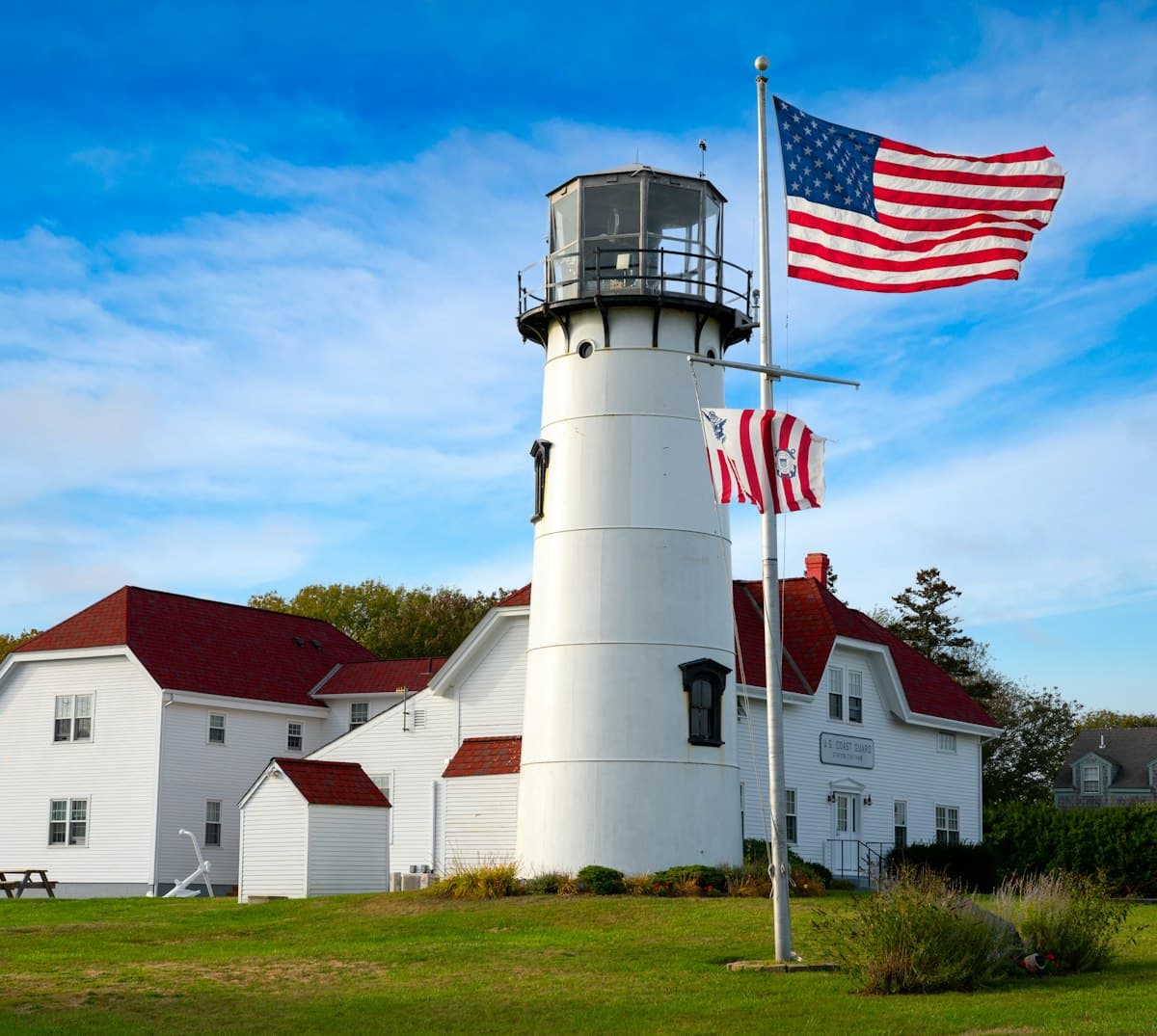
Cape Cod Fishing: The Canal, the Flats, and the Tuna Grounds — Three Fisheries on One Peninsula
Monday, November 10, 2025
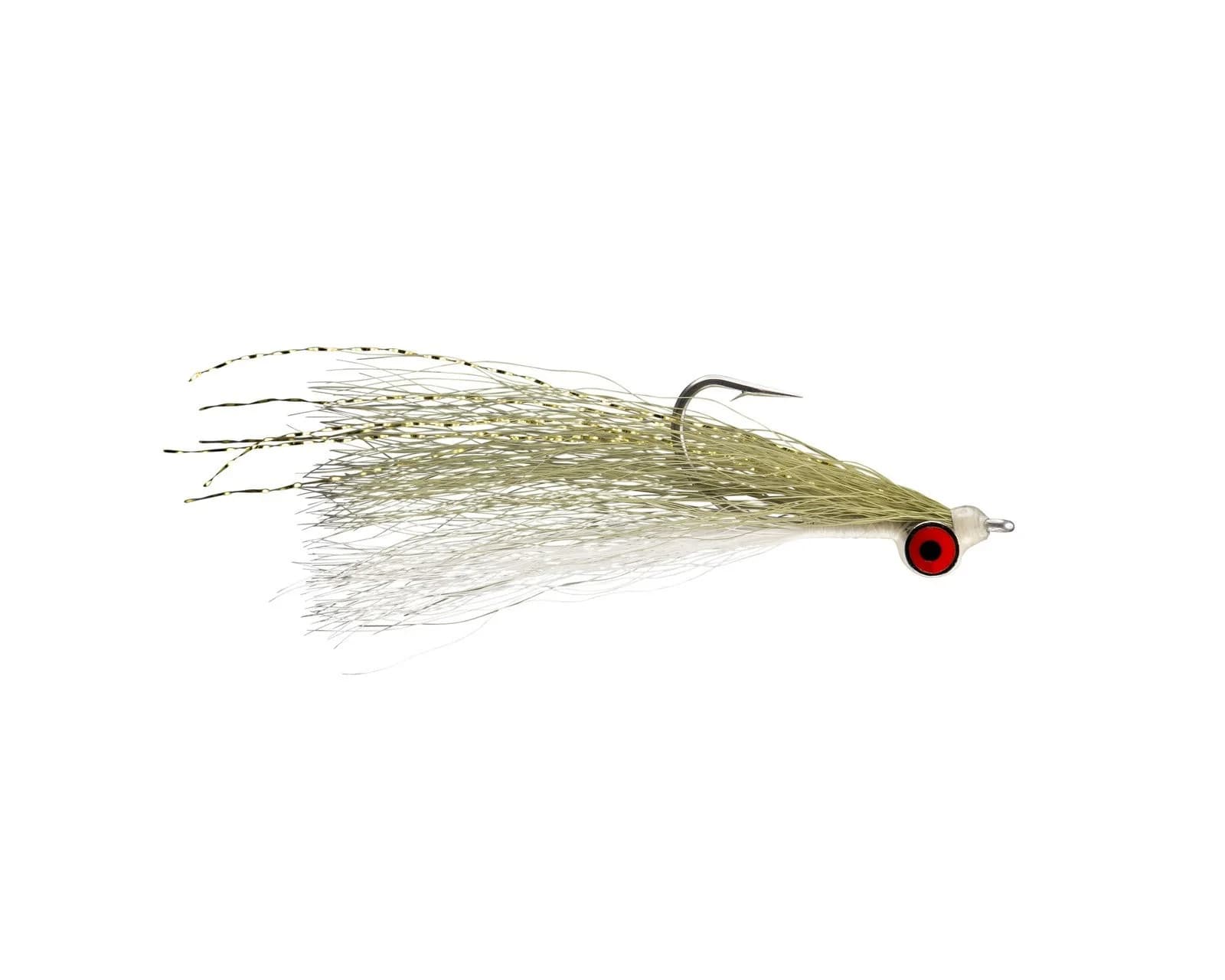
The Clouser Minnow: How to Tie the Fly That Catches Everything With Fins, From Bonefish to Bass to Stripers
Friday, November 28, 2025
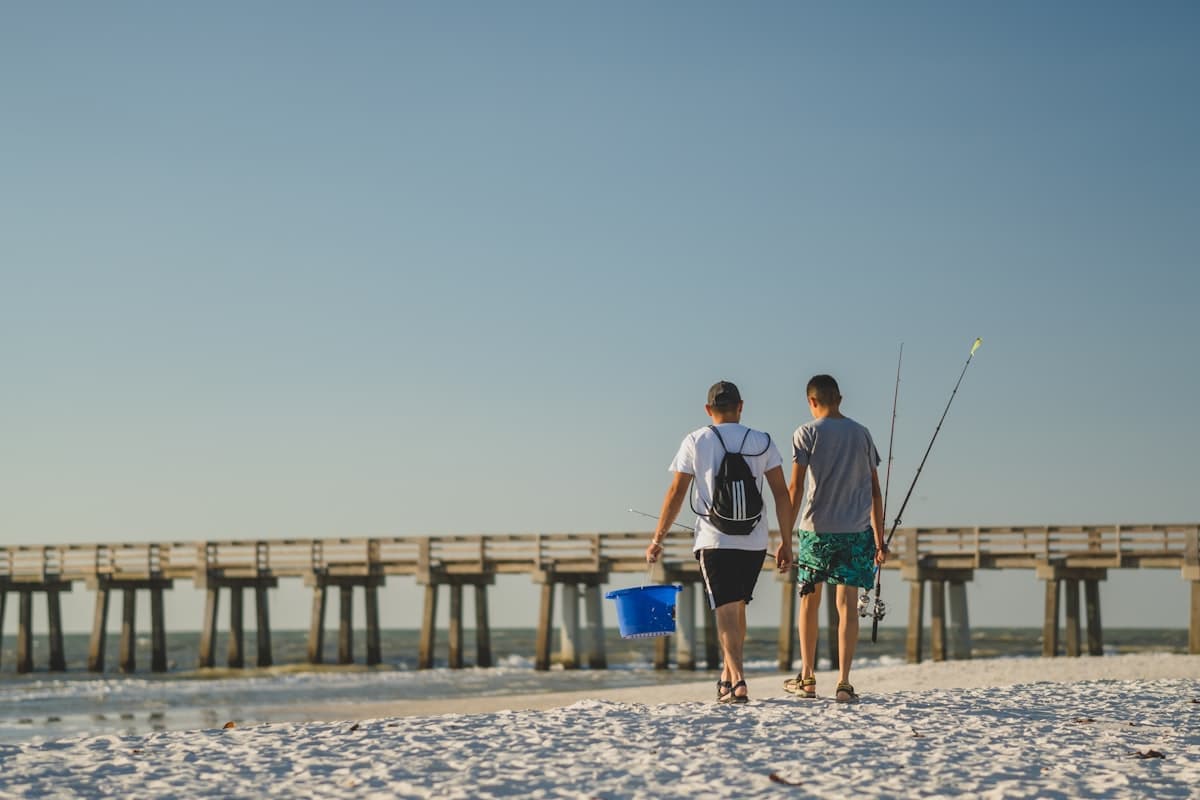
How to Fish Destin, Florida: A First-Timer's Guide to Gear, Rigs, and Technique
Saturday, May 30, 2026
 ™
™