
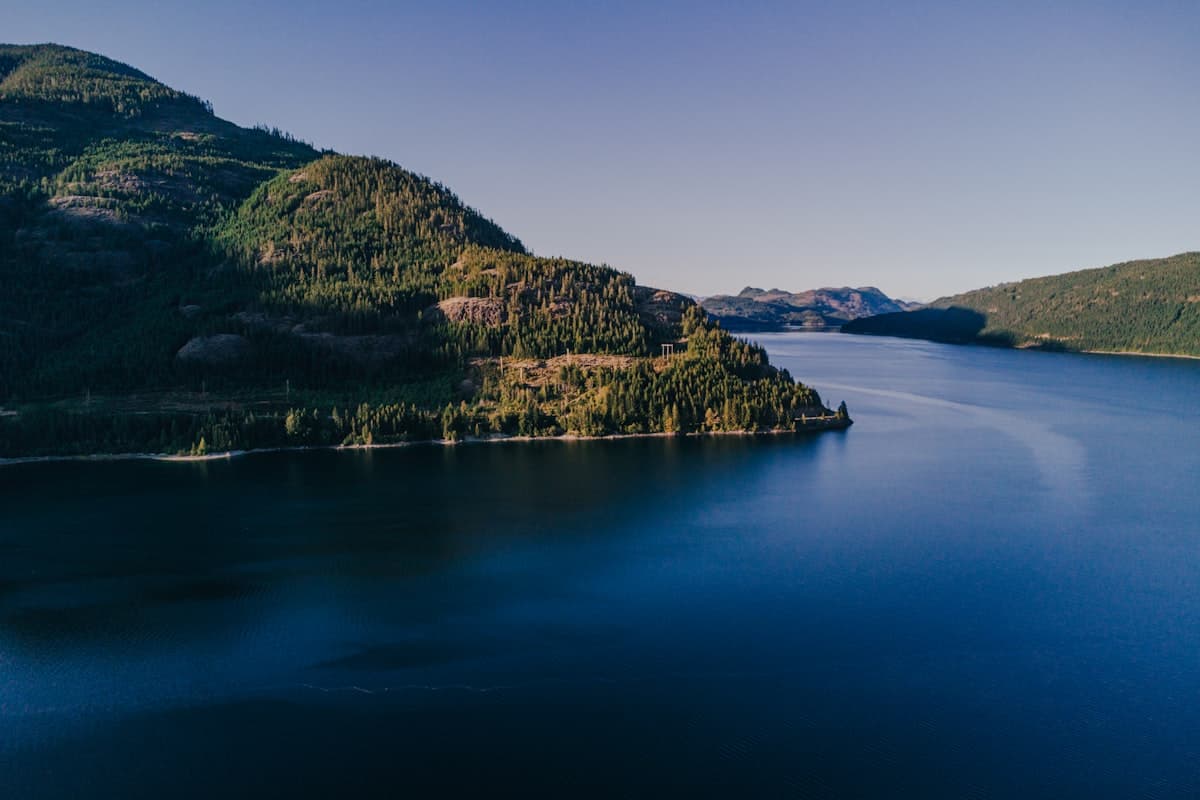
How to Fish Campbell River, British Columbia: The Salmon Capital of the World and the Legendary Tyee Pool
Campbell River earned its title as the Salmon Capital of the World because all five Pacific salmon species migrate through Discovery Passage, and the legendary Tyee Pool has been producing 30-pound-plus chinook from rowboats since 1924.
Campbell River sits on the east coast of Vancouver Island where Discovery Passage funnels tidal currents between the island and the mainland. That narrow channel creates a natural migration corridor — every salmon returning to rivers north of Campbell River must pass through these waters, and the nutrient-rich upwelling concentrates baitfish that hold the salmon in the area for weeks. The result is a fishery that has called itself the Salmon Capital of the World since the early 1900s, and the fishing backs up the claim.
All five Pacific salmon species — chinook (king), coho (silver), sockeye (red), pink (humpy), and chum (dog) — run through Campbell River in overlapping waves from May through November. Chinook are the main event, with the legendary Tyee Pool at the mouth of the Campbell River producing 30-pound-plus fish ("tyees") from rowboats using traditional methods since 1924. The Tyee Club of British Columbia is one of the oldest fishing clubs in North America, and landing a tyee from the pool remains one of the great achievements in Pacific salmon fishing.
Beyond salmon, the waters around Campbell River hold Pacific halibut, lingcod, and rockfish on the reefs and banks, and the freshwater Campbell River and Quinsam River produce steelhead and resident trout.
If you fished Tofino and Ucluelet on the west coast, Campbell River is the east coast counterpart — calmer waters (protected from the open Pacific by the island), more species diversity, and the cultural heritage of the Tyee Pool that no other fishery can match.
Chinook Salmon: The Tyee Chase
Chinook are the prestige species. They arrive in Discovery Passage as early as April (winter chinook, called "springs") and build through the summer. The main run peaks in July and August, when fish average 15 to 25 pounds with genuine tyees (30 pounds or more) caught regularly. The largest chinook caught in Campbell River waters have exceeded 60 pounds.
The Tyee Pool
The Tyee Pool is a specific stretch of water at the mouth of the Campbell River where the river current meets the tidal flow of Discovery Passage. Since 1924, the Tyee Club has governed fishing in the pool with strict rules:
- Rowboats only — no motors allowed in the pool
- Rod and reel only — no downriggers, no electronics
- 20-pound test line maximum
- Artificial lure or strip of bait — plugs (Gibbs-Delta, Tomic) or herring strip
- A fish must weigh 30 pounds or more to qualify as a tyee
A guide rows you through the pool while you fish a plug or bait in the current. The technique is mooching — letting your lure drift and work in the tidal flow as the guide controls the boat position with the oars. When a tyee takes, you fight it on 20-pound line from a rowboat with no motor — a contest between angler and fish that has not changed in a century.
Tyee season runs mid-July through mid-September, with August being the peak month. Guided tyee rowboat trips run CAD $500 to $800 for a 4-hour session. The experience is as much about tradition and setting as it is about catching fish.
Discovery Passage Chinook (Modern Methods)
Outside the Tyee Pool, chinook are caught by trolling in Discovery Passage using modern tackle — downriggers, flashers, spoons, and herring.
Trolling setup: A 10-foot mooching rod or medium-heavy trolling rod with a level-wind reel loaded with 20- to 30-pound line. Downriggers lower lures to 60 to 180 feet — the depth where chinook feed along the underwater ledges and current breaks of Discovery Passage.
Lures: Spoons (Gibbs-Delta Skinny G, Silver Horde Kingfisher, Tomic plugs) in herring, anchovy, or UV patterns behind an 11-inch flasher on 5 to 6 feet of leader. Hoochies (soft plastic squid skirts) behind flashers are equally effective. Cut-plug herring — a whole herring with the head cut at an angle so it spins in the water — is a Campbell River tradition.
Key areas: The Tyee Pool area, Painter's Lodge (the historic fishing resort), Discovery Pier, and the waters around Cape Mudge on Quadra Island.
Chasing Tyee: Epic Chinook Salmon and Halibut Fishing Fishing BC Presents: The Historic Tyee Club in Campbell RiverCoho Salmon: The Silver Bullet
Coho arrive in late July and build through August, September, and October. They are the most acrobatic salmon — explosive surface strikes, cartwheeling jumps, and tail-walking runs that make them a favourite on light tackle. Average 6 to 15 pounds.
Technique: Trolling spoons and hoochies behind flashers at 20 to 60 feet — shallower than chinook. Coho feed aggressively near the surface, especially in the morning. When coho are schooling on the surface, casting spoons (Buzz Bomb, Zzinger, or Gibbs Croc) into the boils produces explosive strikes.
Fly fishing: A 7- or 8-weight fly rod with a sinking line, casting Clousers, Deceivers, or pink/chartreuse bucktail streamers into actively feeding coho. Campbell River has an active fly-fishing community that targets coho from boats and from shore around the river mouth.
Regulations (2026): Hatchery-marked coho (adipose fin clipped) may be retained — typically 2 per day. Wild coho (intact adipose fin) may be catch-and-release only in some periods. Always check DFO regulations.
All Five Species
Sockeye salmon: Run through Discovery Passage in July and August en route to rivers further north. Average 5 to 8 pounds. Sockeye are not easily caught by trolling — they feed on plankton, not baitfish. When retention is open, they are caught incidentally on small lures trolled shallow.
Pink salmon: Arrive in August and September in odd-numbered years (next: 2027) in enormous numbers. Average 3 to 6 pounds. Aggressive and easy to catch on small spoons and pink flies. The most accessible salmon for beginners.
Chum salmon: Run from September through November. Average 8 to 15 pounds and are the strongest fighters pound-for-pound of any Pacific salmon. They hit aggressively in tidal water on green or chartreuse spoons and flies. Underrated and under-targeted.
Halibut and Bottom Fish
Pacific halibut hold on the sandy banks and ledges accessible from Campbell River, typically in 150 to 300 feet. The season opens April 1 and runs through fall. Fish average 15 to 40 pounds with occasional barn doors over 80 pounds.
Technique: Jigging with 16- to 24-ounce halibut jigs tipped with salmon belly or octopus. Or spreader bar rigs with bait on the bottom. Same gear and methods as Tofino/Ucluelet — heavy conventional setup, 65- to 80-pound braid, short stiff rod.
Lingcod: Hold on rocky reefs and kelp edges in 30 to 150 feet. Jigging with 4- to 8-ounce leadhead jigs dressed with large soft plastics. Season typically April through October. Daily limit 1, minimum 65 cm. Aggressive fish that hit hard.
Rockfish: Yelloweye, quillback, and copper rockfish on the same reefs. Strict limits — most areas 1 per day, some species catch-and-release only. Descending device mandatory.
Salmon Fishing in Campbell River — Tips, Action, and Big CatchesFreshwater: Steelhead and Trout
The Campbell River and Quinsam River (a tributary) hold steelhead (winter run: December through April) and resident rainbow and cutthroat trout year-round.
Steelhead: Winter steelhead average 8 to 15 pounds. Float fishing with roe, beads, or jigs under a centre-pin reel is the traditional BC method. Fly fishing with swung flies (intruder patterns, egg-sucking leeches) on a switch rod or two-handed Spey rod is increasingly popular. A BC freshwater fishing licence plus a steelhead conservation surcharge is required.
Trout: Resident rainbows and cutthroat in the 10- to 16-inch range. Dry-fly fishing with small caddis and mayfly patterns on light rods (4- to 5-weight). The Quinsam River above the hatchery is productive and accessible.
Shore Fishing and Walk-On Access
Discovery Pier: A 180-metre public fishing pier on the Campbell River waterfront. One of the few places you can catch salmon from shore in downtown Campbell River. Chinook, coho, and pink salmon are all caught from the pier using casting spoons, buzz bombs, or strip of herring under a float. No boat needed.
Tyee Pool shore access: While the Tyee Pool itself is rowboat-only, the surrounding shoreline at the river mouth provides walk-on access for casting into tidal water.
Quinsam River: Walk-in wading access at several points above the Quinsam Hatchery. Good steelhead and trout water accessible on foot.
Charter Fishing
Salmon charters (Discovery Passage): Full-day (8 hours) CAD $1,200 to $1,800 for a private charter (2-4 anglers). Half-day (5 hours) CAD $800 to $1,100. Includes all tackle, downriggers, bait, fish cleaning. Most charters split time between salmon trolling and halibut/bottom fishing.
Tyee Pool guided rowboat: CAD $500 to $800 for a 4-hour session. A unique experience — rowing in the historic pool with a chance at a tyee chinook on traditional tackle.
Freshwater guides (steelhead): CAD $400 to $600 for a half-day on the Campbell or Quinsam rivers. Drift boat or walk-and-wade.
Fishing Licence and Regulations
Campbell River is in DFO Management Area 13. Both tidal and freshwater licences are available federally.
| Licence Type | Cost (CAD) |
|---|---|
| Canadian resident annual tidal | $25.86 + GST |
| Non-Canadian annual tidal | $124.41 + GST |
| Non-Canadian 3-day tidal | $20.92 + GST |
| Salmon conservation stamp | $6.29 + GST |
| BC freshwater licence (annual, resident) | $36 |
| BC freshwater licence (annual, non-resident) | $80 |
| Steelhead conservation surcharge | $25 |
Chinook regulations (Area 13, 2026): July 15 through August 31: 1 chinook per day, 62-80 cm size window. September 1 through March 31: 2 chinook per day, minimum 62 cm, no maximum size. Regulations change annually — always verify current DFO rules.
Barbless hooks mandatory in all BC tidal and non-tidal waters.
Hatchery vs. wild: Many salmon retention rules depend on whether the fish has its adipose fin clipped (hatchery) or intact (wild). Learn to identify the clip before you fish.
When to Come
April-June (Spring): Winter chinook in Discovery Passage. Halibut season opens April 1. Lingcod season opens. Fewer anglers, calm waters, smaller chinook but consistent action.
July-August (Peak Season): The main chinook run. Tyee Pool season (mid-July through mid-September). Coho arrive late July. All five salmon species present by August. The best fishing of the year — and the busiest.
September-October (Fall): Coho fishing peaks. Chum salmon run. Tyee Pool closes mid-September. Fewer crowds, excellent coho fishing, fall colours on the river.
November-March (Winter): Winter chinook trolling in Discovery Passage (year-round fishery). Steelhead on the Campbell and Quinsam rivers (December-April). Off-season rates on accommodation.
Practical Details
Getting there: Campbell River is on the east coast of Vancouver Island, 3 hours north of Victoria, 1.5 hours north of Nanaimo. Pacific Coastal Airlines flies from Vancouver to Campbell River (30 minutes). BC Ferries from Horseshoe Bay (West Vancouver) to Nanaimo, then drive north.
Weather: East coast of Vancouver Island is drier and warmer than the west coast but still Pacific Northwest — bring rain gear, layers, and a warm jacket for morning boat trips. Summer temperatures 18-25°C (64-77°F). The water is cold year-round.
Where to stay: Campbell River has hotels, motels, lodges, and vacation rentals. Painter's Lodge (a historic fishing resort) and April Point Lodge on Quadra Island are the iconic fishing accommodations. Book early for July and August.
Quadra Island: A 10-minute ferry from Campbell River. Cape Mudge and the waters around Quadra Island are productive fishing grounds. Worth exploring for a day trip or as an alternative base.
A Salmon Fishing Tale: The Tyee Club of Campbell River Campbell River Salmon — Chinook and Coho FishingRecommended Gear
Shimano Convergence 10'6" M Mooching Rod
Salmon mooching and downrigger trolling — the BC standard
Okuma Classic Pro GLT 8'6" M Trolling Rod
Downrigger trolling — chinook and coho in Discovery Passage
Shimano Tekota 600 Level-Wind Reel
Salmon trolling reel — smooth, reliable, built for years of service
Gibbs-Delta Skinny G Spoon UV Herring
Chinook spoon — the Campbell River standard behind a flasher
Hotspot Flasher 11" Chartreuse Glow
Salmon attractor — rotates ahead of trailing spoon or hoochie
Buzz Bomb 4 oz Green
Casting from Discovery Pier or boat — coho and chinook
Penn Carnage III 5'6" H Boat Rod
Halibut jigging — short and stiff for deep-water bottom fish
Penn Squall 30 Lever Drag
Halibut reel — heavy braid, lever drag for barn doors
Top Fishing Guides in Campbell River
Campbell River's fishing heritage goes back over a century, and the local guides carry that tradition. A Campbell River captain knows Discovery Passage's tidal patterns, where chinook are holding this week on the underwater ledges, and whether the coho have pushed into the passage yet. For the Tyee Pool, a rowboat guide's skill with the oars — positioning you in the current at exactly the right depth and drift speed — is the difference between a tyee and an empty boat.

Fullscale Fishing Adventures
Campbell River, BC, CA
Fullscale Fishing Adventures specializes in salmon fishing charters departing from Campbell River, the renowned Salmon Capital of the World. Their experienced guides lead anglers through the pristine waters of Discovery Passage in pursuit of Chinook, Chum, Coho, Pink, and Sockeye salmon. The operation's deep knowledge of these productive fisheries ensures guests connect with world-class salmon opportunities in one of British Columbia's most celebrated fishing destinations. The outfit accommodates all experience levels and group sizes, offering flexible trip options ranging from half-day excursions to comprehensive all-inclusive packages. Beyond the fishing itself, Fullscale Fishing takes pride in sharing the region's breathtaking marine environment and abundant wildlife, transforming each outing into a memorable experience that celebrates the natural beauty of the coast.

Island Life Fishing Charters
Campbell River, BC, CA
Island Life Fishing Charters offers guided salmon fishing experiences in Campbell River, British Columbia, a renowned destination celebrated as the "Salmon Capital of the World." With years of expertise navigating these productive waters, the charter service specializes in personalized trips designed for anglers of all skill levels, from beginners to seasoned fishermen. Beyond fishing, Island Life provides versatile ocean adventures that combine sportfishing with sightseeing opportunities, allowing guests to experience the region's stunning coastal scenery. Each outing is tailored to individual preferences and objectives, ensuring a memorable and enjoyable time on the water for every visitor.
TD Coastal Adventures
Campbell River, BC, CA
TD Coastal Led by Captain Dan, TD Coastal offers premier salmon fishing charters in Campbell River, British Columbia—the renowned 'Salmon Capital of the World.' With decades of guiding experience, Captain Dan specializes in tailored trips for both novice and experienced anglers, ensuring each outing is both productive and memorable. Guests pursue multiple salmon species including Chinook, Coho, Pink, and Chum while enjoying breathtaking coastal scenery and top-of-the-line fishing equipment. TD Coastal is committed to conservation practices, emphasizing catch-and-release methods to preserve the local fishery for future generations.

Quatsino Lodge
Campbell River, BC, CA
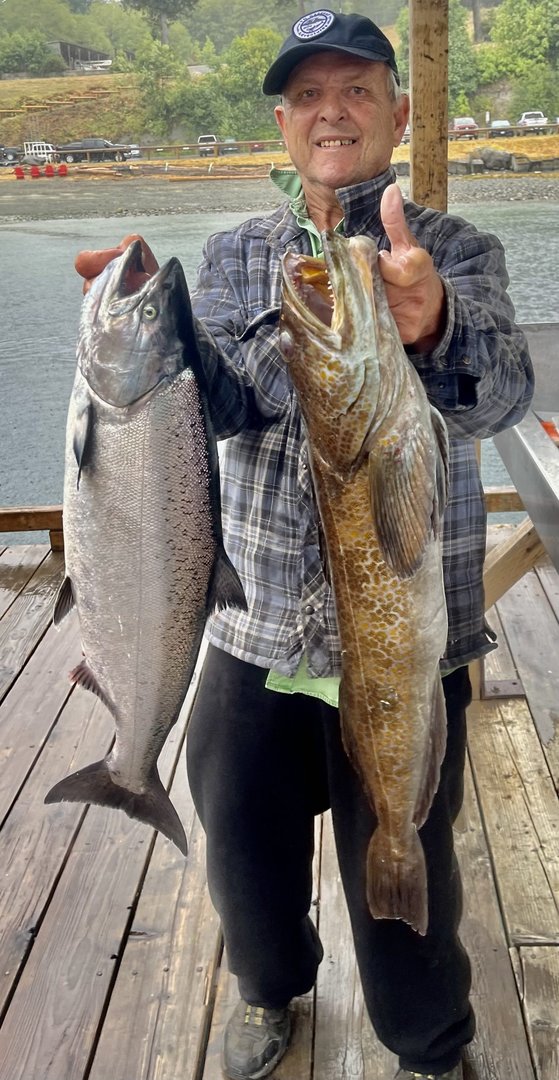
Sport Fish Canada Sport Fish Canada operates Quatsino Lodge, a premier fishing destination nestled in the pristine waters of Quatsino Sound on Vancouver Island, British Columbia. The lodge specializes in ocean and river sport fishing, with expert targeting of Chinook, Halibut, and Coho. Guests can choose between guided ocean excursions aboard heated cabin cruisers or intimate fly fishing adventures on nearby rivers and lakes. The team is dedicated to creating a welcoming, comfortable experience backed by professional guides and an on-site chef. Beyond fishing, the lodge's location offers exceptional opportunities for kayaking and wildlife viewing, making it an ideal base for a well-rounded Pacific Northwest adventure. Whether pursuing trophy catches or simply enjoying the natural beauty of the sound, visitors discover why Quatsino Sound remains one of British Columbia's most sought-after fishing destinations.
Northwest Saltwater Adventures
Campbell River, BC, CA
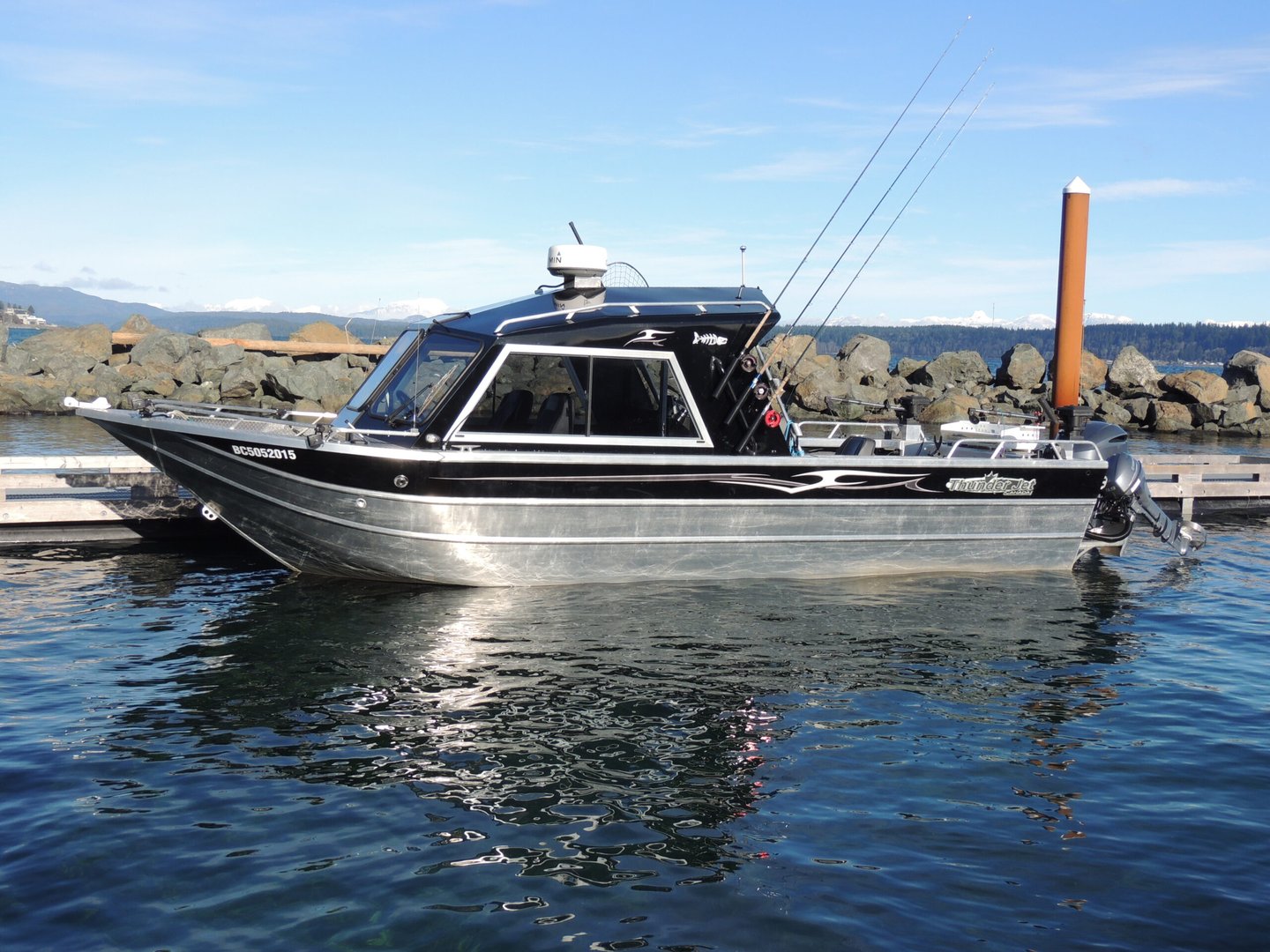
Northwest Saltwater Adventures specializes in guided fishing charters throughout Campbell River, BC, and the pristine waters of Gold River and Nootka Sound. Their licensed guides deliver professional, comfortable outings aboard a well-appointed 25-foot aluminum vessel featuring a heated cabin and onboard facilities—perfect for groups up to four anglers. Whether targeting salmon or exploring other saltwater species, guests enjoy flexible half-day and full-day options tailored to their preferences. The operation provides all necessary fishing gear, snacks, and beverages, allowing visitors to focus on the experience. Northwest Saltwater Adventures combines local expertise with modern amenities to create a welcoming and memorable Pacific Northwest fishing adventure.
East Coaster Sport Fishing
Campbell River, BC, CA
East Coaster Sport Fishing specializes in salmon boat charters departing from Campbell River on Vancouver Island. Led by experienced guide Robert Weeks, whose deep fishing background spans both Nova Scotia and Vancouver Island, the operation targets chinook, coho, sockeye, pink, and chum salmon with expertise and passion. The charter accommodates up to four guests per trip and welcomes anglers of all skill levels. Each outing features top-of-the-line fishing equipment and bait, allowing clients to focus on the experience. Boxed lunches are available, and the guide prioritizes creating a safe, enjoyable day on the water that guests will remember long after their return to shore.
Frequently Asked Questions
Why is Campbell River called the Salmon Capital of the World?
Discovery Passage funnels all salmon migrating to rivers north of Campbell River through one narrow channel, concentrating massive runs of all five Pacific salmon species. The legendary Tyee Pool has been producing 30-pound-plus chinook from rowboats since 1924. No other fishery combines this migration volume with this cultural heritage.
What is the Tyee Pool and how do I fish it?
The Tyee Pool is a stretch of tidal water at the mouth of the Campbell River where chinook stage before running upstream. Since 1924, it's been fished exclusively from rowboats with no motors, 20-pound test line, and artificial lures or bait. A guide rows while you fish — a 30-pound-plus chinook qualifies as a 'tyee.' Season: mid-July through mid-September, peak in August. Guided trips CAD $500-800.
When is the best time to fish Campbell River?
July and August for peak chinook runs and the Tyee Pool season. Late July through October for coho. April-June for spring chinook and halibut opening. September-October for coho and chum. Winter chinook are available year-round in Discovery Passage. Steelhead: December-April on the rivers.
What fishing licence do I need for Campbell River?
A federal DFO tidal licence for saltwater (Canadian residents $25.86, non-Canadians $124.41/year or $20.92/3 days) plus a salmon conservation stamp ($6.29) to keep salmon. For river fishing: a BC freshwater licence ($36 resident, $80 non-resident) plus steelhead surcharge if targeting steelhead. Barbless hooks mandatory everywhere.
How much does a Campbell River fishing charter cost?
Salmon charters in Discovery Passage: CAD $800-1,100 half-day, $1,200-1,800 full-day (2-4 anglers). Tyee Pool guided rowboat: CAD $500-800 for 4 hours. Steelhead river guides: CAD $400-600 half-day. All include tackle and gear. Book July-August well in advance.
Related Articles
How to Fish Tofino and Ucluelet, British Columbia: Chinook Salmon, Halibut, and Lingcod on Vancouver Island's Wild West Coast
Tuesday, December 2, 2025
How to Fish Destin, Florida: A First-Timer's Guide to Gear, Rigs, and Technique
Saturday, May 30, 2026
How to Fish Key West: A Beginner's Guide to the Southernmost Fishery
Tuesday, May 26, 2026
 ™
™