
How to Fish Tofino and Ucluelet, British Columbia: Chinook Salmon, Halibut, and Lingcod on Vancouver Island's Wild West Coast
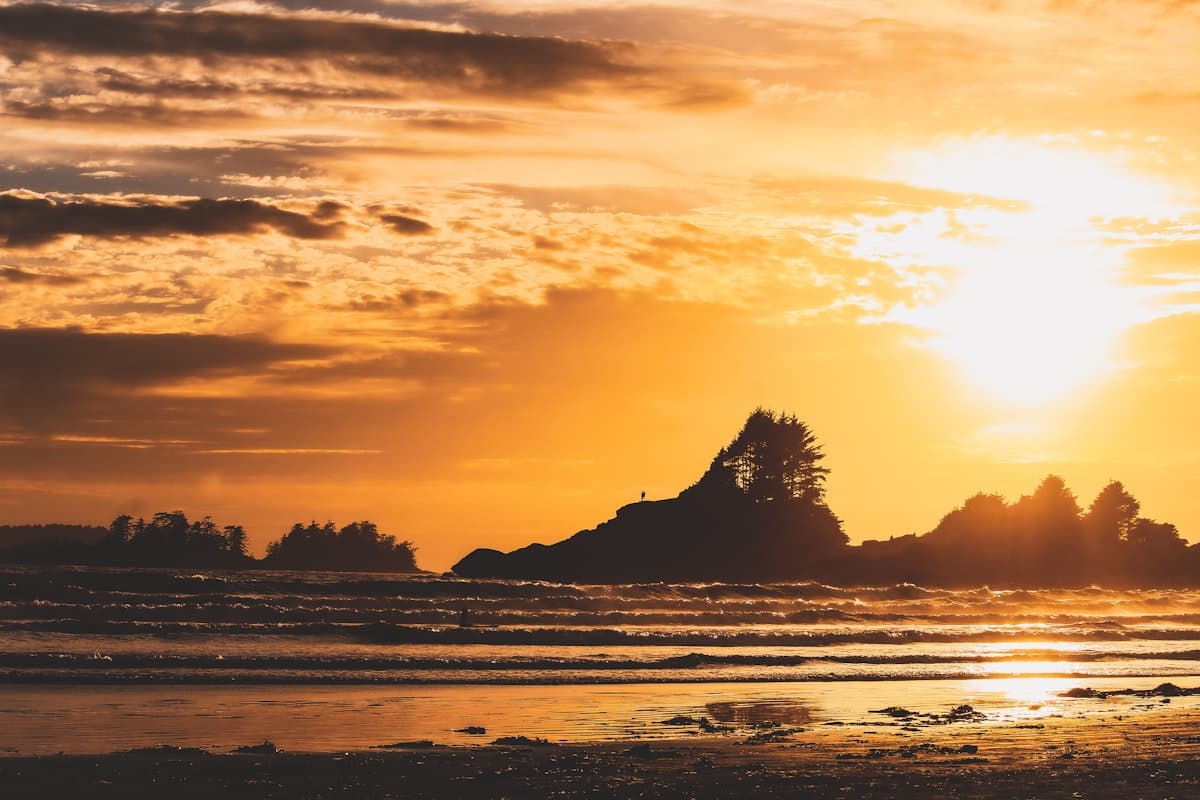
Vancouver Island's west coast is where the Pacific Ocean meets old-growth rainforest, and the fishing matches the landscape — chinook salmon, halibut, lingcod, and coho in the open ocean and the protected waters of Barkley Sound.
Tofino and Ucluelet sit on the exposed west coast of Vancouver Island, where the Pacific Ocean crashes into old-growth rainforest and the continental shelf drops into deep water close to shore. This is not gentle fishing — the open Pacific swells, the fog rolls in without warning, and the weather can turn in an hour. But the fishing is extraordinary. Chinook salmon (known locally as springs) run through these waters from April through September, halibut hold on the sandy banks and ledges starting in spring, lingcod and rockfish inhabit the kelp beds and rocky reefs year-round, and coho salmon pour through in late summer and fall.
The two towns sit 40 kilometres apart on the Ucluelet Peninsula, separated by Pacific Rim National Park Reserve. Ucluelet faces Barkley Sound — a massive inlet dotted with islands, channels, and the famous Big Bank feeding grounds — and is the more fishing-focused of the two. Tofino faces Clayoquot Sound to the north, with its own productive waters and a more tourism-oriented atmosphere. Both have full-service charter fleets, and the fishing grounds overlap.
This is one of the premier saltwater fishing destinations in Canada, and it is accessible — a 4.5-hour drive from Victoria or a short flight from Vancouver. If you have fished for Pacific salmon on the Oregon coast or in Seattle, the species are the same but the West Coast of Vancouver Island produces larger chinook and more consistent halibut than most mainland fisheries.
Chinook Salmon: The King of the Coast
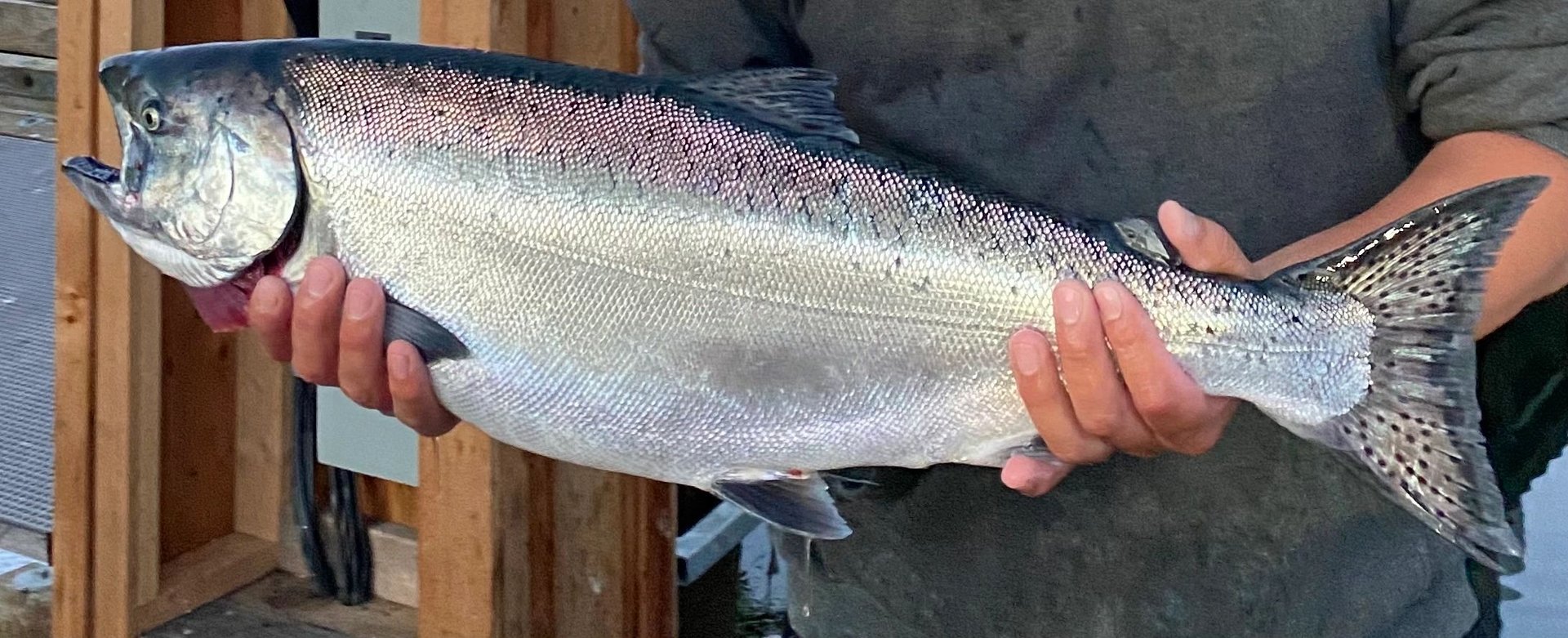
Chinook (spring) salmon are the primary target. They arrive in April as feeder chinook — resident fish that stay in the area feeding on herring, pilchards, and needlefish — and build through the summer as migratory runs push through. Fish average 10 to 20 pounds, with fish over 30 pounds (called "tyees" in BC) caught every season and the occasional 40-pounder that makes the dock at the harbour go quiet.
Where They Are
Big Bank: The legendary fishing ground off Ucluelet. A massive underwater plateau 5 to 15 kilometres offshore where nutrient-rich upwelling concentrates baitfish and everything that eats them. Chinook stack up on Big Bank from May through September. This is where the charter fleet spends most of its time.
Barkley Sound: The protected waters between Ucluelet and the Broken Group Islands. Calmer than the open ocean, with chinook holding along the kelp edges, around the islands, and in the tidal channels. Good option when the open ocean is too rough.
Clayoquot Sound (Tofino side): The channels and islands north of Tofino hold chinook, particularly around the Lennard Island area and the entrance to the sound.
Chinook Techniques
Trolling with downriggers: The standard method. A 10-foot mooching rod or a medium-heavy trolling rod, paired with a level-wind reel loaded with 20- to 30-pound braided or monofilament line. Downriggers drop lures to the target depth — typically 40 to 120 feet for chinook, depending on where the bait is showing on the sounder.
Lures: Spoons (Gibbs-Delta, Silver Horde, Tomic) in herring or anchovy patterns — green/silver, chrome/blue, and glow colours are standards. Run them behind a flasher (a rotating attractor plate) on 5 to 6 feet of leader. The flasher imitates a feeding fish and draws chinook to the trailing spoon. Hoochies (soft plastic squid skirts) behind flashers also produce consistently.
Bait: Whole herring or herring strip, rigged on a tandem hook setup and fished behind a flasher on the downrigger. The natural bait releases scent that draws fish from farther away than artificials. Many guides prefer bait early in the season when fish are scattered.
Trolling speed: 2.0 to 2.5 knots. Slow and steady. The flasher needs enough speed to rotate but not so much that the lure spins unnaturally.
Tofino Chinook Salmon and Halibut — Fishing with RodHalibut: The Barn Door
Pacific halibut hold on sandy bottom and along ledge transitions from 80 to 300 feet. The season opens April 1 and runs through fall (or until the quota is reached — check DFO regulations). Halibut in the Tofino/Ucluelet area average 15 to 30 pounds ("chickens"), with fish over 50 pounds common and the occasional 100-pound-plus "barn door" that tests your back and your tackle.
Technique
Jigging: Drop a 12- to 24-ounce halibut jig (white, glow, or green) — Gibbs Delta Halibut jigs, Mustad InkVader, or locally made jigs — to the bottom. Lift with big sweeps of the rod, then let it flutter back down. Halibut often hit on the drop. Tip the jig with a strip of salmon belly, herring, or octopus for added scent.
Spreader bar (bottom rig): A wire spreader with a heavy weight on one arm and a baited hook (salmon belly, herring, or octopus on a circle hook) on the other. Drop to the bottom and let the current move the bait. This is the more passive approach — effective when halibut are holding tight to the bottom and not chasing.
Gear: A short, stiff halibut rod (5'6" to 6', heavy action) paired with a large conventional reel (Penn Squall 30 or similar) loaded with 65- to 80-pound braided line. The heavy tackle is necessary — halibut over 50 pounds fight by lying flat on the bottom and using the current against you. Getting them off the bottom requires brute force.
The 2026 retention rule: Halibut must be 112 cm (approximately 44 inches) or under to keep. Daily limit 1, possession limit 1. This is a strict size cap — fish over the limit must be released carefully (descending device recommended for deep-water releases).
Fishing with Rod: Ucluelet Salmon and Halibut AdventureCoho Salmon: The Silver Bullet
Coho (silver) salmon arrive in late July and build through August and September. They are the most acrobatic salmon — explosive surface strikes, multiple jumps, and tail-walking runs. Average 6 to 12 pounds, with hatchery coho available for retention and wild coho often catch-and-release (check regulations for hatchery marks).
Technique: Trolling spoons or hoochies behind flashers at 20 to 60 feet — shallower than chinook. Coho feed aggressively on the surface, and on calm mornings you can see them jumping and slashing through baitfish schools. Casting spoons or fly fishing with streamers into actively feeding coho is some of the most exciting fishing on the coast.
Lingcod and Rockfish: The Bottom Dwellers
Lingcod are aggressive predators that inhabit rocky reefs and kelp beds from 30 to 200 feet. They average 5 to 15 pounds, with fish over 20 pounds common. Lingcod season typically runs April through October (check DFO regulations — seasons vary by area).
Technique: Jigging with a 4- to 8-ounce leadhead jig dressed with a large soft plastic (white, chartreuse, or herring pattern) over rocky structure. Drop to the bottom, reel up aggressively with big sweeps. Lingcod are ambush predators — they hit hard and fast, often within the first few cranks off the bottom.
Rockfish: Yelloweye, quillback, copper, and canary rockfish hold on the same structure. They are caught incidentally while jigging for lingcod. Most rockfish species have strict retention limits or are catch-and-release only — check regulations carefully. A descending device is mandatory for releasing rockfish caught in deep water (they cannot swim down on their own due to barotrauma).
Fishing BC Presents: Maximum Coastal Adventures in UclueletCharter Fishing: The Way Most People Fish Here
The open Pacific off Tofino and Ucluelet is not beginner water. Swells, fog, currents, and rapidly changing weather make this a place where local knowledge and a proper boat are essential. The vast majority of visiting anglers fish with a charter.
Full-day charters (8 hours): CAD $1,200 to $2,000 for a private charter (2-4 anglers). Usually split between salmon fishing and halibut/bottom fishing. All tackle, lures, bait, and fish cleaning included.
Half-day charters (5 hours): CAD $800 to $1,200. Typically focus on one target — salmon OR halibut. Good option if conditions are rough and a shorter run is safer.
What to bring: Warm, waterproof layers (the Pacific is cold even in August), motion sickness medication if you are prone to seasickness (the open ocean swells can be significant), sunglasses, and a camera. The captain provides everything else.
Booking: Peak season (July-August) fills up months in advance. Book early, especially for weekends. Shoulder season (April-June, September-October) is easier to book and often has excellent fishing with fewer boats on the water.
West Coast BC Salmon and Halibut Fishing TofinoFishing Licence and Regulations
Canadian tidal (saltwater) fishing requires a federal Fisheries and Oceans Canada (DFO) licence. This is separate from the BC freshwater licence.
| Licence Type | Cost (CAD) |
|---|---|
| Canadian resident annual tidal | $25.86 + GST |
| Non-Canadian annual tidal | $124.41 + GST |
| Non-Canadian 1-day tidal | $10.46 + GST |
| Non-Canadian 3-day tidal | $20.92 + GST |
| Salmon conservation stamp (required to retain salmon) | $6.29 + GST |
Purchase online at the DFO Pacific Region website. You must carry your licence while fishing and record all retained chinook, halibut, and lingcod immediately on your licence.
Key regulations (2026 — always verify current DFO rules):
- Chinook: Daily limit 2 (may be 1 in some subareas). Size and fin-clip retention rules vary by area and month — some areas are hatchery-marked chinook only.
- Coho: Daily limit 2. Wild coho may be catch-and-release only in some areas — check for hatchery (adipose fin clipped) vs. wild.
- Halibut: Daily limit 1, possession 1. Maximum size 112 cm. Descending device required for release.
- Lingcod: Daily limit 1, minimum 65 cm. Season April-October (varies by area).
- Rockfish: Strict limits. Most areas allow 1 rockfish per day, some species are catch-and-release only. Descending device mandatory.
Barbless hooks are mandatory in all BC tidal waters. This is non-negotiable — pinch your barbs before you fish.
When to Come
April-May (Early Season): Feeder chinook in Barkley Sound. Halibut season opens April 1. Lingcod season opens. Fewer boats, cooler weather, smaller fish on average but consistent action. Best for halibut before the quota tightens.
June-July (Peak Chinook): Larger chinook start moving through. Big Bank lights up. Halibut fishing continues. The best all-around fishing period. Weather improves but fog is common.
August-September (Peak Diversity): Coho arrive. Chinook fishing remains strong with the biggest fish of the year. All species available simultaneously. The best month for a slam (chinook, coho, halibut, lingcod in one day). September has excellent weather and smaller crowds.
October (Late Season): Coho still running. Chinook thinning out. Halibut season may be closed (quota dependent). Fewer charters operating. Quiet, productive for coho.
Practical Details
Getting there: Tofino and Ucluelet are on the west coast of Vancouver Island. Drive 4.5 hours from Victoria via Highway 4 (through Port Alberni and the mountain pass). Fly from Vancouver to Tofino on Pacific Coastal Airlines (35 minutes). The drive from Nanaimo ferry terminal is 3 hours.
Weather: Expect rain. The west coast of Vancouver Island is one of the wettest places in Canada. Waterproof layers are essential regardless of season. Summer temperatures are mild (15-20°C / 60-68°F). The ocean water is cold year-round (8-12°C / 46-54°F).
Where to stay: Ucluelet has fishing lodges, motels, and vacation rentals oriented toward anglers. Tofino has more upscale resorts and a tourist-town vibe. Both have restaurants, grocery stores, and tackle shops. Book accommodation early for July and August.
Ucluelet vs. Tofino for fishing: Ucluelet is the better base for fishing. It is closer to Big Bank and Barkley Sound, has more fishing-focused lodges, and the harbour is oriented toward the charter fleet. Tofino is more of a surf/tourism town that happens to have good fishing.
Fishing in Ucluelet — Chinook Salmon on Vancouver Island's West CoastRecommended Gear
Okuma Classic Pro GLT 8'6" M Trolling Rod
Salmon downrigger trolling — chinook and coho
Shimano Tekota 600 Level-Wind Reel
Salmon downrigger trolling — the West Coast standard
Penn Carnage III 5'6" H Boat Rod
Halibut and bottom fish — short and stiff for deep water
Penn Squall 30 Lever Drag
Halibut bottom fishing — 65lb braid, brute-force lifting power
Gibbs-Delta Skinny G Spoon Green Glow
Chinook trolling spoon — run behind a flasher at 60-100 feet
Gibbs Delta Halibut Jig 16 oz White Glow
Halibut jigging — tip with salmon belly or octopus
Mustad InkVader Octopus Jig 12 oz
Lingcod and halibut — aggressive action over rocky reefs
Hotspot Flasher 11" Chrome
Salmon attractor — rotates ahead of trailing spoon or hoochie
Grundéns Neptune 319 Bib Pants
West Coast rain gear — the Pacific is wet and cold even in summer
Top Fishing Guides in Tofino
The open Pacific off Tofino and Ucluelet is not water you want to learn on your own. Swells, fog, currents, and rapidly changing weather demand a captain who has spent years reading this coast. A West Coast charter captain knows where Big Bank is holding chinook today, whether the halibut have moved to the south end, and whether the weather window is long enough to make the run. That knowledge — combined with a safe, well-equipped boat — is what a charter buys you on Vancouver Island's wild west coast.
Clayoquot Wild
Tofino, BC, CA
Clayoquot Wild operates from the pristine waters of Clayoquot Sound, British Columbia, where experienced First Nations guides share their deep knowledge of these historic fishing grounds. Specializing in salmon and halibut, the service offers custom-tailored charters designed around each guest's skill level and preferences. Trips are conducted aboard the Freedom, a comfortable 2007 Harbercraft 24.25-foot vessel built for both accessibility and enjoyment. What truly distinguishes Clayoquot Wild is the blend of cultural heritage and environmental stewardship—guests experience not just productive fishing, but a meaningful connection to the region's ancient traditions and a commitment to sustainable practices that honor the waters for generations to come.
Cha'ak Charters
Tofino, BC, CA
Cha'ak Charters Cha'ak Charters brings decades of local expertise to saltwater fishing off Vancouver Island's rugged west coast. Led by Captain Nathan Driver, whose lifelong passion for these waters is evident in every outing, the charter specializes in pursuing Wild Coho and Chinook Salmon, Halibut, and Lingcod. The Navigator, a 26-foot RH aluminum Seahawk Pro, combines modern comfort with reliable performance for a fishing experience that feels both professional and approachable. Beyond the catch, Cha'ak Charters reflects the spirit of Tofino itself. In addition to dedicated fishing trips, Captain Driver offers wildlife tours, coastal explorations, and scenic journeys to the natural hot springs at Hot Springs Cove—perfect for anglers seeking a fuller coastal adventure or families wanting to experience the region's natural wonders together.
Flow Fly Fishing
Tofino, BC, CA
Flow Fly Fishing offers guided fishing experiences in Tofino, British Columbia, a premier destination on Canada's west coast. With expertise in both saltwater and freshwater environments, the guide specializes in pursuing Chinook and Coho salmon, halibut, and lingcod. Each charter aboard the Power Play is customized to match anglers' skill levels and preferences, ensuring every trip is tailored to individual needs. Combining years of local knowledge with personalized service, Flow Fly Fishing creates memorable adventures for both seasoned fly fishers and those new to the sport. Whether seeking an action-packed day or a peaceful escape on the water, guests experience the natural beauty and abundant fisheries that make Tofino an exceptional angling destination.
Fish On Tofino
Tofino, BC, CA
Fish On Tofino operates premier fishing charters from the rugged British Columbia coast, specializing in guided expeditions throughout the pristine waters of Clayoquot Sound. Led by Captain Jon Versteeg, whose deep local knowledge and genuine passion for fishing guide every outing, the service targets salmon and halibut—two of the region's most prized species. Trips operate aboard a well-equipped 25.5' Parker, engineered for comfort and stability in diverse sea conditions. Whether fishing novices or seasoned anglers, guests benefit from Captain Versteeg's expertise and the boat's reliable performance. Fish On Tofino crafts flexible trip styles to match individual preferences, delivering authentic coastal fishing experiences against the backdrop of one of Canada's most spectacular natural landscapes.

Lucky Strike Tofino
Tofino, BC, CA
Lucky Strike Tofino offers exceptional guided fishing charters along the pristine west coast of Vancouver Island. Specializing in salmon, halibut, and lingcod, the operation provides private charters tailored to each guest's interests and skill level. Trips take place in the calm, protected waters of Clayoquot Sound, creating an ideal setting for both experienced anglers and families new to fishing. Beyond the catch, Lucky Strike Tofino curates memorable marine adventures that showcase the region's natural wonders. Guests can combine fishing with whale watching, bear viewing, and visits to natural hot springs. Prawn and crab trapping options are also available upon request, adding variety to each outing. With personalized service and flexible trip styles, Lucky Strike Tofino delivers an authentic British Columbia fishing experience for all.
Long Beach Nature Tours
Tofino, BC, CA
Long Beach Nature Tours specializes in guided fly fishing adventures along the pristine west coast of Vancouver Island, with exclusive access to the renowned waters of Clayoquot Sound. Their experienced guides lead anglers to remote river systems rich with Pacific salmon and trout, offering both intimate day trips and immersive multi-day expeditions. What distinguishes Long Beach Nature Tours is their unwavering commitment to conservation and mastery of traditional fly fishing techniques. Rather than pursuing quantity, they prioritize quality experiences that honor both the fishery and the remarkable landscape. Anglers can expect personalized instruction, expert guidance to productive waters, and the opportunity to connect with one of British Columbia's most spectacular and unspoiled coastal regions.
Frequently Asked Questions
What fish can I catch in Tofino and Ucluelet?
Chinook salmon (10-40 lbs, April-September), coho salmon (6-12 lbs, July-October), Pacific halibut (15-100+ lbs, April-fall), lingcod (5-20+ lbs, April-October), and various rockfish species. The 'slam' — chinook, coho, halibut, and lingcod in one day — is a realistic goal in August and September.
When is the best time to fish Tofino and Ucluelet?
August and September for the best diversity — chinook, coho, halibut, and lingcod all available simultaneously. June and July for peak chinook fishing on Big Bank. April and May for early halibut and feeder chinook with fewer boats. September has excellent weather and smaller crowds.
How much does a fishing charter cost in Ucluelet?
Full-day (8 hours): CAD $1,200-$2,000 for a private charter (2-4 anglers), usually split between salmon and halibut. Half-day (5 hours): CAD $800-$1,200, targeting one species. All tackle, lures, bait, and fish cleaning included. Book July-August trips months in advance.
What fishing licence do I need for Tofino/Ucluelet?
A federal DFO tidal (saltwater) licence. Canadian residents: $25.86/year. Non-Canadians: $124.41/year, $20.92 for 3 days, or $10.46 for 1 day. Plus a salmon conservation stamp ($6.29) to retain salmon. Barbless hooks are mandatory in all BC tidal waters. Purchase online at DFO Pacific Region.
Should I fish from Ucluelet or Tofino?
Ucluelet is the better fishing base — it's closer to Big Bank and Barkley Sound (the main fishing grounds), has more fishing-focused lodges, and the charter fleet is oriented toward anglers. Tofino is more of a surf/tourism town with good fishing but a longer run to the prime grounds.
Related Articles

How to Fish Portland, Oregon: A Beginner's Guide to Salmon, Steelhead, Sturgeon, and the City's Three Rivers
Tuesday, January 27, 2026
How to Fish Seattle: A Beginner's Guide to Salmon, Squid, Crab, and Puget Sound
Friday, March 6, 2026
How to Fish Destin, Florida: A First-Timer's Guide to Gear, Rigs, and Technique
Saturday, May 30, 2026
 ™
™