
How to Fish Durango, Colorado: A First-Timer's Guide to Animas River Trout
What a beginner needs to fish Durango — the Colorado license and Gold Medal rules on the Animas River, fly and spin tactics for brown and rainbow trout in town, the world-class San Juan tailwater nearby, the high-country lakes and creeks, and the gear and flies that work in the San Juans.
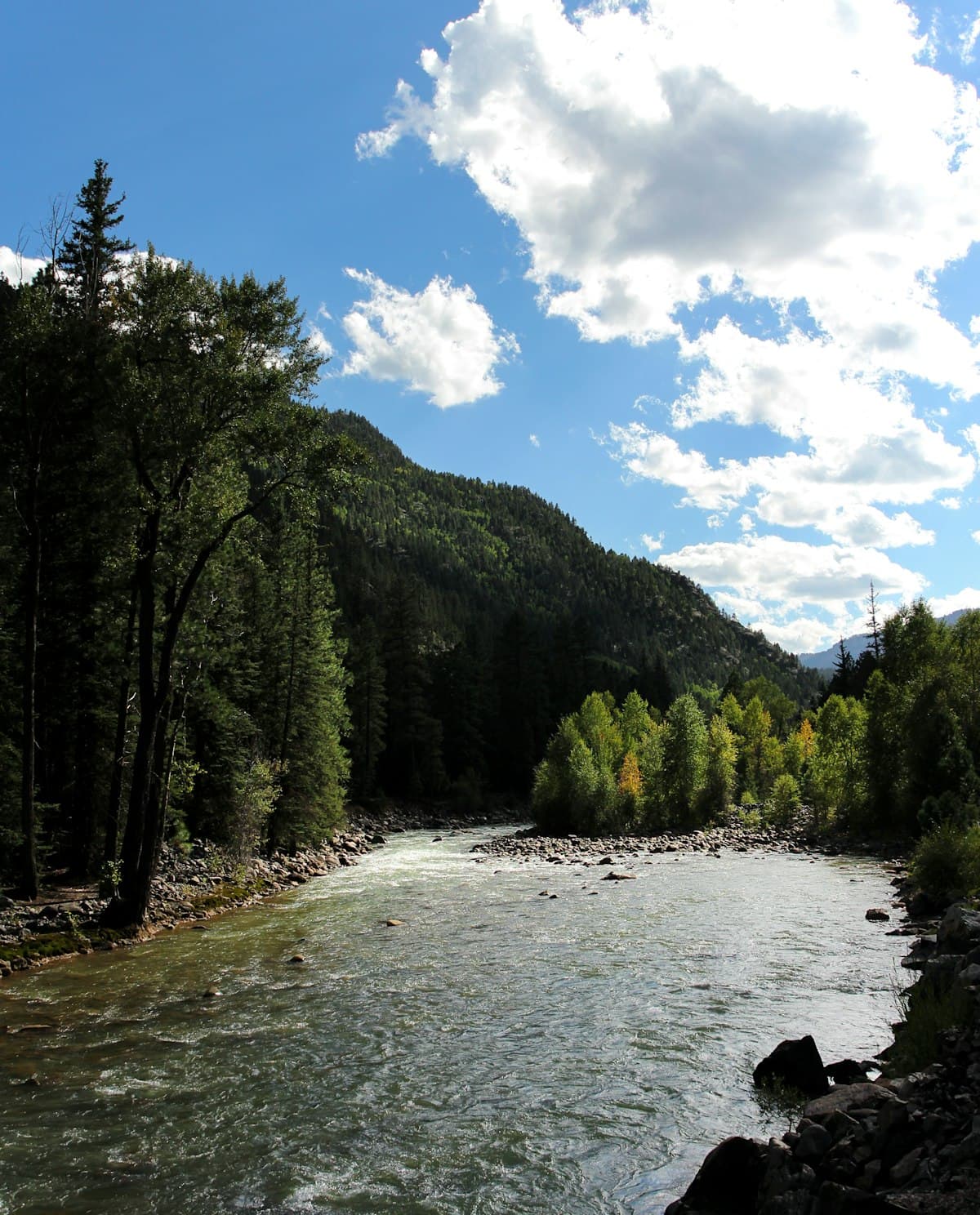
Durango sits in the southwest corner of Colorado, where the Animas River tumbles out of the San Juan Mountains and runs right through the middle of town. The headline is a Gold Medal trout fishery — Colorado's highest classification — for wild brown and rainbow trout, accessible on foot from downtown. Add the world-class San Juan tailwater a short drive south, a handful of mountain lakes and high-country creeks, and you've got one of the most complete fishing towns in the Rockies. It has a strong fly-fishing reputation, but you don't strictly need a fly rod. This guide covers it, water by water, for a first-timer.
For the bigger picture — the rivers, the lakes, and the guide scene — read our complete Durango fishing guide.
First: License and the Gold Medal Rules
Anyone 16 or older needs a Colorado fishing license, available online from Colorado Parks & Wildlife; one-day and multi-day options exist for visitors. One important wrinkle: the famous San Juan River tailwater is in New Mexico, so fishing it requires a New Mexico license, not a Colorado one — plan accordingly if you make that trip.
On the Animas, know the Gold Medal regulations on the 7-mile stretch through Durango (from Lightner Creek down to the Rivera Bridge): artificial flies and lures only (no bait), with a 2-fish limit at a 16-inch minimum — effectively a catch-and-release fishery for most anglers. The Animas is open year-round. Always check current CPW regulations for the specific stretch and any lake permits before you fish.
The Animas River: Gold Medal Trout in Town
The Animas through Durango is the main event, and its accessibility is what makes it special — the Animas River Trail and parks at 9th Street and 32nd Street, plus the area around the fish hatchery, put you on quality water within walking or biking distance of downtown. The river holds healthy numbers of wild brown and rainbow trout.
Because it's artificial-only, fly fishing is the dominant approach, and most days that means nymphing: drifting weighted flies along the bottom under a strike indicator, where trout do most of their feeding. A two-fly rig with a Pat's Rubber Legs stonefly and a Pheasant Tail or Zebra Midge dropper covers most conditions. When fish rise to a hatch — blue-winged olives in spring and fall, caddis and stoneflies in summer — switch to a dry like a Parachute Adams or an Elk Hair Caddis, and in summer a hopper-dropper rig is deadly and fun. A streamer like a Woolly Bugger swung through the deeper runs tempts the bigger browns, especially in higher or off-color water. A 9-foot 5-weight (an Orvis Clearwater 5wt) is the ideal rod.
Spin anglers aren't shut out — the Gold Medal water is "flies and lures only," which means artificial lures are legal (just no bait): a Panther Martin or Rooster Tail spinner or a small spoon, cast across the current and retrieved steadily, draws aggressive trout. (Bait fishing with worms or PowerBait is for the lakes and non-Gold-Medal water, not the Gold Medal stretch.)
Fly Fishing a Rocky Mountain Trout RiverTiming matters on the Animas: spring runoff typically blows the river out and colors it from roughly May into June, so the prime river season is late June through fall once flows drop and clear. Early summer through September is excellent.
The San Juan Tailwater: A Day Trip to World-Class Water
About 1.5 hours southwest, below Navajo Dam in New Mexico, the San Juan River is one of the most famous tailwater trout fisheries in the country — cold, clear, year-round flows packed with big, well-fed rainbows and browns. It's tiny-fly, technical water (midges and tiny mayflies, fished on 6X and 7X tippet with RS2, Zebra Midge, and small egg patterns), which makes it humbling but incredibly rewarding, and it fishes great even in winter when the Animas is cold. Remember it requires a New Mexico license. It's a bucket-list day trip from Durango, best done with a guide your first time given how technical it is.
The Mountain Lakes: Vallecito, Lemon, and the High Country
When you want stillwater or a wider variety of species, the lakes around Durango deliver. Vallecito Lake, ringed by the San Juan National Forest northeast of town, is the standout — it holds brown and rainbow trout, smallmouth bass, northern pike, walleye, and kokanee salmon, a remarkable mix. Troll spoons or a Mack's Lure Wedding Ring for trout and kokanee, cast soft plastics and crankbaits along the rocks for smallmouth, and throw big spoons or set sucker minnows for pike. Lemon Reservoir, a few miles northeast, is regularly stocked with brown and rainbow trout and kokanee and is an easy, family-friendly day trip — troll or bank-fish with Berkley PowerBait for stocked trout.
For high-country adventure, Vallecito Creek and the countless alpine lakes and streams in the San Juans hold wild rainbows, brookies, and native cutthroat in stunning settings — these are hike-in, light-tackle waters where a small spinner or a dry fly catches eager, beautiful trout.
Stillwater and River Trout Fishing in the WestSpin, Bait, and Fishing with Kids
For the easiest start — or fishing with kids — skip the Gold Medal river and head to Lemon Reservoir or a stocked pond, where a worm or Berkley PowerBait under a bobber or on the bottom catches stocked trout with little skill required. A simple 6-foot spinning combo, light line, and a bobber is the whole kit. The high-country creeks are also forgiving for a beginner with a spinner — eager wild trout in small water build confidence fast.
Reading the Animas and Wading Safely
The skill that catches Animas trout is reading where they hold and drifting your fly naturally. Trout sit where they can rest out of the heaviest current while food washes past — the seam where fast water meets slow, the soft pocket behind a boulder, the deeper slot along a cut bank, and the head and tail of every run and pool. Cast upstream of those spots and let the fly dead-drift back to you, mending the line (flipping the slack upstream) so the fly tumbles at the speed of the current. Drag — where the line drags the fly unnaturally across the surface — is the number-one reason beginners get refused, so a clean, drag-free drift matters more than a long cast. Watch your indicator (or your dry fly) and set the hook with a quick, low sweep on any pause or twitch.
A safety note, because the Animas is a real mountain river: the flows are strong and the freestone rocks are slick, so wade deliberately, use a wading staff and felt or studded boots if you're not sure of your footing, and never wade water you can't read. Early in the season and after rain the river can run high and pushy — when in doubt, fish the softer edges and the slower water near the bank, which is where the trout often are anyway. The 9th and 32nd Street parks give easy, gentle access that's perfect for a first-timer to learn on before tackling the bigger water.
More on the San Juan Tailwater
The San Juan is worth understanding because it fishes so differently from a freestone river like the Animas. A tailwater is a river below a dam, and the cold, stable, food-rich water released from the bottom of Navajo Reservoir grows enormous numbers of big, fat trout in a short stretch — but those fish see a lot of flies and feed on tiny insects, so success comes down to small flies (size 22–26 midges and mayflies), light tippet (6X and 7X), and a perfect drift. The famous "Texas Hole" and the flats below the dam are legendary. It's humbling water where a first-timer will catch far more with a guide who rigs the tiny flies, sets the depth, and reads the subtle takes — but landing a 20-inch San Juan rainbow on a size-24 midge is a thrill that hooks people for life. And because it's a tailwater, it fishes well all year, including the dead of winter when Colorado's freestone rivers are locked up — which is exactly why it's the go-to when the Animas is high with runoff or cold in winter.
Fishing the Mountain Lakes
The lakes reward a slightly different approach than the rivers. On Vallecito, the variety is the fun — you can troll a spoon or a Mack's Lure Wedding Ring for trout and kokanee in the main lake, then move to the rocky shorelines and points to cast tubes and crankbaits for smallmouth bass, or set a big spoon or a sucker minnow for the northern pike that prowl the weed edges. Kokanee (landlocked sockeye) are a summer trolling specialty and superb eating — run small, bright lures behind a dodger at the depth your fish-finder marks the school, and use a soft drag because they have tender mouths. On stocked Lemon Reservoir, keep it simple: a Berkley PowerBait rig on the bottom or a spinner cast from the bank catches planted trout with little fuss, making it a great family outing. Mornings are usually calmest and best on both lakes, as the San Juans tend to build afternoon wind and thunderstorms — get an early start and watch the weather, especially at altitude.
A Note on Conservation
The Animas Gold Medal water is special precisely because anglers protect it — the artificial-only, high-minimum rules keep the wild trout population strong, so handle these fish like the resource they are: barbless hooks make release easy, keep the fish wet, support them gently, and let them recover before swimming off. The same care applies to the native cutthroat in the high country, which are a treasure worth protecting. Fish the regulations, take only what you'll eat from the stocked lakes, and the San Juans will keep producing for the next angler.
Gear: Fly and Spin
- Fly: a 9-foot 5-weight (Orvis Clearwater 5wt), floating line, 9-foot 5X leaders (plus 6X–7X for the San Juan), strike indicators, split shot, and nymphs (Pat's Rubber Legs, Pheasant Tail, Zebra Midge, RS2), dries (Parachute Adams, Elk Hair Caddis, hoppers), and Woolly Buggers.
- Spin: a light 6-to-7-foot rod, a 2500-size reel, 6-pound line, Panther Martin and Rooster Tail spinners and small spoons; add Berkley PowerBait for the lakes.
- Lakes: trolling spoons and a Mack's Lure Wedding Ring for trout and kokanee.
- Bring layers (mountain weather swings fast), sun protection at altitude, and Simms Freestone waders for the rivers.
When to Go
- Late June–September: Prime time. The Animas clears after runoff, summer hatches and hopper fishing are excellent, and the lakes and high country are all in play.
- Fall (October): Outstanding — aggressive pre-spawn browns, blue-winged olive hatches, golden aspens, and fewer crowds.
- Spring (April–early June): The San Juan tailwater fishes great while the Animas is high with runoff; lakes ice off and turn on.
- Winter: The San Juan and tailwaters produce on midges; the Animas is cold and slow. A good time for the New Mexico day trip.
A First-Timer's Plan
For your first Durango trip in summer or fall, book a guided day on the Animas Gold Medal water — the guide supplies rods, flies, and waders, teaches you to read the river, and times it to the post-runoff window. Want easy action or fishing with kids? Soak PowerBait at Lemon Reservoir or fish a spinner in the high country. If you're up for a technical bucket-list day, plan the San Juan tailwater with a New Mexico license and a guide. Buy your Colorado license online first, and remember the Gold Medal stretch is artificial-only.
Recommended Gear
Orvis Clearwater 5wt Fly Rod
All-around trout rod for the Animas and the San Juan
Pat's Rubber Legs Stonefly
Anchor nymph on a two-fly indicator rig for Animas trout
RS2 Midge Emerger
Tiny technical fly for the San Juan tailwater on 6X-7X
Panther Martin Spinner
Legal artificial lure for the Gold Medal water (no bait)
Berkley PowerBait
Bottom-fished for stocked trout at Lemon Reservoir and ponds
Mack's Lure Wedding Ring
Trolled for trout and kokanee on Vallecito Lake
Simms Freestone Waders
Wading the cold Animas and high-country water
Top Fishing Guides in Durango
Durango's guides know when the Animas clears after runoff, which hatch is on this week, and whether the San Juan tailwater is the better call — and they'll put a first-timer onto Gold Medal browns and rainbows with a fly or a lure. They bring the gear and the local knowledge so you can just fish the San Juans.
Heads Up Fly Fishing
Durango, CO, US
5.0 (110 reviews)
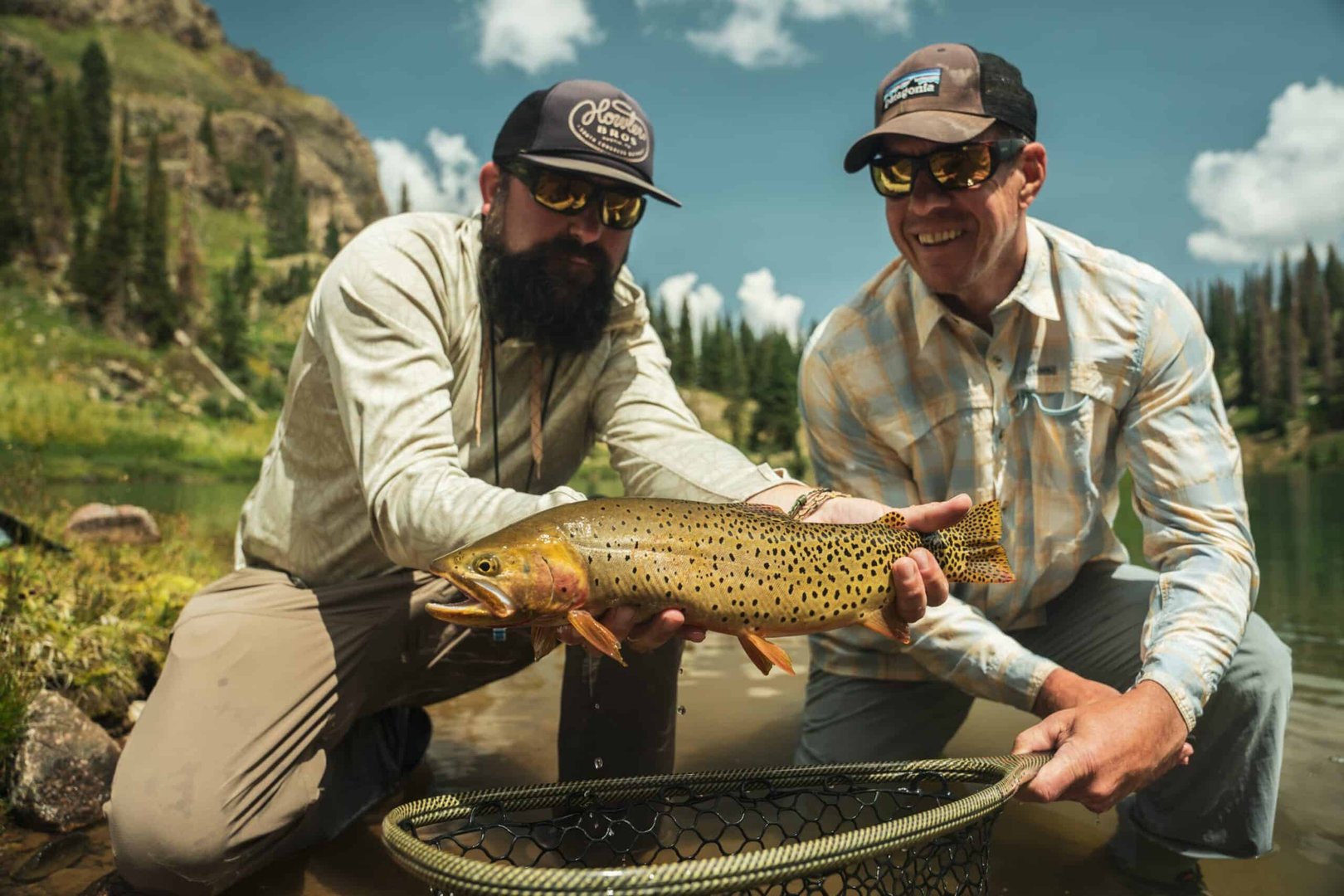
Heads Up Fly Fishing Heads Up Fly Fishing is an Orvis-Endorsed guide service offering premier fly fishing experiences across southwestern Colorado. Based in Durango and Pagosa Springs, the team specializes in the legendary San Juan River, the scenic Animas River, and remote high country creeks—waters known for healthy populations of brown and rainbow trout. Led by seasoned guides, Heads Up Fly Fishing caters to anglers of all skill levels with flexible trip formats. Options range from focused half-day outings to immersive multi-day horseback pack expeditions into the pristine Weminuche Wilderness. Whether clients seek technical instruction or simply want to connect with Colorado's stunning landscape, the guides prioritize teaching and crafting experiences that linger long after the day ends.
Heads Up Fly Fishing
Durango, CO, US
5.0 (110 reviews)
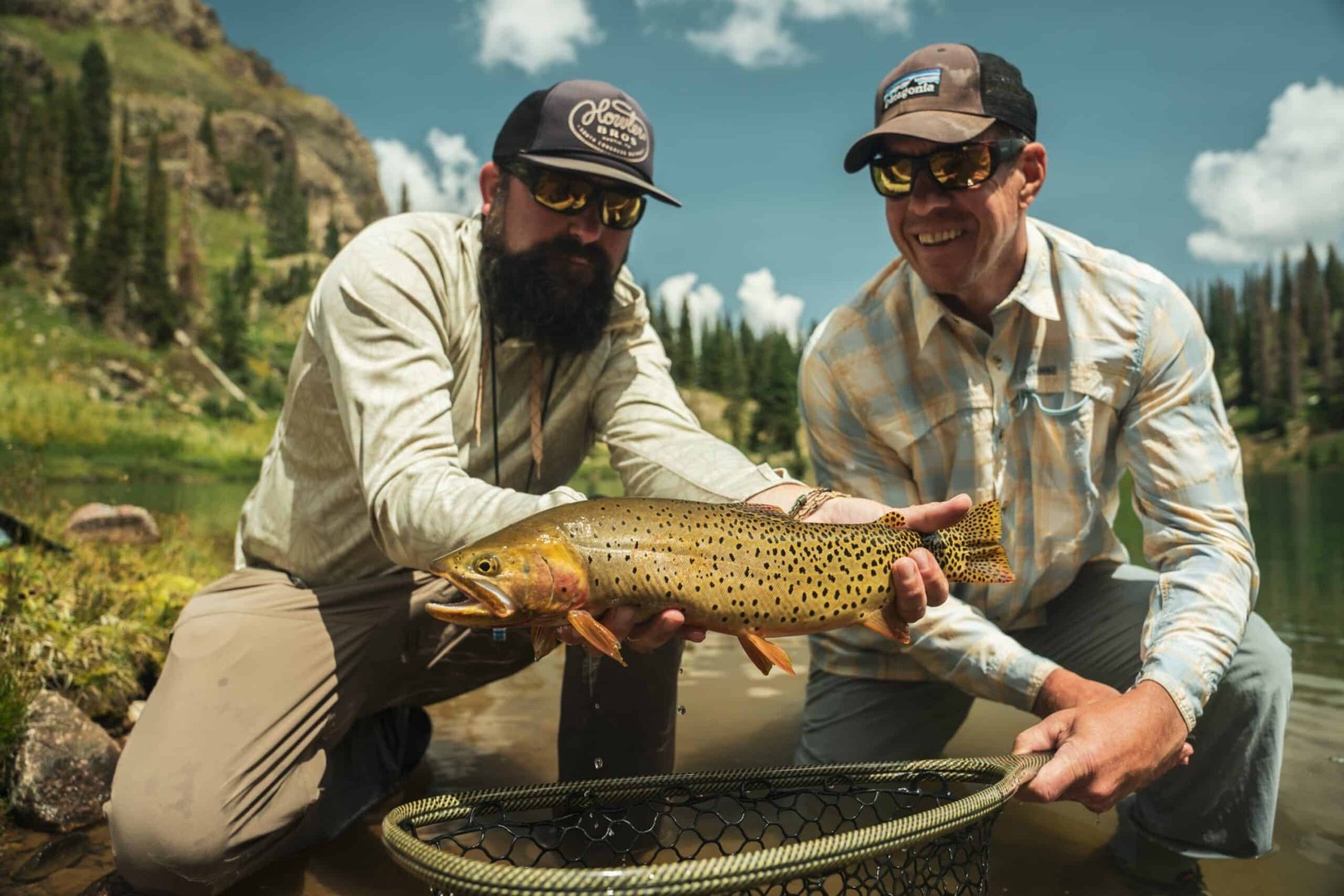
Heads Up Fly Fishing is an Orvis-Endorsed guide service based in Durango and Pagosa Springs, Colorado. They specialize in fly fishing the region's premier waters—including the celebrated San Juan River, the Animas River, and remote high mountain creeks—with trips tailored for both beginning and seasoned anglers. The service distinguishes itself through versatile trip options: float trips, wade fishing, and access to private water stretches. Their most distinctive offering is horseback pack trips into the Weminuche Wilderness, providing adventurous anglers the opportunity to reach pristine, untouched waters. Led by knowledgeable guides operating year-round, Heads Up Fly Fishing combines expert instruction with the stunning landscapes of Southern Colorado for a truly memorable experience.
Cut Bank Outfitters
Durango, CO, US
5.0 (26 reviews)
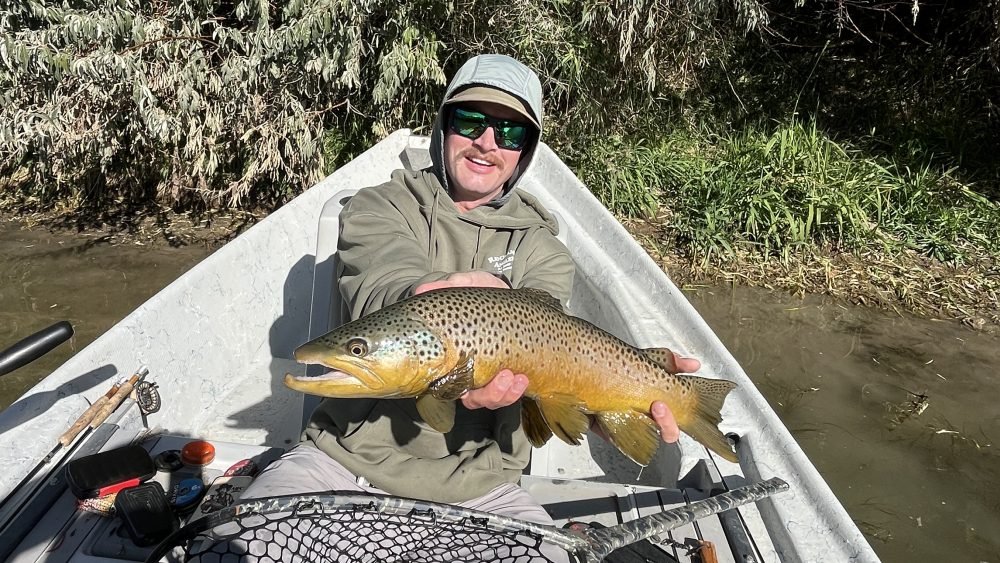
Cut Bank Outfitters is a family-owned fly fishing guide service based in Durango, Colorado, specializing in the exceptional waters of the Animas and San Juan Rivers. Their professional guides tailor trips for both novice and experienced anglers, prioritizing instruction, safety, and genuine enjoyment on the water. Whether pursuing trophy trout on a half-day or full-day float, guests benefit from personalized coaching in essential fly fishing techniques. Known for their welcoming and enthusiastic approach, Cut Bank Outfitters goes beyond simply catching fish—they craft meaningful days on the river that anglers remember long after their trip concludes.
Durango Fly Fishing
Durango, CO, US
Durango Fly Fishing specializes in guided fly fishing adventures on two of Southwest Colorado's most productive waters: the San Juan and Animas Rivers. With deep local expertise and a commitment to personalized service, they offer both full-day and half-day float and wade trips tailored to anglers of all skill levels. Whether targeting trophy browns, rainbows, or cuttbows, clients experience exceptional fishing against a backdrop of stunning high desert scenery. The team's years of experience on these renowned rivers ensures trips are thoughtfully designed to maximize success while creating lasting memories of the Colorado outdoors.
Go Fish Durango
Durango, CO, US
Go Fish Durango brings two decades of expertise to fishing adventures in southwestern Colorado's most productive waters. Operating from Vallecito Lake and Lake Nighthorse, this premier guide service specializes in targeting rainbow and brown trout, pike, walleye, and other species across both open-water and ice-fishing seasons. The experienced captain tailors each outing to match guests' skill levels and preferences, ensuring newcomers and seasoned anglers alike enjoy rewarding time on the water. With a spacious 20-foot pontoon boat accommodating up to eight people, Go Fish Durango welcomes families, groups, and individual anglers seeking either focused fishing or leisurely scenic cruises. Set against the dramatic backdrop of Colorado's San Juan Mountains, every trip combines excellent fishing opportunities with the natural beauty and relaxation that define a mountain lake experience.
Rio Epic
Durango, CO, US
Rio Epic is a premier fly fishing guide service with over 25 years of expertise leading anglers of all levels through some of the Southwest's most exceptional waters. Operating year-round on the renowned San Juan River and beyond, their experienced guides specialize in the Animas, Rio Grande, Dolores, Pine, and remote mountain streams and lakes throughout Colorado and Northern New Mexico. What sets Rio Epic apart is their commitment to customized experiences that prioritize education, safety, and enjoyment. Whether guiding beginners taking their first cast or seasoned anglers seeking new challenges, their guides craft tailored adventures suited to each group's goals and interests. The service's family-friendly philosophy ensures that every angler—regardless of age or experience—leaves with both memorable catches and lasting memories of the region's stunning waters.
For the full hatch calendar and the water-by-water rundown, see our complete Durango fishing guide. Chasing more Colorado and Rocky Mountain trout? We also have first-timer guides for Denver and Bozeman.
Frequently Asked Questions
What fish can you catch in Durango, Colorado?
Wild brown and rainbow trout on the Animas River's Gold Medal water through town; big rainbows and browns on the San Juan tailwater nearby (in New Mexico); and brown and rainbow trout, smallmouth bass, northern pike, walleye, and kokanee salmon in lakes like Vallecito. High-country creeks add native cutthroat and brookies.
What are the Gold Medal rules on the Animas River?
The 7-mile Gold Medal stretch through Durango (Lightner Creek to the Rivera Bridge) is artificial flies and lures only — no bait — with a 2-fish limit at a 16-inch minimum, so most anglers fish it catch-and-release. It's open year-round; check current CPW regulations.
Do I need a license to fish in Durango?
Yes — a Colorado fishing license for anyone 16 or older. Note the famous San Juan tailwater is across the border in New Mexico and requires a New Mexico license. Some lakes may require a use permit; check before you go.
When is the best time to fish Durango?
Late June through September, once spring runoff clears the Animas — strong summer hatches and hopper fishing. Fall is excellent for aggressive brown trout. In spring and winter, when the Animas is high or cold, the year-round San Juan tailwater is the better bet.
Can a beginner fly fish the Animas in Durango?
Yes — it's one of the most accessible Gold Medal rivers, reachable on foot from downtown via the river trail and parks. A guided day is the fastest way to learn to nymph and read the water. Spin anglers can fish lures (no bait) on the Gold Medal stretch, and the lakes allow bait for an easy start.
Related Articles
How to Fish Denver, Colorado: A Beginner's Guide to Gold Medal Tailwaters, Trophy Pike, and the South Platte System
Thursday, January 8, 2026
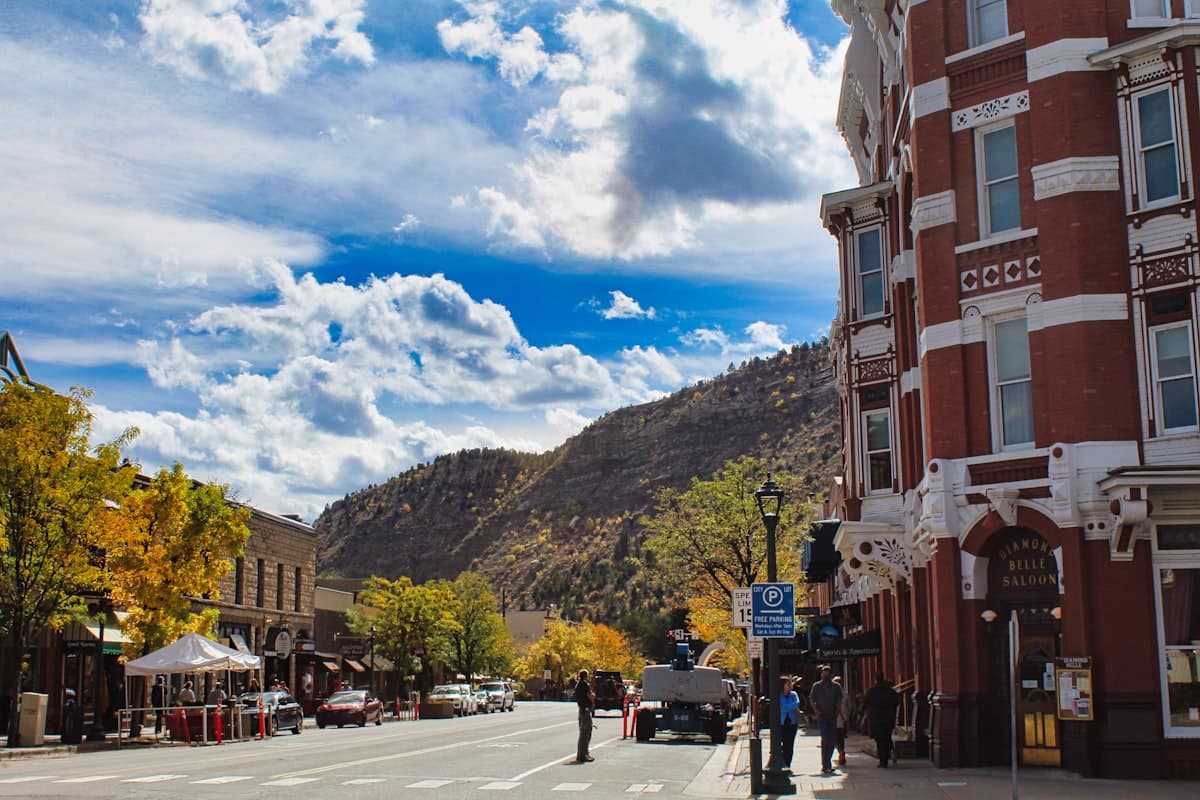
Durango Fishing: Gold Medal Water on the Animas, the San Juan Tailwater, and the Last Free-Flowing River in Colorado
Tuesday, December 30, 2025
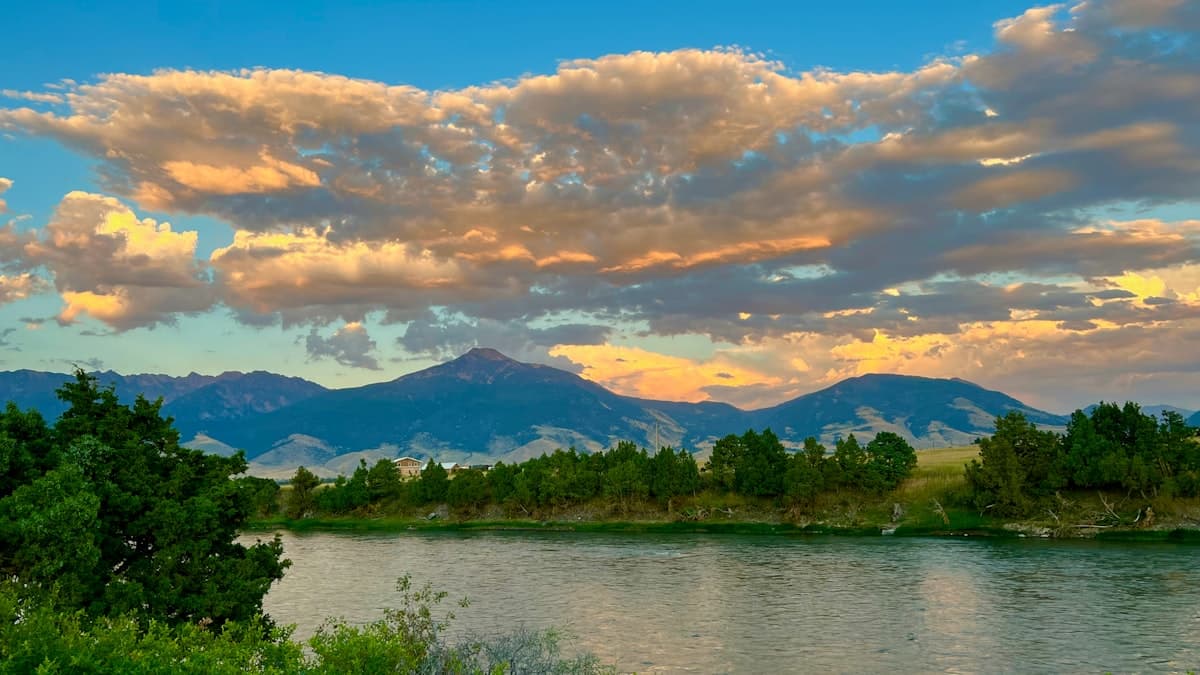
How to Fish Bozeman, Montana: A Beginner's Guide to Fly Fishing Four World-Class Rivers
Friday, April 24, 2026
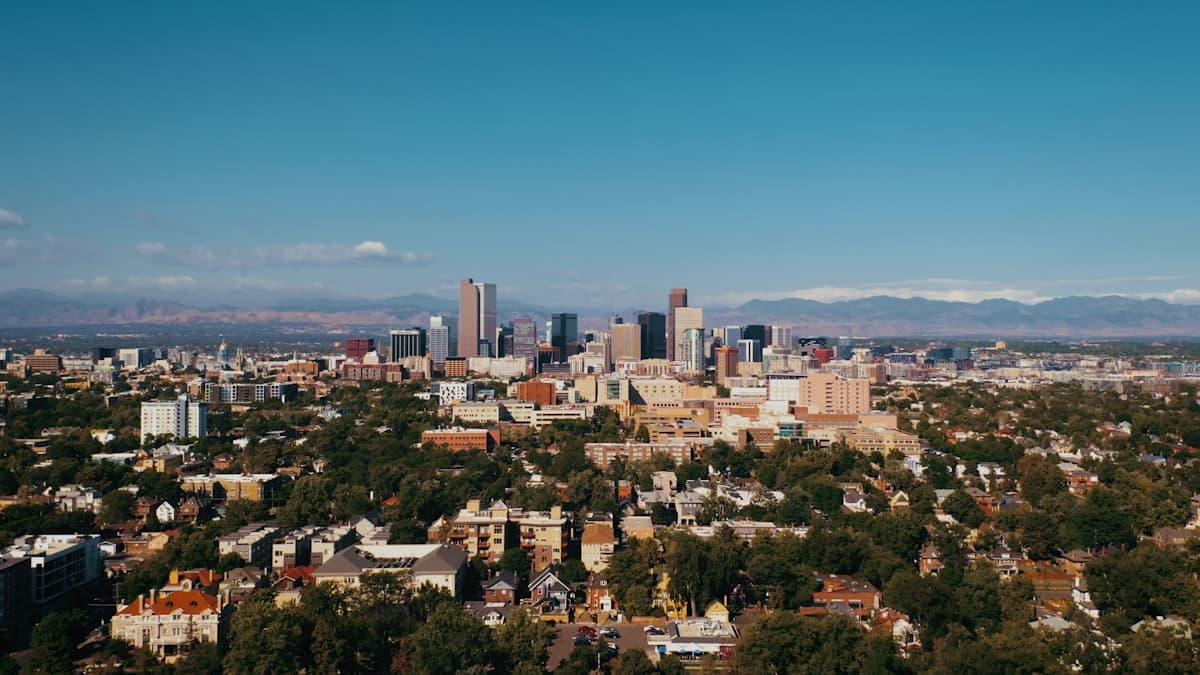
Denver Fishing: Tailwaters, Freestone, and Gold Medal Trout Within an Hour
Wednesday, March 18, 2026
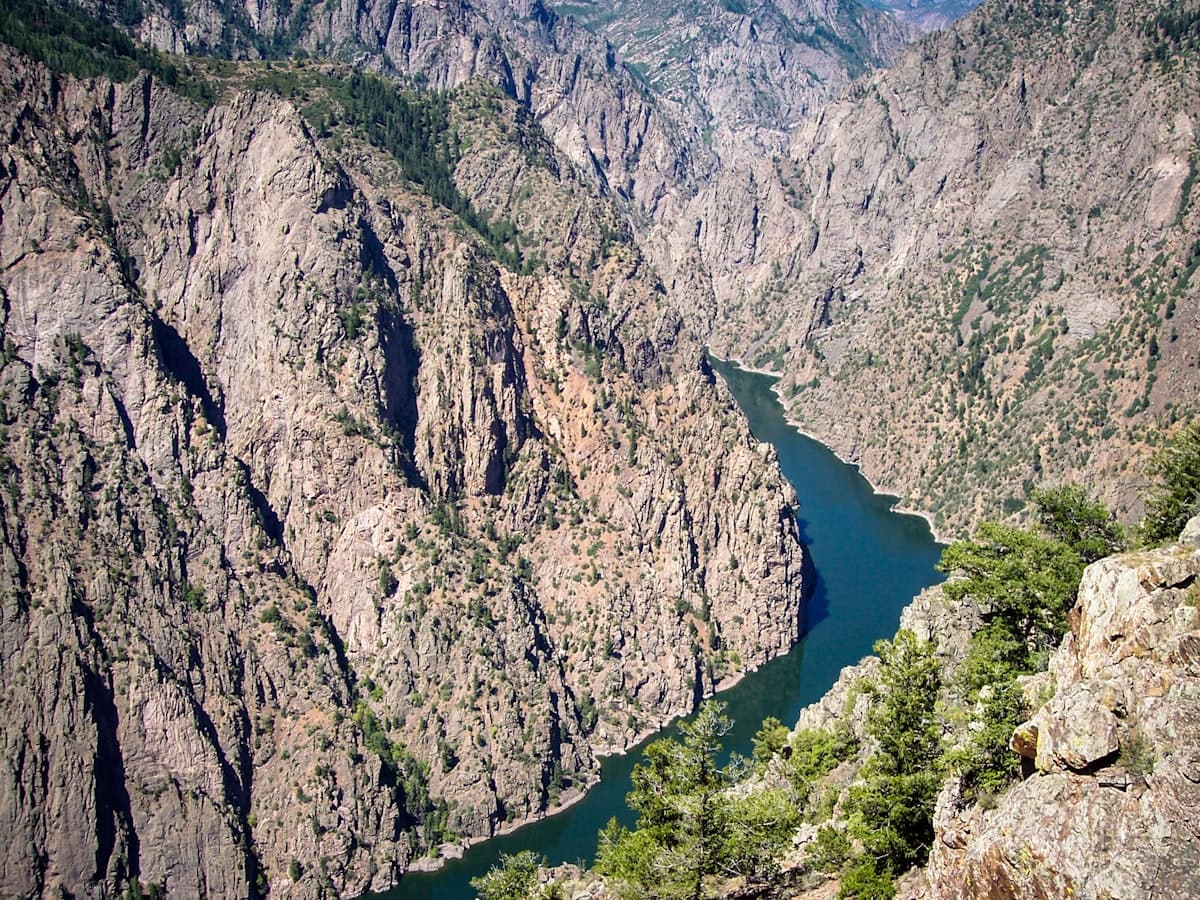
Gunnison Fishing: Following the River from Taylor Dam to the Black Canyon
Monday, March 16, 2026
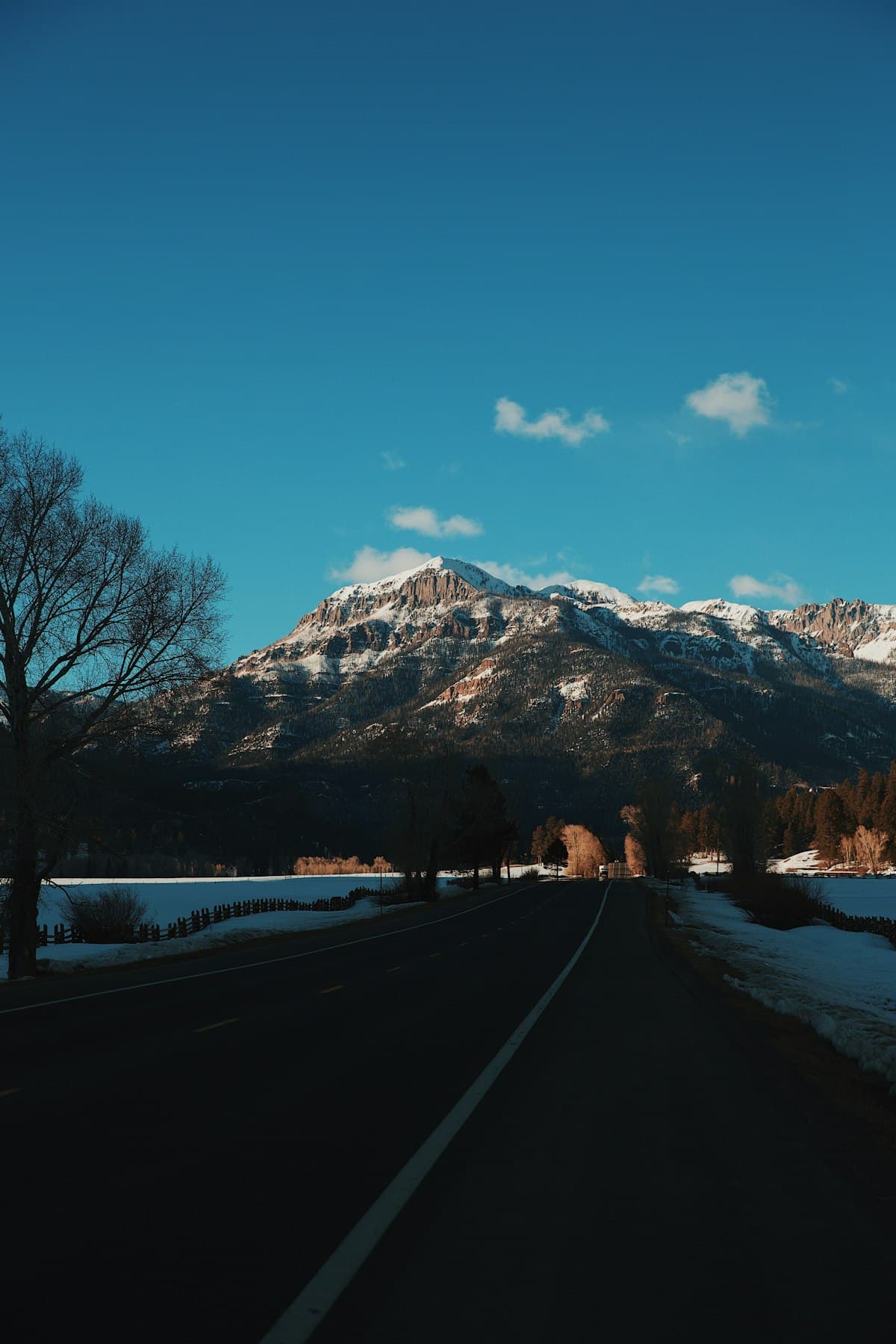
Pagosa Springs Fishing: Hot Springs, Cold Rivers, and Trout Water Radiating in Every Direction
Friday, January 30, 2026