
How to Fish Hayward, Wisconsin: A First-Timer's Guide to Musky, Walleye, and Panfish
What a beginner needs to fish the Hayward Lakes — the Wisconsin license and openers, why it's the Musky Capital, how to catch walleye, bass, and crappie on the Chippewa Flowage and Lac Courte Oreilles, winter ice fishing, and the gear and tactics that work across the northwoods.
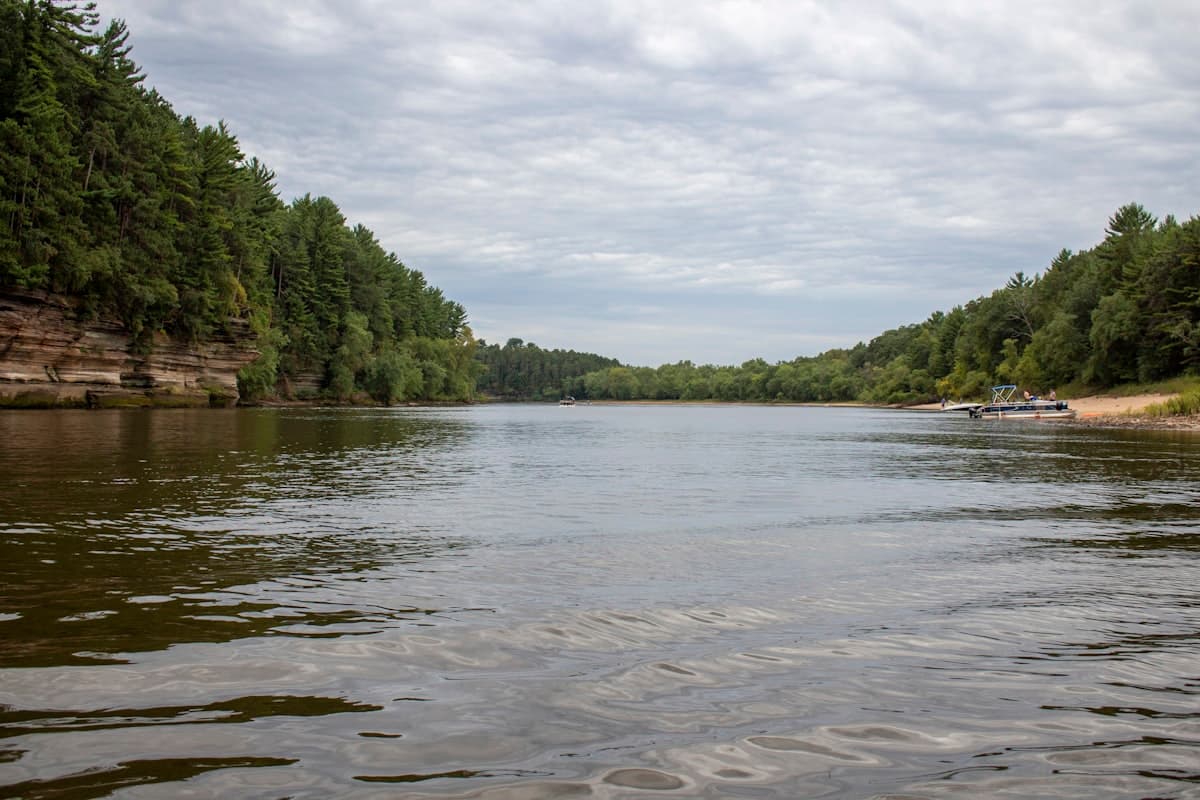
Hayward, in the northwoods of northwestern Wisconsin, calls itself the Musky Capital of the World — and with the Freshwater Fishing Hall of Fame (and its enormous walk-through muskie statue) in town and world-record fish caught in the surrounding water, the claim has teeth. But Hayward is far more than muskie: the area is dotted with hundreds of lakes, headlined by the vast, wild Chippewa Flowage and deep, clear Lac Courte Oreilles, full of walleye, bass, northern pike, and some of the best panfish anywhere. For a first-timer, it's a relaxed, productive multi-species playground. This guide breaks it down.
For the bigger picture — the lakes, the resorts, and the guide scene — read our complete Hayward fishing guide.
First: The Wisconsin License and the Openers
Anyone 16 or older needs a Wisconsin fishing license, available online from the Wisconsin DNR; short-term options exist for visitors. As elsewhere in Wisconsin, the gamefish open on set dates: the walleye and northern pike opener is the first Saturday in May, bass opens the first Saturday in May too (with a catch-and-release period before in the Northern Zone), and musky opens in late May. Panfish are open year-round. Bag and size limits matter — musky carries a large minimum size, and many lakes have lake-specific walleye and bass regulations — so check the current Wisconsin DNR rules for the lake you're fishing.
Musky: The Fish That Made Hayward Famous
Muskellunge are the apex predator of the northwoods and Hayward's signature fish — big, toothy, and famously hard to catch, the "fish of 10,000 casts." They demand heavy gear: a stout musky rod, 80-pound braid, a heavy leader, and big lures — a large Mepps Magnum Musky Killer bucktail, a Bull Dawg rubber bait, or a Suick jerkbait — worked with a figure-8 at the side of the boat at the end of every cast (musky famously follow and strike right at the boat). The Chippewa Flowage and the area lakes hold genuine trophies. Musky fishing is overwhelmingly catch-and-release — these are rare, slow-growing fish protected by big minimum sizes — so it's about the hunt, the follow, and the photo, not the cooler. September and October are the prime months for a giant. Given the heavy tackle, the figure-8 technique, and the careful handling these fish need, a first-timer chasing a Hayward musky should absolutely hire a guide.
Walleye: The Northwoods Staple
Walleye are the bread-and-butter table fish, and the Hayward lakes are full of them. They relate to structure — breaklines, points, weed edges, bars, and (on the Chippewa Flowage) the countless stumps, bogs, and timber. Three beginner-friendly methods: a jig tipped with a minnow (a Northland Fire-Ball) dragged slowly along a breakline; a Lindy live-bait rig with a leech or crawler in summer; or the easiest of all, a slip bobber suspending a leech or minnow over a weed edge or stump field. Walleye feed best in low light, so early morning, evening, and overcast or windy days are prime. On the stained, structure-rich Chippewa Flowage, working the bog edges and timber is the classic approach.
How to Troll and Rig for WalleyeBass, Pike, and Jumbo Panfish
The Hayward lakes are loaded with easy, fun fishing beyond the headliners. Largemouth bass hold in the slop, lily pads, and around the flowage's wood and bogs (the west side of the Chippewa Flowage is the largemouth side) — flip a jig or throw a topwater frog. Smallmouth bass prowl the rocky, clearer lakes and the stained east side of the flowage — throw a tube, a Ned rig, or a jerkbait. Northern pike crush spoons and spinnerbaits along the weeds (use a steel leader). And the panfish are exceptional: the flowage and area lakes grow slab crappie (which stack around the floating and submerged bogs from mid-May on), jumbo yellow perch, and bluegill — all perfect for kids on a small jig or a worm under a bobber.
Catching Crappie and PanfishThe Chippewa Flowage and Picking a Lake
The Chippewa Flowage is the crown jewel — Wisconsin's largest wilderness lake at nearly 15,000 acres, a sprawling, undeveloped maze of bays, islands, bogs, stumps, and timber that holds musky, walleye, bass, pike, panfish, and even sturgeon and catfish. Its wild, structure-rich character makes it a fantastic but big and complex lake — a guide or a good map (and electronics) helps enormously. Beyond the flowage, the area has hundreds of lakes: deep, clear Lac Courte Oreilles (great for walleye, smallmouth, and even cisco), plus Round, Nelson, Grindstone, Lost Land, Teal, and the Spider Chain. A simple rule for a first-timer: the flowage is the iconic experience but big — consider starting on a smaller, well-known lake or with a guide who'll match the lake to what you want to catch, and check the Wisconsin DNR lake pages for species and regulations.
Ice Fishing
When the northwoods freezes (typically December through March), Hayward becomes a premier ice fishery. The same species keep biting: walleye at dawn and dusk on a jigging spoon or a minnow on a deadstick; crappie and bluegill all day on tiny tungsten jigs tipped with waxworms; and northern pike on tip-ups baited with shiners. A short ice rod, an auger, a flasher (a Vexilar) to see your jig and the fish, and warm gear are the kit — or rent a heated ice house from a resort for an easy, comfortable intro. Always check ice thickness before heading out.
Reading a Northwoods Lake
The skill that turns a slow day into a great one up here is learning to read structure, because walleye, bass, and panfish all relate to specific features rather than open water. On clear lakes like Lac Courte Oreilles, the keys are classic: breaklines (where the bottom drops from shallow to deep), points, offshore humps, weed edges, and rock-to-sand transitions — a fish-finder makes finding them easy. The Chippewa Flowage is a different animal: a stained, stump-and-bog-filled wilderness lake where the fish relate to wood (sunken timber and stumps), the floating and submerged bogs, and the channels and breaks between basins. On the flowage, fishing the bog edges, the timber, and the channel swings is the whole game, and a GPS map plus electronics keeps you off the stumps and on the fish.
Time of day and weather matter as much as location. Walleye, pike, and musky feed best in low light and under a steady "walleye chop" that breaks up the surface, so overcast and breezy days often out-fish calm, bright ones. In summer's heat, fish go deeper and bite best early and late; in spring and fall they're shallower and active longer. Wind also positions fish, stacking bait and predators on the windblown shores and points.
More on Musky and the Figure-8
For the angler who catches the musky bug, the figure-8 is worth understanding because it's how a huge percentage of Hayward muskies are actually caught. Musky are notorious for following a lure all the way to the boat without striking — so at the end of every retrieve, instead of lifting the lure out, you plunge the rod tip in the water and sweep the lure in a big, smooth figure-8 pattern beside the boat, with wide turns. A following musky will often crush the lure on a turn, sometimes after several laps. It takes practice and nerve (the strike happens a rod's length away and is heart-stopping), but skipping the figure-8 means leaving fish in the water. This, plus the heavy tackle, the careful catch-and-release handling (a big net, long pliers, and quick photos in or just over the water), is exactly why a first-time musky angler is far better off with a guide who runs the boat, ties the leaders, and handles the fish.
Panfish and Fishing with Kids
Hayward is one of the best places anywhere to introduce a kid (or yourself) to fishing, because the panfish are abundant and willing. A light rod, a small hook, a worm or a waxworm, and a bobber fished off a dock or along a weed edge will produce nonstop bluegill, sunfish, and perch, and the constant bites keep young anglers hooked. Crappie are a step up in fun: they school around the flowage's bogs and brush and over deeper structure in the lakes, and a small jig or a minnow under a slip bobber catches them by the dozen, especially when they move shallow in spring. The "jumbo" perch the area is known for make a fantastic fish fry. Don't feel obligated to chase trophies — a relaxed afternoon of panfish off a northwoods dock is the heart of the Hayward experience.
A Note on Conservation
Hayward's fishing reputation rests on careful management. Musky in particular are a catch-and-release fishery by strong tradition and by the big minimum sizes that protect them — these are rare, slow-growing apex fish, so handle them in or just over the water, use a big net and proper release tools, and revive them fully before letting go. Walleye, bass, and panfish are keeper fisheries within the limits, but take only a reasonable meal and release the rest, especially the bigger walleye and bass that drive the lakes' quality. Follow the lake-specific Wisconsin DNR regulations, and the Musky Capital stays the Musky Capital.
Gear: What to Bring
On a guided trip, gear is provided. Fishing on your own:
- Walleye/all-purpose: a 6.5-to-7-foot medium-light spinning rod (a St. Croix Eyecon), a Shimano Stradic 2500, 10-pound braid, jigs, Lindy Rigs, and slip bobbers.
- Bass/pike: a medium-heavy rod, jigs, spinnerbaits, soft plastics, and steel leaders.
- Musky: heavy dedicated gear — best to start with a guide.
- Panfish: a light rod, small jigs, a bobber, and waxworms.
- Winter: an ice rod, auger, a flasher, and warm layers.
When to Go
- Mid-May (the opener): Walleye and pike season opens — hungry post-spawn fish in the shallows; crappie move shallow.
- June–August: Peak open-water season — walleye on rigs and slip bobbers, bass and panfish in full swing, musky open in late May.
- September–October: Prime musky time for a trophy, plus excellent fall walleye and big pike.
- December–March: Ice fishing for walleye, crappie, bluegill, and pike.
A First-Timer's Plan
For your first trip, book a half-day walleye or panfish guide on the Chippewa Flowage or an area lake — the captain supplies the boat, electronics, bait, and gear and teaches you to read the structure. No boat? Fish a slip bobber with a leech off a resort dock for walleye and panfish, or chase crappie around the bogs. If a trophy musky is the dream, go with a musky guide in the fall. Come in winter and rent a heated ice house for an easy intro to hard-water fishing. Buy your Wisconsin license online first, mind the opener dates, and check the lake-specific rules.
Recommended Gear
St. Croix Eyecon Spinning Rod
All-purpose walleye rod for jigs, rigs, and slip bobbers
Northland Fire-Ball Jig
Jig-and-minnow walleye along breaklines and bog edges
Lindy Rig
Live-bait rigging with a leech or crawler for summer walleye
Mepps Magnum Musky Killer
Big bucktail for Hayward musky — figure-8 it at the boat
Bull Dawg
Rubber bait for big fall musky on the Chippewa Flowage
Bobby Garland Baby Shad
Crappie jig around the flowage bogs and timber
Vexilar Flasher
Find walleye and panfish through the northwoods ice
Top Fishing Guides in Hayward
Hayward's guides know which bog edges and breaklines the walleye are on, where the big musky are following this fall, and how to put a first-timer (or a whole family) on fish across the northwoods lakes. They bring the boat, electronics, and gear so you can just fish the Musky Capital.
Scott Allen's Musky Guide Service
Hayward, WI, US
5.0 (32 reviews)
Scott Allen's Musky Guide Service With nearly five decades of experience, Scott Allen has mastered the art of muskie fishing on Wisconsin's most storied waters. Based in the Hayward area, he specializes in the legendary Chippewa Flowage and surrounding lakes, where trophy muskies in the 40-50+ inch range thrive. Scott works with anglers of all skill levels, from those new to muskie fishing to experienced veterans looking to refine their techniques. His deep understanding of seasonal patterns and intimate knowledge of these waters allows him to develop tailored strategies that maximize each client's opportunity for success. Whether pursuing action-packed days or targeting trophy fish, Scott is committed to creating a memorable and rewarding fishing experience.
Hayward Guide Service
Hayward, WI, US
5.0 (32 reviews)
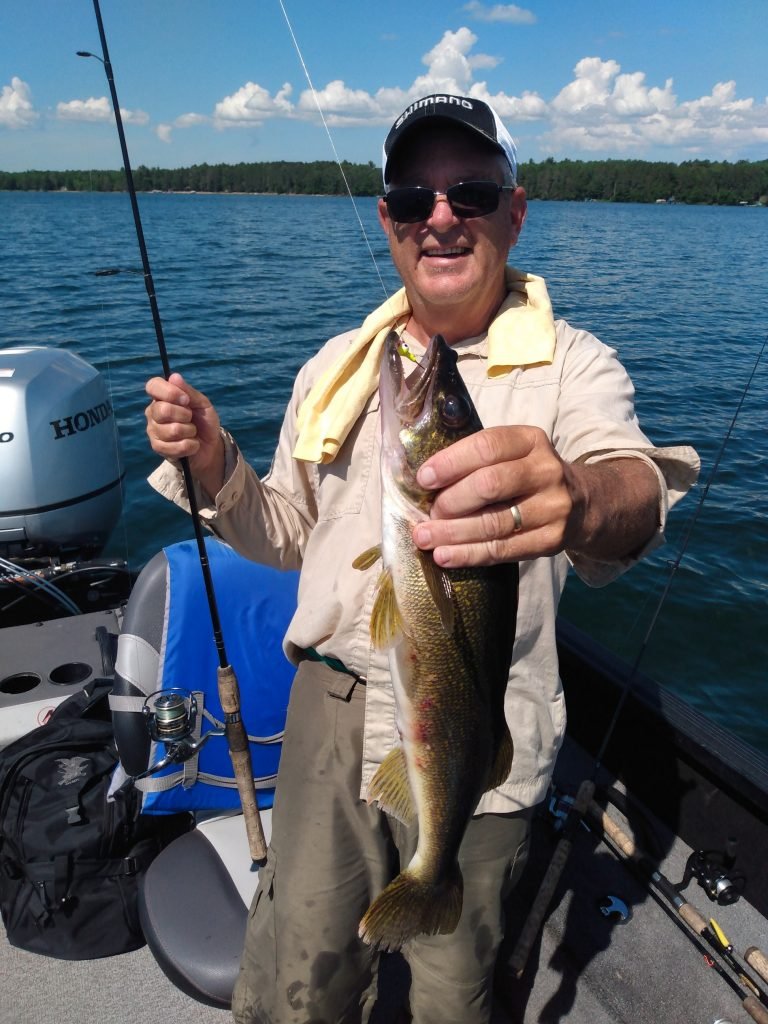
Hayward Guide Service brings over three decades of expertise to fishing adventures across Northern Wisconsin's pristine Hayward Lakes region. Led by guide Jim Leahy, the service specializes in multi-species fishing, with particular mastery of walleye, musky, and crappie across waters including the Chippewa Flowage and Round Lake. Jim's deep knowledge of these fisheries and personalized approach ensures each outing matches the client's skill level and goals. Whether hosting seasoned anglers pursuing trophy catches or families seeking an enjoyable day on the water, Hayward Guide Service tailors every trip to deliver a memorable experience. With Jim's extensive background navigating the region's lakes and understanding seasonal patterns, clients gain access to proven techniques and local insights that maximize their time on the water.
Pete Rich Guide
Hayward, WI, US
5.0 (32 reviews)
Pete Rich Guide specializes in trophy muskie fishing across the pristine waters of the Chippewa Flowage and Lake Namakagon near Hayward, Wisconsin. With over a decade of dedicated experience, Pete has built a reputation for consistently delivering exceptional results on trophy fish. His deep knowledge of the region's waters, combined with proven techniques for locating productive areas and triggering strikes, sets him apart in the muskie fishing community. Beyond trophy muskies, Pete tailors each outing to match his clients' interests and skill levels, with opportunities to pursue walleye, bass, and panfish throughout the Northwoods. Whether you're a seasoned angler seeking the ultimate muskie experience or a beginner eager to learn, Pete's personalized approach ensures a memorable and rewarding fishing adventure on some of Wisconsin's most beautiful waters.
Chippewa Flowage
Hayward, WI, US
5.0 (32 reviews)
Chippewa Flowage Chippewa Flowage brings expert guidance to Wisconsin's premier freshwater fishing destination in Hayward. Their experienced guides specialize in pursuing Musky, Walleye, Crappie, Perch, and Smallmouth Bass using both traditional and fly fishing techniques. Whether anglers are learning their first cast or refining advanced skills, the guides are committed to sharing their deep knowledge of local waters and proven methods. The operation caters to everyone from families exploring the water together to serious anglers seeking trophy fish. Each trip is tailored to match skill level and goals, with guides focused on both teaching new techniques and unlocking the best fishing spots throughout the Flowage. Days on the water are designed to be educational, rewarding, and memorable.
Tom Leahy's Guide Service
Hayward, WI, US
5.0 (32 reviews)
Tom Leahy Guide Service Tom Leahy operates a licensed and fully insured fishing guide service throughout the Hayward Lakes region of Northwest Wisconsin. With deep knowledge of premier waters including Chippewa Flowage, Nelson Lake, and Lac Courte Orielles, he specializes in walleye, musky, crappie, pike, and bass fishing tailored to each angler's goals and skill level. Tom's approach combines practical, hands-on instruction with a commitment to making every outing enjoyable and successful. Whether you're a beginner learning the fundamentals or an experienced angler refining your technique, his personalized trips are designed to match your experience and interests on some of the region's most productive waters.
Hayward Guides
Hayward, WI, US
5.0 (32 reviews)
Hayward Guides For over four decades, Hayward Guides has been the trusted choice for anglers exploring Wisconsin's Hayward Lakes Area. Their experienced guides specialize in musky, walleye, and crappie fishing, bringing deep local knowledge and a genuine passion for the water to every outing. The team prioritizes comfort and success in equal measure, maintaining clean, well-equipped boats and current gear to ensure a quality experience. Whether you're casting for the first time or chasing trophy fish, Hayward Guides offers flexible trip formats—from half-day excursions to full-day adventures—tailored to match your skill level and goals.
For the full lake-by-lake breakdown and the guide rundown, see our complete Hayward fishing guide. Fishing more of the Upper Midwest? We also have first-timer guides for Brainerd and Duluth.
Frequently Asked Questions
What fish can you catch in Hayward, Wisconsin?
Muskellunge (Hayward is the Musky Capital), walleye, largemouth and smallmouth bass, northern pike, and outstanding panfish — slab crappie, jumbo yellow perch, and bluegill. The Chippewa Flowage also holds sturgeon and catfish.
Why is Hayward called the Musky Capital?
Hayward is home to the Freshwater Fishing Hall of Fame and its giant muskie statue, and the surrounding waters — led by the Chippewa Flowage — have produced world-record-class muskies. September and October are the prime months to chase a trophy.
Do I need a license to fish in Hayward?
Yes — a Wisconsin fishing license for anyone 16 or older from the WI DNR. Note the openers: walleye/pike and bass the first Saturday of May, musky in late May; panfish are open year-round. Check lake-specific walleye and bass regulations and the musky minimum size before keeping fish.
What is the Chippewa Flowage?
The Chippewa Flowage is Wisconsin's largest wilderness lake — nearly 15,000 acres of undeveloped bays, islands, bogs, stumps, and timber near Hayward. It holds musky, walleye, bass, pike, and panfish (plus sturgeon and catfish), and its wild, structure-rich character makes a guide or good map very helpful.
When is the best time to fish Hayward?
The mid-May opener and early summer are prime for walleye, with bass and panfish in full swing and musky opening late May. September and October are the trophy musky window, and winter brings excellent ice fishing for walleye, crappie, and pike.
Related Articles
Hayward Fishing: The Muskie Capital and the Flowage That Made It Famous
Sunday, December 14, 2025
How to Fish Duluth, Minnesota: A Beginner's Guide to Steelhead, Lake Trout, Salmon, and the North Shore
Wednesday, January 14, 2026
How to Fish Door County, Wisconsin: A Two-Water Guide to Smallmouth Bass, King Salmon, Walleye, and the Best Peninsula Fishing in the Midwest
Thursday, January 1, 2026
Green Bay Fishing: The Fox River Walleye Run and the Bass Water That Stunned the Pros
Monday, February 16, 2026
Door County Fishing: One Peninsula, Two Great Lakes, and a Different Fishery on Each Side
Friday, December 12, 2025
How to Fish Lake Erie, Ohio: A Beginner's Guide to Walleye, Perch, Steelhead, and the Walleye Capital of the World
Tuesday, February 3, 2026