
How to Fish Islamorada: Backcountry, Bridges, and the Hump
Islamorada earns its title as the Sport Fishing Capital of the World by putting three distinct fisheries within minutes of a single dock. This guide covers the practical gear, rigs, bait, and techniques a beginner needs to fish the Everglades backcountry, the famous Keys bridges, and the offshore humps.
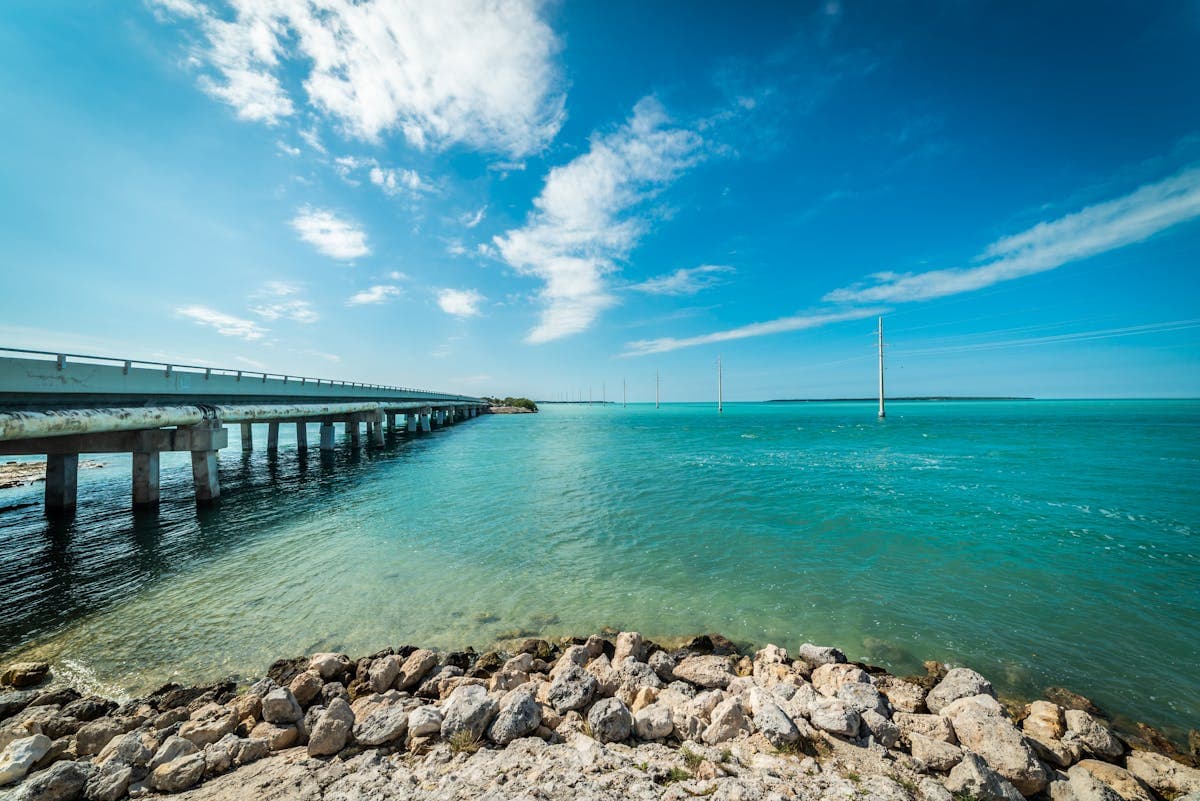
Islamorada stretches across a chain of islands in the Middle Florida Keys, from mile marker 73 up to mile marker 90, and it has carried the title "Sport Fishing Capital of the World" for decades. That is not chamber-of-commerce puffery. It is a geographic fact: no other town in North America sits at the intersection of three world-class fisheries the way Islamorada does.
To the north and west, Florida Bay and the Everglades backcountry spread out in an endless maze of mangrove islands, turtle grass flats, and tidal basins — home to bonefish, permit, tarpon, snook, redfish, and sea trout. To the east, the Atlantic barrier reef and the Gulf Stream hold snapper, grouper, mahi-mahi, tuna, wahoo, and sailfish. And right underneath the Overseas Highway itself, the old and new bridges create some of the most productive shore-fishing structure in the entire Keys chain.
If you are new to fishing, that range of options can feel paralyzing. This guide breaks Islamorada down into its three signature fisheries — backcountry, bridges, and offshore — with the specific gear, rigs, bait, and techniques you need to actually catch fish in each one. No vague advice. Real setups, real spots, honest expectations.
For broader destination planning — where to stay, the full species calendar, and how to choose a charter — see our complete Islamorada fishing guide.
The Everglades Backcountry: Islamorada's Secret Weapon
This is what separates Islamorada from every other fishing town in the Keys. Key West has beautiful flats and legendary bridges (see our how to fish Key West guide), but it does not have a backdoor into the Everglades. Islamorada does.
From marinas like Bud N' Mary's (mile marker 79.8) and Robbie's Marina (mile marker 77.5), backcountry guides idle north across Florida Bay into a labyrinth of mangrove islands, shallow basins, and creek systems that most people will never see from a car. Shell Key Basin, Buchanan Bank, Sandy Key Basin, Rankin Bight, and the maze of creeks running into the Everglades National Park boundary — these are the places where Islamorada's backcountry reputation was built.
What Lives Back There
The backcountry holds a different cast of characters than the oceanside flats:
Snook — The primary backcountry predator in Islamorada. Snook ambush bait along mangrove shorelines, in creek mouths, and around oyster bars. They hit hard, jump immediately, and know exactly how to wrap your line around a root and break you off. Peak season runs September through November, with trophy fish showing up in the cooler months (December through February) when big snook push into the sheltered creeks.
Redfish — Copper-colored tailing machines that feed in pods on the shallow mud and grass flats. They are less spooky than bonefish and more forgiving of imperfect casts, which makes them an ideal first target for beginners on the flats. Redfish are year-round in the backcountry, with fall being the most consistent.
Sea Trout (Spotted Seatrout) — Found over grass flats and sandy potholes in Florida Bay. They are the most cooperative species in the backcountry — willing to eat almost any live bait or soft plastic — and they are delicious. Great confidence builder for a first-timer.
Juvenile Tarpon — Baby tarpon in the 5- to 30-pound range live year-round in the backcountry creeks. They are acrobatic, willing biters, and the perfect introduction to tarpon fishing before you graduate to the 100-pound migratory fish on the oceanside flats.
Bonefish and Permit — Present on the oceanside flats of Islamorada (the Atlantic side of the islands), bonefish are available year-round with peaks in spring and fall. Permit are more seasonal, peaking in late spring and again in fall. Catching either requires sight-fishing skills and accurate casting — these are graduate-level targets, not beginner species, but your guide can put you in position.
Backcountry Gear (What Your Guide Provides vs. What to Bring Yourself)
Most backcountry charters supply rods, reels, tackle, bait, and licenses. But if you want to fish the backcountry on your own (by kayak, for example), or if you want to understand what you are holding on the guide's boat, here is the standard setup:
Spinning rig for snook and redfish: A 7-foot medium to medium-heavy fast-action spinning rod — something like a St. Croix Mojo Inshore 7'0" Medium-Heavy or a Penn Squadron III 7'0" Medium — paired with a Shimano Stradic FL 3000 or Penn Battle III 3000 spooled with 15-pound braided line (PowerPro Super 8 Slick or Sufix 832). Attach a 3-foot leader of 20- to 25-pound fluorocarbon (Seaguar AbrazX handles the mangrove abuse well). Terminal tackle: a 1/4-ounce weedless jighead (Owner Flashy Swimmer) with a DOA CAL Shad in golden bream or root beer color, or a live pilchard on a 2/0 Owner Mutu Light Circle Hook.
Light spinning rig for seatrout and bonefish: Drop down to a 7-foot medium-light rod with a Penn Battle III 2500 or Daiwa BG 2500 spooled with 10-pound braid and a long (4- to 5-foot) leader of 12-pound fluorocarbon. A Berkley Gulp Shrimp in New Penny on a 1/8-ounce jighead is the universal backcountry bait — it catches trout, bonefish, jacks, and small snook with equal conviction.
Fly rod (if you fly fish): An 8-weight for bonefish and seatrout, a 9-weight for snook and redfish. A Clouser Minnow in chartreuse-and-white (see our Clouser Minnow tying guide) is the single most productive backcountry fly pattern. For snook along the mangroves, a white or chartreuse EP Baitfish pattern in size 1/0 imitates the pilchards and glass minnows they feed on.
Backcountry Techniques That Actually Work
Working a mangrove shoreline for snook: Your guide poles the skiff parallel to the mangrove edge, about 40 to 60 feet off the roots. Cast your lure or bait tight to the mangroves — within inches of the roots if you can manage it — and work it back with short twitches. Snook sit under the overhanging prop roots waiting for bait to drift by, and they will not swim 10 feet out to eat your offering. If it does not land close, pick it up and recast. Accuracy matters more than distance.
Sight-fishing a grass flat for redfish: On calm mornings, redfish tail on the shallow grass flats with their copper tails waving above the surface. When you spot a tail (or a "push" of water from a cruising fish), cast your bait 3 to 4 feet ahead of the fish's direction of travel and let it sink. Do not cast on top of the fish — the splash will spook it. Wait for the pickup, feel the line tighten, and strip-set by pulling the line with your hand rather than lifting the rod tip.
Drifting a basin for seatrout: In the open basins of Florida Bay (Sandy Key, Shell Key, Buchanan), your guide shuts off the motor and lets the skiff drift over grass flats in 3 to 5 feet of water. Cast a Gulp Shrimp on a jighead or a live shrimp under a Cajun Thunder popping cork, let it settle near the bottom, pop it, pause, pop again. Trout hit on the pause — you will feel a soft thump, not a violent strike.
Florida Keys Backcountry Fishing: Islamorada to the EvergladesBridge Fishing: Free Access, Serious Fish
Islamorada's bridges are some of the most accessible and productive shore-fishing spots in the Florida Keys. You need no boat, no guide, and no special equipment — just a rod, some bait, and a fishing license. The old bridge remnants have been converted into fishing platforms with railings and parking, making them genuinely beginner-friendly.
The Bridges You Need to Know
Channel 2 Bridge (Mile Marker 73) — The southernmost Islamorada bridge and one of the most iconic in the Keys. It has dedicated fishing platforms and parking on both sides. The tidal current through this cut is strong, which concentrates baitfish and draws snook, tarpon, mangrove snapper, yellowtail snapper, barracuda, and jacks. During tarpon season (April through June), you can watch 100-pound fish rolling in the current from the bridge railing.
Channel 5 Bridge (Mile Marker 71) — Famous for its yellowtail snapper and mutton snapper fishing. The bridge has fishing platforms and parking, and the current is slightly less intense than Channel 2, making it easier for beginners to manage their rigs. This is probably the best starter bridge for someone who has never fished a Keys bridge before.
Indian Key Channel (Mile Marker 78) — A natural cut between islands that funnels massive amounts of tidal water. Indian Key Channel produces snook, tarpon, jacks, and snapper, and it is excellent from both the bridge and by kayak. The namesake Indian Key — a tiny island with a fascinating shipwreck history — sits just offshore.
Tea Table Bridge (Mile Marker 79) — Two sections here: the Tea Table Relief Bridge and Tea Table Channel Bridge. Both offer good snapper and jack fishing, and they are less crowded than Channel 2 and Channel 5 because fewer tourists know about them.
Long Key Bridge (Mile Marker 65) — Technically just south of Islamorada, but many local guides consider it the best bridge in the Middle Keys because of the sheer volume of water and fish passing underneath. The old Long Key Bridge has been converted into the Long Key State Park fishing pier — over two miles of fishable structure with snapper, grouper, tarpon, permit, and everything else that lives in the Keys.
How to Fish the Channel 2 Bridge Islamorada: Tarpon, Permit, Snapper & GrouperBridge Fishing Gear
You do not need fancy tackle for bridge fishing. A single medium-heavy spinning combo handles 90 percent of bridge species:
- Rod and reel: A Penn Pursuit IV 7'0" Medium-Heavy combo with a 4000-size reel spooled with 20-pound braided line. Total cost under $80, and it will fight snook, tarpon, snapper, and jacks without breaking.
- Leader: 3 feet of 30-pound fluorocarbon (Seaguar Red Label). Use 50-pound if you are specifically targeting tarpon.
- Terminal tackle: A 1/0 or 2/0 circle hook (Owner SSW) is the universal bridge hook. For bottom-fishing snapper, add a 1/2-ounce egg sinker above the swivel in a knocker rig configuration.
Bridge Fishing Techniques
For snapper (the bread and butter): Rig a knocker rig — slide a 1/2- to 1-ounce egg sinker onto your mainline, tie on a barrel swivel, then 2 feet of 30-pound fluorocarbon to a 1/0 circle hook. Bait with a chunk of fresh shrimp (the tail section works best), a piece of cut ballyhoo, or a live pinfish. Drop it straight down along the bridge pilings and hold your rod tip up to feel the bite. Mangrove snapper are smart — they will steal your bait if you are not paying attention. When you feel the steady pull (not the pecking), let the circle hook do its work and reel steadily.
For tarpon (the big show): Switch to a heavier leader — 60-pound fluorocarbon — and a 5/0 circle hook. Bait with a live blue crab hooked through the corner of the shell, or a live mullet hooked through the lips. Use a small balloon or DOA Clacker float set about 3 feet above the bait to keep it in the strike zone. Drift the rig with the tidal current past visible tarpon. This is primarily a late afternoon, nighttime, and early morning game — tarpon feed most aggressively around the bridges during low-light periods.
For jacks and barracuda: Free-line a live pilchard or pinfish with no weight, or cast a Yo-Zuri Crystal Minnow (5-inch, silver) or a 1/2-ounce silver spoon (Johnson Silver Minnow) and retrieve it fast. Jacks and barracuda are not subtle — they hit like a truck and run hard. Use a short wire leader (6 inches of #4 single-strand wire) if barracuda are present, or accept that they will occasionally bite through your fluorocarbon.
Timing matters: The strongest bite on the bridges coincides with moving water. Fish the first two hours of an outgoing tide and the last two hours of an incoming tide. Slack tide is usually dead. The new and full moon phases produce the strongest tidal flow, which concentrates more baitfish under the bridges and triggers more aggressive feeding.
Islamorada Channel 2 Bridge Pier FishingWhere to Get Bait and Tackle
Tackle Center of Islamorada (mile marker 81.5) is the go-to local tackle shop. They stock live shrimp, pinfish, pilchards, crabs, and frozen bait, plus a full range of rods, reels, and terminal tackle from Shimano, Penn, and other major brands. The staff will rig you up for whatever bridge or backcountry spot you are headed to — tell them your target and they will put the right setup together. That local advice alone is worth the trip.
Bud N' Mary's Marina also sells bait and tackle, and it is the central hub for the Islamorada charter fleet. Even if you are not booking a charter, walking the docks in the late afternoon when boats return is an education — you will see what is being caught and hear where the bite is happening.
The Islamorada Hump: Offshore Like Nowhere Else
About 15 miles offshore from Islamorada, a seamount rises from over 1,000 feet of depth to around 400 feet. This is the Islamorada Hump — one of the most famous offshore fishing structures in the Western Atlantic. The Gulf Stream sweeps across it, creating upwellings that attract an absurd concentration of pelagic and deep-water species.
What You Can Catch at the Hump
Trolling the surface: Mahi-mahi (dolphin), wahoo, blackfin tuna, and sailfish patrol the upper water column around the Hump. Mahi are the most beginner-friendly — they school under floating debris and weed lines, hit trolled ballyhoo or lures aggressively, and put on an acrobatic show. Peak mahi season is April through June, though they are present year-round.
Deep dropping the bottom: The Hump's deeper ledges hold queen snapper, snowy grouper, yelloweye snapper, golden tilefish, and barrelfish. Deep-drop fishing involves lowering electric reels with heavy weights (4 to 8 pounds of lead) down 600 to 1,000 feet. It is specialized gear that only offshore charters carry, but the fish that come up are spectacular — some of the best eating in the ocean.
Jigging the mid-column: Blackfin tuna respond to vertical jigging with metal jigs (a Shimano Butterfly Flat-Fall Jig in 200- to 300-gram size is the local favorite) worked in a fast "rip and drop" motion. When the tuna are stacked on the Hump, jigging is the most exciting way to catch them — you feel every head shake transmitted through the braid.
How to Deep Drop the Islamorada Hump: Giant Yellowtail and DolphinShould a Beginner Fish the Hump?
Honestly, the Hump is not a first-trip destination for a complete novice. The 40- to 50-minute boat ride through open ocean can be rough, the fishing techniques require some baseline skill, and the full-day charter cost ($1,400 to $1,800) is significant. If you have limited time and money, spend your first Islamorada trip in the backcountry or on the bridges — you will catch more fish, learn more, and have a more comfortable day.
That said, if you have fished before and want an offshore adventure, a Hump trip is bucket-list stuff. Book a full day with an established offshore captain out of Bud N' Mary's, take seasickness medication the night before and the morning of, bring snacks and water, and prepare for an unforgettable day.
Reef Fishing: The Middle Ground
Between the backcountry and the Hump lies the barrier reef, roughly 3 to 6 miles offshore. Alligator Reef (marked by the historic Alligator Reef Lighthouse) and Tennessee Reef are the two primary reef systems off Islamorada. Reef trips are typically half-day affairs, cost $600 to $900 for a private charter, and are very beginner-friendly.
The reef is loaded with yellowtail snapper, mangrove snapper, mutton snapper, hogfish, gag grouper, and cero mackerel. The technique is straightforward: the captain anchors over reef structure, sets up a chum line (a mesh bag of ground fish hung off the stern), and you drop baited hooks into the chum slick. Yellowtail snapper, in particular, respond to chumming like nothing else — they rise off the bottom into a feeding frenzy, and you drift an unweighted bait back in the current to match the free-falling chum.
Reef rig: A light spinning rod (the same 3000-size setup you would use for backcountry fishing) with 10- to 15-pound fluorocarbon leader and a #1 or 1/0 circle hook baited with a chunk of ballyhoo, a piece of squid, or a live pilchard. No weight — the bait needs to drift naturally in the chum line. When you feel a steady pull, reel smoothly. Do not jerk — the circle hook sets itself.
Epic Islamorada Frenzy for Huge Grouper & SnapperBait That Works in Islamorada
Different fisheries call for different bait, but a few options cover most situations:
Live shrimp — The universal bait. Catches snapper, trout, bonefish, jacks, and small snook. Available at every bait shop and marina in Islamorada. Hook under the horn for a natural drift, or through the tail for a faster sink.
Live pilchards — The premier backcountry and reef bait. Pilchards drive snook, tarpon, and yellowtail into a frenzy. Most guides catch their own with a cast net each morning. If you are fishing on your own, buy them at Tackle Center of Islamorada (call ahead — they sell out).
Live blue crabs — The number-one bridge tarpon bait and an excellent permit bait on the flats. Hook through the corner of the shell on a circle hook. Available at bait shops or catch your own with a hand net along the mangrove shorelines.
Live pinfish — Hardy, available everywhere, and irresistible to snook, tarpon, grouper, and large jacks. Hook through the back (behind the dorsal fin) for live-lining or through the lips for bottom fishing.
Cut ballyhoo — The standard reef bait for snapper. Buy frozen packs at any tackle shop and cut into 1- to 2-inch chunks.
Artificial lures that earn their keep:
- Berkley Gulp Shrimp (New Penny, 3-inch) on a 1/8-ounce jighead — backcountry universal
- DOA CAL Shad (root beer or golden bream) on a 1/4-ounce jighead — snook and redfish along mangroves
- LiveTarget Mullet (4-inch, silver/black) — walk-the-dog topwater for snook at dawn and dusk
- Yo-Zuri Crystal Minnow (5-inch, silver) — barracuda, jacks, and mackerel on the bridges and reef
- Rapala X-Rap SubWalk (size 09) — subtler walk-the-dog action for spooky snook in clear backcountry water
The Seasonal Calendar: When to Target What
Islamorada fishes twelve months a year, but what you target shifts with the seasons:
Spring (March through May): The best all-around season. Migratory tarpon flood the oceanside channels and bridges starting in March, peaking in May. Bonefish and permit become active on the flats as water warms. Mahi-mahi arrive offshore. Everything is biting.
Summer (June through August): Tarpon season winds down by mid-July, but backcountry fishing heats up with snook spawning near the passes and inlets. Offshore mahi and tuna remain strong. Afternoon thunderstorms are daily — fish early, take shelter by 2 PM.
Fall (September through November): The best backcountry season. Snook, redfish, and sea trout are at their most aggressive as cooling water triggers heavy feeding. Bonefish and permit enjoy a second peak on calm, sunny afternoons. Lobster mini-season in late July and regular season from August draws divers, but the fishing crowd thins out, which means less pressure on the bridges and flats.
Winter (December through February): Cold fronts push through regularly, and the backcountry fishing becomes tide- and weather-dependent. The upside: big trophy snook concentrate in the sheltered creeks, sheepshead stack up around bridge pilings, and the offshore bite for yellowtail snapper and blackfin tuna is excellent on calm days between fronts. You will have the bridges mostly to yourself.
Practical Details
Fishing license: Florida requires a saltwater fishing license for anyone 16 and older. Non-residents pay $17 for a 3-day license or $30 for a 7-day license, available at GoOutdoorsFlorida.com, local tackle shops, or Walmart. All fishing charters cover licenses for everyone on board — you do not need your own if you are on a charter.
Regulations: Bonefish and permit are catch-and-release only in Florida. Tarpon over 75 inches require a $50 tag if you intend to keep one (virtually no one does — they are released). Snook have seasonal closures: closed December 1 through the last day of February and June 1 through August 31 in the Atlantic zone (Islamorada's oceanside). Slot limits apply — check FWC regulations for current sizes. Mangrove snapper: 10-inch minimum, 5 per person per day.
What to wear: Lightweight, light-colored moisture-wicking clothing. A long-sleeve SPF shirt (Huk Icon X or Columbia PFG Terminal Tackle) is essential — the Islamorada sun is relentless on the water. Buff or neck gaiter, wide-brim hat, and polarized sunglasses are non-negotiable. For sunglasses, copper or green mirror lenses cut the glare best for sight fishing — Costa Fantail 580G in copper is what half the guides in Islamorada wear. Budget option: KastKing Hiwassee in amber.
What to bring: More water than you think you need, sunscreen (SPF 50+, reapply every two hours), snacks, a small cooler with ice if you plan to keep fish, needle-nose pliers for hook removal, and a towel. If you are taking an offshore charter, eat a light breakfast, take Dramamine the night before and the morning of, and stay hydrated — dehydration makes seasickness worse.
Getting around the water: If you do not book a charter, you can rent kayaks from several outfitters along the Overseas Highway. Kayak fishing the backcountry flats and mangrove edges is excellent for redfish, trout, and small snook — just be aware of tides so you do not get stranded on a falling flat. Anne's Beach (mile marker 73.5) is a popular launch point with easy access to wadeable flats on the bayside.
Your First Islamorada Fishing Day: A Plan
If you have one day and no boat, here is how to make the most of it:
6:00 AM — Hit Channel 5 Bridge at first light with live shrimp from Tackle Center (they open early). Fish a knocker rig along the pilings for mangrove snapper and yellowtail. Keep an eye out for tarpon rolling in the current.
9:00 AM — Drive to Anne's Beach. Wade the bayside flats on an incoming tide with a Gulp Shrimp on a jighead. Look for redfish tails, nervous water, and seatrout blowups over the grass.
12:00 PM — Break for lunch. Stop at Robbie's Marina to feed the giant tarpon off the dock (it is a tourist attraction, but watching 80-pound tarpon eat sardines out of your hand is genuinely thrilling and will teach you what these fish look like up close).
3:00 PM — Head to Indian Key Channel or Channel 2 Bridge for the afternoon tide change. Switch to live pinfish or crabs if targeting tarpon, or stick with shrimp for snapper. Fish through sunset — the low-light bite on the bridges is when the biggest fish feed.
That single day covers three distinct Islamorada fishing experiences — reef-adjacent bridge fishing, backcountry wading, and the iconic bridge tarpon game — and costs almost nothing beyond bait, tackle, and a fishing license.
Top Fishing Guides in Islamorada
Islamorada earned the 'Sportfishing Capital of the World' title for a reason — the guides here have been working these flats, bridges, and offshore humps for generations. Whether you're sight-casting to tailing bonefish on the flats or chasing mahi on the Hump, a local captain puts you in the right spot at the right tide.
DirtyBoat Charters
Islamorada, FL, US
5.0 (369 reviews)
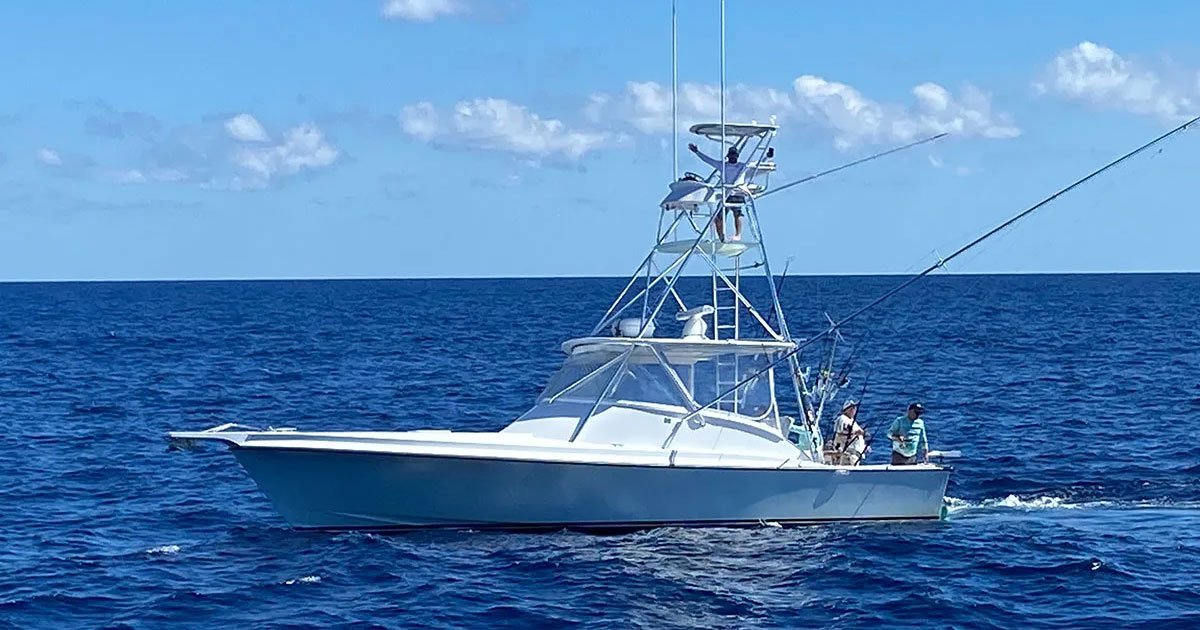
DirtyBoat Charters DirtyBoat Charters operates from Robbie's Marina in Islamorada, offering premier deep sea fishing experiences throughout the Florida Keys. Their 42-foot Liberty Express is equipped with tournament-grade tackle and air conditioning, providing comfort and serious fishing capability for every angler. The team specializes in pursuing Sailfish, Mahi, Swordfish, Tuna, and Wahoo, with particular expertise in specialized swordfish hunts. Based at a strategically positioned marina, DirtyBoat provides quick access to prime fishing grounds and offers flexible charter options to suit different needs. Whether planning a family outing or a focused expedition for experienced anglers, they accommodate both private and split charters. Their combination of quality equipment, local knowledge, and diverse fishing opportunities makes them a trusted choice for those seeking authentic offshore fishing in the Keys.
Seahorse Charters
Islamorada, FL, US
5.0 (369 reviews)
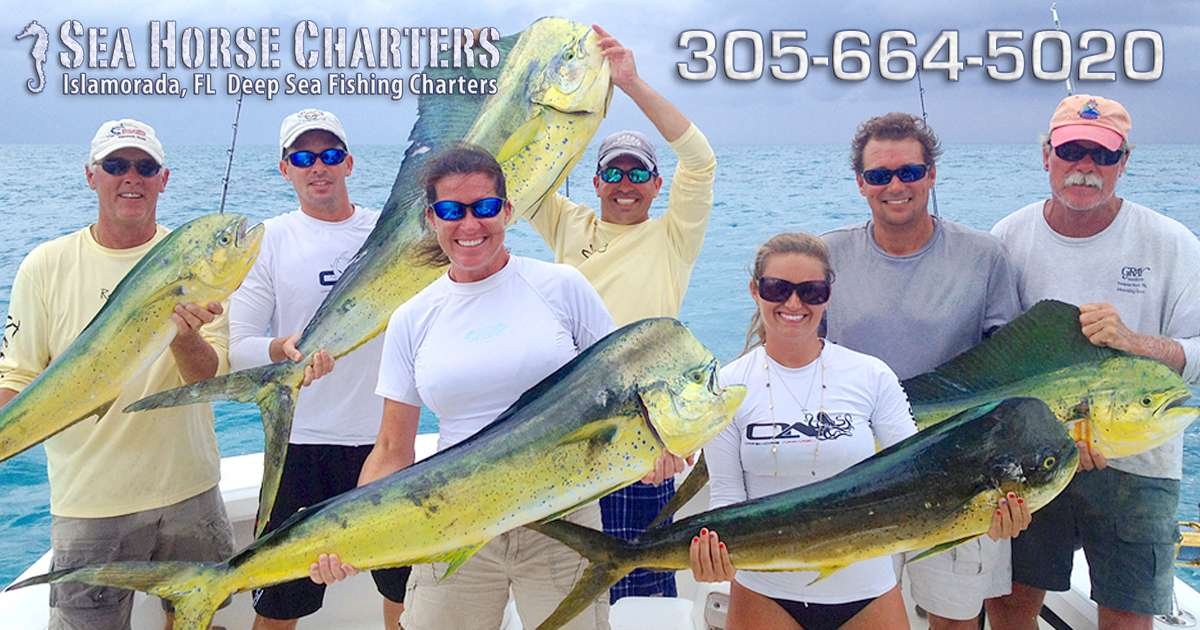
Seahorse Charters Seahorse Charters brings three decades of expertise to deep sea fishing in Islamorada, Florida Keys. Captain Rick and his crew specialize in pursuing premier game fish—mahi-mahi, swordfish, sailfish, marlin, and tuna—in some of the world's most productive offshore waters. Whether targeting trophy species or enjoying an introduction to sport fishing, anglers benefit from their extensive knowledge and proven techniques. The SEA HORSE II, a 43-foot Viking Sport Fishing Yacht, combines serious fishing capability with genuine comfort. State-of-the-art electronics support successful fishing, while air conditioning and private facilities ensure a pleasant day on the water. Seahorse Charters welcomes anglers of all skill levels, from first-timers and families to experienced fishermen, offering flexible trip lengths—full, three-quarter, and half-day options—to match any schedule and ambition.
Spartan Charters
Islamorada, FL, US
5.0 (122 reviews)
Spartan Charters Led by Captains Mike Walter and Trevor Newman, Spartan Charters delivers premier fishing experiences across Islamorada's diverse waters. With deep expertise in backcountry, reef, and offshore fishing, the team pursues tarpon, grouper, sailfish, and other prized species while adapting to anglers of all skill levels. Spartan Charters distinguishes itself through meticulous attention to detail and quality equipment. The operation maintains high-performance boats and tackle designed to maximize success, whether clients are exploring the shallow flats of the Everglades or testing their skills in open ocean conditions. Every trip is tailored to the angler's preferences and experience level, ensuring both novice and seasoned fishermen find their ideal adventure.

Florida Keys Fun Fishing
Islamorada, FL, US
5.0 (111 reviews)
Florida Keys Fun Fishing Florida Keys Fun Fishing offers premier inshore fishing charters from Islamorada, where experienced guides bring genuine passion and expertise to every outing. Specializing in light tackle fishing, the service welcomes everyone from families seeking an accessible day on the water to serious anglers pursuing technical fly fishing challenges. Their versatile trip options—including family-friendly excursions, shark fishing adventures, and guided eco-tours—ensure there's something for every skill level and interest. With deep knowledge of the Florida Keys' unique waters, the team creates memorable experiences tailored to each angler's goals. Whether exploring shallow flats, targeting elusive species, or discovering the region's natural beauty, guests benefit from guides who combine years of hands-on experience with a genuine love for fishing and the marine environment.
LegaSea Charters
Islamorada, FL, US
5.0 (90 reviews)
LegaSea Charters brings three generations of Florida Keys fishing expertise to every trip. Led by Capt. Joey Spaulding, a third-generation fishing captain, the operation has been welcoming anglers since 1966. Guests fish aboard the LegaSea, a 45-foot Carolina Custom vessel built for offshore performance and comfort. The charter specializes in diverse offshore species including snapper, grouper, amberjack, barracuda, mahi-mahi, tuna, sailfish, and swordfish. Whether anglers prefer a focused half-day excursion or an ambitious full-day swordfishing adventure, LegaSea Charters tailors each experience to match their goals and skill level. Operating from Islamorada, the charter delivers access to some of the Florida Keys' most productive fishing waters.
Bean Sportfishing
Islamorada, FL, US
5.0 (65 reviews)
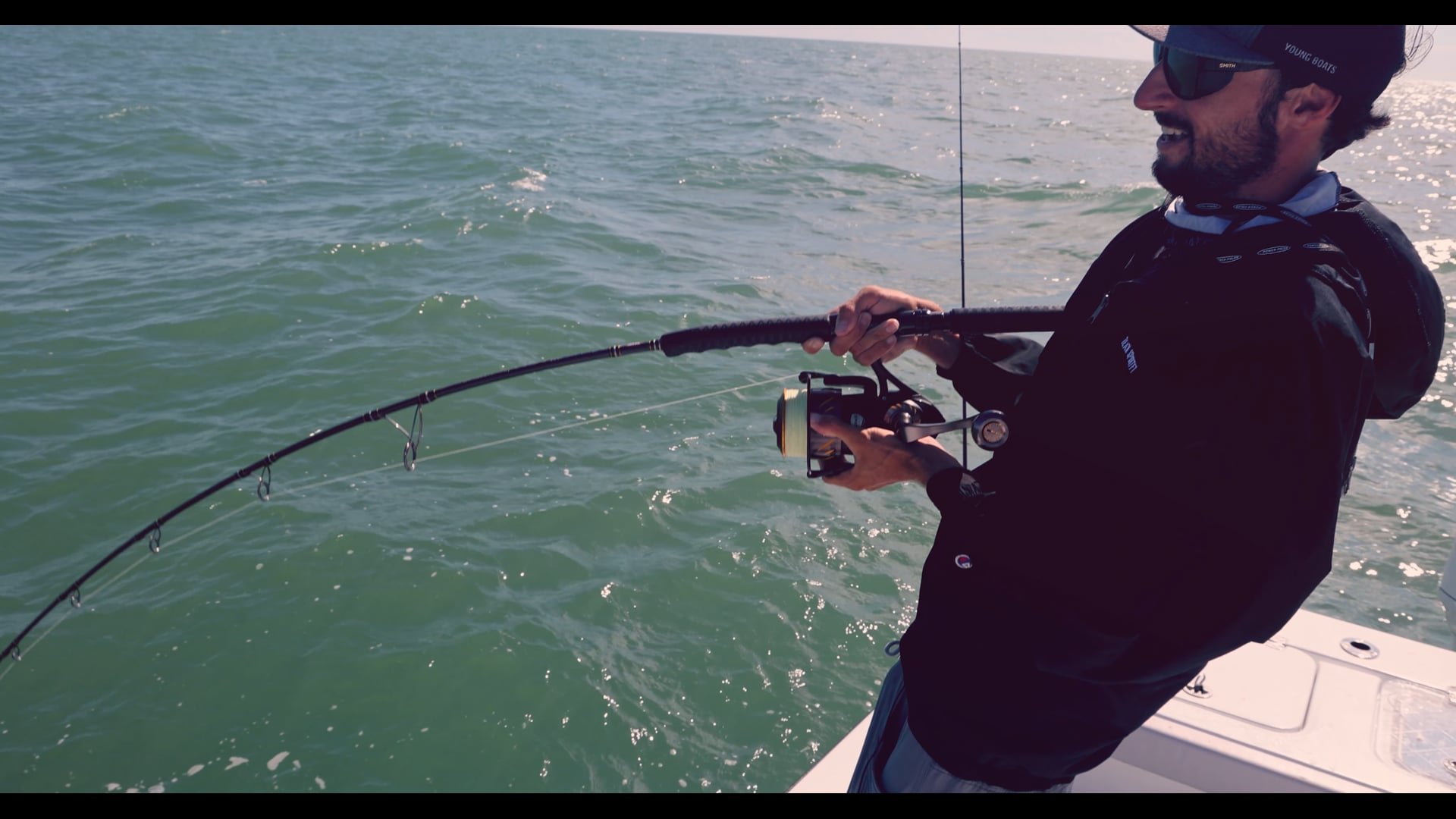
Bean Sportfishing offers premier backcountry and inshore fishing experiences in Islamorada, Florida, led by Captain Brandon "The Bean" Storin. With a lifelong passion for fishing, Captain Brandon specializes in pursuing Tarpon, Snook, Red Drum, Barracuda, and other sought-after species across the pristine waters of the Florida Keys. His expertise and personalized approach ensure memorable days on the water for anglers of all skill levels. The operation runs full-service charters aboard a well-maintained 24' Young Gulfshore, equipped with all necessary gear and designed for both safety and comfort. Bean Sportfishing accommodates various schedules with Half-Day, 3/4-Day, and Full-Day charter options, making it accessible for everyone from casual anglers to serious fishermen looking to test their skills against the Keys' most prized gamefish.
Frequently Asked Questions
What makes Islamorada different from Key West for fishing?
Islamorada sits in the Middle Keys at mile markers 73 to 90, directly adjacent to the Everglades backcountry — a vast network of mangrove islands, shallow basins, and tidal creeks that Key West simply does not have. Islamorada also offers the famous Islamorada Hump offshore and some of the best bridge fishing platforms in the Keys.
Do I need a fishing license to fish the bridges in Islamorada?
Yes. Florida requires a saltwater fishing license for anyone 16 and older fishing from bridges, shore, or a kayak. Non-residents can buy a 3-day license for about $17 or a 7-day license for about $30 at local tackle shops or online at GoOutdoorsFlorida.com. If you book a charter, the captain's license covers everyone on board.
How much does a fishing charter cost in Islamorada?
Half-day backcountry charters for two anglers typically start around $450 to $550. Full-day backcountry or reef trips run $900 to $1,400. Offshore trips to the Islamorada Hump cost $1,400 to $1,800 for a full day. Most charters include rods, tackle, bait, licenses, water, and fish cleaning.
What is the best time of year for beginners to fish Islamorada?
Late spring (April through June) is peak season with migratory tarpon flooding the channels, bonefish active on the flats, and mahi-mahi running offshore. Fall (October through November) is a close second with excellent snook, redfish, and bonefish action in the backcountry and calmer seas offshore.
Can a complete beginner fish the Islamorada backcountry without a guide?
It is possible but not recommended for your first time. The Everglades backcountry is a maze of unmarked mangrove islands and shallow mud flats where running aground or getting lost is easy. A local guide knows the tide-dependent access points and where fish are holding. Book at least one guided trip to learn the water before exploring on your own.
Related Articles
Islamorada: The Sportfishing Capital of the World and What That Actually Means
Saturday, April 4, 2026
How to Fish Key West: A Beginner's Guide to the Southernmost Fishery
Tuesday, May 26, 2026
The Clouser Minnow: How to Tie the Fly That Catches Everything With Fins, From Bonefish to Bass to Stripers
Friday, November 28, 2025
 ™
™