
How to Fish Lake of the Woods, Ontario: Walleye Jigging, Muskie Casting, Pike, and Everything That Bites
Lake of the Woods holds walleye, muskie, pike, smallmouth, and lake trout across 1,700 square miles — here's how to catch each species with the techniques that work on this massive Canadian shield lake.

Lake of the Woods is a multi-species fishery where the technique you use depends on the species you are targeting, the time of year, and whether you are fishing the shallow weed flats, the mid-depth reefs, or the deep open basins. This guide covers every technique that produces fish on the lake — from the walleye jig that catches dinner to the muskie bucktail that catches the fish of a lifetime.
For trip planning, lodge options, and seasons, see our Lake of the Woods destination guide.
Walleye: The Bread and Butter
Walleye are the reason most people fish Lake of the Woods. The techniques are straightforward, the fish are abundant, and the learning curve is shorter than for any other species on the lake.
Jigging
The most productive walleye technique on Lake of the Woods — and the most fun. A jig tipped with a live minnow or leech, bounced along the bottom over reefs and drop-offs at 10 to 25 feet.
The rig: A 6'6" to 7' medium-light spinning rod with a 2500 reel, 8 to 10 pound braided line, and a 3-foot fluorocarbon leader (8 lb). Tie on a 1/4 to 3/8 oz jig head (Fire-Ball, Northland Fireball, or stand-up style) and tip with a live minnow hooked through the lips or a leech hooked through the nose.
The technique: Position the boat over a reef, point, or drop-off using your electronics. Drop the jig to the bottom. Lift with a sharp snap of the wrist — 6 to 12 inches off the bottom — and let it fall on a controlled slack line. The bite comes on the fall — you feel a tick, a heaviness, or the line goes slack (the fish swam toward you). Set the hook with a firm upward sweep.
Key variables: Jig weight matches the depth and current. Lighter (1/8 oz) in shallow water and calm conditions. Heavier (3/8 to 1/2 oz) in deep water or wind. Colour matters — chartreuse, pink, and glow are standards on Lake of the Woods. Change colours if the bite slows.
Live Bait Rigging
The finesse approach. A slip-sinker rig with a live minnow or leech crawled slowly along the bottom — deadly when walleye are inactive or pressured.
The rig: A 1/4 to 3/8 oz egg sinker slides on the main line above a small barrel swivel. Below the swivel: 3 to 4 feet of 6 to 8 lb fluorocarbon leader to a #4 or #6 octopus hook. Bait with a lively leech (the best all-around bait on Lake of the Woods) or a fathead minnow.
The technique: Drift or troll slowly (0.3 to 0.8 mph) over structure. The sinker drags along the bottom while the leech or minnow trails behind, swimming naturally. When a walleye picks up the bait, drop the rod tip and feed line for 3 to 5 seconds before setting the hook. The delay lets the fish turn the bait and get the hook in its mouth.
Trolling
Covers water when walleye are scattered or you are searching for active schools.
Crankbaits: Troll Rapala Shad Raps, Berkley Flicker Shads, or Reef Runners at 1.5 to 2.5 mph over reefs and weed edges. Use planer boards to spread lines and cover a wider swath. Match the crankbait diving depth to the target zone — 8 to 15 feet for summer walleye on most Lake of the Woods structure.
Spinner rigs (crawler harnesses): A spinner blade (Colorado or Indiana) ahead of a trailing hook baited with a nightcrawler, trolled slowly (1.0 to 1.5 mph) with a bottom bouncer weight. The spinner blade flashes and vibrates, attracting walleye from a distance. Effective in stained water and over expansive flats.
Kenora Walleye Open Pre-Fish — Summer Walleye TechniquesMuskie: The Fish of 10,000 Casts
Muskie fishing on Lake of the Woods is a specialised pursuit. The fish are large, rare (relative to walleye), and demanding. Most dedicated muskie anglers average one fish per 8 to 12 hours of casting. The fish that eats your lure may be 45 inches long and weigh 25 pounds.
Casting
The primary technique. Stand in the bow of the boat and cast large lures — bucktails, glide baits, jerkbaits, and topwater — to weed edges, rocky points, and current areas. Retrieve with a steady or erratic retrieve, then execute a figure-8 at the boat before lifting the lure out of the water.
The figure-8: The most important muskie skill. When your lure reaches the boat, plunge the rod tip into the water and trace a wide figure-8 pattern, keeping the lure moving at full speed. Muskie often follow a lure to the boat without striking and will eat it during the figure-8. More muskie are caught on the figure-8 than most anglers expect.
Lures: Mepps Musky Killer and Double Cowgirl bucktails (1-2 oz, cast and steady retrieve). Suick and Bobbie Bait jerkbaits (jerk-pause-jerk retrieve). Topwater — Whopper Plopper, Hawg Wobbler — for early morning and evening over shallow weed flats. Large soft plastic swimbaits (8-12 inches) worked slowly through deep weed edges.
Tackle: An 8' to 9' extra-heavy casting rod with a high-speed baitcasting reel (Shimano Tranx, Abu Garcia Revo Beast). 80 lb braided line with a 12-inch fluorocarbon or titanium wire leader. Muskie have razor-sharp teeth and will cut through anything lighter than wire or heavy fluoro.
Trolling for Muskie
Large crankbaits (Believers, Grandma Lures, Jake baits) trolled at 3 to 5 mph over deep weed edges and main-lake structures. Use planer boards to spread lures away from the boat wake. Trolling covers vast amounts of water and finds actively feeding muskie that are not relating to specific structure.
Muskie Fishing Lake of the Woods — Tamarack IslandNorthern Pike: Fast Action
Pike are the most cooperative predator on Lake of the Woods. They are everywhere — weed beds, rocky shorelines, creek mouths, and shallow bays. They hit aggressively and fight hard on medium tackle.
Casting: Medium-heavy spinning or casting rod. Spinnerbaits (1/2 to 1 oz, white or chartreuse), large spoons (Eppinger Daredevle, 1 oz in red/white or five of diamonds), and jerkbaits (Rapala X-Rap 12-14 cm). Cast to weed edges, over shallow flats, and along rocky points. Pike are ambush predators — they lie in the weeds and rocket out to grab a moving lure.
Fly fishing for pike: A 9' 8- or 9-weight fly rod with a sink-tip line and a large streamer (Deceiver, Clouser, or articulated pike fly in white/chartreuse, 6-8 inches). Strip aggressively through the weed edges. Pike on the fly are explosive — the take is visible, violent, and unforgettable. Use a wire bite guard (6 inches of single-strand wire) between the fly and the leader.
Smallmouth Bass: The Underrated Fighter
Smallmouth bass on Lake of the Woods inhabit the Canadian Shield granite shorelines — rocky points, boulder fields, and gravel shoals.
Techniques: Drop-shot rigs with 3-4" soft plastics (Senko, Goby imitators) over rocky structure at 10 to 20 feet. Tube jigs (1/4 oz, smoke or green pumpkin) bounced along the bottom near boulders. Topwater (Heddon Zara Spook, Rapala Skitter Pop) over shallow rock shelves at dawn and dusk — smallmouth topwater strikes are among the most exciting in freshwater fishing.
Tackle: 6'6" to 7' medium spinning rod, 2500 reel, 8 lb braid with 6 lb fluoro leader. Light enough to feel the subtle bite, strong enough to pull a 4-pound smallmouth out of the rocks.
Chasing BIG Lake of the Woods WalleyeIce Fishing
Lake of the Woods is one of the premier ice fishing destinations in North America. The lake freezes by late November and stays fishable through March.
Target species: Walleye and sauger are the primary targets. Pike through the ice on tip-ups. Perch and crappie for panfish anglers.
Walleye through the ice: Jigging Raps (Rapala W5 or W7 in glow or perch pattern), jigged vertically over reef structure at 15 to 30 feet. A second line on a dead stick (a rod set in a holder with a live minnow under a float) covers the passive fish. Most ice anglers use portable shelters (flip-over or hub-style) with heaters — Lake of the Woods winter temperatures reach -30°C (-22°F).
Guided ice fishing: Many lodges offer winter packages with heated ice houses, guide service, and ATV or snowmobile transport to fishing spots. Some operations run permanent heated ice houses with bunks — you sleep on the ice.
Using Electronics
On a lake with 14,500 islands and structure everywhere, your fish finder is the most important piece of equipment after the boat motor.
What to look for: Walleye hold on reefs, humps, and points in 10 to 30 feet of water. On your sounder, look for hard bottom returns (rock, gravel) rising from the surrounding soft bottom (mud, sand). The transition zones — where hard meets soft — are where walleye concentrate. Mark productive spots as GPS waypoints so you can return to them.
Reading marks: Walleye typically show as individual arches or clusters of marks suspended 1 to 3 feet off the bottom. Dense balls of baitfish (shiners, perch) near the bottom mean walleye are likely nearby. If you see bait but no predator marks, jig aggressively — the walleye may be tight to the bottom and not separating from the structure on your screen.
Side imaging: If your unit has side imaging (Humminbird MEGA Side, Lowrance ActiveTarget), use it to scan reefs and weed edges from a distance before positioning over them. Side imaging shows individual fish and structure features that down-imaging misses. On Lake of the Woods, guides use side imaging to identify specific boulders, rock piles, and weed clumps that hold walleye — then anchor or drift over those exact spots.
For muskie: Side imaging and forward-facing sonar (Garmin LiveScope, Lowrance ActiveTarget) have transformed muskie fishing. You can see muskie relating to weed edges, following your lure, and staging on structure — information that was invisible before these tools existed. Not required, but game-changing if available.
Seasonal Patterns
Understanding where fish are at different times of year is essential on a lake this large.
Spring (May-June): Walleye are shallow — reefs, rock piles, and sandy flats at 6 to 15 feet. They are post-spawn and feeding aggressively. Jig with minnows on shallow structure. Pike are in the back bays and creek mouths, also shallow and aggressive. Smallmouth move to rocky shorelines as water warms past 15°C.
Summer (July-August): Walleye move deeper — 15 to 25 foot reefs and drop-offs during the day, shallower at dawn and dusk. Live bait rigs and trolling become more effective as fish spread out. Muskie are on the deep weed edges (15 to 20 feet). Smallmouth are on every rocky point. This is the most predictable season — the fish are where the food is, and the food is where the temperature is comfortable.
Fall (September-October): Everything moves shallower as the lake cools. Walleye push onto reefs at 8 to 15 feet. Muskie become their most aggressive — fall is trophy season. Pike stack up in the remaining green weeds. Smallmouth feed aggressively before the winter shutdown. The fishing is excellent but the weather windows are shorter.
Winter (December-March): Walleye and sauger on mid-lake reefs at 20 to 35 feet. The fish are less aggressive but present in concentrated schools. Jigging Raps, live minnows, and patience produce through the ice.
Tackle Summary
| Target | Method | Rod | Line | Terminal |
|---|---|---|---|---|
| Walleye (jig) | Vertical jig | 6'6" ML spinning | 8-10 lb braid + 8 lb fluoro | 1/4-3/8 oz jig + minnow/leech |
| Walleye (rig) | Live bait rig | 6'6" M spinning | 8 lb mono | Egg sinker + leech/minnow |
| Walleye (troll) | Crankbait troll | 7' M trolling | 10 lb mono/braid | Shad Rap, Flicker Shad |
| Muskie | Cast/figure-8 | 8'-9' XH casting | 80 lb braid + wire | Bucktails, glide baits |
| Pike | Cast spoons/spinners | 7' MH casting/spin | 20-30 lb braid + wire | Daredevle, spinnerbait |
| Smallmouth | Drop-shot/tube | 6'6" M spinning | 8 lb braid + 6 lb fluoro | Tube jig, drop-shot |
| Walleye (ice) | Jigging | 28" ice rod | 6-8 lb mono | Jigging Rap W5, minnow |
Regulations Recap
Ontario fishing licence required. Walleye: 4/day (conservation) or 6/day (sport) with slot limits. Muskie: 1/day, 54" minimum. Pike: 6/day. Smallmouth: 6/day. Always check current Ontario regulations for the specific zone — Lake of the Woods spans multiple regulation zones.
Spring Time Walleye Fishing Lake of the WoodsRecommended Gear
St. Croix Legend Tournament Walleye 6'6" ML Spinning Rod
The walleye jigging standard — sensitive tip detects subtle bites on the fall
Shimano Stradic FL 2500 Spinning Reel
Smooth drag and sealed body for walleye jigging and live bait rigs
St. Croix Mojo Musky 8'6" XH Casting Rod
All-day muskie casting — throws heavy bucktails and glide baits without fatigue
Shimano Tranx 300 Baitcasting Reel
High-speed muskie reel — handles 80 lb braid and violent figure-8 hooksets
Rapala Jigging Rap W5 Glow Perch
The walleye jig — works in open water and through the ice year-round
Northland Tackle Fire-Ball Jig 1/4 oz Chartreuse
Live bait jig for reef walleye — tip with minnow or leech
Mepps Musky Killer Bucktail 1 oz White
Classic muskie casting lure — figure-8 at the boat for follows
Eppinger Daredevle Spoon 1 oz Red/White
Pike casting standard — red and white works everywhere, every time
Humminbird HELIX 7 CHIRP MEGA SI GPS
Finding reefs, weed edges, and fish on a lake with 14,500 islands
Rapala Shad Rap SR7 Firetiger
Walleye trolling crankbait — runs 6-10 feet over summer reefs
Top Fishing Guides in Kenora
A Lake of the Woods guide knows which reefs are holding walleye today, what depth they moved to after yesterday's cold front, and where the muskie are feeding this week. On 1,700 square miles of water with 14,500 islands, that daily intelligence is the difference between fishing and catching.
Green Adventures
Kenora, ON, CA
4.7 (30 reviews)
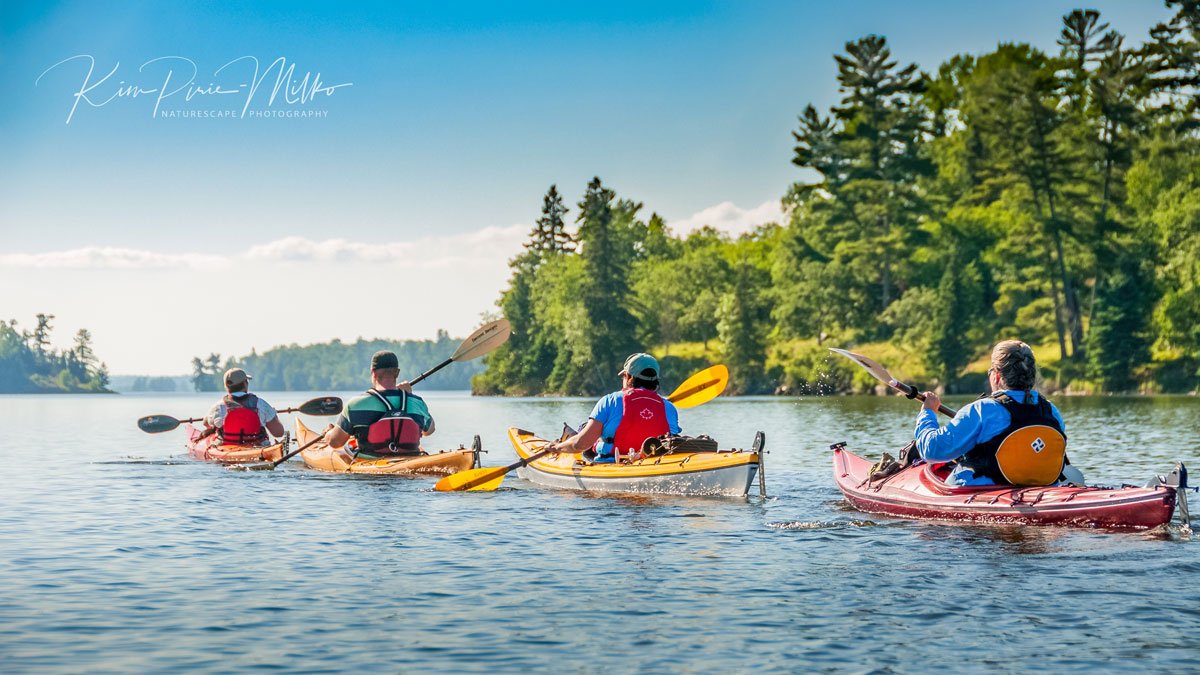
Green Adventures connects anglers with experienced local guides for unforgettable fishing on Lake of the Woods near Kenora, Ontario. Specializing in muskie, northern pike, walleye, smallmouth bass, and lake trout, the operation brings deep knowledge of these waters and proven techniques for consistently productive outings. Whether pursuing trophy fish or simply enjoying time on the water, clients benefit from guides who understand the lake's seasonal patterns and prime fishing grounds. The team at Green Adventures is committed to tailoring each trip to match individual skill levels and goals. From seasoned anglers seeking challenging pursuits to those new to fishing looking for a relaxed introduction, their guides create personalized experiences that showcase why Lake of the Woods remains a premier destination. Local expertise and genuine hospitality define every outing.

Sydney Lake Lodge
Kenora, ON, CA
Sydney Lake Lodge offers exclusive fly-in fishing adventures in the pristine waters north of Kenora, Ontario. Specializing in walleye, northern pike, and lake trout, the lodge combines world-class fishing with genuine comfort and expert guidance. Each expedition features fully equipped 16' Lund boats and return seaplane flights, delivering anglers to remote waters where trophy catches await. The lodge caters to groups and families seeking a complete outdoor escape. Guests enjoy comfortable lakeside cabins with daily housekeeping, personalized fishing advice from experienced guides, and 24/7 on-site management. This thoughtful blend of premier fishing opportunities and convenient amenities ensures both memorable catches and a relaxing retreat in Canada's beautiful backcountry.

NWO Outfitters
Kenora, ON, CA
NWO Outfitters is a premier fishing guide service based in Kenora, Ontario, operating on the expansive Lake of the Woods. With a lifetime of experience navigating these legendary waters, their guides specialize in both open water and ice fishing expeditions targeting walleye, musky, northern pike, bass, and trout. The operation combines traditional fishing knowledge with modern technology, deploying well-maintained Lund and Mercury boats equipped for serious anglers. The service distinguishes itself by offering diverse trip styles suited to different preferences and seasons. Whether guests prefer shore fishing, open water adventures, or guided ice fishing expeditions to remote lakes, NWO Outfitters delivers authentic experiences across Northwest Ontario's stunning landscape. Their depth of local knowledge and commitment to quality equipment ensure every outing capitalizes on the region's exceptional fishing opportunities.

Delaney Lake Lodge
Kenora, ON, CA
Delaney Lake Lodge is a premier fly-in fishing destination located 41 air miles north of Kenora, Ontario. Specializing in trophy fishing, the lodge provides access to world-class waters known for exceptional Smallmouth Bass, Lake Trout, Muskie, and Northern Pike. Delaney Lake itself holds the distinction of having produced Ontario's largest Northern Pike on record, drawing serious anglers seeking trophy-caliber catches. The lodge combines remote wilderness fishing with comfortable accommodations, featuring a cozy stone fireplace and panoramic lake views. Fully guided trips on the renowned English River System ensure guests experience pristine waters with expert local knowledge. Whether pursuing trophy fish or simply immersing themselves in the remote northern landscape, guests discover a complete fishing adventure designed for those seeking authentic wilderness hospitality.
Lake of the Woods Docking
Kenora, ON, CA
Lotwdocking specializes in guided fishing adventures on Lake of the Woods in the Kenora region, with a particular expertise in walleye fishing. Their experienced guides welcome anglers of all skill levels, offering both half-day and full-day excursions accommodating up to four guests per trip. Whether pursuing trophy catches or enjoying a leisurely day on the water, visitors can expect personalized attention tailored to their experience and goals. Beyond fishing, Lotwdocking provides lake sightseeing tours and a range of rental options, making it an ideal destination for families and groups seeking varied outdoor experiences. The operation prioritizes customer satisfaction and memorable moments, ensuring each outing reflects the natural beauty and abundant wildlife of this iconic Canadian lake.
Witch Bay Camp
Kenora, ON, CA
Witch Bay Camp is a premier fishing guide service on Lake of the Woods in Ontario, one of North America's premier fishing destinations. Specializing in walleye, smallmouth bass, northern pike, and muskie, the camp's dedicated pro fishing staff delivers expert guidance tailored to anglers of all skill levels. Whether pursuing trophy fish or refining technique, guests benefit from proven strategies and hands-on instruction designed to elevate their fishing success. Committed to sustainable practices, Witch Bay Camp emphasizes catch-and-release fishing while offering a variety of trip styles to suit different preferences and experience levels. Each outing on these legendary waters provides an opportunity to learn from seasoned professionals and experience the natural beauty and abundant fishery that make Lake of the Woods a world-class angling destination.
Frequently Asked Questions
What is the best walleye technique on Lake of the Woods?
Jigging with a 1/4-3/8 oz jig tipped with a live minnow or leech, bounced along reefs at 10-25 feet. Also effective: live bait rigs (slip-sinker with leech) for finesse, and trolling crankbaits (Shad Raps) or spinner rigs when fish are scattered.
How do you catch muskie on Lake of the Woods?
Cast large lures — bucktails (1-2 oz), glide baits, jerkbaits, topwater — to weed edges and rocky points. The figure-8 at the boat is critical: plunge your rod tip in the water and trace a wide figure-8 pattern. More muskie eat during the figure-8 than on the initial cast. Average 1 fish per 8-12 hours of casting.
What tackle do I need for Lake of the Woods?
Walleye: 6'6" ML spinning rod, 2500 reel, 8-10 lb braid. Muskie: 8'-9' XH casting rod, high-speed baitcast reel, 80 lb braid + wire leader. Pike: 7' MH rod, 20-30 lb braid. Most lodges provide tackle if you don't have your own.
Can I ice fish Lake of the Woods?
Yes — Lake of the Woods is one of the top ice fishing destinations in North America. Walleye and sauger on Jigging Raps and minnows, pike on tip-ups. Season runs late November through March. Guided packages with heated ice houses are available. Temperatures reach -30°C.
What is the best live bait for Lake of the Woods walleye?
Leeches are the #1 all-around walleye bait on Lake of the Woods — they swim actively, stay on the hook, and produce in all conditions. Fathead minnows are best in spring and fall (cold water). Nightcrawlers work on spinner rigs. Buy bait at lodges or tackle shops in Kenora.
Related Articles
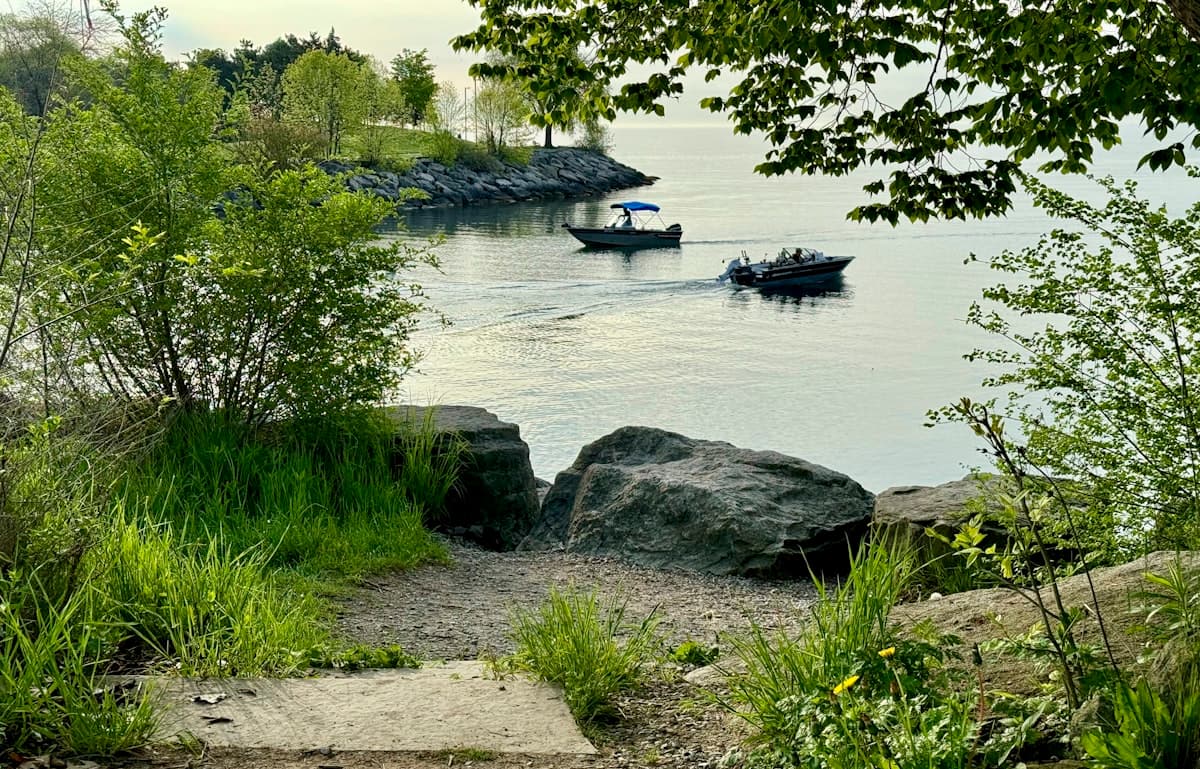
Fishing Lake of the Woods, Ontario: Walleye, Muskie, and 14,500 Islands of Untapped Water
Wednesday, May 20, 2026
Fly Fishing the Skeena River: Spey Casting for Wild Steelhead in Northern British Columbia
Saturday, June 20, 2026
Fly Fishing Kamloops, BC: Chironomids, Leeches, and the Stillwater Techniques That Catch Trophy Rainbow Trout
Tuesday, June 16, 2026
 ™
™