
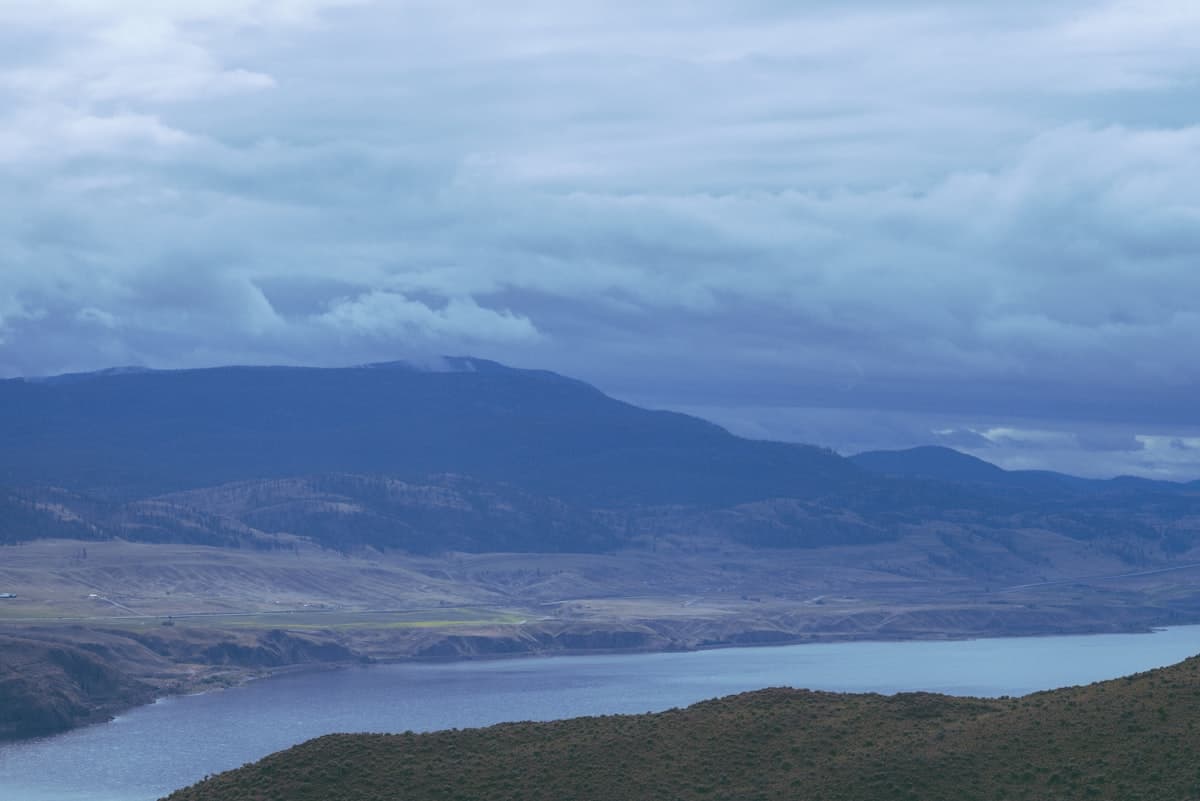
Fly Fishing Kamloops, BC: Chironomids, Leeches, and the Stillwater Techniques That Catch Trophy Rainbow Trout
Kamloops stillwater fly fishing is a discipline unto itself — chironomid fishing under indicators, balanced leeches, dragonfly nymphs on full-sink lines, and dry flies to rising trout on glassy lakes that grow rainbows to 10 pounds and beyond.

Stillwater fly fishing around Kamloops, British Columbia is a discipline that has more in common with technical nymphing than most people expect. You are not casting to rising fish on a river (usually). You are anchored over a productive shoal in a float tube or pontoon boat, watching a strike indicator for the subtle twitch that means a 5-pound rainbow has inhaled a size 16 chironomid pupa 12 feet below the surface. The take is quiet. The fight is not.
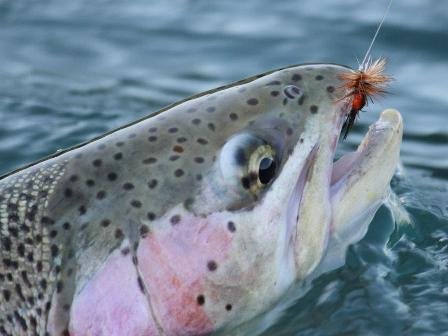
Kamloops trout — the interior BC strain of rainbow trout, bred by genetics and cold, nutrient-rich water to grow large and fight violently — are the target. The lakes around Kamloops produce fish that would be trophies anywhere else: 3 to 5 pounds is a normal fish on a well-managed lake, 8 to 10 pounds is achievable in a season, and the managed trophy lakes produce fish over 15 pounds. These trout leap repeatedly, make searing runs into the backing, and will test any 5-weight fly rod to its limit.
For trip planning, lake descriptions, seasons, and getting to Kamloops, see our Fishing Kamloops destination guide. This article covers the techniques — chironomid fishing, leeches, dragonflies, dries, and the stillwater-specific knowledge that catches these fish.
Chironomid Fishing: The Foundation
Chironomids (midges) are the single most important food source for trout in Kamloops lakes. They are available year-round, they hatch in enormous numbers, and trout eat them at every stage of the life cycle — larva (bloodworm) on the bottom, pupa rising through the water column, and adult on the surface. A Kamloops stillwater angler who can fish chironomids effectively will catch fish on any lake, in any month, in any conditions.
The Chironomid Rig
The standard chironomid setup fishes a small fly (sizes 10-18) suspended under a strike indicator at a fixed depth.
| Component | Specification |
|---|---|
| Rod | 9' to 10' 5-weight or 6-weight, moderate action |
| Reel | Large arbor with smooth drag |
| Line | Weight-forward floating, with clear or camo tip |
| Leader | 12-20 feet of fluorocarbon, tapered to 4X-5X (5-7 lb) |
| Indicator | Foam or yarn indicator, set at target depth |
| Fly | Chironomid pupa, sizes 10-18 |
| Weight | Small split shot or beadhead fly to reach target depth |
Setting depth: This is the critical variable. Chironomid pupae rise from the lake bottom through the water column, so they can be at any depth from the bottom to the surface. Start by setting your indicator at the depth of the shoal you are fishing — typically 10 to 18 feet. If you are not getting takes, adjust up or down in 1-foot increments until you find the feeding zone. Many experienced Kamloops anglers use a depth finder to locate the thermocline and set their indicator just above it.
The retrieve: There is no retrieve. The fly hangs vertically under the indicator, rising and falling slightly with wave action. This natural movement imitates a chironomid pupa ascending toward the surface. Your job is to watch the indicator. A take looks like a slight pull-down, a sideways drift, or a subtle lift — nothing dramatic. Set the hook on any movement that does not match the wave pattern.
Advanced technique — the slow hand-twist retrieve: Rather than letting the fly hang static, retrieve it with an extremely slow, continuous hand-twist. This moves the fly upward through the water column at roughly the same speed as a natural chironomid pupa. Cover the full depth — from indicator depth to the surface — over the course of several minutes. This technique catches pressured fish that have seen static presentations.
Chironomid Fly Fishing Strategies — GoFishBCChironomid Fly Patterns
Kamloops chironomid patterns are simple in construction but the details matter — body colour, rib material, and bead colour can make the difference between consistent takes and silence.
Chromie: The most universally effective chironomid pattern. Silver wire rib over a black thread body, silver-lined glass bead head. Sizes 12-16. If you fish one chironomid pattern on Kamloops lakes, fish a Chromie.
Ice Cream Cone: Cream or tan body with a white bead head. Imitates a lighter-coloured chironomid pupa. Effective in spring and fall when lighter species dominate the hatches.
Bloodworm: Red or maroon body, often with a copper wire rib. Imitates the larval stage that lives in the bottom mud. Fish it deep — on or near the bottom. Effective year-round.
Bomber: A larger chironomid pattern (sizes 10-12) with a fatter body and prominent wing case. Imitates the larger chironomid species (Chironomus) that hatch in the warmer months. Dark olive, maroon, and black bodies are standard.
Anti-Body Chironomid: Modern pattern using anti-body (holographic) ribbing over a dark body. The holographic flash in the rib catches light as the fly slowly rotates under the indicator. Extremely effective on pressured fish.
Leeches: The All-Day Pattern
When chironomids are slow, leeches are the backup. Trout in Kamloops lakes feed on leeches year-round, and a well-presented leech pattern fished on a sinking line can produce fish when nothing else is working.
Leech Techniques
Slow strip on an intermediate line: Cast a leech pattern (Woolly Bugger, Balanced Leech, Mohair Leech) on an intermediate (Type 1-2 sink) line. Let it sink to the desired depth — usually 5 to 15 feet — then retrieve with slow, 6-inch strips with pauses between each strip. The pause is when most takes happen.
Balanced Leech under an indicator: A Balanced Leech (tied with a jig hook and bead head that causes the fly to hang horizontally under an indicator, rather than dangling vertically) fished the same way as a chironomid — suspended at depth, static or with a glacial hand-twist retrieve. The horizontal presentation is more natural than a vertically hanging fly, and Balanced Leeches have become a standard Kamloops technique.
Trolling: Strip or troll a leech on a sinking line behind a float tube or pontoon boat. Cover water until you locate active fish, then anchor and fish the area more thoroughly. Effective for locating fish on unfamiliar lakes.
Leech Patterns
Balanced Leech (maroon): The default Kamloops leech pattern. Tied on a jig hook with a tungsten bead, marabou body, and a tail that gives the fly a lifelike swimming action. Maroon, black, and olive are the standard colours.
Woolly Bugger (black): The universal stillwater pattern. Effective stripped, trolled, or fished under an indicator. Sizes 6-10.
Mohair Leech: BC-specific pattern using mohair yarn for a buggy, translucent body. Dark olive, maroon, and black. Highly effective on Kamloops lakes.
Make Em Dance — Fly Fishing Kamloops British ColumbiaDragonfly and Damselfly Nymphs
In late spring and summer, dragonfly and damselfly nymphs migrate from deep water to the shallows, where they crawl up vegetation to emerge as adults. Trout intercept them aggressively during these migrations.
Dragonfly nymphs: Large, robust nymphs (sizes 6-10) fished on a full-sink or sink-tip line near the bottom. Strip with long, slow pulls to imitate the nymph's jet-propulsion movement. Olive and brown patterns are standard. The strike is often a hard, rod-bending pull with no warning.
Damselfly nymphs: Slimmer than dragonflies, fished on an intermediate line in 3 to 10 feet of water. A slow strip with frequent pauses imitates the nymph's swimming motion. Olive is the dominant colour. During a damselfly migration (usually June-July), the fishing can be explosive — trout cruise the shallows picking off nymphs, and you can sight-fish to individual trout.
Dry Fly Fishing
Kamloops lakes produce dry fly opportunities that rival any river. When hatches bring fish to the surface — mayfly hatches in May-June, caddis in summer, chironomid adults in spring and fall — you can sight-fish to individual rising trout on a calm lake surface.
Technique: Spot a rising fish, gauge its cruising direction and speed, cast your dry fly 10 to 15 feet ahead of the fish's path, and wait. When the trout reaches your fly, the take is visual — a head-and-tail rise, a sip, or a splashy grab. The anticipation of watching a 5-pound rainbow cruise toward your dry fly is exquisite.
Patterns: Tom Thumb (a BC-specific deer hair dry), Elk Hair Caddis, Parachute Adams, Griffith's Gnat (for chironomid adults). Sizes 12-18.
Scuds and Freshwater Shrimp
Scuds (Gammarus) are present in virtually every Kamloops lake and are a year-round food source for trout. These small crustaceans (5-15mm) live in the weed beds and on the lake bottom, and trout cruise through weedy shallows specifically to feed on them.
Technique: Fish a scud pattern (sizes 12-16, olive, grey, or orange) under an indicator at 4 to 10 feet, over or adjacent to weed beds. A slow hand-twist retrieve imitates the scud's swimming motion. Scuds are the backup pattern when chironomid hatches are not happening — they are always available and trout always eat them.
Patterns: Oliver Edwards Scud, BC Scud (olive/grey body with orange accent), Czech-style scud nymphs. Olive and grey are the natural colours; orange imitates a scud carrying eggs and is often more effective than natural colours.
Water Temperature and Fish Behaviour
Understanding water temperature is essential for Kamloops stillwater fishing. Rainbow trout have an optimal feeding temperature range of 12-18°C (54-64°F). Below this range, they feed sluggishly. Above it, they move to deeper, cooler water and feed less during midday.
Spring (ice-off to June): Water temperatures climb from near-freezing to the optimal range. Trout are in the shallows, feeding aggressively after winter. Chironomids hatch as the water warms. The shallows warm first, so that is where the food and the fish are.
Summer (July-August): Surface temperatures exceed the optimal range on many lakes. Trout move to the thermocline — the depth where the water temperature drops to their preferred range. Your depth finder becomes critical. Fish below the thermocline with sinking lines. Early morning and late evening bring trout back to the shallows as surface temperatures drop.
Fall (September-October): The lake turns over — surface water cools and mixes with deeper water, equalizing the temperature throughout the water column. Trout return to the shallows and feed aggressively before winter. Fall chironomid hatches can be as productive as spring.
Fall Stillwater Fly Fishing in BC's Cariboo RegionShoal Fishing: Where to Anchor
The productive zones on a Kamloops lake are the shoals — shallow areas (4-20 feet) where sunlight reaches the bottom and supports the insect life that feeds the trout. Finding the right shoal, at the right depth, at the right time of day, is the core skill of Kamloops stillwater fishing.
Drop-offs: The transition from shallow shoal to deep water. Trout cruise these edges, moving between the safety of deep water and the food-rich shallows. Anchor on the drop-off and fish toward both the shallow and deep sides.
Weed beds: Submerged vegetation grows on productive shoals and harbours chironomid larvae, scuds, leeches, and dragonfly nymphs. Fish the edges of weed beds — trout patrol the margins picking off prey.
Marl flats: Hard, light-coloured lake bottom composed of calcium carbonate deposits. Marl flats support dense chironomid populations and are easy to spot from the surface (they appear as light-coloured patches). Some of the best chironomid fishing happens over marl.
Wind lanes: When wind blows across a lake, it creates a surface current that concentrates floating food (chironomid adults, caddis, foam, debris) in lanes. Trout follow these lanes, feeding on the accumulated food. Position yourself in or alongside a wind lane for dry fly and emerger fishing.
Planning Your First Kamloops Stillwater Day
If you are new to Kamloops stillwater fly fishing, here is how to structure a productive first day:
Choose a well-known lake. Roche Lake, Tunkwa Lake, or Lac Le Jeune are all easy to access, have good boat launches, and produce consistent fishing. Save the remote trophy lakes for after you have developed your stillwater skills on the accessible water.
Arrive at first light. The first two hours of the day are almost always the most productive. Launch your float tube or boat, kick out to a productive shoal (8 to 15 feet of water over marl or weed beds), and anchor or hold position.
Start with chironomids. Set an indicator at 12 feet, tie on a Chromie, and wait. If you are not getting takes after 20 minutes, adjust the depth — up 2 feet, down 2 feet — until you find the feeding zone. The fish are almost certainly eating chironomids; you just need to find the depth.
Switch to leeches by mid-morning. If chironomid fishing slows, switch to an intermediate line and a Balanced Leech. Slow-strip through the shoal water. This covers more water and can trigger fish that are not actively feeding on chironomids.
Watch for risers in the evening. If you see rings on the surface, switch to a dry fly (Tom Thumb, Elk Hair Caddis, or Griffith's Gnat) and cast ahead of the cruising trout. Evening dry fly fishing on a Kamloops lake is the payoff for a day of disciplined subsurface work.
Keep notes. Record the lake, the date, the water temperature, the depth that produced, the fly that worked, and the time of day. Kamloops lakes are seasonal and pattern-driven — your notes from this trip will make your next trip dramatically more productive.
Spring Chironomid Stillwater Fly Fishing — Interior of British ColumbiaTop Fishing Guides in Kamloops
A Kamloops stillwater guide knows which lake is hatching today, what depth the trout are feeding at, and whether to fish chironomids, leeches, or dries. That daily intelligence — built from fishing these lakes 150 days a year — is what turns a slow day into a productive one. One guided day on a Kamloops lake teaches you more about stillwater technique than a week of figuring it out alone.
Recommended Gear
Sage Foundation 9'6" 5wt Fly Rod
Stillwater all-rounder — sensitive for chironomids, strong enough for trophy rainbows
Lamson Liquid 3-Pack Fly Reel
Sealed drag reel with extra spools — swap between floating, intermediate, and sink lines
Scientific Anglers Stillwater Clear Camo Line
Floating line with clear tip — essential for chironomid fishing over spooky shoal trout
RIO InTouch Camolux Intermediate Line
Type 2 sink line for stripping leeches and damselfly nymphs through the shoals
RIO InTouch Deep 6 Full Sink Line
Type 6 sink for dragonfly nymphs and deep leech retrieves in summer
Outcast Fish Cat Scout Float Tube
Frameless float tube — packs small, launches easy, quiet on the water
Simms Tributary Stockingfoot Waders
Float tube wading — you sit in the water, so sealed seams are essential
Umpqua Chironomid Fly Selection
Pre-tied chironomid patterns: Chromies, Bloodworms, Bombers, Ice Cream Cones
Superfly Balanced Leech 6-Pack
Balanced Leeches in maroon, black, olive — the standard Kamloops leech presentation
Humminbird HELIX 5 Chirp GPS G3
Portable fish finder — locating shoals, thermoclines, and depth breaks is critical
Frequently Asked Questions
What is chironomid fishing?
Chironomid fishing suspends a small midge pupa imitation (sizes 10-18) under a strike indicator at a fixed depth, typically 10-18 feet. The fly hangs motionless or rises slowly, imitating a chironomid pupa ascending to the surface. Takes are subtle — watch the indicator for any movement that doesn't match the waves. It is the most productive technique on Kamloops lakes.
What fly rod do I need for Kamloops stillwater?
A 9' to 10' 5-weight or 6-weight fly rod with moderate action. You need backbone to fight large trout but enough sensitivity to detect subtle chironomid takes. Pair with a large arbor reel and multiple fly lines: floating (chironomids, dries), intermediate (leeches, damselflies), and full-sink (dragonfly nymphs, deep work).
What are the most important flies for Kamloops lakes?
Chromie chironomid (the universal pattern), Balanced Leech in maroon, Woolly Bugger in black, dragonfly nymph in olive, damselfly nymph in olive, and a Tom Thumb dry fly. With these six patterns in sizes 6-16, you can fish any Kamloops lake effectively.
Do I need a boat for Kamloops fly fishing?
Yes — a float tube, pontoon boat, or small boat with electric motor is standard. Most productive fishing happens over shoals 10-18 feet deep, which are only accessible by boat. Gas motors are prohibited on most Kamloops-area lakes. A quality float tube (Outcast Fish Cat, Caddis Nevada) is the most portable and affordable option.
When is the best chironomid fishing near Kamloops?
March-April ice-off through June is peak chironomid season. The first weeks after ice-off are often the best — trout are hungry and concentrated. September-October fall chironomid hatches are also excellent with fewer anglers. Summer chironomid fishing shifts to early morning and evening as midday water temperatures push trout deeper.
Related Articles
Fishing Kamloops, BC: Trophy Rainbow Trout and the Stillwater Lakes That Made Them Famous
Friday, June 5, 2026
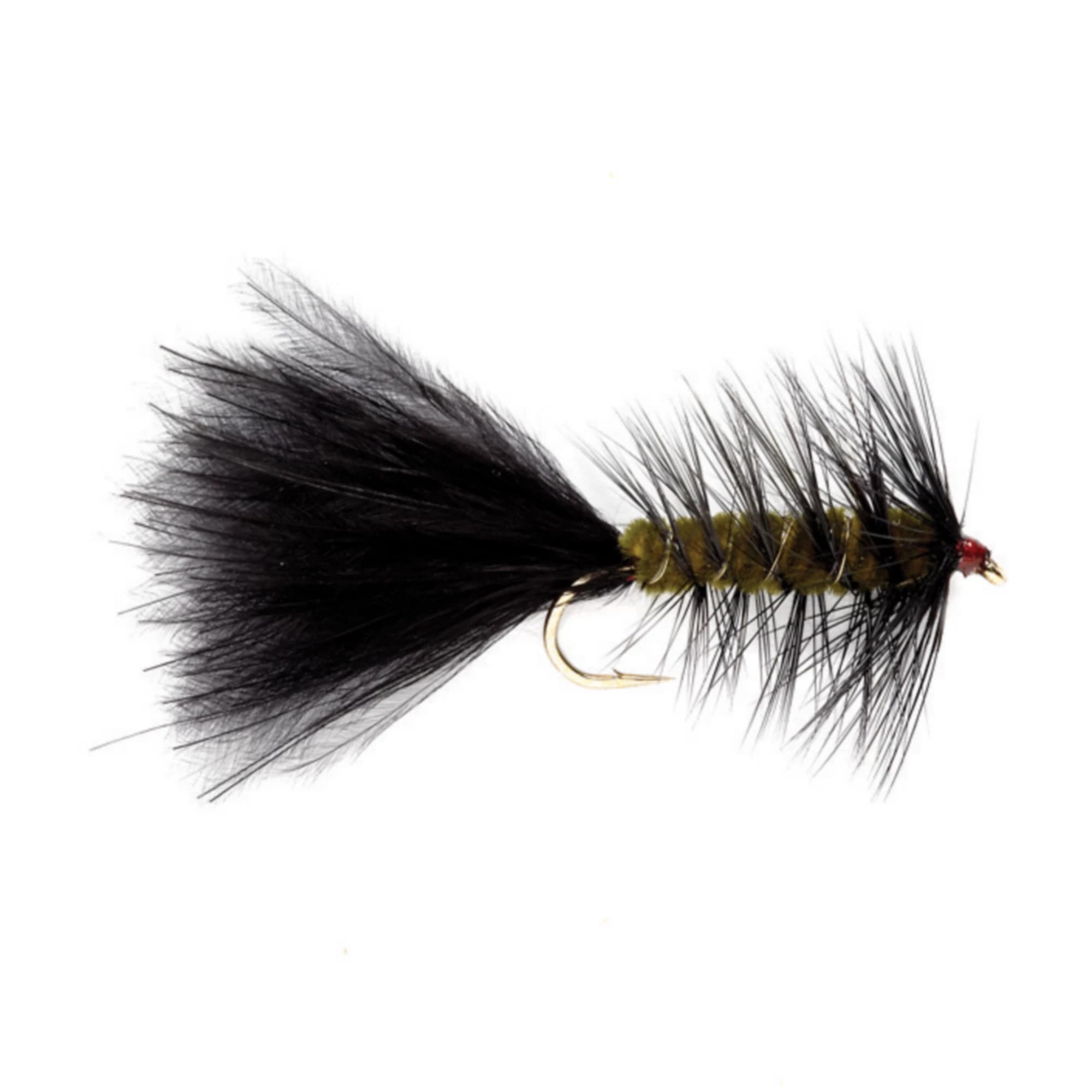
The Woolly Bugger: How to Tie the Fly That Catches Everything That Swims
Friday, April 17, 2026
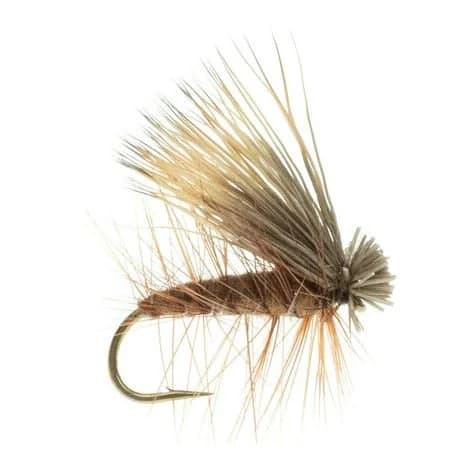
The Elk Hair Caddis: How to Tie the Fly That Works Everywhere, All Season, on Everything
Tuesday, April 21, 2026
 ™
™