

How to Fish Lake Placid, New York: A Beginner's Guide to the Adirondacks
Lake trout in deep, clear water, the legendary Ausable River, and brook trout in backcountry ponds — the Adirondack High Peaks are a coldwater angler's dream. Here's how a first-timer gets started in Lake Placid.
Tucked into the heart of New York's Adirondack High Peaks, Lake Placid is best known for hosting two Winter Olympics — but for anglers, it's the gateway to some of the finest coldwater fishing in the Northeast. The water here is cold, clear, and deep, the kind that grows lake trout and landlocked salmon, while just down the road the storied Ausable River draws fly fishers from around the world. Add in scrappy smallmouth bass, native brook trout hiding in remote ponds, and the in-town charm of Mirror Lake, and you have a destination with something for every kind of beginner.
This guide is for the angler who's never fished a mountain lake or waded a trout stream. We'll cover what swims here, where to find it, the gear that gets you started, and the licenses you need to do it right.
Stillwater and river trout fishing in the mountainsFirst, the License
Anyone 16 or older needs a New York State fishing license to fish in the Adirondacks. They're sold online through the Department of Environmental Conservation (dec.ny.gov), as well as at sporting-goods stores, town clerks' offices, and many tackle shops around Lake Placid. Short-term (1-day and 7-day) licenses are available, which is perfect if you're visiting for a long weekend.
New York's regulations are specific and they matter here: trout and salmon have seasons, daily limits (generally five trout per day, with restrictions on size and on how many can be larger fish), and some waters have special rules. Bass season has its own dates. Always check the current freshwater fishing regulations on the DEC site or at a local shop before you keep anything — Adirondack waters are carefully managed, and a few of them are catch-and-release or artificial-lures-only.
Lake Trout: The Deep-Water Prize
Lake trout (locally just "lakers") are the signature gamefish of Lake Placid's big, cold lakes. These are powerful, deep-bodied char that thrive in the frigid, oxygen-rich depths the Adirondacks provide. Lake Placid itself and nearby waters hold them, and Mirror Lake offers surprisingly good lake trout fishing in its deeper holes during summer.
The catch with lakers is that they follow the cold water. In spring, right after ice-out, they cruise the shallows and can be caught from shore or by casting spoons and stickbaits. But as the surface warms through summer, they retreat deep — often 60 to 100 feet down — where you'll need to troll with downriggers or lead-core line, or vertically jig, to reach them. A classic approach is trolling a flutter spoon like a Sutton Spoon or a Mooselook Wobbler behind a downrigger, or jigging a white tube or a Swedish Pimple straight down once your electronics mark fish. For a beginner, this is the single best argument for hiring a guide with a properly rigged boat — finding and reaching deep lakers is hard to do on your first try without the gear.
Landlocked Salmon
Landlocked Atlantic salmon are the Adirondacks' other coldwater jewel — a sea-run salmon that long ago adapted to life entirely in freshwater. They're acrobatic fighters that feed heavily on smelt, and their season runs from April 1 through October 15. They're most catchable in the cooler shoulder seasons, when they roam near the surface.
The traditional method is trolling streamer flies or smelt imitations on long lines near the surface in spring and fall, before the fish go deep. Lures like a Mooselook Wobbler or a tandem streamer fly trolled slowly are time-tested. Like lakers, salmon are a fish where local knowledge and the right setup pay off enormously — a guided troll is the fastest way to connect with your first one.
Smallmouth Bass: The Beginner's Friend
If lake trout and salmon feel intimidating, smallmouth bass are the welcoming committee. Lake Placid and many surrounding waters hold strong populations of hard-fighting smallmouth, and they're far more forgiving for a newcomer. Bass season in this region opens the third Saturday in June and runs into the fall.
Smallmouth love rocky structure — points, drop-offs, boulder fields, and gravel shorelines. Early morning and evening are prime, when they move shallow to feed. A simple setup catches them: a soft-plastic tube or grub on a jighead bounced along the bottom, a Ned rig, a small crankbait, or a topwater plug at dawn. Cast near rocks, let it sink, and work it back slowly. Pound for pound, smallmouth are some of the hardest-fighting fish you can catch, and on a light spinning rod they're a blast.
Recommended Gear
St. Croix Premier Spinning Rod
Versatile 6'6"-7' rod for smallmouth and shallow trout
Sutton Spoon
Classic trolling spoon for Adirondack lake trout
Mooselook Wobbler
Time-tested troll for landlocked salmon and lakers
9-Foot 5-Weight Fly Rod Outfit
The all-around standard for the Ausable River
Ausable Wulff Dry Flies
Pattern invented for this river — a High Peaks staple
Mepps Aglia Inline Spinner
Simple, deadly for stream trout and smallmouth
Polarized Sunglasses
See into clear water and spot rocks while wading
Top Fishing Guides in Lake Placid
These Adirondack guides know where the lakers hold in summer, how to troll for landlocked salmon, and which stretches of the Ausable are fishing — the fastest way to learn these waters:
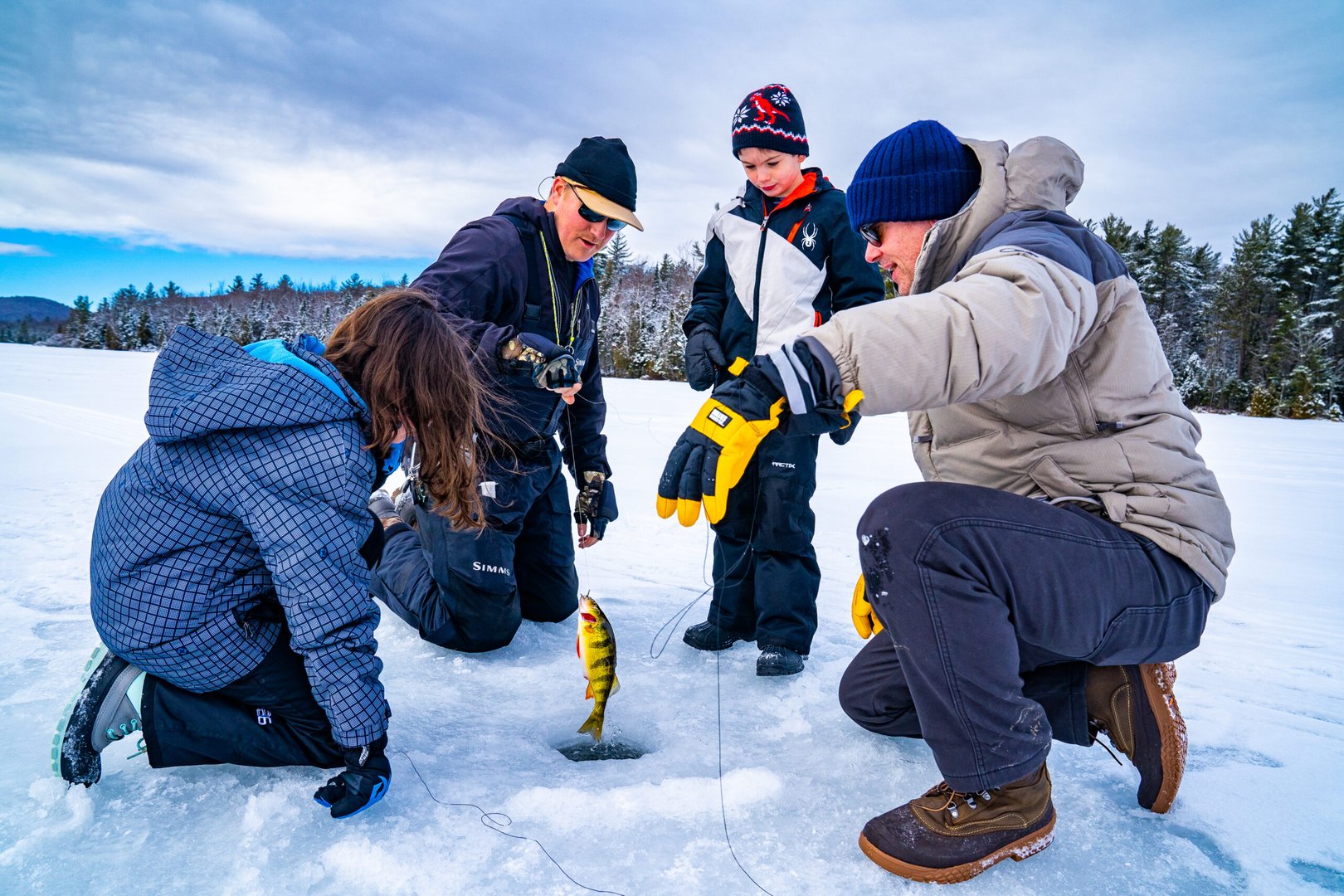
Adirondack Ice Fishing
Lake Placid, NY, US
5.0 (31 reviews)
Adirondack Ice Fishing brings expert guidance to New York's most scenic winter waters. Their experienced guides specialize in ice fishing throughout the Adirondack region, targeting perch, pike, bass, lake trout, and landlocked salmon. With a commitment to safety and professionalism, they welcome anglers of all skill levels and customize each outing to match individual goals and preferences. Beyond winter, the team transitions to fly fishing from May through November, offering year-round opportunities to explore the region's diverse fisheries. Whether guests seek a focused two-hour session or an extended multi-day adventure, Adirondack Ice Fishing designs trips that deliver engaging, memorable experiences on both ice and water.
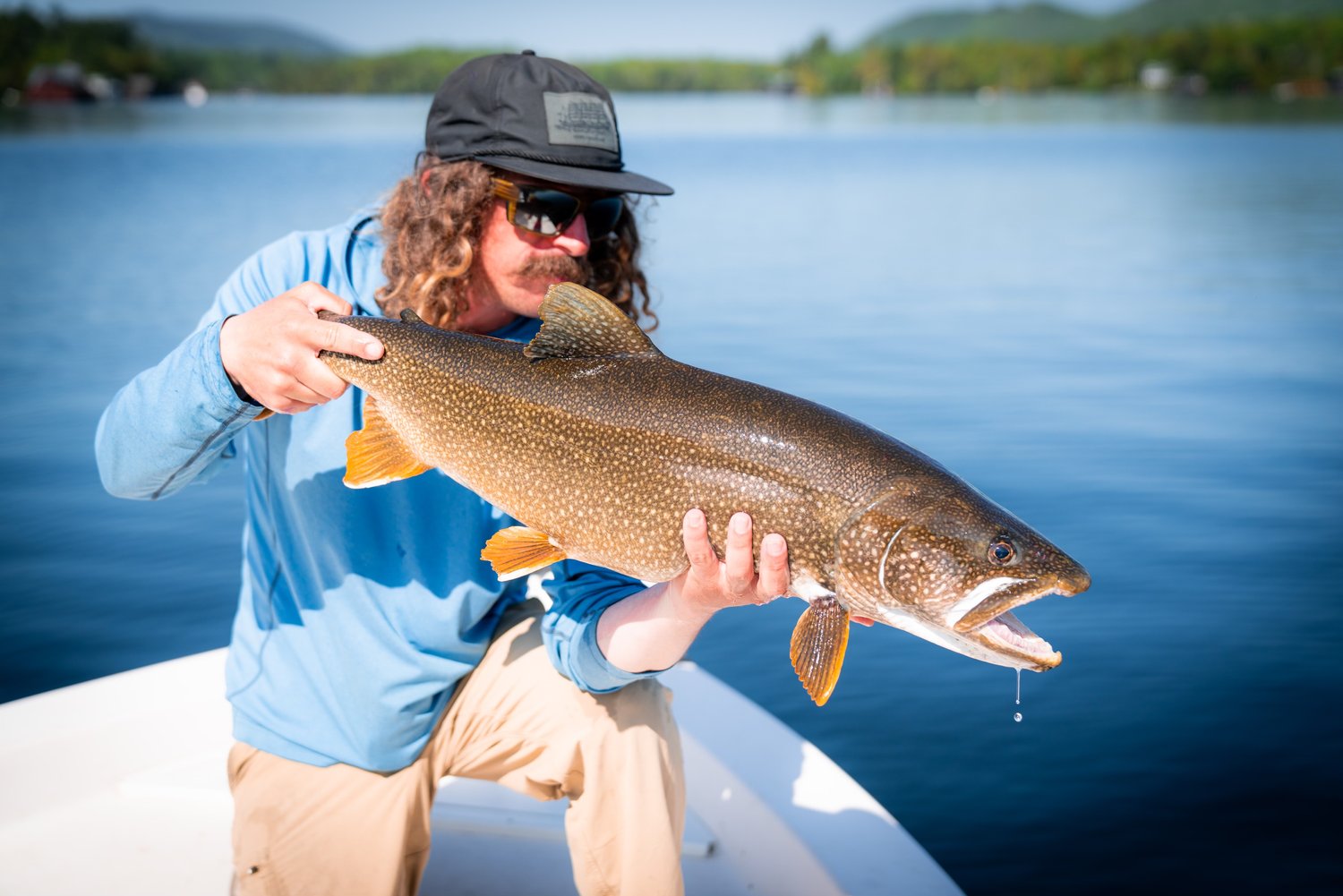
Horrocks Outfitting
Lake Placid, NY, US
Horrocks Outfitting, led by USCG-licensed Captain Zac Horrocks, delivers exceptional fishing and fly fishing experiences throughout the Adirondack region. With over 18 years of expertise, Captain Horrocks provides access to more than 40 pristine waters, including Lake Placid and Saranac Lake, where anglers can pursue over 20 local fish species. Every outing is conducted aboard a fully equipped 22-foot Pathfinder, ensuring comfort and capability for a full day on the water. Captain Horrocks combines deep regional knowledge with a genuine commitment to stewardship and education, making each trip an opportunity to develop not only fishing skills but also a lasting appreciation for the Adirondack wilderness. Whether targeting trophy fish or exploring new waters, anglers work with a guide who treats the sport and landscape with equal respect.
Playin Hooky LLC
Lake Placid, NY, US
Playin Hooky LLC Playin Hooky LLC specializes in guided fishing adventures throughout the pristine waters of Adirondack Park. Operating on renowned destinations including Lake Placid, Saranac Lake, Schroon Lake, and Tupper Lake, the company welcomes anglers of all skill levels to experience the region's exceptional fishing opportunities. The guide team brings extensive expertise across conventional, fly, and ice fishing techniques. Whether anglers prefer a focused half-day outing or an immersive full-day expedition, Playin Hooky LLC tailors each trip to match individual goals and preferences. Their well-maintained fleet—featuring a refurbished Pro17 Tracker and a spacious 1900V Pathfinder—ensures comfortable, efficient time on the water while pursuing memorable catches in one of the Northeast's most beautiful natural settings.
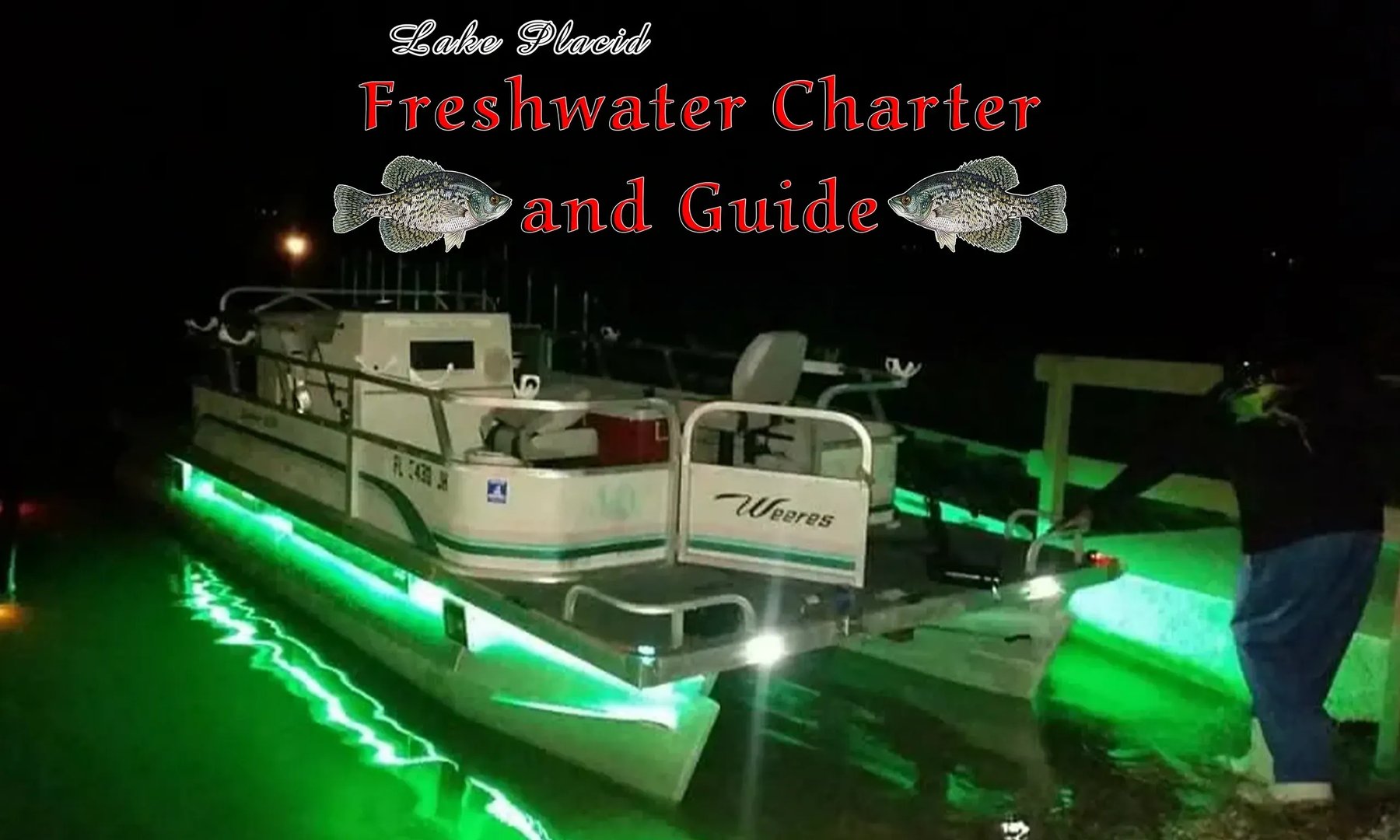
Lake Placid Freshwater Charter And Guide
Lake Placid, FL, US
Lake Placid Freshwater Charter and Guide brings over two decades of expertise to fishing adventures on Florida's Lake Placid. Whether targeting trophy bass or panfish like crappie, their seasoned captain accommodates anglers of all skill levels—from first-timers to seasoned competitors. Day and night trips showcase different seasonal patterns and species behavior, maximizing each guest's chances for success. Every outing is fully equipped with quality rods, bait, and refreshments, allowing guests to focus on the fishing. Beyond angling, the operation offers nature cruises, sunset excursions, and specialized tours for realtors and wildlife enthusiasts, making Lake Placid Freshwater Charter and Guide an ideal choice for fishing families and groups seeking diverse water-based experiences.
The Ausable River: A Fly-Fishing Pilgrimage
No guide to fishing Lake Placid is complete without the Ausable River. The East and West Branches of the Ausable are among the most famous trout streams in America — pocket water, plunge pools, and long riffles tumbling through the High Peaks, holding wild and stocked brook, brown, and rainbow trout. Fly fishers travel from all over the world to wade these legendary runs, and the West Branch in particular is hallowed ground.
For a beginner, fly fishing has a learning curve, but the Ausable is a wonderful place to start because the scenery alone makes a slow day worthwhile. The river fishes on hatches — caddis, mayflies (including the famous Hendrickson and big drakes), and stoneflies — so matching your fly to what's emerging is the name of the game. Classic patterns like the Ausable Wulff (invented for this very river), the Elk Hair Caddis, and a beadhead Pheasant Tail Nymph cover a lot of water. A 9-foot, 5-weight fly rod is the all-around Adirondack standard.
If you've never cast a fly rod, book a wade trip with an Ausable guide. They'll supply the rod, the flies, and waders, teach you to read the water and present a drift, and put you on fish — collapsing what could be a frustrating season of self-teaching into one productive day.
Fly fishing a freestone trout riverMirror Lake and Brook Trout Ponds
Right in the village sits Mirror Lake, a gem that's perfect for a beginner because you can fish it on foot. Gas motors are prohibited, which keeps it quiet and pristine. It's stocked with rainbow trout and also holds lake trout in its depths and smallmouth bass along its shores. A spring Hexagenia (giant mayfly) hatch brings the rainbows up, and early morning or evening smallmouth fishing from a kayak or the shoreline is excellent. In winter, Mirror Lake becomes a popular, accessible ice-fishing spot.
Beyond the famous waters, the Adirondacks are riddled with hundreds of remote brook trout ponds — small, often hike-in waters holding native "brookies," the only trout truly native to these mountains. These backcountry ponds are a magical, uniquely Adirondack experience: a short paddle or hike, a quiet pond ringed by spruce, and willing wild trout that rarely see a fly. Many are managed under special regulations, so check the rules, but a guide or a little research can point you to one suited to a beginner.
Reading the Water and When to Go
Adirondack fishing is governed by water temperature more than anything else. Coldwater fish — lakers, salmon, brookies — want cold water, so the calendar shapes everything:
- Spring (ice-out through May): Arguably the best all-around window. As the ice melts (often April into early May), lake trout and salmon are shallow and catchable from shore or by casting; the Ausable comes alive with early hatches. Water is cold, so dress warm.
- Summer (June–August): Coldwater fish go deep — troll or jig for lakers, fish early and late. This is prime time for smallmouth bass and for fly fishing the Ausable on summer hatches in the cooler morning and evening hours.
- Fall (September–October): A beautiful, underrated season. Salmon and lakers move shallow again to spawn, the crowds thin, and the foliage is spectacular. Salmon season closes October 15.
- Winter: Ice fishing on Mirror Lake and other waters for trout and perch, once the ice is safe. Always confirm ice conditions locally before venturing out.
The general rule on a mountain stream like the Ausable: fish the riffles and pocket water where oxygenated current concentrates food, focus on the seams where fast water meets slow, and approach quietly — these trout spook easily in clear water.
Gear: What a Beginner Needs
Because Lake Placid offers both lake and stream fishing, your kit depends on what you're chasing. For an all-purpose lake setup that handles smallmouth and shallow trout:
- Rod & reel: A 6'6"–7' medium spinning rod with a 2500-size reel. The St. Croix Premier is a reliable workhorse.
- Line: 8–10 lb braid with a fluorocarbon leader, or 8 lb monofilament for simplicity.
- Lures: Soft-plastic tubes and grubs, a few small crankbaits, inline spinners like a Mepps Aglia, and a couple of casting spoons.
If you want to try the Ausable, a 9-foot 5-weight fly rod outfit with a weight-forward floating line, 9-foot 5X leaders, and a small box of caddis, mayfly, and nymph patterns is the classic Adirondack trout kit. For trolling deep lakers, you'll want a heavier setup with downriggers or lead-core line — which is exactly the equipment a guide provides.
Whatever you fish, bring layers (mountain weather changes fast), polarized sunglasses to see into the water and spot rocks, and bug protection in the warmer months — Adirondack black flies are legendary in late spring.
Hire a Guide for Your First Trip
The Adirondacks reward local knowledge more than almost anywhere. Lake trout hide in deep water that's nearly impossible to find blind; landlocked salmon roam huge lakes; the Ausable's best runs aren't always obvious from the bank; and the finest brook trout ponds are tucked off unmarked trails. A guide collapses all of that into a single productive day — supplying boat, downriggers or fly gear, and the hard-won knowledge of where the fish are that week.
Spend a morning trolling for lakers, an afternoon wading the Ausable, or a quiet day paddling into a brook trout pond, and you'll leave Lake Placid not just with fish, but with the skills to keep exploring these mountains on your own. For first-time mountain anglers, it's hard to imagine a more rewarding place to start.
Lake Fishing vs. Stream Fishing: Which to Try First
One thing that surprises first-timers is just how different the two styles of Adirondack fishing feel, and choosing where to start depends on what you want out of the day. Lake fishing — trolling or jigging for lake trout and salmon — is more about patience, electronics, and covering water in a boat. It's productive, it doesn't require any casting skill, and it's the surest way to land a big, memorable fish on your first outing. If your goal is to catch something substantial and you don't mind sitting in a boat watching rod tips, start on the lake with a guide.
Stream fishing the Ausable, on the other hand, is active and immersive. You're on your feet, reading current, casting and mending line, working your way upriver pool by pool. It's more physically engaging and more technical, and the rewards are as much about the experience — standing in a cold mountain river surrounded by peaks — as the size of the fish. If you're drawn to the meditative, hands-on side of angling, the river is where to begin. Many visitors do both over a few days, and that mix is the quintessential Adirondack fishing trip.
Ice Fishing in Winter
When the Adirondack winter sets in and the lakes freeze solid, the fishing doesn't stop — it just moves on top of the ice. Mirror Lake, right in the village, is one of the most accessible and popular ice-fishing spots in the region, drawing anglers for lake trout, rainbow trout, and yellow perch. Hardwater fishing is a wonderful entry point for beginners: you drill a hole, drop a jig tipped with a small minnow or a waxworm, and watch your line. Tip-ups let you cover several holes at once for cruising trout.
The one non-negotiable rule is ice safety. Never venture onto the ice without confirming it's thick enough — at least four inches of solid, clear ice for foot travel — and check with a local shop or guide for current conditions, which vary across a lake and through the season. Dress in serious layers, bring a sled to haul gear, and consider going with someone experienced your first time. Done safely, an Adirondack ice-fishing day is a magical, only-in-winter way to keep fishing all year.
A Word on Conservation
The Adirondacks are a protected wilderness, and its native fish — especially wild brook trout — are a fragile, irreplaceable resource. Many ponds and stretches of the Ausable are catch-and-release or artificial-lures-only specifically to preserve wild populations, so know the rules for the exact water you're on. Practice clean catch-and-release where it applies: use barbless or pinched hooks, keep fish wet, handle them with wet hands, and revive them before letting go. Don't move fish or bait between waters — it's how invasive species and disease spread. The clear, cold water that makes Lake Placid special only stays that way because anglers treat it with care.
Frequently Asked Questions
Frequently Asked Questions
What fish can you catch in Lake Placid, New York?
Lake Placid and the surrounding Adirondacks hold lake trout, landlocked Atlantic salmon, smallmouth bass, and — in the rivers and backcountry ponds — brook, brown, and rainbow trout. Mirror Lake in the village offers stocked rainbows, lake trout in its depths, and smallmouth along the shore.
Do I need a license to fish in Lake Placid?
Yes. Anyone 16 or older needs a New York State fishing license, available online at dec.ny.gov and at local shops, town clerks, and sporting-goods stores. Short-term 1-day and 7-day licenses are available for visitors. Check current regulations, as trout, salmon, and bass all have specific seasons and limits.
Is the Ausable River good for beginner fly fishers?
It's one of the most famous trout streams in America and a wonderful place to learn, though fly fishing has a learning curve. The best way to start is a guided wade trip — the guide supplies rod, flies, and waders, teaches you to read the water and present a drift, and puts you on brook, brown, and rainbow trout.
What is the best time of year to fish Lake Placid?
Spring, right after ice-out, is the best all-around window when lake trout and salmon are shallow and the Ausable's hatches begin. Summer is prime for smallmouth bass and morning/evening fly fishing, while coldwater fish go deep. Fall offers beautiful, uncrowded fishing as salmon and lakers move shallow again.
Can you catch lake trout from shore in Lake Placid?
Yes, but mainly in spring just after ice-out, when lake trout cruise the shallows and can be caught by casting spoons and stickbaits from shore. Once the surface warms in summer, they retreat to deep water (often 60-100 feet) and you'll need to troll with downriggers or jig vertically to reach them.
Related Articles
How to Fish Montauk: A Beginner's Guide to Surf Casting, Party Boats, and the Striper Blitz
Monday, March 30, 2026
How to Fish Traverse City, Michigan: A Beginner's Guide to Salmon, Lake Trout, Smallmouth Bass, and Grand Traverse Bay
Monday, January 19, 2026
How to Fish Duluth, Minnesota: A Beginner's Guide to Steelhead, Lake Trout, Salmon, and the North Shore
Wednesday, January 14, 2026

How to Fish Bozeman, Montana: A Beginner's Guide to Fly Fishing Four World-Class Rivers
Friday, April 24, 2026
How to Fish Nashville, Tennessee: A First-Timer's Guide to Music City's Freshwater
Monday, April 20, 2026
How to Fish the Kenai Peninsula, Alaska: A First-Timer's Guide to Gear, Rigs, and Technique
Saturday, April 18, 2026