
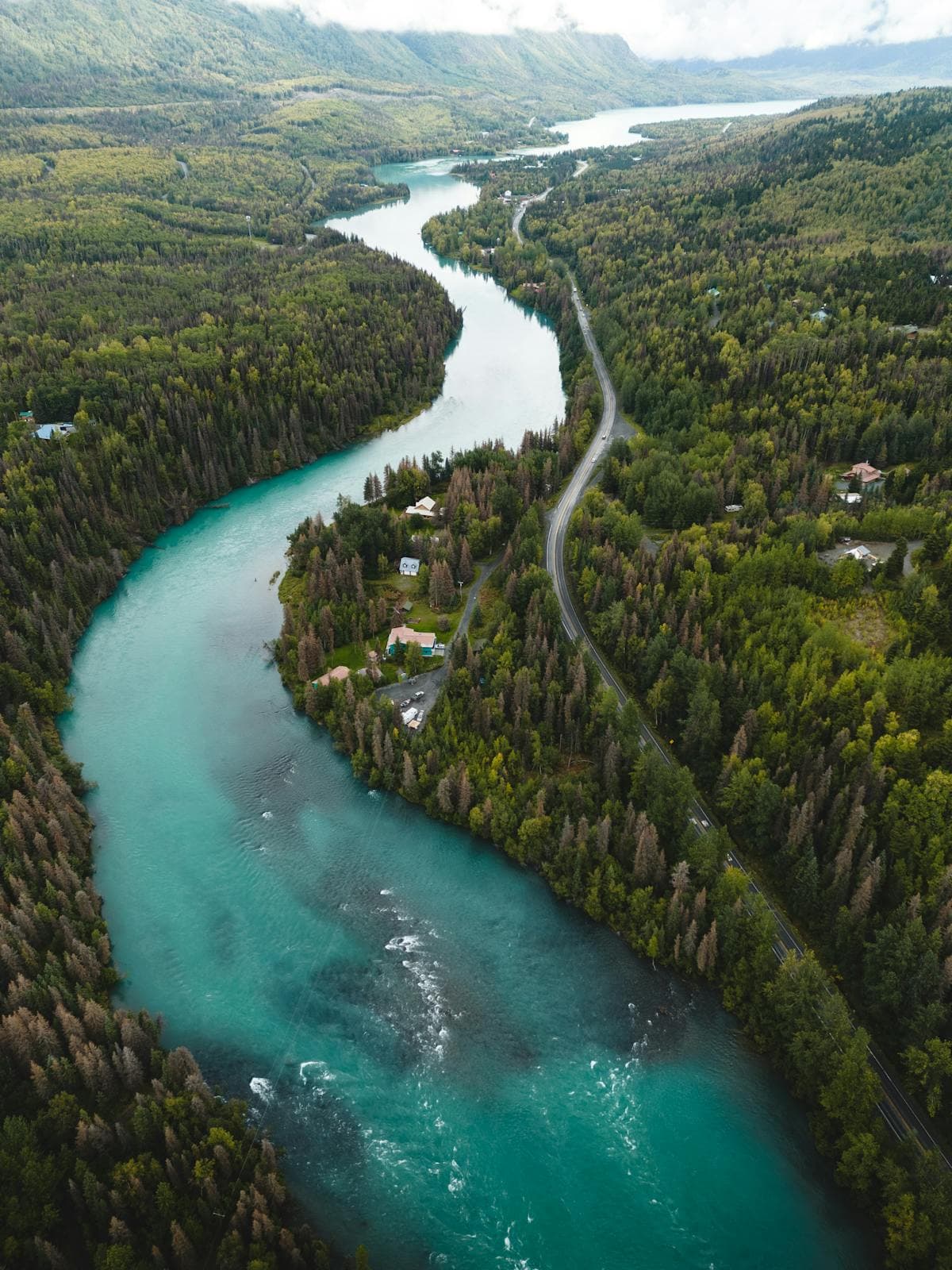
How to Fish the Kenai Peninsula, Alaska: A First-Timer's Guide to Gear, Rigs, and Technique
Everything a beginner needs to fish the Kenai Peninsula — species-by-species gear setups for king salmon, sockeye, silver salmon, halibut, and rainbow trout. Rigs, techniques, the famous Kenai flip, bear safety, regulations, and the practical details most guides assume you already know.

The Kenai Peninsula is the fishing destination that turns casual anglers into lifelong obsessives. The Kenai River alone holds the world record for king salmon — 97 pounds, 4 ounces — and every summer hundreds of thousands of sockeye salmon stack into its turquoise water so thick you can see the dark shapes from the bridges. Add halibut in Cook Inlet, silver salmon in the fall, and trophy rainbow trout fattened on salmon eggs, and you have the most complete fishery in North America accessible by road.
But the Kenai Peninsula is not one fishery. It is five distinct fisheries that rotate by species and season, and each one demands different gear, different techniques, and a different mindset. A king salmon setup that costs $400 is useless for sockeye. The technique that catches sockeye — the famous Kenai flip — looks nothing like any fishing you have done before. And halibut fishing on Cook Inlet is an offshore game that requires a charter boat and strong stomach.
This guide covers the practical side of each fishery: what gear you need, how to rig it, and how to actually catch fish. For a full overview of the Kenai Peninsula as a destination — the seasons, the runs, where to stay, and how to plan your trip — read our complete Kenai fishing guide. For nearby destinations, see our guides to Homer and Seward.
Understanding the Kenai Calendar
The Kenai Peninsula runs on a salmon clock. Every species arrives on a predictable schedule, and most visitors plan their entire trip around a specific run. Here is the rough calendar:
- May 15 – June 30: Early-run king salmon (Kenai River, Kasilof River)
- July 1 – July 31: Late-run king salmon (Kenai River) and first-run sockeye salmon (Kenai and Russian Rivers)
- July 10 – August 10: Second-run sockeye salmon (peak combat fishing)
- August 1 – September 15: Silver (coho) salmon (Kenai River, Kasilof River)
- May – September: Halibut (Cook Inlet, departing from Deep Creek, Ninilchik, Homer)
- June – October: Rainbow trout and Dolly Varden (Kenai River, best August through October)
Plan your trip around the species you most want to catch, then add secondary targets around it. A mid-July trip gives you sockeye and halibut. A September trip gives you silver salmon and trophy rainbow trout. Only a multi-week trip covers everything.
King Salmon: The Heavyweights
King salmon (Chinook) are the reason the Kenai River is world-famous. These are the largest Pacific salmon — Kenai kings average 25 to 45 pounds, with fish over 60 pounds caught every season. The early run enters the river in mid-May and targets the upper river above Skilak Lake. The late run arrives in July and pushes into the lower river between Soldotna and the outlet at Cook Inlet.
Important regulation note: King salmon regulations on the Kenai River change frequently through emergency orders issued by Alaska Department of Fish and Game. In recent years, king salmon retention has been severely restricted or closed entirely on the Kenai River to protect declining runs. Always check the current emergency orders at the ADF&G website before your trip. When king retention is open, expect strict slot limits, single-hook barbless requirements, and no bait restrictions on certain river sections.
Gear for Kings
King salmon fishing demands heavy gear — these fish are powerful, the Kenai has strong current, and you are often fishing from an anchored or back-trolling drift boat.
Rod: An 8-foot 6-inch to 10-foot 6-inch medium-heavy to heavy action rod rated for 20- to 40-pound line. The Lamiglas LX 106HC (10-foot 6-inch, rated to 30-pound) is the classic Kenai king rod — it has the backbone to turn big fish in heavy current and the length to control plugs from a drift boat. For bank fishing, a 9-foot heavy spinning rod like the Ugly Stik Tiger Elite works.
Reel: A quality level-wind baitcasting reel with strong drag and high line capacity. The Shimano Tekota 500 or 600 is the Kenai standard — smooth drag, durable, and holds plenty of line. Spool with 30- to 50-pound braided line and add a 40-pound fluorocarbon or monofilament leader of 3 to 4 feet.
Terminal tackle: 6/0 Owner Octopus hooks (single hook, as required by regulation on most of the Kenai). Barrel swivels, snap swivels, and 3- to 6-ounce sinkers for drift fishing.
Techniques for Kings
Back-trolling plugs: This is the primary guide technique on the lower Kenai. The boat faces upstream, motor running just slower than the current, so it slowly slips downstream. Plugs — typically Kwikfish K-15 or K-16 in metallic finishes or custom-painted patterns, or Spin-N-Glo rigs — trail behind the boat, wobbling in the current. The plug's action irritates staging kings into striking. Wrap the belly hook of a Kwikfish with a sardine fillet or cured salmon roe to add scent. This technique requires a drift boat and is almost always done with a guide.
Backtrolling for Kenai River KingsDrift fishing from shore: For bank anglers, drift fishing with cured salmon roe or a Spin-N-Glo and egg cluster is the go-to method. Rig a sliding sinker setup: thread your mainline through a 2- to 4-ounce pencil lead or cannonball sinker on a slider, tie on a barrel swivel, then attach 3 feet of 30- to 40-pound leader to a 5/0 or 6/0 single hook. Bait with a golf-ball-sized cluster of cured roe wrapped in mesh. Cast quartering upstream, let the rig bounce along the bottom, and follow the drift with your rod tip. Kings pick up bait softly — you will feel a slow pull or a series of taps before the fish commits. Give it a moment, then set the hook hard.
Back-bouncing: Similar to drift fishing but from an anchored boat. The sinker bounces along the bottom downstream of the boat while the bait drifts naturally in the current seam. Effective in deeper holes where kings stage.
Where to Fish for Kings
The lower Kenai River from Soldotna downstream to the river mouth is the prime late-run king water. Key access points include Centennial Park (walk-in bank fishing in downtown Soldotna), Bing's Landing (boat launch and limited bank access), and the City of Kenai public access near the river mouth. The upper Kenai from Cooper Landing downstream through the Kenai River canyon to Skilak Lake is early-run territory — this section is narrower, faster, and best fished by drift boat with a guide.
Sockeye Salmon: Combat Fishing and the Kenai Flip
Sockeye salmon (reds) are the Kenai Peninsula's most popular fishery by sheer numbers. The Kenai River's sockeye runs can exceed one million fish in a strong year, and the fishing technique — unique to Alaska — is something every angler should experience at least once.
Sockeye salmon do not aggressively feed in freshwater, which means they will not chase lures or bite bait the way king salmon do. Instead, anglers use a technique called flipping (also known as flossing or the Kenai flip) that drifts a weighted line through schools of migrating fish. The leader passes through the open mouth of an upstream-swimming sockeye and catches in the corner of the jaw when the angler lifts the rod. It sounds strange. It works incredibly well. And it creates the phenomenon known as combat fishing — shoulder-to-shoulder anglers lining both banks of the river, flipping in synchronized rhythm, with fish being landed every few seconds during peak runs.
Gear for Sockeye
Rod: A 9- to 10-foot medium to medium-heavy spinning rod. You need length for the flipping motion and backbone to fight a 6- to 10-pound fish in strong current. A Shakespeare Ugly Stik GX2 9-foot medium-heavy or similar affordable rod is perfect — sockeye fishing is rough on gear.
Reel: A 3000- to 4000-size spinning reel with a smooth drag. The Shimano Sienna 4000 or Penn Battle III 3000 are both reliable and affordable. Spool with 15- to 20-pound monofilament — not braid, because mono is easier to manage in the close-quarters chaos of combat fishing and provides stretch that helps keep hooks pinned during the fight.
The rig: This is specific and important. Tie a barrel swivel to your mainline. To the other eye of the swivel, tie 4 to 6 feet of 15- to 20-pound leader (longer than you think — the length is critical for the technique to work). At the end of the leader, tie a single unweighted fly — a small red or orange coho fly, a sockeye fly with sparse hackle, or a simple tuft of yarn on a #2 or #4 hook. Above the swivel on the mainline, clip a 1/2- to 1-ounce split shot or pencil lead. The weight must be heavy enough to bounce along the bottom in the current.
Kenai River Alaska Sockeye Salmon Fishing — Rigging Up for BeginnersThe Flipping Technique
Stand on the bank facing the river. Flip the weighted rig upstream at about a 45-degree angle — not a full overhead cast, but a short lob using the rod tip. Let the weight sink and bounce along the bottom as the current carries it downstream. Keep your rod tip up and follow the drift. The long leader extends downstream of the weight, drifting through the water column where sockeye are swimming upstream. When the leader passes through a fish's mouth and you feel resistance, lift the rod firmly to set the hook.
The rhythm is: flip upstream, drift, lift, reel in, repeat. In combat fishing situations, you will be flipping every 10 to 15 seconds. When you hook a fish, call out "fish on!" so your neighbors know to reel in and give you room to fight and land the fish. This is the etiquette — everyone follows it, and fights happen when people do not.
How to Floss Salmon: The Kenai and Russian River GuideWhere to Fish for Sockeye
The Russian River confluence — where the Russian River meets the Kenai River near Cooper Landing — is the most famous sockeye spot in Alaska and the birthplace of the term "combat fishing." Access via the Russian River Ferry ($12 round trip), which drops you on the opposite bank where the fishing is best. During peak runs in mid-July, hundreds of anglers line both sides of the confluence. Show up early — parking fills by 6 AM on weekends.
The Kenai River between Soldotna and Kenai offers more spread-out bank fishing with slightly less crowding. Centennial Park, Swiftwater Park, and the City of Kenai beach are popular access points. The Kasilof River south of Soldotna runs a separate sockeye population and sees far less pressure than the Kenai — an excellent alternative if you want a less chaotic experience.
Sockeye Limits and Rules
Sockeye limits on the Kenai River are typically 3 per day and 6 in possession during the main season, but these limits change frequently through emergency orders. When runs are strong, ADF&G may increase limits to 6 per day. When runs are weak, they may close fishing entirely. Check the ADF&G emergency order hotline or website the morning of your trip.
Silver Salmon: The Best Fight on the River
Silver salmon (coho) arrive in August and run through September, and many experienced Kenai anglers consider them the most fun fish on the river. Silvers average 8 to 14 pounds — smaller than kings — but they fight with an aggression that kings cannot match. Silvers jump repeatedly, make screaming runs, and shake their heads violently. A 12-pound silver on medium tackle is a five- to fifteen-minute battle.
Unlike sockeye, silvers actively feed in freshwater and will chase lures. This makes them the most versatile target on the Kenai — you can catch them casting spinners from the bank, drifting roe from a boat, back-trolling plugs, or fly fishing with streamers.
Gear for Silvers
Spinning setup: An 8- to 9-foot medium to medium-heavy rod with a 3000- to 4000-size reel spooled with 12- to 20-pound braided line and a 15- to 20-pound fluorocarbon leader. This is lighter than king gear but heavier than your typical freshwater setup — silvers have power, and the Kenai's current adds to the fight.
Fly setup: A 9-foot 7- or 8-weight fly rod with a matching reel loaded with a weight-forward floating line. Silvers are perfect fly rod fish — big enough to test the rod, aggressive enough to eat streamers and swung flies. An Orvis Clearwater 8-weight or Redington Vice 8-weight are solid mid-range options.
Techniques for Silvers
Casting spinners: The most active and rewarding method for bank anglers. Blue Fox Vibrax spinners in 3/8-ounce or 1/2-ounce sizes — silver blade, chartreuse body — are the Kenai standard for silvers. Pixee spoons in hammered brass or silver (5/8-ounce) and Mepps Aglia spinners in sizes 3 to 5 also produce. Cast across and slightly downstream, let the spinner swing in the current, and retrieve with a slow, steady crank. Silvers often strike on the swing — when the lure changes direction and accelerates across the current.
Drifting roe and beads: The same drift-fishing technique used for kings works for silvers with lighter tackle. Use a smaller egg cluster or a single bead (8mm to 10mm, peach or orange) pegged 2 inches above a #2 or #4 hook. Drift through slots, tailouts, and the deeper runs where silvers hold.
Fly fishing: Swing egg-sucking leeches in purple or black (tying guide), bunny leeches in pink or white (tying guide), or Intruder-style flies (tying guide) on a sink-tip line through deeper runs. Silvers also take dead-drifted egg patterns and flesh flies. Strip Woolly Buggers in olive or black, sizes 2 to 6 (tying guide), through pools and tailouts for aggressive takes.
Where to Fish for Silvers
The lower Kenai River from Soldotna to the river mouth is prime silver water. Centennial Park and Swiftwater Park in Soldotna offer excellent bank fishing access. The upper Kenai near Cooper Landing produces silvers too, especially in September when the second wave of fish pushes through. The Kasilof River is an underrated silver fishery with less angling pressure.
How to Fish for Sockeye on the Kenai and Kasilof Rivers, AlaskaHalibut: Offshore from Cook Inlet
Halibut fishing on the Kenai Peninsula is an entirely different experience from river fishing. You board a charter boat — typically out of Deep Creek, Ninilchik, Homer, or Seward — and head into Cook Inlet or the Gulf of Alaska to fish the bottom in 60 to 300 feet of water for flatfish that can exceed 200 pounds.
This is a charter-only fishery for beginners. The boats, gear, electronics, and knowledge required are beyond what a visiting angler can provide. The good news: your charter captain provides absolutely everything — heavy conventional rods, large-capacity reels, terminal tackle, bait, and instruction. Your job is to show up, listen, and pull.
For a deeper look at halibut fishing from Homer — the "Halibut Fishing Capital of the World" — see our Homer fishing guide. For halibut and salmon combos out of Resurrection Bay, see our Seward fishing guide.
What to Expect on a Halibut Charter
Charters run 6 to 10 hours. You will motor 30 minutes to 2 hours to the fishing grounds, depending on port. The standard technique is bottom fishing with bait — large herring, salmon heads, or squid fillets on circle hooks with 1- to 3-pound lead weights lowered to the ocean floor. When a halibut picks up the bait, you feel a series of heavy thumps. Let the fish eat, then reel steadily — halibut do not typically make long runs, but pulling a 50-pound flatfish up from 200 feet of water is a workout.
What to Bring on a Halibut Charter
Do not bring your own gear. Do bring: warm, layered clothing (Cook Inlet is cold even in July — expect 45 to 55 degrees on the water), a waterproof jacket, non-marking rubber-soled shoes (required on most charter boats), motion sickness medication (take it the night before and the morning of — Cook Inlet can be rough), polarized sunglasses, sunscreen, and snacks and water. Most charters provide a fish-cleaning station and bags; some will arrange vacuum-packing and shipping for your catch.
Halibut Regulations
Halibut regulations are set by the International Pacific Halibut Commission (IPHC) and can change annually. Expect a daily bag limit of 2 halibut per person with size restrictions — typically one fish of any size and one fish under 28 inches, though the specifics vary by year and area. Your charter captain handles the regulations, but it helps to know the basics before you book.
Rainbow Trout: The Post-Salmon Trophy Season
The Kenai River's rainbow trout fishing is world-class but operates on a different rhythm than the salmon fisheries. Kenai rainbows — many of them 20 inches and larger, with fish over 28 inches caught regularly — gorge on salmon eggs during the spawn (July through September) and on decaying salmon flesh in the fall. This creates a trophy trout fishery that peaks from August through October, making it the perfect pairing with a silver salmon trip.
Gear for Rainbow Trout
Fly setup (primary): A 9-foot 6-weight fly rod is the Kenai trout standard — you need the backbone for big fish in heavy current, plus the ability to throw weighted nymph rigs and indicator setups. An Orvis Clearwater 6-weight or Redington Crosswater 6-weight combo work well. Use a weight-forward floating line, a 9-foot tapered leader in 2X or 3X, and carry tippet spools in 2X through 4X.
Spinning setup (alternative): A 7-foot medium-light to medium spinning rod with a 2500-size reel spooled with 8- to 10-pound braid and a 6- to 8-pound fluorocarbon leader. This handles both trout and Dolly Varden effectively.
Techniques for Rainbow Trout
Bead fishing: This is the dominant technique on the Kenai during and after the salmon spawn. Thread a 6mm to 10mm bead — peach, orange, or chartreuse are the standard Kenai colors — onto your leader and peg it 2 inches above a bare #4 or #6 hook using a toothpick or small piece of rubber band. The bead imitates a drifting salmon egg. Fish it under a strike indicator, dead-drifting through runs and tailouts downstream of visible salmon spawning activity (you will see the salmon on their redds — the disturbed gravel areas). Set the indicator depth at 1.5 times the water depth. When it dips, set the hook. Bead fishing is simple, devastatingly effective, and responsible for most of the trophy trout caught on the Kenai.
Flesh flies: As spawning salmon die and decompose from August through October, chunks of salmon flesh break apart and drift downstream. Kenai rainbow trout scavenge this protein aggressively. Flesh flies — typically white or pale pink rabbit fur patterns tied sparse on size 4 to 8 hooks — are dead-drifted or swung through slower runs, eddies, and back-channels where trout position to intercept drifting flesh. Flesh flies often select for the largest trout because bigger fish occupy the prime scavenging lies.
Egg-sucking leeches and streamers: Strip or swing egg-sucking leeches (tying guide) in purple, black, or pink through deeper pools and runs. The egg head imitates a drifting egg while the marabou tail provides movement. Woolly Buggers in olive, black, or white (tying guide) and sculpin patterns (tying guide) are effective year-round, especially before the salmon arrive in June and after the spawn ends in late October.
Where to Fish for Trout
The upper Kenai River from Cooper Landing downstream through the Kenai Canyon to Skilak Lake is the premier trophy trout water. This section is best fished by drift boat with a guide — the canyon walls limit bank access, and the drift boat allows you to cover miles of water and access runs that bank anglers cannot reach. The Moose Range Meadows section below Skilak Lake offers excellent wade fishing for trout in a more open landscape. The lower Kenai near Soldotna also holds good trout, especially in the fall after the sockeye spawn.
Fly Fishing the Kenai River — A Guide by a GuideBear Safety: Non-Negotiable on the Kenai
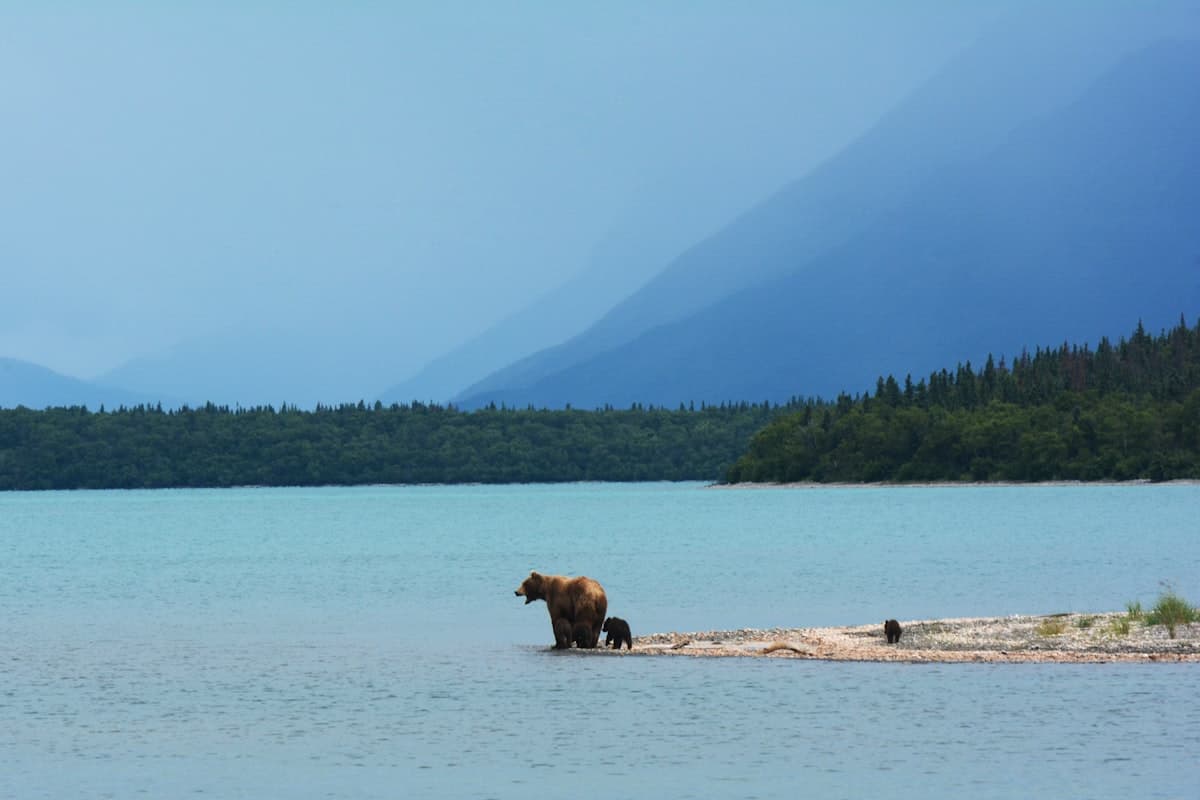
The Kenai Peninsula has a dense population of both black bears and brown bears, and they fish the same rivers you do during salmon season. Bear encounters are not rare — they are expected. Here is what you must do:
Carry bear spray — and know how to use it. Carry it on your belt or chest, not buried in your pack. Practice removing the safety and deploying it before you need it. Counter Assault and UDAP are the standard brands.
Keep fish close. Do not leave salmon on a stringer unattended. If you catch fish, keep them in a fish bag on your person or in a cooler within arm's reach. Never leave fish on the bank while you keep fishing.
Clean fish properly. At the Russian River confluence and other popular spots, use the provided fish-cleaning stations. Cut carcasses into small pieces and throw them into deep, fast-moving water — the "stop, chop, and throw" method. Do not throw whole carcasses on the bank or into slow eddies where bears will find them.
If a bear approaches: Stop fishing. Reel in. If you have a fish on the line and a bear is approaching, cut the line — no fish is worth a bear encounter. Back away slowly, talk calmly, and give the bear room. Do not run. Bears along the Kenai are habituated to humans but not tame — they tolerate your presence as long as you are not between them and food.
Avoid dawn and dusk. Bears are most active during low-light hours. If you are fishing the Russian River, plan to arrive after full daylight and leave before dusk.
Practical Details
Fishing license: Alaska requires a sport fishing license for anyone 16 and older. Non-resident licenses cost $25 for 1 day, $45 for 3 days, $70 for 7 days, or $145 for the full year. If king salmon retention is open, you also need a king salmon stamp ($25 non-resident). Buy online at the ADF&G website or at sporting goods stores in Soldotna, Kenai, Cooper Landing, and Anchorage. Buy before you arrive — cell service is spotty on the Kenai Peninsula.
Where to get gear and advice: Trustworthy Hardware and Fishing in Soldotna is the legendary local tackle shop — they carry everything you need and the staff gives honest, current advice about what is fishing well. Alaska Troutfitters in Cooper Landing specializes in fly fishing gear and guided trout trips. Sportsman's Warehouse in Soldotna has a full selection of conventional and fly tackle.
What to wear: Layers. Always layers. Kenai Peninsula summer temperatures range from 45 to 70 degrees, and it can rain at any time. Wear moisture-wicking base layers, a fleece mid-layer, and a waterproof rain jacket and pants. Chest waders are essential for river fishing — the Kenai's water is glacially fed and cold (45 to 55 degrees even in July). Neoprene or breathable waders both work; neoprene provides warmth but weighs more. Wading boots with felt soles or rubber soles with metal studs provide grip on the Kenai's cobble and gravel bottom.
What to bring: Bear spray (mandatory), polarized sunglasses (the glacial water is challenging to read without them), sunscreen (20 hours of daylight in June means long exposure), insect repellent (mosquitoes are legendary in Alaska), a headnet for the worst bug days, needle-nose pliers for hook removal, a landing net, and a cooler with ice for keeping your catch. Bring a rain shell even on sunny mornings — weather changes fast.
Getting there: Fly into Anchorage (Ted Stevens International Airport), rent a car, and drive south on the Seward Highway and Sterling Highway. Soldotna is about 2.5 hours from Anchorage; Cooper Landing is 2 hours. There is no public transportation to the Kenai Peninsula. A rental car is essential.
Where to stay: Soldotna is the service hub with hotels, restaurants, and grocery stores. Cooper Landing is smaller but closer to the upper river and Russian River. Cabins along the Kenai River in the Sterling area put you on the water. Book early — Kenai Peninsula lodging sells out months in advance for peak salmon season.
Best times to fish: Early morning (5 to 9 AM) and evening (6 to 10 PM) produce the best salmon fishing, though with Alaska's long summer days, fish are active across a wide window. For sockeye combat fishing at the Russian River confluence, arrive before 6 AM to secure a good spot. For halibut charters, most depart between 5 and 7 AM. For trout fishing, the best action is often midday and afternoon when salmon are actively spawning and dislodging eggs.
Top Fishing Guides Nearby
The Kenai Peninsula's guides specialize across an extraordinary range of fisheries — from back-trolling for world-class king salmon on the lower Kenai River, to drifting egg patterns for trophy rainbow trout through the Kenai Canyon, to offshore halibut charters in Cook Inlet. Whether you want a walk-and-wade sockeye trip at the Russian River, a drift boat float for silvers and trout, or a full-day halibut adventure, a local guide knows exactly where the fish are staging and which emergency orders are in effect today.
Fish Em
Kenai, AK, US
5.0 (75 reviews)
Fish Em specializes in guided fishing adventures on Alaska's legendary Kenai River, one of the world's premier fishing destinations. Their expert guides lead trips targeting an impressive variety of species year-round, including King, Red, and Silver Salmon, Rainbow Trout, Dolly Varden, and seasonal ice fishing opportunities for Lake Trout and Arctic Char. Whether anglers prefer fly fishing or spin fishing techniques, Fish Em tailors each experience to match individual skill levels and preferences. Committed to personalized service and exceptional quality, Fish Em stands out through their deep knowledge of the Kenai River's seasonal patterns and their ability to adapt trips to conditions. From summer salmon runs to winter ice fishing adventures, they create memorable experiences for both seasoned anglers and those new to the sport.
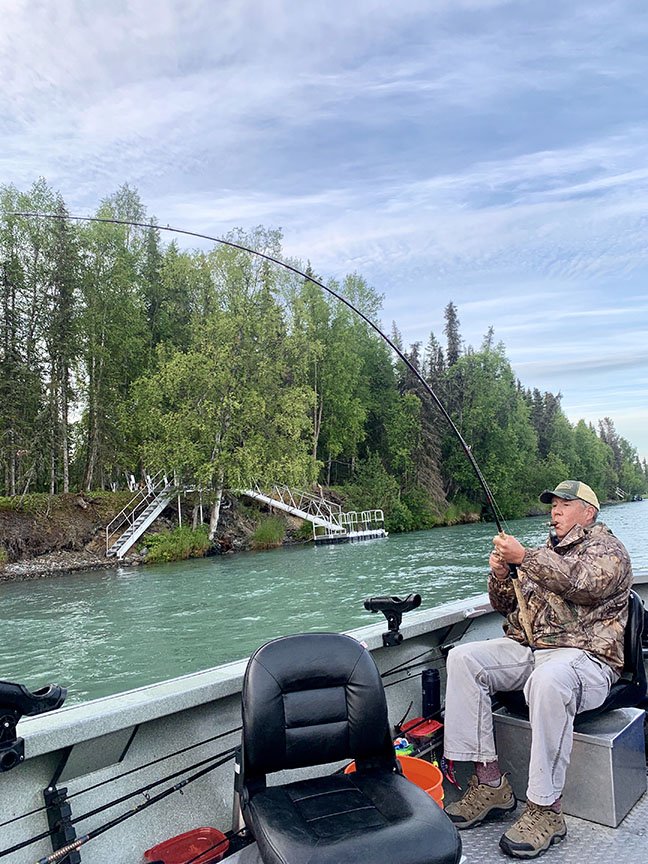
Kenai River Charters
Kenai, AK, US
5.0 (27 reviews)
Kenai River Charters specializes in world-class salmon fishing on Alaska's legendary Kenai River. Their experienced guides target King, Sockeye, and Silver salmon, tailoring each trip to match anglers' skill levels—whether first-time casters or seasoned fishermen seeking trophy catches. The operation runs half-day and full-day excursions equipped with premium gear and insider knowledge of the river's best seasonal patterns. Set against Alaska's breathtaking wilderness, these guided trips create memorable experiences for individuals, families, and groups alike. Kenai River Charters combines technical expertise with genuine hospitality, ensuring every angler leaves with both rewarding catches and lasting memories of Alaska's pristine waters.
Jimmie Jack Fishing
Kenai, AK, US
4.8 (66 reviews)
Jimmie Jack Fishing specializes in full-day king salmon charters on Alaska's Kasilof River, where anglers pursue trophy-sized kings weighing 20 to 40 pounds. The operation features experienced guides and premium Willie drift boats designed specifically for navigating these productive waters and maximizing fishing success. Whether you're a seasoned angler or picking up a rod for the first time, Jimmie Jack Fishing welcomes all skill levels. The guides are committed to creating an exceptional experience, combining their expertise with a proven track record of consistent catches. Safety and professionalism remain paramount, allowing clients to focus on the thrill of the hunt while immersed in Alaska's breathtaking wilderness.

Outgoing Angling
Kenai, AK, US
5.0 (31 reviews)
Outgoing Angling specializes in salmon fishing on Alaska's Kasilof River, a premier destination for king, sockeye, and silver salmon. With years of guiding experience and a deep knowledge of the river's impressive runs, the service focuses on drift boat fishing to maximize success during peak seasons in May and July. The Kasilof River offers world-class salmon fishing that rivals more widely known waters, making it an exceptional choice for anglers seeking authentic Alaskan experiences. The guide service is committed to delivering memorable trips through meticulous planning and early morning starts that take full advantage of optimal fishing conditions. Whether targeting trophy kings or abundant silvers, anglers can expect professional expertise, proven techniques, and a genuine passion for sharing Alaska's remarkable fishery.
Kenai Sportfishing
Kenai, AK, US
4.1 (9 reviews)
Kenai Sportfishing stands as the premier guide service on Alaska's Kenai Peninsula, drawing anglers to the legendary Kenai and Kasilof Rivers. The operation specializes in targeting King, Sockeye, Silver, and Pink salmon alongside Rainbow trout, with experienced captains commanding top-quality vessels throughout the season. Beyond traditional river fishing, Kenai Sportfishing distinguishes itself through distinctive experiences including bear tours and fly-out fishing trips that showcase the region's natural splendor. Whether guests prefer half-day or full-day charters, the service accommodates both newcomers and experienced anglers, ensuring each outing matches individual skill levels and interests. An Alaskan fishing adventure with Kenai Sportfishing combines world-class salmon and trout opportunities with the chance to encounter the landscape's raw beauty.
ACE Fishing Adventures
Kenai, AK, US
4.9 (16 reviews)
ACE Fishing Adventures Based in Kenai, Alaska, ACE Fishing Adventures has been delivering world-class fishing experiences since 2004. Operating on the legendary Kenai and Kasilof Rivers, they specialize in targeting king salmon, silver salmon, trout, and halibut with expert guidance and top-quality equipment. Their 20' Willie power and drift boats provide comfort and stability for anglers of all skill levels. What sets ACE apart is their commitment to year-round fishing opportunities—a distinction few Alaska operations can claim. Their experienced guides combine deep knowledge of these premier waters with proven techniques to maximize your chances of success, whether you're pursuing the trophy king salmon runs or the explosive action of silver salmon season.
Frequently Asked Questions
What fishing gear do I need for the Kenai River in Alaska?
It depends on which species you are targeting. For king salmon, you need an 8.5- to 10.5-foot heavy rod with a baitcasting reel spooled with 30-50 pound braid and Kwikfish or Spin-N-Glo rigs. For sockeye salmon, a 9- to 10-foot medium-heavy spinning rod with 15-20 pound mono and a long leader with a small fly is standard. For silvers, a medium to medium-heavy spinning rod with 12-20 pound braid and Vibrax spinners or Pixee spoons. For rainbow trout, a 9-foot 6-weight fly rod with beads, flesh flies, and egg-sucking leeches. Halibut gear is provided by your charter.
Do I need a fishing license to fish the Kenai River in Alaska?
Yes, Alaska requires a sport fishing license for anyone 16 and older. Non-resident licenses cost $25 for 1 day, $45 for 3 days, $70 for 7 days, or $145 for the full year. If king salmon retention is open, you also need a separate king salmon stamp ($25 non-resident). Buy online at the ADF&G website or at sporting goods stores in Soldotna, Cooper Landing, or Anchorage.
What is combat fishing for sockeye salmon on the Kenai River?
Combat fishing describes the shoulder-to-shoulder scene at popular sockeye spots like the Russian River confluence, where hundreds of anglers line both banks during peak runs in July. Anglers use a technique called flipping — lobbing a weighted rig upstream and letting a long leader drift through schools of migrating sockeye. The leader passes through the fish's open mouth and hooks the corner of the jaw when lifted. It looks chaotic but follows strict etiquette: call out 'fish on' when hooked up so neighbors reel in and give you room to fight the fish.
When is the best time to fish the Kenai Peninsula in Alaska?
It depends on your target species. King salmon run mid-May through July. Sockeye salmon peak in mid-July through early August. Silver salmon arrive in August and run through September. Halibut fishing is productive May through September with July and August being peak. Rainbow trout fishing is best August through October when trout gorge on salmon eggs. Mid-July offers the widest variety — sockeye, halibut, and the tail end of king season.
Do I need bear spray when fishing the Kenai River?
Yes, carrying bear spray is strongly recommended and widely considered essential on the Kenai Peninsula. Both black bears and brown bears actively fish the same rivers during salmon season, and encounters are common, especially at the Russian River confluence. Carry bear spray on your belt or chest where you can deploy it quickly. If a bear approaches while you have a fish on the line, cut the line immediately. Never leave fish unattended on the bank.
Related Articles
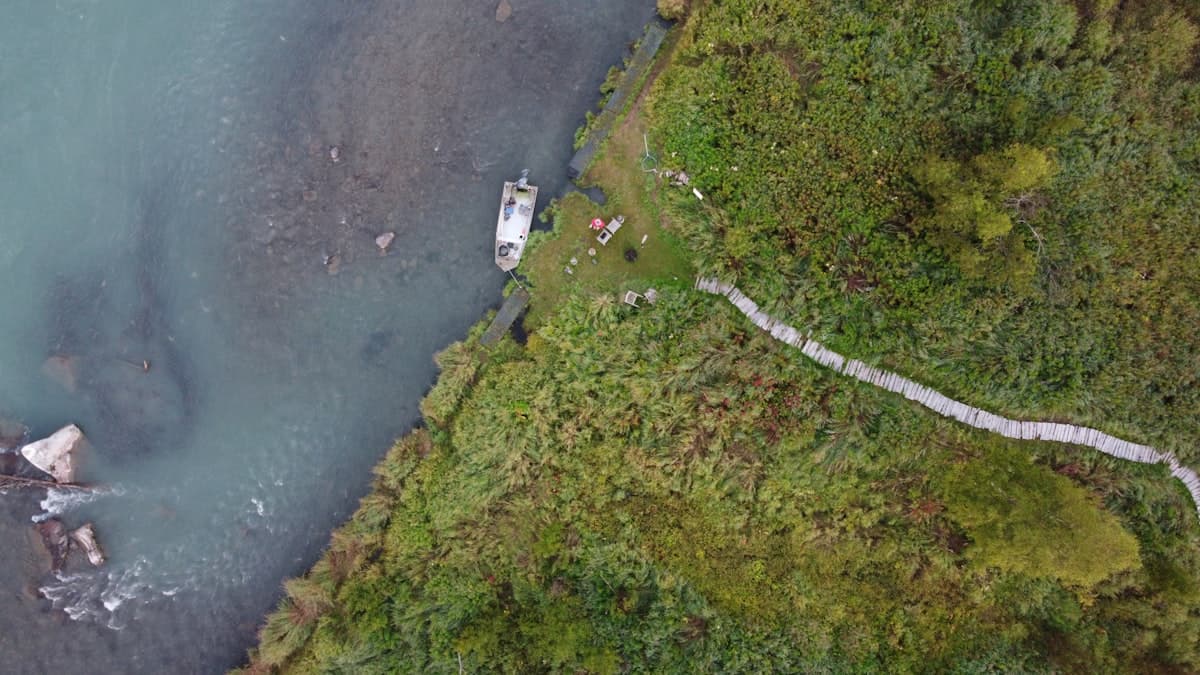
Kenai River Fishing: Five Salmon Species, Trophy Rainbows, and the Biggest Kings in Alaska
Sunday, September 28, 2025
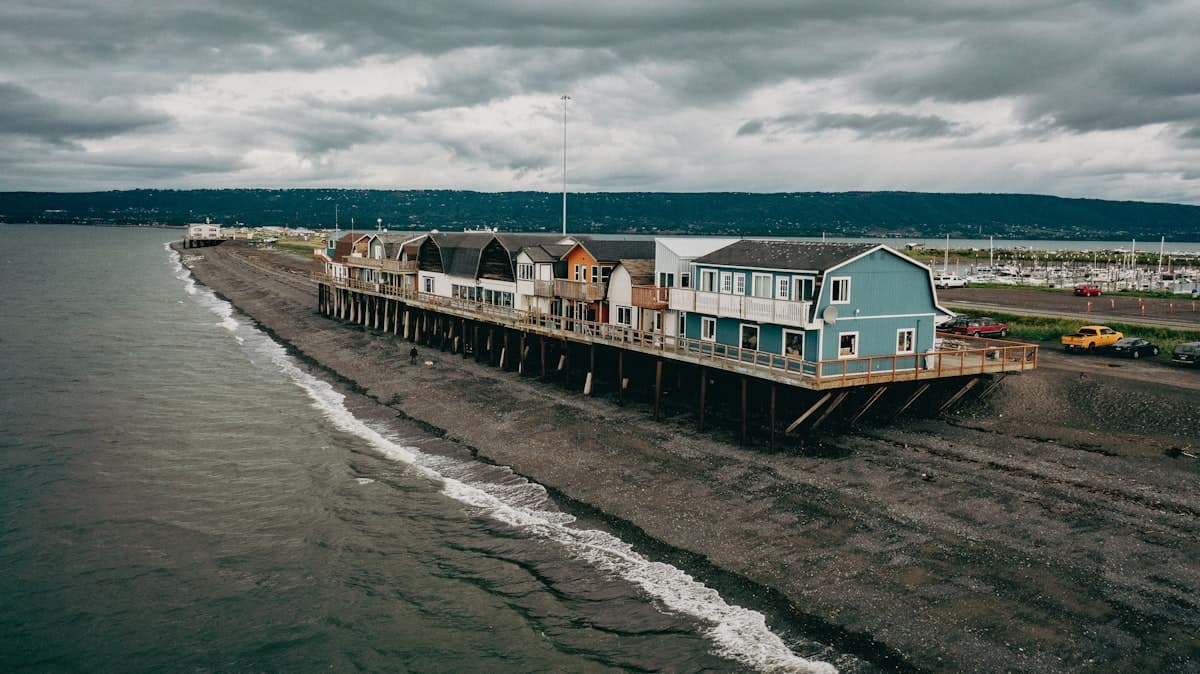
Homer Fishing: The Halibut Capital of the World and the Spit That Makes It Work
Friday, September 19, 2025
Seward Fishing: Resurrection Bay, Kenai Fjords, and the Silver Salmon Capital of the Kenai Peninsula
Saturday, January 24, 2026
 ™
™