
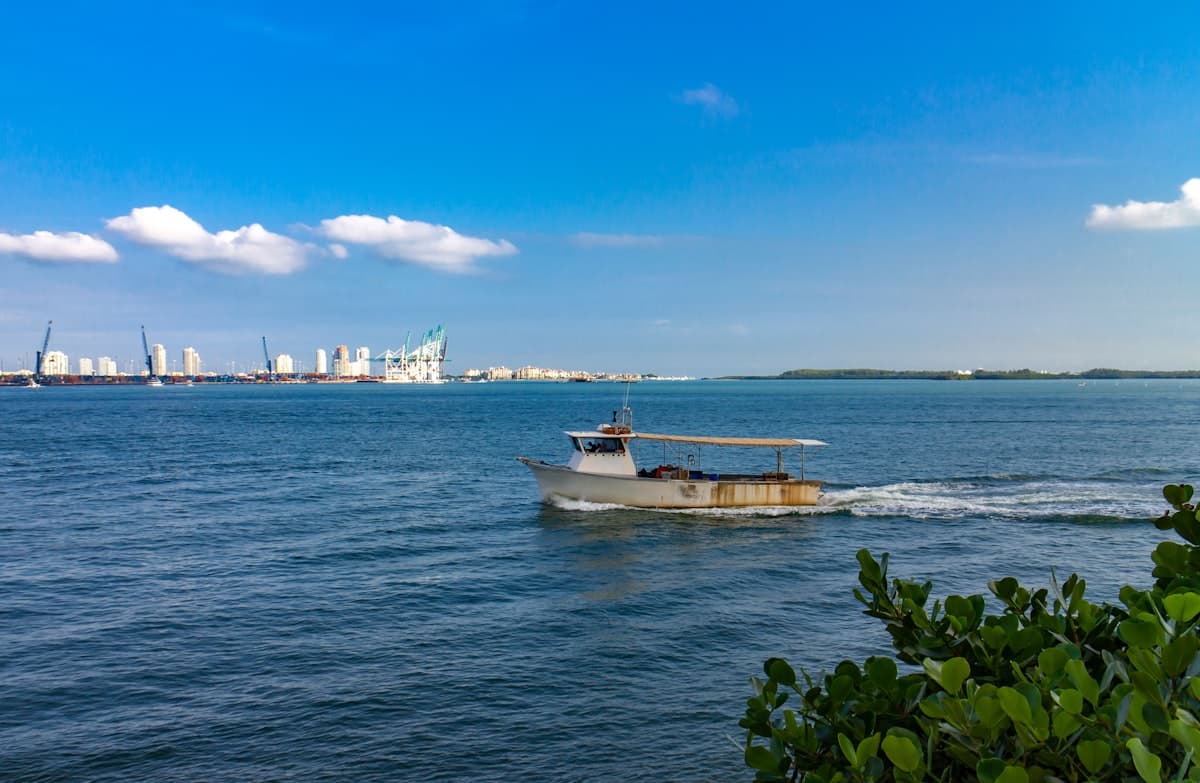
How to Fish Miami: A Beginner's Guide to Bridges, Piers, Peacock Bass, and the Deep Blue
Everything a first-timer needs to fish Miami — pier fishing at South Pointe, bridge fishing for snook and tarpon, peacock bass in the canals, Biscayne Bay flats, and offshore charters. Gear, rigs, bait, techniques, and what to actually expect.
Miami is not one fishery — it is five. Within a thirty-minute drive of your hotel on South Beach, you can bottom-fish a pier in Government Cut, free-line a live bait under a causeway bridge for snook that would win tournaments anywhere else in the state, cast topwater plugs for peacock bass in a freshwater canal behind a strip mall, pole a skiff across Biscayne Bay flats for bonefish and permit, or troll the cobalt edge of the Gulf Stream for sailfish. No other city in America puts that range of fishing within reach of someone who landed at the airport two hours ago.
This guide covers the practical how-to for each of those fisheries. If you want the big-picture overview — seasons, species calendars, where to stay, and trip planning — read our complete Miami fishing guide. For the flats fishing capital of the Keys, see our Islamorada guide. For the quiet side of South Florida fishing, see our Fort Myers guide.
Pier Fishing: The Easiest Entry Point
If you have never fished saltwater and want to catch something today with minimal investment, go to a pier. Miami has several good ones, and the fish are genuinely cooperative.
Where to Go
South Pointe Park Pier is the best option. It sits at the southern tip of Miami Beach where Government Cut — the deep shipping channel into the Port of Miami — meets the open Atlantic. Cruise ships and container vessels pass within a few hundred yards, and the depth drops off fast, which means pelagic species cruise close to the structure. The pier is free, open sunrise to sunset, and has a designated fishing area on the north side. Parking is in the South Pointe Park lot.
Newport Fishing Pier (Sunny Isles Beach) is a classic concrete pier that extends into the Atlantic. It charges a small rod fee and rents tackle on-site — genuinely walk-up friendly. You will catch something here.
Rickenbacker Causeway Bridges — technically bridge fishing, but the old bridge pilings create a pier-like environment. Free access, free parking. More on this in the bridge section below.
Gear and Rigs
A 7-foot medium-action spinning rod with a 3000-size reel is the right tool — a Penn Battle III 3000 combo or Shimano Sienna 3000 combo are solid choices under $100. Spool it with 20-pound braided line (PowerPro Spectra or Sufix 832) and tie on a 2-foot section of 25-pound Seaguar Blue Label fluorocarbon leader using a double uni knot. This setup handles everything from snapper to mackerel to the occasional barracuda that will cut you off anyway.
Bottom rig for snapper and grunts: Tie a 1-ounce egg sinker above a barrel swivel, then 18 inches of fluorocarbon to a #1 or 1/0 circle hook. Bait with a chunk of shrimp or cut squid. Drop it straight down next to the pilings and wait. Yellowtail snapper, lane snapper, grunts, and porgies live around pier structure in Miami and they bite all day. Circle hooks mean the fish hooks itself — no need to set the hook hard, just reel tight when the rod loads.
Casting rig for mackerel and jacks: Tie a 1/0 long-shank hook directly to your leader. Hook a live shrimp through the horn or a small pilchard through the nose. Cast it out and let it swim. Spanish mackerel, blue runners, and bar jacks will find it. When mackerel are running (October through April), they school in the top few feet of water and you can sight-cast to them.
Sabiki rig for baitfish: If you want to catch your own bait — and you should, because live bait outfishes dead bait ten to one in Miami — buy a pre-made sabiki rig (Hayabusa or Owner brand, size 6 hooks). Drop it down near the pilings, jig it up and down, and fill a bucket with pilchards, threadfin herring, and small grunts. Then use those as bait for everything else.
How to Rig a Sabiki Rig and Catch Live BaitWhat You Will Catch
From South Pointe Pier: yellowtail snapper, mangrove snapper, blue runners, bar jacks, Spanish mackerel, cero mackerel, barracuda, and occasional tarpon rolling through the cut. From Newport Pier: whiting, pompano, snapper, jacks, and mackerel. Both piers produce sharks at night if you put out a large cut bait on a wire leader.
How to Tie a Carolina Rig for Inshore FishingBridge Fishing: Miami's Secret Weapon
Miami's causeways are not just roads — they are fishing structure. The bridges that cross Biscayne Bay create shadow lines, current breaks, and ambush points that attract some of the best gamefish in South Florida. Bridge fishing is free, it happens at night when the heat breaks, and it produces snook, tarpon, and jacks that would cost you $500 on a charter.
The Spots
Julia Tuttle Causeway (I-195) is the most consistent bridge for snook and tarpon in Miami. The bridge lights attract baitfish, and the predators stack up in the shadow lines where light meets dark. Park on the north side of the causeway, walk to the rail, and you are fishing.
MacArthur Causeway (A1A to South Beach) offers the same setup with deeper water. Tarpon up to 100 pounds patrol here during the spring migration (April through June). The current can be strong on big tides.
Rickenbacker Causeway connects Miami to Key Biscayne and has multiple bridge sections with wadeable flats on either side. The old bridge pilings are legendary for snook at night. During the day, wade the flats east of the causeway for bonefish — one of the only walk-in bonefishing spots in Miami.
Broad Causeway and Haulover Inlet Bridge are also productive, especially for tarpon and jacks on the outgoing tide.
Tackle and Technique
For snook under bridges, step up to a 7-foot medium-heavy spinning rod with a 4000-size reel. Spool with 30-pound braid and tie a 30-pound fluorocarbon leader — snook have a gill plate that cuts light line like a razor. Use a 3/0 circle hook with a live pilchard, mullet finger, or pinfish hooked through the nose. Cast up-current of the shadow line and let the bait drift naturally into the dark zone where the snook are waiting. When the rod loads, do not jerk — reel tight and let the circle hook pin the corner of the jaw. Then get the fish away from the pilings before it wraps you.
For tarpon, go heavier: 50-pound braid, 60-pound fluorocarbon leader, 7/0 circle hook. Live mullet or ladyfish are the top baits. Tarpon migrate through Miami's bridges from March through July, and a 100-pound fish on bridge tackle under the lights is a fight that will recalibrate what you think fishing is.
For jacks and ladyfish — which are everywhere around bridges and pull like freight trains for their size — your standard pier setup works. They are excellent practice fish.
Tarpon & Snook Fishing at the Haulover Inlet Bridge — MiamiWhen to Go
Night fishing is the game. The best bite starts two hours after sunset and runs until midnight. Fish the moving tide — incoming or outgoing, it does not matter as much as having current flow. Slack tide is slow. Full moons push more water and more bait, which means more predators. New moons are darker under the bridges, which concentrates fish tighter in the shadow lines.
Peacock Bass: Miami's Urban Surprise
Miami is the only city in the continental United States where you can catch peacock bass — a tropical freshwater species originally from South America, introduced to Dade County's canal system in 1984 to control invasive tilapia. Forty years later, they have colonized every canal, lake, and drainage ditch in the urban core. You can catch them behind shopping centers, next to the airport, along the Palmetto Expressway, and in suburban neighborhood ponds. It is absurd, and it is free, and it is some of the most fun fishing in Miami.
Where to Fish
Snapper Creek Canal runs through Coral Gables and South Miami with over 15 miles of fishable shoreline. Bridge underpasses, culvert outflows, and residential seawalls all hold fish.
Airport Lakes (Blue Lagoon and the surrounding borrow pits near MIA) are classic peacock bass water. Pull into a strip mall parking lot, walk 50 yards, and start casting. These lakes are shallow, warm, and loaded with structure.
Tamiami Canal follows the Tamiami Trail (US-41) west from downtown toward the Everglades. Over 28 miles of canal with bridge pilings, culverts, rock piles, and vegetation edges. Access is easy — just pull over and walk to the bank.
C-100 Canal (Cutler Drain) in Palmetto Bay is quieter and less pressured than Snapper Creek.
Gear and Lures
A medium-light 6'6" to 7-foot spinning rod with a 2500 or 3000 reel is ideal. Spool with 10-pound braid and tie a 15-pound fluorocarbon leader. Peacock bass are strong for their size and they fight in tight quarters around bridge pilings and canal walls, so you want enough backbone to steer them.
Topwater: This is the most exciting way to catch them. A Heddon Zara Spook Jr, Rapala Skitter Walk, or Yo-Zuri 3D Popper in natural or firetiger colors will draw explosive surface strikes. Work it with a walk-the-dog retrieve — steady cadence, rod tip down, twitch-twitch-pause.
Jerkbaits and crankbaits: A Rapala X-Rap or Strike King KVD Jerkbait in gold or firetiger pattern, twitched along canal walls and bridge pilings. Peacocks ambush from structure, so put the lure right next to the concrete.
Live bait: Small live shiners (3 to 4 inches) are the single most effective bait for peacock bass. Buy them at any local tackle shop. Hook through the back with a #2 or #1 light wire hook, no weight, and free-line them along the canal edge. This is how kids and first-timers catch their first peacock.
Key Tips
Fish during the warmest part of the day. Peacock bass are tropical — they shut down in cold fronts and feed most aggressively when water temperatures are above 75°F. The best months are October through May (dry season), and the best hours are 9 AM to 4 PM. This is the opposite of most bass fishing, where dawn and dusk are prime.
Fly Fishing for Peacock Bass in Miami Urban CanalsNo boat needed. Nearly all peacock bass water in Miami is bank-fishable. Wear polarized sunglasses so you can spot them — peacocks often cruise in packs along the canal walls, and sight-casting to a visible fish is a real possibility.
Florida freshwater fishing license required — but no saltwater license needed for this. Buy it at GoOutdoorsFlorida.com or any Walmart.
Biscayne Bay Flats: World-Class on a Skiff
Biscayne Bay is one of the great shallow-water fisheries in the world. The flats south of the Rickenbacker Causeway and into Biscayne National Park hold bonefish, permit, tarpon, and big barracuda on grass and sand bottoms in two to four feet of water. This is sight fishing — you pole the skiff, spot the fish, make a cast. It is technical, it is visual, and it is addictive.
For Beginners
You almost certainly need a guide for your first flats trip. A skilled Biscayne Bay guide puts you on fish, handles the boat, and coaches your cast. Half-day trips run $500 to $700, full days $700 to $1,000. The boat, rods, tackle, and bait are included. If you have never sight-fished before, this is money well spent — you will learn more in four hours with a guide than in a year of figuring it out alone.
If you want to try on your own, wade the flats east of the Rickenbacker Causeway on a low incoming tide. Bring a light spinning rod (7-foot, 3000 reel, 10-pound braid, 12-pound fluorocarbon) and small live shrimp. Look for nervous water, tailing fish, or shadows moving across the sand. Cast ahead of the fish, not on top of it. Bonefish spook at shadows and noise — if you can see them and they are not running, you have a shot.
Species and Seasons
Bonefish are resident year-round but most active March through November. They average 3 to 6 pounds in Biscayne Bay, with fish to 10 pounds possible. Live shrimp on a #4 hook with a small split shot is the go-to spinning setup.
Permit move onto the flats March through November. They are the hardest flats fish to catch — spooky, selective, and powerful. Live crabs (blue crabs or pass crabs) are the best bait on spinning tackle. Fly anglers use crab patterns. Getting a permit to eat is a genuine achievement.
Tarpon flood the bay in spring (April through June). Juvenile tarpon (10 to 40 pounds) live in the backcountry channels year-round and are more accessible for beginners. Big migratory tarpon (80 to 150 pounds) stage in the channels and passes.
Offshore: The Gulf Stream Is Right There
Miami's deep-sea fishing is genuinely world-class, and the reason is geography. The Gulf Stream — a warm, fast-moving ocean current carrying massive volumes of bait and pelagic fish — passes within a mile of shore at some points along the Miami coast. In most places, you have to run 20, 30, even 50 miles to reach blue water. In Miami, the color change from green to cobalt happens before you lose sight of the skyline. That proximity means shorter runs, less fuel cost, and more time fishing.
What to Expect on a Charter
A half-day offshore charter (4 to 5 hours) runs $600 to $1,200 for a private boat (up to 6 anglers). Drift boats and head boats offer per-person rates of $50 to $100 for a half day. Everything is included: rods, reels, tackle, bait, ice, fishing license, and a captain who knows where the fish are.
You will troll first — dragging lures or rigged ballyhoo behind the boat at 6 to 8 knots along the reef edge and the Gulf Stream seam. This targets mahi-mahi (dolphinfish), wahoo, kingfish, and sailfish. When the captain finds a weed line, a color change, or birds working, the action gets fast. Mahi-mahi school up under floating debris and you can catch a dozen in an hour when you find them.
Bottom fishing happens on the reef in 80 to 200 feet. Drop a heavy jig or a chicken rig baited with squid or cut bonito to the bottom and crank up a few turns. Yellowtail snapper, mutton snapper, grouper, and amberjack live down there. The captain positions the boat over structure and you feel the rod load when something eats.
Kite fishing is a Miami specialty. The captain flies a kite from the outrigger, which suspends your live bait (goggle eyes, pilchards, or blue runners) on the surface. The bait skips and splashes, imitating a wounded fish. Sailfish rise from the depths to eat — you watch the fish come up, the bait disappear, and the reel scream. This is the most visual and exciting form of offshore fishing, and Miami's charter fleet is among the best at it anywhere in the world.
Seasons
Sailfish: November through April is prime. Miami is called "The Sailfish Capital of the World" for a reason — winter cold fronts push bait south, and the sailfish follow. Kite fishing is the primary technique.
Mahi-mahi: March through August. Look for weed lines, debris, and color changes. Spring is the peak.
Wahoo and tuna: November through March for wahoo (trolling deep-diving lures on the reef edge), year-round for blackfin tuna.
Swordfish: Miami pioneered daytime swordfishing — dropping baits to 1,500 to 2,000 feet on specialized electric reel setups. This is an advanced (and expensive) fishery, but it is available if you want a true bucket-list fish.
Knots You Need
Four knots cover everything in Miami:
Double Uni Knot — connects your braided mainline to your fluorocarbon leader. The most important knot in saltwater fishing. Practice it until you can tie it in the dark on a rocking boat.
Double Uni Knot: How to Tie Braid to FluorocarbonImproved Clinch Knot — ties your hook or lure to the leader. Simple, fast, strong enough for anything under 30 pounds.
Palomar Knot — alternative to the clinch for braided line. Some anglers prefer it for jigs and lures because it is nearly 100% knot strength.
How to Tie a Palomar KnotLoop Knot (Rapala Knot) — gives your lure a free-swinging connection so it moves more naturally. Use it for topwater plugs, jerkbaits, and live bait rigs where you want maximum action.
Practical Details
Fishing License: Florida residents and non-residents ages 16 to 65 need a license. Saltwater annual: $17 resident, $47 non-resident. Short-term options: 3-day ($17) or 7-day ($30) non-resident, but as of 2026 these must be purchased in person at a county tax collector office — not online. Annual licenses are available online at GoOutdoorsFlorida.com. Charter boats and licensed piers cover you — no personal license needed.
Freshwater license (for peacock bass): $17 resident annual, $47 non-resident annual. Same short-term options and purchase rules.
Where to Buy Tackle and Bait: Bass Pro Shops (Dania Beach, 20 minutes north) has everything. For local knowledge and live bait, hit Crandon Marina Bait & Tackle on Key Biscayne, Haulover Marina for offshore bait, or any of the bait shops along the 79th Street Causeway. Live shrimp and pilchards are available at most marinas.
What to Wear and Bring: Sunscreen (reef-safe in Biscayne National Park), polarized sunglasses (essential for flats and sight-casting), a hat, water, and a towel. If you are fishing bridges at night, bring a headlamp and bug spray. Mosquitoes on the causeways after dark are legendary.
Catch and Release: Snook and tarpon are catch-and-release only in most situations (slot limits apply to snook during open season). Bonefish and permit are catch-and-release only in Florida. Handle all fish with wet hands, minimize air exposure, and support them horizontally for photos. These fish are Miami's most valuable resource.
Safety: Do not wade Biscayne Bay at dawn or dusk near channels — bull sharks are present and active at those times. On bridges, watch for traffic. On offshore charters, follow the crew's instructions about moving around the boat. If you feel seasick, stay on deck, watch the horizon, and tell the captain. They have been through it a thousand times.
Top Fishing Guides Nearby
We don't have guides listed in Miami yet. Here are the top-rated guides nearby.
Miami Bone Fishing
Miami, FL, US
5.0 (137 reviews)
Miami Bone Fishing specializes in premier sight-fishing experiences across the flats and shallow waters of Biscayne Bay. Captain Mo brings years of expertise to every outing, expertly guiding anglers in pursuit of bonefish, permit, and tarpon—the Bay's most prized species. The operation also welcomes those interested in targeting grouper, snapper, and shark. With a commitment to accommodating all skill levels, Miami Bone Fishing offers multiple trip styles including fly fishing, conventional sportfishing, and specialized night fishing. Each charter emphasizes sight-casting techniques that reward patience and precision, creating engaging experiences whether you're a seasoned saltwater angler or discovering flats fishing for the first time. A day with Miami Bone Fishing delivers authentic Miami Bay fishing at its finest.

Elbow Grease Charters
Miami, FL, US
5.0 (3 reviews)
Elbow Grease Charters, led by Captain Bobby Gibson, specializes in flats fishing in the pristine waters of Biscayne Bay near Miami. With deep expertise navigating these challenging shallows, Captain Bobby pursues some of saltwater's most prized gamefish: bonefish, tarpon, and permit. The charter welcomes anglers of all skill levels and offers both fly fishing and conventional bait fishing approaches, allowing guests to choose their preferred method. Year-round tarpon and heavyweight permit represent the signature catches at Elbow Grease Charters. Whether you're a seasoned angler seeking a technical challenge or a newcomer eager to learn, Captain Bobby's experience and personalized approach ensure a memorable day on the water in one of Florida's most dynamic fishing destinations.
Lucky Hook Charter
Miami, FL, US
5.0 (18 reviews)
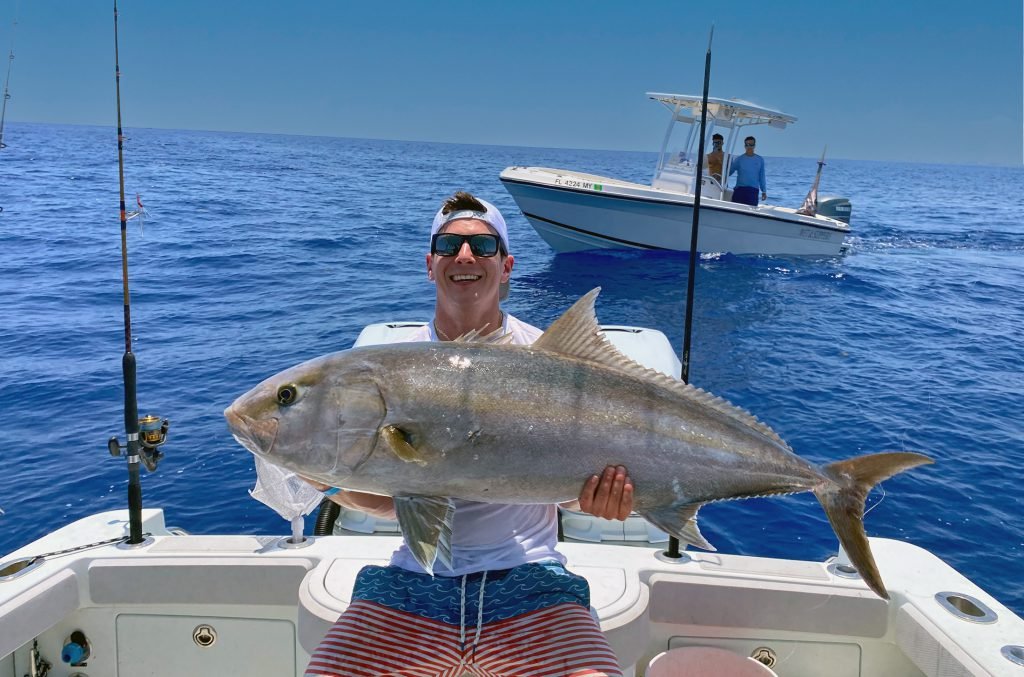
Lucky Hook Charter, operated by Captain Jorge Fernandez, brings over three decades of local expertise to the waters of Miami Beach, Key Biscayne, and the Upper Florida Keys. Specializing in Sailfish, Kingfish, Snapper, and Grouper, Captain Jorge tailors each outing to match anglers' skill levels and interests—whether it's a leisurely family adventure or a focused corporate retreat. The custom-built 28-foot Elleg vessel, Short Timer, combines comfort with efficiency, delivering anglers to prime fishing grounds with ease. Lucky Hook Charter welcomes everyone from beginners to experienced fishermen, fostering a relaxed, welcoming atmosphere that transforms a day on the water into a memorable experience.
Biscayne Bay Fishing Charters
Miami, FL, US
5.0 (16 reviews)
Captain John Long brings decades of local expertise to Biscayne Bay Fishing Charters, offering premier sight-fishing experiences for permit, bonefish, and tarpon. His custom Chittum skiff provides intimate access to the bay's hidden channels and shallow flats, allowing anglers to experience the thrill of pursuing these legendary gamefish in their natural habitat. Whether targeting these species on fly or light tackle, Captain John caters to anglers of all skill levels. Each trip combines technical instruction with deep knowledge of Biscayne Bay's unique ecosystem, delivering memorable shallow water adventures that showcase both the exceptional fishing and stunning natural beauty of this iconic Florida destination.
Florida Bay Fishing
Miami, FL, US
5.0 (67 reviews)
Florida Bay Fishing, led by Captain Brian, brings four decades of expertise to the pristine waters of Biscayne Bay. Specializing in world-class inshore species—including Trout, Snook, Bonefish, Permit, and Tarpon—Captain Brian has perfected his craft in one of the world's most beautiful fishing destinations. His approach combines deep local knowledge with a genuine passion for connecting anglers with exceptional fishing experiences. The operation's 22-foot Pathfinder bay boat is thoughtfully equipped for comfort and safety, welcoming families and anglers of all skill levels. Whether anglers are seeking their first saltwater encounter or refining advanced techniques, Florida Bay Fishing delivers the expertise, equipment, and personal attention that transform a fishing trip into a lasting memory.

Fishing With Lester
Miami, FL, US
5.0 (43 reviews)
Fishing With Lester Fishing With Lester brings four decades of expertise to Miami's premier inshore and offshore fishery. Operating from Haulover Inlet, Captain Lester and Captain Tristen offer anglers of all skill levels the opportunity to pursue sailfish, mahi mahi, king mackerel, and tarpon in some of Florida's most productive waters. The team's commitment to quality extends from their extensive experience to their meticulous preparation, including the use of fresh live bait on every outing. Whether clients prefer a half-day adventure or a full-day immersion, they'll find knowledgeable captains dedicated to delivering memorable fishing experiences in Miami and Miami Beach.
For a full rundown of Miami's fishing seasons, charter options, and where to stay, read our complete Miami fishing guide. For the fly fishing side of the flats, the Keys are just an hour south — see our Islamorada guide and our Key West guide.
Frequently Asked Questions
Do I need a fishing license to fish from a pier in Miami?
Most public piers in Miami (like South Pointe Park Pier) are covered under the pier's license, so you don't need your own. However, if you fish from shore, a bridge, or a boat, Florida residents and non-residents ages 16-65 need a license. Charter boats include your license in the trip cost.
What is the best beginner-friendly fishing spot in Miami?
South Pointe Park Pier is the easiest starting point — it's free, has designated fishing areas, and you can bottom-fish for snapper and grunts with basic gear. For something more adventurous, the Miami canal system offers walk-up bank fishing for peacock bass with no boat required.
Where can I catch peacock bass in Miami?
Peacock bass live in freshwater canals throughout urban Miami. Top spots include Snapper Creek Canal, the Airport Lakes (Blue Lagoon area near MIA), the Tamiami Canal along US-41, and the C-100 Canal in Palmetto Bay. All are bank-fishable with no boat needed.
When is the best time for bridge fishing in Miami?
Night fishing is best for snook and tarpon under Miami's causeway bridges. The prime bite starts two hours after sunset and runs until midnight. Fish on a moving tide (incoming or outgoing) for the best action. The spring tarpon migration (March through June) is the peak season.
How much does a deep sea fishing charter cost in Miami?
A private half-day offshore charter (4-5 hours, up to 6 anglers) costs $600-$1,200. Drift boats and head boats offer per-person rates of $50-$100 for a half day. Everything is included: gear, bait, tackle, license, and fish cleaning. Kite fishing for sailfish is a Miami specialty available on most charter boats.
 ™
™