
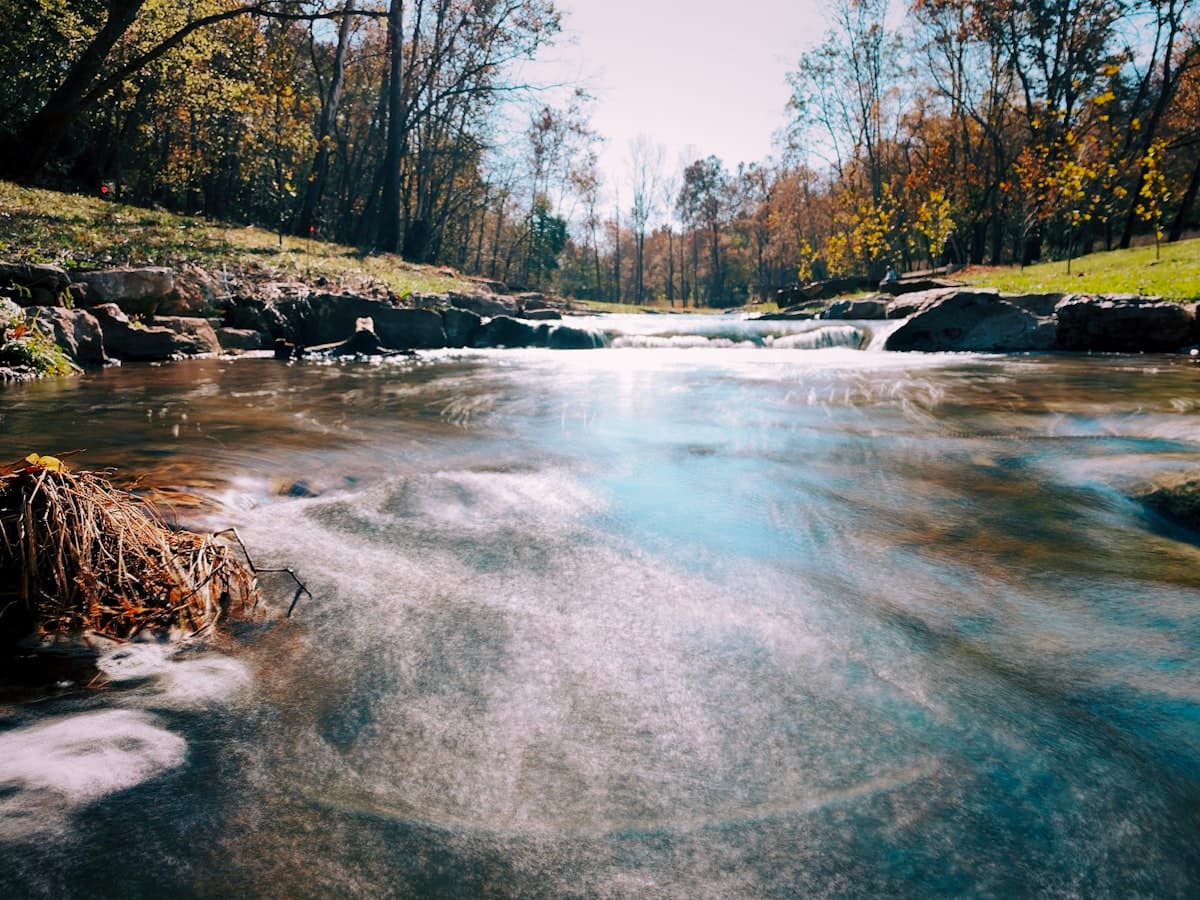
How to Fish Mountain Home and the White River, Arkansas: A Tailwater Guide to World-Class Trout Below Bull Shoals Dam
The White River below Bull Shoals Dam is one of the greatest trout fisheries in the world — 90 miles of cold tailwater holding rainbow, brown, cutthroat, and brook trout year-round. Here's how to fish it, from the dam to Guion.

Mountain Home, Arkansas sits between two of the most productive trout tailwaters in the country. The White River below Bull Shoals Dam runs 90 miles of cold, clear water that holds rainbow trout, brown trout, cutthroat trout, and brook trout — all stocked and managed by the Arkansas Game and Fish Commission, with brown trout that reproduce naturally and grow to genuine trophy size. A few miles east, the North Fork River below Norfork Dam delivers its own world-class tailwater fishery, shorter but equally productive. Together, these two rivers draw fly anglers from across the country and produce trout fishing that rivals anything in the Rocky Mountain West — in the middle of the Ozarks.
The key to everything here is the dam. Bull Shoals Dam releases water from the bottom of the reservoir — 48 to 52 degrees year-round, regardless of whether it is July or January. That cold, oxygen-rich water creates trout habitat in a state where surface water temperatures would otherwise kill trout by June. The dam release also controls the river's behavior: when generators run, the water rises and the current pushes; when they stop, the river drops to a gentle flow you can wade across. Understanding generation is the single most important skill for fishing the White River.
If you have fished Branson and Table Rock Lake, you already know the tailwater concept — Lake Taneycomo is fed by the same system, just upstream. The White River below Bull Shoals is longer, wilder, and produces larger brown trout.
The Dam System: Bull Shoals and Norfork
Bull Shoals Dam sits at the top of the White River tailwater. Below the dam, the river runs roughly 90 miles to Guion, Arkansas, with the entire stretch holding trout. The upper section — from the dam downstream to Cotter — is the most heavily fished and produces the most consistent action. Below Cotter, the river widens, the water warms slightly, and the trout thin out, but there are still fish.
Norfork Dam sits on the North Fork River, which enters the White River near the town of Norfork. The North Fork tailwater is shorter (about 4.5 miles of premier water below the dam) but incredibly productive. The Norfork National Fish Hatchery adjacent to the dam ensures a constant supply of trout, and the cold water from the dam supports rainbow, brown, cutthroat, and brook trout.
Both dams generate hydroelectric power, and the generation schedule controls the fishing. Check the Army Corps of Engineers generation schedule (the Southwest Power Administration publishes hourly forecasts) or call the automated hotline before every trip. The USGS stream gauge at Bull Shoals shows real-time flow data.
Understanding Generation: The Key to Everything
When generators run, water pours through the dam and the river rises — sometimes several feet in less than an hour. The current increases dramatically, wading becomes dangerous or impossible, and the trout respond by feeding aggressively as food gets dislodged and swept downstream.
When generation stops, the river drops back to a gentle flow. The water clears, the trout become more visible (and more cautious), and wading is safe and productive.
Rising water (generation on): Best for boat fishing. Drift boats and john boats work the current seams and eddies. Trout feed actively on shad, sculpin, and dislodged nymphs. Streamer fishing for brown trout is most productive during generation — the high, turbid water gives browns confidence to chase.
Low water (generation off): Best for wading. Nymphing, dry-fly fishing, and small spinner/jig presentations. The fish hold in pools, runs, and behind structure. Sight-fishing is possible in the clearest sections.
The transition (water rising or falling): Often the most productive window. Trout feed opportunistically as the current changes and food gets swept out of holding areas.
Plan around generation. Most guides schedule morning trips during low water (wading with nymphs and dries) and switch to the boat when generation starts in the afternoon. Or they schedule a full day of drift-boat fishing during generation.
Fly Fishing the White River for GIANT Brown Trout During the Caddis HatchTrout Species: What You Are Catching
Rainbow trout are the most abundant. The AGFC stocks hundreds of thousands annually. Average 10 to 14 inches, with fish to 20 inches common and occasional 24-inch holdovers. They feed aggressively on nymphs, scuds, and small streamers. Rainbows are the bread-and-butter species — you will catch the most of them.
Brown trout are the trophies. Browns reproduce naturally in the White River, particularly in the upper sections near the dam. Fish average 14 to 18 inches, with 20- to 24-inch fish caught regularly and the occasional 5- to 8-pound fish that makes the local guides' social media. The Bull Shoals seasonal catch-and-release area (November 1 through January 31) protects spawning browns in the state park section. Browns feed on sculpin, shad, crayfish, and smaller trout — streamer fishing is the primary technique for targeting them.
Cutthroat trout are stocked in smaller numbers, primarily in the Norfork tailwater. They add variety and are gorgeous fish — golden flanks with the signature red slash under the jaw. Average 10 to 14 inches. They eat nymphs and small dries readily.
Brook trout are stocked occasionally, also primarily in the Norfork system. Smaller (8 to 12 inches) but beautifully colored. The Norfork holds the Arkansas state record brook trout.
Fly Fishing the White River
Fly fishing is the premier method here. The White River's consistent cold water and rich insect life create reliable hatches that fly anglers can match throughout the year.
The Essential Flies
Sowbugs and scuds (sizes 14-18) — the year-round staple. The White River has an enormous population of sowbugs (freshwater isopods) and scuds (freshwater shrimp) that trout feed on constantly. A gray or tan sowbug pattern drifted along the bottom is the single most effective fly on this river. Fish it under a strike indicator with enough split shot to tick the bottom.
Zebra midges (sizes 18-22) — tiny but deadly, especially in winter and early spring. Black, olive, and red are the go-to colors. Fish them in tandem below a sowbug — the sowbug gets the trout's attention, the midge seals the deal.
Woolly Buggers (sizes 6-10) — olive, black, and white. The all-purpose streamer for browns and larger rainbows. Strip it through the current during generation or swing it through pools during low water.
Caddis patterns (sizes 14-18) — the White River has a significant caddis hatch in spring (March through May). Elk Hair Caddis as a dry, Caddis Pupa as a dropper. When the caddis are up, the fishing can be fast and exciting — trout slashing at the surface in the evening.
San Juan Worms (red, size 12) — a simple fly that works year-round. Fish it below a strike indicator or as a dropper below a sowbug. Not glamorous, but effective.
Sculpin streamers (sizes 4-6) — for targeting brown trout specifically. Woolly Sculpin, Muddler Minnow, or Galloup's Barely Legal in olive/brown. Strip aggressively along undercut banks and through deep pools during generation. Winter is prime time for streamer fishing browns.
Fly Gear
A 9-foot 5-weight rod handles most White River situations — sowbugs, nymphs, small streamers. Step up to a 7-weight for throwing big sculpin streamers for browns. A floating line with a long leader (9 to 12 feet, 4X to 5X tippet) covers nymphing and dries. Add a sink-tip line for streamer work during generation.
The Orvis Clearwater outfit in 5-weight is the standard recommendation for first-timers. Step up to an Orvis Recon or Sage Foundation if you want a rod you will keep for a decade.
Fly Fishing the White River of Northern Arkansas with Chad Johnson Fly Fishing the White River in Arkansas for Monster TroutSpin Fishing the White River
You do not need a fly rod to catch trout on the White River. Spin fishing is productive year-round and more accessible for beginners.
Techniques
Jig and float: A 1/64- to 1/32-ounce marabou jig (white, pink, olive, or chartreuse) under a small slip float, set 3 to 5 feet deep. Drift through current seams, runs, and pool tailouts. The Trout Magnet system is a local favorite — tiny jig heads with soft plastic bodies that mimic sowbugs and scuds.
PowerBait and dough baits: A split-shot rig with a size 12 bait hook, 18-inch 4-pound fluorocarbon leader, and a small ball of Berkley PowerBait (chartreuse, rainbow, or salmon egg) fished on the bottom. Dead-drift it through pools. The simplest and most effective method for stocked rainbows.
Small spinners: A 1/8-ounce Panther Martin or Rooster Tail in gold or silver, cast upstream and retrieved just fast enough to feel the blade. Covers water quickly and triggers strikes from active fish.
Live bait: Nightcrawlers, red worms, and wax worms fished under a float or on a drift rig. Effective but check regulations — some sections have artificial-lure-only restrictions.
Spin Gear
An ultralight setup — 5'6" to 6'6" rod, 1000-size reel, 4-pound monofilament or 2- to 4-pound fluorocarbon. The lighter the line, the more bites you get. A Pflueger President 1000 or Shimano Sienna 1000 combo runs under $60 and handles everything on the White River.
Spring Trout Fishing on the White RiverThe Norfork Tailwater
The North Fork River below Norfork Dam is a separate fishery from the White River, but it is right next door and most anglers fish both during a Mountain Home trip.
The Norfork tailwater runs about 4.5 miles from the dam to its confluence with the White River. The water is colder than the White River (the Norfork Dam releases from deeper in the reservoir), and the Norfork National Fish Hatchery stocks heavily. Rainbow trout dominate, but brown trout, cutthroat, and brook trout are all present.
The Norfork is narrower and more intimate than the White River. Wading access is excellent, and the fish are often more aggressive — less pressure, more stocked fish per mile. The dry-caddis hatch (August and September) on the Norfork is legendary among local guides.
Generation affects the Norfork the same way it affects the White River. Check the Norfork Dam generation schedule separately — it runs on a different schedule than Bull Shoals.
Access Points
Bull Shoals White River State Park: Directly below the dam. Walk-in access to the trophy brown trout catch-and-release zone. Boat ramp, parking, camping. The most popular access point and often crowded.
Rim Shoals: About 8 miles below the dam. Walk-in wading access on public land. A productive stretch with less pressure than the dam area. Good sowbug and nymph water.
Cotter: The town of Cotter sits on the White River about 15 miles below the dam. Public boat ramp and wading access at the R.M. Ruthven Access. The river is wider here with long runs and deep pools. Good drift-boat water.
Buffalo City: Further downstream, less pressure. The river widens and the trout thin out, but big browns hold in the deeper pools.
Norfork Dam: Walk-in access directly below the dam. Parking at the Norfork National Fish Hatchery (worth a visit — you can see the trout being raised). Dry Fly access area downstream offers excellent wading during low water.
Fishing License and Regulations
Arkansas requires a fishing license for anyone 16 and older.
| License Type | Cost |
|---|---|
| Resident annual | $10.50 |
| Nonresident annual | $50 |
| Nonresident 14-day | $25 |
| Nonresident 3-day | $16 |
| Trout permit (required) | $5 |
The trout permit is mandatory to fish any Arkansas trout water or to possess trout.
Bull Shoals tailwater (dam to Norfork Access boat ramp): Daily limit 2 rainbow trout under 14 inches. All other trout (including all browns) must be released immediately. This is a recent emergency regulation (effective 2025-2026) to protect the fishery.
Bull Shoals seasonal brown trout C&R area: November 1 through January 31, within Bull Shoals White River State Park. All brown trout must be released. No fishing from 30 minutes after sunset to 30 minutes before sunrise.
Below Norfork Access to Guion: Standard statewide trout limits apply. Check current AGFC regulations — they change frequently.
Norfork tailwater: Separate regulations apply. Trophy trout area within the first mile below the dam with catch-and-release restrictions.
Important: Arkansas regulations on these tailwaters change regularly. Always check the current AGFC trout regulations before your trip — the emergency regulations from 2025-2026 may be updated.
When to Come
Year-round. The dam-controlled cold water means there is no "off season." Every month produces fish.
March-May (Spring): Caddis hatch brings dry-fly action. Browns and rainbows feed aggressively. Generation is heavy from spring runoff — good boat fishing. The best all-around period.
June-August (Summer): Hot outside, cold water. Trout are comfortable while everything else in Arkansas wilts. Early mornings during low water are prime for wading. Sowbugs and scuds dominate.
September-November (Fall): Brown trout pre-spawn activity. Trophy browns become aggressive and territorial. Streamer fishing for browns is at its best in October and November. The caddis hatch returns on the Norfork.
December-February (Winter): The legendary big brown trout season. Fewer anglers, bigger fish. Streamer fishing with sculpin patterns during generation produces the largest browns of the year. Midges hatch even in the coldest weather. The seasonal catch-and-release area protects spawning browns.
Drift Boats and Guides
The White River is drift-boat country. A guided drift-boat trip covers 5 to 10 miles of river in a day, floating through water that wade anglers cannot reach. The guide rows while you fish from the bow — casting to structure, banks, and rising fish as you drift past.
Half-day guided trips run $250 to $400 for 1-2 anglers. Full-day trips run $400 to $550, usually including lunch on the river. Guides provide all flies, tackle, and local knowledge. For first-timers on the White River, a guide is strongly recommended — the generation schedule, access points, and seasonal patterns are complex enough that local knowledge makes a real difference.
Mountain Home has a large community of full-time fishing guides — more per capita than almost anywhere in the South. The town's economy runs on trout fishing and the tourism it brings.
Practical Details
Getting there: Mountain Home is in north-central Arkansas, about 2.5 hours north of Little Rock, 3 hours south of Springfield MO, and 3.5 hours east of Branson. No commercial airport — drive in from Little Rock (LIT) or Springfield (SGF).
What to bring: Wading boots with felt or rubber soles (rocks are slick), waders (chest waders for low water, unnecessary in summer if you don't mind wet wading), polarized sunglasses, rain gear. For fly anglers: a box of sowbugs, scuds, zebra midges, San Juan worms, and caddis patterns covers 90% of situations.
Where to stay: Mountain Home has the full range of motels, lodges, and vacation rentals. Bull Shoals White River State Park offers camping with river access. Several riverside resorts between the dam and Cotter cater specifically to trout anglers with boat docks, cleaning stations, and guide referrals.
The generation schedule is not optional. Check it every day, multiple times a day. Plan your wading for low water windows and your boat fishing for generation. Ignoring the schedule is dangerous (rising water traps waders) and unproductive (wrong techniques for the conditions).
DIY Fly Fishing the White River in ArkansasRecommended Gear
Orvis Clearwater Fly Rod Outfit 9' 5wt
White River all-rounder — sowbugs, nymphs, small streamers
Orvis Recon Fly Rod 9' 5wt
Step-up rod for serious tailwater nymphing and dry-fly work
Pflueger President 1000 Ultralight Combo 5'6"
Spin fishing — micro jigs and PowerBait for stocked rainbows
Trout Magnet Kit
Micro jig system — the White River local favorite
Umpqua Sowbug/Scud Fly Selection
Year-round staple — gray sowbugs and tan scuds sizes 14-18
Woolly Bugger Streamer Olive Size 8
Brown trout essential — strip through pools during generation
Simms Headwaters Stockingfoot Waders
Year-round wading — cold water demands waders even in summer
Top Fishing Guides in Mountain Home
The White River tailwater is complex — 90 miles of river, two dams, generation schedules that change hourly, and seasonal patterns that shift the fish from bank to bank. A Mountain Home guide knows which section is fishing best this week, whether to wade or float, and which flies are matching the current hatch. The difference between a local guide and DIY on the White River is the difference between a 30-fish day and a frustrating slog.

Norfork Bayou Fishing
Mountain Home, AR, US
5.0 (38 reviews)
Norfork Bayou Fishin brings over 25 years of expertise to the pristine waters of Norfork Lake and Bull Shoals in Arkansas. Guide Chad Bleeker specializes in pursuing Stripers, Hybrids, Crappie, and Bass, delivering exceptional fishing experiences for anglers of all skill levels. The service is built on a foundation of repeat clientele who value Chad's knowledge and dedication to quality on the water. Whether you're looking for a half-day introduction or a full-day immersion, Norfork Bayou Fishin tailors trips to match your goals. Beyond guided fishing, Chad offers specialized electronics classes designed to deepen your understanding of fish-finding technology and boost your success. Every outing includes a fully equipped boat, quality tackle, and refreshments—everything needed for a focused, enjoyable day on the water.

Lee's Lite Line Guide Service
Mountain Home, AR, US
Lee's Lite Line Guide Service offers premier striper fishing on Lake Norfork, one of America's finest fishing destinations. Nestled in the scenic Ozark Mountains near Mountain Home, Arkansas, the service is led by Robert Lee, whose nearly two decades of experience ensures knowledgeable, professional guidance for every outing. The operation welcomes everyone from families to serious anglers, with flexible half-day and three-quarter-day trip options designed to fit various schedules and skill levels. Lee's commitment to sharing the joy of fishing shines through in the welcoming atmosphere—children under 12 fish free with a paying adult, making it an ideal destination for introducing the next generation to the sport.
Riley's Outfitter
Mountain Home, AR, US
Riley's Outfitter brings two decades of expertise to guided trout fishing on Arkansas's scenic White River. Located in the heart of the Ozarks, this premier outfitter specializes in creating memorable fishing adventures tailored to each angler's skill level and preferences. Whether pursuing a full-day immersion or a focused half-day trip, clients benefit from professional instruction and a genuine passion for the sport. Riley's Outfitter handles the details so guests can focus on fishing. Traditional Jon boats provide stable platforms for navigating the White River's productive waters, while all necessary tackle and equipment is provided. Knowledgeable guides combine technical expertise with an appreciation for the natural beauty surrounding these waters, ensuring every outing combines excellent fishing opportunities with the serenity of the Ozark wilderness.

Hammett Valley Fishing Adventures
Mountain Home, ID, US
Hammett Valley Fishing Adventures Hammett Valley Fishing Adventures offers guided fishing expeditions on the renowned Snake River and CJ Strike Reservoir near Mountain Home, Idaho. Their experienced local guides specialize in pursuing trophy-sized white sturgeon alongside bass and carp, with expertise across multiple techniques including fly fishing, conventional fishing, and bow fishing. Each trip is customized to match the angler's skill level and preferences. The operation provides all-inclusive half-day and full-day excursions that combine world-class fishing opportunities with the region's breathtaking natural scenery. Whether targeting a lifetime sturgeon or enjoying a relaxed day on the water, anglers can expect professional guidance, quality instruction, and personalized attention from guides who know these waters intimately.

Reel Fish Guide Service
Mountain Home, AR, US
Reel Fish Guide Service offers year-round fishing adventures on the pristine waters of Lake Norfork in Arkansas. Led by professional guide Jake Dale, whose extensive experience spans Washington and California fisheries, the service specializes in pursuing stripers, walleye, crappie, and bass species. Whether targeting trophy-sized fish or enjoying a relaxed day on the water, they welcome anglers of all ages and skill levels. The team combines proven fishing tactics with modern technology to maximize success on every outing. With intimate knowledge of Lake Norfork's most productive waters and a dedication to creating memorable experiences, Reel Fish Guide Service ensures each trip is both rewarding and enjoyable for returning enthusiasts and first-time anglers alike.
STR Outfitters
Mountain Home, AR, US
STR Outfitters, operated by brothers Tom and Sean Reynolds, offers premier guided fishing experiences on Lake Norfork in the heart of Arkansas's Ozark region. Specializing in striper, crappie, walleye, and hybrid fishing, the team combines deep local knowledge with professional expertise to deliver consistent results for anglers of all skill levels. The outfit's 21-foot Falcon center console boat provides a comfortable, well-equipped platform for full days on the water. STR Outfitters distinguishes itself by offering cast and blast packages that seamlessly blend fishing and hunting adventures, allowing guests to experience the region's abundant wildlife in a single trip. With live bait support and personalized guidance, every outing is designed to maximize both success and enjoyment in one of the country's most scenic fishing destinations.
Frequently Asked Questions
What fish can I catch on the White River in Arkansas?
The White River below Bull Shoals Dam holds rainbow trout (most abundant, 10-20 inches), brown trout (trophy fish 14-24+ inches, reproduce naturally), cutthroat trout, and brook trout. The nearby Norfork tailwater adds more cutthroat and brook trout. Browns are the prized catch — the White River produces some of the largest brown trout east of the Rockies.
When is the best time to fish the White River?
Year-round — the dam-controlled cold water (48-52°F) means there's no off season. Spring (March-May) has the caddis hatch and dry-fly action. Fall/winter (October-February) is prime for trophy brown trout on streamers. Summer is comfortable despite Arkansas heat because the water stays cold. Every month produces fish.
What is generation and why does it matter?
Generation is when Bull Shoals Dam releases water for hydroelectric power. It raises the river several feet within an hour, creating strong current. When generation is on, fish feed aggressively but wading is dangerous — use a drift boat. When generation is off, the river drops and you can wade safely. Check the Army Corps generation schedule daily — it's the most important factor in planning your trip.
Do I need a trout permit for the White River?
Yes — Arkansas requires a trout permit in addition to a fishing license to fish any trout water or possess trout. Nonresident licenses cost $50 annually, $25 for 14 days, or $16 for 3 days. Current regulations limit daily trout to 2 rainbows under 14 inches from the dam to Norfork Access, with all other trout catch-and-release.
How much does a White River fishing guide cost?
Half-day guided drift-boat trips run $250-$400 for 1-2 anglers. Full-day trips run $400-$550, usually including lunch on the river. Guides provide all flies, tackle, and equipment. For first-timers, a guide is strongly recommended — the generation schedule, access points, and seasonal patterns are complex enough that local knowledge makes a significant difference.
Related Articles
Fly Fishing the White River: The Biggest Brown Trout in America, the Shad Kill, and the Dam That Controls Everything
Sunday, December 14, 2025
How to Fish Branson and Table Rock Lake, Missouri: Bass, Trout, Walleye, and the Two-Lake System That Makes This Place a Midwest Fishing Destination
Monday, December 29, 2025
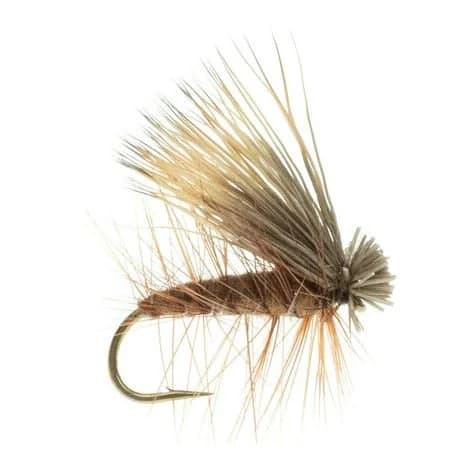
The Elk Hair Caddis: How to Tie the Fly That Works Everywhere, All Season, on Everything
Tuesday, April 21, 2026
 ™
™