
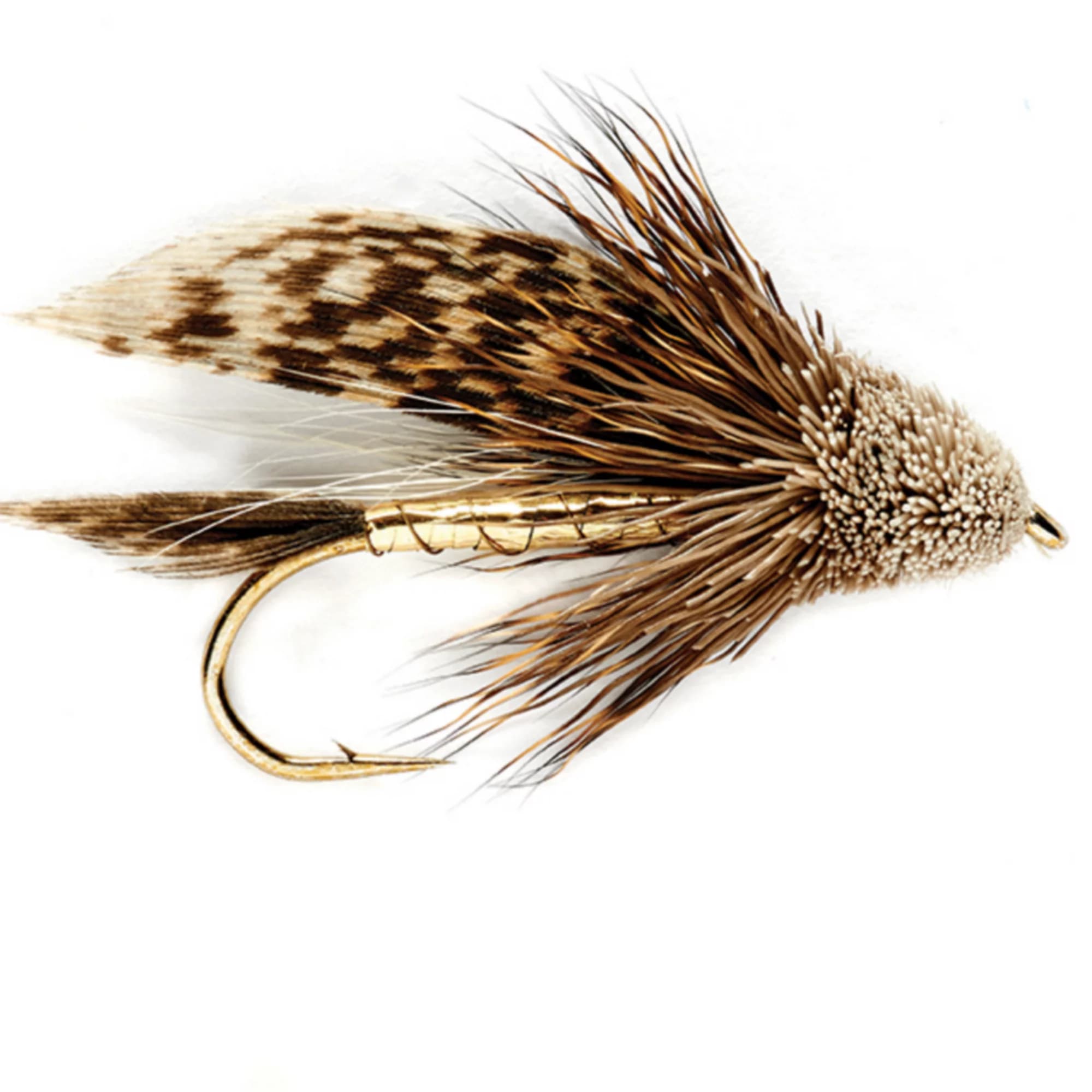
The Muddler Minnow: How to Tie the Fly That Imitates a Sculpin, a Grasshopper, a Stonefly, and Whatever Else You Need It to Be
Don Gapen tied the first Muddler Minnow by lantern light in a camp on the Nipigon River in 1936, imitating the sculpins that big brook trout were eating. Almost 90 years later, the spun deer-hair head he invented is still the most versatile design in fly tying.

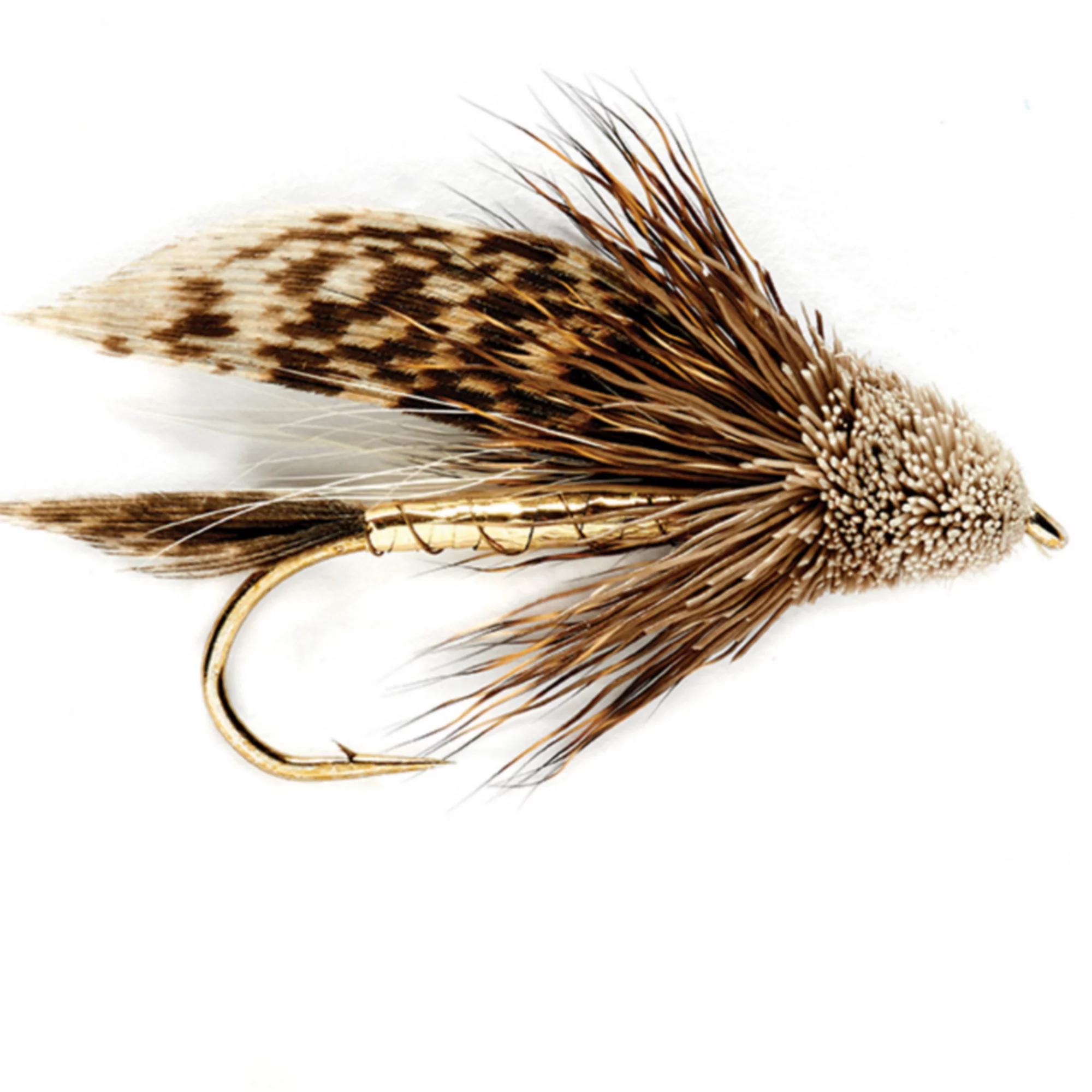 The Muddler Minnow — spun deer hair head, turkey quill wing. Photo: Orvis.
The Muddler Minnow is the fly that does everything. Fish it on the bottom and it imitates a sculpin. Fish it in the mid-column and it imitates a baitfish. Fish it on the surface and it imitates a grasshopper. Skate it across the current on a riffle hitch and it imitates a caddis. Wake it through a tailout at dusk and a steelhead will try to kill it.
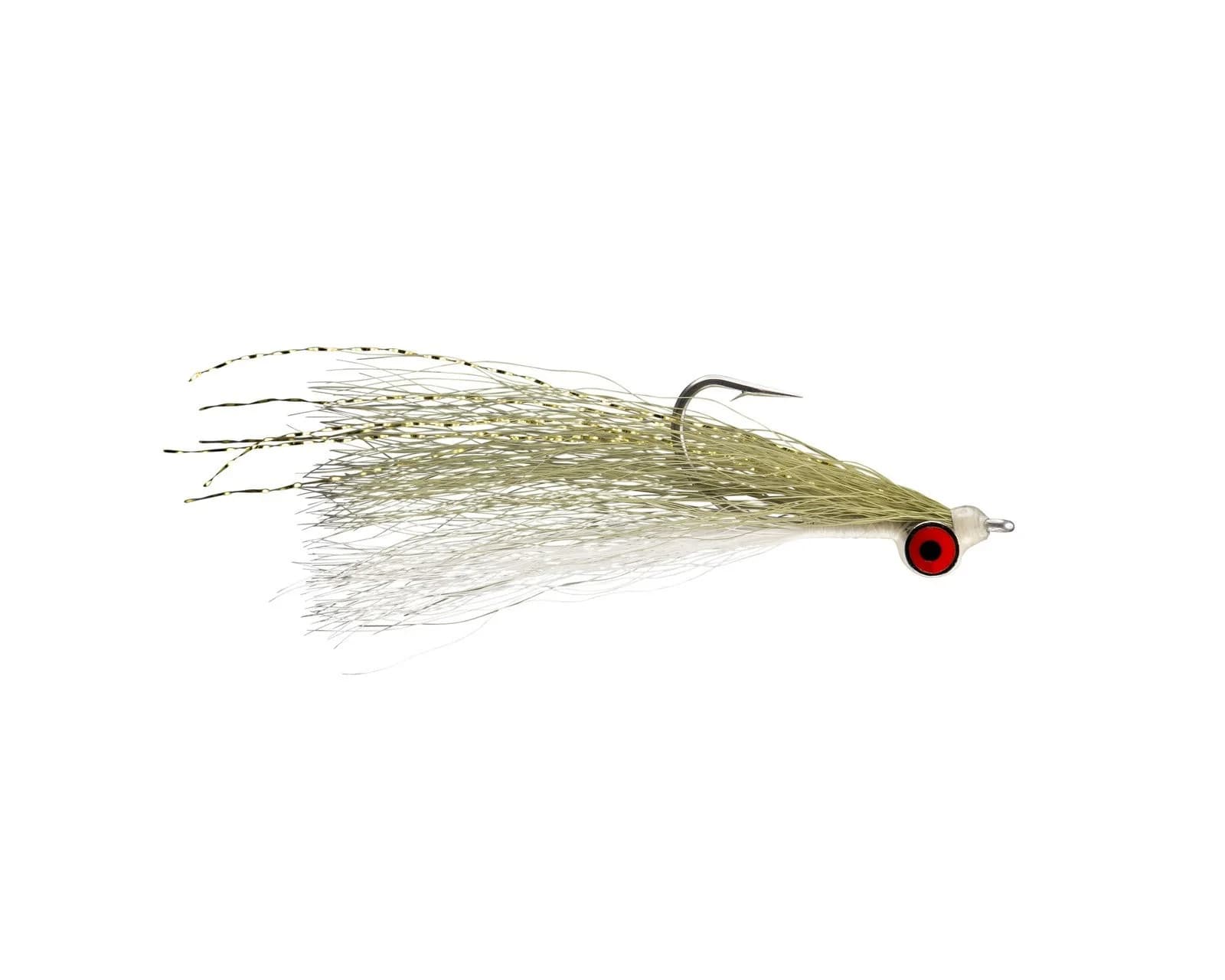
No other pattern in fly fishing has this range. The Woolly Bugger is versatile, but it's a one-trick fly — strip it through the water column and something will eat it. The Clouser Minnow is deadly, but it only fishes subsurface. The Muddler Minnow fishes the entire water column — bottom, middle, and top — depending on how you rig it and how you retrieve it. And at every depth, it imitates something different.
The secret is the deer-hair head. Hollow deer body hair, spun and packed around the hook shank, creates a buoyant, bulky profile that pushes water, creates vibration, and provides the broad, flattened silhouette of a sculpin's head. Trimmed close, it sinks. Left full, it floats. Greased with floatant, it skates. That single design element — a clump of deer hair spun around a hook — makes the Muddler the most versatile fly ever tied.
The History — Lantern Light on the Nipigon
Don Gapen of Anoka, Minnesota tied the first Muddler Minnow in 1936 on the Nipigon River in Ontario, Canada. He was fishing for the massive brook trout that the Nipigon was famous for — fish over 5 pounds, which was extraordinary for brookies — and he wasn't catching them on the traditional streamers and wet flies of the era.
Gapen watched First Nations guides capture sculpins from the river and explain their importance as forage for the big trout. Sculpins — bottom-dwelling, broad-headed baitfish that dart between rocks in short bursts — were the primary food source for the largest brook trout in the river. That night, by lantern light in camp, Gapen tied a fly from the materials he had on hand: deer hair for the head, turkey tail feather slips for the wing, gold tinsel for the body, and gray squirrel tail for the underwing. He lashed it to a long-shank streamer hook and fished it on the bottom the next morning.
It caught big brook trout immediately.
Gapen's original was tied sparse — the deer-hair head was small and scraggly, just enough to suggest the sculpin's broad profile and provide some water resistance. The dense, tightly packed, trimmed deer-hair head that most tiers associate with the Muddler today was actually the innovation of Dan Bailey, the legendary Montana fly shop owner, around 1950. Bailey's modification made the fly more buoyant (it could now fish on the surface) and more durable, and it became the standard that spread the Muddler Minnow worldwide.
What It Imitates
The Muddler's genius is that it imitates different things at different depths:
On the bottom (weighted, sinking line): A sculpin — the original intended imitation. The broad deer-hair head mimics the sculpin's flattened head profile. The mottled turkey wing echoes the sculpin's mottled body. Fished with short, darting strips along the bottom, it looks exactly like a sculpin trying to escape from rock to rock. This is the technique for targeting big browns on rivers like the Bighorn, Madison, and Missouri.
In the mid-column (unweighted, floating line): A generic baitfish or large nymph. The deer-hair head provides just enough buoyancy to slow the fly's sink rate, keeping it in the mid-column on a dead-drift or slow swing. Effective on any river where trout eat minnows and large invertebrates.
On the surface (greased, floating line): A grasshopper, large stonefly, or caddis. The buoyant deer-hair head keeps the fly riding in the surface film, and the mottled turkey wing lays flat like a grasshopper's folded wing. This is the Muddler's secret identity — it's one of the best hopper patterns ever designed, and most anglers don't know it. Fish it dead-drift along grassy banks on the Driftless, Battenkill, and Henry's Fork during summer.
Skating across the surface (riffle hitch or waking retrieve): A caddis or emerging insect creating a wake. The deer-hair head plows water and creates a V-wake that drives trout and steelhead crazy. On the Olympic Peninsula, skating a Muddler across a steelhead tailout on a warm afternoon is one of the most dramatic takes in fly fishing — the fish explodes on the waking fly in a foot of water.
The Recipe — Standard Muddler Minnow
| Component | Material |
|---|---|
| Hook | 3XL or 4XL streamer hook, #2-12 (Mustad R73NP, TMC 5263, Dai-Riki 700) |
| Thread | 6/0 or 3/0 flat waxed, tan or brown (switch to heavy thread for deer hair) |
| Tail | Mottled turkey quill segments — matched pair |
| Body | Flat gold tinsel (Mylar) |
| Underwing | Gray squirrel tail hair |
| Wing | Mottled turkey quill segments — matched pair, extending to tail |
| Collar | Natural deer body hair — flared but untrimmed |
| Head | Natural deer body hair — spun, packed, and trimmed to shape |
How to Tie It — Step by Step
The Muddler Minnow is an advanced fly. The deer-hair head requires spinning and packing techniques that take practice to master. If you've never spun deer hair before, tie 10 practice heads on bare hooks first.
Step 1: Tail. Tie in matched turkey quill segments at the bend — one segment on each side of the hook, curving outward. The tails should extend about half a shank length past the bend. Turkey quill is fragile — handle it gently and secure it with firm but not crushing thread wraps.
Step 2: Body. Tie in flat gold tinsel at the base of the tail and wrap it forward over the rear two-thirds of the shank in tight, overlapping turns. The tinsel body should be smooth and even. Tie off at the two-thirds mark — the front third is reserved for the deer-hair head.
Step 3: Underwing. Tie in a sparse clump of gray squirrel tail hair on top of the shank at the front of the tinsel body. The hair should extend to the tip of the tail. Squirrel tail provides movement and a mottled silhouette under the turkey wing.
Step 4: Wing. Tie in matched turkey quill segments on top of the squirrel underwing — one on each side, curving inward to tent over the body. The wing tips should extend to the end of the tail. This is the trickiest part besides the deer hair — the turkey must be centered and symmetrical.
Step 5: Collar. Switch to heavier thread (3/0 or Kevlar) for the deer hair. Cut a pencil-width clump of deer body hair, clean out the underfur with a comb, and even the tips in a hair stacker. Hold the clump on top of the shank just in front of the wing, and make 2-3 loose wraps. Then pull straight down — the hair will flare and spin partway around the shank. The tips should extend rearward over the wing as a collar. Secure with tight wraps.
Step 6: Head. Cut another clump of deer hair (no need to stack this one — the tips will be trimmed). Hold it on top of the shank in front of the collar. Make 2 loose wraps, then pull down firmly — the hair will spin 360 degrees around the shank and flare outward. Pack the hair tightly toward the collar using your fingers or a hair packer. Repeat with 2-3 more clumps, packing each one tightly against the previous clump, until the head fills the remaining shank space to the hook eye. Whip finish at the hook eye.
Step 7: Trim. Remove the fly from the vise. Using sharp scissors or a razor blade, trim the deer-hair head into shape — flat on the bottom (to create the sculpin's broad, flat head profile), rounded on top and sides. Leave the collar untrimmed — the flared tips sweeping back over the wing are part of the fly's silhouette. The finished head should be roughly the shape of a bullet or a sculpin's head — wider than it is tall.
The Variations
Natural/Standard (#4-8) — The original recipe above. Gold tinsel body, turkey wing, deer-hair head. The universal version that covers sculpin, baitfish, and hopper impressions. Your first Muddler.
Marabou Muddler (#2-8) — Marabou replaces the turkey quill wing. The marabou breathes and pulses in the water, creating more movement than turkey quill. Better as a streamer for stripping through pools and runs. Less effective as a surface fly because the marabou absorbs water.
Black Muddler (#4-8) — Black deer hair, black turkey or marabou wing, black body. The low-light specialist. Fish it at dawn, dusk, or on overcast days when you want maximum silhouette against the sky. Excellent for Deschutes browns at last light.
White Muddler (#2-6) — White deer hair, white wing, silver tinsel body. A baitfish imitation for larger water — streamer fishing on rivers and lakes where trout eat smelt, alewives, or shiners.
Weighted/Conehead (#2-6) — A brass or tungsten cone head added behind the deer-hair head. Gets the fly down into the sculpin zone fast. The best version for actively fishing the bottom on heavy rivers like the Madison and Missouri.
Mini Muddler (#10-14) — Scaled down for smaller water. Excellent as a grasshopper imitation on spring creeks and small freestones. The mini Muddler in #12 is a devastating hopper pattern on Driftless Area streams and PA limestone creeks.
Where to Fish It
-
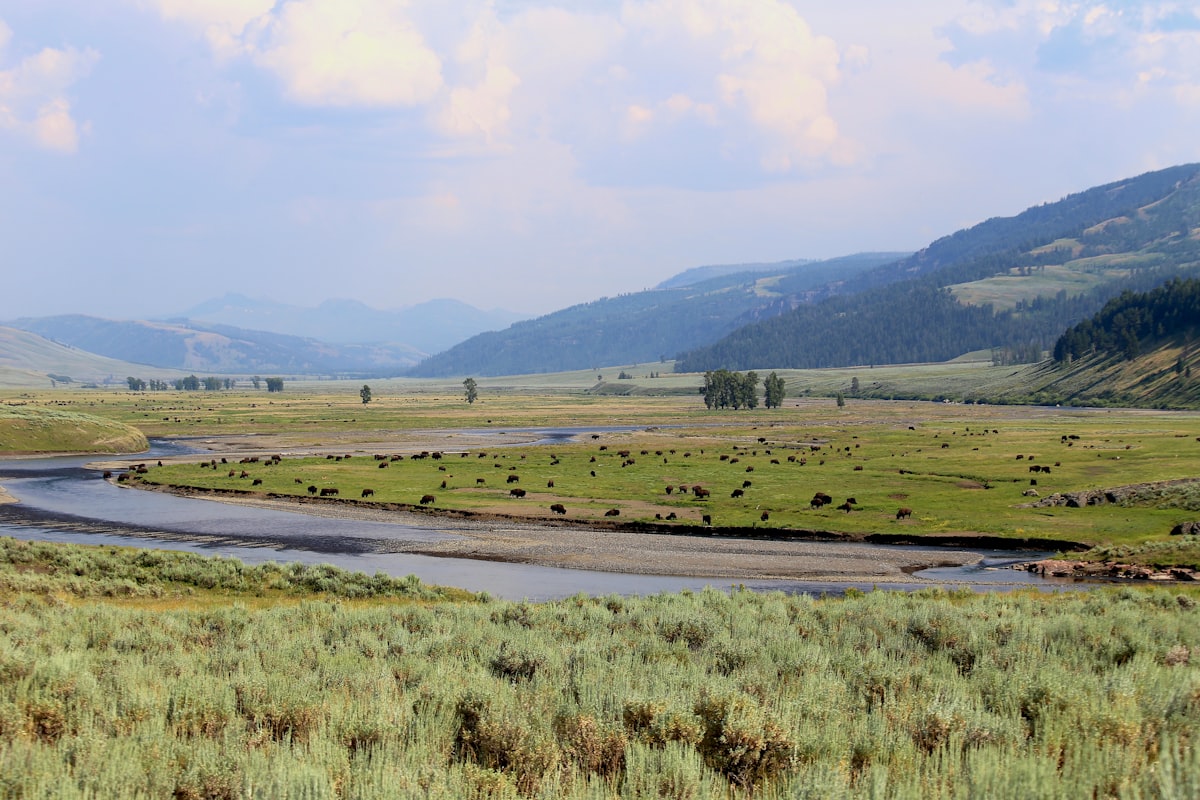
The Bighorn River, Montana — Weighted Muddler in #4-6 stripped along the bottom for big browns. The Bighorn's sculpin population feeds the largest trout in the river.
-
The Madison River, Montana — Conehead Muddler in the canyon section's deep runs. Also works as a skating fly on the tailouts during warm afternoons.
-
The Lower Deschutes, Oregon — Black Muddler at dusk, stripped through the canyon pools. The Deschutes' big redsides and browns eat sculpin-sized meals.
-
Olympic Peninsula Steelhead, WA — Skating a Muddler across steelhead tailouts on a floating line when water temps are above 50°F. The waking fly provokes explosive surface takes.
-
The Driftless Area, Wisconsin — Mini Muddler in #12 as a grasshopper imitation. Dead-drift it along grassy banks in July and August.
-
The Battenkill, Vermont — Muddler in #8-10 fished as a sculpin imitation in the deeper pools, or as a hopper on the long, meadow glides.
-
The Farmington River, Connecticut — Marabou Muddler in #6 swung through the deeper runs for holdover browns that eat baitfish.
How to Fish It — Four Ways
1. Sculpin on the bottom. Weight the fly (or use a sinking line/sink tip) and fish it with short, aggressive strips — 6-inch pulls with pauses — right along the bottom. Sculpins don't swim in open water; they dart between rocks in short bursts. Imitate that movement. This produces the biggest fish because sculpin-eaters are the biggest trout in the river.
2. Streamer in the column. Unweighted, on a floating or intermediate line. Cast across and downstream, let the current swing the fly broadside through the run, and strip it back with erratic pulls. The deer-hair head provides enough water resistance to create a pulsing, darting movement that triggers chasing predators.
3. Hopper on the surface. Grease the deer-hair head with floatant and dead-drift it along grassy banks. The turkey wing lays flat like a grasshopper's wing. The drift should be drag-free — just like fishing a dry fly. When a trout eats it off the surface, the take looks exactly like a hopper eat: a confident, splashy rise.
4. Skating fly for steelhead. Tie the Muddler on with a riffle hitch — two half-hitches behind the head that angle the fly so it plows water and creates a wake when swung across the current. Cast across and let the current swing the fly on a tight line. The wake is the trigger — steelhead see the disturbance and explode on it from below.
How to Tie It — Video Tutorials
The Muddler Minnow is the fly that teaches deer-hair spinning. Once you can spin a Muddler head, you can tie bass bugs, mouse patterns, and every other deer-hair fly in the catalog.
The standard: Charlie Craven's Muddler Minnow tutorial — Clear instruction on turkey quill wings and deer-hair spinning from one of the best instructors in the game.
The deep dive: Tim Flagler's Muddler Minnow — Flagler's detailed approach with tricks for cutting turkey quill with a razor blade and using a straw for hair packing. If you're struggling with deer hair, this is the tutorial.
Quick overview: Flylords' How to Tie the Muddler Minnow — Written step-by-step with photos for reference alongside video.
Tips From the Vise
Use good deer hair. Not all deer hair spins equally. You want deer body hair (not leg hair, which is too coarse) from a winter-killed deer (the hair is hollower and flares better). Coastal deer and whitetail belly hair spin beautifully. Elk hair doesn't spin well — it's too coarse and straight. If your hair isn't flaring, the hair is the problem, not your technique.
Pack tightly. The difference between a good Muddler head and a bad one is packing pressure. After each clump of deer hair spins around the shank, push it back firmly against the previous clump with your fingers or a hair packer. Tight packing creates a dense head that holds its shape after trimming and doesn't absorb water as quickly.
Trim last. Tie the entire fly — tail, body, wing, collar, and head — before trimming the head to shape. It's tempting to trim as you go, but you need the full head packed before you can see the final proportions and make accurate cuts.
Flat bottom. The sculpin has a flat belly — its body sits flush against the river bottom. Trim the bottom of the Muddler head flat so the fly rides hook-point up and presents the correct silhouette. A round head looks like a ball, not a sculpin.
Build Your Box
- Natural Muddler #6 and #8 (4 each) — the universal version
- Black Muddler #6 (4) — low-light streamer
- Conehead Muddler #4 (4) — deep sculpin fishing
- Mini Muddler #12 (4) — hopper imitation for small water
- Marabou Muddler #4 (4) — streamer for larger rivers
That's 24 flies — and each one takes more time than a Clouser or San Juan Worm because of the deer-hair head. Budget a full evening at the vise for the Muddler box. But once you've spun 24 deer-hair heads, you'll own a technique that opens up an entire category of fly tying you didn't have before.
Frequently Asked Questions
Who invented the Muddler Minnow?
Don Gapen of Anoka, Minnesota tied the first Muddler Minnow in 1936 on the Nipigon River in Ontario, to imitate sculpins for large brook trout. Dan Bailey of Livingston, Montana later modified the fly around 1950 with the dense, trimmed deer-hair head that became the standard.
What does the Muddler Minnow imitate?
Depending on how you fish it: a sculpin (on the bottom), a baitfish (mid-column), a grasshopper or stonefly (on the surface), or a skating caddis (waked across the current). No other fly imitates this many different food items at different depths.
Is the Muddler Minnow hard to tie?
Yes — it's an advanced pattern. The deer-hair head requires spinning and packing techniques that take practice. Tie 10 practice heads on bare hooks before attempting the full fly. Once you master deer hair, you can tie bass bugs, mouse patterns, and other spun-hair flies.
How do you fish a Muddler Minnow for steelhead?
Skating — tie it on with a riffle hitch (two half-hitches behind the head) and swing it across the current on a floating line. The deer-hair head creates a V-wake on the surface that provokes explosive strikes from steelhead in tailouts when water temps are above 50°F.
What size Muddler Minnow should I use?
Size 6-8 is the standard for most trout fishing. Size 2-4 for sculpin imitation and streamer work on bigger rivers. Size 10-14 (mini Muddler) for grasshopper imitation on small streams and spring creeks.
Related Articles
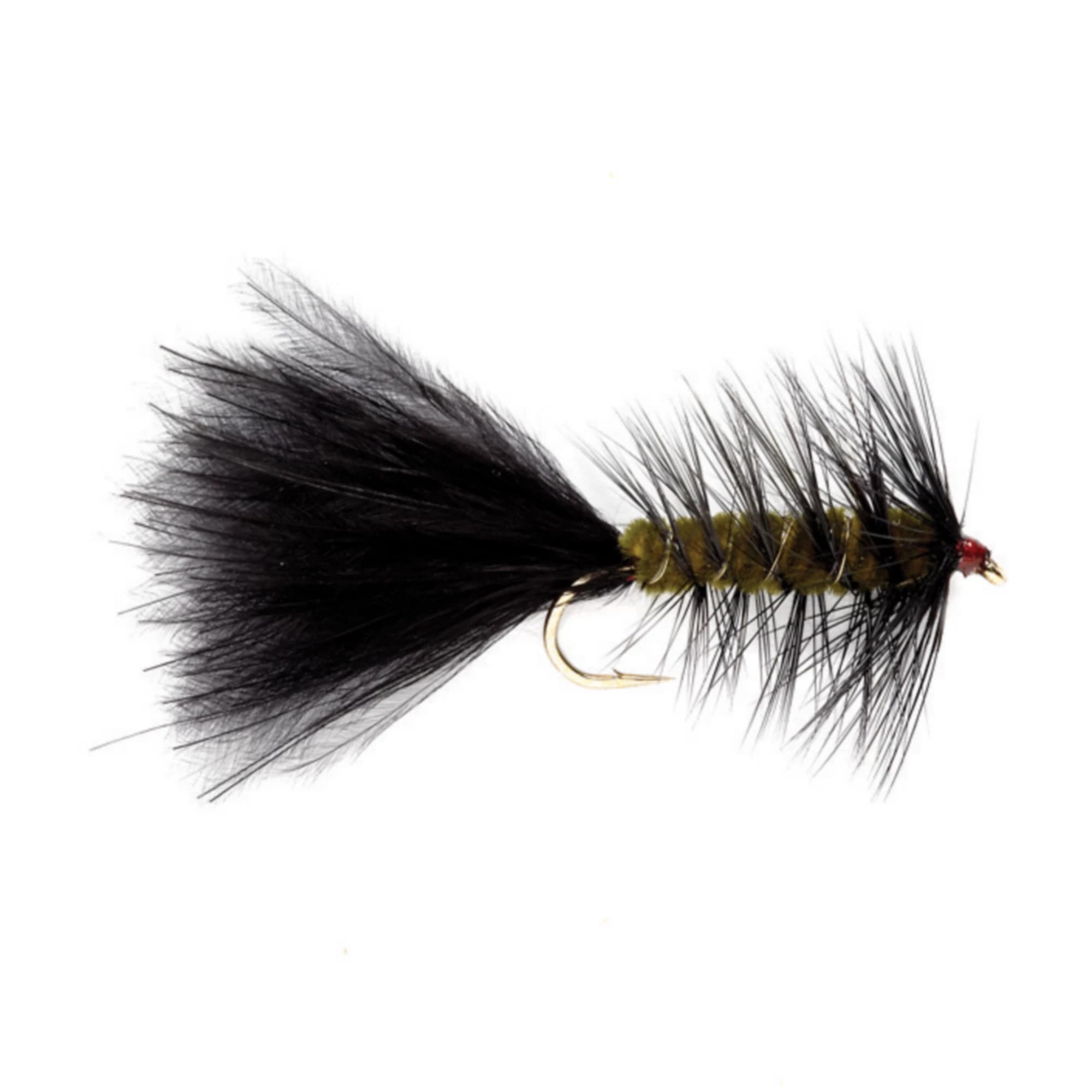
The Woolly Bugger: How to Tie the Fly That Catches Everything That Swims
Friday, April 17, 2026
The Clouser Minnow: How to Tie the Fly That Catches Everything With Fins, From Bonefish to Bass to Stripers
Friday, November 28, 2025
Fly Fishing the Bighorn River: The Technical Tailwater, the Trico Dawn, and the 13 Miles That Reward Patience
Friday, February 20, 2026
 ™
™