
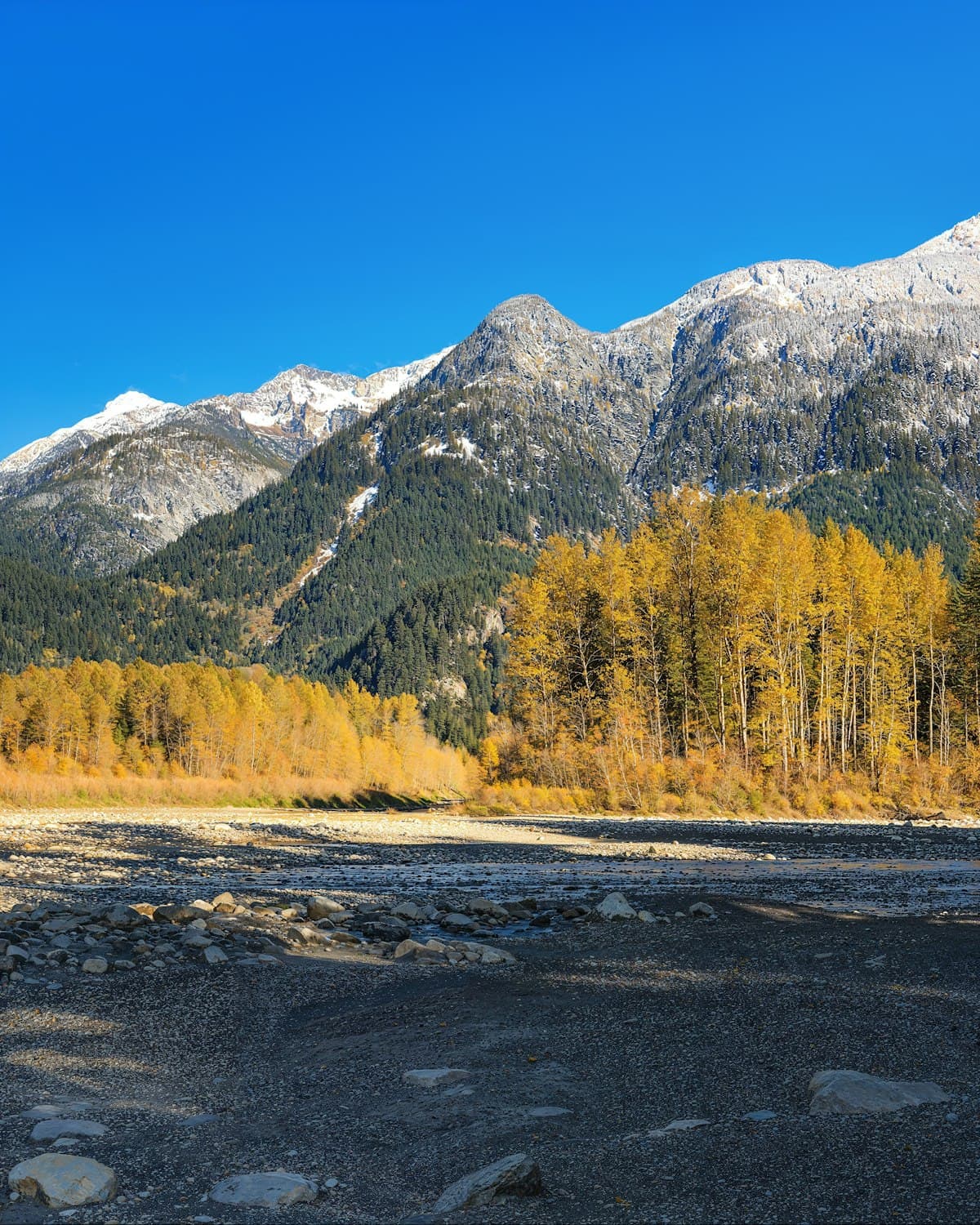
How to Fish the Skeena River and Terrace, BC: Steelhead, Chinook, Coho, and Every Technique That Works
The Skeena River system near Terrace holds wild steelhead, chinook over 60 pounds, and all five Pacific salmon — and the techniques to catch them range from Spey casting to float fishing to spin casting from the bank.

The Skeena River system near Terrace, British Columbia is famous for fly fishing — Spey rods, swung flies, and wild steelhead — and that reputation is deserved. But fly fishing is not the only way to catch fish here, and it is not even the most productive method for some species. Float fishing (centerpin), spin casting, and gear fishing all have their place on the Skeena, and for chinook salmon in particular, conventional tackle is often the better tool.
This guide covers every technique that works on the Skeena and its tributaries — from the traditional Spey swing to float fishing with roe to casting spinners from the bank. For the dedicated fly fishing breakdown (Spey casting, fly patterns, sink tips), see our Fly Fishing the Skeena River guide. For trip planning, lodges, and logistics, see our Skeena River destination guide.
Steelhead: Techniques Beyond the Fly Rod
While Spey fishing gets the attention, float fishing (centerpin) is equally effective for steelhead and more accessible for anglers without Spey casting experience.
Float Fishing (Centerpin)
Float fishing presents bait or artificial offerings under a float, drifting naturally through steelhead holding water at the exact depth the fish are sitting. It is arguably the most effective steelhead technique in terms of raw catch rate, because the presentation is natural and the bait is in the strike zone for the entire drift.
The rig: A 10'6" to 13' float rod paired with a centerpin reel (free-spinning, no drag) loaded with 12 to 15 pound monofilament mainline. A sliding float set to the target depth (typically 4 to 8 feet on the tributaries). Below the float: a series of split shot graduated from large to small, a swivel, and 3 feet of 8 to 10 pound fluorocarbon leader to a single barbless hook (sizes 1 to 4).
Bait: Cured salmon or steelhead roe (eggs) in small clusters, presented in a yarn or mesh bag. Roe is the most productive steelhead bait on the Skeena. Also effective: worms, pink or orange yarn balls (synthetic egg imitations), and small jigs tipped with bait. Regulations vary by tributary — some classified waters prohibit bait and allow only artificial lures or flies.
The drift: Cast upstream at 45 degrees, let the float land softly, and allow the current to carry the rig downstream through the run. The centerpin reel feeds line freely, providing a drag-free drift that keeps the bait moving at the speed of the current. When a steelhead takes, the float goes down — set the hook with a firm upstream sweep of the rod.
Where it works: Float fishing excels in the slower, deeper runs and tailouts of the Kalum, Copper, and Kitimat rivers. It is less effective in fast, broken water where maintaining a clean drift is difficult.
Fly Fishing the Skeena River Using Various TechniquesSpin Fishing
Spin fishing is the most accessible technique for visiting anglers without specialized steelhead gear.
For steelhead: A 9' to 10'6" medium-heavy spinning rod with a 3000-4000 size reel loaded with 12 to 15 pound monofilament or 20 to 30 pound braid. Cast spinners (Blue Fox Vibrax #4-5 in silver, pink, or chartreuse), spoons (Little Cleo, Gibbs Croc in pink or chrome), or drift bobbers (Corky/Spin-N-Glo with a trailing hook tipped with roe) across and downstream through steelhead runs. The lure swings across the current — similar to a swung fly but with more weight and flash.
For coho: Same spinning setup but lighter — 8 to 10 pound line, smaller spinners (#3-4 Blue Fox in silver or pink). Coho are aggressive and will chase spinners and spoons through the tributaries. Cast into pools where coho are visible and retrieve with a moderate, steady retrieve. September on the Kalum with a spinner is productive, fast-paced fishing.
For pink salmon (odd years): Light spinning tackle — 6 to 8 pound line, small pink spinners or jigs (1/8 to 1/4 oz in pink, chartreuse, or white). Pinks are not selective and will hit almost anything pink. The tributaries fill with pinks in August, and the action on light spinning gear is nonstop.
Jet Boat Fishing for Chinook
Chinook salmon on the main Skeena are primarily a boat fishery. The river is too big and too powerful to wade effectively for chinook, and the fish hold in deep slots, back channels, and tributary mouths that are only accessible by jet boat.
The method: A jet boat guide runs you to productive water — gravel bars, tributary confluences, and deep pools where chinook hold during their upstream migration. Techniques include:
Back-bouncing: The guide holds the boat in current while you lower a weight (4 to 8 ounces) to the bottom with a trailing leader and bait (cured roe, plug-cut herring, or Spin-N-Glo). The weight bounces along the bottom as the boat slowly drops downstream. Chinook pick up the bait and the rod tip dips — set the hook and hold on. A 40-pound Skeena chinook on a back-bouncing rig is a battle of endurance.
Bar fishing: The guide beaches the boat on a gravel bar and you fish from the bar, casting or drifting gear into the current seam where chinook travel. Long rods (10'6" to 12'), heavy line (25 to 40 pound), and large baits or lures. This is patient fishing — you are waiting for a fish to move through your water.
Plugs: Kwikfish, FlatFish, and Brad's Wiggler plugs fished behind the jet boat as it holds in current. The plug dives and wobbles in the current, imitating an injured baitfish. Chinook hit plugs hard — the rod slams down and the fish is usually hooked before you can react.
Fly Fishing Tricks — Ideal Skeena River SetupCoho Salmon: The Tributary Fighter
Coho arrive in the Skeena tributaries in September and provide the most consistently exciting fishing of the fall season. They hit aggressively on all tackle types, jump repeatedly, and are present in numbers that make multi-fish days routine.
Fly fishing: An 8-weight single-hand rod with a sink-tip line. Egg-Sucking Leeches, pink Woolly Buggers, and Coho Flies (pink/white, chartreuse) in sizes 2-6, swung or stripped through tributary pools. Coho will chase a fly aggressively, and the take is often visible — a flash of silver in the current followed by a tight line.
Spin fishing: Blue Fox Vibrax spinners (#3-4, silver or pink) or small spoons cast and retrieved through pools. Coho will follow a spinner and hit it multiple times if they miss on the first pass. Keep casting to the same fish.
Float fishing: Roe or jigs under a float, drifted through the pools and runs where coho are stacked. Extremely productive when fish are concentrated.
Sockeye Salmon
Sockeye run the Skeena in massive numbers in July and August. Recreational retention depends on run strength and DFO regulations — check before your trip, as some years are open and some are catch-and-release only.
Technique: Sockeye are notoriously difficult to catch on traditional gear because they do not feed actively in freshwater. The standard technique is "flossing" — drifting a bare hook or small fly through a school of sockeye at the depth where their mouths are, hoping the line pulls into a fish's mouth and sets. This is controversial and some anglers consider it unsporting. Where retention is open, sockeye can also be caught on small, bright flies (size 6-8 in red, pink, or chartreuse) drifted through holding water at precise depth.
New Flies and Techniques for Salmon and SteelheadWater Levels and Conditions
The Skeena system is heavily influenced by rainfall and snowmelt. Understanding water conditions is critical for choosing the right technique and the right river on any given day.
High, coloured water: After heavy rain, the tributaries rise and muddy. Float fishing with bright bait (roe under a large, visible float) is the most productive technique because steelhead can smell the bait even when they cannot see far. Large, dark flies on heavy sink tips also work for fly anglers. Spin fishing is less effective because lure visibility is poor.
Normal flows: The sweet spot. Water is green to slightly off-colour, and all techniques work. This is when the fishing is at its best — steelhead can see a swung fly, a drifted float, or a flashing spinner, and they are comfortable in their holding lies.
Low, clear water: Steelhead become spooky. Lighter leaders, smaller lures, and stealthier approaches are required. Fly anglers downsize to small, sparse patterns on floating lines. Float fishers reduce split shot and use smaller floats. Spin fishers switch to lighter lures and longer casts to avoid spooking fish. Approach holding water carefully — heavy footsteps on the bank and sloppy wading send steelhead running.
Blown out: After major rain events, the tributaries can flood and become unfishable (chocolate brown, dangerous currents). Wait it out. The rivers typically clear in 24 to 48 hours. Your guide will know which tributaries clear first — the Kalum clears faster than the Copper because it drains a smaller watershed.
When Each Technique Shines
Float fishing: Best in higher, off-colour water when natural scent gives bait an advantage. Also excellent in cold water (late October, early spring) when steelhead are sluggish and holding tight to the bottom — a perfectly drifted roe bag at their exact depth is hard to refuse.
Fly fishing (Spey): Best in normal to low flows with moderate water temperatures (8-14°C). The swung fly presentation requires steelhead that are willing to move laterally for a fly — warmer water and moderate flows produce the most aggressive takes.
Spin fishing: Best in moderate flows for covering water quickly. A spinner or spoon covers a run faster than a swung fly or a float drift. Effective when steelhead are spread out across a section and you need to find them.
Jet boat (chinook): The only practical method for chinook on the main Skeena. The main river is too big, too powerful, and too deep to wade effectively for king salmon.
Tackle Summary
| Target | Method | Rod | Reel | Line | Terminal |
|---|---|---|---|---|---|
| Steelhead (fly) | Spey swing | 13' 7wt Spey | Large arbor fly | Skagit 475gr + tips | Intruder, String Leech |
| Steelhead (float) | Centerpin drift | 11'-13' float rod | Centerpin | 12-15 lb mono | Float, roe, split shot |
| Steelhead (spin) | Cast and retrieve | 9'-10'6" MH spin | 3000-4000 spin | 12-15 lb mono | Blue Fox #4-5, spoons |
| Chinook (boat) | Back-bounce/plug | 10'6"-12" H | Level-wind | 25-40 lb mono/braid | Roe, plugs, Spin-N-Glo |
| Coho | All methods | 8wt fly or 9' M spin | Fly or 3000 spin | 10-12 lb or 8wt fly | Spinners, leeches, roe |
| Pink (odd years) | Light spin | 7' ML spin | 2500 spin | 6-8 lb mono | Pink jigs, small spinners |
Regulations
Steelhead: All wild steelhead are catch-and-release only. Barbless, single hooks mandatory. Many tributaries are classified waters requiring a guide or classified waters licence for non-residents.
Salmon: Retention rules vary by species, river section, and run timing. Chinook retention is often restricted to hatchery-marked fish only (adipose fin clipped). Coho retention varies by tributary. Check DFO and BC freshwater regulations for the specific rivers and dates you plan to fish.
Licence: BC freshwater angling licence required. Non-residents: approximately $80 CAD for an 8-day licence. Classified waters surcharge applies on designated tributaries. DFO tidal waters licence needed for the lower Skeena estuary.
Bait restrictions: Some classified waters and some river sections prohibit bait — artificial lures and flies only. Check regulations for each specific tributary before rigging.
Practical Tips
Hire a guide for your first trip. The Skeena system is vast — the main river and its tributaries cover hundreds of kilometres of fishable water. A local guide knows which tributaries are in shape today, where the fresh fish entered yesterday, and which technique matches the current water conditions. Without a guide, you can spend days fishing the wrong water at the wrong depth.
Bring two rigs. Conditions change during the day and between tributaries. Having both a fly setup and a float or spin setup means you can switch techniques without going back to the truck. Many Skeena anglers carry a Spey rod and a float rod and decide which to use based on the run they are approaching.
Get your roe cure right. If you are float fishing, the quality of your roe matters. Cure it yourself before the trip using a proven recipe (Pautzke Fire Cure is the standard), or buy pre-cured roe from a Terrace tackle shop upon arrival. Fresh, properly cured roe catches more steelhead than old, mushy bait.
Dress warm and waterproof. Terrace averages 166 mm (6.5 inches) of rain in September alone. Cold rain, cold water, and long days on the river demand quality rain gear and warm mid-layers. Hypothermia is a real risk if you fall in while underdressed.
Respect the classified waters system. The classified waters regulations exist to protect the fishery and the guide economy that sustains it. Non-resident anglers on classified tributaries must fish with a guide or purchase a classified waters licence. These rules are enforced, and the fines are significant.
Fly Fishing — Steelhead on the Fly Skeena and North Coast Fisheries Update 2025Recommended Gear
Raven IM8 13' Float Rod
Centerpin steelhead float fishing — long rod for long, controlled drifts
Raven Matrix XL Centerpin Reel
Free-spinning centerpin for drag-free float drifts — the Skeena standard
Shimano Convergence 10'6" MH Spinning Rod
Versatile spin rod for steelhead and coho on the tributaries
Shimano Stradic FL 3000 Spinning Reel
Sealed body handles rain and cold — smooth drag for steelhead runs
Okuma SST 10'6" H Salmon Rod
Heavy salmon rod for chinook back-bouncing and bar fishing from the jet boat
Shimano Tekota 600 Level-Wind Reel
Chinook reel — level-wind, smooth drag, handles 40 lb fish in heavy current
Blue Fox Vibrax Spinner #4 Silver
The classic Skeena spinner for steelhead and coho — cast and retrieve through runs
Gibbs Croc Spoon 3/4 oz Chrome Pink
Casting spoon for steelhead and coho in deeper pools
Pautzke Fire Cure Salmon Egg Cure
Cure your own roe for float fishing — the most productive steelhead bait on the Skeena
Simms G3 Guide Stockingfoot Waders
Premium waders — cold northern BC water and slippery cobble demand quality gear
Top Fishing Guides in Terrace
The Skeena system rewards local knowledge across every technique — whether you are swinging flies for steelhead, floating roe through a coho pool, or back-bouncing for chinook from a jet boat. A Skeena guide knows which rivers are in shape today, where the fresh fish are holding, and which technique matches the conditions. That knowledge turns a trip to northern BC into the fishing experience of a lifetime.
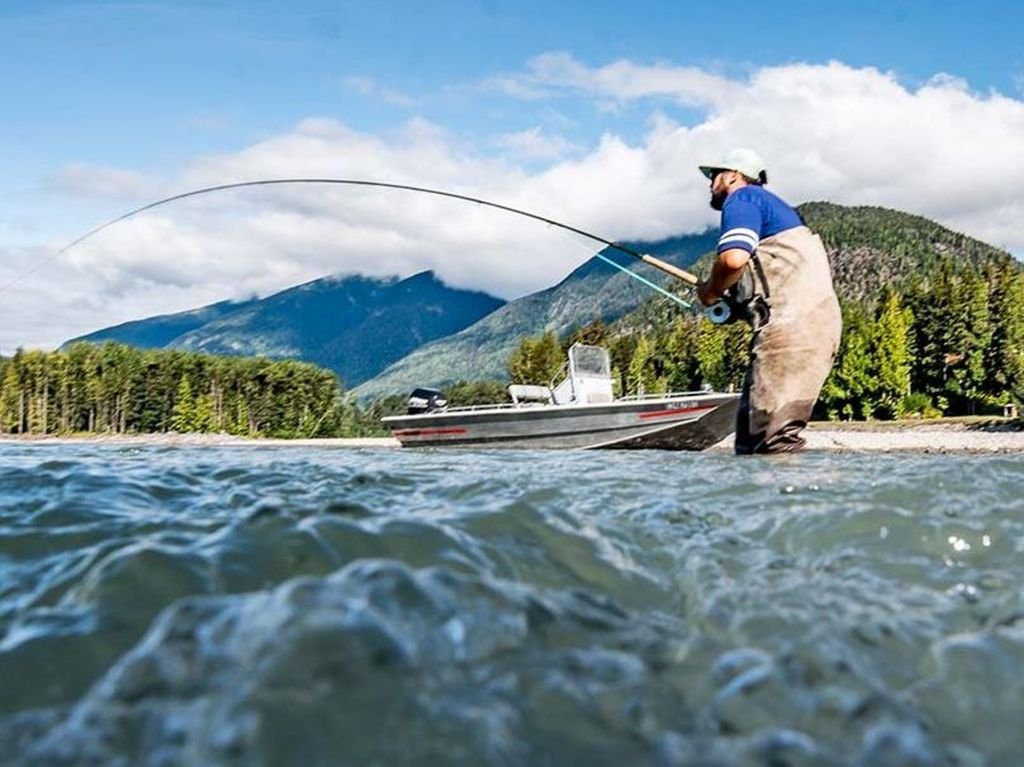
Skeena River Lodge
Terrace, BC, CA
Skeena River Lodge specializes in world-class steelhead fly fishing in British Columbia's remote Nass Watershed. The lodge combines a rustic, welcoming atmosphere with a genuine commitment to sustainable fishing practices, creating an authentic northern experience for anglers of all skill levels. Guests enjoy six full days of guided fishing on pristine, medium-sized rivers that are ideal for wading and often see few other anglers. The lodge's seasoned guides leverage their deep knowledge of these waters to maximize success while maintaining the region's ecological integrity. A strong base of returning clients speaks to the lodge's reputation for delivering both exceptional fishing and memorable wilderness adventures.

Reel North Adventures
Terrace, BC, CA
Reel North Adventures specializes in guided fishing experiences throughout Northern British Columbia's most pristine waters, including the Skeena, Omineca, and Cariboo regions. Their expert local guides bring over 30 years of combined experience to each outing, offering deep knowledge of remote lakes and rivers that remain largely untouched by commercial fishing. The operation focuses on salmon, steelhead, and trout across diverse water systems, with trips tailored to suit anglers of all skill levels—from those just discovering the sport to experienced fly-fishers seeking new challenges. Every expedition includes top-of-the-line equipment and personalized instruction, ensuring guests receive the guidance and gear needed to make the most of their time on the water in one of Canada's most rewarding fishing destinations.
The Steelhead House
Terrace, BC, CA
The Steelhead House is a premier guided fishing service based in Terrace, British Columbia, specializing in world-class steelhead and salmon fishing on the legendary Skeena and Kitimat rivers. These pristine waters are renowned for their abundant runs of wild steelhead and impressive Chinook salmon, with trophy fish regularly exceeding 30 pounds. With nearly year-round fishing opportunities, anglers enjoy extended seasons to pursue their quarry in prime conditions. The operation distinguishes itself through comprehensive, all-inclusive packages that handle the details—accommodations, meals, and expert guiding—allowing guests to focus entirely on the fishing experience. The guide's commitment to exceptional customer service ensures each trip is tailored to deliver both memorable catches and genuine hospitality in one of British Columbia's most celebrated fishing destinations.
BC Steelhead
Terrace, BC, CA
BC Steelhead brings over 45 years of expert knowledge to the Skeena River and its tributaries in Terrace, British Columbia. Their guides specialize in pursuing wild steelhead, Chinook, and Coho salmon across spring, summer, and fall seasons, offering multiple techniques including Spey casting, fly fishing, and traditional gear fishing. Each charter is tailored to match current river conditions and angler preferences, ensuring a personalized experience on one of the region's most productive waters. Safety and quality are paramount, with guides prioritizing proper equipment and proven techniques to maximize success. Whether you're an experienced angler or developing your skills, BC Steelhead's deep familiarity with the Skeena system and adaptive approach make for rewarding days on the water.
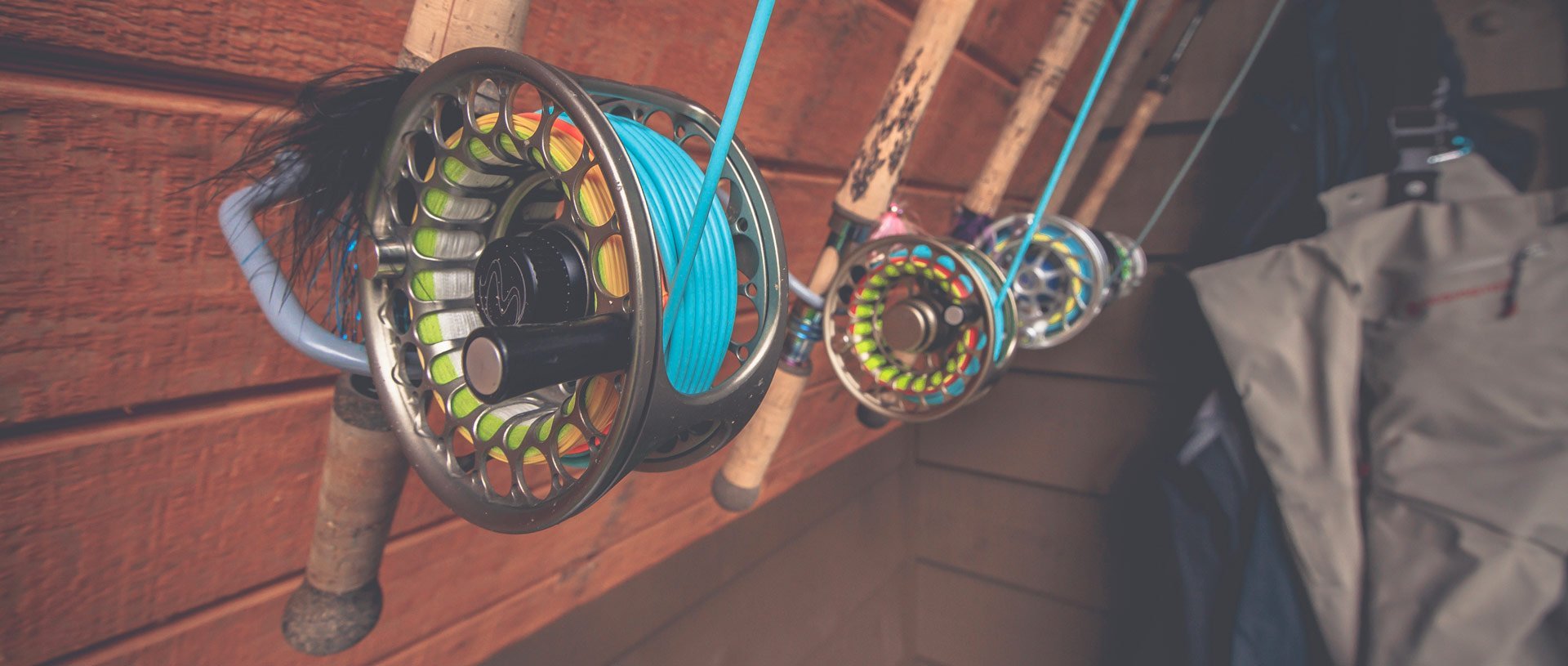
Skeena Spey Riverside Wilderness & Lodge
Terrace, BC, CA
Skeena Spey Riverside Wilderness & Lodge offers premier guided fly fishing on the legendary Skeena River near Terrace, British Columbia. Specializing in spey casting, the lodge combines riverside accommodations with expert instruction tailored to anglers of all skill levels. Guests pursue steelhead, salmon, trout, and char across a variety of trip formats, from day excursions to immersive multi-day adventures. The lodge distinguishes itself through its intimate riverside setting, comfortable cabins, and exceptional gourmet cuisine. A commitment to family-friendly hospitality creates a welcoming atmosphere where anglers can focus on the water while enjoying genuine comfort between sessions. Located on one of the world's finest fisheries, Skeena Spey Riverside Wilderness & Lodge delivers a thoughtfully crafted experience that honors both the angler and the remarkable waters they fish.

Kalum River Lodge
Terrace, BC, CA
Kalum River Lodge is a premier fishing guide service based in Terrace, British Columbia, offering unparalleled access to some of the Pacific Northwest's most productive waters. With over three decades of experience, the lodge specializes in guided Steelhead and salmon fishing throughout the world-renowned Skeena region, including the Skeena, Kalum, and Kitimat Rivers. Their knowledgeable guides work with anglers of all skill levels, sharing expert techniques tailored to pursuing Steelhead, Chinook, and other Pacific salmon species. The lodge's strategic location maximizes time on the water while allowing guests to immerse themselves in the region's stunning natural landscape. Whether you're a seasoned angler or exploring fly fishing for the first time, Kalum River Lodge provides the local knowledge and professional guidance needed for a rewarding fishing experience.
Frequently Asked Questions
What fishing techniques work on the Skeena River?
Spey fly fishing (swung flies) and float fishing (centerpin with roe) for steelhead. Jet boat fishing with back-bouncing, plugs, and bar fishing for chinook. Spin casting with spinners and spoons for coho and steelhead. Float fishing and fly fishing for coho. Light spin tackle for pink salmon in odd years.
Do I need to fly fish for Skeena steelhead?
No. Float fishing (centerpin) with roe is equally effective and more accessible for anglers without Spey casting experience. Spin fishing with spinners and spoons also catches steelhead. However, some classified waters restrict gear to flies only — check regulations for the specific tributary you plan to fish.
How big are Skeena chinook salmon?
Skeena chinook average 25-40 pounds, with fish over 60 pounds possible. The largest Skeena chinook on record exceeded 90 pounds. Chinook run June through August and are primarily targeted from jet boats on the main river using back-bouncing, plugs, or bar fishing techniques.
What tackle do I need for the Skeena?
It depends on the target. Steelhead: 13' Spey rod or 11'-13' float rod with centerpin reel. Chinook: 10'6"-12' heavy rod with level-wind reel and 25-40 lb line. Coho: 8wt fly rod or 9' medium spinning rod. Pink salmon: 7' light spinning rod. A guide provides all gear if you don't have your own.
When is the best time for each species on the Skeena?
Chinook: June-August (primarily July). Sockeye: July-August. Pink salmon (odd years): August. Steelhead: August-October (peak September-October). Coho: September-October. Spring steelhead: March-May. The September-October window gives you steelhead and coho simultaneously.
Related Articles
Fly Fishing the Skeena River: Spey Casting for Wild Steelhead in Northern British Columbia
Saturday, June 20, 2026
Fishing the Skeena River: Terrace, BC and the Last Great Steelhead Watershed
Monday, June 8, 2026
Fly Fishing Kamloops, BC: Chironomids, Leeches, and the Stillwater Techniques That Catch Trophy Rainbow Trout
Tuesday, June 16, 2026
 ™
™