
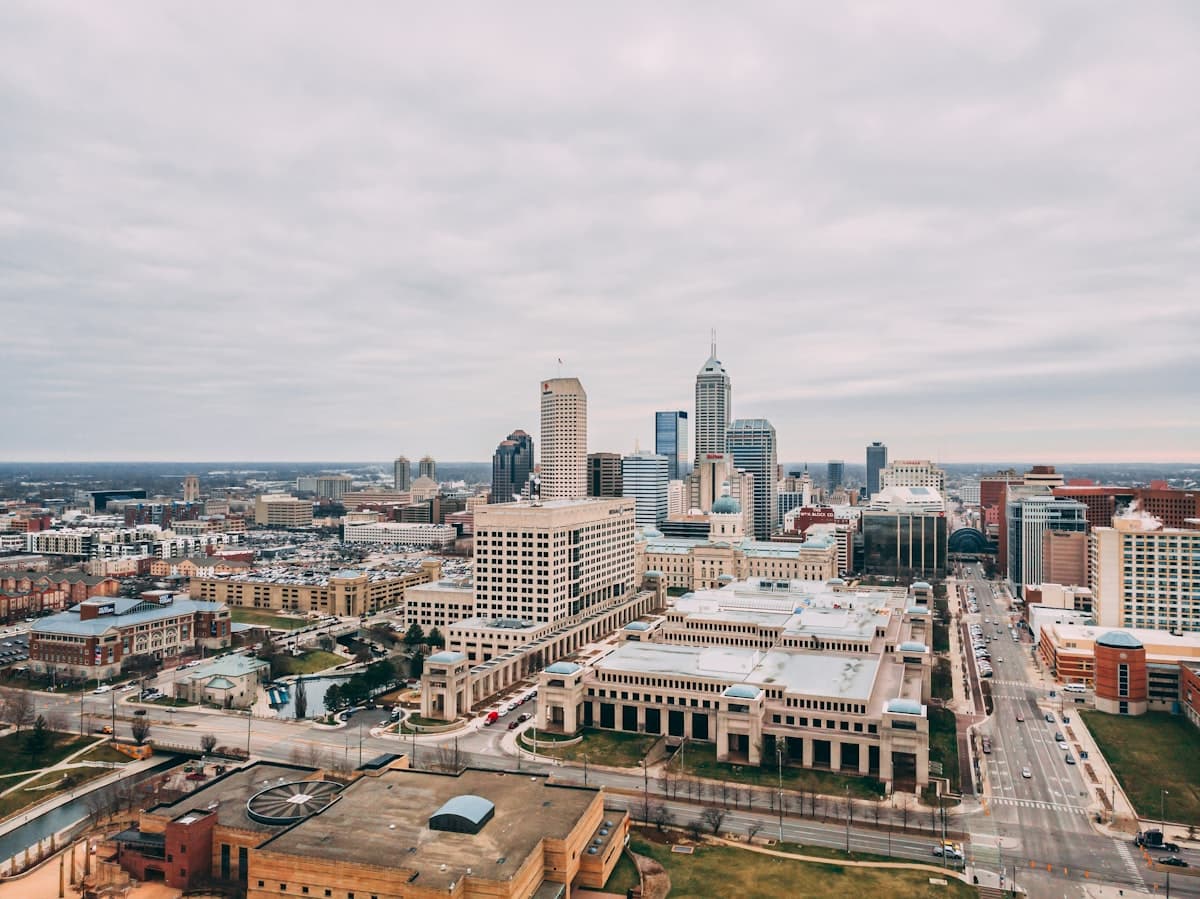
Urban Fishing in Indianapolis: Crappie at Eagle Creek, Smallmouth in the White River, and a 1,400-Acre Reservoir Inside City Limits
Indianapolis has Eagle Creek Reservoir — 1,400 acres of crappie, bass, and catfish on the northwest side — plus the White River running through downtown with smallmouth bass and flathead catfish, and park ponds scattered across Marion County. No boat required for any of it.

Indianapolis is not a city people associate with fishing. It is the crossroads of America, the home of the 500, a landlocked capital in the middle of Indiana's agricultural flats. But within city limits, it has Eagle Creek Reservoir — 1,400 acres of water inside a 3,900-acre park, holding what biologists call one of the best white crappie populations in the state. It has the White River running through the heart of downtown, past the statehouse and the Indianapolis Zoo, holding smallmouth bass, channel catfish, flathead catfish, and carp. And it has dozens of park ponds across Marion County stocked with channel catfish by the Indiana DNR.
This is blue-collar Midwestern fishing. No mountains. No trout streams. No saltwater. Just reliable warmwater action in a city of nearly a million people where a two-piece rod and a bucket of minnows can produce a cooler full of crappie before lunch.
Eagle Creek Reservoir: Crappie, Bass, and Catfish
Eagle Creek Reservoir is the centerpiece of Eagle Creek Park — the largest municipal park in Indianapolis at 3,900 acres, with 1,400 acres of water. The reservoir was built in 1969 for flood control and water supply, and it has become one of the best fishing spots in central Indiana. The entire shoreline is park land — no private docks, no houses, no development. Just trees, trails, and fish.
White crappie are the main event. Eagle Creek produces fat white crappie in the 8- to 12-inch range, and the population is healthy enough that biologists describe it as one of the best crappie lakes in Indiana. Largemouth bass thrive in the reservoir's cover-rich shoreline. Channel catfish are stocked regularly and are abundant throughout. Hybrid striped bass, walleye, bluegill, and carp round out the species list.
Where on Eagle Creek
North end (old gravel pit): The former gravel pit at the north end of the reservoir has deep structure that holds crappie, catfish, and bass year-round. Walk-on from the trail system.
56th Street Causeway: The bridge crossing at 56th Street creates a pinch point that concentrates fish. Walk-on from the causeway parking. Catfish hold in the deeper water on both sides. Crappie school around the bridge pilings.
Northwest shore (nature center area): A paved trail runs along the west shore with multiple access points to productive banks. Crappie in the brush piles, bass along the fallen timber and points.
Dam area (south end): The deepest water in the reservoir. Catfish and walleye hold near the dam face. Walk-on from the park road.
Eagle Creek Techniques
White crappie: A 5'6" to 7' light or ultralight spinning rod, 1000- to 2500-size reel, 4- to 6-pound line. Jigs (1/16 to 1/32 ounce, chartreuse, white, or pink) tipped with a minnow or fished plain. Work the brush piles, fallen timber, and bridge pilings at 6 to 12 feet deep. Use a slip bobber to hold the jig at the right depth. Crappie school — when you find them, stay put.
Largemouth bass: Texas-rigged soft plastics, Senko worms, and spinnerbaits along the shoreline cover. Bass in Eagle Creek average 1 to 3 pounds with good numbers of 3- to 5-pound fish. Spring is prime — bass move shallow to spawn along the flooded timber.
Channel catfish: Cut shad, chicken liver, or nightcrawlers on a bottom rig. Fish anywhere — the catfish are abundant and not picky. The old gravel pit and causeway area are particularly productive.
Park entry: Eagle Creek Park charges a vehicle entry fee ($5 for Marion County residents, $10 for non-residents). Foot and bike entry is free.
Crappie Fishing at Eagle Creek Reservoir in Indianapolis Eagle Creek Indiana SmallmouthThe White River: Downtown Smallmouth and Catfish
The White River flows through the center of Indianapolis, passing downtown, the Indianapolis Zoo, and several city parks. Despite its urban setting, the river holds a healthy population of smallmouth bass, largemouth bass, channel catfish, flathead catfish, carp, white bass, and freshwater drum. The river is wadeable in some sections at lower flows and fishable from the bank everywhere.
Where on the White River
Mounds Park / East Washington Street area: Walk-on from Mounds State Park or the White River Greenway trail. Smallmouth bass hold in the rocky riffles and pools. One of the best urban smallmouth spots in Indianapolis.
Downtown / White River State Park: The section through downtown passes the Indianapolis Zoo and State Museum. Walk-on from the White River Greenway. Channel catfish and carp in the deeper sections below the bridges.
Broad Ripple area: The river through the Broad Ripple neighborhood has walk-on access from several parks. Smallmouth bass, catfish, and carp. The rocky sections hold bass in the current seams.
Southwestway Park (South Indianapolis): Walk-on access to a quieter section of the White River. Catfish, bass, and carp. Less foot traffic than the downtown sections.
White River Techniques
Smallmouth bass: A 6'6" medium spinning rod, 2500-size reel, 8-pound braid, 6-pound fluorocarbon leader. Ned rigs, small tubes, and jerkbaits worked along the rocky banks and current seams. Topwater poppers in the riffles during summer. Smallmouth average 10 to 14 inches.
Channel catfish: Cut shad or chicken liver on a bottom rig. Fish the deeper pools below bridges and logjams. Every section of the White River holds channel cats.
Flathead catfish: Live bluegill on a heavy rig in the deepest pools and logjams. Flatheads in the White River can exceed 30 pounds. Night fishing in summer is best.
Fishing the White River Downtown Indy for Smallmouth Bass White River Smallmouth — Mounds Park IndianaPark Ponds: Stocked Catfish
Indianapolis Parks and Recreation and Indiana DNR maintain stocked fishing ponds across Marion County. These ponds are stocked with channel catfish and hold resident bass and panfish.
Sahm Park Pond (Northeast Indy): A popular family fishing spot. Stocked catfish, largemouth bass, and bluegill. Walk-on with parking and a pier.
Christian Park Pond (Southeast Indy): Stocked with catfish. Walk-on, family-friendly.
Krannert Park Pond (East Indy): Stocked catfish and panfish. Walk-on from the park.
How to Fish Park Ponds
Catfish: Nightcrawlers or chicken liver on a bottom rig. Simple and productive.
Bass and panfish: Beetle Spins, small soft plastics, or live worms. Ultralight gear along the shoreline.
Fishing the White River for Huge Indiana CatfishFishing Licence and Regulations
Indiana fishing licence: Required for anyone 18+. Resident annual $23. Nonresident annual $60. One-day resident $10, nonresident $15. No additional stamps needed for warmwater species.
Largemouth/smallmouth bass: Daily limit 5 (combined). Minimum 14 inches on public waters.
White crappie: Daily limit 25. No minimum size.
Channel catfish: Daily limit 10. No minimum size.
Eagle Creek Park: Vehicle entry fee ($5 Marion County, $10 non-resident). Free on foot or bike.
When to Fish
March-May (Spring): The best season. Crappie move shallow to spawn at Eagle Creek (March-April) — the best crappie fishing of the year. Bass spawn in the shallows. White River smallmouth become active.
June-August (Summer): Crappie move deeper at Eagle Creek — work the brush piles at 8 to 15 feet. White River smallmouth peak on topwater early and late. Channel catfish everywhere. Park pond catfish stocking.
September-November (Fall): Crappie school up at Eagle Creek for excellent fall fishing. Bass feed aggressively. Comfortable temperatures for all-day fishing.
December-February (Winter): Slowest season. Crappie hold in the deepest structure at Eagle Creek — vertical jigging with a slip bobber. Catfish still bite on warm days. Ice fishing possible in colder winters (check conditions).
Practical Details
Getting there: Indianapolis is a car city. Eagle Creek Park has parking throughout (entry fee applies for vehicles). The White River Greenway is bikeable from downtown. IndyGo bus routes reach some park ponds but a car is most practical.
Gear that travels: A two-piece 6'6" medium spinning rod covers everything — Eagle Creek bass, White River smallmouth, park pond catfish. For crappie, an ultralight or light rod with 4-pound line is ideal. A small tackle bag with jigs, minnows, Senkos, and a bottom rig covers all species.
Tackle shops: Bass Pro Shops (Plainfield — west side), Cabela's (Noblesville — north), Dick's Sporting Goods (multiple locations). For crappie-specific intel on Eagle Creek, check online forums — the local crappie fishing community is active.
For more Midwest urban fishing, see urban fishing in Columbus (Scioto River saugeye below the dams), urban fishing in Minneapolis (muskie in city lakes), or urban fishing in Chicago (salmon off the skyline).
Weather: Indianapolis has a true four-season climate. Spring and fall are prime. Summer can be hot and humid — fish early or late. Winter is cold but fishable on warm days.
Top Fishing Guides in Indianapolis
Indianapolis fishing guides who work Eagle Creek know the crappie patterns — which brush piles are holding fish this week, whether they've moved shallow or deep, and what color jig is producing. A White River guide puts you on smallmouth bass in a river most Indy residents drive over every day without knowing the fish are there.
Recommended Gear
St. Croix Panfish Series 6'6" UL Spinning Rod
Eagle Creek crappie — ultralight for slip bobber and 1/32oz jigs
Pflueger President XT 1000 Spinning Reel
Crappie and panfish — smooth drag, lightweight for all-day jigging
Ugly Stik GX2 6'6" M Spinning Rod
White River smallmouth and Eagle Creek bass — versatile two-piece
Bobby Garland Baby Shad 2" Chartreuse/Silver
Eagle Creek crappie — on a 1/16oz jig around brush piles
Z-Man TRD 2.75" Green Pumpkin
White River smallmouth — Ned rig along rocky current seams
Yamamoto Senko 5" Watermelon
Eagle Creek largemouth — wacky rig along flooded timber
Berkley Gulp! Alive Chicken Liver
Park pond catfish and Eagle Creek channel cats — bottom rig
Frequently Asked Questions
What fish can you catch at Eagle Creek Reservoir in Indianapolis?
Eagle Creek holds white crappie (one of the best populations in Indiana), largemouth bass, channel catfish (stocked regularly), hybrid striped bass, walleye, bluegill, and carp. The reservoir is 1,400 acres inside Eagle Creek Park. Vehicle entry fee: $5 Marion County, $10 non-resident. Free on foot or bike.
Can you fish the White River in downtown Indianapolis?
Yes — the White River through downtown holds smallmouth bass, largemouth bass, channel catfish, flathead catfish, carp, and freshwater drum. Walk-on access from the White River Greenway trail. Mounds Park and Broad Ripple are the best sections for smallmouth bass.
Do I need a fishing licence in Indianapolis?
Yes — Indiana fishing licence required for anyone 18+. Resident annual $23, nonresident $60. One-day resident $10, nonresident $15. No additional stamps needed for warmwater species. Kids under 18 fish free.
When is the best time to fish in Indianapolis?
March through April for crappie spawn at Eagle Creek Reservoir — the best fishing of the year. April-May for spring bass. September-November for aggressive fall feeding. Summer for topwater smallmouth on the White River (fish early or late to avoid heat).
Where can I fish without a boat in Indianapolis?
Eagle Creek Reservoir has bank access along the entire west shore trail. The White River is bank-fishable from the greenway. Park ponds across Marion County have walk-on access with stocked catfish. Sahm Park, Christian Park, and Krannert Park all have fishing ponds.
Related Articles
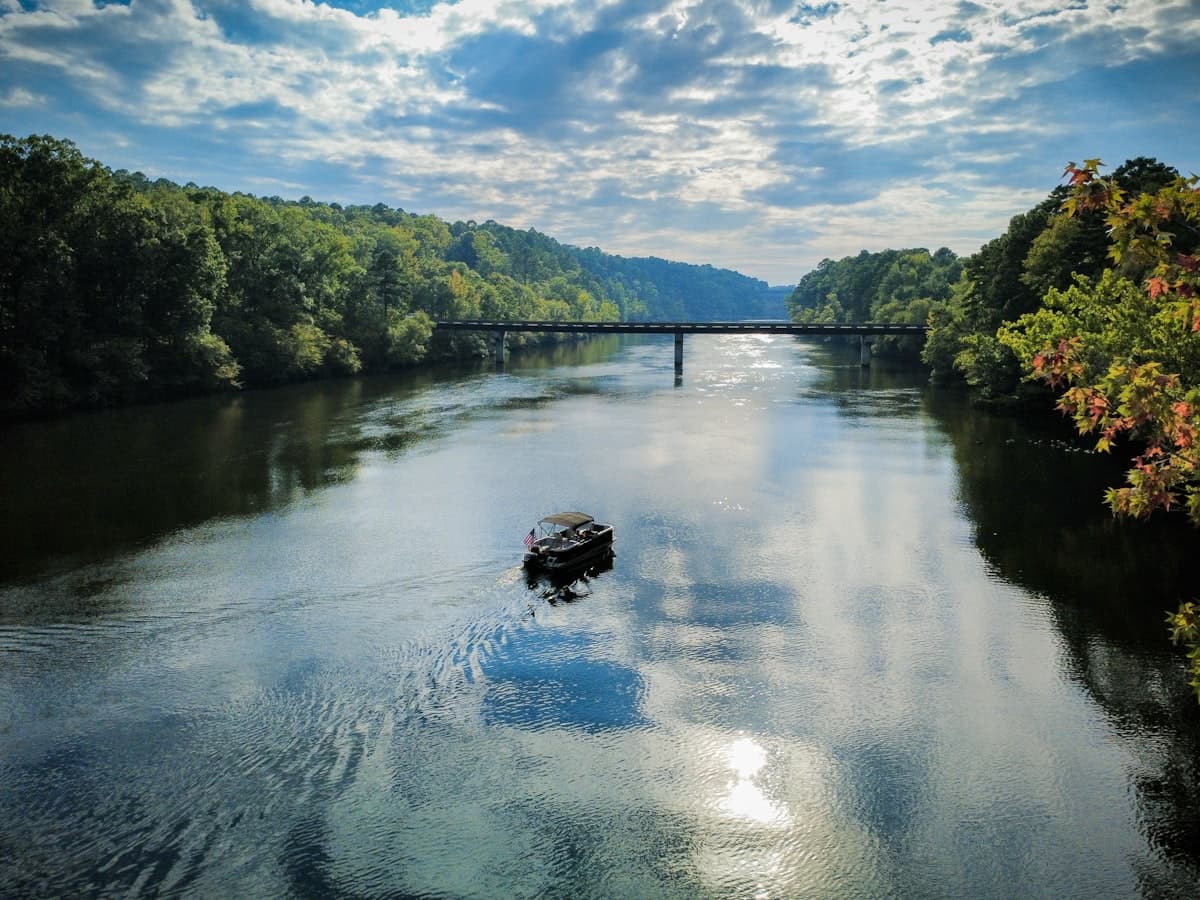
Fly Fishing the White River: The Biggest Brown Trout in America, the Shad Kill, and the Dam That Controls Everything
Sunday, December 14, 2025
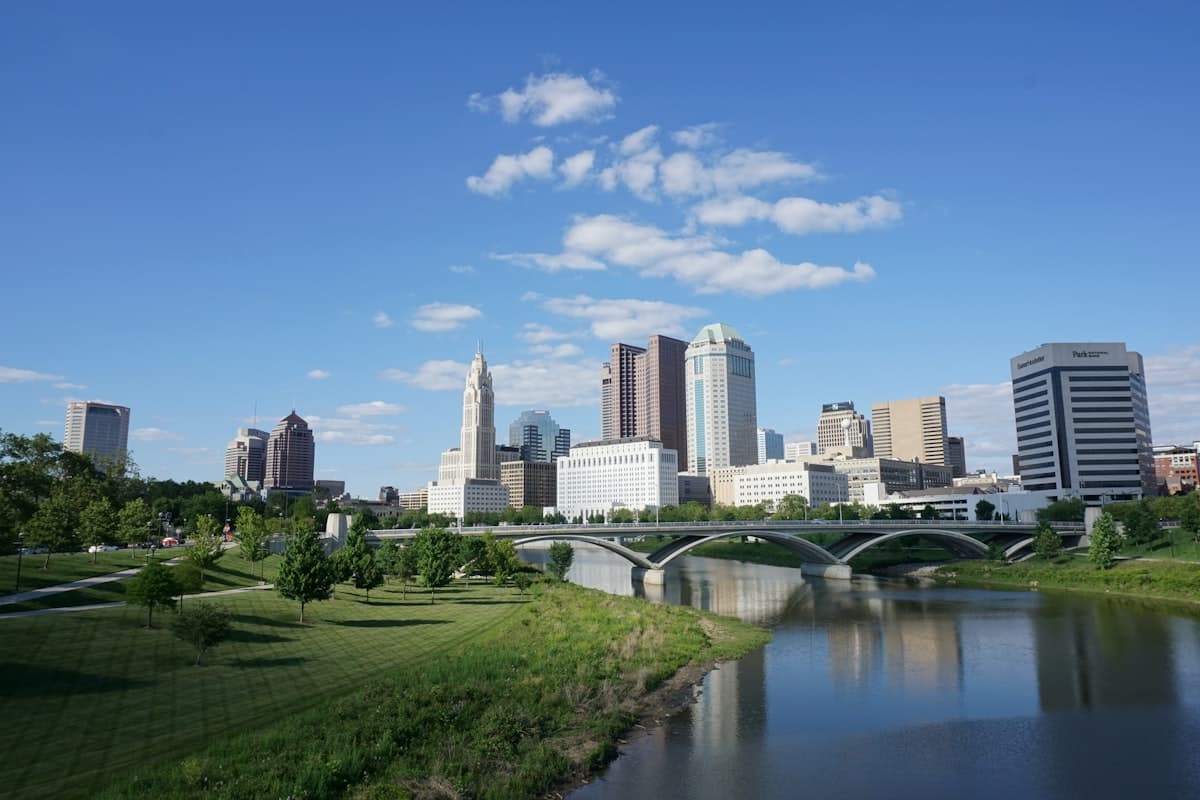
Urban Fishing in Columbus: Saugeye Below the Dams, Smallmouth in Two Rivers, and Stocked Trout in City Parks
Thursday, May 7, 2026
Urban Fishing in Minneapolis: Muskie in City Lakes, Walleye Below the Dam, and the Chain of Lakes You Can Bike To
Sunday, April 19, 2026
 ™
™