
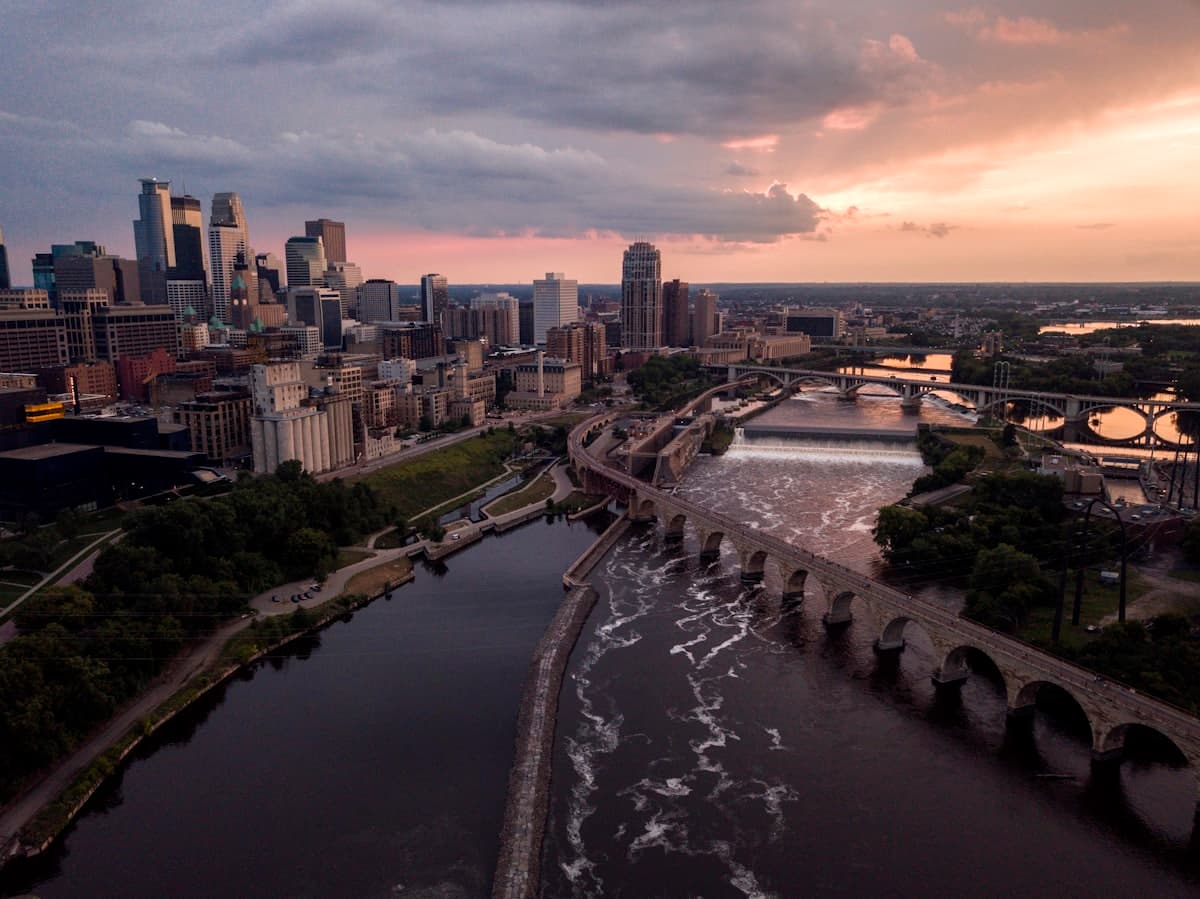
Urban Fishing in Minneapolis: Muskie in City Lakes, Walleye Below the Dam, and the Chain of Lakes You Can Bike To
Minneapolis has more than 20 fishable lakes inside city limits — the Chain of Lakes holds muskie, northern pike, bass, and walleye within biking distance of downtown. The Mississippi River adds walleye and smallmouth below the Ford Dam. This is the Land of 10,000 Lakes, and the fishing starts inside the city.
Minneapolis calls itself the City of Lakes, and it is not exaggerating. More than 20 fishable lakes sit inside city limits — glacial lakes ringed by parks, bike paths, and neighborhoods, holding species that most cities would kill for. Muskie. Northern pike. Walleye. Largemouth bass. Crappie. Bluegill. All within biking distance of downtown, all with walk-on shore access, all in a city that treats its lakes like the public treasures they are.
The Chain of Lakes — Bde Maka Ska (the largest), Lake Harriet, Lake of the Isles, Cedar Lake, and Lake Nokomis — forms the spine of the urban fishery. The Mississippi River runs through the east side of the city, holding walleye, sauger, smallmouth bass, and channel catfish below the Ford Dam. And the Minneapolis Park and Recreation Board manages it all with stocking programs, fishing piers, and free fishing clinics.
This is the Land of 10,000 Lakes. The fishing starts inside the city limits.
The Chain of Lakes: Muskie, Pike, and Bass
The Chain of Lakes is a series of interconnected glacial lakes in southwest Minneapolis, all surrounded by parkland with paved trails, fishing piers, and walk-on bank access. No private shoreline. No gated communities. Just public water in public parks.
Bde Maka Ska (formerly Lake Calhoun)
The largest lake in Minneapolis at 401 acres. Holds tiger muskie (DNR-stocked hybrid muskellunge), northern pike, walleye, largemouth bass, crappie, and bluegill. The lake's clear water and diverse structure — weed beds, drop-offs, and rocky points — create habitat for everything from panfish to apex predators.
Muskie: Tiger muskie up to 50 inches have been caught in Bde Maka Ska. Cast large bucktails, bulldawgs, or jerkbaits along the weed edges and drop-offs. Muskie fishing is a patience game — they are called the fish of 10,000 casts for a reason. But when one hits, it is the catch of a lifetime.
Northern pike: Active and aggressive in the weed beds. Cast spinnerbaits, spoons, or large soft plastics along the lily pads and submerged vegetation. Pike in the city lakes run 24 to 36 inches.
Largemouth bass: Senko worms, topwater frogs, and spinnerbaits along the shoreline structure. Bass average 1 to 3 pounds.
Access: Multiple fishing piers around the lake. Walk-on from the Bde Maka Ska trail. Bike-accessible from the Midtown Greenway. Canoe and kayak launch available.
Lake Harriet
A 335-acre lake south of Bde Maka Ska. Known for consistent panfish (bluegill, crappie) and walleye in the deeper holes. Northern pike in the weed beds. Quieter and less crowded than Bde Maka Ska.
Walleye: Jig-and-minnow or Lindy rigs fished near the deeper structure at dawn and dusk.
Panfish: Small jigs, wax worms, or Beetle Spins near the fishing piers and weed edges. Excellent for kids and beginners.
Lake Nokomis
A 204-acre lake in south Minneapolis. Largemouth bass, crappie, sunfish, and northern pike. The lake has good shoreline access and a fishing pier. Less muskie pressure than Bde Maka Ska.
Cedar Lake and Lake of the Isles
Smaller lakes connected to the chain by channels. Cedar Lake is managed for largemouth bass and muskie with carry-in access for canoes and kayaks. Lake of the Isles holds northern pike, panfish, and muskie.
Fishing Muskie and Bass in the Heart of the Twin Cities Twin Cities Man Catches Near-Record Muskie on Bde Maka SkaThe Mississippi River: Walleye and Smallmouth
The Mississippi River flows through the eastern side of Minneapolis, passing through a gorge below St. Anthony Falls and through a series of lock and dam pools. The river below the Ford Dam (Pool 1 to Pool 2) holds walleye, sauger, smallmouth bass, channel catfish, and flathead catfish. Pool 2 — from the Ford Dam south to the Hastings Dam — is considered the best walleye and sauger water in the Twin Cities metro.
Where on the Mississippi
Below Ford Dam (Pool 2): The tailwater below the dam concentrates walleye and sauger, especially in spring and fall. Walk-on access from Hidden Falls Regional Park and Crosby Farm Regional Park on the south bank.
Boom Island (Northeast Minneapolis): Riprap banks and park shoreline provide easy access to the river. Smallmouth bass, walleye, and channel catfish hold along the rocky structure. Walk-on from Boom Island Park.
St. Anthony Falls area: The falls themselves are a barrier — fishing is best below them in the gorge section. Walk-on access is limited but available from riverside parks.
Mississippi River Techniques
Walleye (below dams): Jig-and-minnow (1/4 to 3/8 ounce) bounced along the rocky bottom in the current seams below the dam. Fish at dawn and dusk for best results. Blade baits jigged vertically in the deeper pools.
Smallmouth bass: Tubes, Ned rigs, and small crankbaits worked along the rocky banks and current breaks. The Mississippi smallmouth are strong fish — the current makes them fight harder than lake fish.
Channel catfish: Cut shad or chicken liver on a bottom rig in the deeper pools. Every section of the river holds catfish.
Shore Fishing for Minneapolis Metro Muskie Epic 2024 MN Muskie Fishing Opener — 2 Muskies Caught in Minneapolis MetroFishing Licence and Regulations
Minnesota fishing licence: Required for anyone 16+. Resident annual $25. Nonresident annual $51. 24-hour licence: $12 resident, $14 nonresident.
Walleye: Daily limit 6. Minimum 15 inches on most waters. Season opens early May (check MN DNR for exact date).
Muskie/tiger muskie: Daily limit 1. Minimum 54 inches on most metro waters. Catch-and-release strongly encouraged.
Northern pike: Daily limit 3 on most metro lakes. Check MN DNR for specific lake regulations.
Largemouth/smallmouth bass: Year-round catch-and-release season. Possession season typically opens late May. Daily limit 6.
Important: Minneapolis city lakes each have specific regulations. Check the MN DNR LakeFinder tool for the exact rules on each lake before fishing.
When to Fish
May-June (Late Spring): Walleye opener in early May — the first big event of the season. Bass catch-and-release all spring. Northern pike active in the weed beds. Crappie spawn in the shallows.
July-August (Summer): Muskie become most active in warm water — summer is prime muskie season. Topwater bass early and late. Panfish peak. Fish early morning before the lakes fill with swimmers and paddleboarders.
September-October (Fall): The best all-around season. Muskie feed heavily before winter. Walleye push below the Ford Dam. Bass and pike aggressive. Comfortable temperatures.
November-March (Winter): Ice fishing is a Minnesota tradition. The city lakes freeze and anglers set up on the ice for panfish, walleye, and pike. Check ice conditions and local regulations. The Mississippi River typically does not freeze.
Practical Details
Getting there: Bike. Minneapolis has one of the best urban bike trail systems in America, and the Chain of Lakes trail connects every lake in the system. Metro Transit buses reach most lakes. Free parking at all parks. The Midtown Greenway connects downtown to Bde Maka Ska.
Gear that travels: A two-piece 7-foot medium spinning rod covers bass, walleye, pike, and panfish across all the city lakes. For muskie, you need heavy gear — a 7'6" to 8' heavy rod with 50- to 80-pound braid and a steel leader. Muskie fishing is specialized — you will not catch one on a bass rod.
Tackle shops: Thorne Bros Custom Rods & Tackle (Fridley — muskie specialist, the Twin Cities' go-to), Cabela's (Rogers — north metro), Bass Pro Shops (Shakopee — south metro).
For more Midwest urban fishing, see urban fishing in Milwaukee (Lake Michigan salmon from shore), urban fishing in Chicago (salmon and perch on the lakefront), or urban fishing in Indianapolis (Eagle Creek crappie). For Minnesota's North Shore, read our Duluth fishing guide.
Sharing the water: Minneapolis city lakes are heavily used in summer — swimmers, paddleboarders, kayakers, and sailboats. Fish early morning (before 8 AM) or evening (after 6 PM) to avoid conflicts and catch fish during the low-light feeding windows.
Top Fishing Guides in Minneapolis
Minneapolis fishing guides know the chain — which lake is producing muskie this week, whether the walleye have pushed below the Ford Dam yet, and where the crappie are schooling at Lake Harriet. A Minneapolis guide puts you on fish in the most lake-blessed urban area in America — muskie and pike in lakes you can bike to from a downtown brewery.
Big Dog Fishing Guide Service
Minneapolis, MN, US
5.0 (30 reviews)
Big Dog Fishing Guide Service Since 1996, Big Dog Fishing Guide Service has been a trusted name in the Minneapolis-St. Paul metro area and Central Minnesota. Founded by Captain Gary Klingler, the company specializes in group and corporate fishing outings designed for both novice and experienced anglers alike. The team consists of highly qualified guides, each with over twenty years of professional experience on local waters. Big Dog targets a diverse range of species—including Muskie, Largemouth Bass, Smallmouth Bass, Walleye, Northern Pike, Crappies, and Perch—and tailors each trip to match anglers' skill levels and goals. With personalized service and access to the region's premier fishing spots, Big Dog Fishing Guide Service delivers memorable experiences that keep clients returning year after year.
Lake Minnetonka Guides
Minneapolis, MN, US
5.0 (1 reviews)
Lake Minnetonka Guides offers exceptional guided fishing experiences on Minnesota's premier destination lake, just twenty minutes west of Minneapolis. Their experienced guides specialize in walleye, largemouth bass, smallmouth bass, northern pike, and panfish, tailoring each outing to match guests' skill levels and preferences. Anglers fish from fully rigged, tournament-equipped boats outfitted with all necessary gear. The guides focus on sharing proven fishing techniques in a relaxed, welcoming environment—whether guests are seeking a leisurely day on the water or planning a corporate group outing. Lake Minnetonka Guides is committed to creating memorable experiences that blend expert instruction with comfort and enjoyment.

Matt Reinertson Fishing
Minneapolis, MN, US
Matt Reinertson Fishing is a licensed professional guide service serving three premier Minnesota lakes: Minnetonka, Waconia, and Independence. With extensive experience targeting trophy walleyes, muskies, bass, and panfish, Matt specializes in both open water and ice fishing adventures tailored to anglers of all skill levels. Clients benefit from top-tier equipment throughout their experience. Matt operates brand new Lund boats powered by Mercury Marine engines and provides high-quality rods and reels, ensuring reliable performance on the water. Whether visitors are traveling to the Minneapolis area or local anglers seeking proven expertise, Matt's passionate approach and years of fishing knowledge create the foundation for memorable outings and exceptional catches.

The Drift
Minneapolis, MN, US
The Drift The Drift is a premier fly fishing guide service operating in the Driftless region near Minneapolis, St. Paul, and Wisconsin. Specializing in trout fishing, the service welcomes both novice and experienced anglers with personalized instruction tailored to each angler's skill level and goals. Year-round guided trips showcase the region's exceptional aquatic ecosystems and scenic beauty. Founded on a passion for fly fishing and a commitment to teaching, The Drift offers more than just fishing—guides share their deep knowledge of the waters and help participants develop lasting skills. Whether planning a solo outing or a group event, anglers can expect a memorable experience that honors both the craft and the landscape.

Roach's Lake Mille Lacs Guide Service
Minneapolis, MN, US
Roach's Lake Mille Lacs Guide Service brings years of professional expertise to walleye and smallmouth bass fishing across Minnesota's premier waters. Based on the renowned Mille Lacs Lake, the service specializes in hands-on instruction that goes beyond the catch—guides deliver on-the-water seminars teaching the latest tactics so anglers develop lasting skills alongside successful outings. Whether fishing Mille Lacs, Lake Minnetonka, or Lake Waconia, Roach's accommodates groups of any size with personalized attention and proven knowledge of regional waters. Each trip is designed as a memorable adventure, combining expert guidance with the opportunity to master techniques that will serve anglers for years to come.
Larry the Lunker
Minneapolis, MN, US
Larry the Lunker specializes in smallmouth bass fly fishing on Minnesota's upper Mississippi River, offering guided float trips that combine world-class angling with scenic wildlife viewing. Operating from a comfortable Hyde Drift Boat, this premier guide service caters to anglers of all skill levels, from newcomers to seasoned fly fishers seeking trophy-sized catches. Each outing is tailored to match individual goals and experience, with all necessary gear provided and personalized instruction included throughout the trip. Beyond the fishing itself, clients enjoy the natural beauty of the region, including opportunities to spot bald eagles and other wildlife. Whether pursuing a first fly-fishing experience or targeting lunkers, anglers find a knowledgeable, welcoming guide dedicated to making their time on the water memorable.
Recommended Gear
St. Croix Mojo Musky 8' XH Casting Rod
Minneapolis metro muskie — heavy enough for 50-inch tiger muskie
Shimano Tranx 300 Baitcasting Reel
Muskie — high line capacity, strong drag for big fish on big lures
Ugly Stik GX2 7' M Spinning Rod
Chain of Lakes bass, walleye, pike — versatile two-piece
Mepps Musky Killer Bucktail Gold
Bde Maka Ska muskie — the classic bucktail retrieved along weed edges
Rapala Shad Rap 7 Perch
Mississippi River walleye — cast into current below Ford Dam
Johnson Silver Minnow 3/4 oz Gold Spoon
Northern pike in the weed beds — weedless spoon through lily pads
Bobby Garland Baby Shad 2" Chartreuse
Lake Harriet crappie and panfish — on a 1/32oz jig near piers
Frequently Asked Questions
Can you catch muskie in Minneapolis city lakes?
Yes — Bde Maka Ska (formerly Lake Calhoun), Cedar Lake, and Lake of the Isles hold tiger muskie stocked by the DNR. Fish up to 50 inches have been caught. Cast large bucktails and jerkbaits along weed edges. Daily limit 1, minimum 54 inches on most metro waters. Summer is the best muskie season.
Where is the best fishing in Minneapolis without a boat?
Bde Maka Ska has multiple fishing piers and walk-on shore access for muskie, pike, and bass. Lake Harriet is best for walleye and panfish. Boom Island on the Mississippi has bank access for smallmouth and walleye. Below Ford Dam for spring walleye. All accessible by bike.
Do I need a fishing licence in Minneapolis?
Yes — Minnesota fishing licence required for anyone 16+. Resident annual $25, nonresident $51, 24-hour $12 resident/$14 nonresident. Each city lake has specific regulations — check MN DNR LakeFinder before fishing.
When is the best time to fish in Minneapolis?
May for walleye opener. July-August for muskie (warm water = peak activity). September-October for aggressive fall feeding across all species. Winter for ice fishing (a Minnesota tradition). Fish early morning or evening in summer to avoid swimmer/paddleboard traffic.
Can you ice fish in Minneapolis city lakes?
Yes — Minneapolis city lakes freeze in winter and ice fishing is a long tradition. Target panfish, walleye, and northern pike through the ice. Check ice conditions, local regulations, and safe ice thickness (4 inches minimum for walking). The Mississippi River typically does not freeze enough for safe ice fishing.
Related Articles
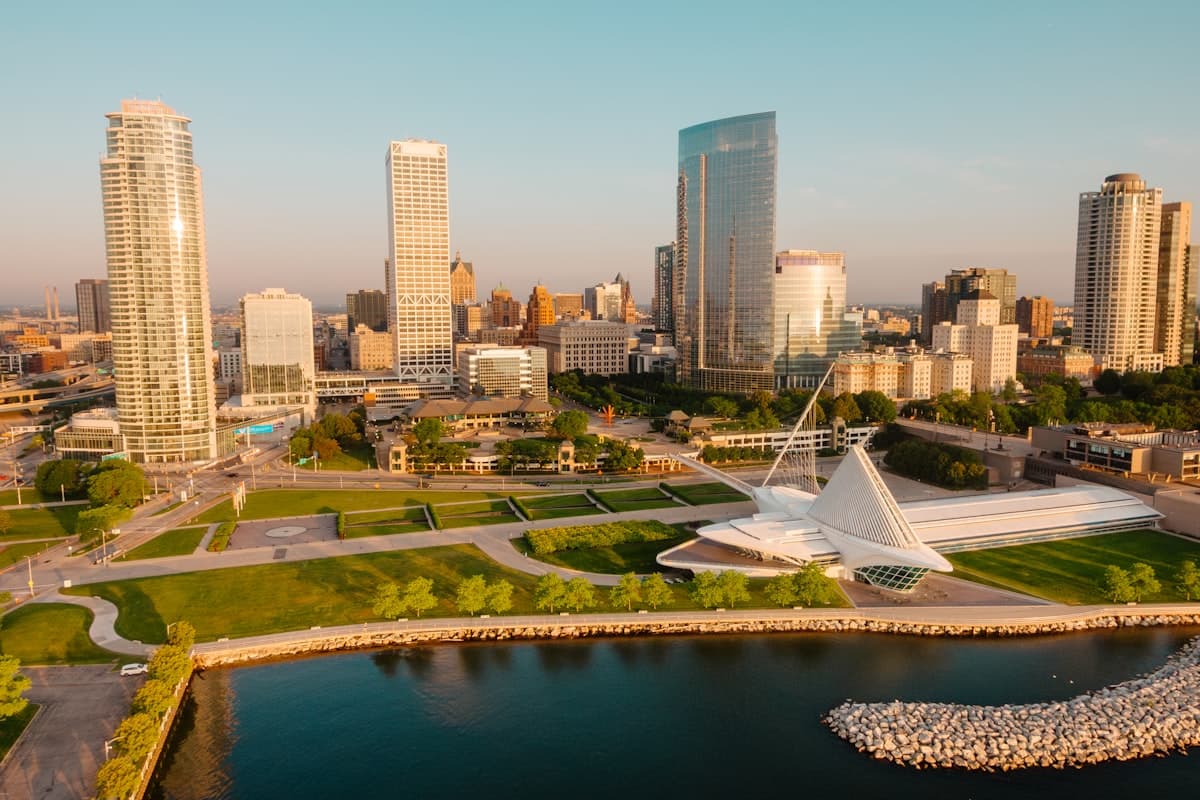
Urban Fishing in Milwaukee: King Salmon from Shore, Steelhead in City Rivers, and Lake Michigan Five Minutes from Downtown
Wednesday, April 15, 2026
Urban Fishing in Chicago: Salmon Off the Skyline, Smallmouth Under the Bridges, and 22 Miles of Lakefront You Can Walk To
Tuesday, June 2, 2026

Urban Fishing in Indianapolis: Crappie at Eagle Creek, Smallmouth in the White River, and a 1,400-Acre Reservoir Inside City Limits
Saturday, May 2, 2026
 ™
™