
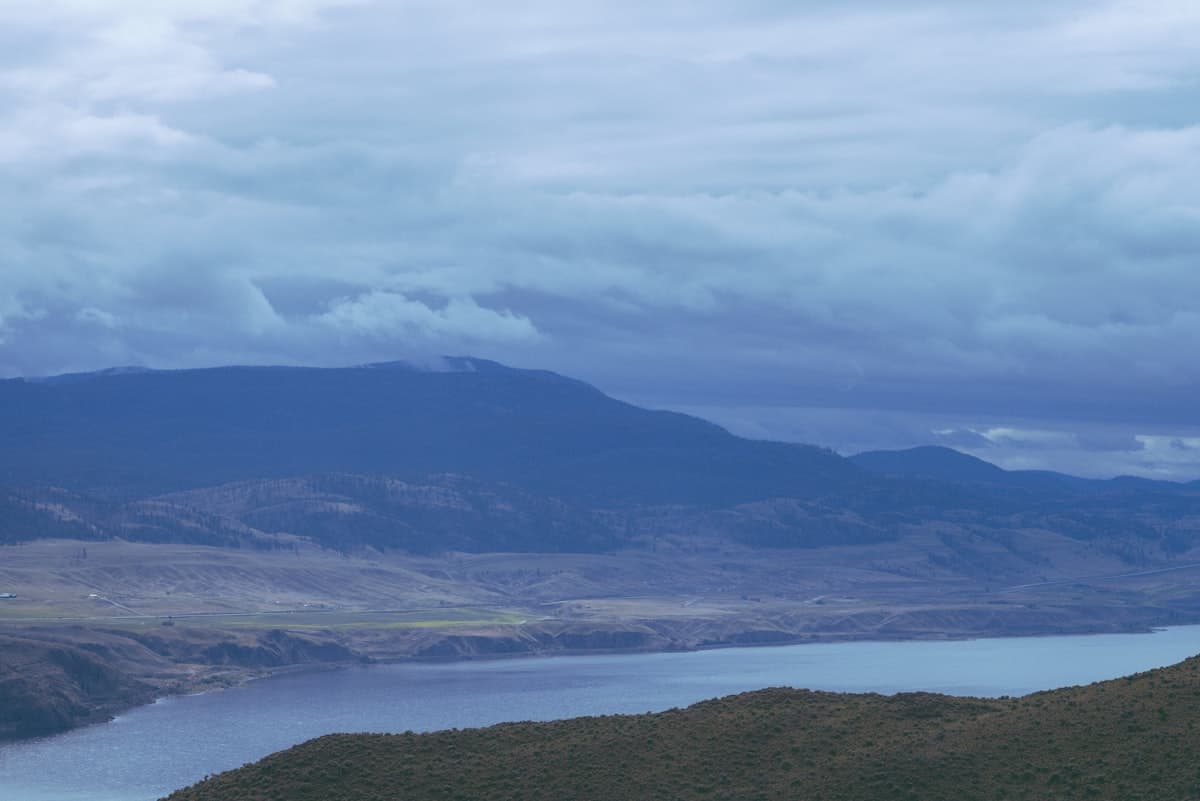
Fishing Kamloops, BC: Trophy Rainbow Trout and the Stillwater Lakes That Made Them Famous
Kamloops sits in the semi-arid interior of British Columbia surrounded by hundreds of nutrient-rich lakes that grow rainbow trout to sizes that redefine what a trout can be — the legendary Kamloops trout.

Most trout fisheries are about the river — the current, the hatches, the drift. Kamloops is about the lake. More specifically, Kamloops is about several hundred nutrient-rich interior BC lakes that grow rainbow trout to sizes that would be trophies anywhere else but are simply normal here. A 3-pound rainbow is a small fish in the Kamloops region. A 5-pounder is average. Fish of 8 to 10 pounds are caught every season, and the lakes that hold the genetics for it produce trout over 15 pounds.
The city of Kamloops sits at the confluence of the North and South Thompson Rivers in the semi-arid interior of British Columbia — sagebrush hills, ponderosa pine, and rolling grassland that looks more like Montana than the rainforest coast. Within an hour's drive in any direction, there are more productive trout lakes than you could fish in a lifetime. Some are stocked by the Freshwater Fisheries Society of BC with triploid (infertile) rainbow trout bred specifically for growth — these are the fish that reach trophy sizes. Others hold wild populations of the original Kamloops strain of rainbow trout, which are genetically adapted to lake environments and grow fast in the nutrient-rich water.
This is the stillwater fly fishing capital of North America. The techniques developed here — chironomid fishing under indicators, balanced leeches, dragonfly nymph imitations, shoal fishing — have spread to stillwater anglers worldwide. If you have fished for trout in rivers and want to try something genuinely different, Kamloops is where you learn what a lake can produce.
The Lakes
There are too many productive lakes to list comprehensively, but these are the ones that define the fishery:
Roche Lake: Located 35 kilometres south of Kamloops in Roche Lake Provincial Park. One of the most popular and productive fly fishing lakes in BC. Consistent fishing for rainbows averaging 2 to 4 pounds, with fish to 6 pounds available. Electric motors only. Campground on-site — a good base for a multi-day trip.
Tunkwa Lake: Near Roche Lake, Tunkwa produces larger fish on average — 3 to 5 pounds is typical, with fish over 8 pounds caught annually. Excellent chironomid and mayfly hatches. Provincial park campground. Tunkwa and Roche together make a compelling long-weekend trip.
Jacko Lake: Twenty minutes from downtown Kamloops. Don't let the proximity fool you — Jacko produces some of the largest trout in the region. Fish over 10 pounds are caught here. The lake is heavily managed by FFSBC and stocked with triploid rainbows that grow fast in the nutrient-rich water. Chironomid fishing is the primary technique.
6 Mile Lake: Close to Kamloops and typically the first lake to become ice-free in spring. Good numbers of rainbows in the 1 to 3 pound range. Excellent early-season option.
Lac Le Jeune: Twenty-five minutes south of Kamloops. A larger lake with a resort and good boat launch. Produces consistent 2 to 4 pound rainbows on chironomids, leeches, and dragonfly nymphs.
Stump Lake: Between Kamloops and Merritt. Known for producing large fish — 5 to 10 pounds is realistic. The lake is shallow and weedy, which grows big trout. Fishing can be technical but rewarding.
Hihium Lake: Remote and managed as a trophy fishery — catch limits are restrictive, and the fish are correspondingly large. Requires a 4WD vehicle or ATV to access. The kind of lake where a 10-pound rainbow is a genuine possibility.
Fishing BC Presents: Trophy Stillwater Lakes Near KamloopsWhat You Are Fishing For
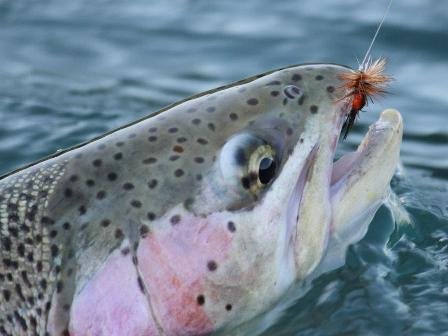
Rainbow trout (Kamloops trout) are the star. The Kamloops strain of rainbow trout is genetically adapted to lake environments — they grow faster, fight harder, and reach larger sizes than river-dwelling rainbows. A fresh Kamloops rainbow in a cold spring lake is one of the most acrobatic freshwater fish you will encounter. They jump repeatedly, make long runs, and fight well above their weight class.
The stocked triploid rainbows that FFSBC plants in managed lakes grow even larger than wild fish because all their energy goes to growth rather than reproduction. These are the fish that produce the 10-pound-plus trophies that Kamloops is famous for.
Brook trout are present in some of the smaller, higher-elevation lakes. They are not the primary target but provide a pleasant bonus. Fall brook trout in spawning colours are strikingly beautiful.
Lake trout hold in some of the deeper lakes, particularly those at higher elevation. Not a primary Kamloops target but available for anglers willing to fish deep.
Kokanee (landlocked sockeye salmon) are present in several larger lakes and rivers, including the South Thompson. Kokanee average 1 to 2 pounds and are fun on ultralight tackle.
For detailed fly patterns, rigging, and stillwater techniques, see our Fly Fishing Kamloops guide.
Fall Rainbow Trout and Brook Trout — Fly Fishing in KamloopsWhen to Plan Your Trip
Kamloops stillwater fishing is seasonal — the lakes ice over in winter and the fishing follows a predictable arc from ice-off through fall.
March and April (Ice-Off): The first lakes lose their ice, and the trout are ravenous after winter. Chironomid hatches begin almost immediately. The fishing can be exceptional in the first weeks after ice-off — the fish are concentrated, hungry, and not yet pressured. Lower-elevation lakes (6 Mile, Jacko) open first. Weather is cool — daytime highs of 5-15°C (41-59°F) — and conditions can change quickly.
May and June (Peak Season): The main season. Most lakes are ice-free. Chironomid hatches are in full swing. Mayfly and damselfly hatches begin. The trout are actively feeding in the shallows and shoals. This is the highest-catch-rate period. Water temperatures are comfortable for the fish, and they feed aggressively throughout the day.
July and August (Summer): Water temperatures climb in shallow lakes, pushing trout deeper during midday. Early morning and late evening fishing is most productive. Some higher-elevation lakes fish well all day because they stay cooler. The fishing is still good but requires more skill — chironomid fishing transitions to dragonfly nymphs, damselflies, and leeches.
September and October (Fall): Water temperatures drop and the trout return to aggressive feeding before winter. Fall chironomid hatches can be spectacular. The fishing is often excellent and the lakes are nearly empty of other anglers. Colours on the surrounding hillsides add to the experience. Many locals consider September-October the best time to fish.
November through February (Ice Fishing): Several Kamloops-area lakes support ice fishing for rainbow trout. This is a legitimate fishery — ice auger, tip-ups or jigging rods, and small jigs or bait. Jacko Lake and Lac Le Jeune are popular ice fishing destinations.
What a Fishing Day Looks Like
Kamloops stillwater fishing is typically done from a small boat — a float tube, pontoon boat, or small aluminum boat with electric motor. Gas motors are prohibited on most of the productive lakes, which keeps the water calm and the fish undisturbed.
Morning (6-10 AM): Launch at first light. Anchor or drift over productive shoals (3 to 15 feet deep). Fish chironomid patterns under a strike indicator, or strip leeches and dragonfly nymphs through the shallows. The first few hours of the morning are usually the most productive.
Midday (10 AM - 3 PM): Fishing continues but may slow as the sun climbs and the trout move deeper. Move to deeper water (15 to 25 feet) and adjust techniques. In spring and fall, midday fishing can remain productive. In summer, this is break time for many anglers.
Evening (4-8 PM): The trout move back to the shallows as the light drops. Evening mayfly and caddis hatches bring fish to the surface. Dry fly fishing is possible during hatches — one of the most exciting aspects of Kamloops stillwater fishing. A 5-pound rainbow rising to a dry fly in a glassy lake at sunset is a memory you keep.
Guided options: Several fly fishing guides operate out of Kamloops, offering guided lake trips in their own boats. A full day with a guide runs CAD $400 to $600 for 1-2 anglers. The guide provides the boat, equipment, flies, and — most importantly — knowledge of which lake is fishing best today. For first-time visitors, a guided day is the fastest way to get on productive water.
Kamloops Trout — Live the ExperienceGetting There
By air: Kamloops Airport (YKA) has scheduled service from Vancouver (1 hour), Calgary (1.5 hours), and seasonal connections. Car rental available at the airport. You need a vehicle — the lakes are scattered across the landscape and public transportation does not reach them.
By car from Vancouver: 3.5 hours via the Coquihalla Highway (Highway 5) — one of the most dramatic mountain highway drives in Canada. The road climbs through the Coast Mountains, crosses the summit at 1,244 metres, and drops into the dry interior. The landscape change is startling — rainforest to grassland in 200 kilometres.
By car from Calgary: 6 hours via the Trans-Canada Highway through the Rockies and the interior. Beautiful drive through Banff, Golden, and Revelstoke.
Accommodation: Kamloops has full hotel infrastructure — chain hotels, motels, B&Bs, and vacation rentals. For a more immersive experience, several fishing lodges and lakeside cabins are available near the productive lakes. Roche Lake and Tunkwa Lake have provincial park campgrounds that are excellent and inexpensive.
What to Bring
Float tube or pontoon boat: If you are driving, bring your own float tube. If flying, guides provide boats. A quality float tube (Outcast Fish Cat, Caddis Nevada, or similar) is the most versatile and affordable way to fish Kamloops lakes. Pontoon boats offer more comfort for full-day sessions.
Waders: You sit in the water while float tubing, so waders are essential. Stockingfoot waders with neoprene booties are the standard — they keep you warm in water that stays cold (10-18°C / 50-64°F) even in summer.
Multiple fly lines: At minimum, bring a floating line (chironomids, dries) and an intermediate sinking line (leeches, damsels). Ideally, add a Type 3 or Type 6 full-sink line for deep dragonfly nymph work and summer fishing when trout are below the thermocline. Spare spools or a reel with cassettes make line changes fast.
Chironomid patterns: Sizes 10 through 18 in Chromie, Bloodworm, Ice Cream Cone, and Bomber patterns. Bring a lot — you will lose flies to fish and weeds. A dozen of each in two sizes covers most situations.
Sunscreen and polarized sunglasses: Kamloops is semi-arid — the sun is intense, particularly on the water. Polarized lenses let you spot cruising trout in the shallows and sight-fish to individual rising fish. This changes the game.
Weather layers: Kamloops daytime temperatures range from 20-35°C (68-95°F) in summer and 5-15°C (41-59°F) in spring and fall. Mornings on the lake are cold regardless of season — pack a fleece and a wind-resistant layer even in July.
Depth finder: A portable fish finder (Humminbird HELIX 5 or similar with a suction-cup transducer) helps locate shoal edges, drop-offs, and the thermocline. Knowing the depth where trout are feeding saves hours of guessing.
Tackle Shops and Local Knowledge
Kamloops has several fly shops staffed by people who fish the local lakes obsessively. Stop in before you hit the water — the fishing reports at the counter are worth more than an hour of online research.
Interior Fly Fishing: The premier fly shop in Kamloops. Carries a full selection of stillwater-specific flies, lines, and equipment. The staff fish the local lakes regularly and will tell you which lake is producing, what depth the fish are at, and what fly to tie on. They also offer guided trips.
Domenic's Marine: A larger outdoor retailer with a solid fly fishing department. Good selection of float tubes, waders, and stillwater-specific gear. Useful for picking up equipment you forgot to pack.
Online fishing reports: BCFlyguys (YouTube and blog) and the BC Interior Fly Fishing Forum track current conditions on Kamloops-area lakes. Check these before your trip to see which lakes are ice-free, which hatches are happening, and what the recent catch reports look like.
The Kamloops stillwater community is unusually generous with information. Anglers on the lake will tell you what fly they are using, what depth they are fishing, and how they are rigging. This is not a secretive fishery — the culture encourages sharing because there are enough productive lakes that crowding is rarely an issue.
Fishing Licence
You need a BC freshwater angling licence. Non-Canadian residents: approximately $80 CAD for an 8-day licence or $55 for a 1-day licence. Purchase online at the BC government Fish & Wildlife website. Many lakes have specific regulations — catch limits, bait restrictions, engine restrictions, and size limits that vary by lake. Check the BC Freshwater Fishing Regulations Synopsis for the specific lakes you plan to fish.
Stoney Lake Lodge — Kamloops Trout Fishing in British ColumbiaTop Fishing Guides in Kamloops
Kamloops stillwater fishing rewards knowledge — which lake is hatching today, what depth the trout are feeding at, whether to fish chironomids under an indicator or strip leeches through the shoals. A Kamloops guide has the answers because they fish these lakes 150 days a year and track conditions the way a farmer tracks weather. One guided day teaches you more about stillwater trout fishing than a week of figuring it out on your own.
Recommended Gear
Sage Foundation 9' 5wt Fly Rod
Versatile stillwater rod — handles chironomids, leeches, and fighting big trout
Lamson Liquid 3-Pack Fly Reel
Sealed drag reel with spare spools — switch between floating, sink-tip, and full-sink lines
Scientific Anglers Stillwater Clear Camo Line
Purpose-built stillwater floating line with clear tip for spooky fish in shallow water
RIO InTouch Camolux Intermediate Line
Slow-sinking line for stripping leeches and dragonfly nymphs through the shoals
Outcast Fish Cat Scout Frameless Float Tube
Packable float tube — fits in a car trunk, launches anywhere, quiet on the water
Simms Tributary Stockingfoot Waders
Waders for float tubing — you sit in the water, so waterproof legs are essential
Umpqua Chironomid Fly Selection
Pre-tied chironomid patterns — the bread-and-butter fly for Kamloops stillwater
Phil Rowley's Stillwater Solutions Fly Box
Leeches, damsels, dragonflies, scuds — the full Kamloops stillwater toolkit
Fish Finder / Depth Sounder (Humminbird HELIX 5)
Finding the thermocline and shoal edges where trout feed — critical for stillwater
Fishpond Nomad Mid-Length Net
Rubber mesh net — easy on trout, fits in a float tube holder
Frequently Asked Questions
What is a Kamloops trout?
The Kamloops strain of rainbow trout is genetically adapted to lake environments in the BC interior. They grow faster and fight harder than river-dwelling rainbows, reaching 5-15+ pounds in nutrient-rich lakes. The FFSBC also stocks triploid (infertile) rainbows bred for maximum growth — these produce the largest trophy fish.
When is the best time to fish Kamloops lakes?
May and June for the highest catch rates — chironomid hatches peak, trout are in the shallows, and conditions are ideal. March-April ice-off can be exceptional (hungry fish, low pressure). September-October fall fishing is excellent with fewer anglers. July-August fish best early morning and late evening.
What are the best lakes near Kamloops for fly fishing?
Roche Lake and Tunkwa Lake (35 km south) are the most popular — consistent fishing, campgrounds, electric motors only. Jacko Lake (20 min from town) produces the largest fish. Lac Le Jeune, Stump Lake, and 6 Mile Lake are also excellent. There are hundreds of productive lakes within an hour of Kamloops.
Do I need a boat to fish Kamloops lakes?
Yes — a float tube, pontoon boat, or small aluminum boat with electric motor is standard. Gas motors are prohibited on most productive lakes. If you don't have a boat, hire a guide (CAD $400-$600/day) who provides their own boat and equipment. Some lakes have shore access but boat fishing is far more productive.
How do I get to Kamloops?
Fly to Kamloops Airport (YKA) from Vancouver (1 hour) or Calgary (1.5 hours). Or drive from Vancouver via the Coquihalla Highway (3.5 hours). You need a rental car — the lakes are scattered and not accessible by public transit. Kamloops has full hotel, restaurant, and tackle shop infrastructure.
Related Articles
Fly Fishing Kamloops, BC: Chironomids, Leeches, and the Stillwater Techniques That Catch Trophy Rainbow Trout
Tuesday, June 16, 2026
Fly Fishing the Skeena River: Spey Casting for Wild Steelhead in Northern British Columbia
Saturday, June 20, 2026
How to Fish Haida Gwaii, British Columbia: Chinook Salmon, Halibut, and Coho at the Edge of the Continental Shelf
Monday, June 15, 2026
 ™
™