
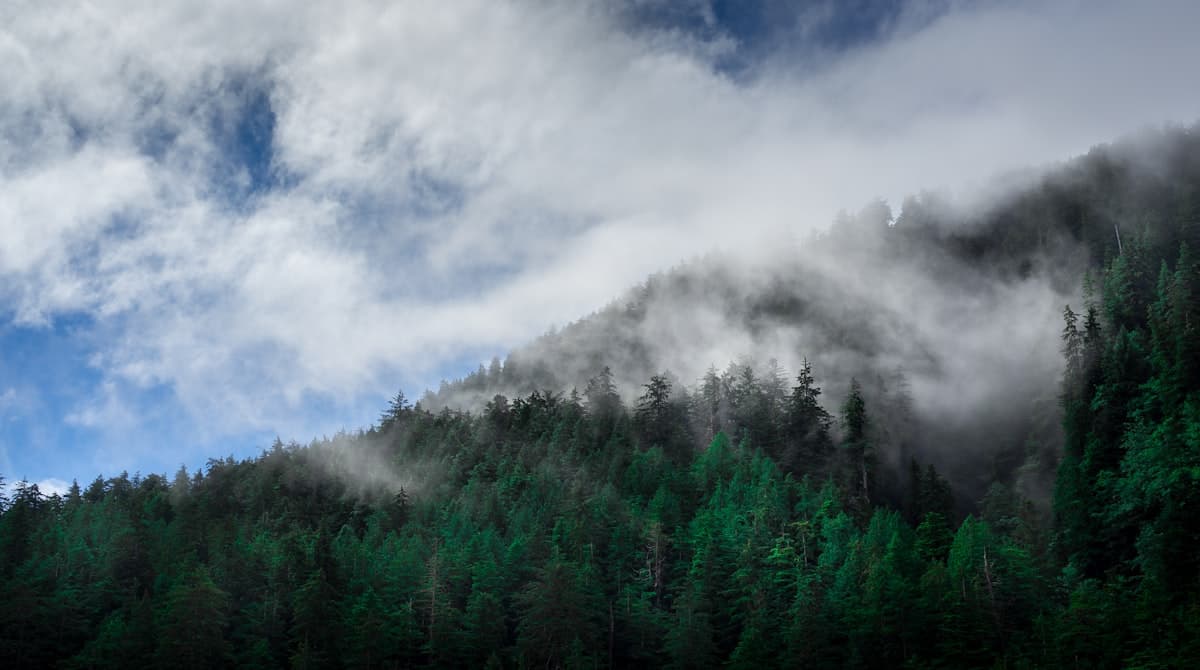
How to Fish Haida Gwaii, British Columbia: Chinook Salmon, Halibut, and Coho at the Edge of the Continental Shelf
Haida Gwaii sits where the continental shelf drops into the deep Pacific, and the fishing matches the geography — chinook salmon that average 20 to 30 pounds, halibut over 100 pounds, and coho in numbers that would be unrealistic anywhere else on the coast.

Haida Gwaii is an archipelago of roughly 150 islands sitting 100 kilometres off the northern BC mainland, where the continental shelf drops into the deep Pacific and the cold Alaska current sweeps nutrient-rich water along the western shore. The result is a marine ecosystem of staggering productivity — herring, needlefish, krill, and sandlance in concentrations that are visible on the sounder as solid walls of bait. Everything that eats those baitfish is here in corresponding numbers: chinook salmon averaging 20 to 30 pounds, Pacific halibut that routinely exceed 50 pounds, coho salmon that run larger than their southern counterparts, lingcod over 20 pounds, and rockfish on every reef.
The fishing here operates differently from Campbell River or Tofino. There is no busy harbour with 50 charter boats jockeying for position. The lodge boats may be the only vessels you see all day. The fish are not boat-shy because they rarely encounter boats. Catch rates at Haida Gwaii lodges consistently exceed what you would experience at southern BC destinations, not because the guides are better (though many are exceptional), but because the biomass is simply greater and the fishing pressure is a fraction of what Discovery Passage or Barkley Sound sees on a summer weekend.
For trip planning, logistics, lodge options, and what the experience is like, see our Fishing Haida Gwaii destination guide. This article covers the fishing itself — species, techniques, tackle, and regulations.
Chinook Salmon: The Big Fish
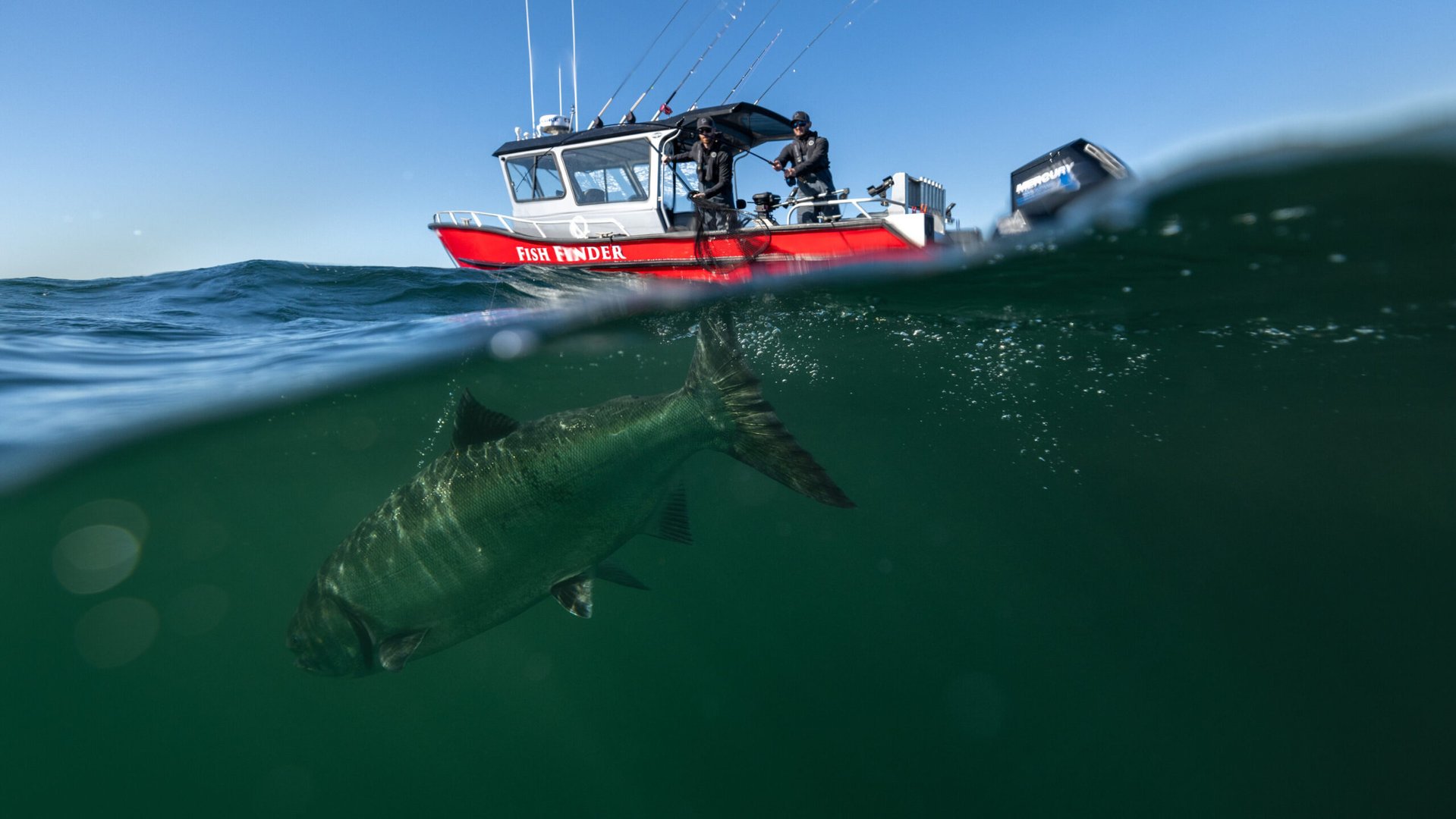
Chinook are the reason most anglers make the trip to Haida Gwaii. The average size here is noticeably larger than southern BC fisheries — 20 to 30 pounds is a normal fish, 30 to 40 pounds is a good fish, and 50-pound-plus tyees are caught every season. The largest chinook taken from Haida Gwaii waters have exceeded 70 pounds. These are intercepting migrants from the Skeena, Nass, Stikine, and dozens of Alaska-bound river systems, which means there are continuously fresh fish arriving from May through September.
Where They Hold
Langara Island (northwest tip): The most famous fishing ground in Haida Gwaii. Chinook stack up along the kelp edges and reef structure on the south and west sides of Langara as they round the corner of the archipelago. The tide rips off the point concentrate bait and create feeding lanes that chinook use like a highway. This is where the premium lodges (Langara Fishing Adventures, West Coast Fishing Club's Clubhouse) are positioned.
The west coast: The exposed Pacific side of the islands. Chinook cruise the kelp edges and underwater structure from Langara south along the coast. The west side produces the largest fish but is weather-dependent — swells from the open Pacific can shut down fishing on exposed days.
Hecate Strait (east coast): The protected waters between Haida Gwaii and the mainland. Chinook run through the strait en route to mainland rivers. The fishing here is calmer and more accessible from Sandspit and Queen Charlotte, though the average fish size is smaller than the west coast.
Chinook Techniques
Trolling with downriggers is the primary method. The standard rig: a 10-foot mooching rod (medium to medium-heavy action) paired with a level-wind reel loaded with 20- to 30-pound monofilament or braided line. The line runs through a downrigger clip to the cannonball weight, which drops the lure to the target depth — typically 40 to 120 feet for chinook, depending on where the bait is showing on the sounder.
Lures: Spoons are the workhorse — Gibbs-Delta Skinny G, Silver Horde Coho Killer, Tomic plugs in herring, anchovy, and UV patterns. Run behind a flasher (a rotating attractor plate — typically 8 to 11 inches) on 5 to 6 feet of leader. The flasher imitates a feeding fish and draws chinook to the trailing lure. Green/glow, chrome/blue, and army truck (green/chartreuse/black) are the standards. Hoochies (soft plastic squid skirts) behind flashers also produce consistently, particularly in green and pink.
Bait: Whole herring or herring strip rigged on tandem hooks, fished behind a flasher on the downrigger. Bait releases scent that draws fish from farther away than artificials. Many Haida Gwaii guides prefer bait early in the season when fish are scattered and cruising rather than holding on structure.
Mooching: Drift-fishing with a herring on a mooching rig — a weighted setup that lets the bait tumble naturally in the current. More active than trolling and effective when fish are concentrated on a reef or point. Some Haida Gwaii guides moch when the chinook are tight to structure and trolling is less productive.
Trolling speed: 2.0 to 2.5 knots. Slow and steady. The flasher needs enough speed to rotate properly but not so much that the lure or bait spins unnaturally. Most lodge boats have speed-over-ground displays calibrated to the optimal range.
Fishing for Chinook Salmon — Living Remote in Haida GwaiiHalibut: The Big Flatfish
Pacific halibut at Haida Gwaii are among the largest and most numerous on the BC coast. Fish average 20 to 50 pounds, with 50- to 80-pound fish common and genuine barn doors over 100 pounds caught every season. The combination of shallow reef structure, strong currents, and massive baitfish populations creates ideal halibut habitat.
Where They Hold
Halibut prefer sandy bottom and sand-to-rock transitions at 60 to 300 feet. The banks and ledges off the west coast of the islands — particularly off Langara Island and along the Naden Harbour entrance — are prime territory. Hecate Strait has productive halibut grounds as well, particularly on the offshore banks.
Halibut Techniques
Jigging: The most common method. Drop a 12- to 24-ounce halibut jig (white, glow, or green) to the bottom. Lift with big, aggressive sweeps of the rod — 3 to 4 feet of lift — then let the jig flutter back down. Halibut often hit on the drop as the jig flutters past their face. Tip the jig with a strip of salmon belly, herring, or octopus for added scent. At Haida Gwaii, where halibut can exceed 100 pounds, start heavy — a 16- to 24-ounce jig — rather than downsizing.
Spreader bar rig: A wire spreader with a heavy weight (16-32 ounces) on one arm and a baited circle hook (salmon belly, herring, or octopus) on the other. Drop to the bottom and let the current drift the bait. This is the passive approach — effective when halibut are holding tight to the bottom in strong current. Circle hooks are preferred because they set in the corner of the mouth, reducing gut-hooks and improving release survival for oversized fish.
Gear: A short, stiff halibut rod — 5'6" to 6', heavy action — paired with a large conventional reel (Penn Squall 30, Shimano Torium 30, or similar) loaded with 65- to 80-pound braided line. Leader of 80- to 100-pound fluorocarbon, 3 to 4 feet, to a large circle hook (8/0 to 10/0). The heavy tackle is non-negotiable — a 60-pound halibut lying flat on the bottom in current is a dead lift, and the fish gets heavier the deeper the water. Underpowered gear means you either lose the fish or exhaust yourself before it reaches the boat.
Landing large halibut: Fish over 50 pounds require careful handling. The guide will typically gaff the fish and haul it over the gunwale, or on very large fish, harpoon it alongside the boat. Fish over the retention size limit must be released — a descending device or careful handling is required to give deep-water releases the best chance of survival. Listen to your guide on this — they handle big halibut daily.
Fishing BC Presents: Seeking Salmon off the Far Corner of Haida GwaiiCoho Salmon: The Late-Season Prize
Coho arrive in Haida Gwaii in July and build through August and September. They are the most acrobatic salmon — explosive surface strikes, multiple jumps, tail-walking runs that put your reel drag to the test. Haida Gwaii coho run notably larger than at southern destinations — 12 to 18 pounds is common, with fish over 20 pounds possible.
Coho Techniques
Trolling: Same downrigger setup as chinook but fished shallower — 20 to 60 feet. Coho feed aggressively in the upper water column, often chasing bait to the surface. Flasher-and-spoon or flasher-and-hoochie rigs in pink, blue, and chrome patterns are standard. Trolling speed can be slightly faster than for chinook — 2.5 to 3.0 knots.
Casting: On calm days when coho are visible on the surface — slashing through baitfish schools, jumping, and leaving splashes — you can cast spoons or spinners into the feeding fish. This is the most exciting way to catch coho and one of the most exciting experiences in Pacific salmon fishing. A 15-pound coho hitting a cast spoon on the surface is violent and immediate.
Fly fishing: Some lodge guides will accommodate fly anglers for coho. A 9- to 10-weight rod with a sinking-tip line and a large streamer (Clouser Minnow, Deceiver, or pink/white bunny leech) cast into feeding fish is effective when conditions align. This is a specialty request — discuss it with your lodge when booking.
Lingcod: The Reef Predator
Lingcod are abundant on the rocky reefs around Haida Gwaii. Fish here average significantly larger than at Tofino or Campbell River — 15 to 30 pounds is common, with fish over 40 pounds possible. Lingcod season runs April through October (check DFO regulations for specific dates by area).
Lingcod Technique
Jigging: A 6- to 10-ounce leadhead jig dressed with a large soft plastic (5 to 8 inches — white, chartreuse, herring pattern) dropped to the bottom over rocky structure. Lift sharply — lingcod are ambush predators that react to aggressive movement — then let the jig settle back. Most strikes come within the first 3 to 5 cranks off the bottom. Lingcod have bony mouths and multiple sets of teeth — a sharp hookset is important.
Gear: A 6'6" to 7' medium-heavy rod paired with a baitcasting or conventional reel loaded with 40- to 65-pound braid. Fluorocarbon leader of 40 to 60 pounds, 2 to 3 feet — the leader takes abuse from lingcod teeth and the rocky structure where they live.
The shaker problem: Lingcod frequently grab hooked rockfish or smaller lingcod as you reel them up. If a lingcod grabs your rockfish, keep steady pressure and reel smoothly — do not jerk or try to set the hook. The lingcod will often hold on until it is near the surface, at which point it either lets go or the guide can net it. This is one of the unique aspects of Haida Gwaii bottom fishing — you hook a 2-pound rockfish and a 20-pound lingcod materializes out of nowhere to eat it.
Spring Salmon Fishing — Haida Gwaii IslandRockfish and Bottom Fish
Yelloweye rockfish, quillback rockfish, black rockfish, and Pacific cod inhabit the same rocky structure as lingcod. They are caught incidentally while jigging and are an important part of the Haida Gwaii fishing experience.
Critical regulation: Most rockfish species have extremely strict retention limits. Yelloweye rockfish in particular are long-lived (some over 100 years old) and slow to reproduce. In many Haida Gwaii subareas, yelloweye are catch-and-release only. A descending device is mandatory for releasing any rockfish caught in deep water — they cannot swim down on their own due to barotrauma (the swim bladder expands as the fish is brought to the surface). Your guide will have a descending device and know how to use it.
Tackle Setup Summary
| Target | Rod | Reel | Line | Leader | Terminal |
|---|---|---|---|---|---|
| Chinook | 10' mooching/trolling M | Level-wind (Tekota 600) | 20-30 lb braid/mono | 20-25 lb fluoro, 6' | Flasher + spoon/hoochie |
| Halibut | 5'6" H boat rod | Large conventional (Squall 30) | 65-80 lb braid | 80-100 lb fluoro, 3-4' | 16-24 oz jig or spreader rig |
| Coho | 10' mooching M | Level-wind or spinning | 15-20 lb braid | 15-20 lb fluoro, 5' | Flasher + spoon, or cast spoon |
| Lingcod | 6'6"-7' MH | Baitcasting or conventional | 40-65 lb braid | 40-60 lb fluoro, 2-3' | 6-10 oz jig + soft plastic |
Most Haida Gwaii lodges provide all tackle. However, serious anglers often bring their own salmon rod and reel — the personal connection to the gear matters when you hook a 40-pound chinook. Ask your lodge what they supply and what is worth bringing.
Fishing Licence and Regulations
Haida Gwaii is in Canadian federal waters. You need a DFO tidal waters sport fishing licence.
| Licence Type | Cost (CAD) |
|---|---|
| Canadian resident annual tidal | $25.86 + GST |
| Non-Canadian annual tidal | $124.41 + GST |
| Non-Canadian 1-day tidal | $10.46 + GST |
| Non-Canadian 3-day tidal | $20.92 + GST |
| Salmon conservation stamp | $6.29 + GST |
Purchase online at the DFO Pacific Region website. Lodge packages typically remind you to purchase your licence before arrival but do not include it in the package price.
Key Haida Gwaii regulations (2026 — always verify current DFO rules):
- Chinook: Daily limit varies by subarea and month — typically 1 to 2 chinook. Some areas are hatchery-marked chinook only (adipose fin clipped). Size limits may apply. Check the DFO Fishery Notice for the specific subareas you will fish.
- Coho: Daily limit 2. Hatchery vs. wild retention rules apply in some areas.
- Halibut: Daily limit 1, possession 1. Maximum size 112 cm (approximately 44 inches). Fish over the limit must be released carefully.
- Lingcod: Daily limit 1, minimum size 65 cm. Season varies by area (typically April-October).
- Rockfish: Strict limits — 1 per day for aggregate rockfish in most areas. Yelloweye may be catch-and-release only. Descending device mandatory for all rockfish releases.
- Barbless hooks mandatory in all BC tidal waters.
Your lodge guide will know the current regulations for the specific waters you are fishing. Regulations at Haida Gwaii are more complex than southern BC because the subareas are large and the rules change seasonally. Let your guide lead on retention decisions.
Seasons and What to Expect
Late May — June: Early chinook and halibut. Fish are spreading out and locating bait — the guides work harder to find concentrations, but when they do, the fish are unpressured and aggressive. Longest daylight hours. Variable weather with fog common.
July: Peak chinook migration. The largest fish of the year push through in July, and the lodge catch logs confirm it — this is the month that produces the most tyees. Highest demand and highest lodge prices. Book well in advance.
August: Best all-around month. Coho arrive while chinook are still present. Halibut and lingcod in full swing. Weather tends to be the most stable. Excellent for anglers who want variety — a realistic day might include a chinook, a coho, a halibut, and a lingcod.
September: Coho fishing peaks. Chinook taper off. Some lodges close by mid-September. The weather starts to deteriorate but dedicated coho anglers consider September the best month at Haida Gwaii — the fish are large, aggressive, and present in numbers.
Haida Gwaii Fishing Trip — Northern CanadaRecommended Gear
Okuma Classic Pro GLT 10'6" M Mooching Rod
Chinook mooching and trolling — the longer rod absorbs headshakes from big fish
Shimano Tekota 600 Level-Wind Reel
Chinook trolling — smooth drag and level-wind for deep downrigger work
Penn Carnage III 5'6" H Boat Rod
Halibut jigging — short and stiff for cranking big flatfish off the bottom
Penn Squall 30 Lever Drag Reel
Halibut — 65-80 lb braid, lever drag for controlled lifting of heavy fish
Shimano Convergence 7' MH Casting Rod
Lingcod jigging and casting spoons for surface coho
Gibbs-Delta Skinny G Spoon Army Truck
Chinook trolling behind a flasher — the green/chartreuse pattern that Haida Gwaii guides trust
Gibbs Delta Halibut Jig 24 oz White Glow
Heavy halibut jig for deep water and strong current — tip with salmon belly
Hotspot Flasher 11" Chrome UV
Salmon attractor — UV finish adds visibility in Haida Gwaii's dark, plankton-rich water
Mustad InkVader Octopus Jig 16 oz
Lingcod and halibut — the multi-tentacle action triggers aggressive strikes
Grundéns Gage Weather Watch Jacket
Open Pacific rain gear — Haida Gwaii weather changes fast and there is no hiding from it
Top Fishing Guides in Haida Gwaii
The waters around Haida Gwaii are remote, current-swept, and rich with fish — and a guide who has spent years reading these tides, kelp edges, and weather windows is the difference between a good trip and a legendary one. Haida Gwaii guides know where the chinook are staging on the bank today, whether the halibut have moved to the south ledge, and when the fog will lift enough to run the outside. That is not knowledge you can replace with a map and a fish finder.
Haida Gwaii Fishing Charters
Haida Gwaii, BC, CA
Haida Gwaii Fishing Charters welcomes anglers to experience exceptional fishing in the pristine waters of British Columbia's Haida Gwaii. Captain Michael Mayr leads personalized trips targeting world-class salmon and bottom fish, delivering both the thrill of a bucket-list adventure and the comfort of a relaxing day on the water. The operation maintains a well-equipped fleet including an 18-foot Hourston Glasscraft and a 24-foot Grady White offshore boat, each outfitted with modern fishing gear and amenities designed for safety and success. Whether preparing for a first fishing expedition or seeking a return to one of Canada's premier fishing destinations, anglers benefit from Captain Mayr's local expertise and commitment to memorable experiences.
Majestic Charters
Haida Gwaii, British Columbia, CA
Majestic Charters Majestic Charters welcomes anglers to the pristine waters of Haida Gwaii, British Columbia, a world-renowned fishing destination nestled south of Alaska. Specializing in guided salmon fishing—particularly prized Chinook—the operation combines expert local knowledge with luxurious accommodations to create an unforgettable experience. Guests fish in one of Canada's most culturally rich and visually stunning regions, where natural beauty and productive waters are unmatched. The all-inclusive charter packages remove the hassle from planning, allowing anglers to focus entirely on their time on the water and in this remarkable landscape. Beyond fishing, guests enjoy adventure tours and authentic local cuisine, experiencing Haida Gwaii's character from every angle. Whether seeking trophy salmon or an immersive coastal adventure, Majestic Charters delivers a comprehensive, expertly guided journey through British Columbia's crown jewel.
Queen Charlotte Lodge
Haida Gwaii, BC, CA
QCL Haida Gwaii is a premier fishing lodge set in the remote and pristine Haida Gwaii archipelago of British Columbia. Specializing in world-class salmon and halibut fishing, the lodge offers both guided and self-guided experiences designed for anglers of all skill levels. The operation is built on a foundation of knowledgeable guides who understand these legendary waters and are committed to helping guests succeed. Nestled within old-growth forests, the lodge combines exceptional service and gourmet dining with breathtaking coastal scenery. Whether seeking an immersive guided adventure or the independence of self-guided fishing, guests can expect a thoughtfully crafted experience that honors both the pristine environment and the pursuit of remarkable catches in one of Canada's most iconic fishing destinations.
Frequently Asked Questions
What size chinook salmon can I expect at Haida Gwaii?
Chinook at Haida Gwaii average 20 to 30 pounds — noticeably larger than southern BC destinations like Tofino or Campbell River. Fish of 30 to 40 pounds are common, 50-pound-plus tyees are caught every season, and the largest on record have exceeded 70 pounds. July produces the biggest fish.
What fishing techniques are used at Haida Gwaii?
Chinook: downrigger trolling with flasher-and-spoon or bait (herring) at 40-120 feet, plus mooching (drift-fishing with weighted herring). Halibut: jigging with 16-24 oz jigs or spreader bar rigs at 60-300 feet. Coho: shallow trolling (20-60 feet) or casting spoons into surface-feeding fish. Lingcod: jigging with leadhead jigs and soft plastics over rocky reefs.
Do Haida Gwaii lodges provide fishing tackle?
Yes, most lodges provide all rods, reels, tackle, lures, and bait. Serious anglers often bring their own salmon rod and reel for personal preference. Ask your lodge what they supply — the quality of lodge-provided tackle at premium operations is typically excellent.
What halibut regulations apply at Haida Gwaii?
Daily limit 1 halibut, possession limit 1. Maximum retention size 112 cm (approximately 44 inches) — fish over this must be released carefully. A descending device is recommended for deep-water releases. Barbless hooks are mandatory. Always verify current DFO regulations as they can change annually.
When is the best month for chinook at Haida Gwaii?
July produces the largest chinook and the most consistent trophy fishing — this is peak migration month. August offers excellent chinook fishing plus the addition of coho for variety. Late May and June have good early-season chinook with the lowest fishing pressure.
Related Articles
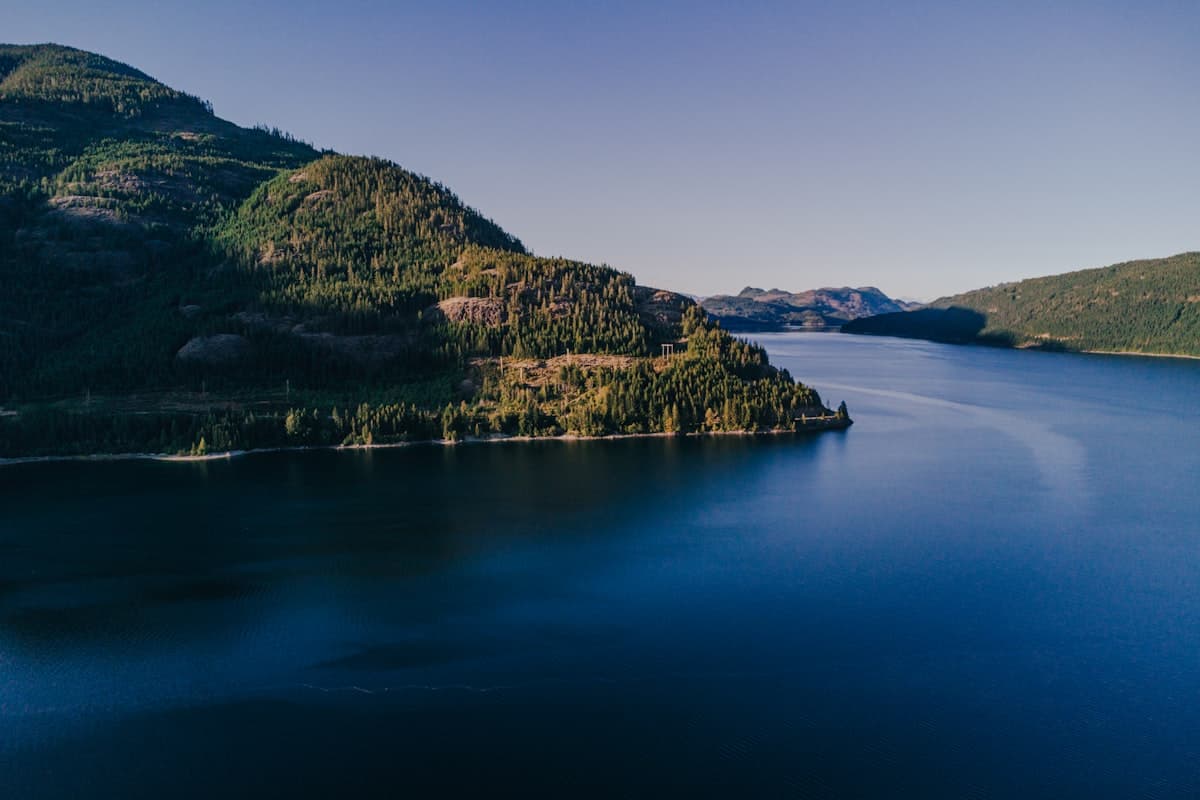
How to Fish Campbell River, British Columbia: The Salmon Capital of the World and the Legendary Tyee Pool
Thursday, November 27, 2025
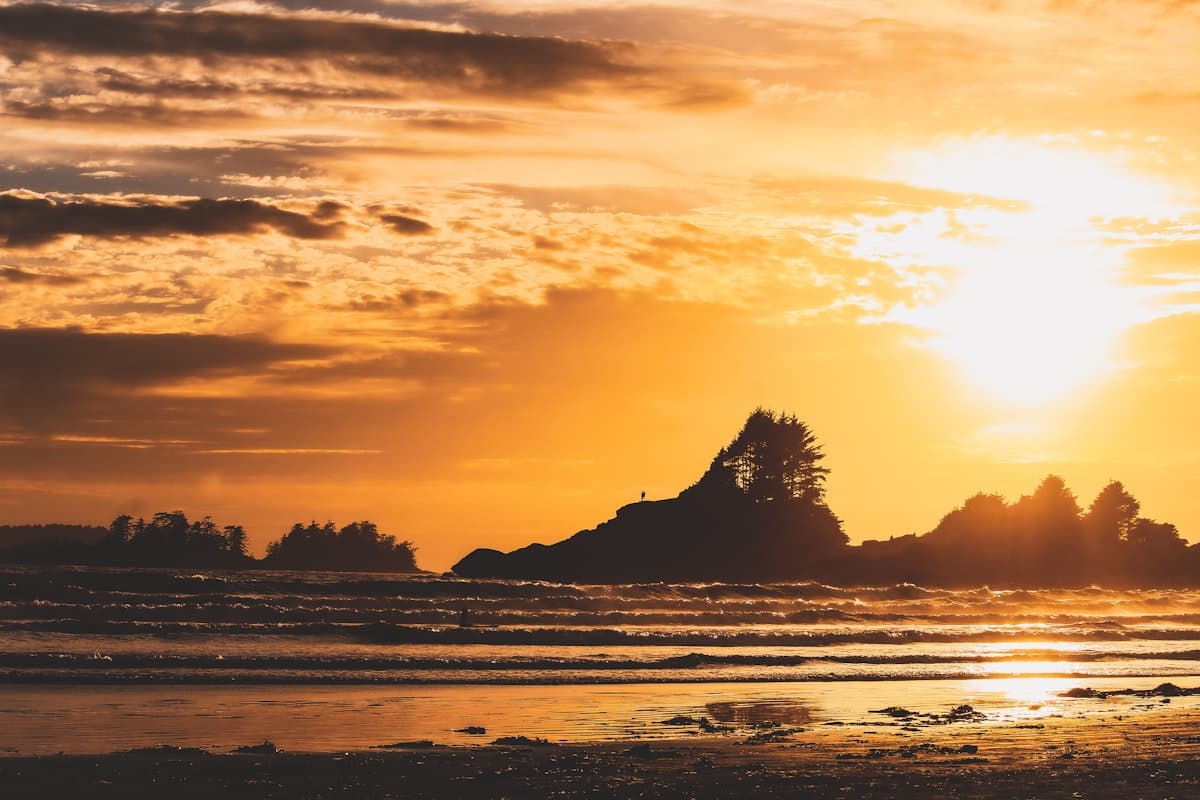
How to Fish Tofino and Ucluelet, British Columbia: Chinook Salmon, Halibut, and Lingcod on Vancouver Island's Wild West Coast
Tuesday, December 2, 2025
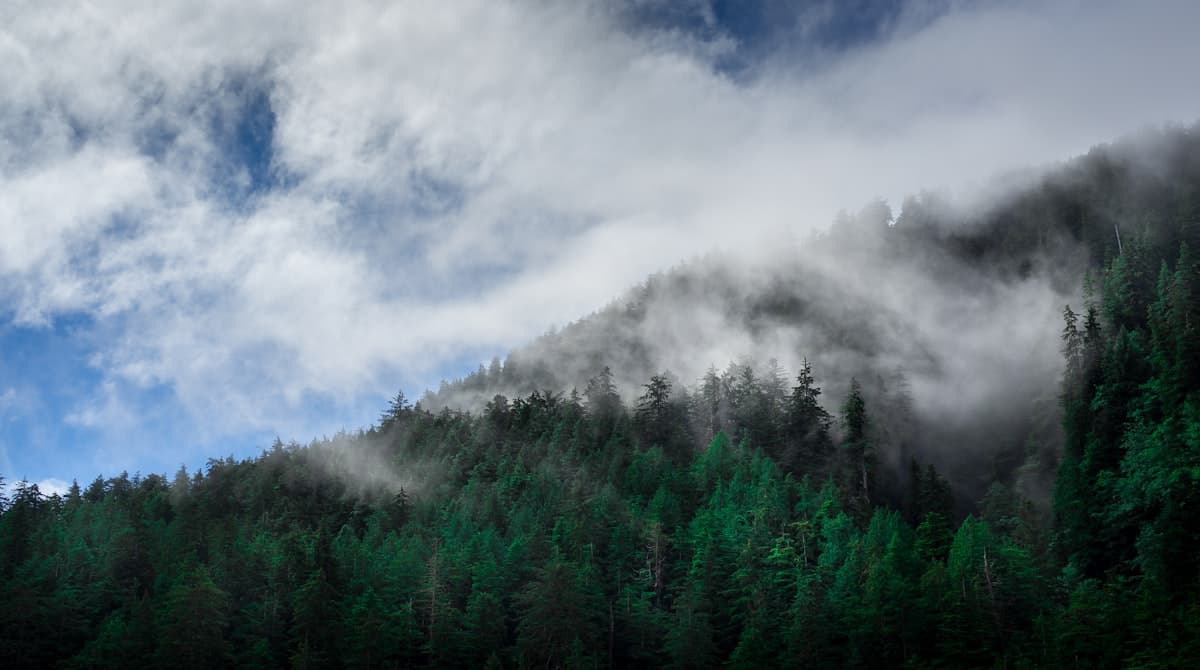
Fishing Haida Gwaii: Remote Lodge Fishing at the Edge of the Pacific
Wednesday, June 10, 2026
 ™
™