
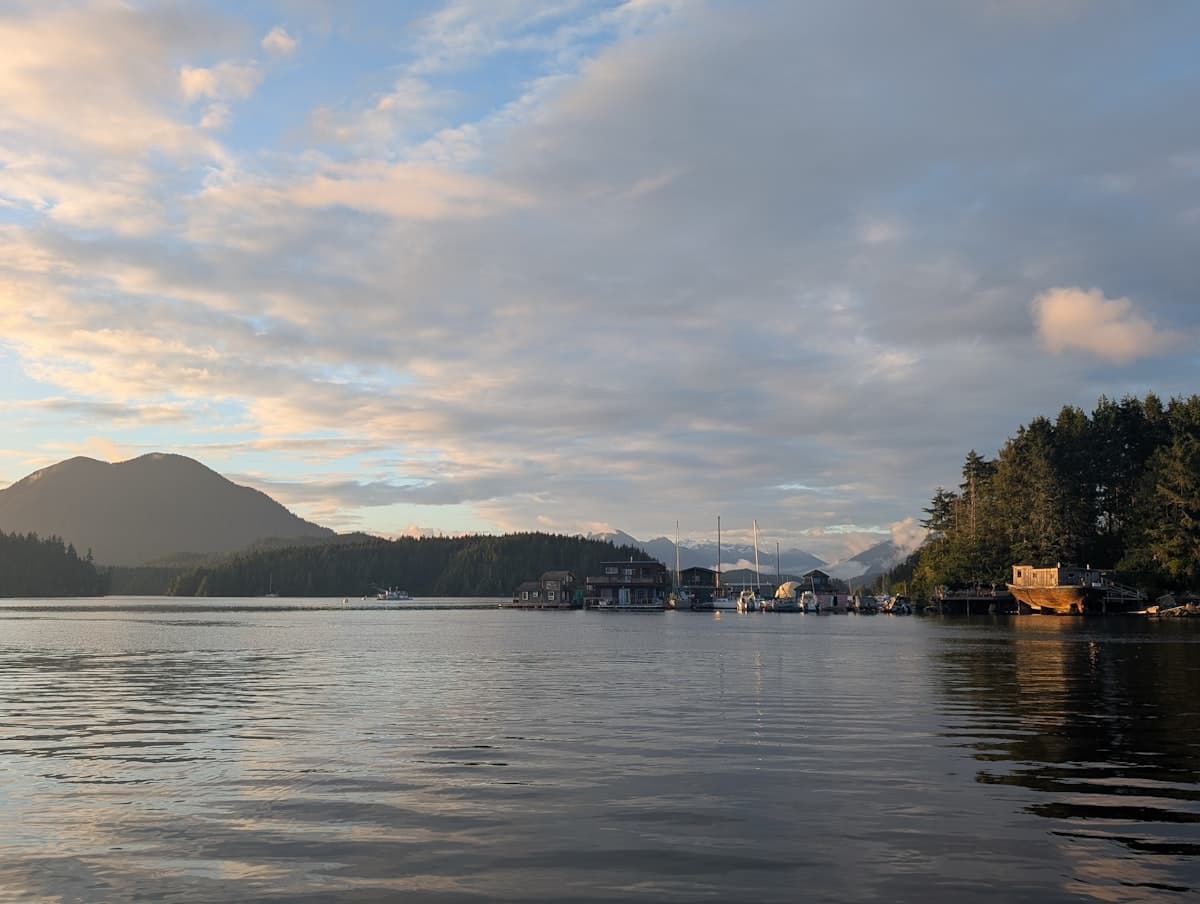
Fishing Tofino and Ucluelet, BC: Planning Your Trip to Vancouver Island's Wild West Coast
Vancouver Island's west coast is where old-growth rainforest meets the open Pacific, and the fishing matches the landscape — chinook salmon, halibut, lingcod, and coho in some of the most dramatic scenery in North America.
The first thing you notice about Tofino and Ucluelet is the scale. The trees are enormous — centuries-old western red cedar and Sitka spruce rising from a carpet of moss and fern. The ocean swells roll in from Japan, uninterrupted by anything for 7,000 kilometres. The fog bank sits on the horizon like a wall. And the fish that swim through these waters are built to match the landscape — chinook salmon that regularly exceed 30 pounds, halibut that can outweigh you, and lingcod that ambush anything that moves over the reefs.
These two small towns sit on the exposed west coast of Vancouver Island, separated by Pacific Rim National Park Reserve and connected by a single road through the old-growth. Ucluelet faces south into Barkley Sound — a massive inlet studded with islands, channels, and the legendary Big Bank feeding grounds. Tofino faces north into Clayoquot Sound, with its own productive waters and a tourism scene built around surfing, whale watching, and wild Pacific storms. Both towns have full-service charter fleets, and the fishing grounds overlap enough that where you stay matters less than when you come and who takes you out.
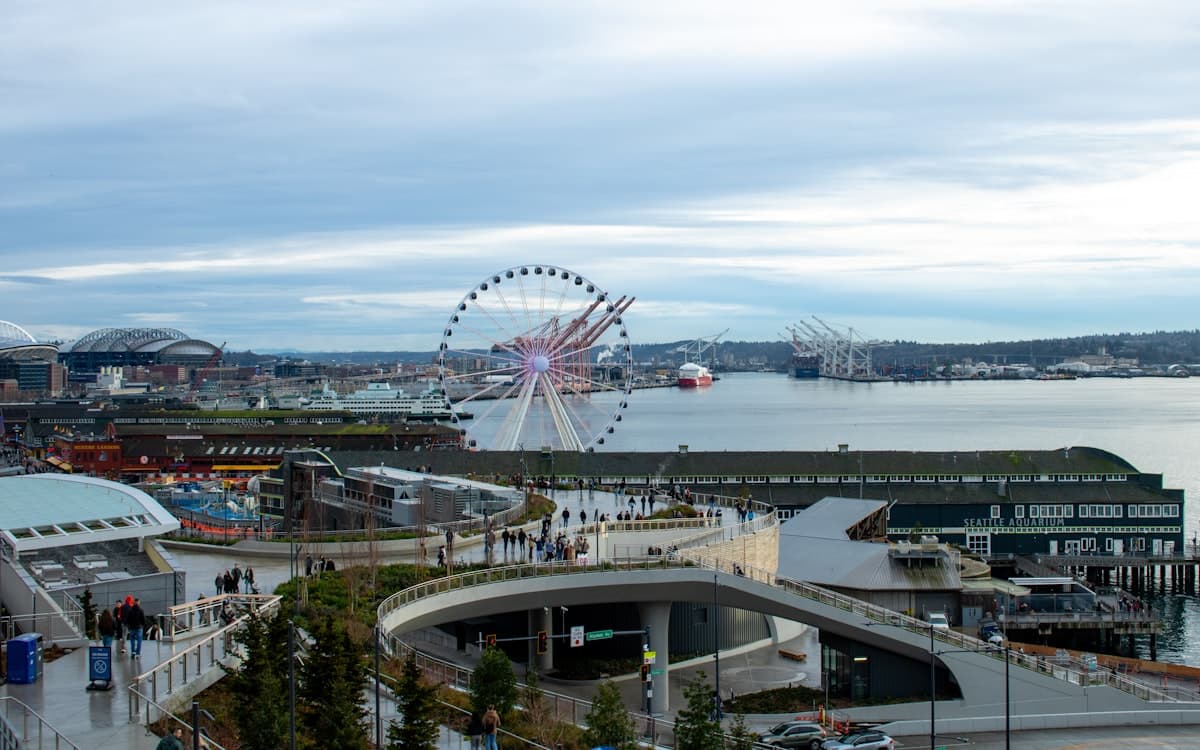
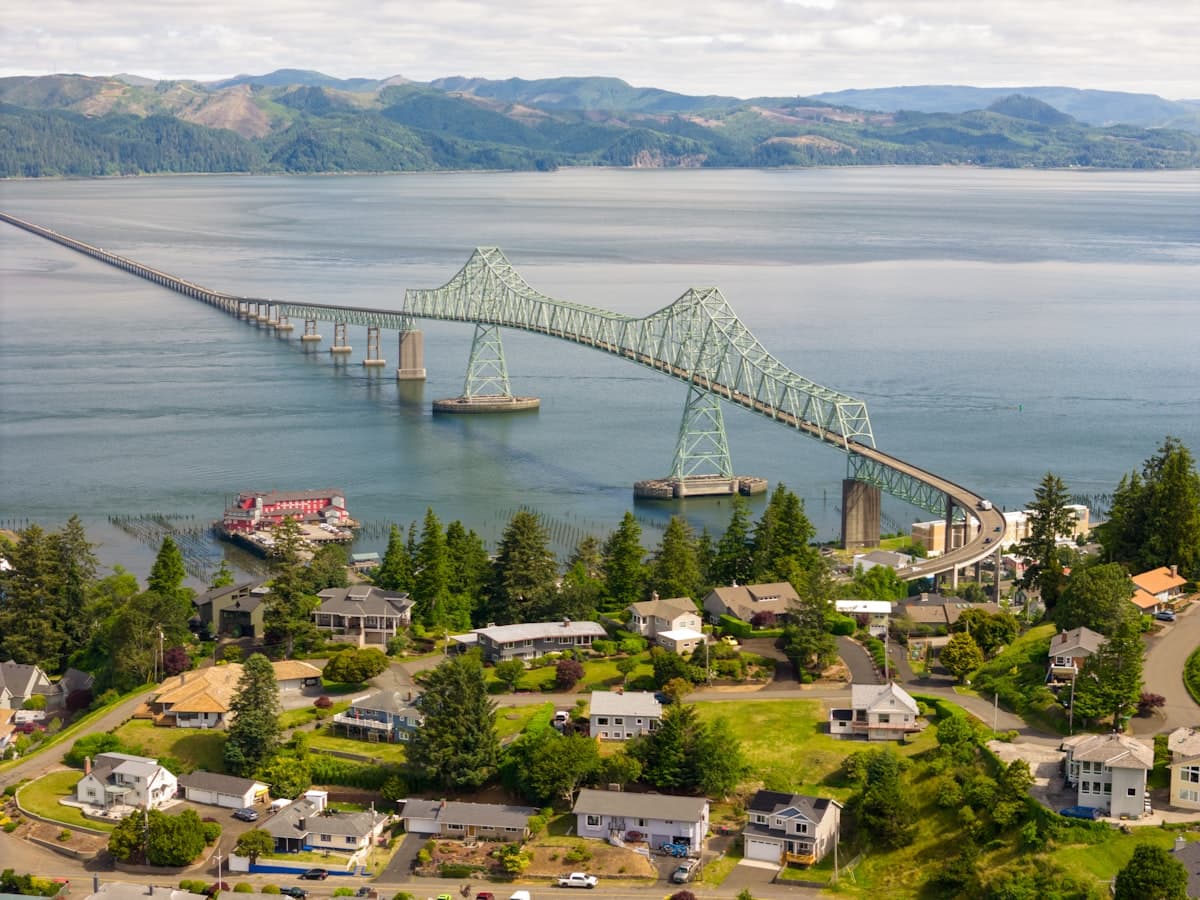
If you have fished the Pacific Northwest — Seattle, Westport, Astoria — the species are familiar. But the west coast of Vancouver Island produces larger chinook, more consistent halibut, and a wilder setting than most mainland fisheries. This is the real Pacific coast, and a fishing trip here is as much about the place as it is about the fish.
Why Tofino and Ucluelet
The fishing is world-class, but that is not the whole story. Plenty of places catch big chinook. What makes the west coast of Vancouver Island different is the combination: genuine wilderness within reach of a paved highway, a functioning fishing fleet with decades of local knowledge, and an atmosphere that ranges from rugged charter-boat culture in Ucluelet to the upscale surf-town energy of Tofino.
The continental shelf drops into deep water close to shore here, which means the nutrient upwelling that feeds the entire food chain happens right where the charter boats run. Big Bank — the underwater plateau off Ucluelet — concentrates baitfish, and everything that eats baitfish follows. Chinook salmon stack up on the bank from May through September. Halibut hold on the sandy bottom and ledge transitions. Lingcod patrol the rocky reefs. Coho pour through in late summer. On a good August day, a charter can realistically target all four species.
The wildlife adds another dimension. Humpback whales feed on the same baitfish schools you are trolling through. Grey whales migrate past in spring. Sea otters float in the kelp beds. Bald eagles circle the harbour. Black bears forage on the beaches at low tide. You will see things on a fishing day here that most people travel specifically to see, and they happen in the background while you are focused on the rod tip.
Tonquin Fishing Charters — Halibut Season in Tofino BCWhat You Are Fishing For
Chinook salmon are the headline species. Known locally as springs, they arrive in April as resident feeder fish and build through the summer as migratory runs push through Discovery Passage and down the west coast. Fish average 10 to 20 pounds, with fish over 30 pounds caught every season. A chinook over 30 pounds is called a "tyee" in British Columbia, and landing one is a genuine achievement anywhere on the coast.
Pacific halibut hold on sandy bottom from 80 to 300 feet. The season opens April 1 and runs through fall. Halibut here average 15 to 30 pounds, with fish over 50 pounds common and the occasional 100-pound barn door that turns a half-day charter into a full-body workout.
Coho salmon arrive in late July and build through September. They are the most acrobatic salmon — explosive surface strikes, multiple jumps, and tail-walking runs. Average 6 to 12 pounds but fight like they weigh twice that.
Lingcod inhabit the rocky reefs and kelp beds year-round. Aggressive predators that hit hard on jigs — average 5 to 15 pounds with fish over 20 common.
Rockfish — yelloweye, quillback, copper, canary — hold on the same rocky structure as lingcod. Strict retention limits apply. A descending device is mandatory for releasing rockfish caught in deep water.
For the full breakdown of techniques, rigs, and regulations, see our How to Fish Tofino and Ucluelet guide.
Fishing Adventure in Tofino — West Coast Vancouver IslandWhen to Plan Your Trip
The fishing season runs April through October, but the character of the trip changes significantly by month.
April and May are the early season. Feeder chinook hold in Barkley Sound. Halibut season opens April 1. Lingcod season opens. Fewer boats on the water, cooler weather, and smaller chinook on average — but consistent action and the best halibut fishing before the quota tightens later in the year. This is the quiet season, and some anglers prefer it specifically for that reason.
June and July are peak chinook months. Larger migratory fish start pushing through. Big Bank lights up with bait and the charter fleet converges on the bank every morning. Weather improves but fog is common — mornings often start grey and burn off by midday. This is when the serious salmon anglers come.
August and September offer the best diversity. Coho arrive while chinook fishing remains strong. Halibut and lingcod are still available. August is the best month for a "slam" — chinook, coho, halibut, and lingcod in a single day. September has the best weather of the year, smaller crowds, and some of the largest chinook. If you can only come once, come in late August or early September.
October is the tail end. Coho still running, chinook thinning out, halibut season may be closed depending on quota. Fewer charters operating. Quiet and productive for coho, and the fall storms start rolling in — dramatic weather if you like that sort of thing.
Booking timing: Peak season (July-August) fills up months in advance. Book your charter early, especially for weekends. Shoulder season is easier to book and often has excellent fishing with less competition on the water.
Ucluelet or Tofino: Where to Stay
This is the question every first-timer asks, and the answer depends on what you want from the trip beyond the fishing.
Ucluelet is the fishing town. The harbour is oriented toward the charter fleet. Fishing lodges, motels, and vacation rentals cater to anglers. The restaurants are solid but unpretentious. Ucluelet is closer to Big Bank and the productive waters of Barkley Sound, which means a shorter run to the prime fishing grounds — and on rough days, that matters. If fishing is the primary purpose of your trip, stay in Ucluelet.
Tofino is the tourism town. Upscale resorts, surf shops, art galleries, and restaurants that would not be out of place in a major city. The charter fleet here is smaller but professional, fishing the waters of Clayoquot Sound to the north. Tofino is the better choice if you are traveling with a non-fishing partner who wants things to do on shore, or if you want the fishing trip wrapped in a broader vacation experience — surfing, hot springs, bear watching, and the Pacific Rim National Park trail system.
The drive between them is 40 minutes through Pacific Rim National Park. You can stay in one town and charter from the other without much hassle, though early morning departures make proximity to the dock worth considering.
Spring Salmon Fishing Offshore — Tofino BCWhat a Charter Day Looks Like
Most charters depart between 5:30 and 6:30 AM. The early start is not optional — the fish bite best in the first few hours, and the ocean is typically calmest in the morning before the afternoon wind builds.
Full-day charters run 8 to 10 hours and usually split the day between salmon trolling and halibut or bottom fishing. You will troll over Big Bank or along the kelp edges of Barkley Sound in the morning, targeting chinook with downriggers running spoons or bait at 40 to 120 feet. After a few hours of trolling, many captains anchor up on a halibut spot and drop jigs to the bottom. The diversity is part of what makes a west coast charter special — two completely different types of fishing in a single day.
Half-day charters run 5 to 6 hours and typically focus on one target — salmon or halibut. Good option if conditions are rough and a shorter exposure to the Pacific swells is smarter, or if you are fishing with young kids whose attention span has a ceiling.
What the captain provides: All rods, reels, tackle, lures, bait. Fish cleaning and packaging at the dock. The boat, the gas, the local knowledge, and the DFO-required safety equipment. Many lodges include vacuum sealing and shipping arrangements.
What you bring: Warm, waterproof layers — the Pacific is cold even in August. Ocean temperatures run 8-12°C (46-54°F), and the spray off the bow will find any gap in your rain gear. Motion sickness medication if you are prone to seasickness (the open ocean swells can be significant — this is not protected water). Polarized sunglasses. Sunscreen. A camera. Lunch and drinks for full-day trips unless the charter includes food.
Cost: Full-day private charters run CAD $1,200 to $2,000 for 2-4 anglers. Half-day: CAD $800 to $1,200. All-inclusive lodge packages (accommodation, meals, guided fishing) range from CAD $2,500 to $5,000+ per person for 3-4 night stays. The lodge packages are excellent value when you factor in what you would spend separately on a charter, accommodation, meals, and fish processing.
Fishing Licence
You need a federal Fisheries and Oceans Canada (DFO) tidal waters licence to fish saltwater in BC. This is separate from a BC freshwater licence.
Non-Canadian residents: $124.41 CAD annually, $20.92 for 3 days, or $10.46 for a single day. Canadian residents: $25.86 annually. A salmon conservation stamp ($6.29) is required to retain any salmon. Purchase online at the DFO Pacific Region website before your trip — your charter captain will ask to see it.
Barbless hooks are mandatory in all BC tidal waters. If you bring your own tackle, pinch your barbs before you fish.
Chinook Salmon off the Coast of Tofino — Vancouver IslandBeyond the Fishing
A Tofino/Ucluelet trip does not have to be exclusively about fishing, and the non-fishing options are genuinely world-class.
Surfing: Tofino is the surf capital of Canada. Long Beach and Cox Bay have consistent waves year-round, with the best conditions in fall and winter. Surf schools and board rentals are everywhere. The water is cold — you need a full wetsuit — but the setting is spectacular.
Whale watching: Humpback whales feed in the waters off Tofino and Ucluelet from March through October. Grey whales migrate through in spring. Dedicated whale watching boats run daily, and you will frequently see whales from the fishing charter as well.
Hot springs: Hot Springs Cove, accessible by boat or floatplane from Tofino, is a natural hot spring that cascades over rocks into the ocean. It is one of the most unique experiences on Vancouver Island and can be combined with a fishing or whale watching trip.
Pacific Rim National Park Reserve: The Wild Pacific Trail in Ucluelet and the Long Beach unit between the two towns offer hiking through old-growth forest along dramatic coastline. The Broken Group Islands in Barkley Sound are a premier sea kayaking destination.
Storm watching: November through February, the west coast gets hammered by Pacific storms. Tofino and Ucluelet have turned storm watching into a tourism draw — hotels with ocean-facing rooms, hot chocolate, and waves crashing over the rocks outside your window.
Getting There
By car: 4.5 hours from Victoria via Highway 4 through Port Alberni and the winding mountain pass. 3 hours from the Nanaimo ferry terminal (BC Ferries from Tsawwassen or Horseshoe Bay on the mainland). The Highway 4 drive through Cathedral Grove — a stand of 800-year-old Douglas fir — is worth stopping for.
By air: Pacific Coastal Airlines flies from Vancouver South Terminal to Tofino (35 minutes). Kenmore Air and other floatplane operators also serve the area. Flying is faster and avoids the mountain pass, but limits what gear you can bring.
From the US: Most American anglers fly into Vancouver, take the ferry to Nanaimo, and drive. SeaTac to Tofino is roughly 8-9 hours including the ferry crossing. Alternatively, fly from Seattle to Vancouver and connect to a Tofino flight.
Weather to expect: Rain. The west coast of Vancouver Island is one of the wettest places in Canada. Waterproof layers are essential regardless of season. Summer temperatures are mild — 15-20°C (60-68°F). Do not expect California weather. Do expect dramatic skies, lush green everything, and an atmosphere that makes you understand why people fall in love with this coast.
2 Days of West Coast Salmon Fishing at UclueletTop Fishing Guides in Tofino
The open Pacific off Tofino and Ucluelet demands a captain who knows this coast — the currents, the weather windows, the bait movement, and where Big Bank is holding fish today. A west coast charter is the safest and most productive way to fish these waters, whether you are targeting chinook on the bank, halibut on the bottom, or coho in the sound.

Coastal Charters
Tofino, BC, CA
4.9 (269 reviews)
Coastal Charters is a locally owned fishing guide service based in Tofino, British Columbia, specializing in salmon, tuna, and halibut fishing in the productive waters of Clayoquot Sound. Owner Brin Townley-Smith brings over two decades of fishing expertise paired with a culinary background, offering clients cooking tips and unique insights that elevate the entire experience. Lead guide Ryan "Goose" Stryvoke and the dedicated team are committed to creating unforgettable days on the water while championing sustainable fishing practices. Beyond fishing, Coastal Charters provides a full range of coastal adventures, including bear watching, whale watching, crabbing, and hot spring tours. Whether guests are seeking trophy catches or immersive wildlife encounters, the team delivers authentic, conservation-minded experiences across the stunning Clayoquot region.
Cha'ak Charters
Tofino, BC, CA
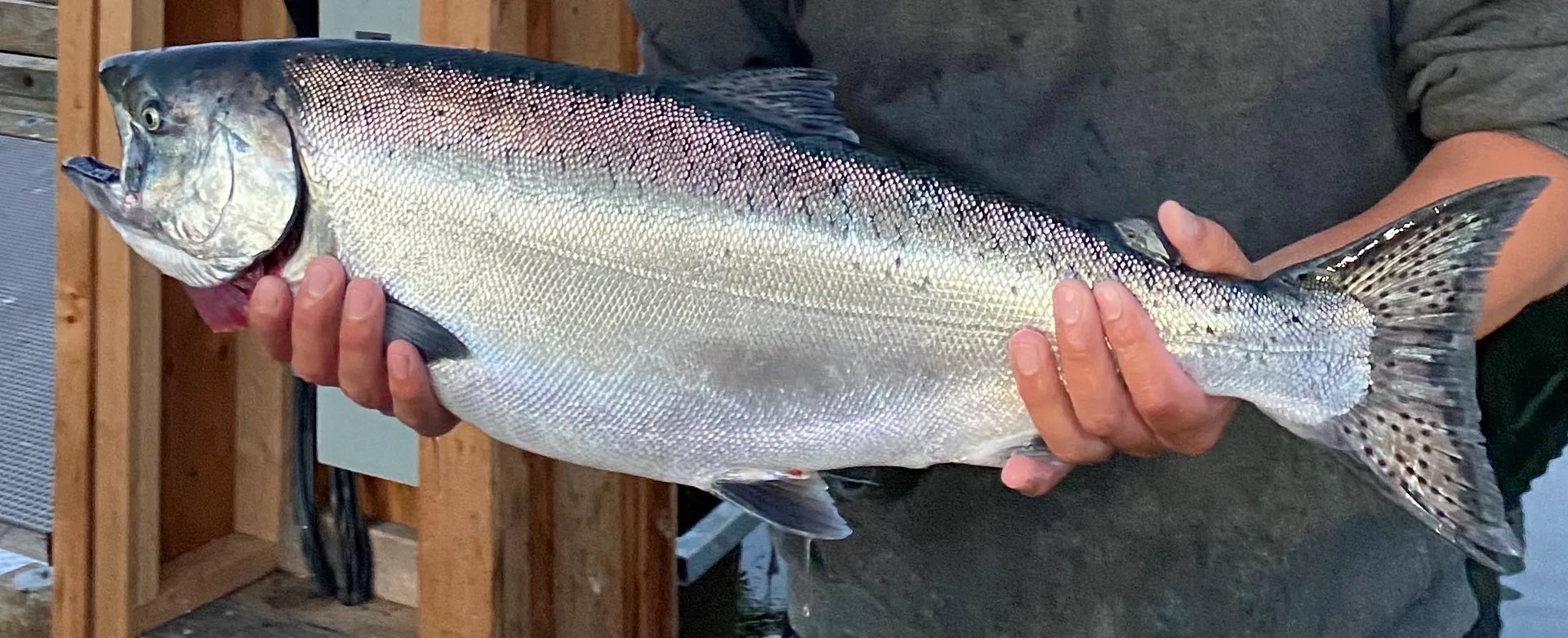
Cha'ak Charters Cha'ak Charters brings decades of local expertise to saltwater fishing off Vancouver Island's rugged west coast. Led by Captain Nathan Driver, whose lifelong passion for these waters is evident in every outing, the charter specializes in pursuing Wild Coho and Chinook Salmon, Halibut, and Lingcod. The Navigator, a 26-foot RH aluminum Seahawk Pro, combines modern comfort with reliable performance for a fishing experience that feels both professional and approachable. Beyond the catch, Cha'ak Charters reflects the spirit of Tofino itself. In addition to dedicated fishing trips, Captain Driver offers wildlife tours, coastal explorations, and scenic journeys to the natural hot springs at Hot Springs Cove—perfect for anglers seeking a fuller coastal adventure or families wanting to experience the region's natural wonders together.
Flow Fly Fishing
Tofino, BC, CA
Flow Fly Fishing offers guided fishing experiences in Tofino, British Columbia, a premier destination on Canada's west coast. With expertise in both saltwater and freshwater environments, the guide specializes in pursuing Chinook and Coho salmon, halibut, and lingcod. Each charter aboard the Power Play is customized to match anglers' skill levels and preferences, ensuring every trip is tailored to individual needs. Combining years of local knowledge with personalized service, Flow Fly Fishing creates memorable adventures for both seasoned fly fishers and those new to the sport. Whether seeking an action-packed day or a peaceful escape on the water, guests experience the natural beauty and abundant fisheries that make Tofino an exceptional angling destination.
Fish On Tofino
Tofino, BC, CA
Fish On Tofino operates premier fishing charters from the rugged British Columbia coast, specializing in guided expeditions throughout the pristine waters of Clayoquot Sound. Led by Captain Jon Versteeg, whose deep local knowledge and genuine passion for fishing guide every outing, the service targets salmon and halibut—two of the region's most prized species. Trips operate aboard a well-equipped 25.5' Parker, engineered for comfort and stability in diverse sea conditions. Whether fishing novices or seasoned anglers, guests benefit from Captain Versteeg's expertise and the boat's reliable performance. Fish On Tofino crafts flexible trip styles to match individual preferences, delivering authentic coastal fishing experiences against the backdrop of one of Canada's most spectacular natural landscapes.

Lucky Strike Tofino
Tofino, BC, CA
Lucky Strike Tofino offers exceptional guided fishing charters along the pristine west coast of Vancouver Island. Specializing in salmon, halibut, and lingcod, the operation provides private charters tailored to each guest's interests and skill level. Trips take place in the calm, protected waters of Clayoquot Sound, creating an ideal setting for both experienced anglers and families new to fishing. Beyond the catch, Lucky Strike Tofino curates memorable marine adventures that showcase the region's natural wonders. Guests can combine fishing with whale watching, bear viewing, and visits to natural hot springs. Prawn and crab trapping options are also available upon request, adding variety to each outing. With personalized service and flexible trip styles, Lucky Strike Tofino delivers an authentic British Columbia fishing experience for all.
Clayoquot Wild
Tofino, BC, CA
Clayoquot Wild operates from the pristine waters of Clayoquot Sound, British Columbia, where experienced First Nations guides share their deep knowledge of these historic fishing grounds. Specializing in salmon and halibut, the service offers custom-tailored charters designed around each guest's skill level and preferences. Trips are conducted aboard the Freedom, a comfortable 2007 Harbercraft 24.25-foot vessel built for both accessibility and enjoyment. What truly distinguishes Clayoquot Wild is the blend of cultural heritage and environmental stewardship—guests experience not just productive fishing, but a meaningful connection to the region's ancient traditions and a commitment to sustainable practices that honor the waters for generations to come.
Recommended Gear
Grundéns Neptune 319 Bib Pants
Essential rain gear — the west coast of Vancouver Island is wet even in summer
Grundéns Tourney Full-Zip Jacket
Waterproof top layer that handles Pacific spray and sideways rain
Shimano Tekota 600 Level-Wind Reel
The standard reel for west coast salmon trolling with downriggers
Okuma Classic Pro GLT 8'6" M Trolling Rod
Salmon downrigger trolling — chinook and coho on the bank
Penn Squall 30 Lever Drag Reel
Halibut bottom fishing — brute-force lifting power for deep water
Penn Carnage III 5'6" H Boat Rod
Short and stiff for halibut jigging in 100-300 feet of water
Gibbs-Delta Skinny G Spoon Green Glow
Chinook trolling spoon — the west coast standard behind a flasher
Hotspot Flasher 11" Chrome
Salmon attractor — rotates ahead of the trailing spoon or hoochie
Gibbs Delta Halibut Jig 16 oz White Glow
Halibut jigging — tip with salmon belly or octopus for scent
Mustang Survival MIT 100 Inflatable PFD
Auto-inflate life jacket — low profile and comfortable for a full day on the water
Frequently Asked Questions
Is Tofino or Ucluelet better for fishing?
Ucluelet is the better base for a fishing-focused trip. It's closer to Big Bank and Barkley Sound (the main fishing grounds), has more fishing-oriented lodges, and the harbour is built around the charter fleet. Tofino is better if you want a broader vacation experience — surfing, restaurants, hot springs — with fishing as part of the trip. The towns are 40 minutes apart, so you can charter from either.
When is the best time to fish Tofino and Ucluelet?
Late August through mid-September for the best diversity — chinook, coho, halibut, and lingcod all available simultaneously, excellent weather, and smaller crowds. June-July for peak chinook fishing on Big Bank. April-May for early halibut and fewer boats. Book July-August charters months in advance.
How much does a fishing charter cost in Tofino?
Full-day private charters (8-10 hours, 2-4 anglers): CAD $1,200-$2,000. Half-day (5-6 hours): CAD $800-$1,200. All-inclusive lodge packages (3-4 nights with accommodation, meals, and guided fishing): CAD $2,500-$5,000+ per person. All tackle, bait, and fish cleaning included in charter prices.
What should I bring on a Tofino fishing charter?
Warm, waterproof layers (the Pacific is cold even in summer), motion sickness medication, polarized sunglasses, sunscreen, a camera, and lunch/drinks for full-day trips. The captain provides all rods, reels, tackle, and bait. Purchase your DFO tidal waters fishing licence online before the trip.
How do I get to Tofino from the United States?
Most American anglers fly into Vancouver, take BC Ferries from Tsawwassen to Nanaimo (1.5 hours), and drive Highway 4 to Tofino (3 hours from Nanaimo). Total travel from Seattle is 8-9 hours. Alternatively, fly from Vancouver to Tofino on Pacific Coastal Airlines (35 minutes) to skip the drive.
 ™
™