
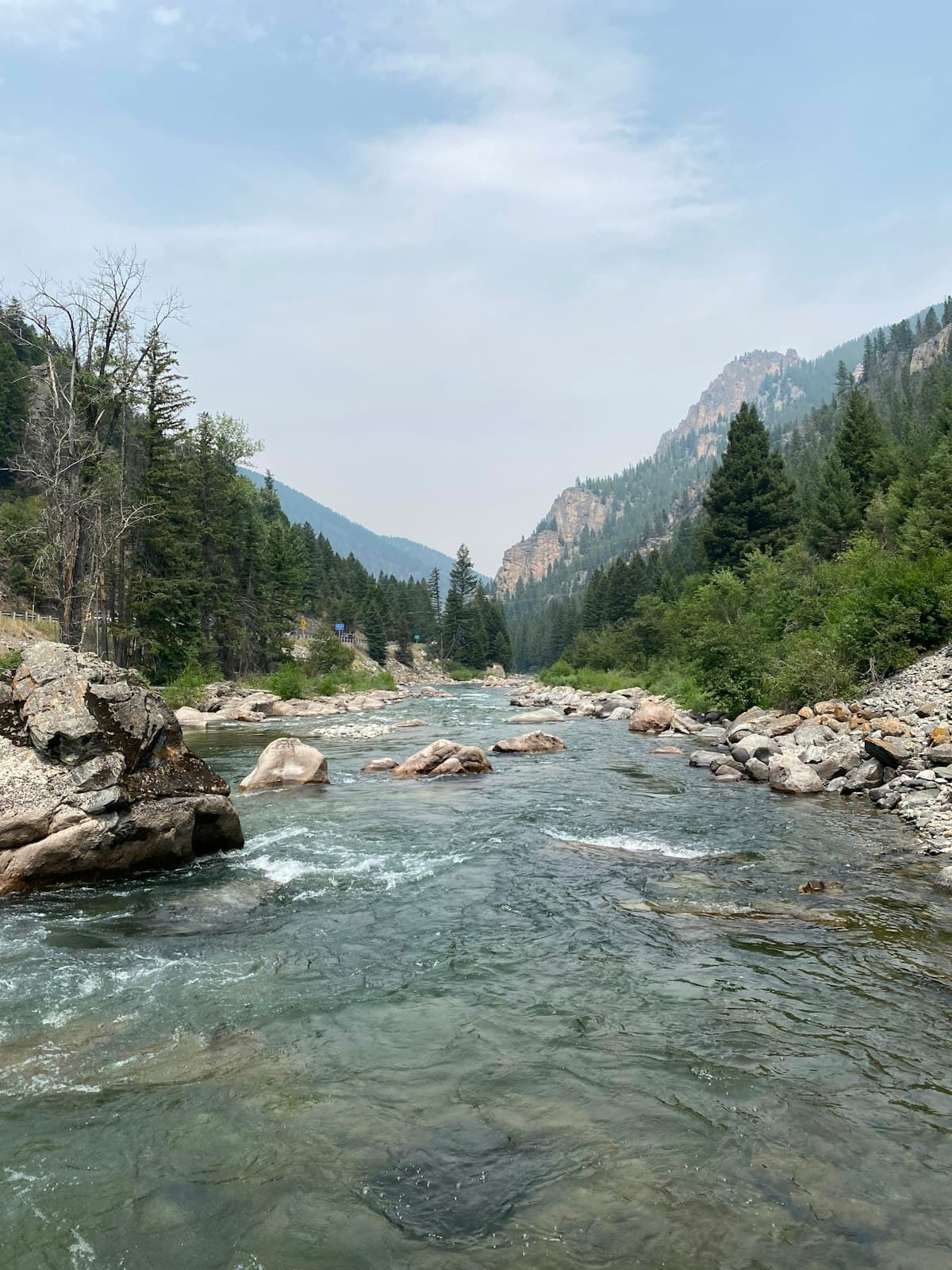
Fly Fishing Hot Springs National Park: Soak in the Bathhouses, Then Drive Twenty Minutes to Real Water
Hot Springs National Park is the oddball — a tiny urban park built around thermal springs and historic bathhouses, not fishing. Gulpha Creek holds sunfish on a 3-weight, but the real fly fishing is nearby: the Ouachita River tailwaters for stocked rainbow trout, Lake Ouachita for bass and stripers, the Caddo River for smallmouth, and the Little Missouri for put-and-take trout. Here's the honest guide to fishing America's spa town.

Let's get the honest part out of the way first: Hot Springs National Park is not a fishing destination. It is a spa destination that happens to sit in the middle of some of the best warmwater and tailwater fishing in Arkansas. The park itself — all 5,550 acres of it, making it the smallest traditional national park in the system — exists because of forty-seven thermal springs that push nearly 700,000 gallons of 143-degree water to the surface every day. The springs have been drawing people for centuries. The Quapaw, Caddo, and other tribes considered the valley neutral ground, a place where enemies could bathe side by side in peace. In 1832, Congress set aside the springs as the Hot Springs Reservation — the first federally protected land in American history, forty years before Yellowstone.
The park's centerpiece is Bathhouse Row, eight grand bathhouses built between 1892 and 1923 along Central Avenue in downtown Hot Springs. The Fordyce Bathhouse, the largest and most ornate, now serves as the park visitor center. The Buckstaff has been operating continuously since 1912 — same building, same thermal water, same soaking tubs. The Quapaw Bathhouse reopened as a modern spa with a communal pool. This is a national park where the main attraction is soaking in hot water and walking a half-mile promenade through magnolia trees, not casting to rising trout.
But here is the thing about Hot Springs, Arkansas: the town sits in the Ouachita Mountains, surrounded by three major lakes, multiple tailwaters stocked with rainbow trout, and free-flowing rivers that hold smallmouth bass, spotted bass, and panfish. The fishing within the park itself is limited to Gulpha Creek — a small warm-water creek running through the campground where you can catch green sunfish and bluegill on tiny flies. The fishing outside the park, all within a thirty-minute drive, is genuinely excellent.
This guide is structured around that reality. Soak in the bathhouses in the morning. Eat lunch on Central Avenue. Then drive twenty minutes to real water.
Gulpha Creek — The Park's Own Water
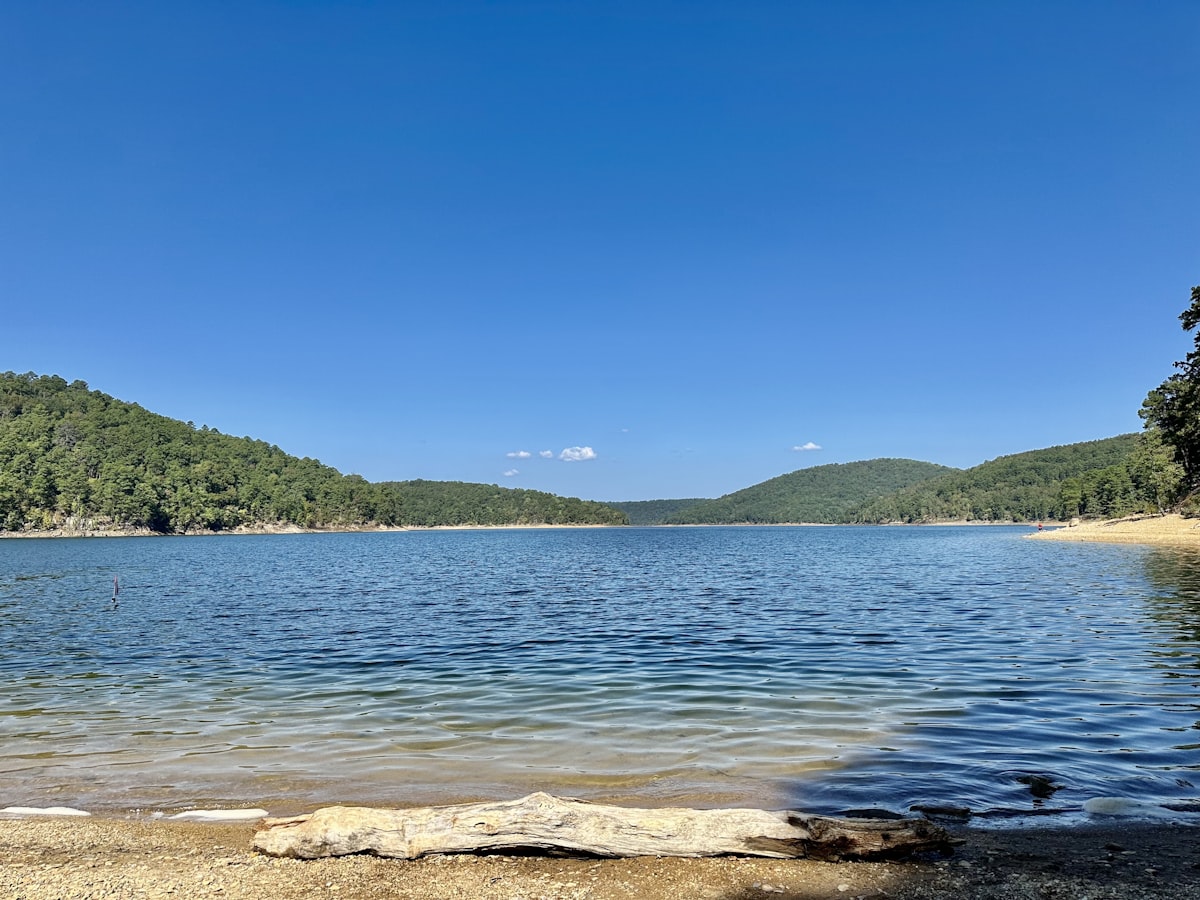
Gulpha Creek flows through Hot Springs National Park past the Gulpha Gorge Campground, about two miles from downtown. This is the only fishable water inside the park boundary, and you should know what you are getting into: Gulpha Creek is a small, warm, shaded creek that holds green sunfish, bluegill, some largemouth bass, and a few channel catfish. It is not trout water. It is not trophy water. It is a creek where you can wet a line while camping, and on its own terms, it is a pleasant place to spend an hour with a 3-weight.
The creek averages eight to fifteen feet wide through the campground stretch, flowing over a gravel and rock bottom through dense hardwood canopy. The pools are small and the fish are small — green sunfish in the four-to-six-inch range, bluegill up to hand-sized, and the occasional bass to about ten inches. This is panfish-on-a-fly-rod fishing, and if you adjust your expectations accordingly, it can be a lot of fun.
Gulpha Creek Flies
Keep it simple and small:
- Small foam poppers (#10-14) — the most entertaining way to catch Gulpha Creek sunfish. A white or chartreuse foam spider or popper, twitched across a small pool, will get eaten by every green sunfish in residence.
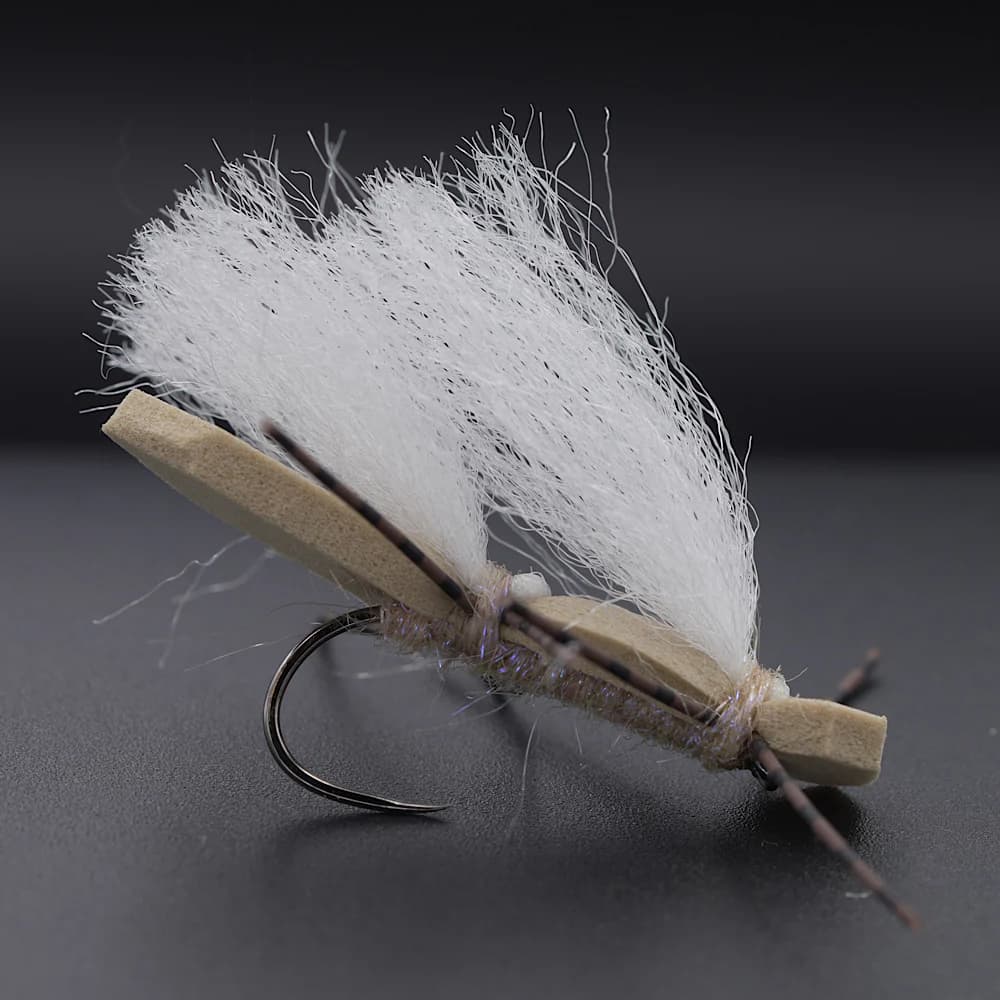
- Terrestrials — small ants (#14-18), beetles (#12-14), and grasshoppers (#10-12) dropped tight to the overhanging brush. The creek runs through heavy canopy, and terrestrial insects falling from the trees are a major food source. A Chubby Chernobyl in size 12 works as an oversized hopper.
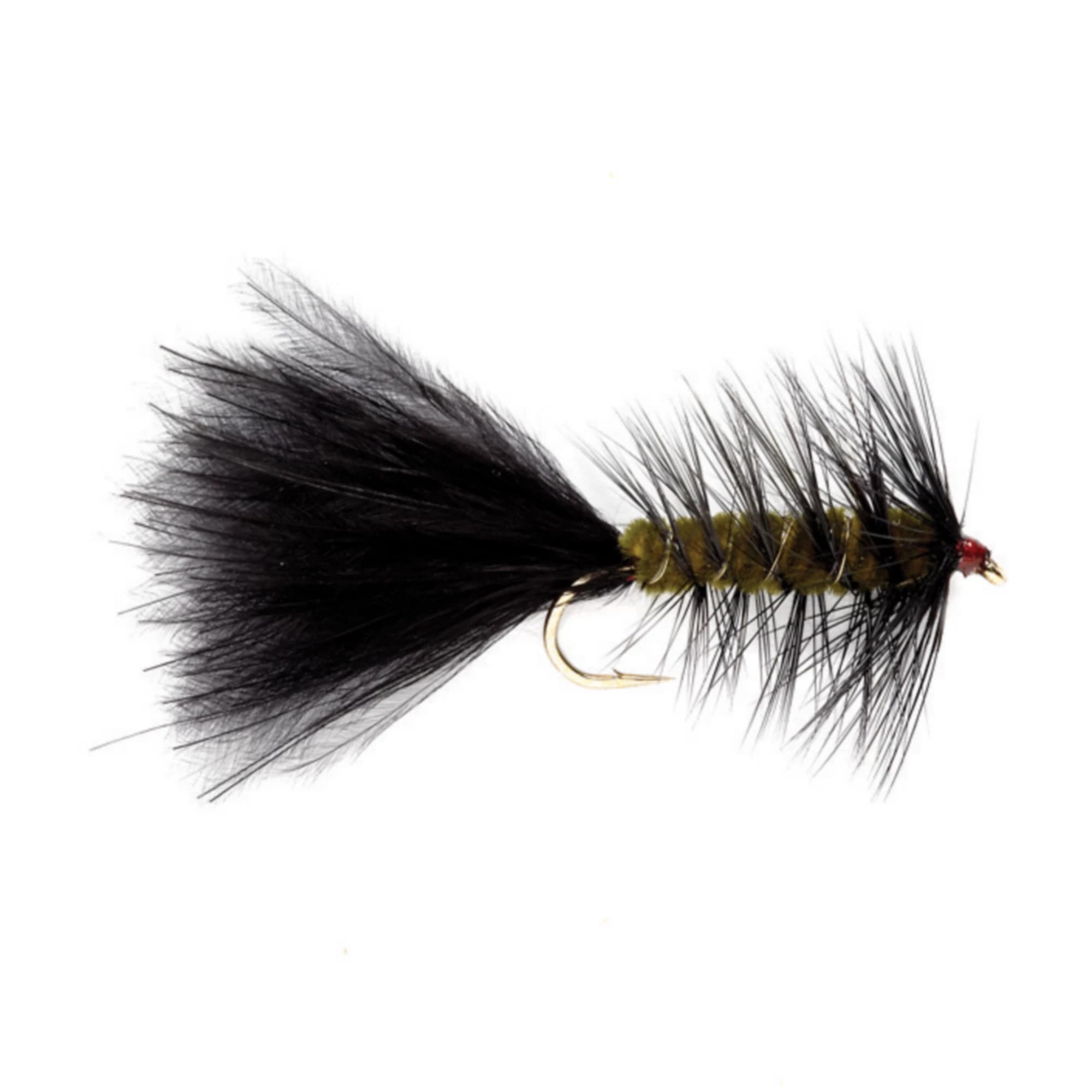
- Woolly Buggers (#10-12, black or olive) — stripped through the deeper pools for the bigger bass and occasional catfish.
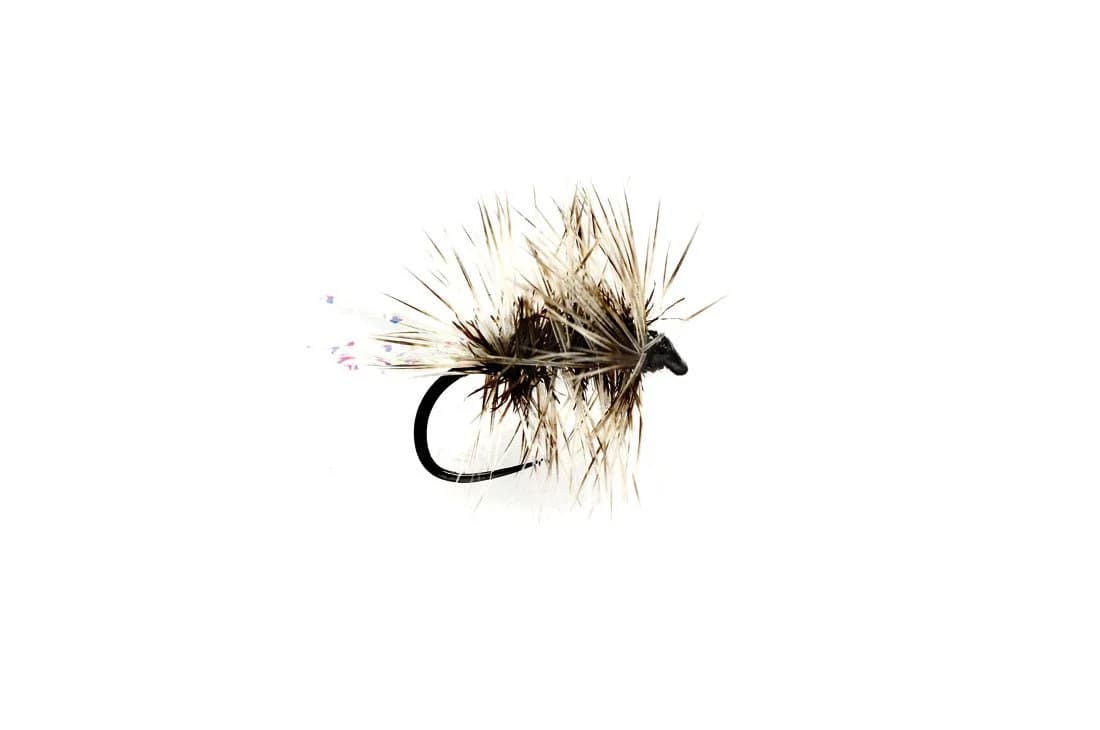
- Griffith's Gnat (#16-20) — when midges are on the water in the morning, the bluegill will eat these off the surface.
Gear: A 7- to 8-foot, 3-weight rod is ideal. A 4-weight works fine. You do not need distance — most casts are fifteen to twenty-five feet, placed under overhanging branches. A 7.5-foot leader tapered to 4X or 5X is all you need.
Gulpha Creek requires an Arkansas fishing license for anyone 16 or older. Arkansas state regulations apply inside the park — there are no special park fishing permits beyond the state license.
The Ouachita River Tailwaters — Stocked Trout Twenty Minutes Away
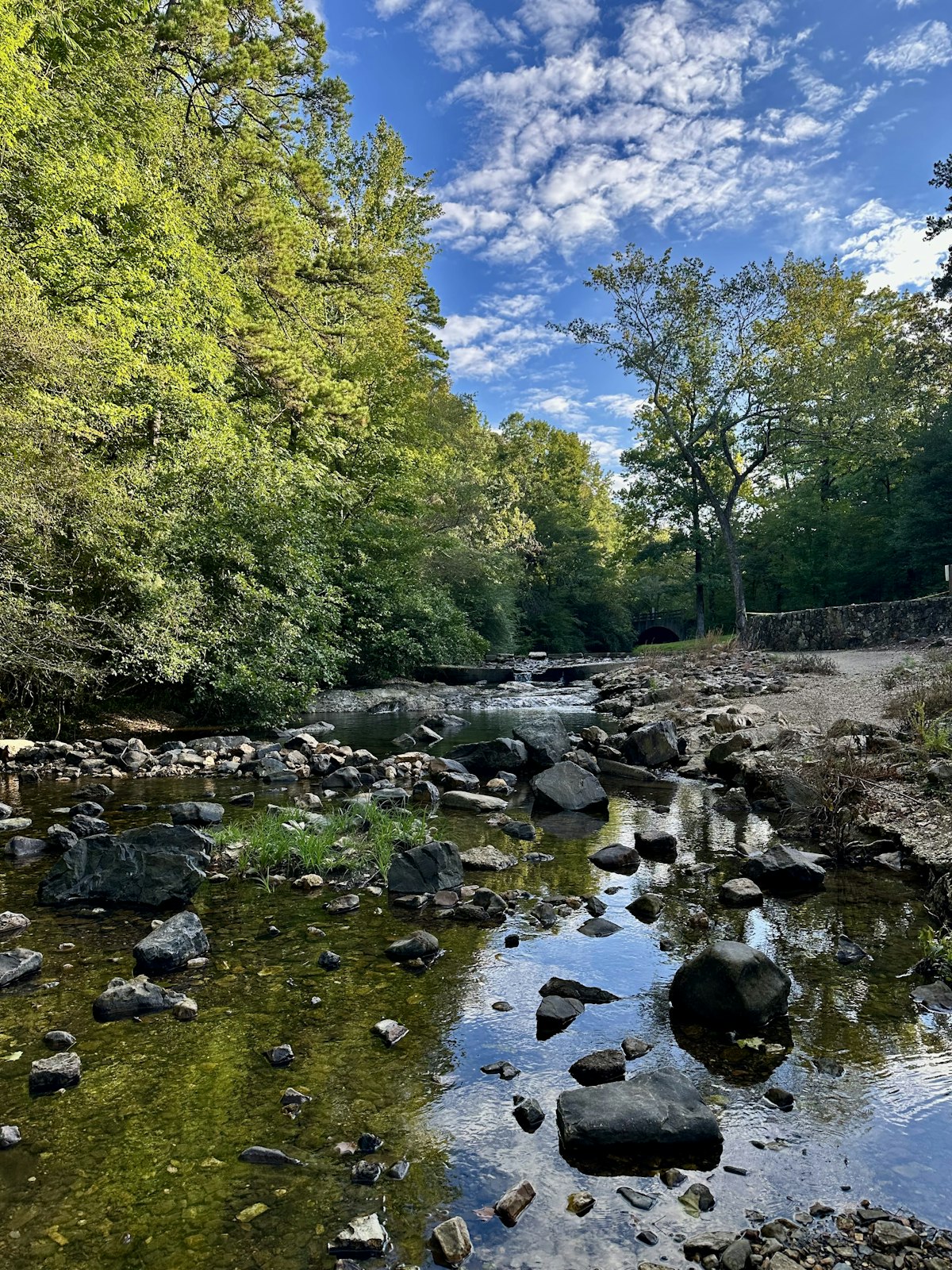
The real trout fishing near Hot Springs is on the Ouachita River tailwaters, and the best of them is directly below Blakely Mountain Dam, about ten miles west of town. Lake Ouachita, the largest lake in Arkansas at 40,000 acres, sits behind the dam, and the cold water released from the bottom of the lake creates a tailwater fishery stocked annually with rainbow trout by the Arkansas Game and Fish Commission.
The stocking runs from November through April, with catchable-sized rainbows put in on a regular schedule throughout the season. The fish average ten to fourteen inches, with occasional holdovers reaching sixteen inches or more. This is put-and-take trout fishing — the water warms in summer and the trout do not carry over reliably year after year — but during the stocking season, the fishing below Blakely Dam is consistent and accessible.
Below Blakely Dam, the Ouachita River flows through a mix of pools, runs, and riffles with good public access along the banks. You can wade or float by canoe or kayak. The water is cold and clear when generation is not occurring, but watch the dam release schedule carefully — when Blakely Dam generates power, the river can rise several feet in minutes, creating dangerous wading conditions. Check the Army Corps of Engineers generation schedule before you go, and never wade in the tailwater without knowing the release times.
The second tailwater is below Carpenter Dam, where Lake Hamilton spills into the Ouachita River. The shoals below Carpenter Dam are wadeable and stocked with rainbow trout on the same November-through-April schedule. This one is even closer to downtown Hot Springs — you can soak at the Buckstaff in the morning and be casting to stocked trout at Carpenter Dam by noon.
The third tailwater, below Remmel Dam at Lake Catherine, also receives trout stockings and offers similar fishing.
Tailwater Flies
The Ouachita tailwaters fish well on standard nymph and streamer patterns. These are stocked fish, not wild trout that have seen every fly in the catalog, so the presentation does not need to be as refined as what you would bring to a technical spring creek:
Nymphs (the bread and butter):
- Pheasant Tail Nymph (#14-18) — the universal mayfly nymph. Dead-drifted under an indicator, this catches stocked trout everywhere.
- Hare's Ear Nymph (#12-16) — a buggy, impressionistic pattern that imitates a range of aquatic invertebrates. The gold-ribbed version is the standard.
- Copper John (#14-18) — sinks fast and catches fish in the deeper pools below the dams.
- Zebra Midge (#18-22) — midges are present year-round in the tailwaters, and a Zebra Midge as the trailing fly on a two-nymph rig is a steady producer.
- San Juan Worm (#10-14, red or wine) — worms wash into the tailwaters during generation, and the trout eat them without hesitation. This is not a glamorous fly. It catches a lot of fish.
- Sowbugs (#14-16, gray or tan) — the Ouachita tailwaters have sowbug populations, and a small gray sowbug pattern drifted along the bottom is one of the more overlooked local patterns. Similar to what works on the White River tailwaters further north.
- Prince Nymph (#12-16) — an attractor nymph that works as a general searching pattern when you are not sure what the fish are eating.
Dry flies (when they are looking up):
- Elk Hair Caddis (#14-18) — caddis hatches occur in the tailwaters, particularly in spring, and stocked trout rise to them willingly.
- Parachute Adams (#14-18) — the universal dry fly. If there are fish rising and you are not sure what they are eating, start here.
- Griffith's Gnat (#18-22) — for midge clusters on the surface during the colder months.
Streamers:
- Woolly Bugger (#8-12, olive, black, or white) — stripped through the deeper pools below the dams. Stocked trout respond aggressively to streamers, and a Woolly Bugger is the simplest, most reliable option.
- Muddler Minnow (#8-10) — a sculpin imitation that works swung or stripped in the deeper tailwater runs.
Gear: A 9-foot, 5-weight rod covers the tailwater trout fishing. Floating line with a 9-foot leader tapered to 4X or 5X. Add a strike indicator and split shot for nymphing. Wading boots with felt or studded soles — the river bottom can be slippery on the algae-covered rocks.
Trout Permit
If you are fishing in the designated trout waters below the dams, Arkansas requires a trout permit in addition to your standard fishing license. The trout permit is inexpensive and available online from the Arkansas Game and Fish Commission or at retail outlets statewide. Do not forget this — the game wardens check.
Lake Ouachita — Bass, Stripers, and the Cleanest Lake in Arkansas
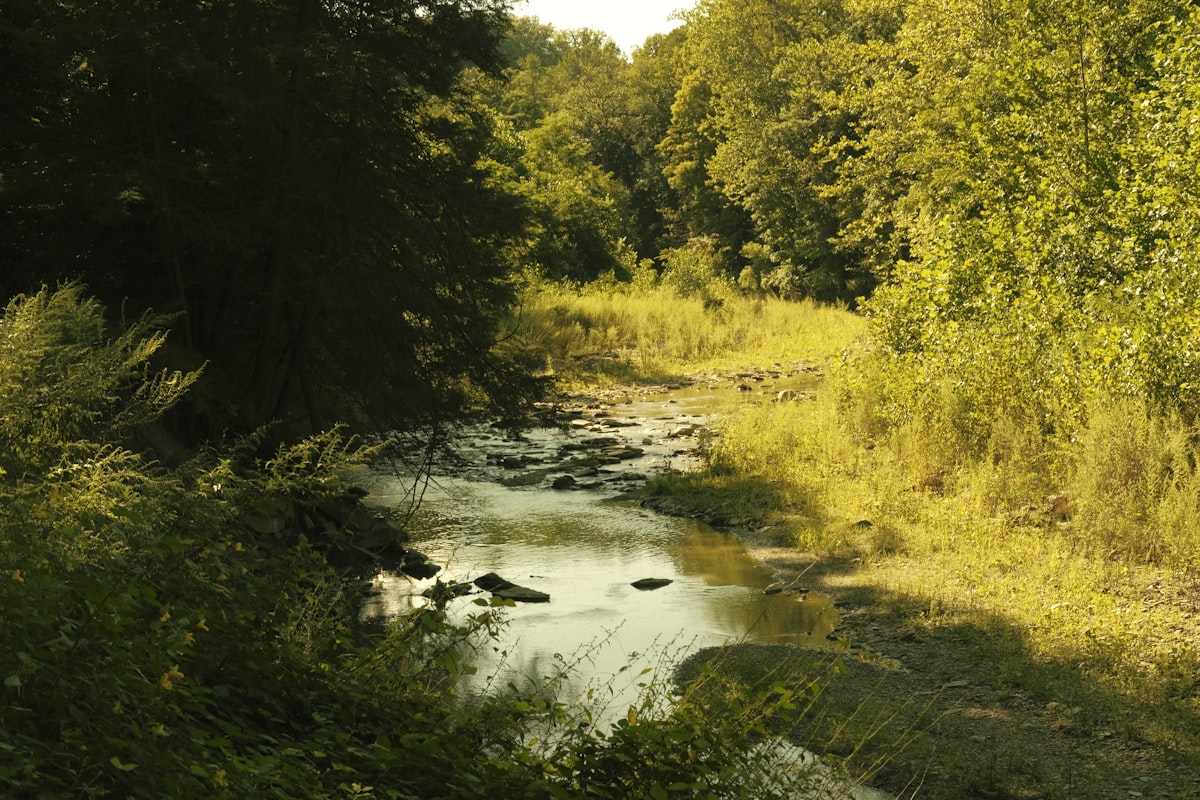
Lake Ouachita is the big water near Hot Springs — 40,000 surface acres, 690 miles of shoreline, and a reputation as one of the cleanest lakes in the country. The Army Corps of Engineers built Blakely Mountain Dam in 1953, impounding the Ouachita River in a series of deep, clear-water basins surrounded by the forested ridges of the Ouachita National Forest.
The fishing is exceptional. Lake Ouachita holds largemouth bass, spotted bass, smallmouth bass, striped bass, white bass, walleye, crappie, bream, and catfish. It is a nationally recognized bass tournament lake — one of the top ten in the country for largemouth — and the striper fishing is among the best in Arkansas. Fish over thirty pounds are caught regularly, and the lake produces fifty-pound-class stripers in the open-water season.
Fly Fishing Lake Ouachita
Lake fishing on the fly is not the same as stream fishing, and honesty requires saying that most Lake Ouachita anglers use conventional tackle. But fly fishing the lake is productive in specific situations:
Largemouth bass in the coves and shallows: In spring (March through May) and fall (September through November), largemouth move into the shallow coves, creek arms, and standing timber to feed. This is where fly fishing shines on a lake — casting poppers, Clouser Minnows, and Woolly Buggers to visible structure in three to eight feet of water.
- Poppers (#2-6, chartreuse, white, black) — worked along the standing timber and weed edges on calm mornings and evenings. The topwater bite on Lake Ouachita can be violent.
- Clouser Minnow (#2-6, chartreuse/white, olive/white) — the most versatile subsurface fly for lake bass. The weighted eyes sink the fly into the strike zone along drop-offs and timber.
- Shad patterns — threadfin shad are the primary forage in the lake. White or silver baitfish patterns in sizes 2 through 6, stripped erratically, imitate the shad schools that bass and stripers chase.
Striped bass: Fly fishing for Lake Ouachita stripers is a specialized pursuit. The fish are big — twenty to forty pounds is realistic — and they move through open water chasing shad schools. When stripers push shad to the surface (the "boil"), you can cast large Clouser Minnows, Deceivers, or shad imitations into the frenzy on a 9-weight rod with a sinking line. This is not an everyday fly-fishing scenario, but when the surface boil happens, it is one of the most exciting things you can do with a fly rod on freshwater.
Gear for the lake: An 8-weight rod for stripers and big bass, a 6-weight for largemouth in the coves. Intermediate or sinking lines for subsurface work. A boat or kayak is essential — you cannot effectively fly fish Lake Ouachita from shore.
The Caddo River and the Ouachita River — Smallmouth Country
The rivers flowing through the Ouachita Mountains west and north of Hot Springs hold the best wade-fishing for fly anglers in the region. These are free-flowing mountain rivers — not tailwaters, not lakes — with clear water, gravel and rock bottoms, and healthy populations of smallmouth bass, spotted bass, and sunfish.
The Caddo River flows from the Ouachita Mountains down to DeGray Lake, with about forty miles of fishable water. The upper Caddo, from Norman downstream through Caddo Gap to Glenwood, is the prime smallmouth section — clear, cool water running through a mix of deep pools, gravel-lined riffles, and rock gardens. The smallmouth average ten to fourteen inches, with fish to eighteen inches in the deeper pools. Spotted bass share the water, as do rock bass, longear sunfish, and various other panfish.
The Caddo is excellent fly rod water. You can wade most sections during normal flows, floating by canoe or kayak through the deeper stretches. The river is wide enough for a reasonable backcast but small enough that you are casting to specific structure — a boulder, an undercut bank, a shaded pool at the base of a riffle.
The upper Ouachita River, above Lake Ouachita, cuts through forested ridges and offers a similar mix of smallmouth, spotted bass, and panfish. The water is bigger than the Caddo — wider, deeper pools — but the fishing approach is the same: poppers on the surface in the morning and evening, streamers in the deeper holes during the day.
Smallmouth and Warmwater Flies
- Poppers (#6-10, chartreuse, white, or yellow) — the most fun way to catch Ouachita Mountain smallmouth. Work them tight to the banks and boulders with a pop-and-pause retrieve. The takes are explosive.
- Clouser Minnow (#4-8, chartreuse/white, olive/white) — the universal smallmouth fly. Cast to the heads of pools and strip back with short, erratic strips.
- Crayfish patterns (#4-8, olive, brown, rust) — crayfish are the primary forage for smallmouth in the Ouachita rivers. Patterns with rubber legs and weighted eyes that ride hook-point-up are essential.
- Woolly Bugger (#6-10, olive, black, brown) — stripped through the deeper runs and pools. Add rubber legs for extra movement.
- Stimulator (#10-14, yellow or orange) — a stonefly dry fly that works during summer stonefly activity on the Caddo and upper Ouachita.
- Elk Hair Caddis (#14-16) — when caddis are hatching in the evening, smallmouth and spotted bass will eat dry flies off the surface.
- Chubby Chernobyl (#8-12) — a big foam attractor that doubles as a strike indicator with a nymph dropper. Great for covering water on the larger rivers.
Gear: A 9-foot, 6-weight rod is the sweet spot for Ouachita Mountain smallmouth — enough power for weighted streamers and crayfish patterns, light enough to enjoy the fish. Floating line, 9-foot leader tapered to 2X or 3X. Wading boots are essential.
The Little Missouri River — Put-and-Take Trout in the Ouachitas
About sixty miles west of Hot Springs, the Little Missouri River below Narrows Dam (Lake Greeson) offers roughly six miles of stocked trout water. The AGFC stocks catchable rainbow trout from November through May, with some brown trout mixed in. The browns must be released immediately; the creel limit on rainbows is five per day.
The Little Missouri is a beautiful small river running through forested Ouachita Mountain terrain near the town of Murfreesboro. Four public access points off Highway 19 between Murfreesboro and Narrows Dam provide bank and wade access. The river fishes well on Woolly Buggers, Pheasant Tail Nymphs, Elk Hair Caddis, and Parachute Adams patterns in sizes 12 through 18.
The same dam-release caution applies here: when Narrows Dam generates, the Little Missouri can rise several feet fast. Check the generation schedule before wading, and be ready to move to higher ground if you hear the warning horn.
The Little Missouri is a side trip from Hot Springs — not a quick lunch-break outing — but if you are spending several days in the area and want a different trout experience from the Ouachita tailwaters, the drive through the Ouachita National Forest to Murfreesboro is worth it.
The Seasonal Calendar
November-February (Trout Season): The best trout fishing of the year on the Ouachita tailwaters and the Little Missouri. Stocking runs begin in November and continue through the winter. The trout are fresh and aggressive. Zebra Midges, San Juan Worms, and Pheasant Tail Nymphs under an indicator are the standard approach. The bathhouses are less crowded in winter — you can get a soak at the Buckstaff or Quapaw without a reservation most weekdays. Morning bath, afternoon fishing on the tailwater. Ideal.
March-April (Spring Transition): Trout stocking continues through April. Smallmouth bass begin waking up on the Caddo and upper Ouachita as water temperatures climb through the fifties. Elk Hair Caddis and Parachute Adams start producing on the tailwaters as caddis and mayfly hatches build. Dogwoods and redbuds bloom through the Ouachita Mountains. The town fills up for spring break tourism.
May-June (Warmwater Prime Time): The trout stocking ends in April, and the tailwaters warm. The focus shifts entirely to warmwater — smallmouth on the Caddo and upper Ouachita, bass and panfish on the lakes, and sunfish on Gulpha Creek. Evening topwater fishing for smallmouth is the highlight. Poppers and Stimulators on the surface, Clouser Minnows and crayfish patterns subsurface. Hot Springs gets hot — afternoon temperatures regularly hit the nineties — and the bathhouse soaking pools feel different when you have been wading a river all morning.
July-September (Summer Heat): The fishing shifts to early morning and late evening. Midday on the rivers is too hot for productive fishing and for the angler. Lake Ouachita offers all-day fishing by boat, with bass holding in deeper water near structure and stripers chasing shad in the open water. Gulpha Creek in the park provides shaded panfish fishing in the morning for campers. The town is at peak tourism — the lakes are busy with recreational boaters, the bathhouses are at capacity, and Central Avenue is packed. Fish early, soak midday, eat well at night.
October (Fall): Cooling water temperatures bring the smallmouth back to the shallows. The fall foliage in the Ouachita Mountains is underrated — hardwood forests turning gold and orange across the ridgelines. Trout stocking resumes in November. October is the month when locals fish — the summer tourists have gone, the fall tourists have not yet arrived, and the rivers belong to the people who live here.
Regulations and Licenses
Arkansas Fishing License: Required for anyone 16 or older. Available online from the Arkansas Game and Fish Commission (AGFC), by phone, or at retailers including Walmart and Bass Pro Shops. Nonresident annual licenses cost around $60; short-term trip licenses are available starting at $6.50 for residents.
Trout Permit: Required in addition to the fishing license when fishing designated trout waters, including the Ouachita River tailwaters below Blakely, Carpenter, and Remmel dams, and the Little Missouri below Narrows Dam. The trout permit is inexpensive and can be purchased at the same time as your fishing license.
2026 Regulation Changes: Significant new trout regulations took effect in February 2026 across several Arkansas tailwaters, including reduced creel limits on major waters. Check the current AGFC guidebook before your trip for the most up-to-date rules.
Inside the Park: Arkansas state fishing regulations apply inside Hot Springs National Park. No special park permit is required beyond the state license. NPS regulations prohibit live bait fish, minnows, amphibians, and fish eggs in park waters; chumming; and fishing from motor road bridges or within 200 feet of swimming areas.
The Town — Soaking, Eating, and the Culture of Hot Springs
Hot Springs is not a gateway town. It is the destination. The national park is inside the city, not the other way around. Central Avenue runs through downtown with Bathhouse Row on one side and restaurants, bars, galleries, and shops on the other. The architecture ranges from turn-of-the-century bathhouse grandeur to 1940s resort-town neon. The Ohio Club, the oldest bar in Arkansas, has been serving drinks since 1905 — it was Al Capone's favorite hangout during Hot Springs' wide-open gambling era.
The spa culture is the main draw, and as an angler, you should lean into it. A morning soak in the thermal waters at the Buckstaff or Quapaw Bathhouse is a legitimate recovery tool after a day of wading. The 143-degree spring water, cooled to bathing temperature, loosens every muscle you strained scrambling over river rocks. The thermal springs have been drawing people to this valley for thousands of years, and the experience has not changed as much as you would think.
Dining on Central Avenue ranges from Stubby's BBQ (hickory-smoked, as featured on the Travel Channel) to the Pancake Shop (open since 1940, a Hot Springs institution) to SQZBX Brewery and Pizza for craft beer after a day on the water. The restaurants here are better than what you find in most national park towns because Hot Springs has been a resort town for over a century — the dining infrastructure was built for tourists who expected good food.
Lodging: The Waters Hotel on Central Avenue puts you in the center of everything. The Arlington Resort Hotel and Spa is a grand old resort hotel with its own thermal baths. For budget options, the Gulpha Gorge Campground inside the park sits directly on Gulpha Creek — you can fish the creek from your campsite.
Fly shops and guides: Local guide services based in Hot Springs specialize in smallmouth bass trips on the Caddo, Ouachita, and other Ouachita Mountain rivers. They know the local water intimately and can put you on smallmouth and spotted bass that you would not find on your own.
The Honest Assessment
Hot Springs National Park is not a fishing park. It is a bathing park, a history park, a spa-town park. The fishing inside the park — Gulpha Creek sunfish on a 3-weight — is a pleasant diversion, not a reason to plan a trip. If you are looking for a national park with world-class fishing inside its boundaries, go to Yellowstone or Grand Teton or Glacier.
But Hot Springs is something different and, in its own way, better than the sum of its parts. It is a trip where the fishing is part of a broader experience — morning in a hundred-year-old bathhouse soaking in thermal water, afternoon on the Ouachita River tailwater casting Pheasant Tails to stocked rainbows, evening on Central Avenue eating smoked ribs and drinking local beer. It is the only national park where you can get a professional thermal bath, eat at a restaurant that has been open since 1940, and catch trout on a fly rod, all in the same day, all within a twenty-minute radius.
For Arkansas fly fishing focused on wild trout, the White River below Bull Shoals Dam — about three hours north — is the legendary water, with trophy browns and rainbows in one of the most productive tailwaters in the country. Hot Springs is not that. Hot Springs is the place where you bring the person who loves spas and you love fly fishing, and both of you come home happy.
For other national parks with honest warmwater fisheries in unlikely settings, see Congaree for floodplain fishing in South Carolina, Mammoth Cave for Green River smallmouth in Kentucky, New River Gorge for Appalachian smallmouth in West Virginia, and Big Bend for Rio Grande fishing in the Texas desert. Each of those parks, like Hot Springs, rewards the angler who adjusts expectations and fishes what is actually there.
Top Fishing Guides in Hot Springs
The Ouachita River tailwaters below Blakely Dam hold stocked rainbows that eat Pheasant Tails and Zebra Midges from November through April, and the Caddo River delivers float-trip smallmouth on poppers in the Ouachita Mountains. Soak in the thermal baths in the morning, fish the tailwater in the afternoon — no other national park offers that combination.
Catch 'em All Fishing Guide Service
Hot Springs, AR, US
5.0 (15 reviews)
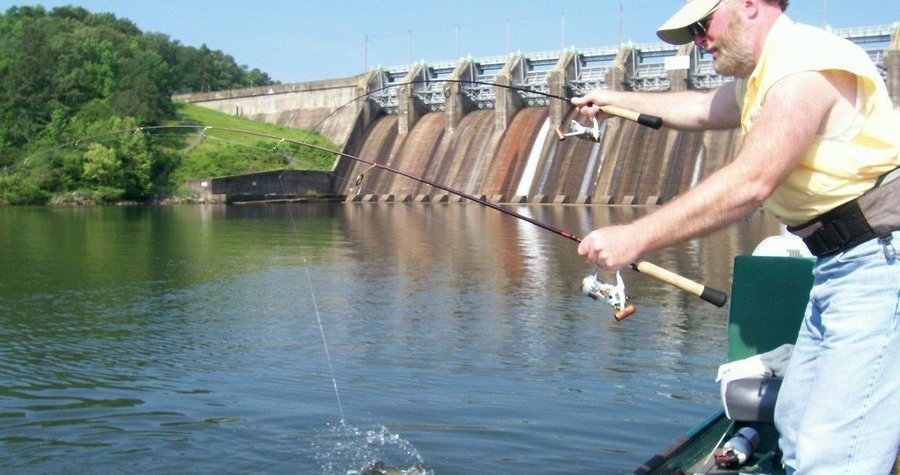
Catch Em All Fishing Guide Service brings personalized expertise to the waters around Hot Springs, Arkansas. Under the leadership of Shane Goodner, the service specializes in rainbow trout fishing at Carpenter Dam on Lake Catherine and black bass wading on the Ouachita River. With years of fishing knowledge and a commitment to safety, every trip is carefully tailored to create a memorable experience. The guide offers both half-day and full-day outings, welcoming anglers of all skill levels and group sizes. Clients benefit from top-notch equipment and Shane's dedication to sharing the region's best fishing opportunities in a warm, professional environment.
David Cochran Fishing
Hot Springs, AR, US
5.0 (2 reviews)
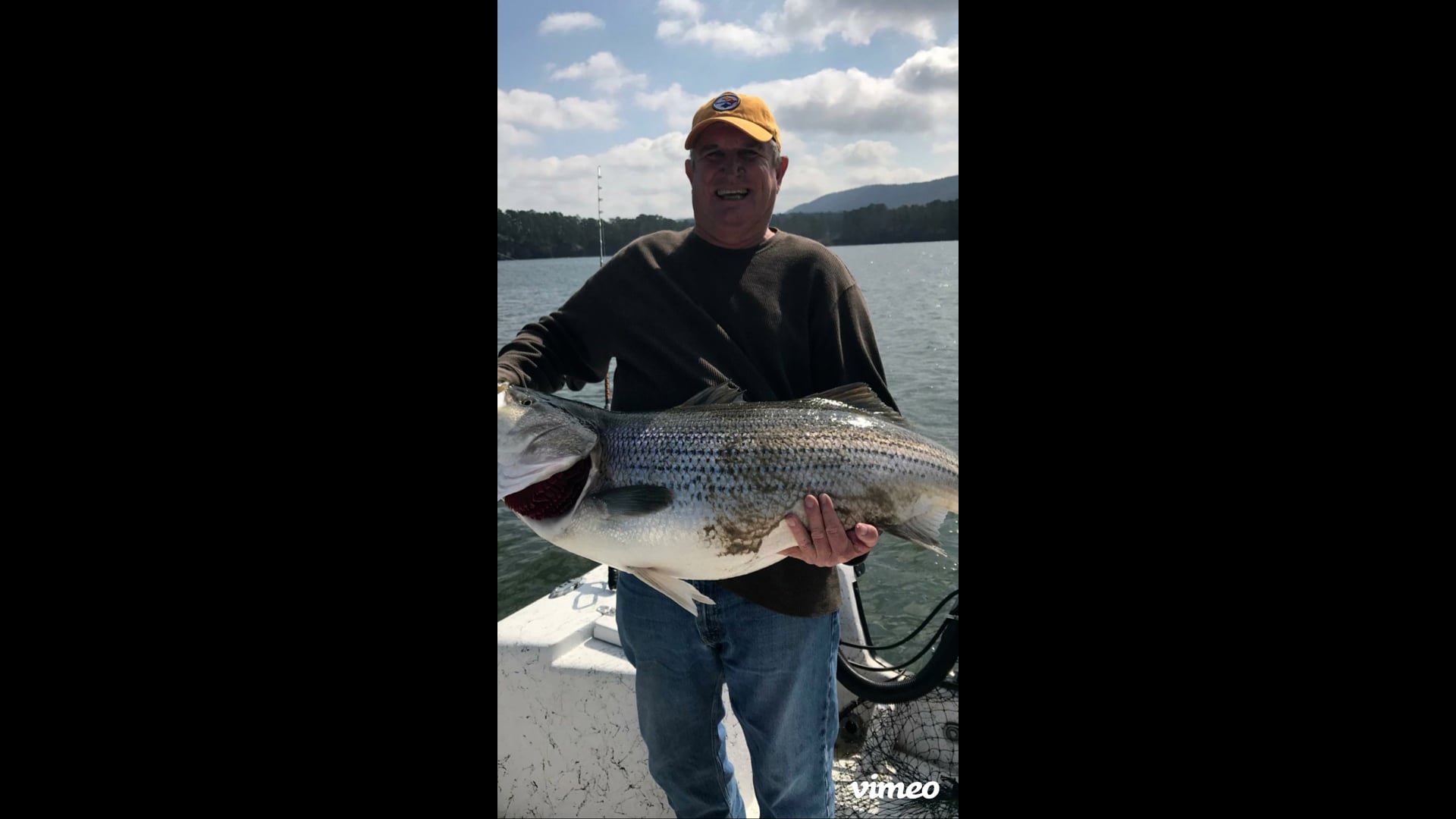
David Cochran brings over 25 years of professional expertise to striper fishing on Arkansas's premier lakes. Operating on the pristine waters of Lake Ouachita and Lake Hamilton, he specializes in helping anglers pursue trophy stripers with proven techniques and knowledge earned through decades on the water. His fully equipped 24' Center Console Blazer Bay—powered by a robust 250 Yamaha motor—provides comfortable, efficient access to prime fishing grounds. David supplies quality fishing gear and refreshments throughout the day, and he handles cleaning and packaging of your catch, allowing you to focus entirely on the experience. Whether you're a seasoned angler or exploring striper fishing for the first time, David's passion for the sport and attention to detail make each trip a genuine adventure on the water.

Shady Oak Trail Getaway
Hot Springs, AR, US
4.8 (41 reviews)
Shady Oak Trail Getaway brings over a decade of expertise to the pristine waters of Lake Hamilton and Lake Ouachita in Arkansas. Led by guide Ron Hawley, the operation specializes in striper fishing, targeting the region's exceptional populations of striped bass. Whether you're a seasoned angler or picking up a rod for the first time, the team is committed to helping you land quality fish while experiencing the natural beauty of these stunning lakes. The guides customize each outing to match individual preferences and skill levels, offering flexible trip styles that work for different anglers and schedules. With a deep knowledge of local waters and proven techniques, Shady Oak Trail Getaway delivers the kind of personalized, authentic fishing experience that keeps clients returning year after year.

Ouachita Fly Anglers
Hot Springs, AR, US
Ouachita Fly Anglers specializes in guided fly fishing throughout the scenic Ouachita Mountains region of Arkansas, serving anglers around Hot Springs, Mt. Ida, Glenwood, Caddo, Ouachita, and Saline. Their knowledgeable guides are dedicated to creating personalized experiences tailored to each angler's skill level and preferences, whether casting for the first time or refining advanced techniques. The service offers a variety of trip styles suited to different interests and experience levels. With deep expertise in the pristine waters of the Ouachita region, the guides help both novice and experienced anglers connect with diverse species throughout these mountain waters. Every outing is crafted to deliver a memorable day on the water and a genuine connection to the landscape.
Xtreme Strike Guide Service
Hot Springs, AR, US
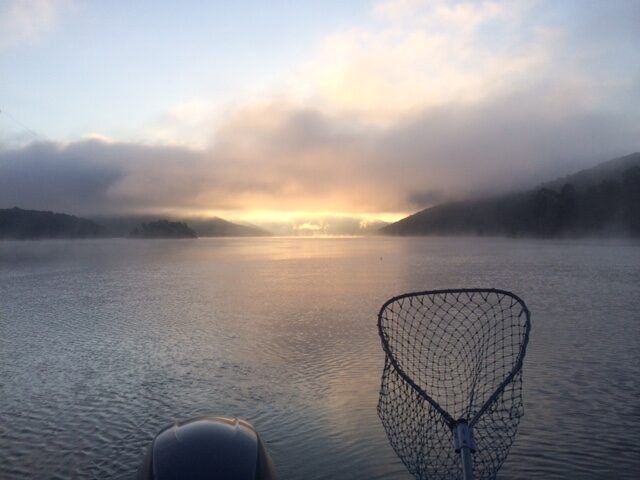
Xtreme Strike Guide Service is a premier fishing charter operating out of Hot Springs, Arkansas, specializing in striper fishing across Lake Ouachita, Lake DeGray, and Lake Hamilton. Their experienced guides are dedicated to helping anglers of all skill levels land trophy-caliber fish using proven live bait techniques year-round. The service operates a well-maintained 24-foot Blazer Bay boat, designed for comfort and safety on the water. Beyond individual fishing trips, Xtreme Strike Guide Service welcomes corporate groups seeking to strengthen client relationships through unforgettable outdoor experiences. Whether pursuing personal best catches or hosting a memorable team outing, guests can expect professional guidance and a genuine commitment to results.
Frequently Asked Questions
Can you fish in Hot Springs National Park?
Yes, but the fishing inside the park is limited. Gulpha Creek, flowing through the Gulpha Gorge Campground, holds green sunfish, bluegill, largemouth bass, and channel catfish. You need an Arkansas fishing license (ages 16+). The real fishing near Hot Springs is outside the park — the Ouachita River tailwaters, Lake Ouachita, and the Caddo River are all within a 30-minute drive.
Is there trout fishing near Hot Springs Arkansas?
Yes. The Ouachita River tailwaters below Blakely Dam, Carpenter Dam, and Remmel Dam are stocked with rainbow trout from November through April by the Arkansas Game and Fish Commission. The Little Missouri River below Narrows Dam, about 60 miles west, also offers stocked trout. A trout permit is required in addition to the standard Arkansas fishing license.
What flies work for fishing near Hot Springs National Park?
For tailwater trout: Pheasant Tail Nymphs, Hare's Ear Nymphs, Zebra Midges, San Juan Worms, sowbugs, and Elk Hair Caddis. For Gulpha Creek panfish: small foam poppers, terrestrial patterns, and Woolly Buggers. For Caddo River smallmouth: poppers, Clouser Minnows, crayfish patterns, and Woolly Buggers. For Lake Ouachita bass: Clouser Minnows, poppers, and shad imitations.
When is the best time to fish near Hot Springs Arkansas?
November through April for tailwater trout on the Ouachita River below the dams. May through October for smallmouth bass on the Caddo and upper Ouachita rivers. Spring and fall for Lake Ouachita bass. Summer is hot — fish early morning and late evening. October is the locals' favorite month, with cooling water and fewer tourists.
Do you need a trout permit to fish near Hot Springs?
Yes. Arkansas requires a trout permit in addition to a standard fishing license when fishing designated trout waters, including the Ouachita River tailwaters below Blakely, Carpenter, and Remmel dams. The permit is inexpensive and available online from the Arkansas Game and Fish Commission or at retail outlets.
Related Articles
The Chubby Chernobyl: The Foam Fly That Does Two Jobs at Once — Catches Fish and Holds Your Dropper
Thursday, March 26, 2026
The Woolly Bugger: How to Tie the Fly That Catches Everything That Swims
Friday, April 17, 2026
The Griffith's Gnat: Two Materials, a Trout Unlimited Founder, and the Dry Fly That Solves the Midge Problem
Monday, March 9, 2026
 ™
™