
Fly Fishing Everglades National Park: Tarpon, Snook, and Redfish in America's Wildest Saltwater Backcountry
Everglades National Park is 1.5 million acres of mangrove backcountry, grass flats, and tidal channels holding tarpon over 100 pounds, snook that ambush from the mangrove roots, and redfish tailing on shin-deep flats. It's the only national park in America where the main attraction wears scales.

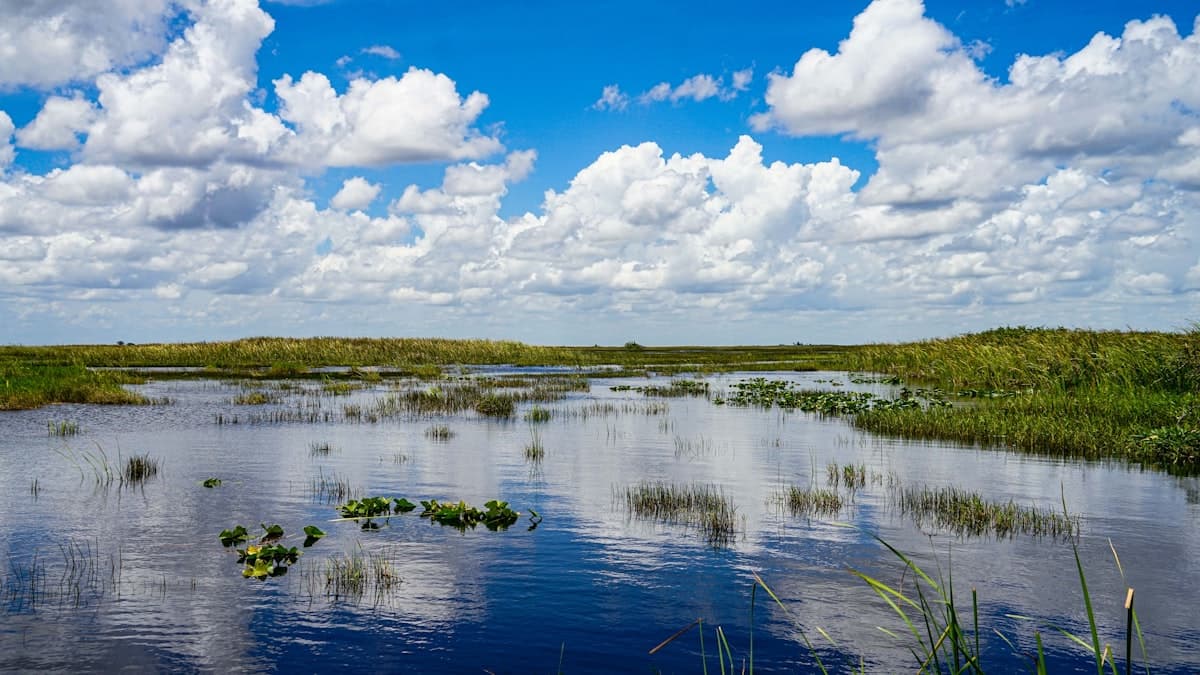
Every other national park in this series is about trout. Clear mountain streams, rising fish, dry flies, and the contemplative rhythm of stalking wild fish in cold water. The Everglades is none of that. The Everglades is saltwater backcountry — 1.5 million acres of mangrove islands, tidal channels, grass flats, and brackish bays where the fishing is measured in adrenaline, not tranquility. The fish are tarpon that go airborne the moment you set the hook. Snook that explode from beneath mangrove roots like ambush predators in a war movie. Redfish that tail on shin-deep flats with their copper backs breaking the surface. And the landscape — an endless, primordial maze of waterways where you can run your skiff for an hour without seeing another human — is unlike anything else in the national park system.
The Everglades is the only national park in America where the primary activity is saltwater fly fishing. And the fishing is world-class.
The Big Three — Tarpon, Snook, Redfish
Tarpon — The Silver King
Tarpon are the reason most fly anglers come to the Everglades. These are the same species that draws anglers to the Florida Keys — prehistoric, silver-scaled fish that average 60-120 pounds, eat large baitfish and crab patterns, and fight with the most spectacular aerial displays in saltwater. A hooked tarpon goes airborne immediately — violent, twisting leaps that throw water 10 feet in the air — and the first jump either sets the hook or throws it. If the hook holds, the fight can last 30 minutes to over an hour.
The Everglades backcountry holds resident tarpon year-round in the deeper channels and basins. The migratory tarpon arrive in March and build through April-June, stacking up in the passes, bays, and along the beaches. The backcountry tarpon are generally smaller than the Keys fish (40-80 pounds average vs 80-150 in the Keys), but they're more numerous, less pressured, and more willing to eat a fly.
The Everglades backcountry tarpon experience is different from the Keys. In the Keys, you sight-fish laid-up tarpon on white sand in crystal-clear water — technical, precise, pressure-filled. In the Everglades, you fish channels, basins, and mangrove edges where tarpon roll and feed in darker, tannin-stained water. The fishing is more casting-intensive and less sight-casting-specific — you're often casting to rolling fish or working likely water rather than targeting individual fish you can see from 100 feet. This makes the Everglades tarpon fishery more accessible to intermediate fly anglers who aren't ready for the Keys' technical demands.
Gear: 10- to 12-weight rod. Floating line with a 12-foot leader to 20 lb fluorocarbon class tippet and 60-80 lb bite tippet. Tarpon have hard, bony mouths — the hookset requires a strip-strike with maximum force, often called "feeding them the butt" (driving the rod butt toward the fish while strip-striking). The strip-strike is non-negotiable — a trout-set (lifting the rod) will never penetrate a tarpon's mouth.
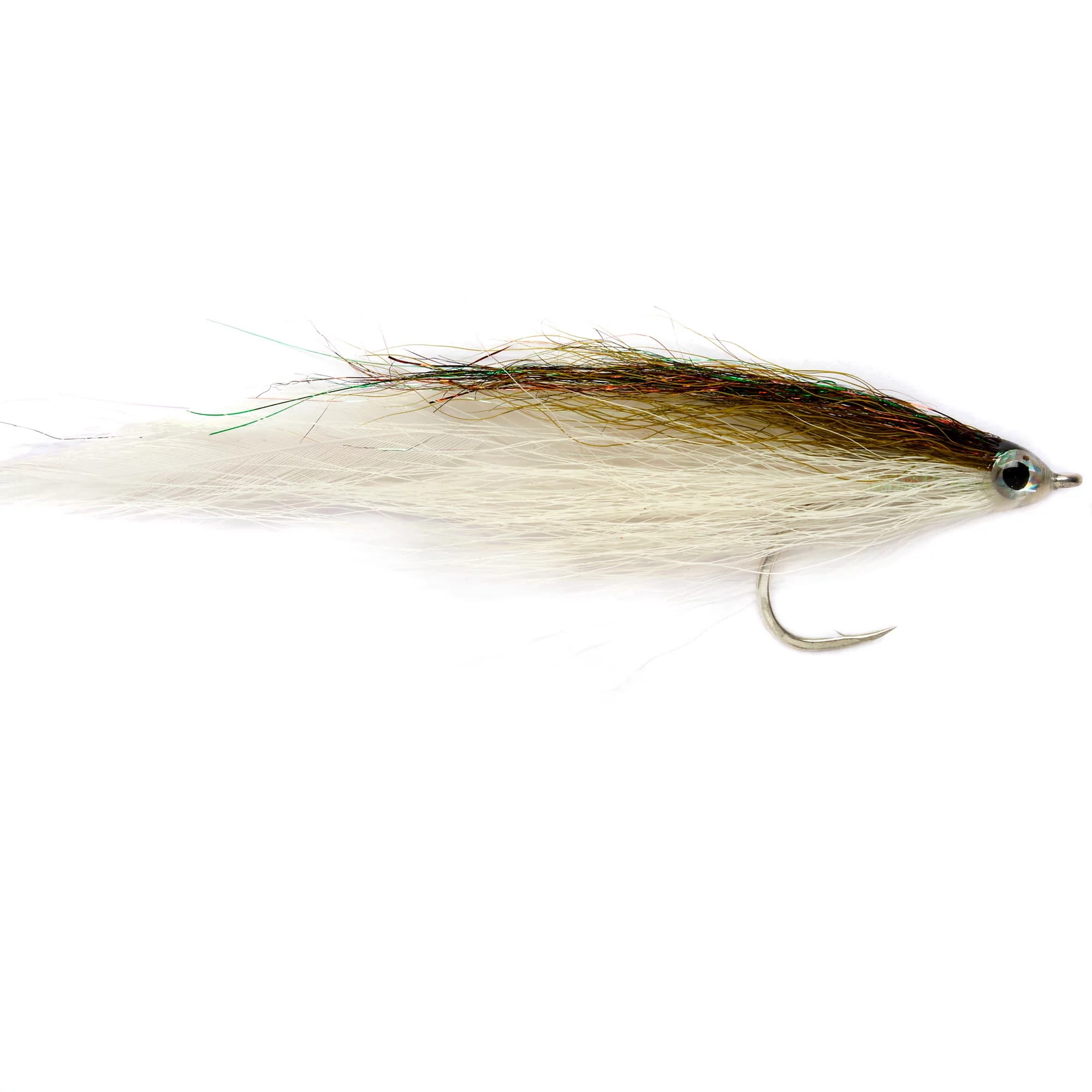
Flies: Deceiver in black/purple or cockroach (brown/grizzly) #2/0-3/0. Tarpon toads, EP baitfish, and Cockroach patterns. Large, dark flies that silhouette against the sky when tarpon look up. The Cockroach — brown bucktail over grizzly hackle with gold flash — might be the single most effective Everglades tarpon fly.
The jump. When a tarpon eats and you strip-strike, the fish goes airborne within seconds. The first jump is the moment of truth — bow to the fish by thrusting the rod toward it, creating slack so the leader doesn't snap on the head-shake. This move is called "bowing to the king," and it's the difference between landing tarpon and losing them. Every jump after the first gets the same bow. A 100-pound tarpon might jump six or eight times in a fight.
Snook — The Ambush Predator
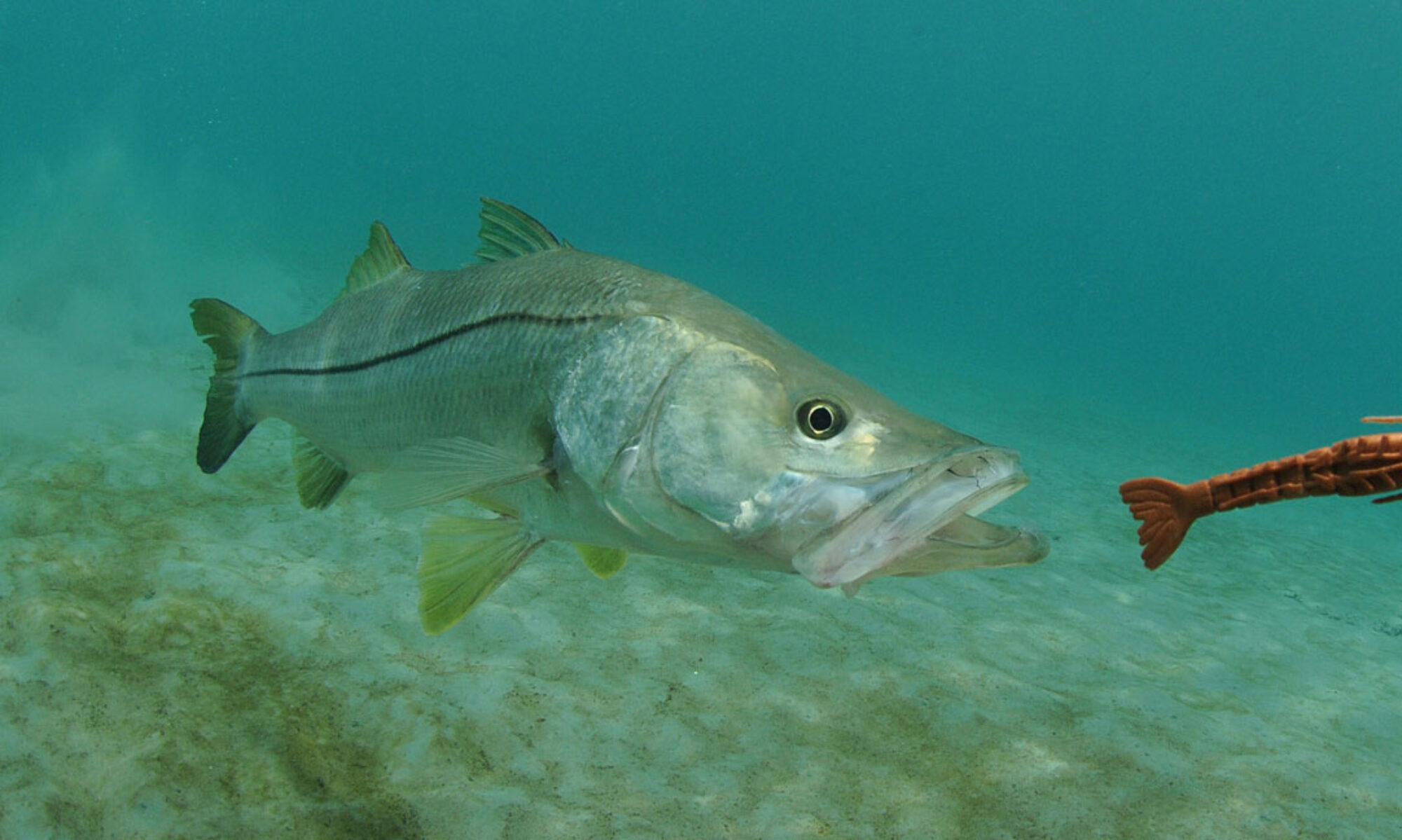
Snook are the Everglades' most charismatic gamefish — sleek, yellow-eyed, with a distinctive black lateral line, and an ambush-feeding style that makes every eat a surprise. They hold tight to mangrove roots, oyster bars, and dock pilings, waiting for baitfish or shrimp to pass within striking distance. The strike is explosive — a violent surge from cover that often breaks the surface.
Snook are present year-round in the Everglades, but the fishing changes with the seasons. In winter (November-February), snook move to shallow, dark-bottomed shorelines to warm in the sun — these laid-up fish are visible and castable in gin-clear water. This is the best sight-fishing in the Everglades — snook sunning themselves in a foot of water over dark mud, so still they look like logs until you cast and they explode. In summer, they retreat to deeper channels and mangrove-shaded water to escape the heat, and snook spawn along the beaches and passes in June-July.
The technique for winter snook is delicate and specific: you pole the skiff along a shoreline, scanning for fish that are barely visible against the dark bottom. When you spot one — usually by a subtle shadow or the faint glow of its yellow-green back — you cast a small fly (a #4 Clouser or shrimp pattern) 3-4 feet past the fish and strip it slowly across its field of vision. The eat is either instantaneous (the snook surges and inhales) or nothing — if it doesn't eat on the first pass, it's spooked.
Gear: 8- or 9-weight rod. Floating line. 20-30 lb fluorocarbon leader — snook have razor-sharp gill plates that will cut light tippet on the first head-shake. The leader strength is non-negotiable; losing a snook to a gill-plate cut is the Everglades' most common heartbreak.
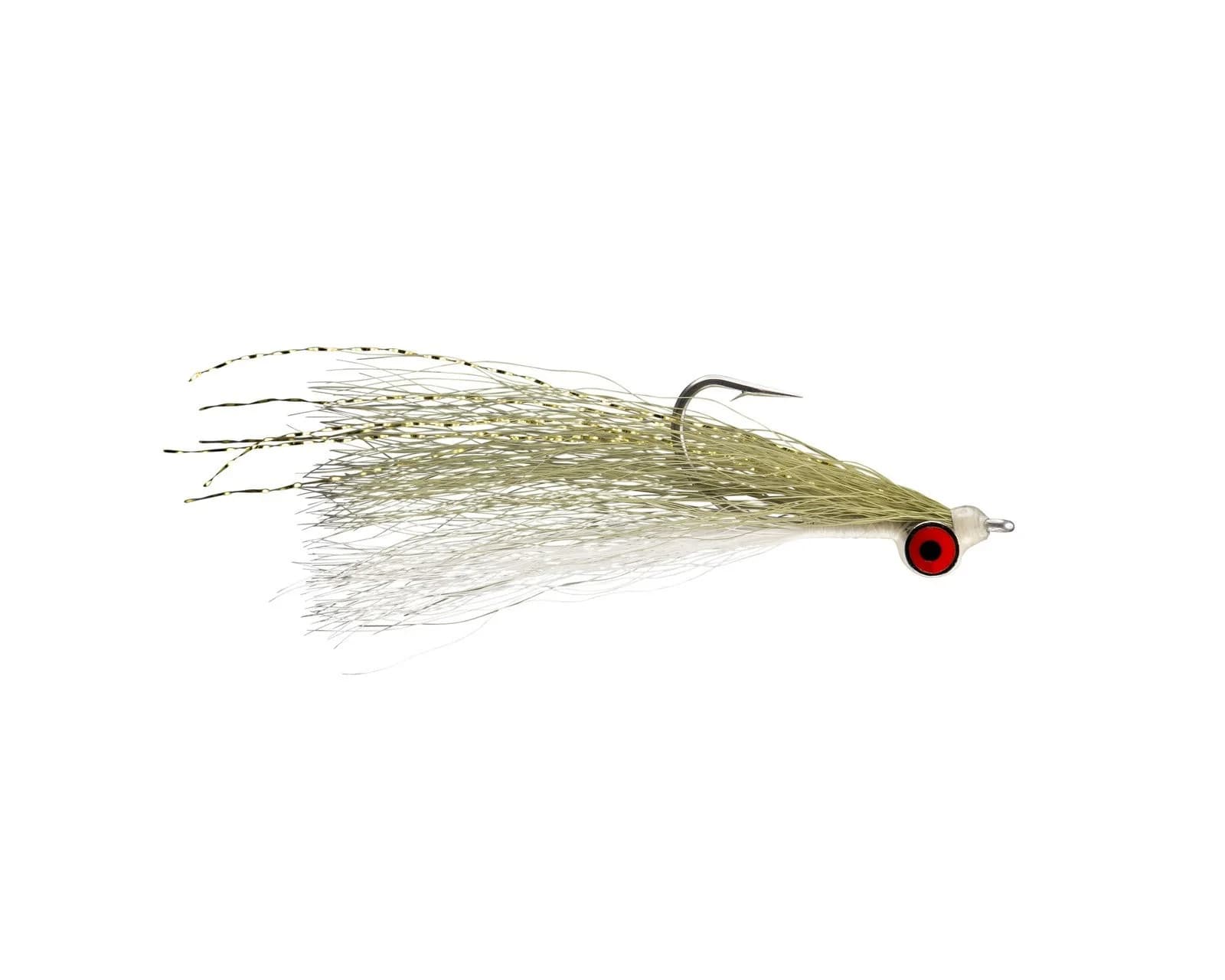
Flies: White or chartreuse Deceiver #1/0, Clouser Minnow in chartreuse/white, Gurgler for topwater in the mangroves, and shrimp patterns for tailing fish.
Redfish — The Tailing Flat
Redfish are the Everglades' sight-fishing fish — copper-colored, spot-tailed, and prone to tailing on shallow mud and grass flats while rooting for crabs and shrimp. A tailing redfish in six inches of water, with its back and tail out of the surface, is one of the most exciting visual targets in fly fishing. You see the fish before you cast. You place the fly ahead of its path. You watch it turn. You see the eat.
Redfish in the Everglades average 5-10 pounds — not the giants of Texas' marsh, but consistently available and often found in schools. Spring and early summer see the best sight-fishing on the flats of Florida Bay, where redfish school up on the shallow grass.
Gear: 8-weight rod. Floating line. 12-15 lb fluorocarbon tippet.
Flies: Clouser Minnow in tan/white with bead chain eyes (not dumbbells — too loud on the flat), EP Spawning Shrimp in tan, Popping Shrimp for topwater, and small crab patterns.
The Waters — Backcountry, Flats, and the Ten Thousand Islands
Flamingo (South Entrance)
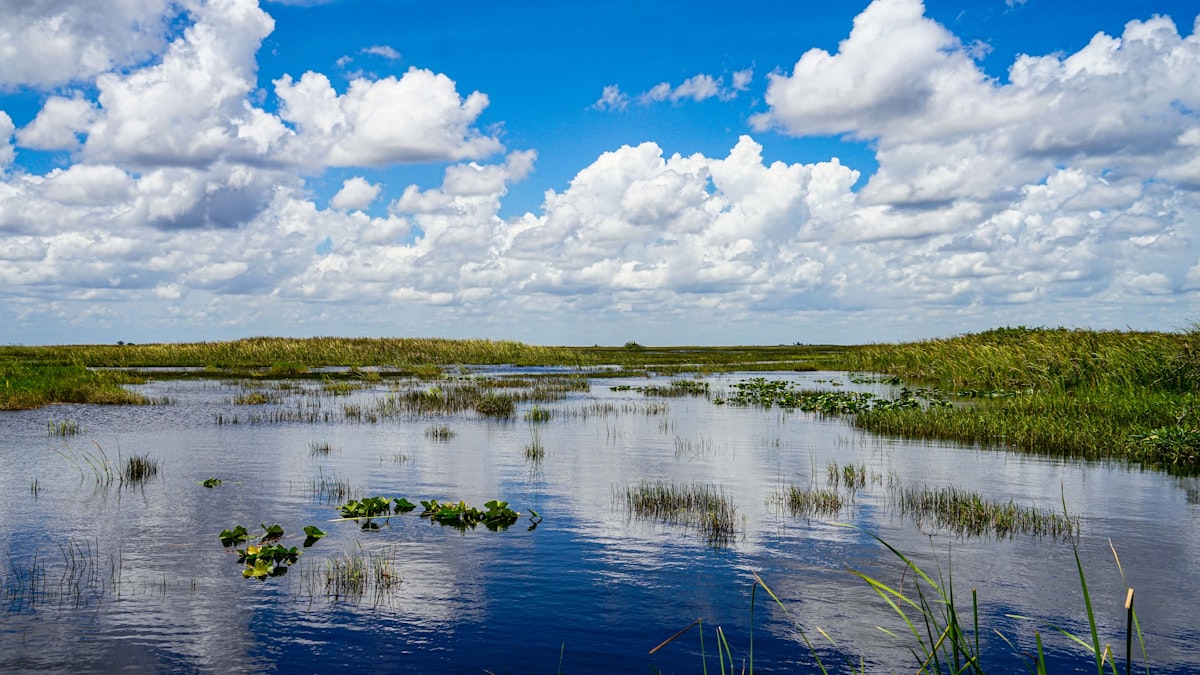
Flamingo is the park's southern gateway — a remote outpost at the end of a 38-mile road from the park entrance. From Flamingo, you can access Florida Bay (the vast shallow expanse between the mainland and the Keys), the backcountry channels and basins, and the coastal mangrove shorelines. Snake Bight — a large, shallow bay east of Flamingo — is one of the most productive sight-fishing flats in the park for redfish and snook.
Flamingo has a marina, boat ramp, and kayak launch. Guided trips depart from here for the backcountry and Florida Bay. DIY anglers can rent kayaks or launch small skiffs.
Chokoloskee / Everglades City (North Entrance)
The northern gateway to the park — and the launch point for the Ten Thousand Islands, a labyrinth of mangrove islands, channels, and bays that stretches along the Gulf coast. The Ten Thousand Islands are the Everglades' wildest fishing territory — miles of mangrove shoreline holding snook, redfish, and tarpon, with the southern portion falling within park boundaries.
Chokoloskee has more guide services than Flamingo and is the base for most Everglades backcountry fishing operations. Find guides in Everglades City →
Florida Bay
The vast, shallow bay between the mainland and the Keys — average depth 4.5 feet — is the Everglades' premier sight-fishing flat. Grass flats hold tailing redfish and cruising permit. Channels hold snook and small tarpon. The bay is accessible from both Flamingo and the Keys (Islamorada guides fish the northern edge of Florida Bay regularly).
The Backcountry
The interior waterways — Whitewater Bay, Coot Bay, the Shark River, the Chatham River, the Lostman's River — are tidal, brackish, and remote. This is the true Everglades: a maze of mangrove-lined channels connecting shallow bays and basins where the water is stained tea-brown by tannins and the shorelines are alive with snook, tarpon, and redfish.
The backcountry holds resident tarpon in the deeper basins year-round — fish that don't migrate, don't see heavy pressure, and don't require the precise sight-casting that Keys tarpon demand. You fish the channel edges, the basin drop-offs, and the mangrove points where current concentrates baitfish. The tarpon roll on the surface (showing their backs as they gulp air), giving you targets to cast to.
Whitewater Bay is the largest backcountry basin — a shallow, windswept expanse surrounded by mangroves. On calm days, redfish tail on the mud flats. On windy days, the shorelines produce snook. The bay is accessible from Flamingo via the Buttonwood Canal.
The Shark River and its tributaries hold some of the biggest snook in the park — fish over 30 inches that lurk in the deeper channel bends where the current sweeps baitfish past mangrove overhangs.
Navigation requires local knowledge — the channels are unmarked, the depths change with the tide, and getting lost in the mangrove maze is a real possibility. GPS is essential. A guide is strongly recommended for first-timers — this is not water you figure out on your own without risking getting stranded on a falling tide.
The Fly Box
The Everglades fly box crosses multiple species, and many of our fly tying guides apply directly:
Tarpon:
- Lefty's Deceiver #2/0-3/0, black/purple and cockroach
- Tarpon Toad #2/0
- EP Baitfish #1/0-2/0
Snook:
- Clouser Minnow #1/0, chartreuse/white
- Deceiver #1/0, white or chartreuse
- Gurgler #2, white — topwater under mangroves
Redfish:
- Clouser Minnow #4, tan/white with bead chain
- EP Spawning Shrimp #4, tan
- Popping Shrimp #2, tan — topwater on flats
- Small crab pattern #4
Multi-species:
- Woolly Bugger #4, chartreuse — catches everything in the backcountry
When to Go
-
November–February: The best season. Cooler temperatures push snook to shallow, sun-warmed shorelines — the best sight-fishing of the year. Low tides expose flats for tailing redfish. Resident tarpon in the backcountry basins. Dry season means fewer mosquitoes. This is when the Everglades shines.
-
March–June: Tarpon migration builds. March sees the first migratory fish in the backcountry. April-June is peak tarpon — the main event that draws anglers from around the world. Redfish school up on Florida Bay flats. Snook move to deeper water as temperatures rise.
-
July–October: Hot, humid, and buggy — the low season. Tarpon are still present but scattered. Snook spawn along the beaches and passes in summer. Hurricane season (August-October) can shut down access. The fishing is still good on the right days, but the conditions are brutal. Bug spray is mandatory — Everglades mosquitoes are legendary.
Gear and Logistics
Rods: Bring three. An 8-weight for redfish and snook. A 10-weight for tarpon. A 6-weight for backcountry jacks and seatrout if you want variety.
Boat: The Everglades is not wadeable. You fish from a skiff, kayak, or canoe. Guided skiff trips are the standard — the guide poles the shallow flats while you stand on the bow and cast. Kayak fishing is possible from Flamingo for DIY anglers, but the distances are significant.
License: Florida saltwater fishing license required. Available online or at tackle shops. The park itself doesn't charge an additional fishing fee.
Sun protection: The Everglades has zero shade on the flats. Sun hoodie, buff, wide-brimmed hat, and reef-safe sunscreen are mandatory equipment, not optional comfort items. Heatstroke is a real risk from May through October.
Mosquitoes: The Everglades mosquito population is not a joke — it's a force of nature. During summer and after rain, mosquitoes can be thick enough to obscure your vision. Long sleeves, head nets, and DEET are essential. Winter (the dry season) is dramatically better.
The Keys Connection
The Everglades and the Florida Keys share the same ecosystem — Florida Bay connects them, and many of the same species move between the two. A trip combining Everglades backcountry (tarpon and snook in the mangroves) with Keys flats fishing (bonefish and permit on the oceanside) is the ultimate Florida fly-fishing experience. Islamorada is the geographic midpoint — 2 hours from Flamingo, 1 hour from Key West — and serves as a base for both fisheries.
Conservation — A Park Under Pressure
The Everglades is one of the most threatened national parks in America. Upstream water management — dams, canals, and agricultural runoff from the sugar industry — has altered the natural flow of freshwater through the system for decades. The Comprehensive Everglades Restoration Plan (CERP) is a multi-billion-dollar, multi-decade effort to restore natural water flow, but progress is slow.
For anglers, the practical impact is water quality and habitat health. When freshwater flow is diverted or polluted, the brackish balance that sustains the mangrove ecosystem shifts. Seagrass beds in Florida Bay die. Baitfish populations decline. The gamefish follow.
Catch-and-release is standard practice for tarpon (they're catch-and-release only by law in Florida) and strongly encouraged for snook and redfish in the park. The Everglades' fish populations are healthier than many Florida waterways precisely because the park provides protected habitat — but they're not immune to the broader environmental pressures on the ecosystem.
Top Fishing Guides in Everglades City
Everglades backcountry fly fishing means sight-casting to laid-up tarpon in mangrove channels, tailing redfish on turtle-grass flats, and snook ambushing baitfish along oyster bars. Guides pole shallow-draft skiffs through a maze of creeks and bays that only locals can navigate.
Everglades Fishing Adventures
Everglades City, FL, US
5.0 (91 reviews)
Everglades Fishing Adventures Led by Captain Dan Dixon, Everglades Fishing Adventures offers exceptional fishing charters throughout Everglades National Park and the 10,000 Islands National Wildlife Refuge. Operating from Everglades City, the company specializes in pursuing Snook, Tarpon, and Redfish across inshore, nearshore, and backcountry waters, welcoming anglers of all skill levels. Captain Dixon brings years of deep expertise and intimate knowledge of this unique ecosystem to every outing. Whether seeking the thrill of a trophy Tarpon or the steady challenge of Redfish in the shallows, guests experience carefully guided trips designed to connect them with Florida's most prized gamefish while exploring one of the country's most remarkable natural environments.
Everglades Fishing Charters
Everglades City, FL, US
5.0 (91 reviews)
Fishing The Everglades Captain Glenn Puopolo brings over three decades of expertise to every charter in Everglades National Park, specializing in inshore fishing for Tarpon, Snook, and Redfish along the Gulf of Mexico. Operating a Maverick flats boat built for navigating shallow, pristine waters, he accommodates up to three anglers comfortably while maintaining the efficiency needed to locate prime fishing grounds. Whether you're casting a line for the first time or refining decades of technique, Captain Glenn crafts each outing around your skill level and goals. His deep knowledge of the mangrove islands and sheltered waters ensures clients experience the natural beauty and abundant gamefish that make the Everglades a world-class fishing destination.

Everglades Fly Fishing Guide
Everglades City, FL, US
5.0 (91 reviews)
Everglades Fly Fishing Guide Captain Edward Tamson brings years of expertise to guided fly fishing adventures in the pristine Florida Everglades. Specializing in trophy species including Tarpon, Snook, and Redfish, this guide offers customized trips designed for anglers of all skill levels—from beginners seeking to develop foundational techniques to experienced fly fishers pursuing larger game. Beyond the catch, Captain Tamson emphasizes personalized casting instruction and skill development. Each outing balances the thrill of pursuing world-class saltwater species with focused coaching to help clients refine their technique and confidence. Whether seeking a challenging day on the water or a chance to master fly fishing fundamentals in one of Florida's most iconic destinations, clients can expect a memorable experience backed by professional guidance and local knowledge.
Fishhunt Charters
Everglades City, FL, US
5.0 (25 reviews)
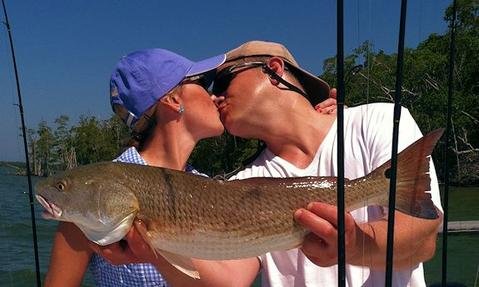
Fishhunt Charters, led by Captain Wayne Krystopa, brings a second-generation passion for fishing to the pristine waters of Everglades National Park and the 10,000 Islands. With deep expertise in these iconic waters, Captain Wayne specializes in pursuing snook, cobia, permit, redfish, trout, jacks, sharks, and tarpon, adapting his approach to match seasonal opportunities and client interests. Captain Wayne's hands-on guidance and no-frills philosophy create genuine, enjoyable fishing experiences for both seasoned anglers and families alike. His focus remains on what matters most—exciting days on the water, productive technique, and the natural beauty of Southwest Florida's legendary fishery. Whether targeting a specific species or exploring what the day brings, clients can expect authentic, knowledgeable service from someone who knows these waters intimately.
Waterboy Charters
Everglades City, FL, US
5.0 (22 reviews)
Waterboy Charters Waterboy Charters operates from Everglades City, Florida, offering specialized backcountry fishing expeditions throughout the legendary Ten Thousand Islands and Everglades National Park. Captains Bobby and Slade bring decades of combined experience to every outing, leveraging intimate knowledge of these pristine waters to consistently connect anglers with Snook, Trout, Redfish, and Tarpon. The charter prioritizes personalized attention, tailoring each trip to match individual skill levels and preferences. Whether pursuing trophy fish or simply immersing in one of Florida's most stunning natural environments, guests benefit from the captains' deep understanding of local conditions, seasonal patterns, and productive fishing grounds that make the Everglades a world-class destination.
Salty Bird Fishing Charters
Everglades City, FL, US
5.0 (4 reviews)
Salty Bird Fishing Charters brings over 12 years of expert guidance to the shallow waters and mangrove-lined backcountry of Everglades National Park. Captain Steve Baird specializes in fly and spin fishing for tarpon, snook, redfish, and sea trout, offering both half-day and full-day excursions tailored to anglers of varying skill levels. What sets Salty Bird apart is an intimate knowledge of the Everglades ecosystem combined with a genuine passion for this unique fishery. Clients enjoy sight-fishing opportunities and instruction in artificial lure techniques across diverse environments, from open flats to dense mangrove corridors. Whether pursuing trophy tarpon or exploring the park's abundant redfish populations, anglers can expect a thoughtfully guided experience that honors both the fish and the landscape.
Frequently Asked Questions
What fish are in Everglades National Park?
Tarpon (40-120+ pounds), snook, redfish, seatrout, jacks, and occasionally permit and bonefish in Florida Bay. The Big Three — tarpon, snook, and redfish — are the primary fly-fishing targets.
When is the best time to fly fish the Everglades?
November-February for sight-fishing snook and redfish on low winter tides. March-June for migratory tarpon. Winter has fewer mosquitoes and better conditions. Summer is hot, humid, and buggy but tarpon are still present.
Do you need a guide for Everglades fishing?
Strongly recommended for first-timers. The backcountry is a mangrove maze with unmarked channels, changing depths, and no landmarks. Guides operate from Flamingo (south) and Chokoloskee/Everglades City (north). Kayak DIY is possible from Flamingo for experienced anglers.
What rod weight for Everglades fly fishing?
Bring three: 8-weight for redfish and snook, 10-weight for tarpon, 6-weight for backcountry jacks and variety. The 8-weight covers most situations. Tarpon demand the 10-weight — they're too powerful for lighter gear.
Do you need a fishing license for the Everglades?
A Florida saltwater fishing license is required. No additional park fishing fee. Available online or at tackle shops. Tarpon are catch-and-release only by Florida law.
Related Articles
Fly Fishing the Florida Keys: Tarpon, Permit, Bonefish, and the Flats That Invented Saltwater Fly Fishing
Friday, January 2, 2026
Lefty's Deceiver: How to Tie the Saltwater Streamer That Lefty Kreh Called 'A Way of Tying, Not a Pattern'
Sunday, November 2, 2025
The Clouser Minnow: How to Tie the Fly That Catches Everything With Fins, From Bonefish to Bass to Stripers
Friday, November 28, 2025
 ™
™