
Fly Fishing Puget Sound: Beach Fly Fishing for Sea-Run Cutthroat, Coho, and the Best Urban Fishery You've Never Heard Of
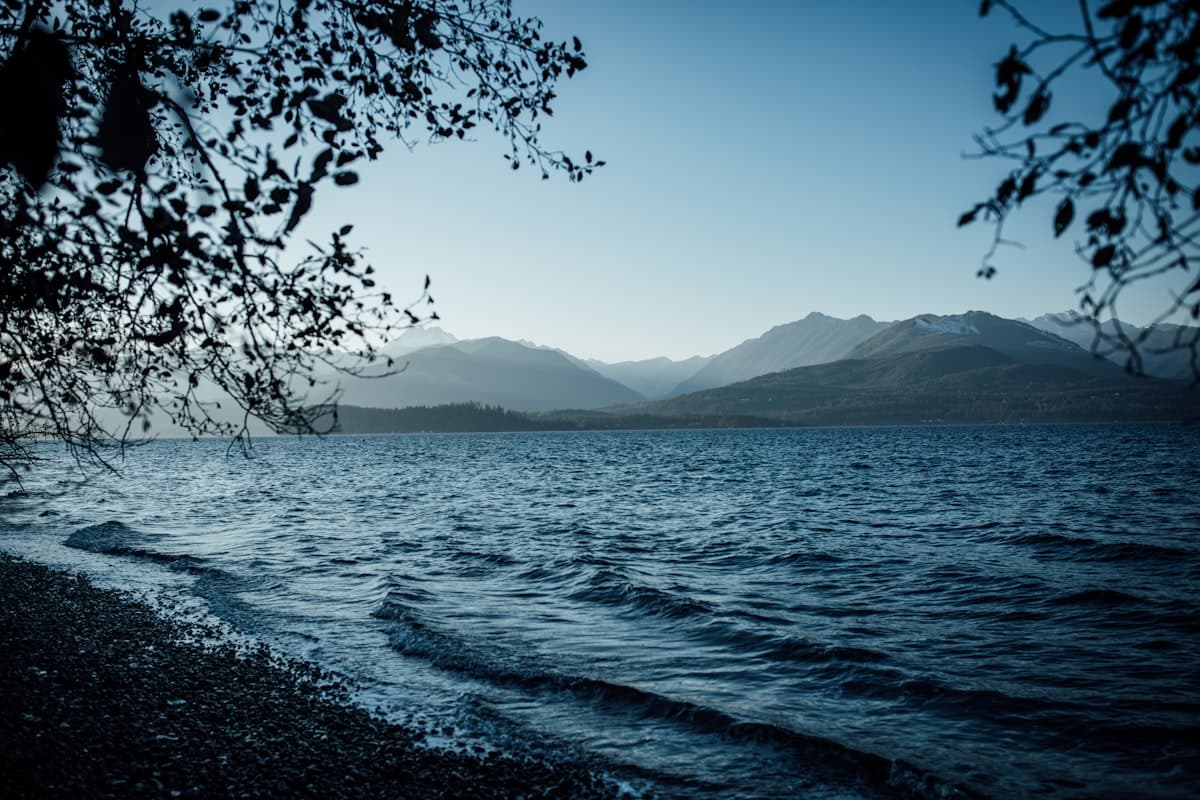
Within 30 minutes of downtown Seattle, you can wade into Puget Sound and fly fish for sea-run cutthroat trout, resident coho, pink salmon, and chum. The beaches are public, the fish are wild, and most of them have never seen a fly. Here's how to fish the Sound.

Puget Sound is not the first place most fly anglers think of when they think about destination fly fishing. That's because most fly anglers haven't fished it.
The Sound is a 100-mile inland sea stretching from Olympia north to the San Juan Islands, fed by rivers draining the Cascades and the Olympics, flushed by tides twice daily, and lined with hundreds of miles of public beaches. Those beaches hold sea-run cutthroat trout — wild, ocean-going coastal cutthroat that have spent months in the saltwater, feeding on sand lance, herring, shrimp, and salmon fry until they're fat, chrome-sided, aggressive, and nothing like the timid 10-inch cutthroat you catch in mountain streams.
Sea-run cutthroat are available year-round. Coho salmon push through from July through October. Pink salmon flood the beaches in odd-numbered years. Chum salmon stack up in Hood Canal every November. And all of it — every species, every beach — is accessible by wading from public parks within a short drive of downtown Seattle, Tacoma, or Olympia.
This is urban saltwater fly fishing. You park at a city park, walk down a trail through madrone trees, wade into the Sound in your waders, and cast to fish that are cruising the shoreline eating baitfish. Behind you, the Cascades. Across the water, the Olympics. Container ships on the horizon. An eagle in the Douglas fir overhead. A sea-run cutthroat eating your Clouser 40 feet out.
It's the best fishery most fly anglers don't know exists.
The Fish — Sea-Run Cutthroat
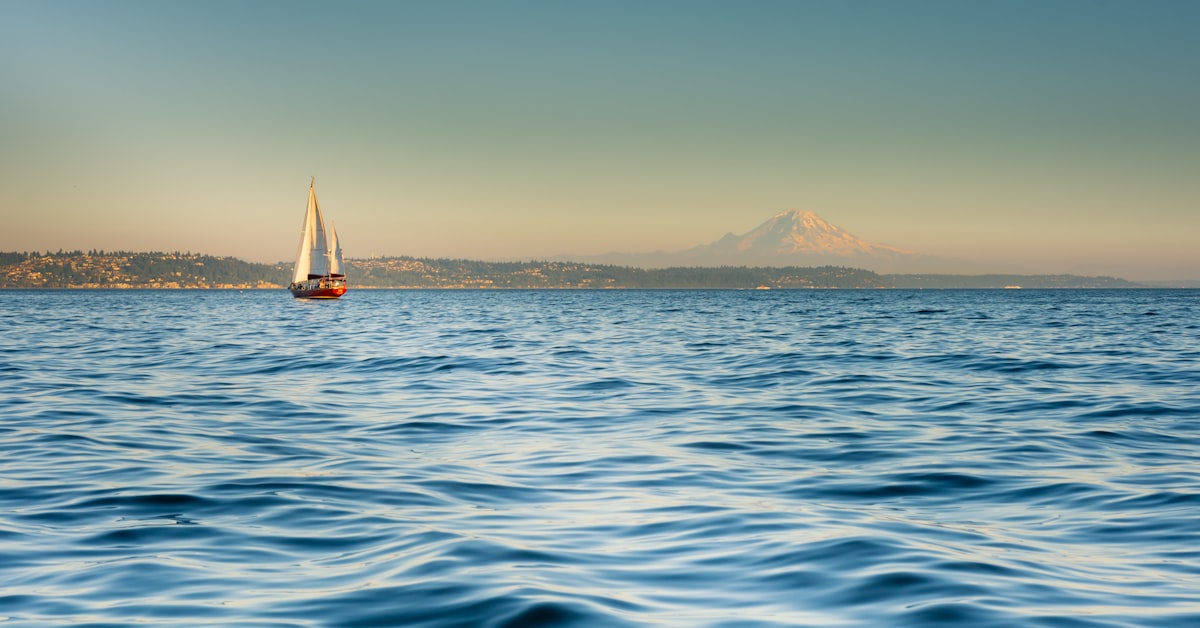
Sea-run cutthroat are the heartbeat of Puget Sound fly fishing. They're a subspecies of coastal cutthroat trout (Oncorhynchus clarkii clarkii) that migrate to the saltwater as juveniles, spend months feeding in the marine environment, and return to their natal streams to spawn — often multiple times, unlike salmon that die after spawning. This repeat spawning makes them a sustainable, long-lived fishery, but also a vulnerable one: each fish represents years of growth and multiple spawning cycles.
In the salt, cutthroat range from 10 to 18 inches, with occasional fish over 20. They're not large by trout standards, but they fight well above their weight class. A 14-inch sea-run cutthroat in the salt pulls harder than a 16-inch rainbow in a river. The ocean has conditioned them — they're muscular, fast, and they run. When you find a pod of them feeding along a beach, you can catch a dozen in an hour. When you don't find them, you can walk a mile of shoreline and never get a take.
That inconsistency is the defining characteristic of beach fly fishing. Sea-run cutthroat are mobile. They cruise shorelines following forage — sand lance schools, herring fry, shrimp, chum fry in spring, euphausiids in winter. Finding them is the challenge. Catching them, once found, is straightforward.
The Year-Round Calendar
-
March–April: Post-spawn fish re-enter the salt, hungry after wintering in freshwater. Chum fry begin their outmigration from natal streams — millions of tiny salmon pour into the Sound, and cutthroat follow them along the beaches. This is the chum fry hatch, and it's some of the most exciting fishing of the year. Small pink-and-olive fry patterns fished near stream mouths produce aggressive surface takes.
-
May–June: Sand lance and herring fry become the dominant forage. Cutthroat spread along the beaches, following baitfish schools. The fishing is consistent but requires covering water — fan casts along the shoreline, moving every 20 minutes if nothing responds.
-
July–August: Coho salmon enter the Sound and begin staging in bays and along points. Cutthroat fishing remains steady. The overlap of species means you might hook a 14-inch cutthroat, strip in your line, and on the next cast have a 6-pound coho explode on the same fly.
-
September–October: Peak cutthroat fishing. The fish have been feeding in the salt all year and are at their fattest, strongest, and most aggressive. Fall is when the Sound produces the biggest sea-runs — girthy 16- to 18-inch fish covered in sea lice, chrome-bright, with the pronounced spots and golden bellies of a fish that hasn't seen freshwater in months. September and October are the months to fish Puget Sound if you can only pick two.
-
November–December: Chum salmon run into Hood Canal and south Sound rivers. Cutthroat fishing transitions — some fish move toward spawning streams, others continue feeding in the salt through winter. Winter fishing can be excellent, particularly in south Puget Sound where sea lice-covered fish that have clearly been in the ocean for months are still cruising the beaches.
-
January–February: The quietest months, but not fishless. Euphausiid and krill patterns produce in deeper water along points and structure. The anglers who fish through winter often have the best fish of the year — big, pre-spawn sea-runs that have been feeding all winter.
The Beaches — Where to Fish
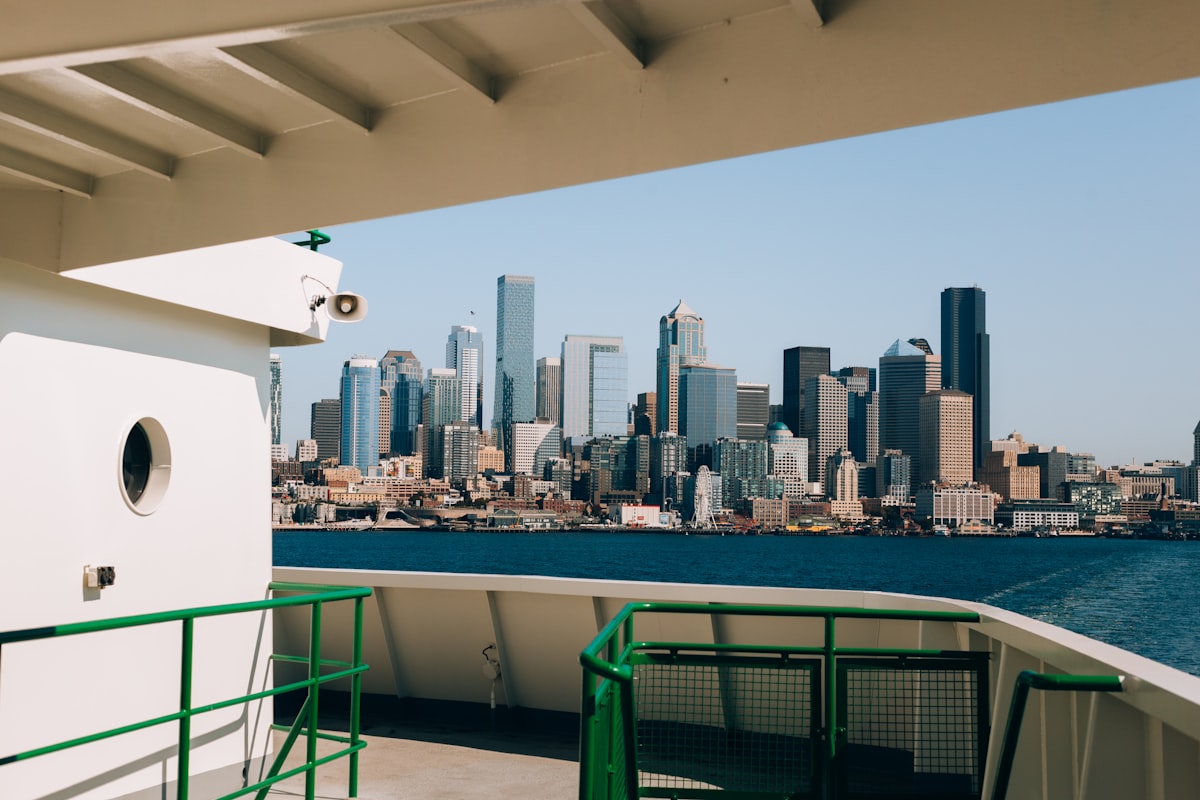
Puget Sound beach fly fishing is a game of reading shoreline structure and understanding what concentrates fish along a given stretch of beach. The "Beach Quadfecta" — the four features that make a productive cutthroat beach — is: a point of land, current, bottom structure, and decent beach pitch (gradual enough to wade but steep enough to get depth within casting range).
Seattle Area
Lincoln Park (West Seattle) — One of the most popular urban fishing beaches in the Sound. A long cobble beach with good structure, moderate depth close to shore, and consistent cutthroat through the fall. You share the beach with joggers and dog walkers. The fishing is best on the outgoing tide when the current sweeps along the point.
Golden Gardens (Ballard) — North-facing beach at the mouth of Salmon Bay. Good fall cutthroat and occasional coho in September. More exposed to wind than Lincoln Park, but the point at the north end fishes well on tide changes.
Carkeek Park (north Seattle) — A great point with varied structure. The beach changes character with the tide — at low tide, the cobble flats extend well out and cutthroat cruise the edges. At high tide, cast parallel to shore from the point.
Meadowdale Beach and Picnic Point (south Snohomish County) — Less urban pressure than Seattle city beaches. Rocky beaches with freshwater creek inflows that attract cutthroat. The hike down to Meadowdale Beach discourages casual visitors, which means less foot traffic and less spooked fish.
South Sound / Tacoma
Titlow Beach (Tacoma) — Excellent winter coho fishing and year-round cutthroat. The old ferry dock pilings create structure that holds baitfish and attracts predators. A local favorite for after-work sessions.
Dash Point (Federal Way/Tacoma) — Ground zero for pink salmon in odd-numbered years. When the pinks are running in August and September, the beach can have fishable numbers of salmon within casting range from shore. Coho mix in with the pinks. Cutthroat are present year-round.
Tacoma Narrows — Strong tidal current funnels through the Narrows, concentrating baitfish and attracting cutthroat and coho. The current here is powerful — fish the tide changes when flow is manageable, not during peak ebb or flood.
Hood Canal
Hood Canal is the long, narrow fjord on the west side of the Kitsap Peninsula. It's separated from the main Sound by limited water exchange, which creates its own ecosystem and its own fishery.
Chum salmon are the main event — Hood Canal receives massive chum runs in October and November. Chum salmon on the fly are an underappreciated experience: they're aggressive, strong, average 8 to 12 pounds, and they'll eat a chartreuse Clouser stripped through a staging school. The chum fry outmigration in spring makes Hood Canal one of the best places to fish the chum fry hatch for cutthroat.
South Sound
Henderson Bay, Case Inlet, and Penrose Point — The south Sound, below the Tacoma Narrows, is warmer, calmer, and holds fish year-round. Cutthroat concentrate around oyster beds, eelgrass flats, and stream mouths. The south Sound is where the winter fishing is most consistent — on mild January days, you can find schools of cutthroat cruising the oyster beaches in water shallow enough to see their dorsals.
Beach Selection — What Makes Good Water
Not every beach fishes. The features that concentrate cutthroat and make a beach worth your time:
Freshwater inflows — Creeks, seeps, and drainage ditches that trickle into the salt are magnets for baitfish and cutthroat. At low tide, look for visible fingers of freshwater running across the beach. The best beaches have permanent creek mouths where the fresh and salt water mix.
Structure — Rocky beaches with cobble, scattered boulders, submerged pilings, and oyster beds are better than smooth sand. Structure creates ambush points and holds forage. Shellfish beaches are especially productive because they attract the invertebrates that cutthroat eat between baitfish feeding sessions.
Eelgrass beds — Underwater meadows of eelgrass are alive with shrimp, baitfish, and sand lance. Cutthroat patrol the edges of eelgrass beds, picking off forage. If you can see eelgrass at low tide, fish that beach on a rising tide as the water covers the beds.
No bulkheads — The best beaches have natural shoreline where forest meets water. Bulkheaded properties eliminate the shallow-water habitat and freshwater seepage that attract forage. When you're scouting beaches, look for the ones where the trees come down to the water.
Decent pitch — A beach that stays ankle-deep for 200 yards is hard to fish. You want a grade steep enough that you can reach 3 to 6 feet of water within a comfortable wade. Points and drop-offs are ideal because they give you access to depth without wading dangerously deep.
The Tides — Timing Everything
Tides dictate Puget Sound fly fishing more than any other variable. The Sound exchanges water twice daily with the Pacific through the Strait of Juan de Fuca, creating tidal swings of 8 to 14 feet that completely transform every beach. A cobble flat that's exposed at low tide becomes six feet of productive water at high tide. A point that's wadeable at mid-tide becomes unwadeable at flood.
The two hours before and after a tide change are the most productive — moving water concentrates baitfish and triggers feeding. Outgoing tides are the conventional wisdom ("the drain pulls baitfish off the flats and cutthroat follow"), but every beach has its own personality. Some fish better on the incoming. Some fish best at dead low when cutthroat are forced into the remaining channels. Document what works at each beach — the serious Puget Sound angler keeps a tide journal.
Tidal rips — where current accelerates through constrictions (points, passages, narrows) — create "rivers" in the salt. Cutthroat and coho stage in these rips the same way trout hold in current seams in a river. If you can find a tidal rip within casting range from a wadeable beach, you've found a high-percentage spot.
The Technique — Covering Water
Beach fly fishing is a stripping game, not a dead-drift game. You're casting into open saltwater and retrieving your fly to imitate a fleeing baitfish, a darting shrimp, or a crippled sand lance. The approach is more like bass fishing or striper fishing than trout fishing — read the water, position yourself, cast, strip, move.
Step 1: Don't wade yet. Before you step into the water, make several casts parallel to shore from the dry beach or the waterline. Sea-run cutthroat often cruise in water as shallow as 6 inches, and wading through them before you cast is the most common beginner mistake.
Step 2: Fan your casts. Once you've covered the near water, wade in knee-deep and cast in a fan pattern — starting parallel to the beach on both sides, then progressively angling your casts out toward deeper water. Cover everything within 60 feet. Cutthroat could be anywhere in that zone.
Step 3: Strip, pause, strip. The retrieve is not a steady pull. Cast, let the fly sink for a second or two (longer with intermediate line), then strip in short, erratic bursts with pauses between. The pauses trigger strikes — a cutthroat following a steady retrieve will often commit when the fly suddenly stops and darts again.
Step 4: Move. If you haven't had a take in 20 minutes, walk 100 yards down the beach and start again. Sea-run cutthroat are mobile — if they're not where you're standing, they might be around the next point. The anglers who catch the most fish are the ones who cover the most water.
When you hook a fish, keep casting. Cutthroat travel in loose pods. Where there's one, there are usually more. If your partner is fishing nearby, tell them to cast to the same area immediately.
The Fly Box
Puget Sound flies imitate the forage base — baitfish, shrimp, sand lance, squid, and salmon fry — in patterns that fish well in the shallow saltwater column. You don't need dozens of patterns. You need a few good ones in multiple sizes and colors.
The Essentials
Clouser Minnow (#4-8) — The single most productive fly in Puget Sound, full stop. Chartreuse-and-white is the standard — it imitates everything and nothing, which is exactly what you want when cutthroat are feeding on whatever swims by. Olive-and-white for darker water. Pink-and-white for salmon. The Clouser's weighted eyes give it a jigging action on the strip-and-pause retrieve that triggers aggressive strikes. If you only bring one pattern, bring Clousers.
Miyawaki Beach Popper — The signature Puget Sound fly, created by Seattle legend Leland Miyawaki in 1978 after watching coho and gulls feeding on crippled baitfish on a Puget Sound beach. It's a slider-style foam-head fly with Icelandic sheep hair, grizzly hackle, and peacock herl that darts and wakes on the surface, imitating an injured sand lance. Fish it on a floating line with long, steady strips that create a V-wake behind the fly. The take — a cutthroat or coho blowing up on the surface — is the most exciting moment in Puget Sound fly fishing. Olive-and-white is the standard color.
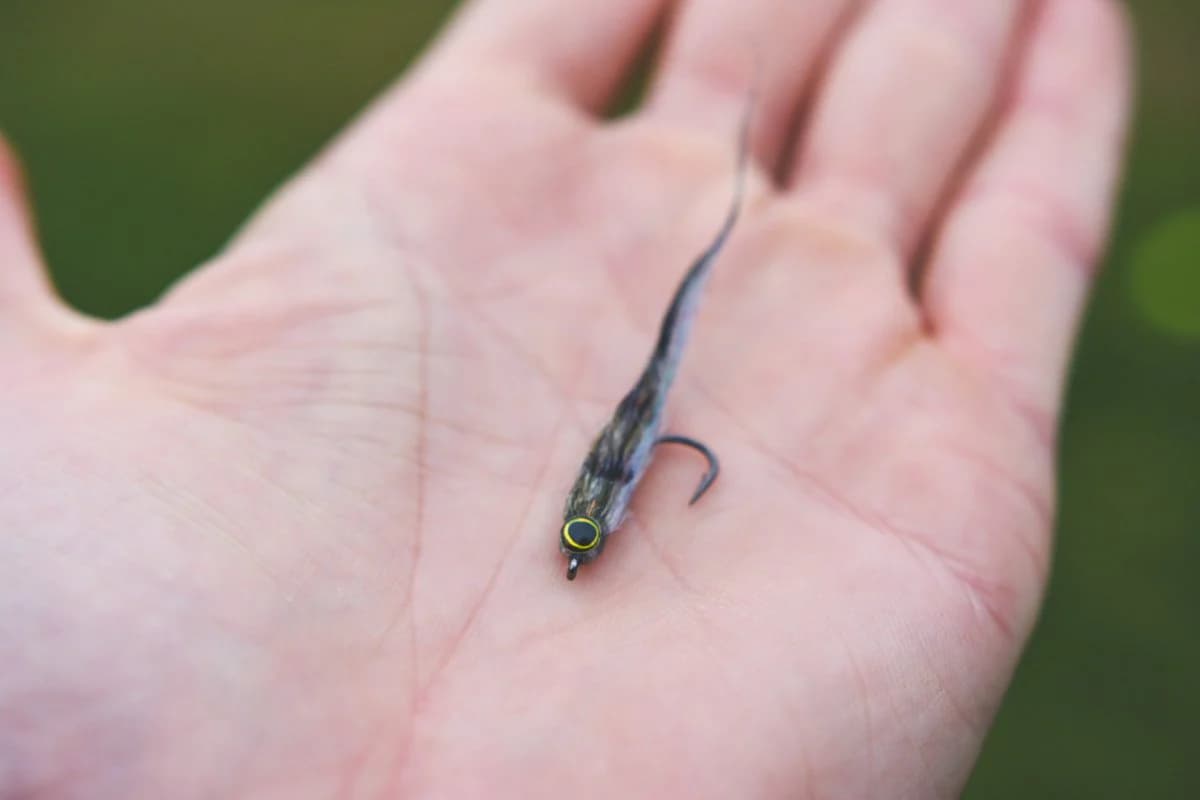
Chum Fry (#6-8) — A simple pink-and-olive baitfish pattern tied sparse on a size 6 or 8 hook. Essential during the March–April chum fry outmigration when millions of juvenile chum salmon pour out of creek mouths into the Sound. Fish it near stream inflows on a floating or intermediate line. The takes during the chum fry hatch can be savage — cutthroat gorge on the tiny salmon and will hit anything that looks vaguely like a pink-bellied fry.
Euphausiid / Krill Pattern (#8-10) — A small, translucent pattern imitating the krill and shrimp that cutthroat feed on year-round, especially in winter when baitfish are less available. Tan, pink, or olive. Slow strips near structure and eelgrass beds. See our complete euphausiid tying guide for three pattern variations.
Seasonal Additions
Sand Lance (#4-6) — A long, thin baitfish pattern (Surf Candy style or Flatwing) imitating the Pacific sand lance that schools along beaches from May through fall. Sand lance are the single most important forage species for cutthroat in the Sound. When you see diving birds working a bait ball along the beach, throw a sand lance pattern into the chaos.
Herring Pattern (#2-4) — Larger baitfish pattern for coho and late-season cutthroat when herring schools are present. Chartreuse-and-white or silver-and-blue. The Foul-Free Herring (weedless) is useful around eelgrass beds.
Squid Pattern (#2-4) — The Delia Conehead Squid, developed by local expert Jeffrey Delia, imitates the small market squid that cutthroat and salmon feed on. A niche pattern that produces when nothing else is working, particularly in deeper water along drop-offs and in the south Sound.
Woolly Bugger (#6-8) — The universal backup. Olive or black. During the chum fry hatch, a small olive Bugger stripped near a stream mouth catches fish that refuse everything else.
The Gear
Rod: 9-foot 5- or 6-weight, fast action. The 5-weight is ideal for cutthroat — light enough for an all-day wade session but enough backbone to punch into the wind that funnels down the Sound. Step up to the 6-weight when targeting coho or chum, or when fall winds make the 5-weight work too hard. A fast action rod matters here — you're casting into wind more often than not, and you need the tip speed to turn over weighted Clousers at distance.
Reel: Saltwater-safe with a sealed drag. Puget Sound water will corrode a freshwater reel within a season. Rinse your reel with fresh water after every session — this is not optional. The Lamson Speedster and Nautilus X-Series are local favorites because they're built for salt exposure.
Lines: Carry two — a floating line and an intermediate sinking line. The intermediate (sinking at 1 to 1.5 inches per second) is the workhorse for most conditions, keeping your fly in the productive zone 2 to 4 feet below the surface. The floating line is for surface flies (Miyawaki Poppers, Gurglers) and for fishing the shallows during the chum fry hatch when the action is at or near the surface.
Leaders: 7 to 9 feet, 8 to 10 pound test. Maxima Ultragreen or fluorocarbon. This is a presentation-in-the-water fishery, not a presentation-to-the-water fishery — cutthroat are not leader-shy the way spring creek trout are. The leader's job is to connect the fly to the line without spooking fish on the strip, not to land a delicate dry fly on a mirror surface.
Stripping basket: Essential. This is the one piece of gear that separates comfortable, efficient beach fly fishing from a tangled nightmare. Your fly line will wrap around every cobble, stick, and seaweed strand on the beach if you let it fall in the water. A stripping basket (the Ahrex Flexi Stripper is the standard) holds your stripped line above the waterline so it shoots cleanly on the next cast. Without one, you'll spend more time untangling than fishing.
Waders: Breathable waders with gravel guards and wading boots with felt or rubber soles. Neoprene in winter. You're typically wading knee- to thigh-deep on cobble or sand — the wading isn't dangerous, but the water is cold year-round (45-55°F) and hypothermia is real if you take a swim. A wading belt cinched tight is mandatory.
The Culture — Seattle's Secret Fishery
Puget Sound beach fly fishing has a quiet, dedicated community that doesn't advertise. There are no billboards, no destination-marketing campaigns, no glossy magazine covers featuring the Sound as a fly-fishing destination. That's by design — the anglers who fish these beaches prefer it uncrowded, and the fish benefit from low pressure.
Seattle-area fly shops are the anchor for Puget Sound beach fishing — the best ones maintain water profiles, stock Sound-specific flies, and their staff fishes the beaches regularly. Shops north of Seattle and in the Gig Harbor area focus on the south Sound and Hood Canal fisheries.
Several guide services run trips in the Sound, targeting both cutthroat and salmon from skiffs and from the beach. Boat-based trips in the south Sound and Hood Canal — drifting along beaches and casting to visible fish — are a productive approach when the cutthroat are spread out along a long stretch of shoreline.
The Coastal Cutthroat Coalition is the conservation organization specifically focused on sea-run cutthroat research and protection. They fund genetic studies, monitor population health, and advocate for habitat protection. If you fish for sea-runs, supporting the Coalition is the minimum commitment — these fish don't have the political profile of salmon, and they need advocates who understand that a fish that spawns multiple times is both more resilient and more vulnerable than one that spawns once and dies.
The Puget Sound beach fly-fishing community is small enough that you'll start seeing the same faces at the same beaches. A nod, a brief exchange about what's working, and a mutual understanding that nobody shares specific GPS coordinates in online forums. The fish aren't secret. The beaches aren't secret. But the culture values discovery — figuring out your own spots, keeping your own tide journal, learning your own beaches through seasons of observation. That process of learning is the point.
The Cross-Over — Rivers and Salt
One of the unique features of Puget Sound fly fishing is the cross-over between river and beach fishing. The same rivers that hold sea-run cutthroat in the salt also hold them in freshwater — the fish move between environments through the year. In fall, cutthroat that have been cruising the beaches begin staging near creek mouths before entering their natal streams to spawn. You can fish for the same population of fish in the salt in September, at the creek mouth in October, and in the river in November.
This cross-over means a Puget Sound fly angler is never without a fishery. The salt is year-round. The rivers fish best when the cutthroat are in freshwater (winter and spring). The Olympic Peninsula steelhead rivers are two hours west. The Yakima River is two hours east. The Skagit system is 90 minutes north. Seattle might be the best-positioned city in America for a year-round fly-fishing lifestyle — and the Sound is the fishery that ties all of it together.
When to Go
- March–April: Chum fry outmigration — exciting surface fishing near stream mouths, post-spawn cutthroat re-entering the salt
- May–June: Sand lance and herring season — consistent beach fishing, cover water with Clousers and baitfish patterns
- July–August: Coho arrive, pink salmon in odd years — multi-species opportunities on the beaches, the busiest months
- September–October: Peak cutthroat — the biggest, fattest sea-runs of the year, aggressive fish, the best two months
- November–December: Chum salmon in Hood Canal, cutthroat transitioning toward rivers, south Sound fishing remains strong
- January–February: Winter fishing — quieter, smaller windows, but the biggest individual cutthroat of the year for those willing to brave the cold
Top Fishing Guides in Seattle
Seattle-area guides fish an extraordinary range of water within two hours — swinging for steelhead on the Skagit and Skykomish, matching the Yakima's prolific March Brown and caddis hatches for wild rainbows, and stripping baitfish patterns along Puget Sound beaches for sea-run cutthroat.
Fishpnw
Seattle, WA, US
5.0 (119 reviews)
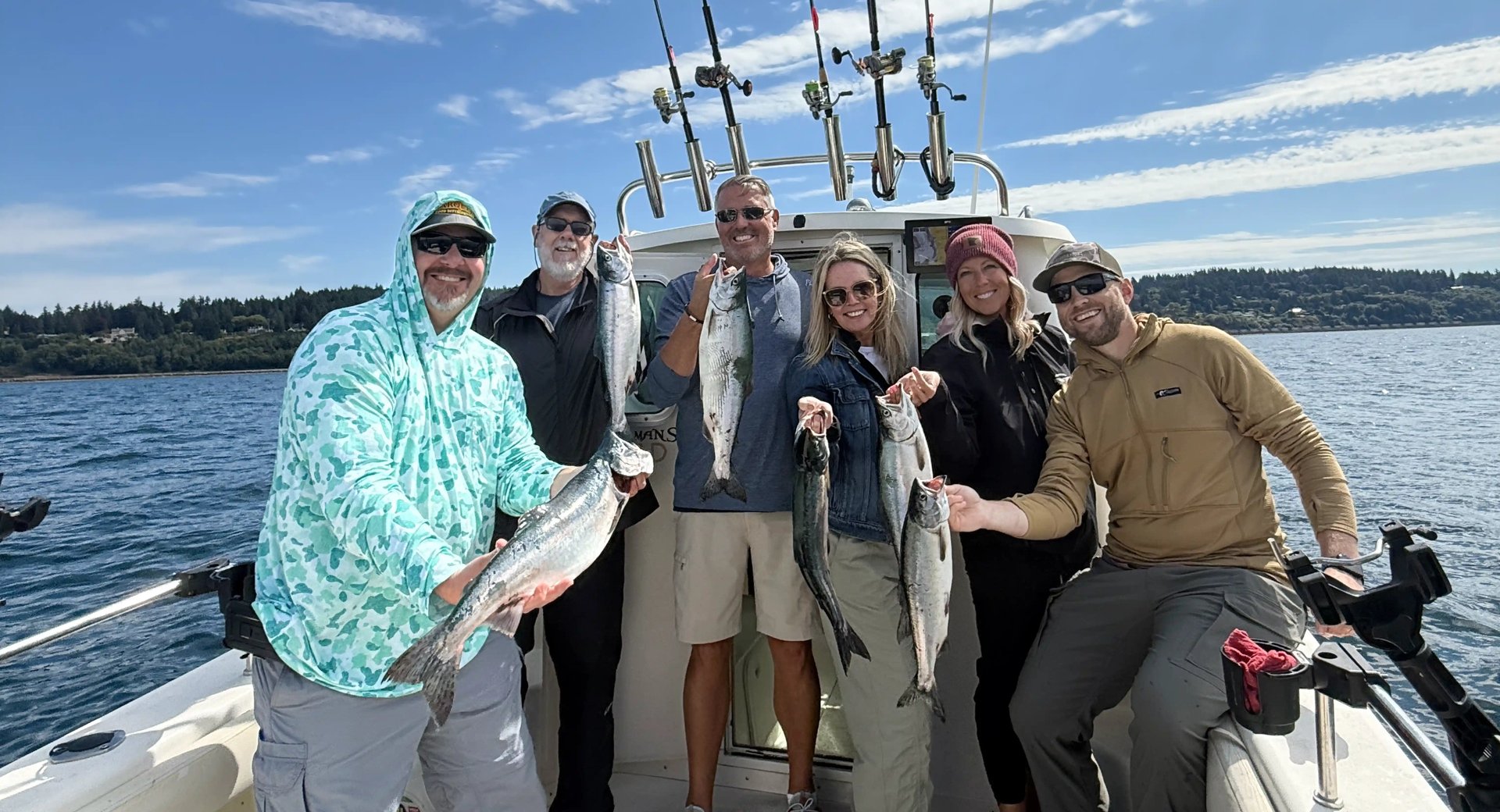
Fishpnw is a professional, licensed fishing guide service based in the Seattle area, offering year-round charter opportunities in the Pacific Northwest's most productive waters. Their experienced guides specialize in pursuing a diverse range of species—salmon, bottomfish, crab, shrimp, and squid—ensuring anglers have varied and rewarding experiences throughout the seasons. The operation distinguishes itself through knowledgeable, attentive guides and well-maintained, fully equipped boats designed for comfort and success. Whether welcoming first-time anglers or accommodating seasoned fishermen, Fishpnw tailors each trip to match individual skill levels, interests, and schedules, creating memorable experiences on the water.
Twin J Charters
Seattle, WA, US
5.0 (21 reviews)
Twin J Charters brings expert guidance to the premier fishing grounds of Puget Sound near Seattle. Specializing in salmon, lingcod, and Dungeness crab, the charter welcomes both experienced anglers and newcomers with equal enthusiasm. Their knowledgeable crew handles all gear and logistics, allowing guests to focus on the experience itself. The operation offers both shared and private trip options, making it easy to customize an outing that fits any preference or group size. Twin J Charters is dedicated to creating memorable days on the water, combining local expertise with genuine hospitality. Whether pursuing a personal best or simply enjoying a day in one of the Pacific Northwest's most beautiful marine environments, guests can expect attentive service and genuine support from start to finish.

Waters West Guide Service
Seattle, WA, US
5.0 (2 reviews)
Team Waters West Team Waters West specializes in guided fishing adventures across the Columbia River and the broader Pacific Northwest. Their expert guides lead tailored trips targeting King salmon, coho salmon, sockeye salmon, sturgeon, and steelhead—offering anglers access to premier waters spanning from Seattle to Portland. With extensive regional experience and a commitment to quality service, Team Waters West accommodates both half-day and full-day trips, ensuring each outing is customized to anglers' goals and skill levels. Whether pursuing trophy species or seeking to refine technique in world-class fisheries, clients benefit from knowledgeable guides and intimate familiarity with the region's most productive waters.
Cut Plug Charters
Seattle, WA, US
4.9 (387 reviews)
Seattle Salmon Fishing Cut Plug Charters is a premier salmon fishing guide service based in Seattle, offering expert-led adventures on the pristine waters of Puget Sound. With convenient access just minutes from downtown, they welcome anglers of all ages and skill levels, whether seeking private charters or group experiences. Their guides specialize in proven techniques and light tackle approaches designed to maximize success while keeping the focus on enjoyment and engagement. Throughout the year, Cut Plug Charters targets King, Silver, and Chum salmon alongside lingcod and flounder. Every outing is tailored to match individual preferences and abilities, ensuring both seasoned anglers and newcomers find their ideal day on the water. The team's commitment to hands-on instruction and productive fishing creates memorable experiences that keep clients returning season after season.

Charter Northern Light
Seattle, WA, US
4.9 (387 reviews)
Charter Northern Light operates a fully crewed 72-foot luxury yacht designed for discerning anglers seeking premier fishing experiences on Puget Sound and the San Juan Islands. The vessel accommodates both day trips and extended multi-day expeditions, allowing guests to explore some of the Pacific Northwest's most productive fishing waters while enjoying refined accommodations and personalized service. This charter service distinguishes itself through its commitment to quality and attention to detail. In addition to world-class fishing opportunities, guests can enjoy complementary activities including island exploration and kayaking, creating a well-rounded maritime adventure. Whether pursuing trophy catches or simply immersing themselves in the region's natural splendor, clients benefit from the expertise of a professional crew dedicated to crafting memorable experiences on the water.
Spot Tail Guides
Seattle, WA, US
4.9 (180 reviews)
Spot Tail Guides brings over three decades of expertise to Puget Sound fishing, with Captain Keith Robbins leading personalized charter experiences designed for anglers of all skill levels. The service specializes in salmon fishing, saltwater fly fishing, and bottom fishing, with each guest receiving their own rod for a fully engaged, hands-on experience. Whether targeting Chinook, Coho, and Humpback salmon or pursuing Sea-Run Cutthroat Trout and Steelhead, Spot Tail Guides crafts trips that match both beginner curiosity and experienced angler ambitions. Combining deep local knowledge with a commitment to quality instruction, the guide service offers an authentic opportunity to explore Seattle's iconic waters and connect with the thrill of Pacific Northwest fishing.
Frequently Asked Questions
Can you really fly fish in Puget Sound from the beach?
Yes — hundreds of miles of public beaches hold sea-run cutthroat trout, coho salmon, pink salmon (odd years), and chum salmon. You wade from public parks, cast with a 5- or 6-weight rod, and fish with baitfish patterns. Many productive beaches are within 30 minutes of downtown Seattle.
What is a sea-run cutthroat trout?
A coastal cutthroat trout that migrates to saltwater as a juvenile, feeds in the ocean for months, and returns to freshwater to spawn — often multiple times (unlike salmon, which die after spawning). In Puget Sound they range 10 to 18 inches, fight hard, and are available year-round from public beaches.
What fly rod do I need for Puget Sound beach fishing?
A 9-foot 5-weight for cutthroat, or a 6-weight if also targeting coho and chum salmon. Fast action for casting into wind. Pair with a saltwater-safe reel, an intermediate sinking line (workhorse), a floating line (for surface flies), and 7-9 feet of 8-10 lb leader.
What is the best fly for Puget Sound cutthroat?
The Clouser Minnow in chartreuse-and-white is the most productive single pattern. The Miyawaki Beach Popper (a surface slider created by Seattle's Leland Miyawaki) is the signature Puget Sound fly for topwater action. Chum fry patterns in spring and sand lance patterns in summer round out the essential box.
When is the best time to fly fish Puget Sound?
September and October are peak — the biggest, fattest sea-run cutthroat of the year are cruising the beaches. March-April is excellent during the chum fry outmigration. July-August adds coho and pink salmon. But sea-run cutthroat are available every month of the year.
Related Articles
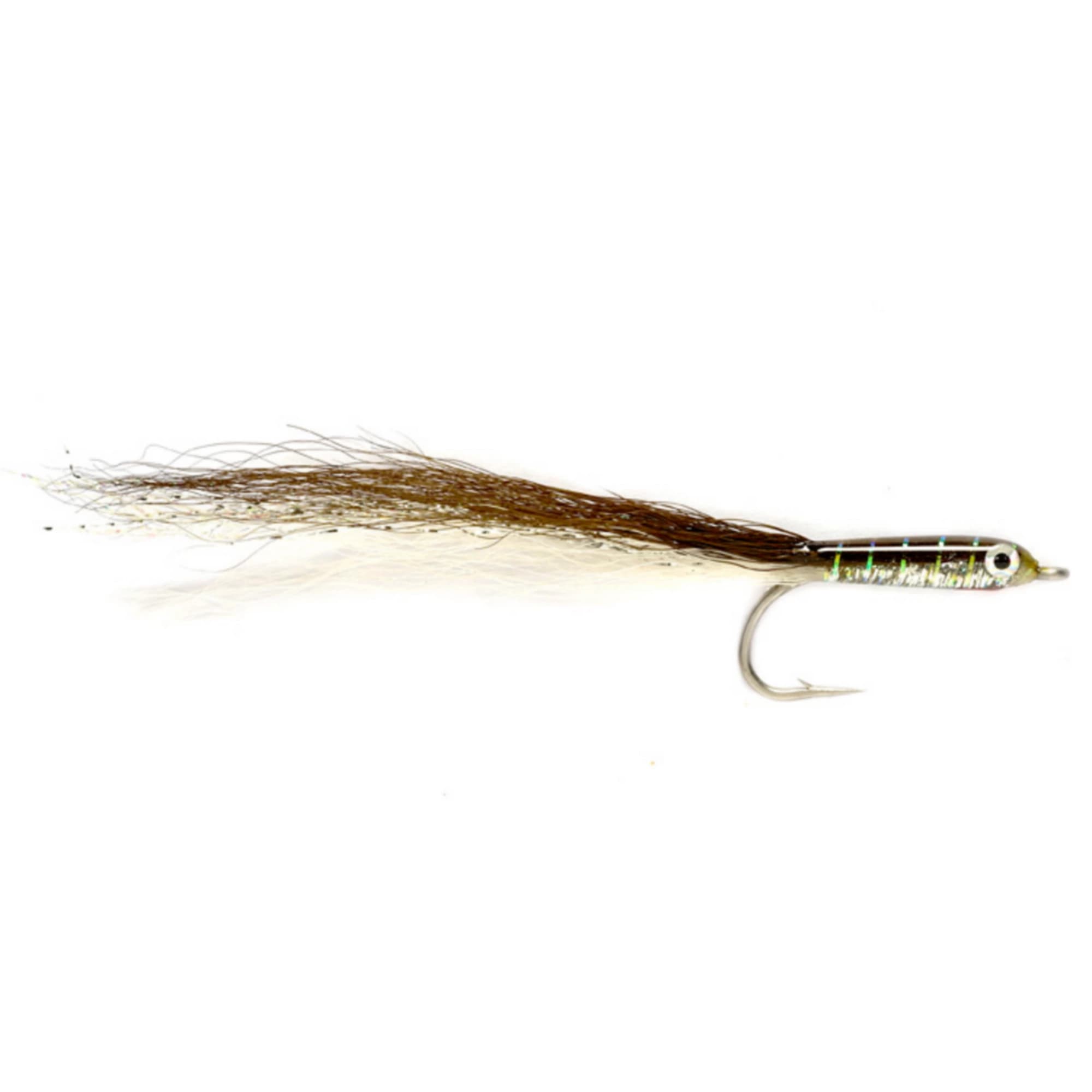
The Sand Lance: How to Tie the Baitfish Pattern That Puget Sound Cutthroat Chase All Summer Long
Wednesday, October 8, 2025
The Chum Fry: How to Tie the Spring Pattern That Turns Puget Sound Into a Feeding Frenzy
Wednesday, October 15, 2025
Euphausiid and Krill Patterns: How to Tie the Winter Flies That Puget Sound Cutthroat Can't Refuse
Sunday, July 13, 2025
 ™
™