
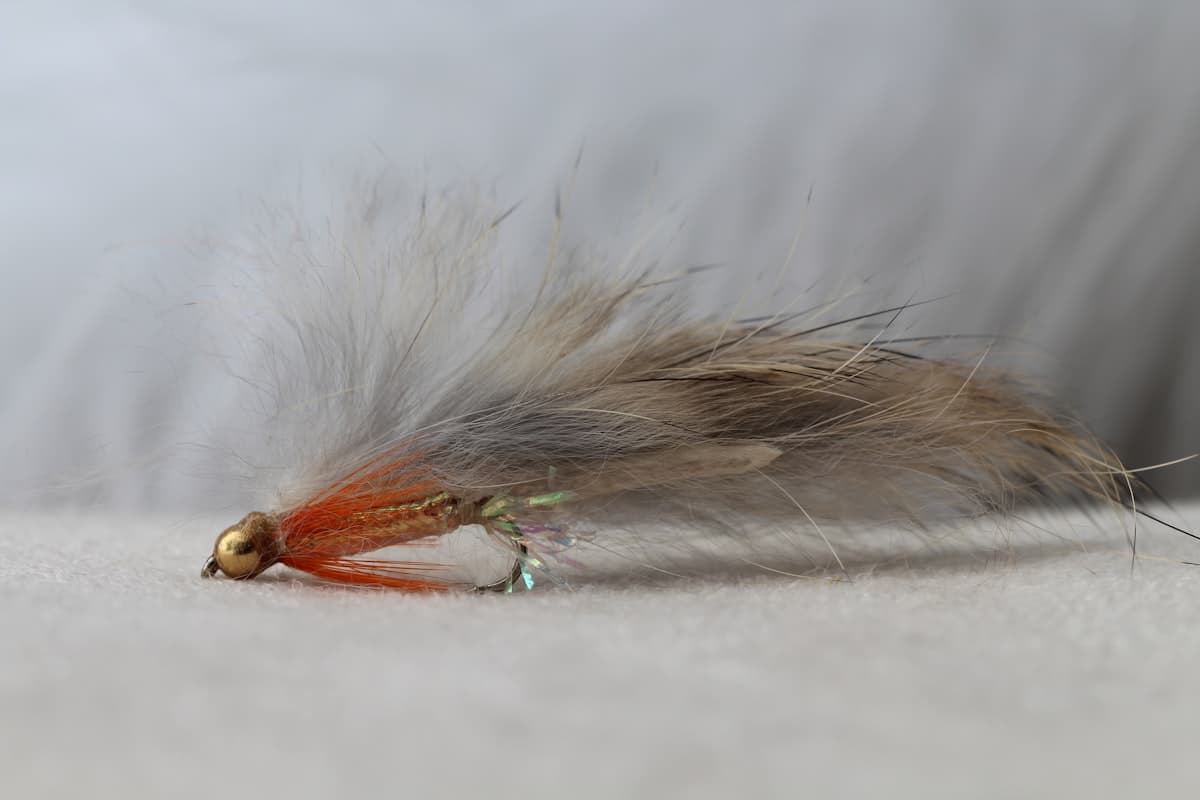
Tying the Bunny Leech: The Rabbit Strip Streamer That Out-Swims Everything
A strip of rabbit hide tied to a hook shouldn't be this effective. But underwater, the Bunny Leech becomes something alive — undulating, pulsing, breathing with every current change. Three recipes, anti-fouling tricks, and why it belongs in every streamer box.

Tying the Bunny Leech: The Rabbit Strip Streamer That Out-Swims Everything
There is no material in fly tying that moves like rabbit strip underwater. Marabou pulses. Synthetic fibers shimmer. Bucktail pushes water. But rabbit strip swims. Once waterlogged, the individual fibers separate and undulate independently — each one responding to the smallest current change, the subtlest pause in your retrieve, the tiniest twitch of the rod tip. A Woolly Bugger suggests a leech. A Bunny Leech becomes one.
The pattern is deceptively simple — a strip of rabbit hide tied to a weighted hook. But that simplicity is the point. The material does all the work. Your job is to get it in the water, near the bottom, and let it breathe. The fish do the rest.
A Brief History of Rabbit on a Hook
The use of rabbit fur in fly tying traces back further than most anglers realize. New Zealand anglers were tying "Rabbit Flies" as early as the 1930s — simple wool-bodied streamers with rabbit strip wings that predated almost everything in the modern streamer canon. The Matuka, another Kiwi invention originating from the Bittern bird (called "Matuku" by the Maori), used feather wings tied along the hook shank in the same style that rabbit strips would later adopt. Hardy's catalogues listed Matuka patterns as early as the 1930s, and the Rabbit Matuka later adapted this style using rabbit strips instead of feathers.
The modern rabbit strip revolution began in 1975 when Dan Byford of Steamboat Springs, Colorado, created the Zonker. Byford's innovation was pairing a rabbit strip wing with a Mylar braid body — the flash of metal under the translucent rabbit fur was electric. The Zonker became one of the most popular streamers in the West almost overnight, and both Perrault's Standard Dictionary of Fishing Flies and Hellickson's Fish Flies Encyclopedia credit Byford as the originator.
Charlie Brooks, the legendary Montana angler and author associated with the Yellowstone fishery, worked in the same orbit but actually preferred seal strips over rabbit for his Assam Dragon pattern, noting that seal had "the sheen and stiffer guard hairs" that rabbit lacked. Brooks's preference notwithstanding, it was rabbit that won the popularity contest — cheaper, more available, and more forgiving to tie with.
The Bunny Leech itself evolved from the Zonker by stripping away the complexity. No Mylar body. No tinsel underbody. Just rabbit strip on a weighted hook — sometimes with a cone head, sometimes without. The pattern emerged as a collective evolution rather than a single inventor's creation, appearing in guide boxes across the Pacific Northwest, Alaska, and the Great Lakes through the 1980s and 1990s. By the time steelhead guides on the Skagit and Hoh rivers were swinging rabbit strip flies alongside Hoh Bo Speys and Intruders, the Bunny Leech had become a fundamental pattern — as essential to the streamer box as the Woolly Bugger or Muddler Minnow.
Why Rabbit Strip Works
The magic of rabbit strip is in its construction. Each strip is cut from tanned rabbit hide — a thin strip of leather with fur attached. When dry, the fur lies flat and lifeless. When wet, two things happen simultaneously: the leather becomes supple and flexible (giving the strip a spine-like quality that allows it to undulate side to side), and the individual guard hairs and underfur separate and "breathe" independently in the current.
Compare this to marabou, which pulses — fibers blooming outward on the pause, collapsing on the strip. Marabou has its own beautiful action, but it's a pulsing action. Rabbit strip has a swimming action. The strip moves side to side, the fibers trail and recover, and the whole assembly looks like something alive trying to get somewhere. A leech. A sculpin. A baitfish. A wounded anything.
The other advantage is durability. Marabou falls apart after a few fish. Rabbit strip, backed by tanned hide, lasts through dozens of hookups. The leather toughens rather than disintegrating. A well-tied Bunny Leech is a multi-season fly.
There's also the matter of sink rate. Rabbit absorbs water — a lot of it. A dry Bunny Leech weighs almost nothing. A waterlogged one is heavy. Combined with a cone head or tungsten bead, the fly gets down fast and stays down. This is critical in the deep runs and pools where the biggest fish hold.
Materials
The Standard Conehead Bunny Leech (#4-6)
| Material | Specification |
|---|---|
| Hook | Streamer 3XL-4XL, #4-6 (Daiichi 2220, Gamakatsu S11-4L2H, or TMC 5263) |
| Thread | 140 denier / 3/0, black |
| Weight | Gold or silver cone head, medium |
| Tail/Wing | Zonker-cut rabbit strip, 1/8" width, black (Hareline Dubbin recommended) |
| Anti-Foul Guard | 20-lb monofilament or Berkley Fireline, folded loop |
| Head | Thread, UV resin or head cement |
The Egg-Sucking Bunny Leech (#2-6)
Same as above, plus:
| Material | Specification |
|---|---|
| Egg Head | Fluorescent chenille or Ice Dub ball — hot pink, orange, or chartreuse |
The Double Bunny (#2-4)
| Material | Specification |
|---|---|
| Hook | Streamer, 3XL-4XL, #2-4 |
| Thread | 140 denier, color-matched |
| Weight | Tungsten cone head, large |
| Top Strip | Zonker-cut rabbit strip, 1/8", color of choice |
| Bottom Strip | Zonker-cut rabbit strip, 1/8", contrasting belly color (white or cream) |
| Flash | 4-6 strands Krystal Flash, lateral |
A Note on Rabbit Strip
You'll encounter two cuts of rabbit strip: zonker cut (straight cut, hair lies lengthwise along the strip) and cross-cut (hair lies perpendicular to the strip). For the Bunny Leech tail and wing, you want zonker cut — it creates the flowing, swimming tail action. Cross-cut is for wrapping bodies (like a palmered hackle) and creates a bushier, more voluminous profile. Both have their place, but the standard Bunny Leech uses zonker cut.
Hareline Dubbin produces what many tiers consider the best commercially available rabbit strips — Grade A hide, soft and full, evenly dyed, consistent width. The 1/8" strips work for #2-8 hooks; step up to 1/4" (magnum) for anything larger.
Tying the Standard Bunny Leech: Step by Step
Step 1: Prep the hook. Slide the cone head onto the hook, small end forward toward the eye. Build a thread dam of tight wraps behind the cone to keep it in place. Create a smooth thread base from behind the cone to just above the barb.
Step 2: Anti-foul guard. Cut a 3-inch piece of 20-lb monofilament. Fold it in half. Tie the folded end (loop end) to the top of the hook shank at the bend, loop extending backward. The loop should be about 1.5 times the length of the hook gap. This is the single most important step in the entire fly — without it, you'll spend half your fishing time unfouling the tail from the hook. Pat Cohen's method uses Berkley Fireline for a more supple guard that doesn't affect the fly's action.
Step 3: Measure and cut the strip. Cut a piece of rabbit strip approximately 2 to 2.5 times the shank length. At one end, part the fibers where you'll tie in — use your bodkin or thumbnail to separate the fur down to the hide so no fibers get trapped under the thread. Trapped fibers create a messy head and weaken the tie-in point.
Step 4: Tie in the strip. At the bend of the hook, tie in the rabbit strip on top of the shank, hide side down, with the fur flowing backward. The strip should pass through the monofilament loop. The tail length should be roughly equal to the shank length — longer tails look great but foul more easily, even with the guard.
Step 5: Build the body. Pull the rabbit strip forward over the top of the shank toward the cone head. Keep the hide flat against the top of the shank — this creates a sleek minnow profile with the fur flowing back along the sides. Secure with several tight thread wraps behind the cone. Trim any excess hide.
Alternative body method: For a bushier, more leech-like profile, use cross-cut rabbit strip. Tie in at the bend and wrap forward like chenille, stroking fibers backward after each wrap. This takes more material and more time but creates maximum movement in the water.
Step 6: Finish the head. Build a neat thread head behind the cone. Whip finish. Apply UV resin or head cement for durability. The cone protects the thread head from rocks and teeth, so a minimal amount of resin is fine.
Color Selection
The right color depends on water clarity and what you're imitating:
Clear water (3+ feet visibility): Black, olive, natural brown. Slim profile, smaller hooks (#6-8). The fly needs to look like something that belongs — a sculpin, a leech, a darter. Dark colors create the strongest silhouette against a bright sky when fish look upward.
Moderate stain (1-3 feet): Black or purple body with a contrasting head — the Egg-Sucking Bunny Leech in hot pink or orange. The dark body draws the eye; the bright head triggers the strike. Purple is particularly effective for steelhead because it reads as nearly black underwater but holds contrast at depth better than true black.
Dirty water (under 18 inches): White, chartreuse, or black with heavy flash. When visibility is limited, fish are hunting by vibration and contrast. Big profiles in bright colors or dark silhouettes are both effective — the fish can't see subtle, so don't fish subtle.
Fall salmon runs: Egg-sucking variants in every dark body color with hot pink or orange heads. When eggs are in the drift, the egg-sucking trigger is the most reliable strike-producer in the river.
Where to Fish It
Steelhead rivers (Pacific Northwest, Great Lakes): Swing it on a sink-tip line through tailouts and current seams. The standard retrieve for steelhead is no retrieve at all — the current does the work. Cast across and slightly downstream, mend to control the swing speed, and let the fly work across the current. The rabbit strip breathes and pulses through the entire swing. Purple and black are the standards for winter steelhead; pink and orange egg-sucking variants dominate fall salmon-run seasons.
Trout streams: Dead-drift it under an indicator through deep runs and pools, or strip it along undercut banks and structure. The Bunny Leech is heavy enough to get down without additional weight and has enough inherent movement to fish effectively on a dead drift — something most streamers simply can't do. The subtle pulsing of the rabbit strip in the current imitates a leech tumbling along the bottom, and big trout eat leeches with far less hesitation than they eat mayflies.
Alaska: The Bunny Leech and its cousin the Dolly Llama are absolute staples of Alaskan fly fishing. White and light-colored versions produce for rainbows staging behind spawning salmon in rivers from the Kenai to Katmai. Purple and pink variants are described by Alaska guides as "almost guaranteed" for silver salmon in the tributaries. During the egg season, the Egg-Sucking Bunny Leech combines the leech profile with the egg trigger for a fly that catches everything in the river — rainbows, Dolly Varden, Arctic char, grayling, and all five species of Pacific salmon.
Stillwater (lakes, ponds, reservoirs): Strip it along weed edges and drop-offs. Leeches are a primary food source in most stillwater fisheries, and the Bunny Leech is the most realistic leech imitation in the box. Slow strips with long pauses — let the fly sink on the pause, then strip it upward. The undulating fall is when most takes happen.
Bass: Cast tight to structure — docks, laydowns, rock piles — and strip aggressively. The Bunny Leech crosses over to warm water without missing a beat. Black, olive, and crawdad orange are the money colors.
The Anti-Fouling Problem
The Bunny Leech's biggest weakness is fouling — the flexible rabbit strip tail wrapping around the hook bend on the cast, rendering the fly useless until you strip it back in. Every angler who's fished a Bunny Leech has experienced the frustration of stripping in a fly that's been fishing tail-wrapped for the last three casts without realizing it.
The monofilament loop guard described in the tying instructions is the most effective solution. The loop creates a physical barrier that the rabbit strip can't wrap around. It doesn't affect the action of the fly and adds almost no bulk.
Other approaches: keeping your tail length to 1 to 1.5 times the shank (shorter tails foul less), using stiffer rabbit strip (some dyers produce strips with more body than others), or switching to pine squirrel strip. Pine squirrel has stiffer guard hairs than rabbit, holds the fly slightly higher in the water column, and creates a "flutter" effect rather than rabbit's deeper undulation. Fewer color options are commercially available and the action is more subtle — it's a tradeoff, not an upgrade.
Variations Worth Knowing
The Egg-Sucking Bunny Leech: Standard Bunny Leech with a ball of fluorescent chenille or dubbing at the head — hot pink, fluorescent orange, or chartreuse. The most versatile single fly in the Pacific Northwest and Alaska during fall salmon runs. Imitates a leech feeding on drifting salmon eggs.
The Double Bunny: Two rabbit strips — one on top of the hook, one tied underneath — for a much fuller profile. Excellent for dirty water, low light, or targeting larger predatory fish. The belly strip adds flash and creates a more three-dimensional silhouette.
The Dolly Llama: An articulated rabbit-strip streamer that's technically a cousin of the Bunny Leech rather than a variation. Originally designed for bull trout in Oregon and Washington, it became an Alaska staple. Combines heavy cone heads with flash and rabbit strips for a fly that swims and sinks aggressively. A 20-inch brown trout pattern that will also catch everything from grayling to king salmon.
Video Tutorials
Step-by-step tutorial: Trident Fly Fishing: Bunny Leech Fly Pattern Tutorial — Complete walkthrough with materials list and close-up camera work.
Easy-to-cast variation: McFly Angler: Bunny Leech Light — Easy to Cast Streamer — A lighter version that's easier to cast on lighter rods. Great for trout streams.
Stillwater pattern: Bunny Leech — Classic Stillwater Fly Pattern — Focused on the stillwater/lake version. Good technique for tying rabbit strip bodies.
How Many to Carry
For a general trout streamer box: 6 black (#6), 6 olive (#6), 3 purple (#4), 3 white (#4). That's 18 flies.
Add 6 Egg-Sucking variants (3 pink head, 3 orange head) in #4 for steelhead or salmon water.
For Alaska, double everything and add white (#2) and chartreuse (#2).
The materials — a few rabbit strips from Hareline, a bag of cone heads, some monofilament, and streamer hooks — cost less than a dozen commercial Bunny Leeches. And once you tie your first one, you'll realize why: it takes about two minutes per fly. There's nothing to it. That's the beauty of the pattern. The rabbit does all the work — on the vise and in the water.
Frequently Asked Questions
What is a Bunny Leech fly?
A Bunny Leech is a streamer pattern built on a rabbit strip wing that undulates in the water like a living leech. The rabbit fur fibers separate and move independently, creating lifelike swimming action that no synthetic material can replicate. It's one of the most effective subsurface patterns for trout, steelhead, and bass.
What size Bunny Leech should I tie?
Size 6-8 is the standard for trout. Use #4 for steelhead and big browns, #2 for Alaska and Great Lakes tributaries. The rabbit strip adds significant bulk, so even a #8 Bunny Leech pushes water like a much larger fly. Start with #6 weighted and unweighted versions in black, olive, and white.
What does a Bunny Leech imitate?
Primarily leeches, which are present in virtually every trout stream and lake. Depending on color, it also reads as a sculpin, baitfish, or large aquatic invertebrate. Black and olive are the most versatile leech colors. White and chartreuse work as baitfish imitations in stained water.
Is the Bunny Leech hard to tie?
It's one of the easiest streamers to tie — simpler than a Woolly Bugger. The main technique is securing a rabbit strip to the hook shank, adding a cone head for weight, and wrapping a monofilament weed guard if you want one. Two minutes per fly once you have the materials prepped.
How do you fish a Bunny Leech?
Strip it, swing it, or dead-drift it under an indicator — the rabbit does the work regardless of retrieve style. Short, erratic strips with pauses let the fur breathe and pulse. In current, a downstream swing with mends produces the most natural movement. Fish it on a sink-tip line to get into the strike zone.
Related Articles
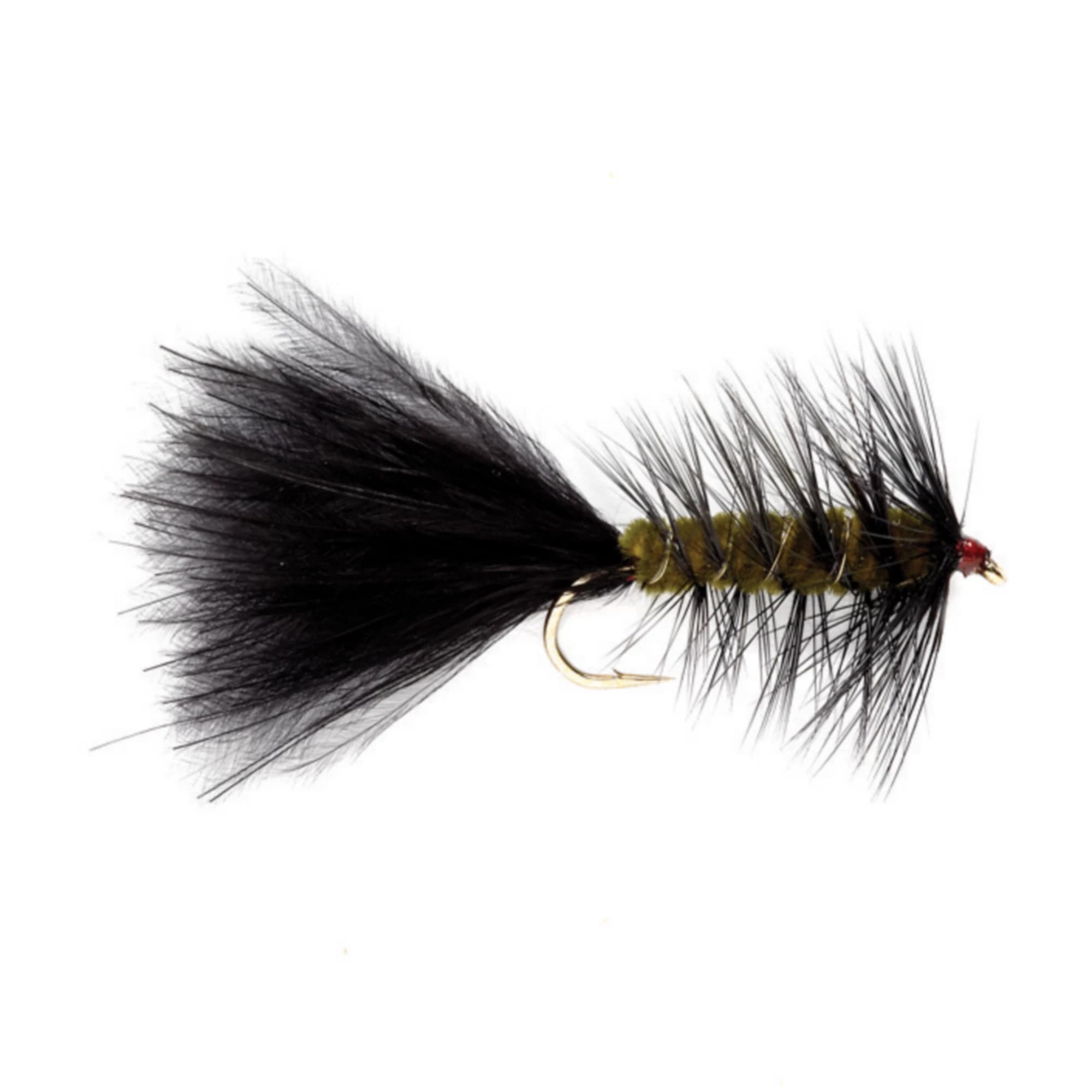
The Woolly Bugger: How to Tie the Fly That Catches Everything That Swims
Friday, April 17, 2026
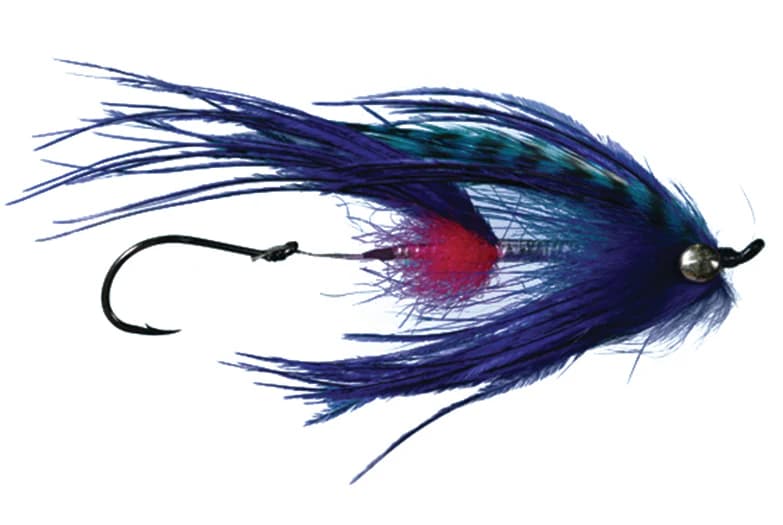
The Hoh Bo Spey: How to Tie the #1 Steelhead Fly on the Olympic Peninsula
Monday, September 22, 2025
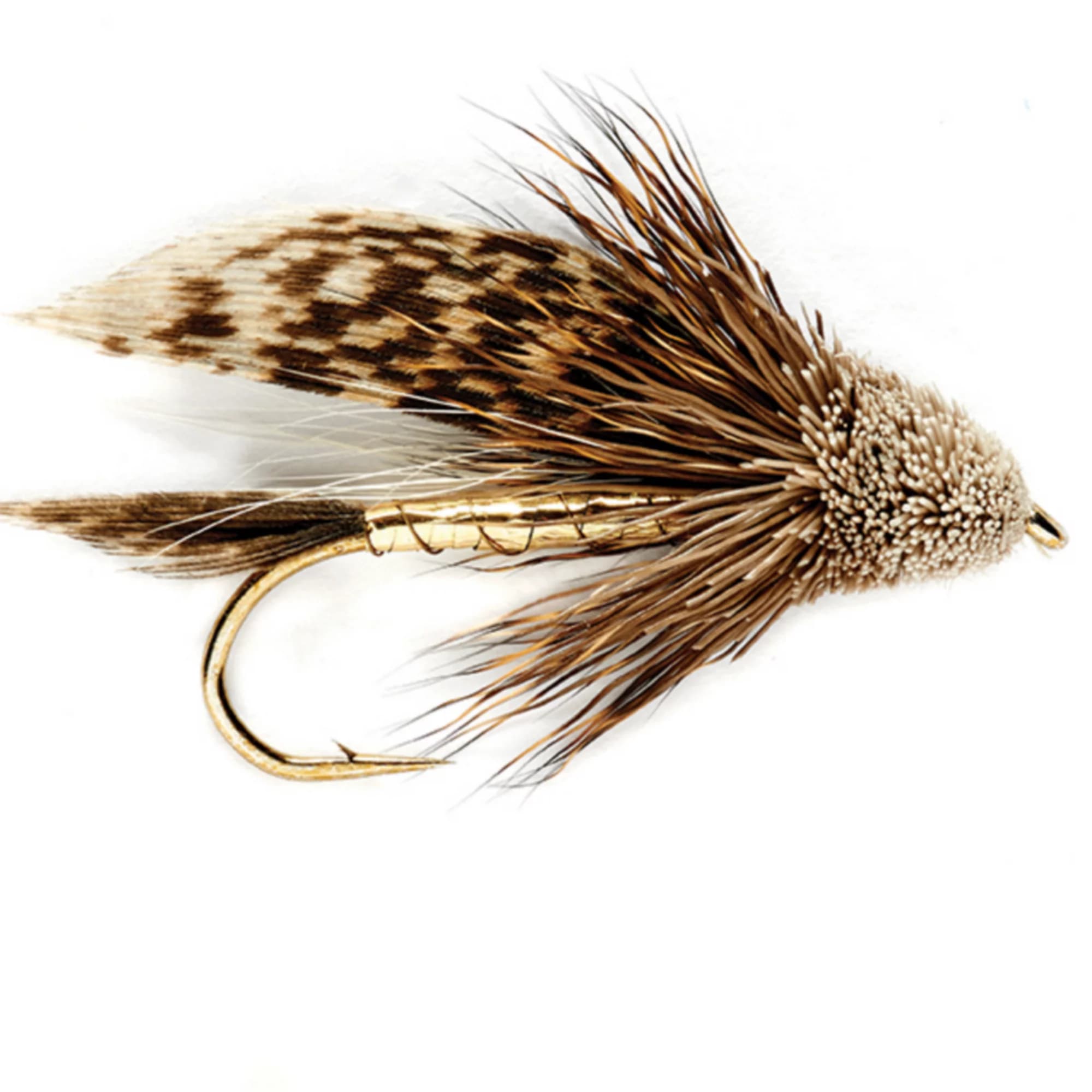
The Muddler Minnow: How to Tie the Fly That Imitates a Sculpin, a Grasshopper, a Stonefly, and Whatever Else You Need It to Be
Sunday, November 9, 2025
 ™
™