
The Steamboat Island Leech: How to Tie the Puget Sound Pattern That Catches Everything From Cutthroat to Bass to Steelhead
Josh Phillips of Spawn Fly Fish designed the Steamboat Island Leech for sea-run cutthroat in south Puget Sound — then watched it catch trout, bass, salmon, and steelhead in every water type. The articulated jig shank, marabou, and Simi Seal construction creates movement that fish can't ignore.

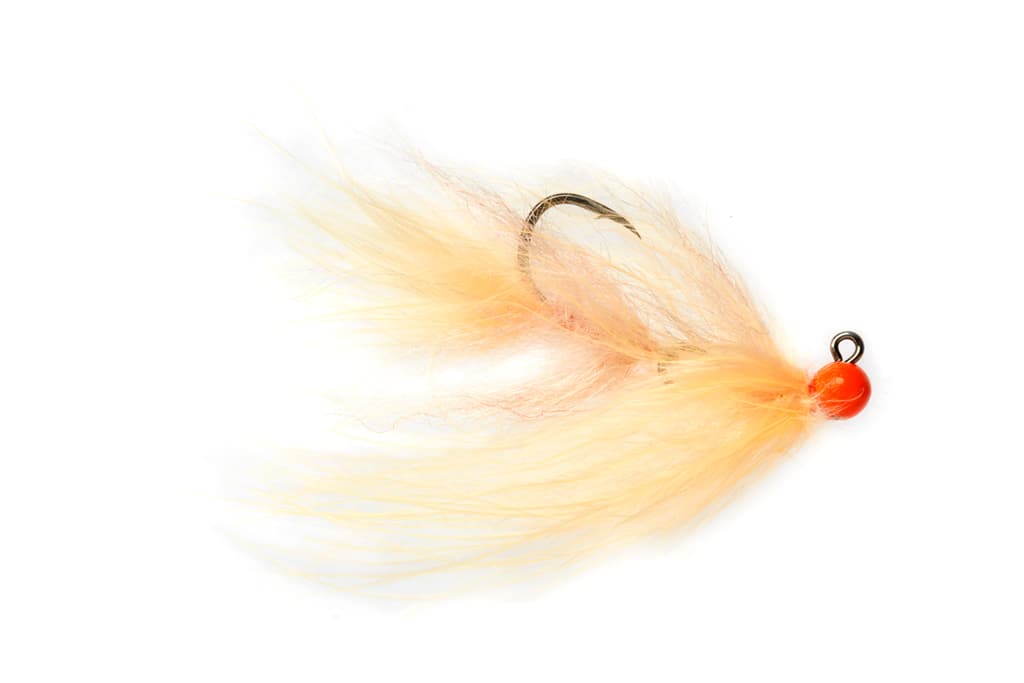
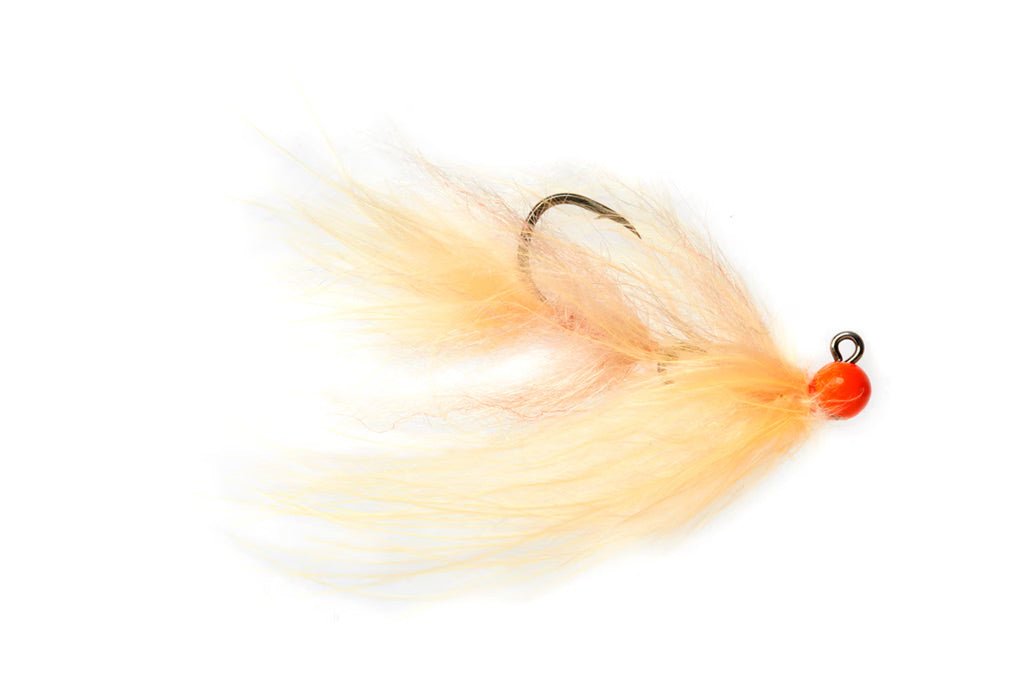
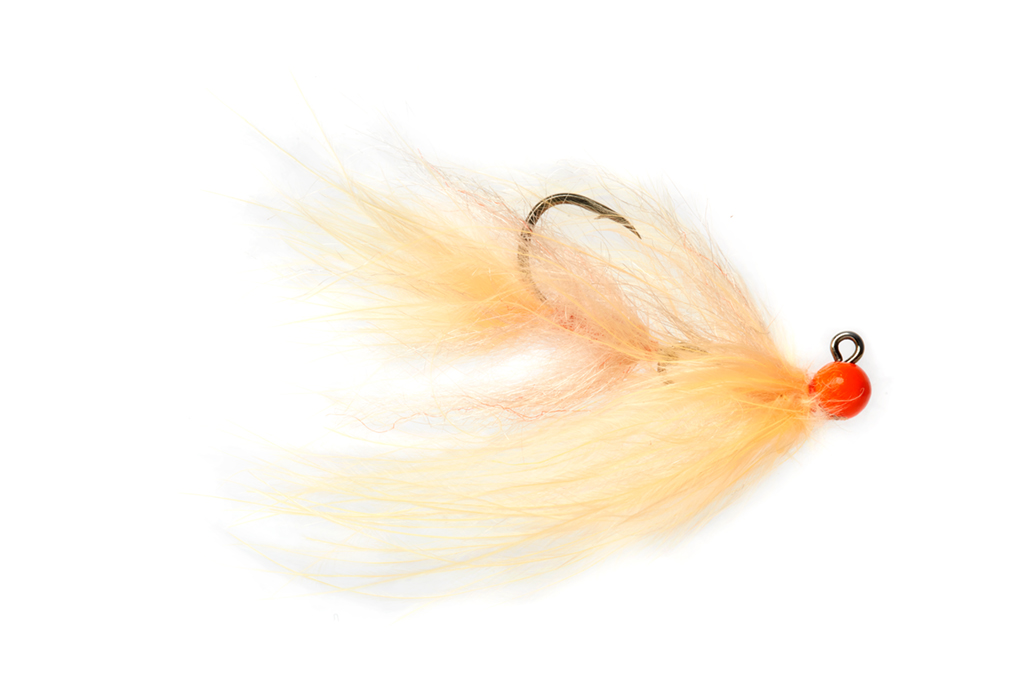 The Steamboat Island Leech — marabou, Simi Seal, articulated jig shank. Photo: Fulling Mill / Spawn Fly Fish.
The Steamboat Island Leech started as a Puget Sound sea-run cutthroat fly and became something bigger. Josh Phillips of Spawn Fly Fish designed it for the beaches near Steamboat Island — the south Sound shoreline where he grew up fishing — to imitate the ghost shrimp that cutthroat feed on in the sandy shallows. The distinctive peach-and-pink coloration, the jig shank articulation, and the combination of marabou and Simi Seal dubbing created a fly that moved through the water with a lifelike undulation that cutthroat couldn't resist.
Then anglers started fishing it for other species. Trout in rivers. Bass in lakes. Steelhead on the swing. Salmon in the salt. The Steamboat Island Leech caught all of them. Not because it imitates all of their food sources — it doesn't look like a sculpin or a crayfish or a salmon fry — but because the movement is universal. The marabou kicks and breathes on every strip. The Simi Seal dubbing traps air and creates a translucent, buggy silhouette. The jig shank articulation gives the fly a range of motion that stiff-hook patterns can't match. Every predatory fish that eats something that moves will eat this fly.
What makes the Steamboat Island Leech different from the dozens of other leech patterns in fly fishing is the specificity of its design. It wasn't created as a generic leech imitation — it was engineered for a specific forage item (ghost shrimp) in a specific fishery (Puget Sound beaches) by a tier who understood the water intimately. That specificity gave it features — the peach coloration, the jig-hook orientation, the stinger setup — that happen to work universally.
What It Imitates
The Steamboat Island Leech imitates multiple food items depending on the water you fish it in:
-
Ghost shrimp (primary) — The peach-pink coloration and translucent dubbing match the ghost shrimp that are abundant in Puget Sound's sandy substrates. Sea-run cutthroat feed heavily on ghost shrimp year-round.
-
Leeches — The marabou tail and undulating retrieve create the classic leech swimming motion that trout, bass, and steelhead recognize. In freshwater, it reads as a leech in any color.
-
Shrimp and scuds — The translucent dubbing and curved jig-hook profile suggest a swimming shrimp. Effective in any water where crustaceans are part of the diet.
-
General attractor — Like the Woolly Bugger, the Steamboat Island Leech triggers predatory instinct through movement rather than precise imitation. If it swims and pulses, something will eat it.
The Recipe — Standard Steamboat Island Leech
| Component | Material |
|---|---|
| Shank | Spawn Articulated Jig Shank (60° or 90°), size medium |
| Hook | Stinger hook, #6-8 (Ahrex SA280 or similar), connected via wire or mono loop |
| Thread | Fluorescent peach or pink, 140 denier |
| Tail/body wrap | Spawn Fluorescent Southern Peach Marabou — reverse-wrapped onto shank |
| Dubbing | Spawn UV Simi Seal in Ghost Shrimp or UV Orange — dubbed or looped |
| Head | Thread head with UV resin or head cement |
The articulated jig shank is the key innovation. Unlike a standard hook, the jig shank positions the hook point riding up (reducing snags on the bottom) and creates a hinge point between the front of the fly and the trailing hook. This hinge gives the fly freedom to flex and articulate on every strip — the front half moves independently from the back half, creating the swimming motion that makes the pattern so effective.
How to Tie It — Step by Step
Step 1: Set up the shank. Mount the jig shank in your vise. Start your thread at the front of the shank and wrap a smooth base to the rear.
Step 2: Stinger connection. Attach the stinger hook to the rear of the jig shank using a wire or mono loop through the shank's rear eye. The hook should trail freely — the articulation is the whole point. The stinger rides hook-point up to reduce bottom snags.
Step 3: Marabou tail and body. Select a plume of Spawn Fluorescent Southern Peach marabou. Tie it in at the rear of the shank by the tip, then reverse-wrap it forward along the shank in touching turns. This creates a full, flowing body where every fiber can move independently in the water. The marabou should extend past the stinger hook, forming both the body and the tail in one continuous wrap.
Step 4: Dubbing collar. Apply Spawn UV Simi Seal dubbing (Ghost Shrimp or UV Orange) in a dubbing loop or directly onto the thread. Wrap it forward to the head of the shank, building a shaggy, translucent collar. The Simi Seal has built-in UV flash fibers that catch light underwater — this is what gives the fly its ghost-shrimp translucence.
Step 5: Finish. Build a small thread head. Whip finish and apply UV resin or head cement. The finished fly should be shaggy, translucent, and alive-looking — not neat and manicured. The messier the dubbing, the better it moves.
The Variations
Southern Peach (standard) — The original ghost shrimp color for Puget Sound cutthroat. Peach marabou with Ghost Shrimp Simi Seal. This is the fly that started it all.
Olive/Black — Dark marabou with olive or black Simi Seal. The universal leech color for freshwater — trout, bass, and steelhead in rivers and lakes. Fish it the same way you'd fish a Woolly Bugger in dark colors.
White/Pearl — White marabou with pearl or UV white Simi Seal. The baitfish variation for saltwater. Effective for coho and pink salmon along Puget Sound beaches during the summer run.
Pink/Hot Pink — Pink marabou with UV pink Simi Seal. The attractor color for stained water and aggressive fish. Steelhead on the Olympic Peninsula respond to hot pink the way bass respond to chartreuse.
Tan/Natural — Tan marabou with coyote or natural Simi Seal. The subtle option for pressured water and clear conditions. Imitates sand shrimp, small sculpins, and natural-colored leeches.
Where to Fish It
-
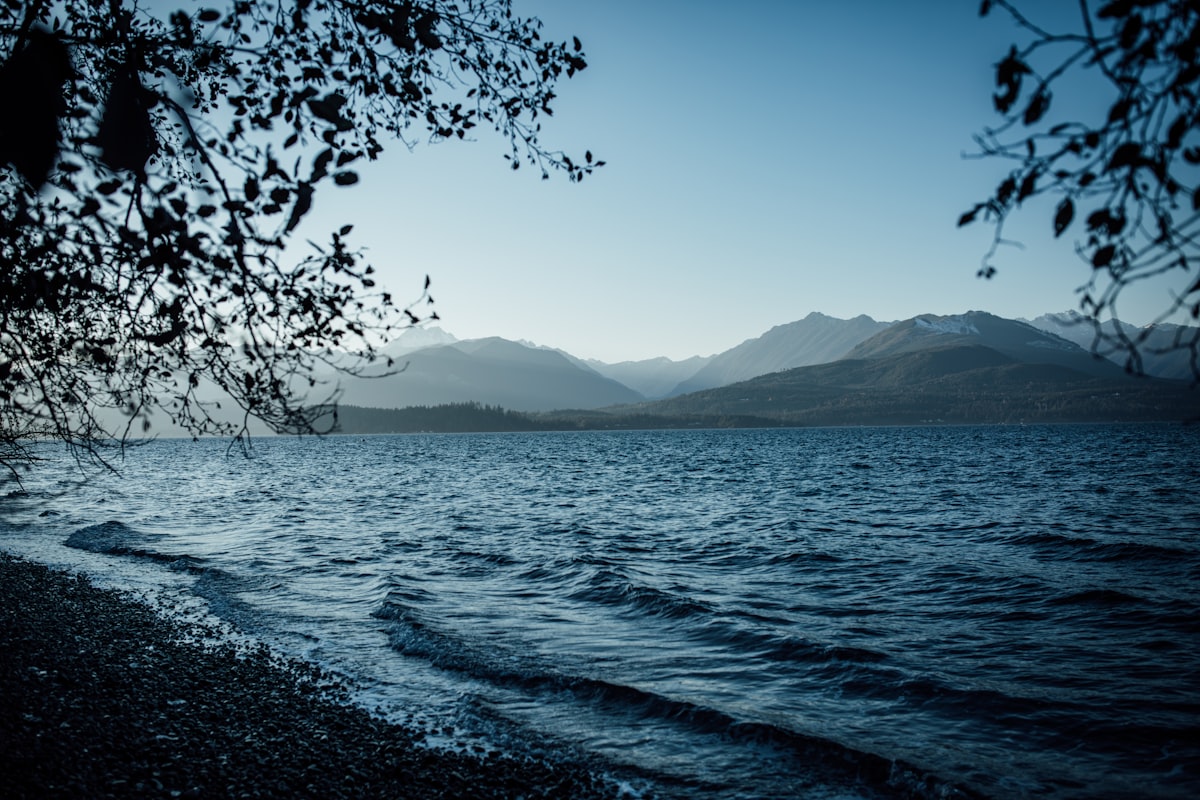
Puget Sound Beaches, WA — Its home water. Fish the peach version on an intermediate line, stripping slowly along sandy beaches where ghost shrimp burrow. The fly rides just above the bottom where cutthroat cruise and feed. Lincoln Park, Titlow, Dash Point — every beach in our Puget Sound guide is Steamboat Island Leech water.
-
Olympic Peninsula Steelhead, WA — The olive/black or pink versions swung through steelhead runs on the Sol Duc and Bogachiel. The jig shank keeps the fly riding hook-up in the rocky runs, reducing snags.
-
The Lower Deschutes, Oregon — Olive/black stripped through the canyon pools for redsides and browns. The Deschutes' big trout eat leeches aggressively.
-
Pacific Northwest bass lakes — The Steamboat Island Leech has become a go-to pattern for smallmouth and largemouth in Washington and Oregon lakes. The jig action and marabou movement trigger bass like a jig-and-pig.
How to Fish It — Strip and Pause
The Steamboat Island Leech fishes like a hybrid between a Woolly Bugger and a Clouser Minnow. The retrieve is a strip-pause-strip cadence where the marabou does all the work:
For cutthroat (salt): Intermediate line, 9-foot leader, 8-10 lb tippet. Cast along the beach parallel to shore. Strip in short, 6-inch pulls with 2-3 second pauses. The fly sinks slowly on the pause (the marabou collapses and breathes), then darts forward on the strip. Cutthroat usually hit on the pause — watch for the line to tighten.
For trout (freshwater): Floating or intermediate line. Cast across and slightly downstream. Let the current swing the fly broadside, adding short strips during the swing. The articulated shank creates a swimming motion on the swing that stiff-hook streamers can't match.
For steelhead: Floating line with a sink tip or weighted leader. Swing through tailouts and runs the same way you'd swing a traditional steelhead wet fly. The jig hook keeps the fly from snagging in the rocky substrate.
For bass: Floating line, stripped aggressively along structure — docks, lily pads, submerged logs. Bass want the fly moving fast and erratic, then suddenly stopping. The marabou flares on the pause like a jig skirt.
How to Tie It — Video Tutorials
The definitive tutorial: Steamboat Island Leech — BEST Fly for Puget Sound Sea Run Cutthroat — Spawn Fly Fish's step-by-step tutorial with exact materials and technique.
Multi-species version: Steamboat Island Leech — Fly for All Species — Shows color variations and how to adapt the pattern for different target species.
Tips From the Vise
Reverse-wrap the marabou. Tying the marabou in by the tip and wrapping it forward (reverse of how you'd normally handle marabou) creates a smoother body where the fibers flow rearward naturally. Standard tip-forward wrapping makes the fibers point forward and mat down — reverse wrapping keeps them flowing.
Don't trim the dubbing. The Simi Seal dubbing should be left shaggy and unkempt. Pick it out with a bodkin after wrapping to free trapped fibers. The messier it looks in the vise, the better it moves in the water. A neatly trimmed dubbing collar defeats the purpose.
Jig orientation matters. The 60° jig shank produces a subtler jigging motion — better for cutthroat and trout. The 90° shank produces a more aggressive jig — better for bass and steelhead. Match the shank angle to how aggressively your target species feeds.
Test the articulation. Hold the finished fly by the shank and shake it. The stinger hook and marabou tail should swing freely and independently from the front section. If the connection is too stiff, the fly loses its magic.
Fly images courtesy of Spawn Fly Fish and Pacific Fly Fishers.
Build Your Box
- Southern Peach #8 (6) — Puget Sound cutthroat
- Olive/Black #6 (4) — freshwater trout and steelhead
- White/Pearl #8 (4) — saltwater baitfish
- Pink #6 (4) — steelhead attractor
That's 18 flies. The jig shank and stinger setup adds a few minutes per fly compared to a standard streamer, but the materials are simple and the construction is forgiving. The Steamboat Island Leech is a pattern that rewards experimentation — try different color combinations, different shank angles, different dubbing blends. Josh Phillips designed the original, but the platform he created invites you to make it your own.
Frequently Asked Questions
Who designed the Steamboat Island Leech?
Josh Phillips of Spawn Fly Fish, named after Steamboat Island in south Puget Sound where he grew up fishing. Originally designed for sea-run cutthroat to imitate the ghost shrimp abundant in Puget Sound's sandy substrates.
What does the Steamboat Island Leech imitate?
Primarily ghost shrimp in its original peach coloration. In different colors it reads as a leech (olive/black), baitfish (white), or general attractor. The movement — not the color — is what makes it universally effective across species.
Why does the Steamboat Island Leech use a jig shank?
The articulated jig shank provides two advantages: the hook rides point-up (reducing bottom snags), and the hinge point between shank and hook gives the fly independent movement in front and back — creating the swimming action that triggers strikes.
What species can you catch on a Steamboat Island Leech?
Sea-run cutthroat (its original target), plus trout, steelhead, coho salmon, smallmouth bass, largemouth bass, and various saltwater species. The fly's articulated movement triggers predatory instinct across fresh and saltwater.
How do you fish a Steamboat Island Leech?
Strip-pause-strip on an intermediate or floating line. Short 6-inch strips with 2-3 second pauses for cutthroat. Swing it through runs for steelhead. Strip aggressively along structure for bass. The marabou does the work on the pause — most strikes come when the fly is sinking.
Related Articles
Fly Fishing Puget Sound: Beach Fly Fishing for Sea-Run Cutthroat, Coho, and the Best Urban Fishery You've Never Heard Of
Thursday, December 4, 2025
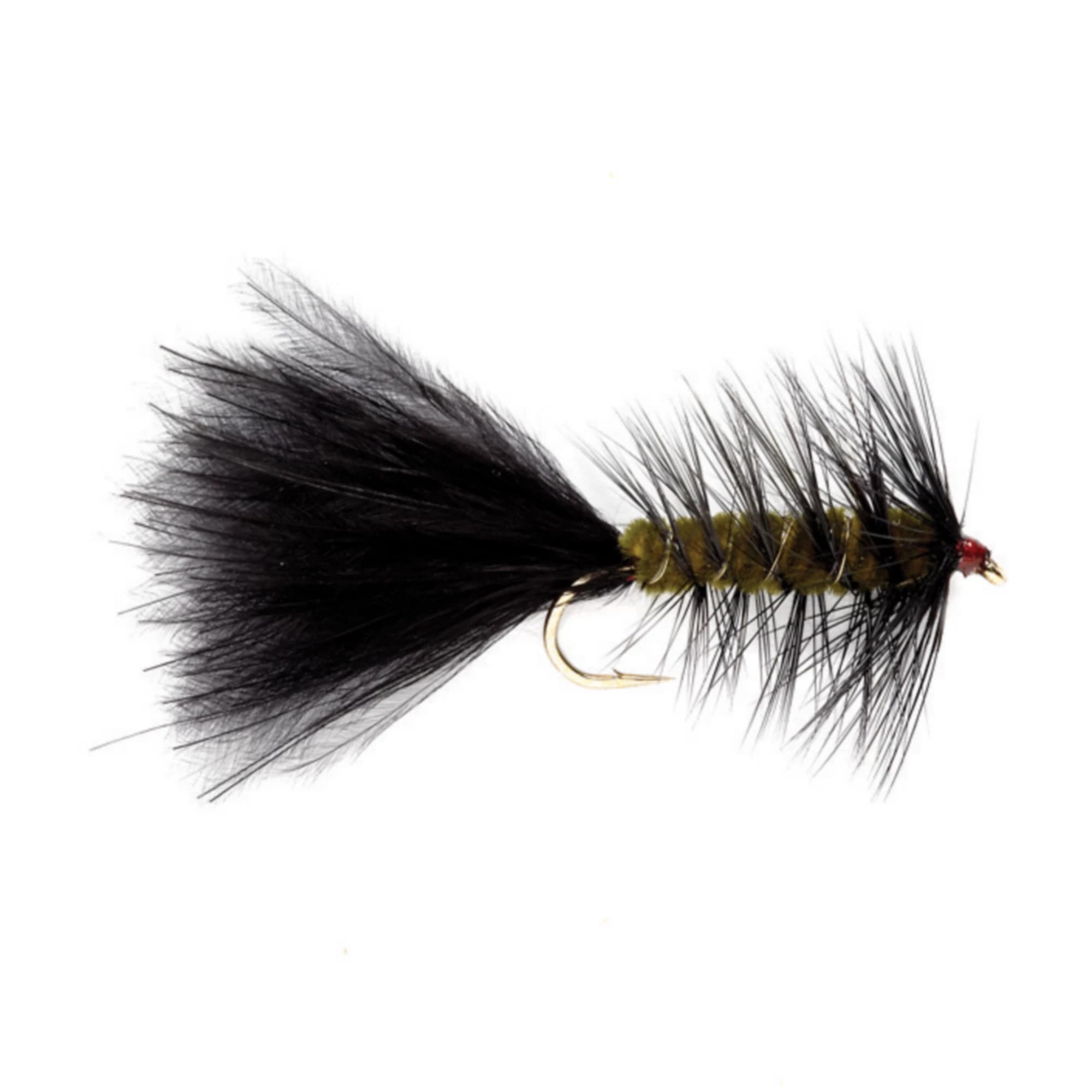
The Woolly Bugger: How to Tie the Fly That Catches Everything That Swims
Friday, April 17, 2026
Fly Fishing the Olympic Peninsula: Wild Steelhead in the Rainforest, the Rivers That Define the Sport, and Why They Need Us Now
Thursday, January 8, 2026
 ™
™