
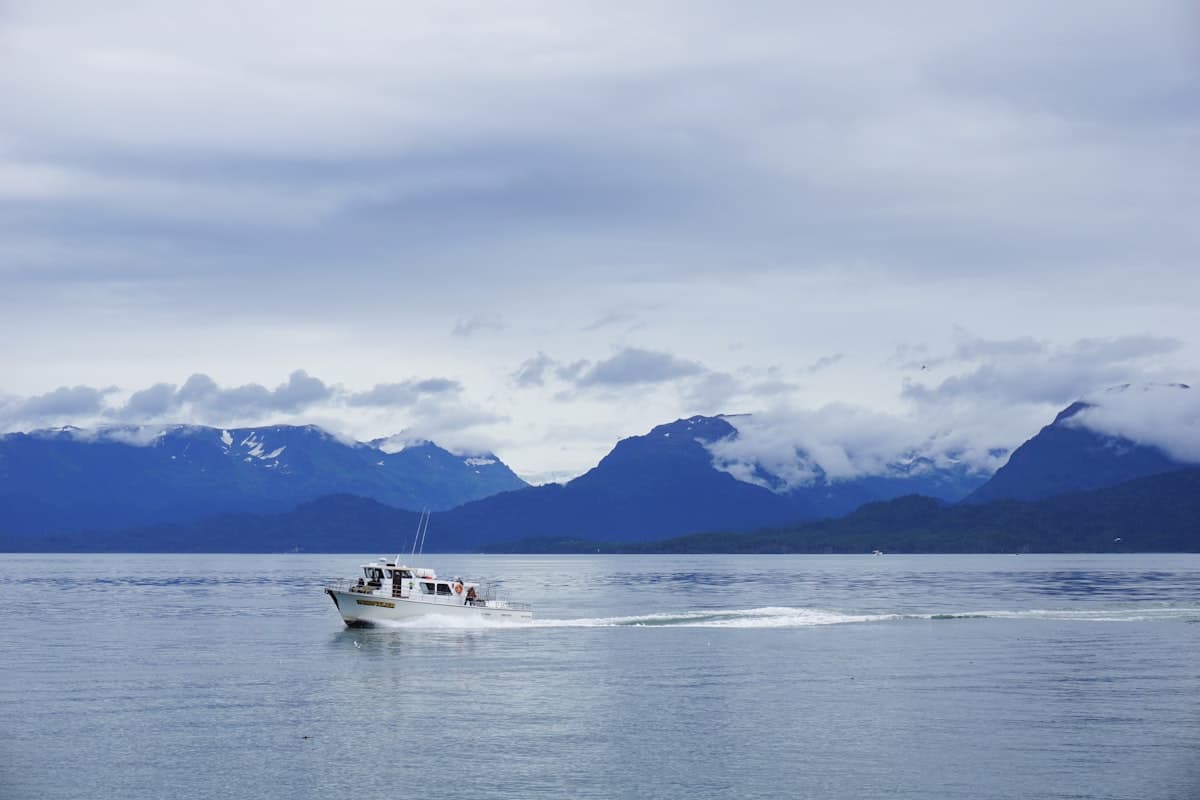
How to Fish Homer, Alaska: A First-Timer's Guide to the Halibut Capital of the World
Everything a beginner needs to fish Homer — halibut charters on Kachemak Bay, salmon at the Fishing Hole, bank fishing the Anchor River and Deep Creek, and fly-out trips to wild Alaska rivers. Gear, rigs, bait, and practical details.
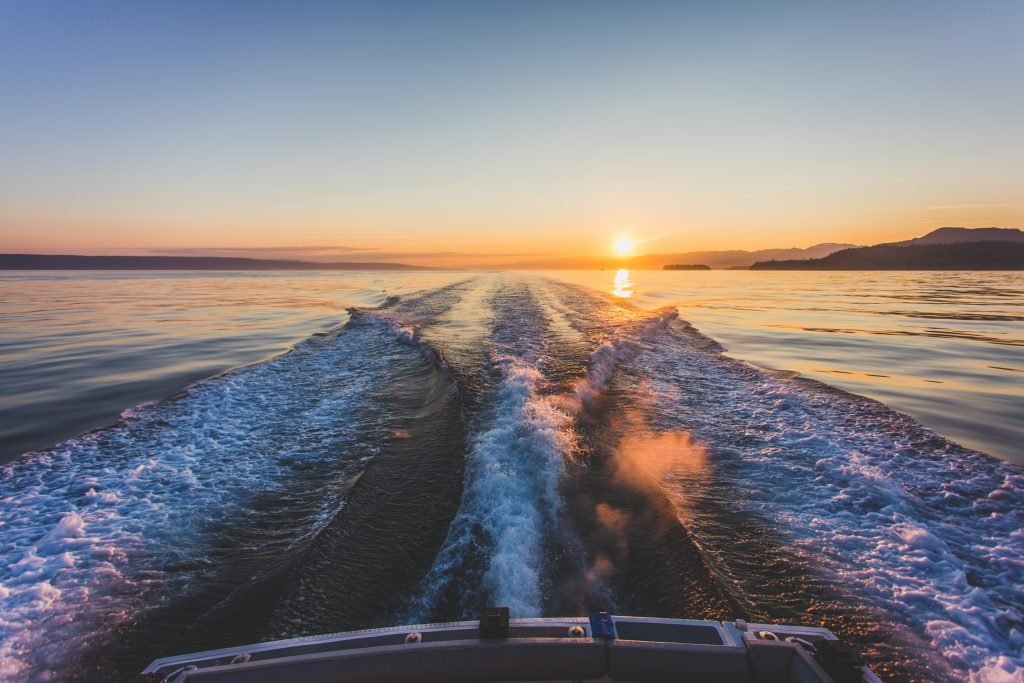
Homer sits at the end of the Sterling Highway, mile 173, where the road simply runs out of land and a narrow gravel spit juts four and a half miles into Kachemak Bay. Across the water, the Kenai Mountains rise straight out of the ocean, their glaciers calving into tidewater. Behind you, the town of five thousand perches on a bluff above the bay, a mix of art galleries, espresso shops, fishing lodges, and the weathered timber of the Salty Dawg Saloon. This is Homer, Alaska — the self-proclaimed Halibut Fishing Capital of the World — and it earns that title every summer when charter boats return to the Spit with flatfish that outweigh the anglers who caught them.
But Homer is more than halibut. The Nick Dudiak Fishing Lagoon on the Spit is stocked with king and silver salmon, giving families and first-timers a walk-up fishery that requires no boat and no guide. Fifteen miles north, the Anchor River and Deep Creek offer genuine bank fishing for kings, silvers, steelhead, and Dolly Varden on small, wadeable streams. Salmon charters troll Kachemak Bay for kings and silvers. And Homer is the launch point for fly-out trips across Cook Inlet to the wild rivers of Katmai and Lake Clark, where you fish for sockeye and silver salmon with brown bears working the same pools.
This guide covers the practical how-to for each of those fisheries: what gear you need, how to rig it, what bait or lures to use, and what to expect. For a full destination overview — seasons, species calendars, where to stay, and how to plan your trip — read our complete Homer fishing guide. For the nearby Kenai River and its world-class salmon and trout fishing, see our Kenai Peninsula guide. And for the deep-water halibut and silver salmon fishery out of Resurrection Bay, see our Seward guide.
Halibut Charters: The Main Event
This is why most people come to Homer. The halibut grounds of Kachemak Bay and lower Cook Inlet hold Pacific halibut from 20 pounds to over 300 pounds, and catching one is the defining Alaska fishing experience. On a good day, everyone on the boat limits out and spends the ride home watching eagles wheel above the Spit.
What to Expect on a Charter
Homer's charter fleet runs two main trip formats. Large-boat charters (12 to 20 anglers) are the most affordable option, typically $275 to $350 per person for a six- to eight-hour trip. You fish elbow-to-elbow but with plenty of help from the crew. Six-pack charters (maximum six anglers) run $375 to $500 per person and offer more personal attention, more room on the rail, and often access to farther or less-pressured grounds. Full-day trips run 8 to 10 hours and venture deeper into Cook Inlet or the Gulf of Alaska.
Most charters depart the Homer Spit between 5:00 and 7:00 AM. The ride to the halibut grounds takes 20 minutes to two hours, depending on how far the captain runs. Once on the grounds, the boat either anchors over a productive reef or ledge, or drifts with the current while anglers jig.
The captain and crew provide everything: rods, reels, terminal tackle, bait, and instruction. They will show you how to drop your rig, how to detect a bite, and how to fight a fish that may outweigh you. At the end of the trip, the crew fillets your fish, bags it, and usually has it ready for you to pick up vacuum-packed or flash-frozen at a processing plant on the Spit. This service is sometimes included in the charter price and sometimes costs extra ($1 to $1.50 per pound of processed fish).
How Halibut Fishing Actually Works
The anchored-bait approach: The boat anchors over structure — a rocky ledge, a reef, or a sandy channel between reefs — in 100 to 300 feet of water. Your rig is a short, stout rod (5 to 6 feet, heavy power) paired with a large conventional reel — Penn Senator 113H reels are the workhorse of Homer's charter fleet — spooled with 100-pound-plus braided line. On the terminal end, a heavy lead weight (2 to 8 pounds, depending on current) slides on the mainline above a spreader bar or a paracord leader rigged with two large circle hooks, usually 16/0 Mustad or Gamakatsu circles. The crew baits the hooks with chunks of herring, sometimes tipped with octopus tentacle for scent.
You drop the rig to the bottom, reel up two or three cranks so the bait is slightly above the bottom — halibut eyes sit on top of their flat bodies, looking upward, so bait presented above them is more visible — and wait. When a halibut takes the bait, you feel a series of heavy thumps. Let the fish load the rod before you start reeling. Circle hooks set themselves as the fish turns, so there is no need for a dramatic hook-set. Just keep steady pressure and reel.
The jigging approach: When the current is too strong to anchor, the boat drifts and anglers jig. A leadhead jig (16 to 32 ounces) in rootbeer (gold-flake), white, or glow-in-the-dark — the three proven colors for Kachemak Bay halibut — tipped with a strip of herring, is bounced off the bottom with a lift-drop cadence. Lift the rod tip two to three feet, let the jig fall back to the bottom, pause, repeat. Bites feel like the jig suddenly gets heavy. Jigging is more active and engaging than the anchored-bait method, and some anglers prefer it.
THIS is Halibut fishing in Homer, Alaska!Fighting and Landing a Halibut
Small halibut (under 50 pounds) come up without much drama. Larger fish — especially anything over 100 pounds, which Homer produces regularly — require patience and stamina. A big halibut makes powerful runs toward the bottom, and you may pump and reel for 15 to 30 minutes before it surfaces. Keep the rod loaded and let the drag do its work. When the fish reaches the surface, the crew takes over with a gaff or harpoon for fish over a certain size. Stay out of the way and follow the crew's instructions — a thrashing halibut on deck is dangerous.
Regulations: As of the current season, the halibut bag limit in Area 3A (which includes Homer and Kachemak Bay) is two halibut per day: one of any size and one that must be 27 inches or less (approximately 10 pounds). Regulations change year to year based on stock assessments, so check the IPHC (International Pacific Halibut Commission) and ADF&G websites before your trip. Your charter captain will know the current rules.
Beating Seasickness
This deserves its own section because seasickness ruins more Homer halibut trips than anything else. Kachemak Bay can be calm and glassy, but lower Cook Inlet and the open Gulf often have 3- to 6-foot swells, and the ride out can be rough. Take motion sickness medication (Bonine or Dramamine) the night before your charter AND again the morning of. If you wait until you feel queasy, it is too late. Scopolamine patches (prescription) are the gold standard for severe motion sickness — ask your doctor before the trip. Some newer charter vessels are equipped with SeaKeeper gyro stabilizers that reduce roll by up to 90 percent, which is worth asking about when you book. If you are seriously prone to seasickness, book a Kachemak Bay trip (shorter ride, calmer water) rather than a Cook Inlet or Gulf trip.
Alaskan Halibut Fishing in Homer, Alaska — Catch Clean and CookThe Fishing Hole: Walk-Up Salmon on the Spit
The Nick Dudiak Fishing Lagoon — everyone calls it the Fishing Hole — is a small tidal lagoon on the Homer Spit that the Alaska Department of Fish and Game has stocked with king and silver salmon smolt since the mid-1980s. Those fish imprint on the lagoon, migrate to the ocean, and return as adults to the same water. The result is a genuine salmon fishery you can walk to from the parking lot, with no boat and no guide required.
King salmon return from mid-May through early July. They average 15 to 25 pounds and are caught on cured salmon eggs fished under a bobber, Pixee spoons, or Spin-N-Glo rigs. Silver salmon show up in two waves: an early run from mid-July through early August and a late run from early August through mid-September. Silvers average 8 to 12 pounds and hit Pixee spoons, Blue Fox Vibrax spinners (#4 or #5 in silver or chartreuse), and small jigs tipped with herring or salmon eggs.
Gear for the Fishing Hole
A 9-foot medium-heavy spinning rod paired with a 4000-size reel — a Penn Battle III 4000 or Daiwa BG 4000 — spooled with 20-pound braided line and a 3-foot leader of 15- to 20-pound fluorocarbon covers both kings and silvers. For kings, rig a sliding sinker setup with a 1- to 2-ounce egg sinker, a bead, a barrel swivel, and 3 feet of leader to a 2/0 Gamakatsu Octopus hook baited with a cluster of cured salmon eggs. Fish it under a large slip bobber set to keep the eggs 2 to 4 feet below the surface. For silvers, cast and retrieve Pixee spoons (3/4 ounce, brass with a green or orange insert) or Blue Fox Vibrax spinners. Retrieve slowly — silvers chase but often follow without committing if the lure moves too fast.
The Fishing Hole can get crowded during peak runs — especially on weekends and when kings are in — but it is a remarkably family-friendly spot. There is a handicapped-accessible fishing platform, fish cleaning tables, restrooms, and parking. You can buy bait, lures, and tackle at Ulmer's Drug and Hardware right on the Spit. Incoming tides tend to push fish into the lagoon, so time your visit around the tide charts.
BIG Alaskan Salmon from Shore — Homer Spit Lagoon Homer Fishing Hole — What is Combat Fishing? Catching Silver SalmonAnchor River and Deep Creek: Bank Fishing for Salmon
Fifteen miles north of Homer on the Sterling Highway, the small community of Anchor Point sits where the Anchor River empties into Cook Inlet. Another ten miles north, Deep Creek does the same near the village of Ninilchik. These are small, wadeable streams — nothing like the broad, powerful Kenai River — and they offer bank fishing for king salmon, silver salmon, pink salmon (even years), Dolly Varden, and steelhead in a setting that feels intimate and wild.
King Salmon (Late May through July)
The Anchor River king salmon run begins in late May and peaks in mid-June. Kings here average 15 to 35 pounds — smaller than Kenai kings but still powerful fish on river gear. Deep Creek runs a similar timing. The standard technique is drift fishing: cast a weighted rig (pencil lead or slinky weight) upstream and let it bounce along the bottom through the deeper pools and runs where kings hold. Terminal tackle is a size 2 or 1/0 single hook (barbless, as required by regulation) baited with a cluster of cured salmon eggs or tipped with a yarn ball for visibility.
Important regulation note: King salmon returns on the Anchor River and Deep Creek have been low in recent years. ADF&G frequently imposes emergency restrictions — including full closures and gear limitations (single hook, unbaited artificial lures only) — during the season. Always check the ADF&G Emergency Orders page for Southcentral Alaska before you drive out. The regulations can change week to week.
Casting spoons also produce kings. A 3/4-ounce Pixee spoon in brass/red or a Krocodile spoon in silver swung through the deeper pools on a medium-heavy spinning rod with 20-pound braid and a 25-pound mono leader is a reliable approach when bait restrictions are in effect.
Silver Salmon (August through September)
Silvers are the bank angler's best bet on these streams. They arrive in August and run through September, averaging 8 to 12 pounds, and they are aggressive biters that chase lures willingly. Cast Blue Fox Vibrax spinners (#4 or #5, silver or chartreuse), Pixee spoons, or small Okie Drifters through the pools and tailouts. Silvers often stack up at the tidal boundary where the fresh water meets Cook Inlet — fish the lower river sections first, especially on incoming tides.
For fly anglers, silvers respond to bright streamers — pink or chartreuse Clouser Minnows, pink Egg-Sucking Leeches, and Woolly Buggers in purple or pink (see our Woolly Bugger tying guide and Clouser Minnow tying guide). A 7- or 8-weight fly rod with a sink-tip line handles silvers well on these small rivers.
Gear for Bank Fishing
A 9-foot medium-heavy spinning rod with a 3000- or 4000-size reel spooled with 15- to 20-pound braid and a 3-foot leader of 12- to 20-pound monofilament is the standard river setup. Bring waders — the Anchor River and Deep Creek are cold (45 to 55 degrees in summer), and you need to wade to reach the best runs. Felt-soled or studded rubber-soled wading boots provide grip on the rounded river cobble. A wading staff is smart insurance — the current is deceptively strong in the deeper runs, and a slip on the rocks can ruin your day.
Fishing the Anchor River near Homer, AlaskaSalmon Charters on Kachemak Bay
If you want to target salmon from a boat, Homer's charter fleet runs dedicated salmon trips and halibut-salmon combo trips from June through September. The primary targets are king salmon (June through mid-July) and silver salmon (July through September), with pink salmon available in even-numbered years.
Salmon charters troll Kachemak Bay using downriggers, dragging herring, hoochies, or cut-plug bait behind flasher rigs at specific depths. The captain handles the trolling setup — your job is to grab the rod when the fish hits and fight it to the boat. King salmon charters run $350 to $450 per person for a full day (6 to 8 hours). Combo trips that target halibut and salmon on the same day run $400 to $500 per person and are the best value if you want variety.
Some charters also target rockfish (yelloweye, black, and quillback) on the reefs and ledges of Kachemak Bay, and lingcod on the deeper structure. These are usually bonus species on halibut or combo trips, not dedicated trips, but they add variety and excellent eating to your cooler.
Fly-Out Fishing: The Ultimate Homer Day Trip
Homer is the primary gateway for fly-out fishing and bear viewing trips to the wild rivers of Katmai National Park and Lake Clark National Park, across Cook Inlet to the west. Small floatplanes and wheel planes depart from Homer's airport or the Beluga Lake float plane base and land on remote river gravel bars, lake shores, or ocean beaches an hour's flight away.
Fly-out fishing trips target silver salmon and sockeye salmon on rivers that see almost no fishing pressure. You fish alongside brown bears — sometimes literally — in a landscape that looks like the Alaska of your imagination: volcanic peaks, alder-choked valleys, rivers boiling with salmon. The fishing is often absurdly productive because the fish have never seen a lure.
These trips run $700 to $1,200 per person for a full day, including the flight, a guide on the ground, gear, and lunch. Weather cancellations are common — fog, wind, and rain can ground the planes — so build flexibility into your schedule if you book one. The peak season for fly-out salmon fishing is late July through September, when silver and sockeye runs are strongest in the western Alaska streams.
If you are a fly angler, a fly-out trip is the pinnacle. An 8-weight fly rod with a sink-tip line, a box of pink and purple streamers, and Egg-Sucking Leeches is all you need. For spin anglers, the outfitter provides everything, but Pixee spoons and Vibrax spinners in your tackle bag never hurt.
Practical Details
Fishing license: Alaska requires a sport fishing license for anyone 16 and older. Non-resident licenses cost $25 for 1 day, $45 for 3 days, $70 for 7 days, or $145 for the full year. If you plan to keep king salmon (and the fishery is open for retention), you also need a king salmon stamp ($25 non-resident). Buy online at the ADF&G website or at sporting goods stores in Homer. Ulmer's Drug and Hardware on the Spit sells licenses. Buy before you arrive — do not assume you can buy one at the charter dock at 5:00 AM.
Where to get gear and advice: Ulmer's Drug and Hardware on the Homer Spit is the go-to tackle shop — despite the name, it carries a full selection of salmon and halibut tackle, bait, and local knowledge. Homer Saw and Cycle on the Sterling Highway also carries fishing gear. Coal Point Trading Company on East End Road is a local institution with supplies and Kachemak Bay expertise. For halibut charters, the captain provides everything — do not buy offshore gear as a beginner.
What to wear: Layers. Always layers. Homer's summer temperatures range from 45 to 65 degrees, and it can rain at any time — Homer averages over 100 rainy days per year. Wear moisture-wicking base layers, a fleece mid-layer, and a waterproof rain jacket and rain pants. On charter boats, full rain gear (bibs and a jacket) is essential even on sunny mornings — spray and waves will soak you. Rubber boots (Xtratuf boots are the unofficial shoe of Alaska) keep your feet dry on the boat and on the Spit. For bank fishing, chest waders and wading boots are required.
What to bring: Bear spray if you are fishing the Anchor River or Deep Creek (black bears and the occasional brown bear frequent these streams during salmon runs), polarized sunglasses, sunscreen (Alaska's summer sun is relentless with 18 to 20 hours of daylight in June and July), insect repellent (mosquitoes are fierce, especially along the rivers), a cooler with ice for keeping your catch if not using a processing service, snacks and water (charters do not provide meals), a camera, and motion sickness medication if you are chartering.
Getting there: Fly into Anchorage (Ted Stevens International Airport), rent a car, and drive south on the Seward Highway and Sterling Highway. Homer is approximately 4.5 to 5 hours from Anchorage — a stunning drive through the Kenai Mountains, past Turnagain Arm, and down the Kenai Peninsula. There is also a daily commuter flight from Anchorage to Homer on Ravn Alaska (about 45 minutes). A rental car is essential for fishing the Anchor River, Deep Creek, and exploring the lower Kenai Peninsula.
Where to stay: Homer has a full range of lodging — hotels on the bluff, vacation rentals, RV parks on the Spit, and the Land's End Resort at the very tip of the Spit with water on three sides. The Driftwood Inn and Ocean Shores are popular mid-range options. Camping is available at Homer Spit Campground and several state recreation sites along the Sterling Highway near Anchor Point and Ninilchik. Book well in advance for June through August — Homer's lodging fills up during peak fishing season.
Best times to fish: Halibut are available May through September, with June through August being peak charter season. King salmon arrive at the Fishing Hole in mid-May and run through early July. Silver salmon hit the Fishing Hole and area streams from mid-July through September. Fly-out trips peak in late July through September. The single best month for variety is July — kings are still in the Fishing Hole, silvers are starting, halibut charters are in full swing, and the fly-out rivers are starting to fill with salmon.
After fishing: Walk the Homer Spit boardwalk, browse the galleries, eat fresh halibut fish and chips at the many restaurants on the Spit, and absolutely have a drink at the Salty Dawg Saloon — a ramshackle, dollar-bill-wallpapered bar that has been a Homer institution since the 1950s. Kachemak Bay State Park, accessible by water taxi from the Spit, offers world-class hiking and kayaking on days you are not fishing.
Top Fishing Guides in Homer
Homer's charter fleet launches from the Spit into Kachemak Bay, where halibut grounds begin just 20 minutes out and barn-door fish over 100 pounds are a realistic target for any beginner willing to put in the work. Whether you want a half-day halibut trip, a salmon-halibut combo, or a fly-out adventure to wild rivers across Cook Inlet, a local Homer captain knows these waters year-round and takes care of the gear, the rigging, and the fish processing so you can focus on the experience.
Kachemak Charters
Homer, AK, US
5.0 (23 reviews)
Kachemak Charters operates as a premier fishing guide service based in Homer, Alaska, specializing in world-class halibut fishing throughout Kachemak Bay, Cook Inlet, and the Kodiak Archipelago. Their small group charters deliver an intimate and personalized experience, allowing anglers to focus on landing halibut, lingcod, rockfish, and other sought-after species while taking in the breathtaking scenery of the Gulf of Alaska. Known for balancing affordability with professionalism, Kachemak Charters distinguishes itself through a commitment to top-notch equipment and meticulous attention to detail. Each outing is designed to create lasting memories, combining expert guidance with the natural beauty and productive waters that make Alaska's coastal fishery truly exceptional.
Maverick Charters
Homer, AK, US
4.9 (204 reviews)
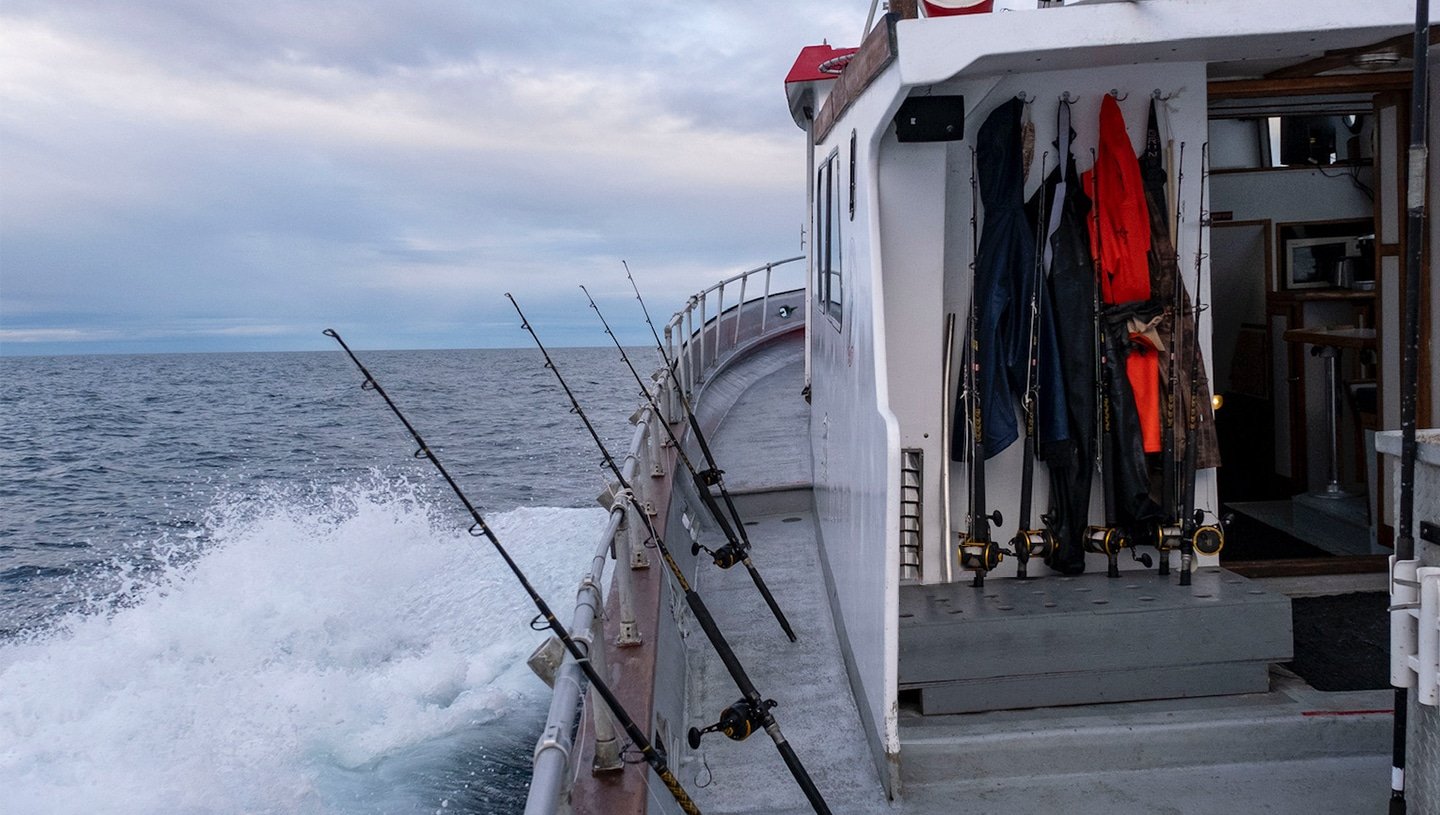
Maverick Charters is a family-owned fishing charter service based in Homer, Alaska, the halibut fishing capital of the world. Since 2015, they've been delivering exceptional fishing experiences aboard three well-equipped boats, catering to anglers of all skill levels. The operation specializes in halibut and salmon fishing, with flexible trip options including combo and multispecies outings that showcase the region's incredible diversity. Whether targeting trophy halibut or pursuing seasonal salmon runs, guests benefit from the guides' deep local knowledge and commitment to safety. Maverick Charters creates a welcoming, fun atmosphere that makes every outing memorable for families, beginners, and experienced anglers alike.
Captain B's Alaskan Adventure
Homer, AK, US
4.9 (21 reviews)
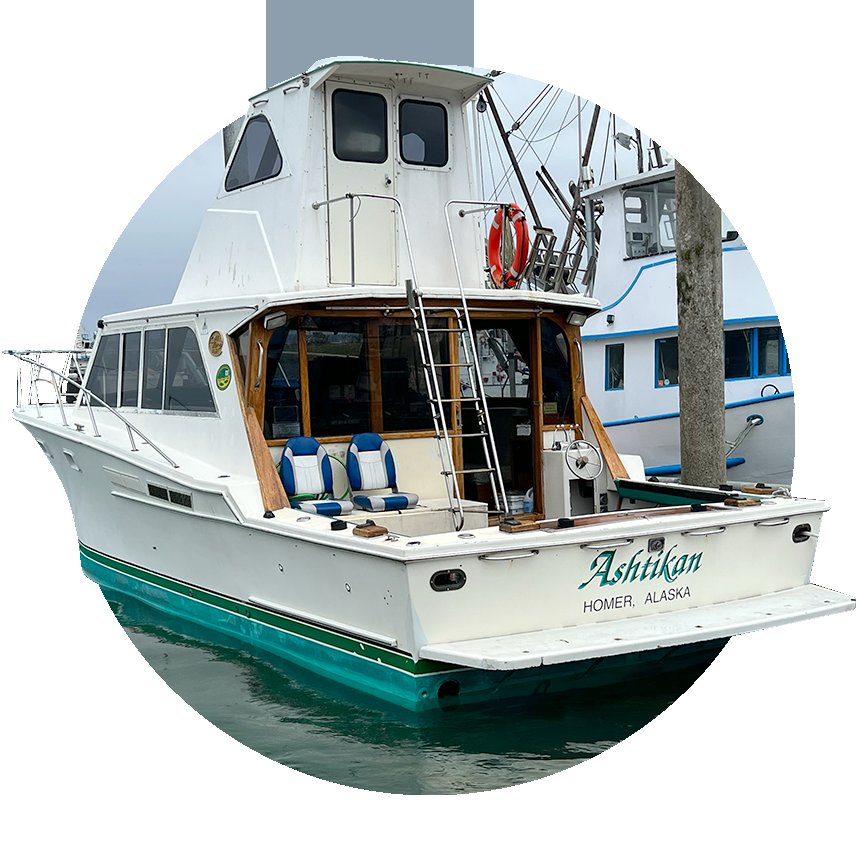
Fishing Homer Alaska, led by Master Skipper Bryan Bondioli, offers premier sport fishing charters in Homer, Alaska—the renowned Halibut Capital of the World. With over 30 years of expertise navigating Kachemak Bay, Cook Inlet, and the Gulf of Alaska, Bryan delivers personalized instruction tailored to anglers of all skill levels, ensuring a rewarding and educational experience on the water. Guests fish for salmon, halibut, and rockfish aboard the luxurious 44-foot Jersey Sportfisher *Ashtikan*, equipped with state-of-the-art technology and a spacious, comfortable cabin. Daily charters run throughout the summer months, providing flexible options for both novice and seasoned anglers seeking an authentic Alaskan fishing adventure.
Halibut Charters
Homer, AK, US
4.8 (276 reviews)
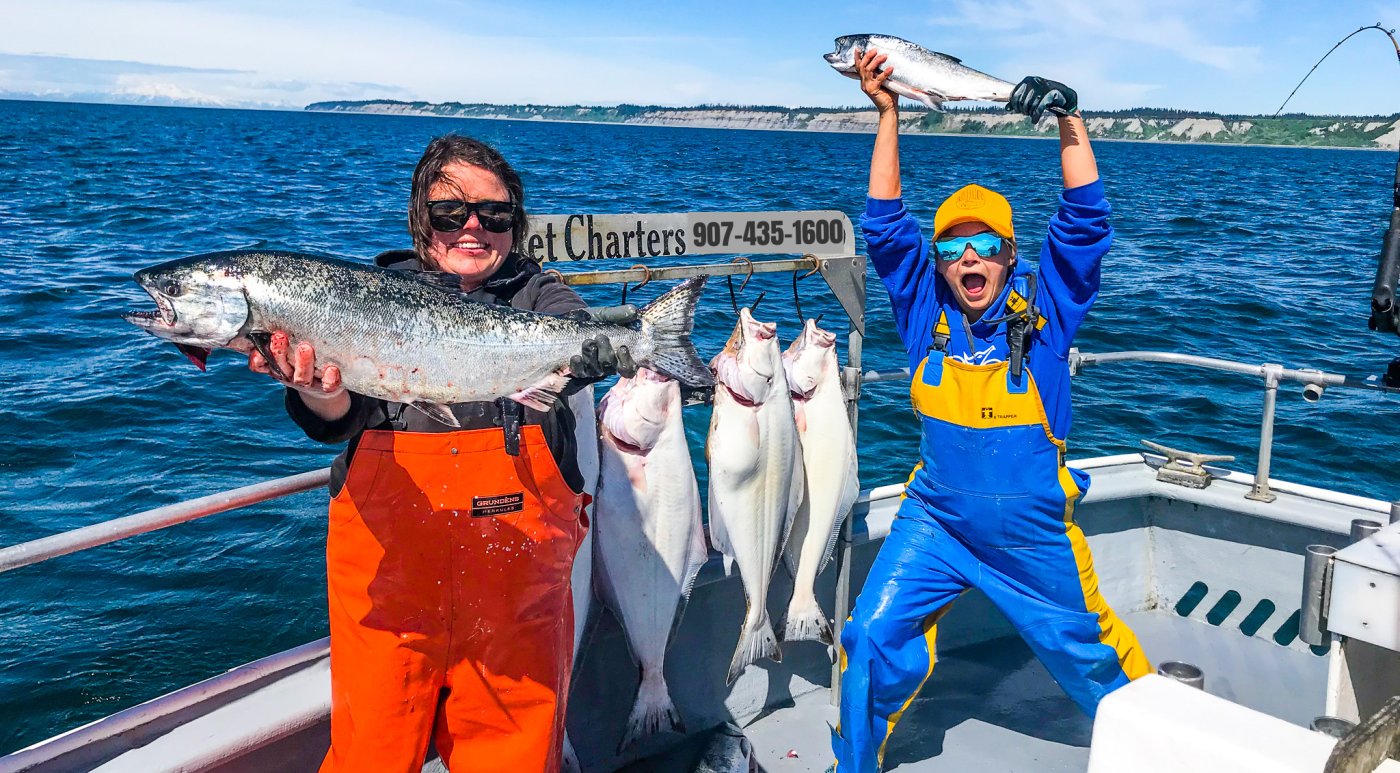
Halibut Charters Based in Homer, Alaska—the renowned "Halibut Capital of the World"—this family-owned fishing guide service brings over 30 years of expertise to the waters of Kachemak Bay and beyond. Specializing in halibut and salmon charters, the operation welcomes anglers of all skill levels, from curious beginners to experienced fishermen seeking trophy catches. Beyond the fishing grounds, the team offers a well-rounded Alaskan adventure, with options for rockfish charters, bear viewing, and sea kayaking excursions. Known for their knowledgeable and dedicated approach, these guides are committed to crafting memorable experiences that showcase the incredible fishing and wildlife opportunities this region has to offer.
Big Halibut
Homer, AK, US
4.8 (276 reviews)
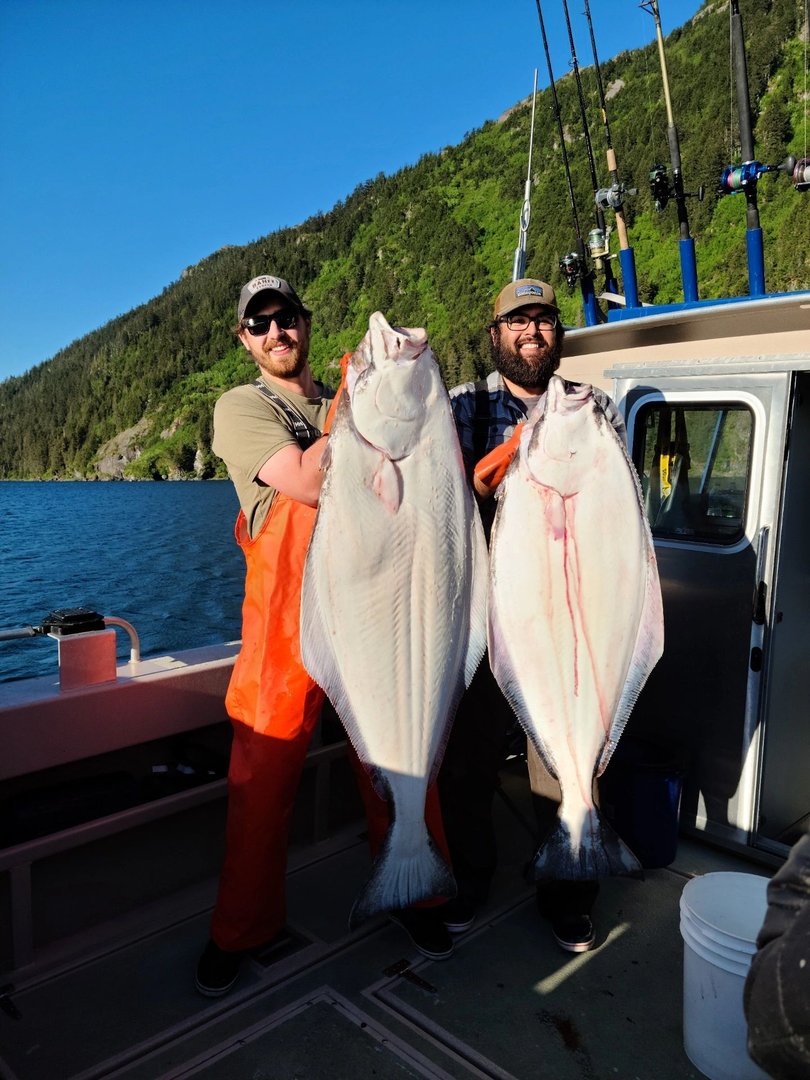
Big Halibut With over three decades of experience guiding anglers in Alaska's premier waters, Big Halibut operates out of Homer and specializes in halibut, salmon, and multi-species fishing throughout Kachemak Bay. The operation is known for knowledgeable, friendly captains who prioritize delivering quality experiences for both first-time visitors and seasoned anglers alike. Big Halibut offers flexible trip options ranging from three-quarter-day to full-day charters, all equipped with state-of-the-art gear and tackle. Whether targeting trophy halibut or enjoying the diversity of Alaska's salmon runs, anglers can expect expertly guided adventures in some of the most productive and scenic fishing waters in the state.
Homer Fishing Addiction
Homer, AK, US
4.8 (4 reviews)
Homer Fishing Addiction brings over two decades of expertise to Alaska's premier fishing destination. This family-owned charter business operates the F/V Tolstoi Point, a modern Crozier Craft vessel equipped with a heated cabin, comfortable dinette, and private restroom—thoughtful amenities that keep anglers comfortable while pursuing salmon, halibut, and rockfish in the rich waters surrounding Homer. Guests experience world-class fishing alongside the natural beauty of Kachemak Bay, where abundant game fish and stunning scenery create the perfect backdrop for a memorable adventure. Whether targeting multiple species or focusing on specific catches, anglers benefit from the guide's deep local knowledge and commitment to both successful trips and genuine hospitality.
Frequently Asked Questions
How much does a halibut charter cost in Homer, Alaska?
Large-boat halibut charters (12-20 anglers) run $275 to $350 per person for a 6- to 8-hour trip. Six-pack charters (maximum 6 anglers) cost $375 to $500 per person and offer more personal attention. Full-day combo trips targeting both halibut and salmon run $400 to $500 per person. All charters provide rods, reels, tackle, bait, and instruction. Fish processing is sometimes included or costs an additional $1 to $1.50 per pound.
What is the Fishing Hole on the Homer Spit?
The Nick Dudiak Fishing Lagoon, known as the Fishing Hole, is a stocked tidal lagoon on the Homer Spit where returning king salmon (mid-May through early July) and silver salmon (mid-July through September) provide walk-up fishing for anyone — no boat or guide required. It has a handicapped-accessible platform, fish cleaning tables, restrooms, and parking. Tackle and bait are available at Ulmer's Drug and Hardware on the Spit.
Do I need my own gear for a Homer halibut charter?
No. Homer halibut charters provide all gear including heavy rods, large conventional reels, terminal tackle, weights, circle hooks, and bait (usually herring). The captain and crew handle rigging and instruct you on technique. Do not buy offshore halibut gear as a beginner — the charter provides everything you need. Just bring your Alaska fishing license, rain gear, lunch, snacks, water, and motion sickness medication.
Can I fish for salmon from shore in Homer without a charter?
Yes. The Fishing Hole on the Homer Spit is a stocked lagoon where you can catch king and silver salmon from shore with no boat required. Fifteen miles north of Homer, the Anchor River at Anchor Point and Deep Creek near Ninilchik offer bank fishing for kings, silvers, pink salmon, Dolly Varden, and steelhead. A 9-foot medium-heavy spinning rod with Pixee spoons or Vibrax spinners covers most situations. Check ADF&G emergency orders for current regulations.
How do I avoid seasickness on a Homer halibut charter?
Take motion sickness medication (Bonine or Dramamine) the night before AND the morning of your charter — waiting until you feel queasy is too late. Scopolamine patches (prescription) are the gold standard for severe cases. Book a Kachemak Bay trip rather than a Cook Inlet or Gulf trip for calmer water and a shorter boat ride. Some newer charter vessels have SeaKeeper gyro stabilizers that reduce roll by up to 90 percent — ask when you book.
Related Articles
Fly Fishing Lake Clark National Park: Bush Planes, Leopard Rainbows, and the Rivers Nobody Else Is On
Sunday, May 18, 2025
Homer Fishing: The Halibut Capital of the World and the Spit That Makes It Work
Friday, September 19, 2025
Kenai River Fishing: Five Salmon Species, Trophy Rainbows, and the Biggest Kings in Alaska
Sunday, September 28, 2025
 ™
™