
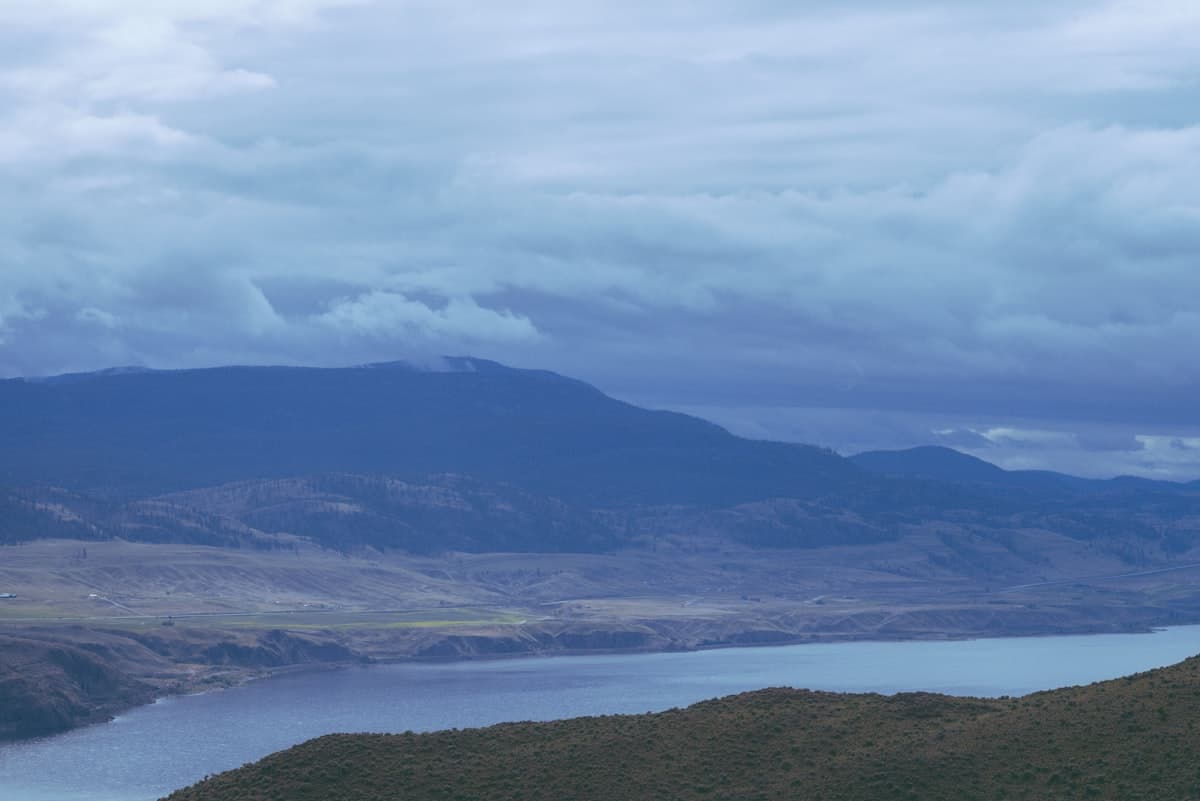
How to Fish Kamloops, BC: Trolling, Spin Casting, Bait Fishing, and Everything Beyond the Fly Rod
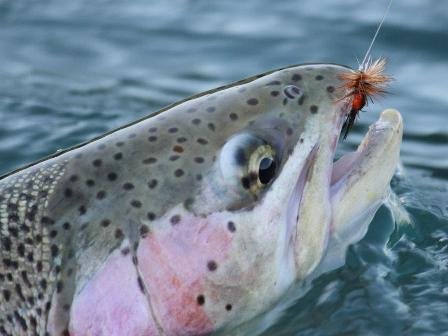
Kamloops is famous for stillwater fly fishing, but trolling, spin casting, bait fishing, and ice fishing all produce trophy rainbow trout on the hundreds of lakes surrounding this interior BC city.

Kamloops is the stillwater fly fishing capital of North America, and that reputation is earned. But if you do not fly fish — or if you want techniques beyond chironomid indicators and balanced leeches — the hundreds of lakes around Kamloops produce trophy rainbow trout on trolling gear, spinning tackle, bait rigs, and through the ice in winter. The fish do not care what rod you are holding. They care about presentation, depth, and timing.
This guide covers the non-fly techniques that catch Kamloops trout. For the dedicated fly fishing breakdown (chironomids, leeches, dries, stillwater technique), see our Fly Fishing Kamloops guide. For trip planning, lake descriptions, and logistics, see our Kamloops destination guide.
Trolling: The Consistent Producer
Trolling is the most reliable non-fly technique on Kamloops lakes. You cover water, present lures at the right depth, and find fish that are spread across a lake rather than concentrated on a single shoal.
Basic Trolling Setup
A 7' to 8'6" medium or medium-light trolling or spinning rod paired with a small conventional reel or spinning reel (2500-3000 size) loaded with 6 to 10 pound monofilament or fluorocarbon. The light line is important — Kamloops trout are line-shy in clear water, and heavy line reduces strikes.
What to Troll
Spoons: Small trolling spoons (Gibbs-Delta Croc, Len Thompson, Williams Whitefish) in silver, gold, or rainbow trout patterns. Troll at 1.5 to 2.5 knots, 30 to 100 feet behind the boat. Spoons are the simplest and most effective trolling lure for Kamloops trout.
Plugs: Small Rapalas (Original Floating F5-F7 or CountDown CD5-CD7) in rainbow trout, silver, or fire tiger patterns. Troll slowly (1.5-2.0 knots). Plugs work particularly well in spring when trout are in the shallows and actively chasing baitfish.
Gang trolls and wedding rings: A string of small rotating blades (Ford Fender, Willow Leaf) followed by a trailing hook tipped with worm, corn, or PowerBait. The spinning blades attract attention and the trailing bait seals the deal. Effective but less sporting than lures alone.
Downriggers and lead core: On deeper lakes in summer, trout hold below the thermocline (typically 20 to 40 feet). A downrigger or lead core line gets your lure to the target depth. This is the standard approach on lakes like Kamloops Lake and Shuswap Lake for midsummer trout and kokanee.
Trolling Depth
Depth is the single most important variable. In spring and fall, trout feed in the shallows (5 to 15 feet), so flatline trolling with a long line works well. In summer, you need to fish deeper — below the thermocline where the water is cool enough for trout to be comfortable. A fish finder helps locate the thermocline and shows where trout are holding.
Fly Fishing the South Thompson River for Bull TroutSpin Casting: Shore and Boat
Spin casting is the most accessible technique for visiting anglers, especially those without a boat.
From Shore
Many Kamloops-area lakes have public access points where you can cast from shore. A 7' to 8' medium-light spinning rod with a 2500 reel and 6 pound mono is the standard setup.
Spoons: Cast small spoons (1/8 to 3/8 oz Crocodile, Little Cleo, or Kastmaster) and retrieve with a steady medium retrieve. Vary the speed and add occasional pauses — trout often hit on the pause when the spoon flutters downward. Silver, gold, and rainbow trout patterns cover most situations.
Spinners: Panther Martin, Mepps, or Blue Fox in sizes 1 to 3. A steady retrieve that keeps the blade spinning. Effective in shallow water and around weed bed edges where trout cruise.
Jigs and plastics: Small jigs (1/16 to 1/8 oz) with soft plastic grub bodies (2-3 inch in white, chartreuse, or olive) retrieved slowly along the bottom with a lift-pause retrieve. This imitates a leech or dragonfly nymph and can be extremely effective on Kamloops lakes.
From a Boat
Casting from a boat or float tube lets you access the productive shoals and drop-offs that are out of shore-casting range. Anchor over a productive shoal and cast to visible structure — weed edges, drop-offs, rocky points — and retrieve slowly. The same lures that work from shore work from a boat, but you can reach the water that holds the most fish.
Bait Fishing
Bait fishing is allowed on many (but not all) Kamloops-area lakes. Check the BC Freshwater Fishing Regulations Synopsis for the specific lake — some lakes are designated as artificial-only (single barbless hook, no bait).
Where Bait Is Allowed
The rig: A slip-sinker rig (1/4 to 1/2 oz egg sinker sliding on the mainline above a barrel swivel, then 2-3 feet of 4-6 lb fluorocarbon leader to a size 6-10 single hook) baited with PowerBait, dough bait, or a worm. Cast to the shoal edge or drop-off and let it sit on the bottom. The slip sinker allows the trout to pick up the bait and swim without feeling resistance.
PowerBait: The most popular bait on Kamloops lakes where bait is allowed. Berkley PowerBait in rainbow, chartreuse, or garlic flavours moulded into a small ball on the hook. The buoyancy of PowerBait lifts the bait off the bottom on the length of leader, presenting it in the feeding zone. This is a simple, effective technique for stocked trout.
Worms: Earthworms or nightcrawlers on a single hook, fished under a float or on a bottom rig. Effective year-round. Thread the worm onto the hook to cover the entire shank — leaving the point exposed improves hookup rate.
Essential Stillwater Trout Flies and Techniques — GoFishBCKokanee Fishing
Kokanee (landlocked sockeye salmon) are present in several larger lakes near Kamloops, including Kamloops Lake, the South Thompson River, and Shuswap Lake. They average 1 to 2 pounds and are excellent eating. Kokanee fishing is a distinct technique from trout fishing.
Trolling: The primary method. Small dodgers or flashers followed by a trailing lure — small hoochie, Wedding Ring spinner, or kokanee spoon tipped with a kernel of shoepeg corn. Troll at 1.0 to 1.5 knots (slower than trout trolling) at the depth where kokanee are schooling (typically 30 to 60 feet in summer, shallower in spring and fall). A fish finder is essential for locating kokanee schools — they are pelagic fish that move through the water column.
Gear: An ultralight or light trolling rod (6'6" to 7') with a small level-wind or spinning reel. 4 to 6 pound mainline. A downrigger, lead core line, or heavy trolling weight to reach target depth. Kokanee have soft mouths — a light drag and gentle hooksets prevent pulled hooks.
Season: Kokanee fishing peaks in June through August when the fish are concentrated in open water. The South Thompson River run in September provides shore-fishing opportunity when kokanee stage to spawn.
Ice Fishing
Kamloops-area lakes freeze over from December through March, and ice fishing for rainbow trout is a legitimate winter fishery.
Where to Ice Fish
Jacko Lake, Lac Le Jeune, Walloper Lake, and several smaller stocked lakes near Kamloops support ice fishing. Jacko Lake is the most popular, producing consistent trout through the ice.
Setup
Jigging: A short ice fishing rod (24-30 inches) with a small spinning reel loaded with 4 to 6 pound monofilament. Small jigs (1/16 to 1/8 oz) in white, pink, or chartreuse, tipped with a small piece of worm, maggot, or PowerBait. Lower the jig to the bottom, reel up 1 to 2 feet, and jig with short, rhythmic lifts. Trout hit on the drop — watch for the line to go slack or the rod tip to dip.
Tip-ups: Set-and-wait devices that suspend a bait (worm, minnow) at a set depth under a flag indicator. When a fish takes the bait, the flag pops up. Fish multiple tip-ups to cover different depths and locations. Check BC regulations for the number of lines allowed per angler (typically 2).
Bait under a float: Through the hole, suspend a bait (worm, PowerBait) under a small float set at the target depth. Watch the float for takes. Simple, effective, and good for kids.
Safety
Ice fishing on Kamloops lakes requires minimum ice thickness of 10 cm (4 inches) for walking. Check ice conditions before going out — Kamloops winters have warm spells that can thin the ice. Fish with a partner, carry ice picks around your neck, and tell someone where you are going. Early and late season ice is the most dangerous.
Stillwater Fly Fishing — Early Fall Chironomids in BC InteriorChoosing the Right Lake
With hundreds of lakes within an hour of Kamloops, choosing where to fish can be overwhelming. Here is a framework:
First-time visitors: Start with Roche Lake or Tunkwa Lake. Both are well-managed, have good access and campgrounds, and produce consistent fishing across all techniques. You will learn what a productive Kamloops lake looks like, and you can apply that knowledge to more remote lakes later.
Trophy hunters: Jacko Lake (near town, stocked with triploid trout that grow to 10+ lbs), Stump Lake (shallow, weedy, grows large fish), or Hihium Lake (remote, restricted, trophy-managed). These lakes reward skill and patience with genuinely large trout.
Family trips: Lac Le Jeune (resort, boat rentals, campground, easy access), Paul Lake (Provincial Park, good shore access), or 6 Mile Lake (close to Kamloops, consistent action on smaller fish). These lakes are forgiving and produce enough action to keep kids engaged.
Kokanee: Kamloops Lake (large, deep, strong kokanee runs), Shuswap Lake (massive lake, big kokanee populations, resort infrastructure). Both require a boat with downrigger capability.
Ice fishing: Jacko Lake (most popular, consistently productive), Lac Le Jeune (good access, campground open in winter), Walloper Lake (less pressure, reliable ice).
Check conditions before you go. Water levels, ice conditions, recent stocking, and hatch activity all affect lake choice. The BC Freshwater Fisheries Society website (gofishbc.com) publishes stocking reports. Local fly shops in Kamloops provide daily lake reports.
River Fishing Near Kamloops
While lakes are the main event, the Thompson River system near Kamloops offers river fishing opportunity.
South Thompson River: Flows through Kamloops from Shuswap Lake. Holds rainbow trout, bull trout, and kokanee. Float fishing and spin casting from shore or boat are the main techniques. Bull trout in the 5 to 15 pound range are caught on large streamers and spoons.
North Thompson River: North of Kamloops, holding rainbow and bull trout. Wade fishing with spinners and spoons in the accessible sections.
Adams River: Famous for sockeye salmon runs (every 4 years the dominant run fills the river with millions of sockeye). Also holds rainbow trout and bull trout. Limited fishing access — check regulations carefully.
Practical Tips
Bring a depth finder. This is not optional for serious Kamloops stillwater fishing. A portable fish finder with a suction-cup transducer (Humminbird HELIX 5, Garmin Striker, or similar) tells you the lake depth under your boat, shows the thermocline, and marks fish. Knowing you are sitting over 14 feet of water with a thermocline at 12 feet is the difference between setting your indicator at the right depth and guessing. Even a simple flasher-style sounder is better than nothing.
Match the hatch — literally. When you arrive at a lake, look at the water surface and the shoreline. Are there chironomid adults (tiny flies, look like mosquitoes) in the air? Mayflies on the surface? Damselfly exuviae (empty nymph skins) on the reeds? The insects you see tell you what the trout are eating. If chironomids are hatching, fish chironomids. If damselflies are migrating, fish damsels. If nothing is visible, start with a leech — it is always available.
Fish slow. This is the hardest adjustment for river anglers. On a Kamloops lake, your chironomid hangs motionless under an indicator. Your leech strip is 6 inches with a 5-second pause. Your dragonfly nymph retrieves at a crawl. Speed is the enemy. If you think you are fishing slowly enough, slow down more.
Start deep, adjust up. When chironomid fishing, set your indicator deeper than you think — near the bottom — and adjust upward in 1-foot increments until you find takes. Most anglers set too shallow because they underestimate the depth of the shoal they are fishing over. The depth finder solves this.
Keep a journal. Record the lake, date, weather, water temperature, depth fished, fly pattern, and catch. Kamloops lakes follow predictable seasonal patterns, and your notes from this trip become the playbook for next year.
Regulations
Freshwater licence: BC freshwater angling licence required. Non-residents: approximately $80 CAD for 8 days or $55 for 1 day. Purchase online.
Lake-specific rules: Each lake has individual regulations covering daily catch limits, size limits, bait restrictions, engine restrictions, and seasonal closures. Some lakes are artificial-only (no bait). Some are single barbless hook only. Some have slot limits (keep fish within a size range, release larger fish to protect breeding stock). Check the BC Freshwater Fishing Regulations Synopsis for each lake you plan to fish.
General rules: Barbless hooks are recommended (mandatory on some lakes). Daily limits for trout are typically 2 to 5 fish depending on the lake. Possession limits apply.
Fly Fishing Chironomid Stillwaters in British ColumbiaRecommended Gear
Shimano Convergence 8' ML Spinning Rod
Versatile lake rod — casting spoons and spinners from shore or boat
Shimano Stradic FL 2500 Spinning Reel
Smooth drag, sealed body, handles 6 lb line for line-shy Kamloops trout
Gibbs-Delta Croc Spoon 1/4 oz Silver
Classic trolling and casting spoon — the Kamloops lake standard
Rapala Original Floating F5 Rainbow Trout
Trolling plug for shallow-water spring trout — wobbles and dives at slow speed
Berkley PowerBait Original Scent Rainbow
The go-to bait on lakes where bait is allowed — buoyant, scented, effective
Panther Martin Spinner #4 Gold
Casting spinner for shore fishing — steady retrieve along weed edges
HT Enterprises Ice Blue Ice Rod 24"
Short, sensitive ice fishing rod for winter jigging through the ice
Humminbird HELIX 5 Chirp GPS G3
Portable fish finder — locating depth, thermocline, and fish in stillwater
Scotty Compact Downrigger
Portable downrigger for reaching trout below the thermocline in summer
Outcast Fish Cat Scout Float Tube
Packable float tube for accessing productive shoals beyond shore-casting range
Top Fishing Guides in Kamloops
A Kamloops fishing guide knows which lake is producing today, whether the trout are shallow or deep, and which technique matches the conditions — whether that is trolling a spoon through the thermocline, casting spinners to cruising trout, or setting up chironomids over a marl flat. Their daily lake intelligence turns a day of guessing into a day of catching.
Frequently Asked Questions
Can I fish Kamloops lakes without fly fishing?
Yes. Trolling with spoons and plugs, spin casting from shore or boat, bait fishing (where allowed), and ice fishing all produce Kamloops trout. Trolling is the most consistent non-fly method. Many lakes also hold kokanee (landlocked sockeye) targeted by trolling with dodgers and small lures.
What is the best trolling setup for Kamloops trout?
A 7'-8'6" medium-light rod with a 2500-3000 reel, 6-10 lb monofilament or fluoro, and small spoons (Gibbs Croc, Len Thompson) or Rapalas trolled at 1.5-2.5 knots. In summer, use a downrigger or lead core to reach below the thermocline (20-40 feet). Light line is important — Kamloops trout are line-shy.
Is bait fishing allowed on Kamloops lakes?
On many lakes, yes — PowerBait, worms, and corn are effective. But some lakes are designated artificial-only (single barbless hook, no bait). Check the BC Freshwater Fishing Regulations Synopsis for each specific lake before rigging. Trophy-managed lakes tend to have stricter rules.
Can I ice fish near Kamloops?
Yes. Jacko Lake, Lac Le Jeune, and several smaller stocked lakes support ice fishing from December through March. Short jigging rods with small jigs tipped with bait are standard. Minimum 10 cm (4 inches) of ice required. Check conditions before going out — Kamloops winters have warm spells.
What about kokanee fishing near Kamloops?
Kokanee (landlocked sockeye, 1-2 lbs) are in Kamloops Lake, Shuswap Lake, and the South Thompson River. Troll small dodger-and-lure combos at 1.0-1.5 knots at 30-60 feet depth (summer). Use ultralight gear with 4-6 lb line. A fish finder is essential for locating kokanee schools.
Related Articles
Fly Fishing Kamloops, BC: Chironomids, Leeches, and the Stillwater Techniques That Catch Trophy Rainbow Trout
Tuesday, June 16, 2026
Fishing Kamloops, BC: Trophy Rainbow Trout and the Stillwater Lakes That Made Them Famous
Friday, June 5, 2026
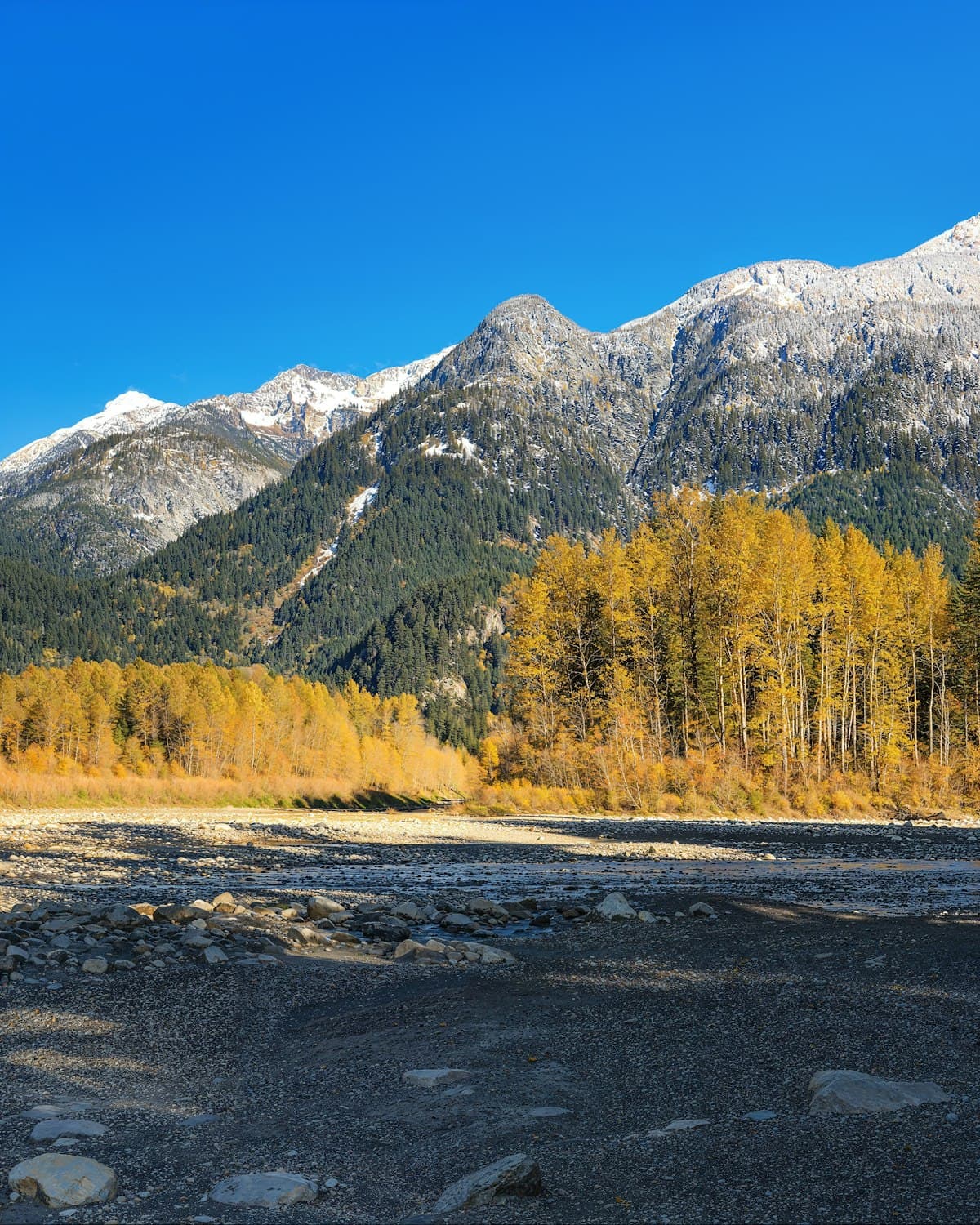
Fly Fishing the Skeena River: Spey Casting for Wild Steelhead in Northern British Columbia
Saturday, June 20, 2026
 ™
™